user profile avatar

Noah Sidonio

1x

Finalist

Bio

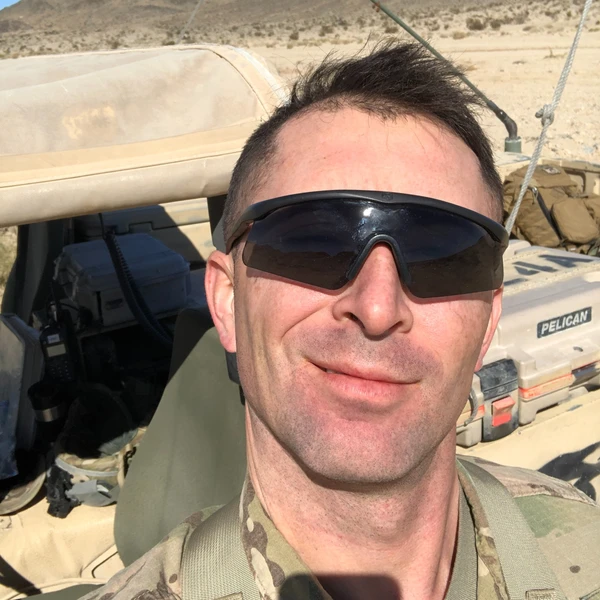
I’m a 44-year-old U.S. Army combat medic veteran with 22 years of service, including four combat tours. After retiring as a 100% service-connected disabled veteran with PTSD, I’ve spent the last few years rebuilding my life and helping others do the same. I earned my B.S. in Psychology with a 3.59 GPA as a first-generation college student and currently work as a Research Health Technician on a VA-funded sleep study supporting veterans with PTSD, TBI, and sleep disorders. My own healing journey through childhood trauma, military experiences, and plant medicine ceremonies completely changed how I see mental health. Those transformative experiences, combined with training as a Certified Psychedelic Transformation and Integration Coach, showed me the power of addressing root causes instead of just symptoms. I’m now enrolled in Pacifica Graduate Institute’s online M.A./Ph.D. program in Psychology, Religion, and Consciousness because I want to bring depth psychology, spiritual wisdom, and psychedelic integration together to help veterans heal.I’m passionate about creating real solutions for veteran suicide, trauma recovery, and holistic mental health. Through 600+ volunteer hours with the Sergeant Audie Murphy Club and VFW, I’ve raised hundreds of thousands for local charities and supported fellow service members in transition. My goal is to build outreach and education programs that combine evidence-based research with ancient wisdom and modern healing practices.

Education

Pacifica Graduate Institute

Doctoral degree program (PhD, MD, JD, etc.)
2026 - 2031
  • Majors:
    • Psychology, Other

University of Phoenix

Associate's degree program
2009 - 2016
  • Majors:
    • Liberal Arts and Sciences, General Studies and Humanities
University of Phoenix

Bachelor's degree program
2009 - 2017
  • Majors:
    • Psychology, General

Miscellaneous

  • Desired degree level:

    Doctoral degree program (PhD, MD, JD, etc.)

  • Graduate schools of interest:

  • Transfer schools of interest:

  • Majors of interest:

  • Not planning to go to medical school
  • Career

    • Dream career field:

      Mental Health Care

    • Dream career goals:

    • Combat Medic

      US Army
      2001 – 202322 years

    Research

    • Medicine

      VA — Research Coordinator
      2025 – Present

    Arts

    • Military

      Graphic Art
      1999 – 2001

    Public services

    • Volunteering

      Sergeant Audie Murphy Club — Various (member, President, VP, Treasurer, Secretary)
      2008 – 2023

    Future Interests

    Advocacy

    Politics

    Volunteering

    Philanthropy

    Entrepreneurship

    Joe Gilroy "Plan Your Work, Work Your Plan" Scholarship
    My primary goal is to complete Pacifica Graduate Institute’s fully online M.A./Ph.D. program in Psychology, Religion, and Consciousness (PRC) debt-free, then build a sustainable veteran-centered practice focused on trauma recovery, psychedelic integration, and depth psychology approaches. This work will reduce veteran suicide rates by addressing root causes; combat trauma, moral injury, and spiritual disconnection; through holistic, non-licensure pathways that integrate evidence-based research with transformative consciousness practices. Short-term plan (2026–2029): Enroll in the PRC program starting September 2026 and graduate with a Ph.D. by 2029 while maintaining full-time research employment until the contract ends. I will dedicate 20–25 hours weekly to coursework, leveraging the program’s flexibility for my 100% service-connected disabilities. I have already refined my core personal narrative, set up scholarship profiles on Bold.org, Fastweb, and Scholarships.com, and applied to over 30 awards. I submitted my VR&E (Chapter 31) reactivation on June 1 and am pursuing full tuition coverage plus subsistence allowance. I contacted Pacifica Financial Aid regarding the William James Scholarship (deadline August 15) and confirmed VR&E compatibility. Resources and budget: - Primary funding: VR&E for tuition, fees, books (~$18,000–$22,000/year estimated for Pacifica PRC), and monthly subsistence at the online BAH rate. Post-9/11 GI Bill as backup. - Scholarships/grants: Target $8,000–$15,000 annually through Pacifica institutional awards, SVA, APF/COGDOP (research focus on my current VA sleep/PTSD study), and veteran-specific funds. I maintain a living Google Sheet tracker and dedicate one focused hour daily to applications and follow-ups. - Personal resources: Lean Six Sigma Black Belt discipline for time management, Certified Psychedelic Transformation and Integration Coach credential, 600+ volunteer hours (Sergeant Audie Murphy Club, VFW), and a strong support network of fellow veterans and mentors. - Budget outline (annual): Tuition/fees covered by VR&E/scholarships = $0 out-of-pocket goal. Living expenses (~$48,000/year in Killeen, TX) covered by VA disability compensation + research salary (through ~June 2027) + subsistence. Contingency buffer: 10% of monthly income set aside for technology, books, or health-related needs. No new debt. Timing and contingencies: I begin studies September 2026, aligning with research contract end for seamless transition into part-time private practice and outreach by 2028. I have built redundancy: if VR&E approval is delayed, I pivot to full GI Bill + Yellow Ribbon/Pacifica aid. Health risks (PTSD flares) are mitigated through established integration practices, therapy, and the program’s self-paced format. If funding gaps emerge, I will increase volunteer leadership roles for networking and potential stipends while scaling outreach (e.g., free veteran workshops). Alternative path: accelerate M.A. portion only if Ph.D. timeline shifts, still achieving core competencies for advocacy and education roles. This plan embodies disciplined execution; Plan Your Work, Work Your Plan; rooted in 22 years of military service as a combat medic. My personal transformation through plant medicine ceremonies and depth psychology study has equipped me to serve veterans holistically. With VA resources, targeted scholarships, and daily action, I will graduate debt-free and launch sustainable healing initiatives that save lives.
    Learner Online Learning Innovator Scholarship for Veterans
    As a 22-year U.S. Army combat medic and 100% service-connected disabled veteran living with PTSD, I approach my online M.A./Ph.D. in Psychology, Religion, and Consciousness (PRC) at Pacifica Graduate Institute with the same discipline I once applied in trauma centers and combat zones. Online learning has become my primary battlefield for healing; not just for myself, but for the veterans I aim to serve through holistic trauma recovery and psychedelic integration. Pacifica’s D2L (Desire2Learn) platform is the foundation of my studies. Its asynchronous format allows me to engage deeply with depth psychology, Jungian concepts, and consciousness studies while managing my VA-funded sleep research role and integration coaching practice. I access recorded lectures, discussion boards, and multimedia resources on my schedule, which is essential given fluctuating PTSD symptoms and medical appointments. Complementing Pacifica, I rely on a suite of digital tools for research and application. Google Scholar and JSTOR provide peer-reviewed articles on trauma, psychedelics, and religious experience. Bessel van der Kolk’s The Body Keeps the Score and Gabor Maté’s work come alive through audiobook integrations on Audible and YouTube lectures, which I annotate in Notion. For synthesis, I use Anki flashcards to internalize archetypes, ego death phenomena, and integration frameworks from my Bufo alvarius and Ibogaine experiences. Specialized resources deepen practical application. The Multidisciplinary Association for Psychedelic Studies (MAPS) Integration Station offers free guides and community forums that directly inform my certified Psychedelic Transformation and Integration coaching. Psychedelic Support and The Embody Lab provide on-demand courses and somatic tools that bridge academic theory with real-world veteran care. Podcasts like those featuring Alan Watts, Michael Singer, and Jungian analysts play during my daily walks, turning passive time into active integration. These platforms have transformed how I apply knowledge. In my current Research Health Technician position on a VA sleep study for veterans with PTSD and TBI, I use REDCap for data collection while drawing on PRC insights to approach participants with greater presence and non-judgment; skills honed through online somatic and parts-work trainings. My 600+ hours volunteering with the Sergeant Audie Murphy Club and VFW now include informal integration circles where I share resources like MAPS materials, helping comrades move from survival mode to secure attachment. Online tools have removed traditional barriers that once kept veterans like me from advanced education. They enable me to study consciousness and religious experience while living in Killeen, Texas, far from any physical campus. More importantly, they allow immediate application: what I learn on Tuesday in a Pacifica module on spiritual emergency, I can adapt by Thursday in a coaching session or research interaction. This digital ecosystem has not only advanced my academic goals but reinforced my mission; to offer veteran-centered, depth-oriented healing alternatives that address root causes of trauma and reduce suicide. By innovating my own learning process, I am better equipped to innovate care for those who served.
    Learner Mental Health Empowerment for Health Students Scholarship
    Mental health is the foundation that determines whether I can fully show up; as a student, father, veteran, and future healer. At 44, entering Pacifica Graduate Institute’s online M.A./Ph.D. program in Psychology, Religion, and Consciousness while managing service-connected PTSD and 100% disability, I understand that unaddressed trauma reshapes every domain of life. As a student, mental health is not optional; it is the difference between merely completing coursework and genuinely integrating transformative knowledge I will one day offer others. My journey began long before academia. As a U.S. Army combat medic with 22 years of service and four combat tours, I witnessed mass casualties, moral injury, and the silent suffering of fellow soldiers. I returned carrying my own PTSD, layered atop childhood trauma involving physical, emotional, and sexual abuse. For years I lived in emotional numbness and hypervigilance, masking pain through achievements like Master Resilience Trainer, Lean Six Sigma Black Belt, and First Sergeant. The turning point came through three Bufo alvarius (5-MeO-DMT) ceremonies and one Ibogaine retreat. These experiences dismantled decades of armor, moving me from dissociation to secure attachment, presence, and self-trust. That awakening revealed that true healing addresses the root; body, mind, spirit, and consciousness. This transformation directly shapes why mental health matters to me as a student. Balancing online doctoral coursework with a temporary VA-funded research role on veterans’ sleep disorders, PTSD, and TBI demands daily mental health practices. I apply the very tools I study; depth psychology, non-violent communication, mindfulness from Alan Watts and Michael Singer, and integration work; to remain grounded. Without prioritizing my mental health, I could not fully absorb Pacifica’s curriculum or translate it into meaningful impact. Mental health allows me to be a present learner, not just a survivor going through the motions. My advocacy extends beyond personal practice into community action. I contributed over 600 volunteer hours with the Sergeant Audie Murphy Club as President and Treasurer, raising $750,000 for charities supporting veteran families facing invisible wounds. I continue volunteering with the Veterans of Foreign Wars and as Space Commander with Beond (an ibogaine clinic), facilitating safe ceremonies and post-journey integration for veterans. As a Certified Psychedelic Transformation and Integration Coach, I guide others through expanded states with emphasis on grounding, community, and long-term healing; the holistic approach veterans urgently need. In my research role, I advocate daily by treating participants with dignity, listening deeply, and advancing trauma-informed care. I share pieces of my recovery story when appropriate to reduce stigma and model that seeking help is strength. Through Student Veterans of America and future Pacifica networks, I plan to build peer support circles blending depth psychology, consciousness work, and veteran experience. Mental health is vital to me as a student because my education is not separate from my healing; it is its continuation and amplification. By investing in my wholeness, I can help reduce veteran suicide rates through innovative, root-cause approaches. This scholarship would ease financial pressure, allowing me to focus fully on becoming the advocate our community needs. I am not just studying mental health; I am living its transformative power every day, and I am committed to passing it forward.
    Bulkthreads.com's "Let's Aim Higher" Scholarship
    I want to build a holistic veteran healing program; a community-based model that integrates depth psychology, psychedelic integration practices, and lived combat experience to address the root causes of trauma, rather than just the symptoms. After 22 years as an Army combat medic, including four deployments where I triaged mass casualties and stood beside surgical teams in the worst of war, I returned home carrying invisible wounds that nearly destroyed me. PTSD, childhood trauma, and the numbness of transition left me disconnected from myself and others. Today, I am building a new future; one where veterans like me don’t have to choose between conventional treatment and spiritual transformation. My own turning point came through plant medicine. Three Bufo alvarius ceremonies and one Ibogaine retreat delivered the ego death and reconnection I could never access through traditional therapy alone. These experiences, paired with the teachings of Carl Jung, Gabor Maté, and Bessel van der Kolk, showed me that true healing requires confronting the psyche’s depths and rebuilding secure attachment. This personal rebirth led me to become a Certified Psychedelic Transformation and Integration Coach and, starting this September, to pursue Pacifica Graduate Institute’s online M.A./Ph.D. in Psychology, Religion, and Consciousness. Through this program, I am building the intellectual and spiritual foundation needed to create something larger than myself. My vision is a veteran-centered healing initiative that combines depth psychological tools, non-violent communication, and responsibly guided integration practices. It would offer group circles, one-on-one coaching, and educational workshops; not to replace VA care, but to fill its gaps. As a 100% service-connected disabled combat retiree and first-generation student, I understand the barriers: stigma, access, and the search for meaning after war. My program would be peer-led, culturally attuned, and focused on reducing veteran suicide by addressing spiritual disconnection and moral injury. This work will transform me as much as those I serve. It gives purpose to my pain and direction to my remaining years. Every hour I spend studying consciousness, every volunteer shift with the Sergeant Audie Murphy Club (where our team raised over $750,000 for local charities), and every conversation with fellow veterans reinforces my commitment. I am no longer just surviving; I am building. The positive impact will extend far beyond me. By creating safe spaces for integration and depth work, this initiative can help lower suicide rates, strengthen families, and restore a sense of purpose to those who served. My community; veterans in Texas and beyond; desperately needs alternatives that honor both the warrior’s wounds and the soul’s longing for wholeness. What I build will be a living bridge between combat experience, scientific research (like my current VA sleep study on PTSD and TBI), and spiritual awakening. I am not building a business or a monument. I am building hope; one veteran, one story, one transformed life at a time. With the support of this scholarship, I will turn my hard-won wisdom into a sustainable model of healing that future generations of service members can stand on.
    Arin Kel Memorial Scholarship
    If my brother Joel were still here, we would launch Veteran Resilience Integration Services (VRIS); a nonprofit organization dedicated to holistic trauma recovery for veterans and first responders. Joel, a U.S. Army Reserve combat veteran who served in the 288th Quartermaster Company, understood the invisible wounds of service. As a combat medic with 22 years in the Army myself, including four combat tours, I know the weight he carried; the same weight I still navigate daily with my own service-connected PTSD. Joel was born February 10, 1983, at Fort Rucker, Alabama, and passed on December 1, 2010, at just 27. He graduated from A.C. Jones High School, earned an Associate Degree in Radiology, and worked in healthcare while balancing military duties. His life reflected service: caring for others in uniform and in civilian roles at medical centers and correctional facilities. Losing him shattered our family, but his spirit fuels my mission. Together, VRIS would honor that legacy by bridging conventional care with transformative, depth-oriented approaches; exactly what I am studying in Pacifica’s Psychology, Religion, and Consciousness program. The nonprofit would offer: Peer-led integration coaching using psychedelic-assisted therapy principles (drawing from my certifications in Psychedelic Transformation and my own healing journeys with Bufo alvarius and Ibogaine). Depth psychology workshops rooted in Jungian archetypes, body-based trauma work (inspired by Bessel van der Kolk), and resilience training (building on my Master Resilience Trainer certification). Community outreach combining Non-Violent Communication, mindfulness, and veteran peer support groups. Research partnerships, like expanding the VA sleep study work I currently do as a Research Health Technician, to document holistic outcomes for PTSD, TBI, and moral injury. Why this business with Joel? Because he was a healer at heart; a radiology tech and Soldier who showed up for others. Starting VRIS together would let us continue that work side-by-side. I see him in every veteran I counsel: the quiet strength, the humor masking pain, the drive to serve even after the uniform comes off. As a single father, first-generation student, and 100% disabled combat retiree pursuing this degree debt-free, I am driven to create the support system we both needed. Joel’s sudden loss taught me that unprocessed trauma echoes across generations. Through VRIS, we would break that cycle; turning pain into purpose, isolation into community, and survival into thriving. His military honors and full burial service remind me daily that legacy isn’t just remembered; it’s lived. By founding this nonprofit, I carry Joel forward: not as a memory, but as a co-creator of healing spaces where veterans find secure attachment, spiritual reconnection, and tools to rewrite their stories. This scholarship would directly support my Pacifica studies, equipping me with the academic depth to make VRIS a reality and honor my brother’s service through lifelong impact.
    Love Island Fan Scholarship
    New Challenge: “Echoes of the Villa” “Echoes of the Villa” is a brand-new, multi-layered challenge that blends emotional depth, physical play, and explosive revelations to turn up the drama while giving Islanders a chance to build real connections. It would air mid-season, right after a recoupling, when tensions are high and new bombshells have shaken the villa. Setup & Rules The Islanders are split into two teams (boys vs. girls or mixed couples). Each Islander privately records a short “Echo” — a vulnerable 30-second voice note answering one deep prompt chosen by producers, such as: “What’s one fear from your past you’ve never told a partner?” “Describe the moment you knew your last relationship was over.” “What’s a hidden insecurity that shows up in the villa?” These voice notes are anonymized with voice distortion at first. Teams then enter the “Echo Chamber” — a dimly lit outdoor area with glowing pods and a central fire pit. One by one, a note is played aloud. The team must guess which Islander it belongs to. Correct guesses earn points and a “Truth Token.” Wrong guesses mean the group does a silly physical penalty (e.g., piggyback relay or pie in the face) while the real owner stays silent. After all notes are revealed and guessed, the second round begins: “Echo Integration.” Islanders with Truth Tokens can choose to “couple up” with anyone for a private 5-minute fireside chat to discuss the revealed Echo. They can ask follow-up questions or share their own related story. The rest of the villa watches live on the screen, creating instant reactions, jealousy, and support. Objectives Emotional Layer: Forces Islanders to move beyond surface-level flirting into genuine vulnerability; perfect for showing growth or exposing cracks in couples. Strategic Layer: Points determine luxury rewards (spa day, date, or villa upgrade) for the winning team. Drama Layer: Public airing of personal stories guarantees fireworks; someone’s secret fear or breakup detail will spark arguments, alliances, or stronger bonds. How It Adds Excitement This challenge elevates classic Love Island games by combining the fun of “Who Said That?” with raw, therapeutic-style sharing. It creates multiple payoff moments: the guessing drama, the physical comedy, the intimate fireside talks, and the group reactions afterward. Viewers get to see Islanders process real emotions in real time; some will comfort each other, others will weaponize the info, and a few might have breakthroughs that change their entire villa journey. It fits the show’s DNA of fun + flirtation while giving fans deeper character moments. Imagine the recoupling speech where someone says, “Your Echo made me see you differently.” Pure gold for memes, Twitter debates, and emotional investment. “Echoes of the Villa” would become an instant fan-favorite, blending heart, heat, and high-stakes reality TV.
    John Acuña Memorial Scholarship
    I served 22 years in the United States Army as a combat medic, retiring as a senior noncommissioned officer. My career included four combat tours in Iraq and Afghanistan, where I provided frontline trauma care in mass casualty events, supported surgical teams in Level III facilities, and led medical operations under fire. I also held key leadership roles including First Sergeant, Deputy Chief of Staff for Surgical Services, and Master Resilience Trainer. My duty stations include Joint Base San Antonio, TX, Joint Base Elmendorf-Richardson, Fort Hood, TX and Fort Campbell, KY. These experiences exposed me directly to the invisible wounds of war. I am currently pursuing a fully online M.A./Ph.D. in Psychology, Religion, and Consciousness at Pacifica Graduate Institute while working as a Research Health Technician on a VA funded sleep study for veterans with PTSD and traumatic brain injury. My long-term goals are to build a holistic practice focused on veteran trauma recovery, integrating depth psychology, consciousness studies, and psychedelic assisted integration. I want to create outreach and education programs that address root causes of veteran suicide and promote secure attachment and self-trust. My military service directly shaped these goals. As a combat medic, I witnessed the immediate and lasting impact of trauma on service members and their families. I saw how conventional treatments often fell short for deep spiritual and existential wounds. My own journey with service-connected PTSD, compounded by childhood trauma, led me through plant medicine ceremonies including three Bufo alvarius experiences and one Ibogaine retreat. These transformative processes, combined with studies of Carl Jung, Gabor Mate, and Bessel van der Kolk, showed me the power of integrating psychological, spiritual, and somatic approaches. Military service taught me resilience, leadership, and the value of mission driven work, all of which now drive me to help veterans find the same healing I experienced. As a veteran, several challenges have tested my ability to achieve these goals. My 100 percent service-connected disability rating brings daily management of PTSD symptoms, which can affect focus and energy levels. Transitioning to civilian life brought identity struggles, relationship changes, and the pressure of providing for myself as a single father of adult children while in a temporary research position that ends in about one year. Financial uncertainty and the high cost of graduate education added another layer, making zero student debt a critical priority. Despite these obstacles, my military training in adaptability and Lean Six Sigma problem solving keeps me moving forward. Following John Acuna's example of service after his country, I remain deeply involved in my community. For over six years I volunteered more than 600 hours with the Sergeant Audie Murphy Club, serving as President and Treasurer. In that role I helped raise over 750000 dollars for local charities and veteran causes, earning the Military Outstanding Volunteer Service Medal. I continue supporting veterans through the Veterans of Foreign Wars and serve as Space Commander with Beond, guiding psychedelic integration for veterans. These efforts reflect my commitment to giving back through mentorship, fundraising, and direct support for those still carrying the weight of service. My military foundation, personal healing journey, and community work have prepared me to turn hard earned lessons into meaningful impact for fellow veterans.
    Debra S. Jackson New Horizons Scholarship
    At 44 years old, I am beginning a new chapter in higher education through Pacifica Graduate Institute's online M.A./Ph.D. program in Psychology, Religion, and Consciousness. This pursuit comes after 22 years of service as a U.S. Army combat medic, four combat tours, and a lifetime shaped by both profound hardship and hard-won transformation. These experiences have forged my core values of resilience, compassion, and service while clarifying my career path and deepening my commitment to community. My journey began in a turbulent childhood marked by mental, physical, and sexual abuse, which led to juvenile delinquency and early patterns of disconnection. At 18, I enlisted in the Army seeking structure and purpose. As a combat medic, I witnessed the raw realities of trauma: mass casualties, triage under fire, and the invisible wounds carried by soldiers. I carried those burdens home. After retirement, I faced severe PTSD, a difficult divorce, and the challenges of civilian transition. For years, I operated from a place of emotional numbness and anxiety. A turning point arrived through transformative plant medicine experiences. Three Bufo alvarius ceremonies and one Ibogaine retreat facilitated deep ego dissolution and spiritual awakening. These encounters allowed me to confront buried trauma, release long-held pain, and cultivate secure attachment, presence, and self-trust. This personal healing inspired me to become a Certified Psychedelic Transformation and Integration Coach. It also reignited my passion for learning. I completed my B.S. in Psychology with a 3.59 GPA as a first-generation student while managing these changes. Now, at this stage of life, I recognize that true healing requires integrating depth psychology, spiritual wisdom, and consciousness studies. Pacifica's program perfectly aligns with my need to explore these intersections. These experiences have shaped my values around holistic healing rather than symptom management alone. They taught me that trauma lives in the body and spirit, as authors like Bessel van der Kolk and Gabor Maté describe. My career aspiration is to support veteran mental health through non-licensure pathways: private practice, outreach programs, advocacy, and education focused on trauma recovery, psychedelic integration, and depth psychology approaches. I aim to reduce veteran suicide rates by addressing root causes and offering integrative alternatives. My commitment to community service runs deep. As President and Treasurer of the Sergeant Audie Murphy Club, I contributed over 600 volunteer hours and helped raise $750,000 for local charities, earning the Military Outstanding Volunteer Service Medal. I continue serving with the Veterans of Foreign Wars and support ibogaine-related veteran initiatives. These roles reinforced that service is not just duty but a path to collective healing. Through this education, I plan to create veteran-centered healing programs that blend depth psychology, consciousness exploration, and integrative practices. I envision workshops, support circles, and advocacy efforts that empower veterans to move from survival to thriving. Whether in private sessions or community outreach, I will use these tools to foster resilience and connection among those who have sacrificed the most. This scholarship would significantly assist me in achieving these goals. As a 100 percent service-connected disabled veteran relying on temporary VA research employment that ends in about a year, I am committed to graduating with zero student debt. Financial support from the Debra S. Jackson New Horizons Scholarship would reduce my burden, allowing me to focus fully on my studies and apply that energy toward serving my community. At this midpoint in life, I am not starting over but building on a foundation of lived wisdom. I am ready to transform my experiences into meaningful impact, honoring the spirit of new horizons that this scholarship represents.
    Sweet Dreams Scholarship
    The story that fundamentally changed mine belongs to Dr. Carl Jung. His exploration of the collective unconscious, archetypes, and shadow integration gave language to the fragmentation I carried for decades. As a 22 year combat medic in the US Army, I witnessed mass casualties, fallen brothers, and the daily weight of keeping others alive while my own spirit fractured. Childhood abuse, multiple deployments, and PTSD left me emotionally numb, disconnected, and questioning my purpose after civilian transition. Jungs insistence that true healing requires confronting darkness resonated deeply. His work led me to depth psychology and transformative plant medicine experiences. In Bufo alvarius and Ibogaine ceremonies, I encountered ego death and reconnection echoing Jungs individuation. These were not escapes. They were rigorous integrations of trauma into wholeness, moving me from survival to secure attachment, presence, and self trust. This shift clarified my mission. Today, as a Certified Psychedelic Transformation and Integration Coach and Research Health Technician on a VA sleep study for veterans with PTSD and TBI, I use these insights daily. Studying Psychology, Religion, and Consciousness at Pacifica bridges Jungian depth with veteran healing. Jungs story equipped me to help change others, proving deepest wounds become sources of light and service.In Killeen, Texas, home to one of the largest US Army installations, most people walk past veteran isolation and untreated moral injury. You see the uniform or bumper stickers, but not the combat medic waking to explosions or the retiree carrying invisible disabilities while smiling. The problem is not just PTSD statistics. It is the deeper spiritual disconnection veterans feel. Society celebrates the hero but ignores soul level wounds. What I notice that others do not is subtle withdrawal: veterans skipping VFW events, single dads masking hypervigilance, or leaders hiding loss of meaning. As Sergeant Audie Murphy Club President and Treasurer, I have seen how 600 volunteer hours and 750000 raised still leave gaps in holistic healing. Most resources focus on medication and talk therapy, yet many need depth psychology, ritual, and consciousness exploration to rebuild purpose and reduce suicide risk. If granted resources, I would build a veteran peer support network grounded in Psychology, Religion, and Consciousness. This includes free monthly integration circles from my coaching certification, VA partnerships for depth workshops, and outreach normalizing plant medicine informed and Jungian approaches. I would create a resource hub with scholarships and train facilitators in Non-Violent Communication and resilience skills. My journey from combat medic to plant medicine awakening to Pacifica student shows hope is possible. With the Sweet Dreams Scholarship, I can turn transformation into community healing so no veteran walks past their pain unseen. Thank you for investing in stories that strengthen communities through education and service.
    Future Nonprofit Leaders Award
    My decision to pursue a career in the nonprofit sector stems from 22 years as a U.S. Army combat medic and four combat tours that exposed me to the raw realities of trauma, both on the battlefield and within myself. As a first-generation student and 100% service-connected disabled veteran living with PTSD, I have witnessed how conventional systems often fall short in addressing the root causes of veteran suffering; moral injury, spiritual disconnection, and unprocessed trauma. Nonprofits offer the freedom, agility, and mission-driven focus that government and for-profit systems frequently lack. In this sector, I can innovate, collaborate across disciplines, and center lived experience in ways that directly reduce veteran suicide rates and foster genuine healing. My journey began in the chaos of mass casualties and triage in Level III Trauma Centers and forward operating bases. These experiences taught me that physical survival is only the beginning; true recovery demands addressing the invisible wounds. After retiring, my own battle with childhood trauma, military PTSD, divorce, and civilian transition led me to transformative plant medicine work; three Bufo alvarius ceremonies and one Ibogaine retreat. These experiences produced profound ego dissolution, spiritual awakening, and a shift from emotional numbness to secure attachment and self-trust. Becoming a Certified Psychedelic Transformation and Integration Coach crystallized my calling: to help other veterans navigate similar paths safely and intentionally. I am currently enrolled in Pacifica Graduate Institute’s fully online M.A./Ph.D. program in Psychology, Religion, and Consciousness. This non-licensure program perfectly equips me with depth psychological tools; drawing from Jung, William James, and others; alongside consciousness studies and religious/spiritual frameworks. Unlike traditional clinical paths, it allows me to integrate psychedelic integration, somatic practices (inspired by Bessel van der Kolk), and non-violent communication (Marshall Rosenberg) into holistic veteran support models. In the nonprofit sector, I envision founding or leading initiatives focused on veteran-centered trauma recovery. My goal is to create accessible programs that combine depth psychology, psychedelic integration coaching, and community-based peer support. Drawing from my six years and 600+ volunteer hours with the Sergeant Audie Murphy Club—where I helped raise $750,000 for local charities and earned the Military Outstanding Volunteer Service Medal—I understand how nonprofits can mobilize resources, build trust, and scale impact. As a current Research Health Technician on a VA-funded sleep study examining behavioral health improvements in veterans with PTSD and TBI, I bring data-driven rigor to program design and evaluation. The positive impact I hope to create is both immediate and systemic. At the community level, I want to reduce isolation and suicide by offering safe spaces for veterans to process trauma through integrative methods that honor their spiritual and existential experiences. Nationally, I aim to advocate for broader acceptance of psychedelic-assisted therapies within veteran care, bridging gaps between emerging research and real-world application. By training peer facilitators and developing low-cost integration curricula, my work can reach underserved veterans in rural areas like Killeen, Texas, and beyond; those who might never access traditional therapy. Ultimately, nonprofits allow me to operate from a place of service rather than profit. My lived experience as a combat medic, trauma survivor, and transformed veteran gives me credibility and compassion that resonates deeply with those I serve. Through this path, I hope not only to help individuals reclaim their lives but also to shift cultural narratives around veteran mental health; from one of brokenness to one of profound resilience, wisdom, and post-traumatic growth. This work is my continuation of service: healing the warriors who once healed others.