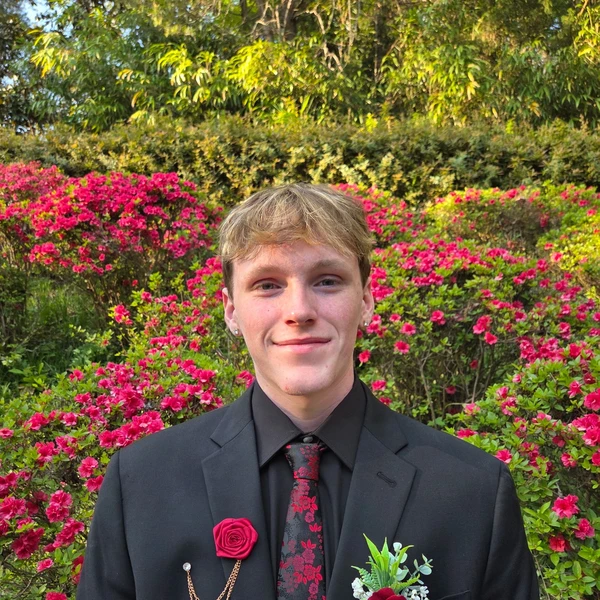
user profile avatar

Noah Warren

1x

Finalist

1x

Winner

Bio

I plan to attend Liberty University in the fall of 2026, where I will major in Biological and Biomedical Sciences as I prepare for a future in healthcare.

Education

New Kent High School

High School
2022 - 2026

Miscellaneous

  • Desired degree level:

    Bachelor's degree program

  • Majors of interest:

    • Biological and Biomedical Sciences, Other
  • Planning to go to medical school
  • Career

    • Dream career field:

      Medicine

    • Dream career goals:

      Richard Neumann Scholarship
      One idea I would create if I had the money and resources is a mobile first emergency communication and preparedness system designed to improve how quickly bystanders, first responders, and hospitals can share critical information during emergencies. I have seen through my EMT training and ride along experiences how important every second is in emergency situations, and how often delays happen not because people do not care, but because communication and information are incomplete or scattered. The problem I want to solve is the gap between when an emergency happens and when accurate, usable information reaches the right people. Right now, emergency response often relies on phone calls, bystander descriptions, and dispatch systems that can miss important details. This can slow down response time or lead to responders arriving without enough information about the patient’s condition, location specifics, or potential risks on scene. My solution would be an app called something like “RapidLink,” designed to connect bystanders, EMS, and hospitals in real time. The core idea would be simple: when someone calls 911 or activates emergency services, the app would automatically create a secure incident profile tied to the location. If a bystander opens the app during an emergency, they could submit live updates such as patient condition, photos if appropriate, hazards on scene, or number of people involved. This information would be immediately encrypted and sent to dispatch and responding units. For EMS crews, the app would function as a live dashboard. Before arrival, responders could see updated information about the scene, such as whether CPR is in progress, whether there are environmental dangers, or if additional resources are needed. This would help them prepare more effectively before even stepping out of the ambulance or fire truck. It would not replace dispatch systems but would enhance them with real time, crowd sourced information verified through location tracking and emergency confirmation protocols. For hospitals, the system would send pre arrival alerts directly to emergency departments. This would include estimated arrival time, patient condition updates, and any critical interventions already performed in the field. That way, trauma teams could prepare equipment, medications, and staff before the patient even arrives, improving response efficiency. To prevent misuse or misinformation, the app would include strict safeguards. Only verified emergency activations (through 911 integration or location triggered confirmation) would open incident reports. Bystander input would be time stamped and compared across multiple sources to reduce false reporting. EMS and dispatch would always have final control over decisions, ensuring the system supports professionals rather than replaces them. If I had the resources, I would first build a prototype focused on one EMS agency and one hospital system to test real world usability. I would work closely with paramedics, dispatchers, and ER physicians to refine what information is actually useful in the field. After that, I would expand into a regional pilot program, collect data on response times and patient outcomes, and continue improving the system based on feedback. Ultimately, my goal with this idea would be to reduce communication delays in emergencies and improve coordination between everyone involved in patient care. Even small improvements in information flow can make a major difference in survival and recovery, and that is the kind of impact I would want to create.
      Shape the News No-Essay Survey Scholarship
      Patrick B. Moore Memorial Scholarship
      Being accepted to Liberty University for the 2026–2027 academic year has helped clarify how I want to use my education to make a positive impact on others. I plan to major in biomedical sciences on the pre-medical track and pursue Liberty’s competitive 3+1 program, which would allow me to enter medical school earlier. For me, this path is not about rushing success, but about preparing sooner to serve people who need knowledgeable, compassionate care. My education is a responsibility, and I intend to use it to actively invest in the lives of others. Studying biomedical sciences will give me a strong foundation in human biology, disease, and prevention. This knowledge matters because health is deeply personal, and people often face fear and uncertainty when it is compromised. Through my education, I want to help individuals understand what is happening in their bodies and feel empowered rather than overwhelmed. Medicine is not only about treatment; it is about trust. By learning to communicate clearly and listen carefully, I hope to pour into the lives of patients by making them feel respected, informed, and supported. My goal of entering Liberty’s 3+1 program reflects my commitment to service and discipline. The accelerated path requires strong work ethic, time management, and maturity, qualities that are necessary in healthcare. By completing my education efficiently, I hope to begin serving patients sooner and respond to real needs without delay. Entering medical school earlier would allow me to contribute to healthcare teams at a younger age while continuing to grow professionally. This path would position me to help others during some of the most critical moments of their lives. Beyond clinical goals, I plan to invest in others through mentorship and education. Many students feel intimidated by science or unsure about pursuing medical careers. I want to be someone who helps them believe in their potential by tutoring, mentoring, or leading study groups. Whether working with classmates or younger students, I aim to make difficult material more accessible and encourage perseverance. Helping someone succeed academically can open doors that once felt closed, and I want my education to be a resource others can rely on. My experience as a lifeguard has already shaped how I approach responsibility. Being entrusted with others’ safety taught me how to stay calm, alert, and proactive. Those lessons directly connect to medicine, where prevention and early intervention save lives. With advanced medical education, I want to continue stepping in before situations become life-threatening, using knowledge to protect and guide others. This mindset allows me to make an impact not only in emergencies, but through long-term care and education. I am also committed to serving underserved communities where access to healthcare knowledge is limited. Through outreach, education, and patient advocacy, I want to ensure that people feel seen and valued. Success in medicine should never be defined by status or income, but by the number of lives improved. My faith and education together motivate me to approach service with humility and compassion. Ultimately, my acceptance to Liberty University represents more than an academic achievement; it is the beginning of a calling. By pursuing biomedical sciences, striving for the 3+1 program, and preparing for medical school, I hope to use my education to uplift others. I want my future to reflect a life poured into people, where knowledge becomes service and success is shared.
      No Essay Scholarship by Sallie
      Evans Construction Scholarship
      Winner
      Being a lifeguard at Great Wolf Lodge changed how I think about responsibility and selflessness. When I first applied, I thought of it as a regular job where I would earn money and gain experience. I did not expect it to shape the way I see other people or the weight of being trusted with their safety. Over time, I realized that being a lifeguard means constantly putting other people’s needs ahead of your own, even when it is uncomfortable or exhausting. The hardest part of the job is not the physical work. It is the mental focus. For hours at a time, I have to stay alert even when I am tired, bored, or distracted. I cannot zone out, check my phone, or relax like most people at a water park. Kids do not always recognize danger, and parents do not always notice when something is going wrong. Knowing that I am often the person who steps in before a situation becomes life threatening means my attention can never slip. That level of responsibility taught me what selflessness really looks like doing what is necessary instead of what is easy. I have made sacrifices because of this job. I work weekends, nights, and holidays when most people are hanging out with friends or relaxing. There are times I have gone into work tired or stressed from school, but I still had to perform at a high level because safety does not pause for personal problems. I have stepped in many times to help kids who were in situations that could have quickly turned life threatening if no one had acted. Each time reminded me how fast things can escalate and how important it is to stay focused and proactive rather than reactive. What motivates me is not recognition or praise. Most guests never realize how close a situation may have been to becoming dangerous, and that is okay. I have learned that selfless actions do not need attention to matter. What matters is knowing I did my job and prevented something worse from happening. That quiet responsibility has made me more disciplined and dependable both at work and in school. This experience also changed how I view leadership. Leadership is not about being loud or in charge. It is about consistency, awareness, and accountability. As a lifeguard, I had to communicate clearly with my team, follow procedures, and hold myself to high standards even when no one was watching. Those expectations pushed me to mature quickly and take ownership of my actions. As a senior at New Kent High School, I carry these lessons with me. Being a lifeguard taught me that selflessness is often repetitive, unseen, and mentally demanding. It is choosing responsibility over comfort every shift. That mindset has shaped who I am and how I plan to approach my future, reminding me that the greatest impact often comes from being reliable when it matters most.