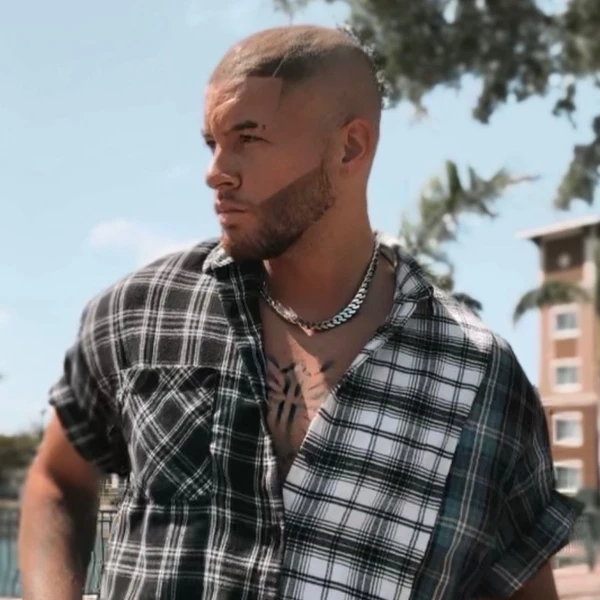
Noah Kalili
1x
Finalist
Noah Kalili
1x
FinalistBio
Nursing Student 🩺
Education
Galen College of Nursing-Tampa Bay
Bachelor's degree programMajors:
- Registered Nursing, Nursing Administration, Nursing Research and Clinical Nursing
GPA:
3.5
University of South Florida-Main Campus
Bachelor's degree programMajors:
- Biomedical/Medical Engineering
GPA:
3.5
Miscellaneous
Desired degree level:
Doctoral degree program (PhD, MD, JD, etc.)
Graduate schools of interest:
Transfer schools of interest:
Majors of interest:
- Registered Nursing, Nursing Administration, Nursing Research and Clinical Nursing
Career
Dream career field:
Hospital & Health Care
Dream career goals:
Patient Transporter
HCA Healthcare2020 – 20222 yearsPatient Care Technician
Moffit Cancer Center2022 – 20242 yearsNurse Extern
HCA Healthcare2024 – Present2 years
Sports
Surfing
Intramural2002 – Present24 years
Baseball
Varsity2004 – Present22 years
Public services
Volunteering
Miracle League Baseball — I would assist those with special needs play ball! Hit, pitch, and run the bases as a 1-on-1 “Buddy”.2016 – 2021Volunteering
Humane Society — Clean cages, feed, and play with pups!2018 – Present
Future Interests
Advocacy
Volunteering
Entrepreneurship
Dick Loges Veteran Entrepreneur Scholarship
My name is Noah Kalili, and while I was not raised by my biological father, my grandfather stepped into that role and became the most influential male figure in my life. He embodied discipline, service, and leadership—qualities often associated with both military service and entrepreneurship. Although his path was not defined by titles, the way he carried himself reflected the mindset of someone who understood sacrifice, responsibility, and building something greater than himself. His influence has had a lasting impact on both my educational journey and my long-term career goals.
My grandfather was a man of structure and purpose. He believed in hard work, accountability, and doing things the right way, even when it was difficult. These are values that closely mirror the discipline instilled through military service. He approached life with a sense of order and commitment that shaped how I view responsibility today. Growing up under his guidance taught me that success is not given—it is earned through consistency, resilience, and self-discipline.
In many ways, he also carried an entrepreneurial mindset. He believed in creating opportunities rather than waiting for them, and he encouraged me to think beyond limitations. He showed me that growth comes from stepping into challenges and being willing to take ownership of your future. That mindset has directly influenced my approach to education. As a nursing student, I do not simply aim to complete my degree—I aim to build a strong foundation that will allow me to grow into advanced roles within healthcare, specifically as a Certified Registered Nurse Anesthetist (CRNA).
His influence has been especially meaningful as I navigate the challenges of being a first-generation college student. Without a clear roadmap, I have had to rely heavily on the values he instilled in me. I currently balance full-time work with full-time school, including demanding and unpaid clinical rotations that require travel and long hours. These challenges have tested my endurance, but they have also reinforced the lessons my grandfather taught me about perseverance and responsibility.
Although I never had a father figure in the traditional sense, my grandfather filled that role completely. His presence gave me stability and direction during my formative years. When I lost him, it was more than losing a loved one—it was losing a mentor and guide. However, his teachings did not leave with him. Instead, they became the foundation I now stand on as I continue pursuing my goals.
His influence has also shaped how I approach my future career. In healthcare, especially in high-pressure environments, discipline and accountability are critical. I plan to carry those values into my work as a nurse and eventually as a CRNA. Additionally, his entrepreneurial mindset has inspired me to think beyond just working in healthcare. In the future, I hope to explore opportunities where I can grow professionally, potentially mentor others, and contribute to improving systems within healthcare.
Ultimately, my grandfather’s influence has shaped both who I am and who I am becoming. His example taught me that success is built through resilience, integrity, and a willingness to take ownership of your path. While I may not come from a traditional background outlined in this scholarship, the principles he lived by reflect the same spirit of discipline and ambition that this award represents. I carry those lessons with me every day as I continue my education and work toward building a meaningful and impactful career.
Brent Gordon Foundation Scholarship
My name is Noah Kalili, and while I never had the opportunity to know my biological father, my grandfather stepped into that role and became the primary father figure in my life. He was more than just a grandfather to me—he was a source of guidance, strength, and stability. Losing him was one of the most impactful experiences of my life, and it continues to shape the person I am becoming today.
My grandfather was someone I looked up to in every way. He carried himself with quiet strength and lived a life rooted in service, faith, and discipline. He taught me values that I still carry with me—respect for others, the importance of hard work, and the responsibility to do the right thing even when no one is watching. He didn’t just tell me these things; he lived them out daily, setting an example that I strive to follow.
Growing up without a father could have left a void in my life, but my grandfather filled that space with love and guidance. He was someone I could rely on, someone who believed in me, and someone who helped shape my understanding of what it means to be a man. When I lost him, it felt like I lost that foundation. It was not just the loss of a loved one—it was the loss of my mentor, my role model, and the person who had helped guide me through life’s early stages.
His passing forced me to mature in ways I wasn’t fully prepared for. I had to learn how to navigate life with less emotional support and without the presence of the person who had always been there for me. It was a difficult transition, and there were moments of grief, confusion, and loneliness. However, through that pain, I also found a deeper sense of purpose. I realized that the values he instilled in me did not leave with him—they became a part of who I am.
His loss has had a direct impact on my journey, especially in my pursuit of a career in nursing. I carry his influence into everything I do. As I work toward becoming a nurse and eventually a Certified Registered Nurse Anesthetist (CRNA), I strive to embody the same qualities he showed me—strength, compassion, and integrity. In healthcare, patients often need more than just clinical care; they need reassurance, trust, and someone who truly cares. I aim to be that person, just as my grandfather was for me.
Financially and emotionally, his absence has also made my journey more challenging. As someone navigating college and life without that father figure, I have had to rely on my own discipline and determination to keep moving forward. I work full time while attending school full time, balancing the pressures of education, finances, and personal growth. Despite these challenges, I remain committed to my goals because I know that success is not just for me—it is a way to honor him and everything he invested in me.
Losing my grandfather changed my life, but it did not break me. Instead, it strengthened my resilience and deepened my sense of responsibility. His legacy lives on through the way I carry myself, the way I treat others, and the path I have chosen. I am determined to continue pushing forward, using both the lessons he taught me and the strength I gained through loss to build a future that reflects the man he believed I could become.
Kyla Jo Burridge Memorial Scholarship for Brain Cancer Awareness and Support
My name is Noah Kalili, and my connection to brain cancer is deeply personal. My grandfather battled brain cancer, and witnessing his journey left a lasting impact on both me and my family. Seeing someone you love face such a devastating disease changes your perspective on life, health, and the importance of compassionate care. His diagnosis brought uncertainty, emotional strain, and moments of fear, but it also revealed strength, resilience, and the importance of support systems during life’s most difficult times.
Although I did not fully understand the complexity of brain cancer at the time, I saw firsthand how it affects not only the patient but everyone around them. My family experienced the emotional toll of watching his condition progress, and I realized how critical it is for patients and families to have not only medical care, but also emotional and psychological support. That experience has stayed with me and has been a major influence on my decision to pursue a career in healthcare.
As I entered the healthcare field, I had the opportunity to further understand the realities of serious illnesses through my work experience. While working at Moffitt Cancer Center in Tampa, Florida, I was exposed to patients battling various forms of cancer, including those with complex and aggressive diagnoses. That experience reinforced what I had seen with my grandfather—cancer is not just a physical illness, but an emotional and life-altering journey. It strengthened my empathy and deepened my desire to be part of a profession that provides both clinical care and human connection.
Although I have not led large-scale advocacy initiatives specifically for brain cancer, I contribute to awareness and support through my everyday interactions in healthcare. As a nursing student and nurse extern, I approach every patient with compassion, patience, and a commitment to making them feel seen and heard. I believe advocacy does not always have to be public or large-scale—it can also exist in small, meaningful moments, such as taking the time to listen to a patient’s concerns, explaining care in a way they understand, or supporting families through uncertainty. These moments matter, especially for those facing serious conditions like brain cancer.
My long-term goal is to become a Certified Registered Nurse Anesthetist (CRNA), a role that requires a high level of skill, precision, and responsibility for patient safety. While this specialty is not limited to oncology, I will carry the lessons I learned from my grandfather’s experience into every patient interaction. I want to be a healthcare provider who not only delivers excellent clinical care but also understands the emotional weight that patients and families carry.
Receiving this scholarship would help ease the financial burden of my education, allowing me to focus more on my academic and clinical development. Nursing school is demanding, and as someone who balances full-time work, full-time school, and unpaid clinical rotations, financial support would make a meaningful difference in my ability to continue pursuing my goals.
In the future, I hope to use my education to contribute to a healthcare environment that prioritizes both advanced treatment and compassionate care. I want to continue raising awareness about the realities of diseases like brain cancer by being a provider who listens, supports, and advocates for patients and their families. My grandfather’s journey has shaped who I am today, and I am committed to honoring his memory by dedicating my life to serving others with empathy, strength, and purpose.
Sharra Rainbolt Memorial Scholarship
My name is Noah Kalili, and cancer has impacted my life both personally and professionally in ways that have deeply shaped my perspective on healthcare, resilience, and compassion.
My family’s experience with cancer began through my grandfather. Watching someone you love face a disease like cancer is something that changes you permanently. Even though I was not always physically present for every part of his journey, I saw the emotional weight it placed on my family—the uncertainty, the fear, and the strength it took to keep going each day. My grandfather’s experience taught me that cancer is not just a medical diagnosis; it is a life-altering experience that affects entire families, not just the individual patient. It forced me to grow in empathy at a young age and helped me understand how important emotional support is during serious illness.
That personal experience became even more meaningful when I later had the opportunity to work at Moffitt Cancer Center in Tampa, Florida. Working in such a respected oncology environment allowed me to see cancer care from a clinical perspective for the first time. I observed patients receiving treatment, families waiting with hope and anxiety, and healthcare professionals working tirelessly to provide both advanced care and emotional support. At Moffitt, I realized that cancer treatment is not only about medicine—it is about presence, communication, and humanity.
One of the most impactful lessons I learned at Moffitt was how much patients rely on the healthcare team not only for treatment, but also for reassurance. Small moments—such as explaining a process clearly, offering comfort during transport, or simply acknowledging a patient’s fear—can make a meaningful difference in their experience. I often reflected on my grandfather during these moments, thinking about how different stages of care affect both patients and families emotionally.
These experiences strengthened my desire to pursue nursing and ultimately specialize in critical care as a Certified Registered Nurse Anesthetist (CRNA). While anesthesia and critical care are not directly oncology roles, the foundation of compassion, precision, and patient-centered care is the same. Working in environments like Moffitt helped me understand the importance of high-level clinical knowledge paired with emotional intelligence. I learned that patients facing life-threatening conditions need caregivers who are not only skilled, but also deeply present and compassionate.
Cancer has also taught me the importance of resilience. Seeing my grandfather’s journey and witnessing patients at Moffitt go through their own battles showed me that strength is not the absence of struggle, but the ability to continue moving forward despite it. It also reminded me that families carry much of the emotional burden alongside the patient, and they need support just as much as the individual receiving treatment.
Through these experiences, I have developed a strong sense of purpose in healthcare. I want to be the kind of provider who helps ease fear, provides clarity in moments of uncertainty, and treats every patient with dignity and respect. I also want to advocate for families, recognizing that they are an essential part of the healing process.
Ultimately, cancer has taught me that healthcare is not just about treating disease—it is about caring for people in their most vulnerable moments. My grandfather’s journey and my time at Moffitt Cancer Center have shaped my calling in nursing and reinforced my commitment to serving others with compassion, excellence, and humanity.
Tawkify Meaningful Connections Scholarship
**Option 1: Relationships & Impact**
My name is Noah Kalili, and one of the most meaningful relationships that has shaped who I am today began during my first healthcare job as a patient transporter at a hospital. While I expected to learn primarily about the healthcare environment and patient movement, I did not expect that one of the most lasting influences on my personal and professional development would come from someone working in the hospital cafeteria.
This cafeteria worker, whom I came to know over time, was one of the most consistently positive and grounding presences in the entire hospital. In an environment filled with stress, urgency, and emotional intensity—where nurses, doctors, patients, and families were often navigating difficult or overwhelming situations—she had a unique ability to bring calm and warmth into every interaction. No matter how busy or chaotic the day was, she made it a point to greet people with a smile and offer a brief, meaningful conversation that felt intentional and sincere.
What stood out most to me was not just her kindness, but her emotional awareness. She understood that the hospital was not just a workplace—it was a place where people were experiencing fear, grief, hope, and uncertainty all at once. Instead of ignoring that reality, she leaned into it with compassion. She treated everyone the same, whether they were a physician, nurse, patient, family member, or staff. In doing so, she created moments of humanity in an environment that can often feel clinical and fast-paced.
To me, she embodied something deeply “motherly” in nature. Her presence felt nurturing, steady, and reassuring. She would check in on people in small but meaningful ways, remember faces, and make individuals feel seen even in passing interactions. Over time, I realized that her impact extended far beyond food service—she was providing emotional care in her own way, contributing to the overall well-being of everyone around her.
This relationship taught me an important lesson about human connection in healthcare: that impact is not always tied to job title or clinical role. Sometimes the most meaningful support comes from simple acts of kindness, consistency, and genuine attention to others. As a patient transporter, I often found myself observing how different people shaped the hospital environment, and she stood out as someone who actively improved the emotional experience of everyone she encountered.
Her example has influenced the way I now approach relationships in my own life and future career. In nursing, especially in high-acuity environments like the emergency department where I currently work as a nurse extern, I have seen how important emotional presence is for patients and families. People may not always remember every clinical detail of their care, but they do remember how they were treated and how they felt in moments of vulnerability. Because of her influence, I strive to bring the same level of calm, kindness, and intentional presence into my interactions with patients and colleagues.
This relationship also reinforced my belief that healthcare is deeply rooted in human connection. Whether it is a nurse holding a patient’s hand during a difficult moment or a cafeteria worker offering a reassuring smile, every interaction contributes to the overall healing environment. I have learned that building connections does not require a specific role—it requires awareness, empathy, and the willingness to see people as individuals with emotional needs.
Ultimately, this woman’s presence in the hospital taught me that small acts of kindness can have a lasting impact on others. She showed me that leadership, compassion, and connection are not defined by titles, but by how we choose to treat people every day. As I continue my journey in healthcare, I carry her example with me, striving to create the same sense of comfort, humanity, and connection in every space I enter.
Mikey Taylor Memorial Scholarship
My name is Noah Kalili, and my experience with mental health has played a significant role in shaping my beliefs, relationships, and career aspirations. As a first-generation college student pursuing a Bachelor of Science in Nursing, I have faced periods of mental and emotional strain while balancing school, work, and the demands of clinical education. Over time, I have learned that mental health is not a weakness to hide, but a reality that must be acknowledged, understood, and managed with honesty and support.
During my time in nursing school, I have experienced moments of stress, anxiety, and self-doubt, especially when trying to balance full-time coursework, full-time work, and unpaid clinical rotations. There have been times when the pressure felt overwhelming—long shifts in healthcare settings followed by hours of studying and early mornings returning to clinical sites hours away from home. Financial stress and academic pressure often compounded these feelings. In those moments, I had to learn how to pause, reflect, and recognize that I could not carry everything alone.
Through these experiences, I learned an important truth: vulnerability is not a weakness—it is a form of strength. For a long time, I believed that I needed to appear constantly strong in order to succeed. However, I came to understand that acknowledging struggle, seeking support, and being honest about mental health actually builds resilience. When I began to accept my own limitations and emotions, I became more grounded, more focused, and more capable of managing the demands of my life. Vulnerability allowed me to grow, not just academically, but personally.
My mental health journey has also influenced how I approach relationships. I have learned to value open communication, empathy, and understanding in my interactions with others. Whether with classmates, colleagues, patients, or friends, I try to be more attentive to what others may be experiencing beneath the surface. In healthcare especially, I have seen how important it is to recognize not just physical symptoms, but emotional and psychological needs as well. This awareness has helped me become more compassionate and intentional in how I connect with people.
Working in the hospital as a nurse extern in the emergency department has further reinforced this perspective. I have encountered patients who are not only physically ill or injured, but also emotionally overwhelmed and fearful. In those moments, I have seen how powerful it can be when someone feels heard and supported. Even small acts of reassurance or simply being present can make a meaningful difference in a patient’s experience. These moments have deepened my understanding of mental health and its connection to overall well-being.
My experiences with mental health have also shaped my career aspirations. As a future Certified Registered Nurse Anesthetist (CRNA), I understand that I will be working in high-pressure environments where focus, composure, and emotional regulation are essential. I know that taking care of my own mental health will be just as important as my clinical skills. I also hope to contribute to a healthcare environment where mental health is recognized as an essential part of patient care and provider well-being.
Ultimately, my experience with mental health has taught me that struggle can lead to strength, and vulnerability can lead to connection. It has shaped me into a more empathetic, self-aware, and determined individual. I now carry these lessons with me as I continue my education and move toward a career in nursing, where I hope to support not only the physical health of my patients, but also their emotional well-being.
Dream BIG, Rise HIGHER Scholarship
My name is Noah Kalili, and I am currently pursuing a Bachelor of Science in Nursing. Education has become the foundation of my life, shaping not only my academic and career goals, but also my character, resilience, and sense of purpose. My journey has been defined by perseverance through financial hardship, balancing full-time work with full-time school, and staying committed to my long-term goal of becoming a Certified Registered Nurse Anesthetist (CRNA). Despite the challenges, I remain deeply motivated because I know that education is the pathway that will allow me to serve others at the highest level in healthcare.
When I first moved to Tampa, I originally planned to pursue medical school. However, my direction changed after I began working in a hospital as a patient transporter. That experience gave me my first real exposure to the healthcare environment and allowed me to witness the critical role nurses play in patient care. I saw nurses consistently serving as advocates, educators, and sources of comfort during some of the most vulnerable moments in a patient’s life. That experience inspired me to pursue nursing as my career path, and it gave me a clearer sense of direction for my future.
As I entered nursing school, I quickly realized that this path would require far more than academic effort alone. It demands discipline, sacrifice, and resilience. One of the greatest challenges I face is financial need. I work full time while attending school full time, which includes not only coursework but also unpaid clinical rotations that require long hours in hospital settings. These clinical days are essential for my education, but they also come with additional financial strain, including transportation costs to hospitals that are often hours away from my home. Balancing these responsibilities has been one of the most difficult parts of my journey, but it has also strengthened my work ethic and determination.
There are days when the weight of everything feels overwhelming—working long shifts, attending classes, studying late into the night, and then waking up early for clinicals. However, I remind myself that every sacrifice is building toward a future where I can make a meaningful difference in people’s lives. I have learned to manage my time carefully, stay disciplined, and remain focused on my long-term vision despite short-term challenges. These experiences have taught me that success in healthcare is not only about intelligence, but also about endurance and commitment.
My clinical experiences have further solidified my goals. Working as a nurse extern in the emergency department has exposed me to high-acuity situations where patients depend on quick thinking, teamwork, and compassionate care. I have seen moments of crisis where every second matters, and I have also seen the power of calm, competent, and compassionate nursing in those moments. These experiences have strengthened my desire to pursue critical care nursing and ultimately become a CRNA, where I can play a direct role in patient safety during surgical procedures.
Beyond my personal goals, I am deeply motivated by a desire to serve others. My faith in Christ plays a significant role in this, as it reminds me that my education is not just for personal advancement, but for service. I strive to treat every patient with dignity, compassion, and respect, and to be a source of calm and reassurance during difficult times. I believe that healthcare is one of the most meaningful ways to serve humanity, and I want my life’s work to reflect that purpose.
In the future, I hope to use my education not only to provide excellent clinical care, but also to mentor and support other students who face similar financial and academic challenges. I understand firsthand how difficult it can be to navigate higher education while managing financial strain and demanding schedules. I want to be someone who helps others believe that their circumstances do not define their potential.
Ultimately, my education has shaped me into someone who is disciplined, purpose-driven, and committed to growth. I have overcome financial hardship, long work hours, and the demands of full-time clinical education, but I continue to push forward because I know the impact I want to make. I hope to use my nursing education to improve patient outcomes, serve vulnerable populations, and contribute to a healthcare system that values both excellence and compassion.
This scholarship would not only ease my financial burden but also serve as a meaningful investment in my future as a healthcare professional. It would allow me to continue my education with less stress and greater focus, ultimately helping me move closer to my goal of becoming a CRNA and making a lasting difference in the lives of others.
Forever90 Scholarship
My name is Noah Kalili, and I strive to embody a life of service through my commitment to healthcare, faith, and community engagement. Service, to me, is not defined by recognition or status, but by the consistent choice to show up for others in meaningful ways—especially during moments of vulnerability and need. Throughout my journey as a nursing student, I have learned that true service requires humility, compassion, and a willingness to put others before myself.
I currently serve in healthcare as a nursing student and nurse extern in the emergency department. In this role, I have had the opportunity to care for patients experiencing fear, pain, and uncertainty. These experiences have taught me that service often begins with presence—taking the time to listen, reassure, and advocate for patients who may feel unheard or overwhelmed. Even small actions, such as explaining a procedure or offering a calming presence, can make a significant difference in a patient’s experience. I take pride in being someone who treats every patient with dignity and respect, regardless of their circumstances.
My commitment to service also extends beyond the clinical setting. I value opportunities to support others through teamwork, mentorship, and community involvement. Whether assisting classmates in nursing school or stepping up in clinical environments to help my team, I strive to contribute positively to every space I am in. I understand that service is not limited to a profession—it is a lifestyle that requires consistency and integrity in both personal and professional settings.
Faith in Christ is also a central part of how I embody service. It guides my belief that caring for others is a responsibility and a calling. My faith encourages me to approach every interaction with humility and compassion, reminding me that every individual has value and deserves to be treated with kindness and respect. This perspective has shaped how I view my role in healthcare and strengthened my desire to serve others throughout my life.
Through my education in nursing, I plan to expand my ability to serve others in even greater ways. My long-term goal is to become a Certified Registered Nurse Anesthetist (CRNA), a role that requires advanced clinical expertise and a deep sense of responsibility for patient safety. I plan to gain experience in critical care settings, such as the ICU, where I can continue developing the skills needed to provide high-quality, life-saving care.
Beyond clinical practice, I hope to use my education to serve my community by promoting health education and supporting underserved populations. Many individuals lack access to healthcare knowledge and resources, and I want to help bridge that gap through education, advocacy, and outreach. I also hope to mentor future nursing students, especially those who may be navigating challenges similar to my own, so they feel encouraged and supported in their journey.
Ultimately, I embody a life of service by consistently choosing compassion, responsibility, and dedication in everything I do. Through my education and future career in healthcare, I am committed to serving others not only by providing excellent clinical care, but also by uplifting individuals, strengthening my community, and honoring the value of every human life I encounter.
Pay It Forward Scholarship
My name is Noah Kalili, and I am currently a first-generation college student pursuing a Bachelor of Science in Nursing. Coming from a lower socioeconomic background, my path into healthcare has been shaped by both financial challenges and a strong commitment to building a better future through education and service. Despite the obstacles, I chose nursing because I wanted a career where I could directly impact people’s lives in meaningful and immediate ways.
My journey into healthcare began when I moved to Tampa with the initial goal of pursuing medical school. However, as I gained real exposure to the healthcare system, my direction became clearer. Working in a hospital as a patient transporter allowed me to see the healthcare team in action, and I quickly realized the powerful role nurses play in patient care. Nurses were consistently at the bedside, advocating for patients, providing comfort, and guiding families through some of the most difficult moments of their lives. That level of presence and compassion deeply influenced my decision to pursue nursing.
As I progressed into nursing school and clinical experiences, I became even more committed to this field. Working as a nurse extern in the emergency department has exposed me to high-pressure situations where patients depend on quick thinking, teamwork, and compassionate care. These experiences have taught me that nursing is not only about technical skill, but also about emotional intelligence, communication, and the ability to remain calm in crisis situations.
As a first-generation student, I have had to navigate the complexities of higher education largely on my own. Understanding financial aid, balancing school with work, and managing the costs of tuition, books, and clinical requirements has been challenging. However, these experiences have also strengthened my resilience and determination. They have reminded me why I chose this path—to create opportunities not only for myself, but for my family and future generations.
My long-term goal is to become a Certified Registered Nurse Anesthetist (CRNA). I am drawn to this advanced practice role because it combines critical care knowledge, precision, and responsibility for patient safety. I plan to gain experience in an intensive care unit after graduation before pursuing graduate-level education in nurse anesthesia. This path will allow me to provide high-level care in surgical and critical care settings while continuing to grow as a clinician.
In the future, I hope to use my degree not only to work in high-acuity healthcare environments, but also to serve as a mentor and advocate for other first-generation students entering healthcare. I understand how overwhelming it can be to navigate this path without guidance, and I want to be someone who helps others feel supported and capable of achieving their goals.
Ultimately, I chose healthcare because I wanted to dedicate my life to service, compassion, and excellence. Through nursing, I hope to make a lasting impact by providing safe, empathetic, and high-quality care to patients while also contributing to a more accessible and supportive healthcare system for future generations.
Strong Leaders of Tomorrow Scholarship
My name is Noah Kalili, and what makes me a leader is not a title or position, but the way I choose to show up in moments that require responsibility, compassion, and consistency. Leadership, to me, is about service—stepping up when others are overwhelmed, staying calm in high-pressure situations, and helping others succeed even when no one is watching.
As a nursing student, I have been placed in environments where leadership is not optional—it is essential. During my clinical experiences and work in the emergency department as a nurse extern, I have learned that leadership often looks like communication, teamwork, and quick decision-making. In fast-paced healthcare settings, patients depend on the entire team working together effectively, and I have consistently made it a priority to be someone my team can rely on.
One of the ways I demonstrate leadership is by staying composed under pressure. In clinical settings, situations can change quickly, and it is easy for stress to take over. I have learned to remain focused, assess situations carefully, and support both patients and staff in a way that promotes safety and efficiency. Even as a student, I take initiative by asking questions, offering help when appropriate, and staying engaged in every learning opportunity.
Leadership for me also means empathy. I believe the strongest leaders are those who can understand and connect with the people they are serving. In healthcare, patients are often vulnerable, scared, or in pain. I have found that simply taking the time to listen, reassure, and communicate clearly can make a significant difference in their experience. I strive to be a calming presence for patients and a supportive teammate for those I work with.
My faith in Christ also shapes my understanding of leadership. I believe that true leadership is rooted in humility and service to others. It is not about being above people, but about lifting others up. This perspective has guided me through my education and clinical experiences, reminding me that every interaction is an opportunity to serve with integrity and kindness.
Leadership has also required personal discipline and perseverance. Nursing school has challenged me academically, emotionally, and financially, but I have continued to push forward because I understand the responsibility that comes with this profession. I hold myself accountable to high standards because I know that one day, patients will depend on me for safe and competent care.
Ultimately, what makes me a leader is my commitment to service, my ability to remain steady under pressure, and my desire to positively impact those around me. Whether I am working with a healthcare team or caring for a patient in need, I strive to lead through action, compassion, and consistency. I may still be a student, but I approach every opportunity as a chance to grow into the kind of leader my future patients and colleagues can depend on.
MSGT & DET Bridgette Rochelle Horn Memorial Scholarship
My name is Noah Kalili, and I am an undergraduate student currently pursuing a career in healthcare as a nursing student, with the long-term goal of becoming a Certified Registered Nurse Anesthetist (CRNA). Although I am not currently based in Mississippi or pursuing a traditional first responder pathway such as EMT or firefighter, my calling aligns closely with the mission of first responders—to serve, protect, and care for others during their most critical and vulnerable moments.
I come from a family that values faith, service, and perseverance. My Hawaiian heritage from my father’s side has played a significant role in shaping who I am. My last name, Kalili, carries a sense of pride and responsibility that I hold close in everything I do. My family has always emphasized the importance of helping others and staying grounded in humility and faith. My grandfather, Charles Kalili, was a minister on the island of Oahu, known in his community as “the helper of people.” Although I never had the opportunity to meet him, his legacy continues to inspire me to live a life of service and compassion.
My decision to pursue a career in healthcare began when I started working in a hospital as a patient transporter. That experience gave me firsthand exposure to the realities of emergency care and patient vulnerability. I later became a nurse extern in the emergency department, where I witnessed situations that required quick thinking, teamwork, and calm under pressure. In many ways, the emergency department functions similarly to first responders—stabilizing, responding, and caring for patients during some of the most critical moments of their lives.
These experiences showed me that I am drawn to high-acuity environments where I can make an immediate and meaningful difference. Whether it is in the emergency room or as a future CRNA, my goal is to be someone who brings calm in chaos, clarity in confusion, and care in crisis. I want to be the person patients and families can rely on when everything feels uncertain.
My family has always supported my journey, even when the path has been challenging. Nursing school has required sacrifice, discipline, and resilience, but my support system has helped me stay focused on my purpose. I have learned to balance school, clinical responsibilities, and financial pressures while maintaining my commitment to excellence in my education and patient care.
What draws me most to first-responder–like roles is the ability to be present when it matters most. In healthcare, those first moments of intervention can change everything. I have seen how critical rapid response, assessment, and compassionate care are in determining patient outcomes. I want to continue developing the skills necessary to thrive in those environments and contribute meaningfully to saving and improving lives.
Ultimately, I want to be someone who shows up when people need help the most. Whether in a hospital setting or a critical care environment, my goal is to serve with courage, compassion, and integrity—qualities that reflect the spirit of a first responder.
Skin, Bones, Hearts & Private Parts Scholarship for Nurse Practitioners, Physician Assistants, and Registered Nurse Students
My name is Noah Kalili, and I am currently pursuing my Bachelor of Science in Nursing with the long-term goal of advancing my education to become a Certified Registered Nurse Anesthetist (CRNA). My motivation for pursuing higher education in nursing comes from a deep commitment to providing safe, high-quality, and compassionate care to patients during some of their most critical moments.
My interest in healthcare began when I started working in a hospital as a patient transporter. That experience gave me the opportunity to observe the healthcare team closely and understand the vital role nurses play in patient outcomes. I saw firsthand how nurses are often the primary point of contact for patients—advocating, educating, and providing reassurance when fear and uncertainty are at their highest. That experience shifted my perspective and inspired me to pursue nursing as my career path.
As I progressed into nursing school and began clinical experiences, my motivation to pursue higher education only grew stronger. Working in the emergency department as a nurse extern has exposed me to high-acuity situations where critical thinking, teamwork, and advanced clinical knowledge are essential. These experiences have shown me that nursing is constantly evolving, and that continued education is necessary to provide the best possible care. I want to be a provider who not only meets today’s standards, but who actively contributes to advancing patient care in the future.
My long-term goal of becoming a CRNA requires advanced education and rigorous training in areas such as pharmacology, physiology, and critical care management. I am drawn to this path because it combines science, precision, and patient advocacy in a high-stakes environment. I am especially motivated by the responsibility CRNAs have in ensuring patient safety during anesthesia and surgical procedures. Pursuing higher education is essential for me to reach this level of practice and fulfill my professional goals.
This scholarship would have a meaningful impact on my educational journey by helping reduce the financial burden associated with nursing school. As a student balancing tuition, clinical requirements, and living expenses, financial support would allow me to focus more fully on my academic and clinical performance. It would also ease some of the stress that comes with financing a long educational pathway, especially as I prepare for graduate-level training in the future.
Beyond financial relief, this scholarship would represent encouragement and investment in my potential as a future healthcare provider. It would allow me to continue building the knowledge and skills necessary to serve patients at a high level of care. I am committed to excelling academically, gaining critical care experience, and eventually advancing into nurse anesthesia to make a meaningful impact in healthcare.
Ultimately, my motivation for pursuing higher education in nursing is rooted in a desire to serve others with excellence, compassion, and integrity. This scholarship would directly support that mission by helping me continue my education and move closer to becoming a highly skilled and impactful nurse.
Beverly J. Patterson Scholarship
My name is Noah Kalili, and I am currently pursuing my Bachelor of Science in Nursing with a deep passion for becoming a skilled, compassionate, and dependable nurse. My passion for nursing developed through real-world exposure to healthcare and a growing understanding of the impact nurses have on patients during some of the most vulnerable moments of their lives.
I originally came to Tampa with plans of pursuing medical school, but my perspective shifted after working in a hospital as a patient transporter. That experience allowed me to see healthcare from a different lens. I witnessed nurses not only providing medical care, but also offering emotional support, advocacy, and reassurance to patients and families. I realized that nurses are often the constant presence in a patient’s journey, and that inspired me to pursue nursing as my career path.
As I advanced into nursing school and gained clinical experience, my passion for the profession continued to grow. Working in the emergency department as a nurse extern has exposed me to high-pressure situations where quick thinking, teamwork, and compassion are essential. These experiences have taught me that nursing is both a science and an art—it requires strong clinical knowledge, but also the ability to connect with patients on a human level.
My long-term goal is to become a Certified Registered Nurse Anesthetist (CRNA). I am drawn to this advanced practice role because it combines critical care knowledge, precision, and responsibility for patient safety. I plan to gain experience in an ICU setting after graduation, where I can strengthen my understanding of complex patient conditions and develop the skills necessary for anesthesia practice. This path challenges me academically and professionally, but it also aligns with my desire to provide high-level, life-saving care.
While I am currently focused on general nursing and critical care, I have developed a strong interest in women’s health and obstetrics (OBGYN). I am especially drawn to the opportunity to support women through some of the most important and vulnerable moments of their lives, including pregnancy, childbirth, and postpartum care. I believe this area of nursing requires a unique combination of clinical expertise, patience, and emotional support.
In an OBGYN setting, I hope to make a meaningful impact by advocating for mothers, ensuring they feel heard, respected, and supported throughout their care. I want to contribute to improving maternal health outcomes, especially for patients who may feel overlooked or anxious within the healthcare system. My goal is to be a nurse who not only provides safe, evidence-based care but also creates a calming and empowering environment for patients and their families.
My faith in Christ is also a major influence in my passion for nursing. It reminds me that caring for others is a calling rooted in service, humility, and love. I strive to reflect those values in every patient interaction, regardless of the situation or environment.
Ultimately, I am passionate about nursing because it allows me to combine science, compassion, and purpose. I hope to grow into a nurse who makes a lasting difference in patients’ lives—especially mothers and families in the OBGYN field—by providing safe care, emotional support, and unwavering advocacy when they need it most.
Robert F. Lawson Fund for Careers that Care
My name is Noah Kalili, and I am currently pursuing a Bachelor of Science in Nursing with the long-term goal of becoming a Certified Registered Nurse Anesthetist (CRNA). I am a low-income student who has worked hard to pursue my education in healthcare, often balancing financial stress with the demands of a rigorous academic and clinical schedule. Despite these challenges, my commitment to becoming a nurse has only grown stronger because I know the impact this profession can have on individuals, families, and entire communities.
My path into healthcare began when I moved to Tampa with the intention of pursuing medical school. However, my perspective changed after working in a hospital as a patient transporter. That experience allowed me to witness healthcare from the inside and observe the powerful role nurses play in patient care. I saw that nurses are often the first to comfort patients in distress and the last to leave their side when they need reassurance. That level of presence and compassion deeply influenced my decision to pursue nursing.
As I continued my journey, I became a nurse extern in the emergency department, where I gained even more exposure to the realities of patient care. I have cared for patients experiencing fear, trauma, and uncertainty, and I have learned that true healthcare goes beyond diagnosis and treatment. It is about human connection, trust, and advocacy. These experiences have strengthened my desire to dedicate my life to helping others through healthcare.
My goal is to become a CRNA, a role that combines advanced clinical skill with critical responsibility for patient safety. I am drawn to this field because it requires focus, precision, and the ability to remain calm under pressure. I plan to gain experience in the ICU and continue building the knowledge and skills necessary to provide safe, high-quality anesthesia care. This path represents not only a professional ambition, but also a commitment to excellence and lifelong learning.
Beyond my clinical goals, I hope to make a positive impact on the world by serving patients with compassion and dignity, especially those who may feel overlooked or underserved. I want to be the kind of healthcare provider who takes time to listen, explains care in a way patients can understand, and advocates for those who cannot advocate for themselves. I believe small moments of kindness and understanding can significantly change a patient’s experience and overall outcome.
My faith in Christ also guides my desire to serve others. I see nursing not just as a career, but as a calling to care for people in their most vulnerable moments. It motivates me to treat every patient with respect, humility, and compassion, regardless of their circumstances.
Ultimately, I hope to use my career in healthcare to make a lasting difference by improving patient care, reducing fear in medical environments, and serving as a source of comfort and support. Through dedication, resilience, and compassion, I am committed to contributing to a world where every person receives the care and dignity they deserve.
Jeune-Mondestin Scholarship
My name is Noah Kalili, and I am currently pursuing my Bachelor of Science in Nursing with a deep commitment to making a meaningful impact in healthcare. My journey into this field has been shaped by both personal growth and hands-on experience, ultimately leading me to discover a true passion for serving others during some of the most vulnerable moments of their lives.
Originally, I moved to Tampa with the intention of pursuing medical school. However, everything changed when I began working in a hospital as a patient transporter. In that role, I had the opportunity to interact directly with patients and observe the healthcare team in action. What stood out to me most was the role of nurses. They were not only responsible for clinical care, but they were also the ones consistently present—comforting patients, advocating for their needs, and building trust during difficult times. I quickly realized that nursing was not just a job; it was a calling that aligned with who I am.
As I continued my journey, I became a nurse extern in the emergency department, where I gained even more exposure to the realities of patient care. I have encountered individuals facing pain, fear, and uncertainty, and through those experiences, I’ve learned that healthcare goes far beyond treating symptoms. It is about being present, listening, and providing reassurance when patients need it most. These moments have reinforced my decision to pursue nursing and have shaped the kind of healthcare professional I aspire to become.
My long-term goal is to become a Certified Registered Nurse Anesthetist (CRNA). I am drawn to this role because it requires a high level of critical thinking, precision, and responsibility for patient safety. It represents the balance between advanced scientific knowledge and compassionate care. I plan to gain experience in a critical care setting, such as the ICU, before advancing into a nurse anesthesia program. I am committed to putting in the work necessary to reach this goal and to becoming a highly skilled and dependable provider.
My faith in Christ is also a central part of my journey. It guides my values and reminds me that my purpose in healthcare is to serve others with humility, compassion, and integrity. I believe that every patient deserves to be treated with dignity and respect, and I strive to reflect that in every interaction.
The difference I hope to make in healthcare extends beyond the hospital setting. I want to contribute to my community by promoting health education and preventative care, especially for individuals who may not have access to reliable resources. I also hope to create a safe and trusting environment for my patients—one where they feel heard, valued, and cared for as individuals.
Ultimately, I chose healthcare because it allows me to combine my passion for helping others with a career that challenges me to grow and make a real difference. Through dedication, compassion, and a commitment to excellence, I am determined to positively impact the lives of those I serve and contribute to a stronger, more compassionate healthcare system.
Adrin Ohaekwe Memorial Scholarship
My name is Noah Kalili, and my career goal is to become a Certified Registered Nurse Anesthetist (CRNA). I am currently pursuing my Bachelor of Science in Nursing, with plans to gain critical care experience in the ICU before applying to a nurse anesthesia program. This path requires discipline, precision, and the ability to perform under pressure—qualities that I have not only developed through my education, but also through playing chess.
Chess has taught me that every move matters. In the game, success is not based on reaction alone, but on anticipation, strategy, and the ability to think several steps ahead. This mindset directly translates to my goals in healthcare. As a future CRNA, I will be responsible for making critical decisions that affect patient safety in real time. Just like in chess, I must be able to assess situations quickly, anticipate potential complications, and act with both confidence and accuracy.
One of the most valuable lessons I’ve learned from chess is patience. You cannot rush a game without risking mistakes, and the same applies to nursing. In clinical settings, it is essential to remain calm, focused, and deliberate, especially in high-stress environments like the ICU or operating room. Chess has trained me to slow down, evaluate all options, and make decisions with intention—skills that are vital when lives are on the line.
Another important skill chess has developed in me is adaptability. No two games are ever the same, and even the best strategies can change in an instant based on an opponent’s move. Similarly, in healthcare, no two patients are the same. Conditions can shift rapidly, and care plans must be adjusted accordingly. Being able to think critically and adapt in the moment is something I have strengthened through chess and continue to apply in my clinical experiences.
Chess has also taught me accountability. Every outcome—win or loss—is a result of the decisions I make. There is no one else to blame. This lesson has shaped how I approach my education and future career. I take full responsibility for my growth, my performance, and my commitment to excellence. In nursing, accountability is essential, as patients rely on healthcare professionals to provide safe and effective care.
Beyond strategy and decision-making, chess has reinforced the importance of discipline and continuous improvement. To become better, you must study the game, learn from mistakes, and remain committed to growth. I apply this same mindset to my academics and clinical training. Nursing school is demanding, but I approach it with the same focus and determination I bring to the chessboard—always striving to improve and refine my skills.
Ultimately, chess has helped shape the way I think, prepare, and respond to challenges. It has strengthened my ability to remain composed under pressure, think critically, and plan ahead—all of which are essential in achieving my goal of becoming a CRNA. As I continue my journey in healthcare, I will carry these lessons with me, using them to provide safe, thoughtful, and high-quality care to every patient I encounter.
Future Nonprofit Leaders Award
My name is Noah Kalili, and while my primary career path is in nursing, my purpose extends beyond the hospital setting. I am deeply committed to serving others not only through clinical care, but also through community-based work that aligns closely with the mission of the nonprofit sector. For me, pursuing work connected to nonprofit efforts is about addressing the gaps in healthcare that exist outside of hospital walls—especially in underserved and vulnerable populations.
My passion for service began through my experiences working in a hospital, first as a patient transporter and now as a nurse extern in the emergency department. In these roles, I have encountered individuals from all walks of life—many of whom struggle not only with medical conditions, but also with lack of access to resources, education, and consistent care. I began to realize that healthcare does not start in the emergency room; it starts in communities. It starts with education, prevention, and support systems that many people simply do not have access to.
This realization is what draws me toward nonprofit involvement. I want to be part of initiatives that focus on health education, preventative care, and outreach to underserved communities. Whether it’s participating in free health clinics, supporting community health programs, or working with organizations that provide resources to those in need, I want my work to extend beyond treating illness to preventing it. I believe that nonprofit organizations play a critical role in bridging the gap between healthcare systems and the communities they serve.
As a future nurse—and eventually a Certified Registered Nurse Anesthetist (CRNA)—I plan to use my education and experience to give back through service-driven efforts. I hope to volunteer my time and skills in community clinics, assist in health education initiatives, and contribute to programs that aim to reduce health disparities. Many individuals lack basic knowledge about managing chronic conditions, accessing care, or maintaining a healthy lifestyle. I want to help empower people with that knowledge so they can take control of their health.
My faith in Christ is a foundational reason why I feel called to serve in this way. I believe that we are called to care for others, especially those who are most in need. This belief drives me to pursue opportunities where I can make a tangible difference, not for recognition, but because it is the right thing to do. Nonprofit work reflects that same spirit of selflessness and purpose.
In addition, I hope to eventually mentor future healthcare students who share a passion for service. Just as I have learned from those ahead of me, I want to guide others in understanding the importance of community involvement and giving back. Creating a ripple effect of service is one of the most powerful ways to create lasting change.
Ultimately, I want my career to be defined not just by the title I hold, but by the impact I make. By combining my work in nursing with involvement in nonprofit initiatives, I hope to improve access to care, promote health education, and serve as an advocate for those who often go unheard. Through compassion, service, and dedication, I am committed to making a meaningful difference in the lives of others and the communities I serve.
Dorothy Walker Dearon Scholarship
My name is Noah Kalili, and my academic and professional goals are centered around one core purpose: to make a meaningful impact in healthcare through service, excellence, and continuous growth.
I am currently pursuing my Bachelor of Science in Nursing, a path that has challenged me both academically and personally, but has also confirmed that I am exactly where I am meant to be. Nursing has given me the opportunity to combine science, critical thinking, and compassionate care in a way that directly impacts people’s lives. My short-term academic goal is to successfully complete my nursing program while maintaining a strong GPA and continuing to build my clinical competence through hands-on experience.
Beyond my undergraduate degree, my long-term goal is to become a Certified Registered Nurse Anesthetist (CRNA). This advanced practice role requires a deep understanding of physiology, pharmacology, and patient care under high-pressure conditions. I am drawn to this field because it represents the intersection of science, precision, and trust. CRNAs play a critical role in patient safety, particularly during surgical procedures, and I am motivated by the responsibility and skill required in that position. To reach this goal, I plan to gain experience in a critical care setting, such as the intensive care unit, and then pursue a doctoral-level nurse anesthesia program.
In addition to my academic and clinical goals, I am committed to growing as a leader and advocate within healthcare. I want to be more than just a competent provider—I want to be someone who contributes to improving patient outcomes and advancing the quality of care. This includes staying up to date with evidence-based practice, continuing my education throughout my career, and being open to innovation within the healthcare field.
My professional goals also extend beyond the hospital setting. I am passionate about contributing to my community by promoting health education and preventative care. Many individuals lack access to reliable health information or feel disconnected from the healthcare system. I want to help bridge that gap by educating patients, encouraging healthy lifestyles, and advocating for those who may not have a voice in their care. I believe that improving public health starts with empowering individuals with knowledge and support.
Working in a hospital environment has already given me valuable insight into the realities of healthcare. Through my experience as a patient transporter and now as a nurse extern in the emergency department, I have learned the importance of adaptability, teamwork, and compassion. These experiences have reinforced my desire to continue growing in this field and have prepared me for the challenges ahead.
My faith in Christ is a guiding force in my journey and plays a significant role in how I approach my goals. It reminds me that my purpose in healthcare is not only to succeed professionally, but to serve others with humility, integrity, and compassion. I strive to reflect these values in everything I do, both inside and outside of the clinical setting.
Ultimately, my goal is to build a career that not only challenges me intellectually but also allows me to make a lasting, positive impact on the lives of others. Through dedication, perseverance, and a commitment to service, I am determined to reach my full potential and contribute meaningfully to the future of healthcare.
Losinger Nursing Scholarship
1. Personal Inspiration for Pursuing Nursing
My name is Noah Kalili, and my decision to pursue a career in nursing was shaped through experience, reflection, and a growing understanding of what it truly means to care for others. Initially, I moved to Tampa with the goal of attending medical school. However, everything changed when I began working in a hospital as a patient transporter. That role gave me a front-row view of healthcare, and more importantly, it allowed me to witness the profound impact nurses have on their patients every day.
I saw nurses do far more than administer medications or complete tasks—they were the steady presence patients relied on during fear, pain, and uncertainty. They advocated, comforted, and built trust in moments that mattered most. I found myself drawn to that role, not just because of the clinical skills involved, but because of the human connection at its core. I realized that I wanted to be the person patients could depend on—not just for treatment, but for reassurance and support.
As I progressed into nursing school and began my clinical experiences, that calling only grew stronger. One of the most defining moments was during my time in the ICU, where I assisted with a patient assessment and observed the complexity of critical care. That experience pushed me to set a long-term goal of becoming a Certified Registered Nurse Anesthetist (CRNA), a role that requires both advanced knowledge and a deep sense of responsibility for patient safety.
My faith in Christ also plays a major role in my journey. I believe nursing allows me to live out a calling to serve others with compassion, humility, and purpose. It is more than a career—it is a lifelong commitment to making a difference in the lives of others.
---
2. What “Human Touch” Means to Me
To me, the phrase “human touch” goes far beyond physical contact—it represents presence, empathy, and genuine connection in patient care. In a healthcare system that can often feel fast-paced and task-oriented, human touch is what reminds patients that they are seen, heard, and valued as individuals, not just as diagnoses or room numbers.
Human touch can be as simple as sitting at a patient’s bedside and truly listening to their concerns, maintaining eye contact, or offering words of reassurance during a difficult moment. It is the ability to connect with someone on a personal level, especially when they are feeling vulnerable, afraid, or alone. In my experience, these moments are often what patients remember most—not the procedures or medications, but how they were treated as people.
During my time working in the hospital, I’ve seen firsthand how powerful this can be. I’ve encountered patients who were anxious, in pain, or overwhelmed, and sometimes the most effective thing I could offer in that moment was simply my presence. Taking the time to speak calmly, to listen without rushing, or to offer encouragement can completely change a patient’s emotional state. It builds trust, which is essential for effective care.
Human touch also plays a critical role in improving patient outcomes. When patients feel respected and understood, they are more likely to communicate openly, follow care plans, and engage in their recovery. It strengthens the nurse-patient relationship and creates an environment where healing can occur not just physically, but emotionally as well.
As a future nurse, I am committed to carrying this principle into every patient interaction. No matter how busy or demanding the environment may be, I want to ensure that each person I care for feels valued and supported. To me, human touch is what transforms healthcare from a system into a service—it is the heart behind the science.
Ultimately, human touch is what defines exceptional nursing. It is what turns clinical competence into compassionate care, and it is the standard I will strive to uphold throughout my career.
Brian Moore Memorial Scholarship
My name is Noah Kalili, and as a nursing student, my goal is to “Be More” not only in skill and knowledge, but in the way I serve, lead, and impact others throughout my career in healthcare.
To me, “Be More” means going beyond the minimum expectations of a nurse. It means being present when it matters most, advocating when a patient feels unheard, and continuously striving to grow both clinically and personally. Healthcare is constantly evolving, and I believe that to truly make a difference, I must commit myself to lifelong learning. My long-term goal of becoming a Certified Registered Nurse Anesthetist (CRNA) reflects that mindset—pushing myself into a role that demands precision, critical thinking, and unwavering responsibility for patient safety.
However, being more is not just about advancing in a career—it’s about how I treat people along the way. During my time working in the hospital and now as a nurse extern in the emergency department, I’ve encountered patients at some of the lowest points in their lives. In those moments, I’ve learned that compassion can be just as powerful as clinical intervention. A calm voice, a listening ear, or simply being present can completely change a patient’s experience. I want to be the kind of nurse who patients remember not just for the care I provided, but for how I made them feel.
I also plan to “Be More” by contributing to my community outside of the hospital setting. Many individuals lack access to basic health education and preventative care resources. As a nurse, I want to help bridge that gap by promoting health literacy and encouraging individuals to take an active role in their well-being. Whether through community outreach, mentorship, or patient education, I want to empower others with knowledge that can improve and even save lives.
My faith in Christ plays a central role in how I define “Be More.” I believe I am called to serve others with humility, compassion, and integrity. This perspective pushes me to go beyond surface-level care and truly see each patient as a person with value and dignity. It reminds me that excellence in healthcare is not just measured by outcomes, but by the heart behind the care.
Brian Moore’s story is a powerful reminder of how meaningful compassionate healthcare can be. The impact that medical professionals had on his journey inspires me to be that same source of comfort and strength for others. I want to honor that legacy by becoming a healthcare provider who not only delivers high-quality care, but also leaves a lasting, positive impact on every life I encounter.
Ultimately, I plan to “Be More” by combining clinical excellence, compassion, and a commitment to service. Through my education and future career, I will strive to uplift others, advocate for those in need, and contribute to a healthcare system that values both innovation and humanity.
Community Health Ambassador Scholarship for Nursing Students
My name is Noah Kalili, and I am currently pursuing a degree in nursing with a clear purpose: to serve others during some of the most vulnerable moments of their lives. Nursing, to me, is more than a profession—it is a calling that requires compassion, discipline, and a genuine commitment to the well-being of others.
My journey into nursing began when I started working in a hospital as a patient transporter. In that role, I was able to observe the healthcare system from the inside and interact directly with patients. I quickly realized that while many members of the healthcare team play critical roles, it was the nurses who consistently stood out. They were the ones at the bedside, offering reassurance, advocating for patients, and providing both physical and emotional care. I saw firsthand how a nurse’s presence could ease fear, build trust, and truly change a patient’s experience. That realization is what led me to pursue nursing.
As I continued my education and entered clinicals, my passion only grew stronger. One of the most impactful experiences I had was in the ICU, where I assisted with a patient assessment and observed the complexity of critical care. I witnessed the level of knowledge, focus, and composure required to care for patients in life-threatening conditions. That experience not only strengthened my desire to become a nurse but also inspired my long-term goal of becoming a Certified Registered Nurse Anesthetist (CRNA).
My faith in Christ is a major driving force behind my decision to pursue nursing. I believe that caring for others is one of the most meaningful ways to live out my faith. Nursing allows me to serve with compassion, patience, and humility, reflecting the love and care that I believe every person deserves. I strive to treat each patient not just as a case, but as a human being with dignity, value, and a story.
Beyond working in a hospital setting, I hope to make a meaningful impact within my community as a nurse. I want to be someone who promotes health education, encourages preventative care, and helps individuals better understand their own health. Many people lack access to reliable healthcare information or feel intimidated by the medical system. I hope to bridge that gap by being approachable, knowledgeable, and supportive.
Additionally, I want to contribute to my community by creating a safe and trusting environment for patients from all backgrounds. Whether in the emergency department, ICU, or any future role I take on, I aim to be a nurse who listens, advocates, and stands up for patients when they cannot do so for themselves. I also hope to mentor future nursing students one day, just as I have been guided by nurses who took the time to teach and support me.
Nursing school has not been easy. It requires long hours of studying, physically demanding clinical shifts, and the constant challenge of balancing school, work, and life responsibilities. Despite these challenges, I remain committed because I know the impact this career can have. Every obstacle I overcome is a step closer to becoming the kind of nurse my patients deserve.
Ultimately, I am pursuing a degree in nursing because I want to make a difference—not just in hospitals, but in the lives of individuals and within my community. Through compassion, education, and service, I am determined to become a nurse who brings both skill and heart to the profession.
Christina Taylese Singh Memorial Scholarship
My name is Noah Kalili, and I am currently a nursing student with a deep commitment to pursuing a career in healthcare rooted in service, compassion, and excellence. My journey into nursing has been shaped by both personal experiences and a growing understanding of the impact that healthcare professionals can have on individuals and families during their most vulnerable moments.
I am currently working toward my Bachelor of Science in Nursing, with the long-term goal of becoming a Certified Registered Nurse Anesthetist (CRNA). My passion for this field was solidified during a clinical experience in the ICU, where I had the opportunity to observe a nurse anesthetist during a procedure. Watching the level of precision, knowledge, and calmness required in that role inspired me. It became clear to me that this was more than just a career—it was a calling that combined critical thinking, patient advocacy, and advanced clinical skill.
Beyond academics, I have gained hands-on experience working in a hospital setting, where I served as a patient transporter and now as a nurse extern in the emergency department. These roles have allowed me to interact with patients from all walks of life, many of whom are facing fear, pain, and uncertainty. Through these experiences, I’ve learned that healthcare is not just about treating conditions—it’s about treating people. Sometimes the most meaningful care comes from simply being present, listening, and providing reassurance.
Volunteering and service have also played an important role in shaping who I am. I am passionate about creating a safe, respectful, and compassionate environment for patients. I strive to treat every individual with dignity, regardless of their background or circumstances. These values align closely with why I chose healthcare in the first place—to be someone who shows up for others when they need it most.
My decision to pursue nursing, and eventually anesthesia, is also driven by my faith in Christ. I believe that caring for others is one of the highest forms of service, and I strive to reflect God’s love through my actions. In high-stress environments like the ICU or emergency department, I aim to bring not only clinical competence but also a sense of peace and trust to my patients.
Christina Taylese Singh’s story is both heartbreaking and inspiring. She dedicated her life to a profession centered on helping others regain independence and quality of life. Although her journey was cut short, her passion and commitment continue to inspire students like myself who are walking a similar path in healthcare. Like Christina, I am driven by a desire to make a meaningful difference in the lives of others.
I believe I am a strong candidate for this scholarship because I am fully committed to my education, my patients, and my future in healthcare. I am determined to continue growing, learning, and serving with purpose. This scholarship would not only support me financially, but also serve as a reminder of the responsibility I carry to honor those who came before me by dedicating my life to helping others.
Through hard work, faith, and a heart for service, I will continue striving to make a lasting impact in healthcare—one patient at a time.
Faatuai and Fatilua Memorial Scholarship
Growing up as a Pacific Islander has shaped not only who I am, but the purpose I carry into my education and future career. I am proud to say that I am Hawaiian on my father’s side, from the island of Oahu. My last name, Kalili, is something I carry with deep pride and responsibility. It represents legacy, faith, and service—values that have been passed down through generations and continue to guide my life today.
Although I never had the opportunity to meet my grandfather, Charles Kalili, his impact is still deeply felt in my family and in the community he served. He was a minister on the island of Oahu and was known as “the helper of people.” That title alone speaks volumes. It reflects a life dedicated not to personal gain, but to uplifting others, strengthening faith, and serving with humility. Even without meeting him, I aspire to embody those same qualities in my own life. His legacy challenges me to live with intention—to serve, to lead, and to care for others in a meaningful way.
Being a Pacific Islander in college means carrying more than just my own ambitions—it means carrying my family’s sacrifices, my culture’s values, and the responsibility to give back. The concept of fa’asamoa—the way of life centered around respect, service, and community—resonates deeply with me, even beyond my Hawaiian roots. It aligns with how I was raised and how I strive to live daily. The saying, “O le ala i le pule o le tautua”—the path to leadership is service—perfectly reflects my journey into nursing.
As a nursing student, I have chosen a profession that is rooted in compassion and service. My faith in Christ plays a central role in this calling. I believe that caring for others is not just a career, but a reflection of God’s love in action. In every patient interaction, I aim to be present, to listen, and to provide not just clinical care, but comfort and dignity. My goal is to become a nurse who not only treats illness, but also brings peace and reassurance to those in vulnerable moments.
The journey has not been easy. Nursing school is demanding, and there have been moments of doubt and pressure. However, I remain grounded in my faith and my purpose. Like the proverb, “E lele le toloa, ae ma’au lava i le vai,” I may face challenges and feel stretched, but I will always remain anchored in where I come from—my family, my culture, and my beliefs.
I believe I am deserving of this scholarship because I am committed to living out the legacy it represents. Like Faatuaiitaua Silafau Satiu and Fatilua Satiu, I value faith, education, and service. I am determined to reach my full potential not just for myself, but for my family and my community. This scholarship would not only support my education, but also empower me to continue a legacy of service—one that honors where I come from and contributes to the lives of others.
With faith as my foundation and service as my path, I will continue striving to become a leader who uplifts others—just as those before me have done.
Thank you for reading! May God continue to bless and strengthen you.
Gregory A. DeCanio Memorial Scholarship
The first time I stepped into an emergency room as a healthcare worker, I wasn’t prepared for how deeply it would shape me. I wasn’t just witnessing trauma—I was witnessing resilience. That day, a young man came in after a car accident, disoriented and scared. As an EMT and nurse extern, I helped stabilize him, held his hand, and reassured his mother when she arrived in tears. It wasn’t the adrenaline that drew me in—it was the privilege of being present at someone’s most vulnerable moment and offering both skill and compassion. That’s when I knew the emergency department wasn’t just a workplace for me. It was my calling.
My passion for emergency services began before I ever wore scrubs. Growing up in Pensacola, Florida, and later in St. Petersburg, I saw firsthand what it meant to live in underserved communities. My love for giving back started early, when I began volunteering in local soup kitchens. I still remember the faces of people who came through the doors—some of them unsure of where their next meal would come from, others just grateful to be treated with dignity. These experiences taught me that no act of service is ever too small. Even a warm meal and a kind word can offer someone the hope they need to keep going.
Later, I began volunteering with the Miracle League, a baseball league for children with disabilities. Helping children who are often left out of traditional sports feel included, supported, and celebrated was a humbling experience. Watching a child hit a ball for the first time and seeing the pure joy in their eyes reminded me of why I serve. Whether I was pushing a wheelchair around the bases or high-fiving after a home run, those moments were more powerful than anything I’ve experienced on a scoreboard.
Sports have also played a huge role in shaping who I am today. I played baseball, basketball, and ran track throughout my youth. These sports taught me discipline, teamwork, and the importance of perseverance. Whether I was training in the Florida heat or coming back from a tough loss, I learned how to stay focused on the bigger goal. Those lessons carry over into my work in the emergency department, where every decision, every moment of composure, and every ounce of effort matters.
Today, I’m pursuing my nursing degree while working as both an EMT and a nurse extern in a busy ER. These roles have given me a front-row seat to the fast-paced, emotionally demanding, and deeply rewarding world of emergency care. I’ve seen what it means to hold someone's life in your hands, to be the calm in someone’s storm, and to advocate for patients who can’t advocate for themselves. Each shift strengthens my commitment to this field and pushes me to grow further.
My ultimate goal is to become a nurse practitioner working in the emergency department. I want to continue caring for patients on the front lines—diagnosing, treating, and educating them—especially in communities like the ones I come from. I believe healthcare should be accessible, compassionate, and culturally competent. As a nurse practitioner, I plan to focus on improving health outcomes for underserved populations and addressing barriers such as lack of trust in the healthcare system, limited transportation, or financial instability.
This scholarship would not only ease the financial burden of tuition, clinical supplies, and living expenses—it would be an investment in my future and the future of the communities I will serve. Every skill I gain, every class I complete, and every certification I earn brings me one step closer to serving as a leader and advocate in emergency medicine.
In the years to come, I see myself not just saving lives in the ER, but also giving back outside of it—mentoring young healthcare students, continuing to volunteer with organizations like Miracle League, and developing outreach programs that educate youth about emergency preparedness and health literacy.
I believe true service extends beyond the hospital walls. It’s about showing up when it matters most—whether that's in an exam room, a soup kitchen, a baseball field, or a neighborhood struggling to access care. My journey has been fueled by those moments, and I’m committed to turning them into lifelong impact.
Because in emergency care, every second matters. And I plan to spend every second I’m given making those moments count.
Filipino-American Scholarship
More Than Data: The Spirit of the Filipino-American Journey
If an AI system were trained to understand and represent the Filipino-American experience, I would want it to begin not with facts, but with feelings—the unspoken bond between generations, the warmth of a shared meal, and the quiet strength of sacrifice passed down from parents to children.
As a Filipino-American, my story is woven with family, faith, and pakikisama—the value of harmony and being in good relationship with others. My childhood was filled with loud family gatherings where voices overlapped, laughter echoed through the house, and food—lumpia, pancit, lechon—was how we said “I love you.” It’s in those moments that I first understood what community really meant: showing up for one another, always, even without being asked.
I’d want AI to understand that Filipino-Americans carry the legacy of resilience. Our parents and grandparents left everything familiar behind for the hope of opportunity. That hope lives in me now as I work through long nights of study, push through financial hardship, and commit myself to a future in nursing—not only for myself, but for those who came before me.
But no algorithm could ever truly capture the depth of utang na loob—a profound sense of gratitude and duty we feel toward our families. It’s not transactional. It’s spiritual. It’s knowing that every late shift I work, every class I pass, is my way of repaying the dreams my family never got to chase for themselves.
An AI could read thousands of Filipino-American stories, analyze our language patterns, map our immigration histories—but it could never feel the quiet ache of missing home, even when you were born here. It couldn't replicate the weight of being the “first” in your family to go to college, or the conflicting pressure to succeed without losing who you are. It wouldn't understand how my identity is shaped by two worlds—American independence and Filipino collectivism—constantly balancing both with pride and tension.
My journey as a Filipino-American is not just about representation; it’s about recognition. I want to be seen not as data points, but as a bridge between cultures. Someone who honors their roots while building new paths. Someone who chooses service—through nursing, community work, and everyday kindness—because that’s how we uplift each other in our culture: we give of ourselves so others can rise too.
I used AI to make common grammar corrections via Grammarly.com
Kalia D. Davis Memorial Scholarship
My name is Noah Kalili, and I’m currently pursuing my nursing degree at Galen College of Nursing in St. Petersburg, Florida. I’ve always believed that true strength is shown not just by how you carry yourself, but by how you serve others—and that belief has guided my journey through athletics, academics, and community involvement.
Growing up in Pensacola, Florida, sports were a major part of my life. I competed in baseball, basketball, and track—each sport shaping me in different ways. Baseball taught me patience and precision. Basketball pushed me to be a team player and think quickly under pressure. Track taught me mental discipline and the importance of pacing myself, even when the finish line felt far away. These lessons transferred into the classroom and beyond, especially in my current role as a student nurse.
While sports shaped my mindset, it was through volunteering that I discovered what truly lights a fire in my heart—serving others. I first began volunteering in soup kitchens in less fortunate areas around Pensacola and later in St. Petersburg. I remember sitting with families and individuals who were simply grateful for a warm meal and a conversation. These experiences humbled me. They reminded me of the power of presence, kindness, and consistency in a world that often overlooks the vulnerable.
One of the most transformative experiences I’ve had was volunteering with the Miracle League—an organization that allows children with disabilities to play baseball in a supportive and joyful environment. Being able to assist these children on the field, cheer them on, and witness their smiles showed me what true courage and joy look like. They didn’t need perfection; they just needed connection. I walked away from every game inspired and changed.
These experiences have been key contributors to my growth as both a person and a future nurse. I realized that my calling is not just to treat symptoms, but to serve people with compassion, dignity, and respect—especially those society often forgets. I want to one day serve as a nurse anesthetist in the U.S. military, combining my passion for medicine with my commitment to service.
Currently, I’m working as a nurse extern in the emergency department while maintaining my GPA and pushing through clinicals and coursework. It’s not easy, especially as I pay for school and related expenses out of pocket. This scholarship would provide much-needed financial relief and allow me to continue my studies without the constant stress of making ends meet.
Receiving this scholarship wouldn’t just support my education—it would invest in a future nurse who is committed to making a real impact. I want to carry forward the same spirit of service I learned in Pensacola soup kitchens and on Miracle League fields, bringing that heart into every hospital room, military base, and community I step into.
Thank you for considering me.
Rose Browne Memorial Scholarship for Nursing
From Patient Transport to Purpose: My Path to Nursing
I didn’t always know I wanted to be a nurse. Like many people fresh out of high school, I thought I needed to follow a prestigious path—something like medical school. But what truly changed the course of my life wasn’t a classroom or textbook. It was a series of raw, human experiences that showed me the kind of impact I wanted to make—and the kind of person I wanted to become.
I began working as a hospital transporter shortly after moving to Tampa. At the time, I was searching for direction, unsure of what my next step should be. Day after day, I wheeled patients through the sterile hallways of the hospital. Most rides were silent. But occasionally, a patient would open up—sharing their fears, their pain, or sometimes just their appreciation that someone saw them as more than a diagnosis. These small exchanges started to open my eyes to something deeper: the power of presence. Nurses, I noticed, weren’t just performing tasks—they were often the ones holding a hand during bad news, translating complex medical language into comfort, and advocating when no one else would.
That realization grew during my volunteer work with the Miracle League, where I assisted children with disabilities in playing baseball. Many of the kids had medical conditions or developmental delays, but on that field, they were simply kids—full of energy, laughter, and determination. I saw the importance of treating people with dignity, regardless of their limitations. That lesson stuck with me and would later become one of the core values I carry with me into nursing.
Personal health challenges also gave me a front-row seat to what compassionate care looks like. During a difficult season of dealing with mental and emotional stress, I was fortunate to encounter a nurse who went beyond her job description. She listened. She offered resources. She made me feel safe. In that moment, I realized that nurses have the power not only to heal the body, but to ease the burdens people carry silently.
These experiences reshaped my goals. I no longer saw nursing as just a profession—it became a calling. I enrolled in Galen College of Nursing and have since committed myself to becoming the kind of nurse who shows up with skill, empathy, and integrity. My long-term goal is to become a Certified Registered Nurse Anesthetist (CRNA) and serve in the U.S. military, where I can care for those who serve our country and bring a calm, compassionate presence to high-pressure environments.
Financially, the road hasn’t been easy. Between tuition, medical supplies, transportation, and living costs, pursuing nursing has required sacrifices and faith. A scholarship would significantly ease the burden and allow me to stay focused on my education and clinical training. More than that, it would represent someone believing in my potential to make a difference.
Nursing isn’t just a job I chose—it’s a response to the people and moments that have shaped me. From hospital rooms to baseball fields, from personal battles to professional dreams, each step has led me here. I’m ready to give back, to serve with purpose, and to be the kind of nurse that others remember—not just for what I do, but for how I make them feel.
I Can and I Will Scholarship
How Mental Health Shaped My Beliefs, Relationships, and Career Goals
By Noah Kalili
Mental health is a subject that has significantly impacted how I see myself, relate to others, and envision my future. Through both personal challenges and observing the struggles of people close to me, I’ve come to understand just how essential emotional and psychological well-being is—not just for individuals, but for communities and systems, especially in healthcare.
There was a time in my life when I believed that pushing through and staying quiet about stress, anxiety, or emotional pain was a sign of strength. I internalized the idea that mental toughness meant silence. But that mindset quickly broke down as I faced the pressures of balancing school, work, financial stress, and personal responsibilities. I began to realize that ignoring mental health doesn't make it disappear—it makes it louder, often at the worst moments.
As I matured and gained more insight, especially during my nursing education, I began to shift my thinking. I saw firsthand how unaddressed mental health struggles affect decision-making, motivation, relationships, and even physical health. I also saw the importance of being open and supportive with the people around me, encouraging conversation, listening without judgment, and removing the stigma around seeking help.
One of the most influential experiences in developing this mindset was my time volunteering with the Miracle League, a baseball program for children with physical and developmental disabilities. Each week, I worked one-on-one with children who faced challenges that were both visible and invisible. Many of them experienced emotional hurdles, from social anxiety to difficulty with self-confidence. What amazed me most was how much joy and growth they experienced simply by being part of a supportive, encouraging environment.
Those experiences taught me that compassion and patience go a long way—and that mental and emotional support is just as vital as physical care. It helped me see people for who they are beyond their conditions, which has deeply influenced how I approach both relationships and my career in healthcare.
As a nursing student pursuing my Bachelor of Science in Nursing (BSN), I’m preparing for a future where I can provide holistic, person-centered care. My goal is to work in critical care, where the pressure is high, but the need for emotional intelligence is even higher. I want to eventually become a Certified Registered Nurse Anesthetist (CRNA) and also serve in the U.S. military as a nurse. These roles require strong clinical skills—but they also demand empathy, observation, and the ability to recognize when someone needs more than just a medical intervention.
My understanding of mental health has taught me to be more attentive, to listen for what isn't being said, and to treat each person as a whole—mind and body. It has shaped the way I support my peers in school, connect with patients during clinicals, and show up for the people in my personal life.
In the end, my experiences with mental health haven’t just changed my beliefs—they’ve made me a better communicator, a more grounded leader, and a more compassionate future nurse. I hope to use these lessons to make a lasting impact wherever I serve, whether that’s in a hospital room, on the field with kids, or in a combat zone providing care to those who protect others.
Build and Bless Leadership Scholarship
Faith-Led Leadership: Serving Through Christ’s Example
By Noah Kalili
My leadership style is deeply rooted in my faith in Jesus Christ. I believe that true leadership isn’t about power or recognition—it’s about servanthood, humility, and being willing to show up when others need someone to believe in them. “But among you it will be different. Whoever wants to be a leader among you must be your servant” (Matthew 20:26, NLT). This verse is the foundation of how I lead. My goal as a leader is to reflect Christ in my actions—by lifting others up, leading with integrity, and staying grounded in compassion.
One of the most defining moments of faith-driven leadership in my life came while I was volunteering with the Miracle League, a baseball program for children with special needs. Each week, I worked alongside kids who had various physical and developmental disabilities. I wasn’t just pitching balls or pushing wheelchairs—I was creating space for them to experience joy, confidence, and the freedom of being celebrated for exactly who they were.
There was one particular boy named Elijah who didn’t speak much and was hesitant to engage at first. Week after week, I kept encouraging him—high-fives, smiles, small conversations—even when there was no response. I prayed for patience and asked God to let my presence be enough. One day, to everyone’s surprise, Elijah ran the bases after a hit—and when he made it to home plate, he looked at me and smiled. It was the first time I had seen him smile. That moment reminded me of what it truly means to lead through faith: showing up, staying consistent, and letting love—not words—do the work.
That experience shaped my vision for the future in profound ways. It reminded me that leadership isn’t always loud. Sometimes it’s in the quiet acts of service, the prayers behind the scenes, and the moments when you choose love over recognition. As I pursue a career in nursing, and eventually as a CRNA and military nurse, I want to lead others in the same way—by being present, by listening more than I speak, and by trusting that God can use even the smallest actions to change someone’s life.
I hope to mentor future nursing students, especially those who feel unseen or unsure of themselves. I want to create a space where people feel safe to grow—spiritually, professionally, and personally. My faith has taught me that leadership is never about being above others. It’s about being willing to kneel and serve, just as Christ did.
“Let your light so shine before men, that they may see your good works and glorify your Father in heaven” (Matthew 5:16, NKJV). I pray that my leadership will always be a reflection of His light—never for my glory, but for His.
Pastor Thomas Rorie Jr. Christian Values Scholarship
From Brokenness to Purpose: How Christ and Nursing Changed My Life
By Noah Kalili
I used to think purpose was something you stumbled into—something that just came to you when you were lucky enough to be in the right place at the right time. But now, standing in the middle of my nursing journey, I know better. Purpose is something that God had planned for me long before I understood it. “Before I formed you in the womb I knew you, and before you were born I set you apart” (Jeremiah 1:5). Looking back, I see how He was guiding me—even when I didn’t know Him yet.
I wasn’t raised in a home where faith was always present or practiced consistently. My early years were shaped by uncertainty, and I often looked to sports—especially baseball—as my foundation. The baseball field was where I learned discipline, consistency, and perseverance. My coaches, many of whom became father figures, invested in me in ways I now know were blessings from God. Baseball taught me the value of community, the importance of showing up, and how to stay grounded through hard seasons. Still, something was missing.
That missing piece became painfully clear when my grandfather was diagnosed with an aggressive form of thyroid cancer. I was just a teenager at the time, and I had no way of preparing myself for the emotional weight that came with watching someone I loved fade away. The hospital became a second home, filled with uncertainty, sadness, and exhaustion. But it was also the place where I first saw God’s love in action—through a nurse named Russell.
Russell wasn’t just doing his job—he was ministering through medicine. The way he cared for my grandfather left a lasting imprint on my heart. He was calm, steady, and compassionate. He explained things clearly to our family, treated my grandfather with dignity, and offered silent support when words couldn’t help. Even after my grandfather passed, I couldn’t forget the peace Russell brought to that hospital room.
Years later, I was working as a hospital transporter when I crossed paths with Russell again. He looked at my badge and said, “You look familiar.” Maybe he remembered me—or maybe it was just a moment of God reminding me that I was on the right path. Either way, that full-circle moment made it clear: I was meant to be a nurse.
After originally moving to Tampa with hopes of attending medical school, I began to feel God redirecting me. I wanted to be in the trenches with patients, not in an office diagnosing from a distance. I wanted to serve, to comfort, and to walk with people during their hardest days. Nursing, I realized, is the perfect blend of science, heart, and faith.
Since enrolling in the Bachelor of Science in Nursing (BSN) program at Galen College of Nursing, I’ve committed myself to academic excellence, spiritual growth, and personal integrity. I’ve learned that nursing is not just a profession—it’s a ministry. I see God’s design every time I study the human body. “I praise you because I am fearfully and wonderfully made; your works are wonderful, I know that full well” (Psalm 139:14). Every muscle fiber, every heartbeat, every breath—it all points back to the Creator.
Through clinical experiences, I’ve discovered a passion for critical care. I plan to specialize in the ICU after graduation and eventually pursue a seat in CRNA (Certified Registered Nurse Anesthetist) school. I’m drawn to the complexity, intensity, and demand of critical care environments. In the ICU, you have to be sharp, present, and able to respond quickly—but more importantly, you have to be calm in crisis. It’s a sacred place where life hangs in the balance, and I want to be there to help tip the scales in favor of hope.
Beyond the hospital, I also feel a strong calling to serve in the U.S. military as a nurse. I’ve always admired the selflessness and discipline of those in uniform. Serving as a military nurse would allow me to care for service members, veterans, and their families—many of whom carry wounds that are both physical and spiritual. I want to stand beside them, bringing not just clinical care, but the light of Christ into moments of fear, pain, and recovery.
But this journey isn’t easy. Nursing school is both academically demanding and financially overwhelming. Tuition, books, clinical supplies, transportation—all of it adds up. And because clinical rotations often conflict with work hours, the ability to earn income while studying is limited. That’s why receiving this scholarship would mean so much. It would help lighten the financial load so I can focus fully on my training, my spiritual growth, and my future service.
This scholarship isn’t just about getting a degree—it’s about helping me fulfill the calling God placed on my life. With your support, I’ll be able to continue preparing for the roles He’s prepared for me: as a nurse, a military officer, a future CRNA, and most importantly, a servant of Christ.
My journey into Christianity has been deeply intertwined with my journey into nursing. As I’ve walked through grief, service, sacrifice, and success, I’ve learned to lean on God’s strength instead of my own. “Trust in the Lord with all your heart and lean not on your own understanding; in all your ways submit to him, and he will make your paths straight” (Proverbs 3:5–6). Nursing school has tested my patience and faith—but it has also refined it. I pray more. I study Scripture not just for comfort, but for direction. I see each patient not just as a case, but as a soul. My faith doesn’t sit on the sidelines of my education—it’s woven into every shift, every class, and every decision I make.
Looking ahead, my future plans are clear. I want to complete my BSN, gain experience in the ICU, apply to CRNA school, and serve in the U.S. military. I also hope to eventually mentor other nursing students, especially those struggling with doubt or direction. I want to show them that God uses brokenness to build strength, and that every setback can be part of His setup. I want to be a light in dark places—whether that’s a hospital room, a battlefield, or a classroom.
Receiving this scholarship would be more than financial relief—it would be a confirmation of the journey God has called me to walk. And I promise to walk it with humility, determination, and grace.
Thank you for investing in students like me—students who are walking in faith, fueled by purpose, and committed to using our education to reflect the love of Christ in all we do.
Pastor Thomas Rorie Jr. Furthering Education Scholarship
Answering the Call: My Journey Through Nursing, Faith, and Service
By Noah Kalili
There’s a quote I carry with me every day: “It takes a village to raise a child.” My village came in many forms—baseball coaches who became father figures, nurses who showed compassion in the face of tragedy, professors who nurtured my curiosity, and children with special needs who reminded me that joy can bloom even in hardship. All of these people and moments have shaped who I am and who I hope to become. Now, as I pursue my Bachelor of Science in Nursing (BSN) at Galen College of Nursing in St. Petersburg, Florida, I can say with clarity: my life is no longer about chasing a title—it’s about living a calling.
That calling is nursing.
Nursing became real to me the moment my grandfather was diagnosed with aggressive thyroid cancer. It was a brutal diagnosis, and the pace of his decline left our family stunned. In those dark hospital halls, we were introduced to Russell, the nurse who cared for my grandfather during his treatments. What stood out wasn’t just Russell’s clinical skill—it was the way he humanized every interaction. He explained procedures, offered comfort when words failed, and made sure my grandfather was treated with dignity, even when the prognosis grew grim.
My grandfather passed away, but Russell’s impact lived on in my heart. Years later, I was working as a hospital transporter when I saw him again. He looked at my name badge and said, “You look familiar.” Whether or not he remembered me didn’t matter—because I remembered him. That full-circle moment confirmed what I had already begun to feel: I wasn’t meant to just witness care. I was meant to give it.
Originally, I moved to Tampa with dreams of becoming a physician. But as I grew, observed, and served, I realized my heart aligned more closely with the role of the nurse. I wanted to be hands-on, emotionally available, and present—not only for the patients but for their families. I wanted to be the kind of person Russell was for us: a source of strength, information, and peace.
Since beginning nursing school, I’ve been fully committed—not just academically, but spiritually and emotionally. I’ve always had a love for science, but nursing has deepened my faith in Jesus in ways I never expected. Every heartbeat, every breath, every intricate system we study reminds me of Psalm 139:14—“I praise you because I am fearfully and wonderfully made; your works are wonderful, I know that full well.” When I care for patients, I see God’s creation in action. When I comfort families, I feel His compassion flowing through me. Nursing has brought me closer to Jesus because it constantly reminds me that every life matters, and every soul is worth fighting for.
Volunteering has also helped shape my journey. For several years, I’ve volunteered with the Miracle League, a baseball program for children with physical and developmental disabilities. These kids, full of joy, resilience, and courage, taught me what it means to serve with humility and heart. I was supposed to be helping them play baseball—but they were the ones teaching me patience, unconditional love, and the value of inclusion. That experience taught me that healthcare isn’t just about procedures and protocols. It’s about seeing the whole person, understanding their story, and walking with them, even if only for a moment.
One day, I hope to specialize in critical care nursing and eventually secure a seat in CRNA (Certified Registered Nurse Anesthetist) school. I’ve always been drawn to the intensity of the ICU—the high-stakes environment where precision matters, and every second counts. I’ve been fortunate to work alongside ICU nurses during clinicals, and many have taken me under their wing, guiding me through complex care, teaching me the art of critical thinking, and modeling what it means to remain calm in chaos. Their mentorship has pushed me to aim high and work hard. And with every patient I encounter, I learn that nursing is about more than treatment—it’s about trust.
Beyond the hospital, I also plan to join the U.S. military as a nurse, serving those who have served our country. Military nursing is a calling in itself—one that blends leadership, clinical excellence, and the heart of a servant. I want to care for soldiers, veterans, and their families. I want to be there during crises, deployments, and moments of healing. The military has always represented strength, discipline, and sacrifice—qualities I deeply respect and strive to embody. Serving in uniform will be my way of giving back to a nation that has given me the opportunity to chase my dreams.
All of these aspirations—ICU nursing, CRNA school, military service—require commitment, resilience, and education. But they also require financial support. Nursing school is not only academically demanding, it is financially taxing. Between tuition, textbooks, transportation, medical supplies, and clinical hours that limit time for work, the cost of becoming a nurse can feel overwhelming. That’s why receiving this scholarship would make such a difference in my life.
This scholarship would allow me to continue my education without constantly worrying about how to make ends meet. It would give me the freedom to focus more on my training and less on my finances. It would help me access resources, participate in professional development opportunities, and keep moving forward on the path God has called me to walk. But more than that—it would be an investment not just in me, but in every patient, soldier, and family I will one day serve.
The truth is, I didn’t get here alone. I’m standing on the shoulders of coaches who taught me discipline and consistency, like the ones who mentored me through years of baseball and became father figures when I needed them most. I’m standing on the encouragement of nurses like Russell. On the laughter of Miracle League kids who reminded me why joy matters. On the prayers I’ve whispered through long study nights, asking God to carry me through.
And now, I’m standing at the edge of a future that’s full of potential—not because it’s guaranteed, but because I’m willing to work for it. This degree isn’t just for me. It’s for the patients I’ll hold the hand of. The veterans I’ll stand beside. The children with special needs I’ll continue to cheer for. The future nurses I’ll one day mentor. The families I’ll comfort in hospital rooms like the one I sat in years ago.
After I graduate with my BSN, I will continue to grow—clinically, spiritually, and personally. I’ll apply to CRNA school, serve in the military, and advocate for the mental health of nurses. I’ll speak up for patients who can’t speak for themselves. I’ll carry the lessons I’ve learned in every step I take. And I will serve with the same heart that brought me here in the first place.
This scholarship won’t just help me finish school—it will help me fulfill a purpose.
And for that, I would be deeply honored and forever grateful.
RELEVANCE Scholarship
Shaped by Struggle, Called to Serve
By Noah Kalili
I believe every challenge we face shapes the kind of servant we’re meant to become. My decision to pursue a career in nursing—and one day become a Certified Registered Nurse Anesthetist (CRNA)—did not come from a single moment, but from a series of deeply personal experiences that tested my strength, matured my faith, and opened my eyes to the true power of presence and compassion in healthcare.
One of the most defining moments of my life came when my grandfather was diagnosed with an aggressive form of thyroid cancer. The speed at which the illness progressed was devastating. During that time, there was one nurse who stood out—Russell. He cared for my grandfather with quiet strength and selfless compassion. Even as the cancer became untreatable, Russell treated him with dignity and treated us, his family, with empathy. I was just a teenager, but I remember thinking: I want to be that kind of person someday.
Years later, when I began working as a hospital transporter, I saw Russell again. He glanced at my badge and said, “You look familiar.” Maybe he remembered me. I never forgot him. That moment confirmed everything I had come to believe—nurses can change lives with small acts of grace, and I wanted to be one of them.
My path hasn’t been straight. I originally moved to Tampa hoping to attend medical school. But as I gained more exposure to healthcare environments, I realized what I was looking for wasn’t in diagnosis alone—it was in connection, presence, and the kind of holistic healing I saw in nurses like Russell. That’s what drew me to nursing, and I’ve never looked back.
Another experience that shaped my heart for service was my time volunteering in the Miracle League, a baseball program for children with physical and developmental disabilities. Each week, I had the honor of helping these children enjoy the game in their own way. They taught me more than I could ever teach them—about joy, resilience, and the sacredness of meeting people where they are. That experience deepened my compassion and gave me a new understanding of inclusion and advocacy, two values I carry into every clinical rotation as a nursing student.
Today, I’m pursuing my Bachelor of Science in Nursing (BSN) at Galen College of Nursing in St. Petersburg, Florida. I plan to specialize in critical care and eventually apply to CRNA school, with the goal of joining the U.S. military as a nurse. I want to serve my country and provide high-level care to those who sacrifice everything for our freedom. I want to use my challenges—financial hardship, loss, doubt, and faith—to become a nurse who not only treats the body, but uplifts the soul.
Every patient is someone’s parent, child, sibling, or friend. I know what it’s like to be the family sitting at the bedside, and I know how powerful one good nurse can be. My experiences have made me stronger, more grounded, and more compassionate. They’ve given me the tools not only to succeed in nursing, but to make a lasting impact in every life I touch.
Eric Maurice Brandon Memorial Scholarship
From Purpose to Service: My Journey to Nursing and the Military
By Noah Kalili
I didn’t always know I wanted to be a nurse. In fact, my path started with plans to pursue medical school. But as I moved through life, worked in hospitals, and experienced personal loss, something began to shift. I realized what I was searching for wasn’t just a profession—it was a way to serve, to be present for others in their most vulnerable moments. That’s what led me to nursing.
The turning point came when my grandfather was diagnosed with an aggressive form of thyroid cancer. Our family was devastated. But in the midst of that pain, one person stood out: his nurse, Russell. He wasn’t just skilled—he was compassionate. He explained things calmly, treated my grandfather with dignity, and supported our family when we didn’t have the words. Even though my grandfather eventually passed, the care Russell gave stayed with me. He didn’t just care for a patient; he cared for a man, a family, and a legacy.
Years later, while working as a hospital transporter, I saw Russell again. He looked at my badge and said, “You look familiar.” Maybe he remembered me. But I’ll never forget him. That full-circle moment was my “aha” moment—the one that confirmed I wanted to be a nurse. I didn’t want to be on the sidelines. I wanted to be the steady hand, the calm voice, the person patients and families could trust.
Today, I’m pursuing my Bachelor of Science in Nursing (BSN) at Galen College of Nursing in St. Petersburg, Florida. I’ve found my calling in critical care and plan to specialize in the ICU after graduation. My long-term goal is to become a Certified Registered Nurse Anesthetist (CRNA)—a role that combines advanced knowledge, precision, and the heart of a caregiver.
But my vision doesn’t stop at the hospital doors. I also plan to serve in the United States military as a nurse. I believe in something bigger than myself, and I want to give back to the country that’s given me so much. Joining the military will allow me to use my training to care for service members, veterans, and those affected by conflict and disaster. It’s the ultimate way for me to live out my values of courage, service, and sacrifice.
I’ve been blessed with mentors in the ICU who’ve helped me grow and encouraged me to chase big goals. Their belief in me has strengthened my own belief that I can turn possibility into certainty. My experiences as a transporter and nursing student have taught me that with faith, discipline, and consistency—three values I learned early on from my baseball coaches—I can accomplish anything I set my heart to.
Nursing, for me, is about more than medicine. It’s about presence, service, and impact. I want to be the kind of nurse who lifts others up, both in and out of uniform. Whether I’m in a trauma bay, an ICU, or deployed across the world, I will carry my purpose with me wherever I go.
Joseph Joshua Searor Memorial Scholarship
Finding My Path to Nursing
By Noah Kalili
My journey into nursing didn’t begin in a classroom—it began in a hospital room, at my grandfather’s bedside. When he was diagnosed with aggressive thyroid cancer, our family was hit hard. The treatments were intense, the emotions overwhelming, and the prognosis devastating. But in the middle of that chaos, there was one constant: his nurse, Russell.
Russell wasn’t just administering medications—he was a source of comfort, stability, and dignity during a time when we were all falling apart. The way he carried himself, how he explained things to our family, and the care he gave my grandfather deeply moved me. At the time, I didn’t realize it, but that experience planted a seed that would eventually grow into my calling.
After high school, I moved to Tampa with the hopes of attending medical school. Like many students fresh out of high school, I had ambition but lacked clarity. As time passed, I realized that while I still wanted to work in healthcare, becoming a physician didn’t quite align with the kind of presence I wanted to be for others. I didn’t want to be distanced by charts and diagnosis codes—I wanted to be hands-on, present, and emotionally connected to patients and families.
That’s when nursing entered my heart and stayed there.
Today, I’m a proud Bachelor of Science in Nursing (BSN) student at Galen College of Nursing in St. Petersburg, Florida. Getting here wasn’t instant. It took soul-searching, a shift in career goals, and a leap of faith. But now that I’m here, I know I’m exactly where I’m meant to be.
My “aha” moment—the moment I knew I was on the right path—happened when I was working as a hospital transporter. Four years after my grandfather’s passing, I was transporting a patient when I saw a familiar face. It was Russell. He looked at me, glanced at my name badge, and said, “You look familiar.” Maybe he recognized me, maybe he didn’t. But I remembered him. That full-circle moment hit me hard. I realized that just like Russell shaped my life through the way he cared for my grandfather, I could one day be that same kind of light for someone else.
Since then, I’ve fully committed myself to this journey. I’ve immersed myself in every learning opportunity, especially in critical care—where I plan to specialize after graduation. I’ve connected with ICU nurses who’ve mentored me, taught me, and inspired me to pursue long-term goals like becoming a Certified Registered Nurse Anesthetist (CRNA). Every shift, every skill lab, every lecture brings me closer to the nurse I envision myself becoming.
Nursing is not just my major—it’s my mission. It’s where my head and heart meet. It’s how I plan to give back to the world and carry forward the legacy of those who guided me here
Brett Brakel Memorial Scholarship
How Baseball Built the Man and Nurse I’m Becoming
By Noah Kalili
They say, “It takes a village to raise a child.” For me, that village was the baseball field.
As a young man growing up without a consistent father figure, my baseball coaches became more than just teachers of the game—they became father figures, mentors, and role models. Through every practice, every long summer tournament, and every tough loss, they taught me lessons that I carry with me to this day—not just in life, but now in nursing school.
Baseball gave me structure when I needed it most. The game taught me discipline—showing up early, staying late, putting in the reps even when no one was watching. It taught me consistency—how greatness isn’t built in moments, but in habits. But more than that, it helped me build a foundation of faith. Faith in myself, faith in the process, and faith in something greater carrying me through even when life felt uncertain.
Those coaches may not have known it, but they were shaping more than just an athlete. They were building a young man who would go on to pursue nursing—a field where discipline, consistency, and compassion are everything. Nursing school is demanding, but the same grit I built on the field is what gets me through exams, clinicals, and long nights of studying. When I doubt myself, I think back to how I once believed I’d never hit a curveball—and then I did. Or how I once feared stepping up to the plate with the game on the line—but still showed up. That mindset has carried into my nursing journey.
The values baseball gave me don’t stop with performance—they extend to how I treat others. My coaches taught me the importance of teamwork, humility, and being someone your teammates can count on. That’s exactly what I strive to be as a nursing student and future nurse—someone others can trust, someone who shows up for the team and never lets ego get in the way of care.
I can say without hesitation that baseball changed my life. It gave me identity, direction, and belief. It reminded me that with faith, preparation, and the right heart, anything I set my mind to can move from possibility to certainty. That’s how I approach nursing today—not as a dream, but as a commitment I will see through.
One day, I hope to bring that same spirit into my nursing career and give back to my own “village”—whether it’s through mentoring students, caring for patients, or just showing up for someone when they need it most. Just like my coaches did for me.
Community Health Ambassador Scholarship for Nursing Students
Why I Want to Become a Nurse and Give Back to My Community
By Noah Kalili
Growing up, I always felt a pull toward helping others—but it wasn’t until I started volunteering with the Miracle League, a baseball program for children with special needs, that I began to understand what that really meant. Week after week, I watched these kids light up with joy just by being included, encouraged, and celebrated. I played side by side with them, cheered them on, and felt the deep reward that comes from making someone feel seen and valued. That experience didn’t just teach me patience and empathy—it shaped my heart. It gave me purpose. And it planted the seed that would grow into a lifelong commitment to service.
That seed grew even stronger when my grandfather was diagnosed with an aggressive form of thyroid cancer. Throughout his care, one nurse in particular stood out: Russell. His compassion and steady presence brought peace during one of the darkest times for my family. Even as my grandfather’s health declined, Russell cared for him like he was his own. Years later, I crossed paths with him again while working as a hospital transporter. He may have recognized me—or maybe he just read my name badge—but I remembered him clearly. That full-circle moment reminded me why I was on this path: because I wanted to be for someone else what Russell was for us.
Today, I’m pursuing my Bachelor of Science in Nursing (BSN) at Galen College of Nursing in St. Petersburg, Florida. I want to specialize in critical care nursing, eventually becoming a Certified Registered Nurse Anesthetist (CRNA). But beyond the credentials, my goal is simple: to be a nurse who shows up with compassion, knowledge, and integrity in every situation. Whether it’s in an ICU, a local community clinic, or even abroad on medical missions, I want my work to be rooted in service.
As a nurse, I plan to give back to my community by being both a healer and an advocate. I’ve seen how small acts—like pushing a child’s wheelchair around a baseball diamond or offering a warm blanket to a scared patient—can make a lasting difference. I want to continue those acts on a larger scale. I’ll advocate for patient rights, support families through crisis, and help improve access to healthcare in underserved areas. I also hope to mentor future nursing students one day—especially those who come from nontraditional paths like mine.
Volunteering with Miracle League taught me that joy can be found in the simplest moments. Watching Russell care for my grandfather taught me the power of presence and compassion. These lessons have shaped who I am and who I strive to become. Nursing is more than just my career choice—it’s how I plan to serve, uplift, and love people for the rest of my life.
Kelly O. Memorial Nursing Scholarship
Why I Chose Nursing and Where I’m Headed
By Noah Kalili
My journey into nursing began with one of the hardest experiences of my life. When my grandfather was diagnosed with an aggressive form of thyroid cancer, our family found itself in the middle of a storm. It was overwhelming—hospital rooms, treatment plans, uncertainty. But amid it all, there was one nurse who stood out: Russell.
Russell cared for my grandfather with unwavering kindness and professionalism. Even as the illness progressed and hope grew thin, he treated my grandfather with dignity and our family with compassion. I remember how steady he was—how he explained what was happening without rushing, how he answered our questions, and how he simply made us feel less alone. Watching him work planted a seed in me, even before I realized it. It showed me the kind of person I wanted to be: someone who runs toward people when they’re at their most vulnerable.
Years later, I was working as a hospital transporter when I crossed paths with Russell again. He looked at my badge and said, “You look familiar.” Maybe he remembered me—but I definitely remembered him. That moment came full circle, affirming what I already knew deep down: I was meant to be in this field.
Today, I’m pursuing my Bachelor of Science in Nursing (BSN) at Galen College of Nursing in St. Petersburg, Florida. I plan to specialize in critical care nursing, with the goal of eventually becoming a Certified Registered Nurse Anesthetist (CRNA). I’m drawn to the ICU because of its complexity, urgency, and the critical thinking it demands. During clinicals, I’ve been fortunate to work alongside amazing ICU nurses who took me under their wing. Their mentorship and trust in me have made a lasting impact and pushed me to keep striving for excellence.
To prepare for this path, I’ve taken every opportunity to immerse myself in healthcare. My experience as a transporter gave me early insight into hospital operations, interdisciplinary teamwork, and patient-centered care. In nursing school, I’ve prioritized not just good grades, but understanding the deeper “why” behind every decision. I stay after clinicals to ask questions. I read beyond the curriculum. I genuinely love to learn.
But this journey hasn’t been easy. Like many students, I’ve had to navigate financial stress while balancing school, work, and life responsibilities. Yet those challenges have only sharpened my resilience and strengthened my passion for nursing. They’ve taught me to show up, stay focused, and keep going—no matter what.
I want to be a nurse who leads with both skill and heart. Someone who provides not just competent care, but comfort. Someone who advocates for their patients, supports their team, and continues learning every day. And one day, I hope to return the favor by mentoring future nurses the way others have mentored me.
This isn’t just a career—it’s my calling. And I’m ready to answer it.
Wieland Nurse Appreciation Scholarship
A Future Built on Care, Curiosity, and Courage
By Noah Kalili
I first heard about this scholarship from a nurse at my clinical site. After a long shift, we talked about the challenges of nursing school—balancing clinical hours, coursework, and financial stress. She mentioned this scholarship as something that could support students like me—students with big goals and a deep passion for nursing. That moment reminded me of something I already knew: in this profession, we look out for each other.
Today, I’m pursuing my Bachelor of Science in Nursing (BSN) at Galen College of Nursing in St. Petersburg, Florida. But my journey toward this career began long before nursing school. Years ago, my grandfather was diagnosed with an aggressive form of thyroid cancer. One nurse stood out during his care—Russell. He treated my grandfather with steady compassion and showed up every day with grace, even as my grandfather’s condition worsened. Russell’s care left a lasting impression.
Years later, while working as a hospital transporter, I saw him again. Whether he remembered me from before or just read my badge, he said, “You look familiar.” That brief moment reminded me why I chose nursing: because someone once made a difference for my family, and now I want to do the same for others.
So far in nursing school, I’ve been blessed with incredible mentors—especially in the ICU. I’ve always been drawn to the intensity and complexity of critical care. The ICU demands sharp clinical judgment, rapid decision-making, and deep empathy—all qualities I strive to develop. The nurses I’ve worked with in critical care have taken me under their wing, guided me, and challenged me to keep learning. Their mentorship has strengthened my goal of launching my nursing career in the ICU after graduation.
I’m someone who loves to learn. I stay late after clinicals, ask questions, and look for ways to improve. My long-term goal is to become a Certified Registered Nurse Anesthetist (CRNA)—a role that blends advanced science, precision, and trust. I want to be the nurse who patients rely on in their most vulnerable moments—the one who keeps them safe when they can’t speak for themselves. I know the path to CRNA school is competitive, but I’m ready to put in the work.
Beyond my personal goals, I want to give back to the profession that’s shaping me. I hope to advocate for better nurse-to-patient ratios, more mental health support, and policies that help prevent burnout—especially in high-stress units like the ICU. I believe a healthier workforce leads to better patient care.
This scholarship would help ease the financial burden of nursing school and allow me to stay focused on my studies and clinical growth. But more than that, it would represent support from a community that believes in my future—and that means everything to me.
Nursing isn’t just my career choice. It’s my purpose. I’m committed to becoming a nurse who leads with both skill and heart—just like the ones who inspired me.
Sara Jane Memorial Scholarship
Why I Have Chosen the Passion of Nursing:
The nursing profession is not simply a job to me—it is a calling. A calling rooted in my experiences, my character, and a deep desire to serve people during their most vulnerable moments. I discovered this path not through textbooks or TV shows, but through personal experiences that forever changed my outlook on life, health, and purpose.
When my grandfather was diagnosed with aggressive thyroid cancer, I witnessed firsthand the beauty and the heartbreak of the healthcare system. His illness was fast-moving and unforgiving, and though he eventually passed away, what stood out to me most during that difficult time wasn’t just the treatments—it was the way his nurse, Russell, cared for him. Russell was steady, kind, and incredibly present. He didn’t just treat symptoms; he treated the man. I never forgot his face, his professionalism, or the way he made us feel in such a dark time. Years later, while working as a hospital transporter, I crossed paths with him again. He may have remembered me because of my name tag, but I remembered him for much more. That full-circle moment solidified everything I already knew in my heart: I wanted to be a nurse.
Today, I’m pursuing my Bachelor of Science in Nursing (BSN) at Galen College of Nursing in St. Petersburg, Florida. I maintain good academic standing, work hard, and constantly seek out learning opportunities that deepen my understanding of patient care. Every class, every clinical, and every shift is another chance to sharpen my skills and grow into the nurse I aspire to be. While the coursework is rigorous and the financial strain is real, I’m committed to this journey with everything I have because I know where it’s leading: a future filled with purpose.
What truly excites me about the nursing profession is the opportunity for continuous growth. From day one, I’ve been passionate about critical care. I’m drawn to the intensity, the complexity, and the need for rapid decision-making that the ICU demands. I want to take a deep dive into the ICU field upon graduation—not just because it challenges me intellectually, but because it allows me to walk alongside patients and families during the most uncertain and fragile moments of their lives.
So far in nursing school, I’ve had the privilege of being mentored by some amazing ICU nurses and staff. These professionals have taken me under their wing, offered advice, demonstrated their skills, and most importantly, shown me what it means to lead with grace under pressure. Their mentorship has not only expanded my clinical knowledge but also inspired me to dig deeper—to read more, ask more questions, and never stop learning. I feel incredibly blessed to have found such a supportive environment early in my career, and it has only affirmed my desire to someday join their ranks.
Thank you for taking the time to read my sentimental letter,
Noah Kalili.
Jase Davidsaver RN Memorial Scholarship
When my grandfather was diagnosed with aggressive thyroid cancer, my family'sworld shifted. The hospital became our second home, and amidst the fear and uncertainty, one nurse stood out—Russell. His compassion, strength, and tireless presence showed me what true nursing looked like. Even after my grandfather passed away, the memory of Russell’s care never left me. Four years later, while working as a hospital transporter, I crossed paths with him again. He may have remembered me because of my badge, but I remembered him because he showed me the kind of nurse I aspire to be.
As a nursing student at Galen College of Nursing, I’m committed to not only learning the science of care but embodying the heart of it. I plan to serve in the U.S. Military after graduation, using my skills to care for those who risk everything for others. I want to represent nurses who show up in crisis—on the battlefield, in trauma units, and in underserved communities. My goal is to elevate nursing through servant leadership, cultural humility, and advocacy for those without a voice.
I’ve also felt the weight of financial hardship during my nursing education. Tuition, books, and living expenses add pressure to an already intense program. But it has taught me grit, time management, and most importantly, empathy—traits that every great nurse must have. I believe this scholarship will not just help me finish school; it will help me reach others who are facing their most vulnerable moments, just like my grandfather once did.
I will positively impact the nursing profession by never forgetting why I started: to be someone’s calm in the chaos. To fight for safe staffing, mental health support for nurses, and holistic, patient-centered care. I want to be part of a new generation of nurses who carry both skill and soul into every room we walk into.
As I am finishing up Med Surg 1 clinicals and studying for my first ATI, I want to thank you for this opportunity for letting me share my story.
Thank you for taking the time to read this sentimental letter,
Noah Kalili