user profile avatar

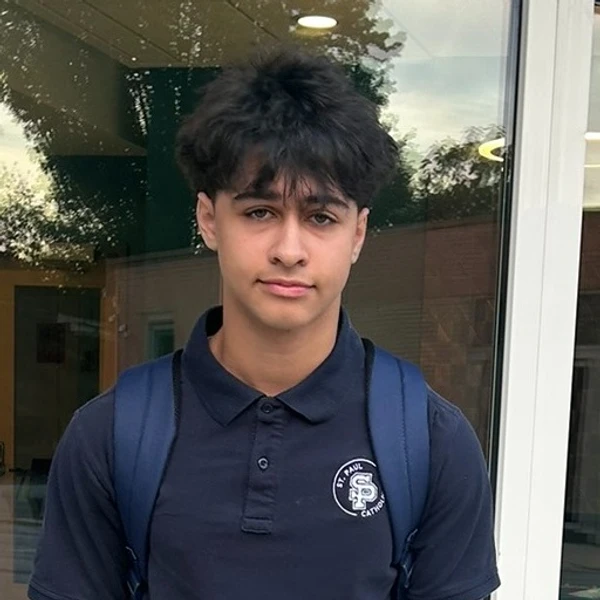
Noah Jackson - Grafton

1x

Finalist

General information

Hobbies & Interests

  • Gaming
  • Pet Care
  • Exercise And Fitness

Reading

  • Science Fiction

I read books multiple times a month.

Bio

My name is Noah Jackson-Grafton, and I am a member of the Class of 2027 at St. Paul Catholic High School in Bristol, Connecticut. I am an honors student with a 3.57 GPA and a dedicated student-athlete who competes in baseball and track. Before beginning baseball in 2023, I spent seven years in gymnastics, which taught me discipline, balance, perseverance, and the importance of continuous improvement. Outside of athletics, I enjoy volunteering through my school, church, and community. I believe in treating others with respect, being a dependable teammate, and helping people whenever I can. My goal is to attend a college where I can continue growing academically and personally while pursuing a meaningful career and, if given the opportunity, continuing my baseball career. Scholarships would help make my education more affordable and allow me to focus on becoming the best student, athlete, and person I can be.

Education

Saint Paul Catholic High Schl

High School

2023 – 2027
Miscellaneous

Desired degree level:
Bachelor's degree program
Majors of interest:
Registered Nursing, Nursing Administration, Nursing Research and Clinical Nursing, Architectural Engineering, Architecture and Related Services, Other, Business, Management, Marketing, and Related Support Services, Other
Desired degree modality:
In-Person
Medical school interest:
No

Career

  • sales

    Health, Wellness, and Fitness · Supplement Shop - Bristol, CT

    Jan 2025 – Jan 2026

Miscellaneous

Dream career field:
Nursing, Architecture & Planning, Business Supplies and Equipment
Work experience:
2 years
Has nursing license:
No

Future Interests

  • Advocacy
  • Politics
  • Volunteering
  • Philanthropy
  • Entrepreneurship
Marcia Bick Scholarship
When my mother was diagnosed with triple-negative breast cancer, college stopped feeling like only an academic goal and became a financial question for my entire family. Her treatments forced her to stop working, reducing our household income while medical expenses and regular bills continued. Watching my family face this uncertainty has taught me that talented students can work hard, make responsible choices, and still need help reaching their goals. Motivated and high-achieving students from disadvantaged backgrounds deserve opportunities because financial circumstances do not measure a person’s ability or potential. Some students have access to private tutors, expensive test preparation, specialized athletic training, and college savings accounts. Others must pursue the same goals while worrying about medical bills, transportation, tuition, and whether their families can afford another unexpected expense. Scholarships help close that gap. They allow effort, character, and potential—not simply family income—to influence who gets the opportunity to succeed. I have worked to overcome challenges by remaining committed to my education, athletics, and future even when life has felt uncertain. I have ADHD, so staying organized and focused sometimes requires additional effort. I have learned to break large assignments into smaller goals, manage my time, and ask questions when I need help. Instead of treating ADHD as an excuse, I have worked to understand how I learn best and use qualities such as energy, determination, and intense focus to my advantage. As an honors student with a 3.57 GPA, I take pride in my academic progress. I have also committed myself to baseball and track, where success requires discipline, patience, and the willingness to improve after failure. Balancing school, practices, competitions, and responsibilities at home has taught me that motivation is not just wanting something—it is continuing to work when circumstances make the goal harder to reach. I plan to study architecture because it combines creativity, mathematics, technology, and problem-solving. I want to design safe, functional, and meaningful spaces that improve people’s lives. Over time, I hope to become a licensed architect and contribute to projects that strengthen schools, neighborhoods, and underserved communities. Receiving the Marcia Bick Scholarship would reduce the amount my family and I would need to contribute toward tuition, books, technology, and other college expenses. More importantly, it would give me the freedom to concentrate on my education and professional development instead of allowing financial pressure to limit my choices. My family’s challenges have not weakened my ambition; they have made me more aware of the value of every opportunity. With this support, I would continue proving that perseverance, discipline, and potential can overcome difficult circumstances.
SrA Terry (TJ) Sams Jr. Civil Engineering Scholarship
I plan to earn a degree in architecture and build a career designing structures that are safe, functional, and beneficial to the people who use them. Architecture interests me because it combines creativity with mathematics, engineering, technology, and practical problem-solving. A building must look appealing, but it must also withstand environmental conditions, meet safety requirements, and serve a clear purpose. I want to learn how thoughtful design and strong engineering principles can turn an idea into something that improves a community. My experiences as a student-athlete have helped prepare me for this demanding field. As a baseball player and track athlete, I have learned that improvement does not happen overnight. It requires discipline, attention to detail, consistent effort, and a willingness to learn from mistakes. Whether I am working to improve my speed, batting performance, or academic results, I set goals and continue working until I make progress. Those same qualities will help me complete a challenging architecture program and succeed in a profession where precision and perseverance matter. I am also planning to pursue military service. My father served in the United States Navy, and his experience has taught me about sacrifice, responsibility, teamwork, and serving something larger than yourself. I am still considering which military branch will provide the best path for my education and career goals, but I am especially interested in opportunities involving architecture, construction, infrastructure, and civil engineering. Military installations depend on professionals who can plan, construct, inspect, maintain, and improve the facilities needed to support their missions. Serving in that type of role would allow me to apply my education while contributing to the safety and readiness of others. After graduation, I hope to use my degree through military service and gain experience working on meaningful construction and infrastructure projects. I want to develop the technical knowledge, leadership ability, and real-world judgment required to manage projects responsibly. Later in my career, I would like to become a licensed architect and help design durable, accessible, and environmentally responsible buildings. I am particularly interested in projects that serve families, schools, service members, and communities that may not otherwise have access to well-designed facilities. Senior Airman Terry “TJ” Sams Jr.’s story demonstrates the impact that education, service, and concern for others can have, even during a life that ended far too soon. His success in the Air Force Civil Engineering community and his commitment to helping young people are qualities I deeply respect. If selected for this scholarship, I would honor his legacy by approaching my education with ambition, serving others through my work, and using my future career to create structures and communities that are safer and stronger.
Elliot Hoan Neurodivergent Navigator Scholarship
For a long time, ADHD felt like something I was supposed to overcome rather than something I could learn to use. In environments built around sitting still, following one path, and maintaining attention in the same way for long periods of time, my brain did not always cooperate. I could understand what I needed to do and genuinely want to do it, yet still find myself fighting distraction, losing track of time, or becoming overwhelmed when several responsibilities competed for my attention. Being a student-athlete forced me to confront that challenge. Balancing school with baseball requires organization, discipline, and the ability to constantly shift between responsibilities. There have been times when ADHD made that balance frustrating. I learned that simply telling myself to "focus harder" was not a solution. I needed to understand how my brain worked and develop systems that worked with it. Baseball helped change the way I viewed myself. On a baseball field, many of the characteristics that can make ADHD difficult in a traditional environment become strengths. The game is constantly changing. Every pitch creates a new situation. As an outfielder, I have to process the hitter, pitch, runners, score, positioning, and possible outcomes before the ball is even put in play. At the plate, I have only seconds to recognize a pitch and react. I discovered that when something fully engages me, I can focus intensely. I also became good at recognizing patterns and making quick adjustments. Instead of viewing my brain as incapable of focusing, I began understanding that my attention works differently. That realization changed more than baseball. I started becoming more intentional about how I approached school and other responsibilities. I learned to break larger assignments into smaller objectives, create routines, eliminate unnecessary distractions, and hold myself accountable when my natural instincts pulled me in another direction. ADHD did not disappear. Instead, I became better at navigating it. Most importantly, I stopped believing that being different automatically meant being deficient. That perspective is one reason I am interested in nursing. Healthcare is filled with people who do not fit neatly into standardized categories. Two patients with the same diagnosis can have completely different fears, communication styles, backgrounds, and needs. My experiences with ADHD have taught me how frustrating it can be when an environment expects everyone to process information or respond in exactly the same way. I want to become a nurse who notices those differences. The same ability to rapidly process changing situations that helps me in baseball can help me recognize changes in a patient's condition. The pattern recognition I have developed can help me notice when something does not seem right. My experience learning to communicate and function within systems that were not always designed for the way my brain works can help me become more patient with people who communicate, learn, or respond differently. I also believe neurodiversity has an important place in the future of healthcare. Patients with ADHD, autism, learning differences, sensory sensitivities, and other neurological differences deserve providers who do more than recognize a diagnosis. They deserve healthcare professionals who understand that different does not mean incapable. ADHD has presented obstacles in my life, and I know it will continue to challenge me. But I no longer see it only as something standing between me and my goals. It has taught me adaptability, self-awareness, persistence, and how to recognize strengths that may not be obvious at first. As I pursue nursing, I want to use those strengths to care for people as individuals, especially when their needs do not fit neatly inside the system. My goal is not to succeed despite the way my brain works. It is to understand it, use it, and allow that perspective to make me a better student, nurse, and advocate for the people entrusted to my care.
Ethel Hayes Destigmatization of Mental Health Scholarship
Some of the greatest struggles in my family have been invisible. They have taught me that mental health is not separate from the rest of life. It affects how people respond to hardship, communicate with those they love, and imagine their futures. My father has been open with me about his past struggles with alcoholism, addiction, and homelessness. His recovery showed me that a person should never be defined only by the most difficult period of his or her life. People can change when they receive support, accept responsibility, and find a reason to keep moving forward. His experience taught me to replace judgment with curiosity. Instead of asking, “What is wrong with that person?” I have learned to ask, “What might that person be carrying?” More recently, my mother’s battle with breast cancer has affected our entire family. Cancer attacks the body, but it also creates fear, uncertainty, exhaustion, and financial pressure. There are days when everyone tries to appear strong because we do not want to add to one another’s worries. Through this experience, I have learned that being strong does not mean hiding every emotion. Sometimes strength means admitting that you are afraid, asking for help, or allowing someone to sit beside you without expecting them to solve the problem. These experiences have changed my relationships. I try to listen more carefully and avoid assuming that someone is fine simply because they look fine. As a student-athlete, I know that young people often feel pressure to appear confident, especially around teammates and friends. A person may laugh, compete, and succeed while privately struggling. I have learned that a sincere question such as “How are you really doing?” can create an opening that a person may desperately need. My family’s experiences have also shaped my goals. I plan to attend college and am especially interested in nursing, with the possibility of eventually working in oncology. Watching the healthcare professionals care for my mother has shown me that excellent care involves more than medical treatment. Patients and families also need patience, clear communication, dignity, and reassurance. As a nurse, I would want to care for the whole person and recognize when someone may need emotional or mental-health support in addition to physical treatment. My understanding of the world is now less judgmental and more hopeful. I understand that recovery is rarely a straight line and that financial stability, success, or a strong appearance does not protect someone from emotional pain. I also understand that one caring person cannot fix every struggle. However, each of us can help create an environment where people do not feel ashamed to speak. My goal is not to have every answer. It is to become someone others can trust with the truth of what they are experiencing. Destigmatizing mental health begins with ordinary choices: listening without ridicule, speaking honestly, encouraging professional help, and reminding people that their hardest moment does not determine their value. My family’s journey has taught me that bringing pain into the light does not make a person weak. It is often the first step toward healing.
Joe Gilroy "Plan Your Work, Work Your Plan" Scholarship
My primary goal is to earn a Bachelor of Science in Nursing, pass the NCLEX-RN examination, and begin a career as a registered nurse. Eventually, I hope to specialize in oncology. Watching my mother undergo treatment for breast cancer has shown me how nurses combine medical knowledge with compassion. They do more than administer treatment; they help patients and families understand what is happening and feel less alone. I want to provide that same support to others. My plan begins during my senior year of high school. By October, I will create a list of six to eight accredited nursing programs, comparing admission requirements, graduation rates, clinical opportunities, distance from home, and total cost. I will complete applications early, submit the FAFSA as soon as it becomes available, and apply for scholarships every week. I will also speak with admissions and financial-aid counselors instead of relying only on the published tuition price. During the spring, I will compare each school’s complete financial-aid offer and choose based on affordability and program quality. My estimated annual budget is $18,000 for tuition and fees, $12,000 for housing and meals, $1,500 for books and nursing supplies, and $2,500 for transportation and personal expenses, for a total of approximately $34,000. My funding goal is $12,000 in grants and institutional aid, $8,000 in outside scholarships, $4,000 from family contributions and savings, and $4,000 from part-time or work-study employment. I would address any remaining gap by requesting additional institutional aid and using federal student loans only when necessary. This scholarship’s $1,315 award could cover much of my yearly cost for textbooks, scrubs, clinical shoes, a stethoscope, and other required supplies. Every scholarship reduces the amount my family must contribute while my mother is unable to work during treatment. Before college, I plan to seek volunteer or job-shadowing opportunities in healthcare and complete CPR or basic life-support training if available. In college, I will follow a weekly written schedule for classes, study periods, clinical preparation, exercise, and work. My academic goal will be at least a 3.3 GPA. I will use professor office hours, tutoring, study groups, academic advising, and nursing mentors whenever I need help. Because nursing is demanding, I would limit part-time work to approximately eight to ten hours per week during difficult semesters. I have also considered an alternative path. If a four-year nursing program is not financially realistic, I will begin with an associate degree in nursing at a community college, become an RN, and complete an RN-to-BSN program while working. I will also investigate employers that offer tuition assistance. My plan has more than one route, but the destination remains the same: earn my nursing credentials, serve patients with skill and compassion, and build a stable career that allows me to support my family and community. To me, “Plan Your Work, Work Your Plan” means preparing carefully, measuring progress, and continuing forward when the original path must change.
Learner Math Lover Scholarship
I love math because it turns questions into answers and goals into something I can measure. Math is not limited to numbers on a classroom board. It is present in sports, business, technology, healthcare, and nearly every decision we make. As a student-athlete, I see math constantly in baseball. Batting average, on-base percentage, exit velocity, throwing velocity, sprint times, and launch angle all provide information about performance. A number does not define an athlete, but it can reveal where improvement is happening and where more work is needed. When I run a 6.91-second 60-yard dash or record a 90-mph exit velocity, those measurements give me a starting point. I can compare results, adjust my training, and set specific goals instead of simply hoping to improve. Math has also taught me that one result does not tell the entire story. A difficult game or disappointing test score is only one data point. Real progress becomes clearer when you examine patterns over time. That way of thinking has helped me become more patient and persistent. If I am not getting the result I want, I can break the problem into smaller parts, determine what needs to change, and try again. What I appreciate most about math is its honesty. A problem may have more than one way to solve it, but the reasoning must make sense. Math challenges me to slow down, pay attention to details, and explain how I reached an answer. Those skills are valuable far beyond the classroom. As I prepare for college and a future career, I know math will remain important. Whether I pursue nursing, education, or business management, I will need to analyze information, make responsible decisions, and solve real problems. Math gives me the confidence to approach challenges logically while reminding me that complicated problems become manageable when they are handled one step at a time. That is why I do not simply study math—I use it to understand my progress, plan my future, and keep moving forward.
Bright Lights Scholarship
My plan for the future is to attend a four-year college, earn a degree, and build a career that allows me to support my family while making a positive difference in the lives of others. I am especially interested in nursing, education, and business management because each of these fields offers an opportunity to serve people, become a leader, and strengthen my community. My family has always encouraged me to work hard and believe that college is possible. However, the past year has shown me how quickly circumstances can change. My mother has been unable to work while undergoing treatment for breast cancer, leaving my father responsible for supporting our household on one income. Along with managing our normal expenses, my family has had to deal with the emotional and financial pressure that comes with a serious illness. Watching my parents face this challenge has made me more mature and more appreciative of every opportunity I receive. Rather than allowing these circumstances to discourage me, I have used them as motivation. I have continued to focus on my academics, compete in baseball and track, and help my family whenever possible. Athletics have taught me discipline, time management, teamwork, and how to keep working when progress is difficult. Those lessons will help me handle the demands of college and eventually succeed in my career. My experiences have also strengthened my desire to help others. Watching the medical professionals who care for my mother has shown me how much knowledge, compassion, and encouragement can matter to a family facing a frightening situation. Whether I ultimately serve others through healthcare, education, or leadership in business, I want my career to have a purpose beyond earning a paycheck. I want to be someone who helps people feel supported and gives them hope during difficult moments. This scholarship would reduce the financial burden of tuition, books, transportation, and other college expenses. More importantly, it would allow me to focus more of my time and energy on my education instead of worrying about how my family will afford it while my mother continues her recovery. I understand that earning a college degree will require sacrifice and persistence, but I am prepared to put in that work. College is not simply my next step after high school. It is an opportunity to create stability for my future, honor the sacrifices my parents have made, and place myself in a position to give back. Receiving this scholarship would bring that goal closer and remind me that the obstacles my family has faced do not have to determine how far I can go.
Learner Mental Health Empowerment for Health Students Scholarship
Mental health is important to me as a student because it affects nearly every part of a person’s life, including the ability to learn, concentrate, build relationships, compete in athletics, and believe in the future. A student may appear successful on the outside while privately struggling with anxiety, depression, family problems, or overwhelming pressure. When those struggles are ignored, it becomes much harder for that student to reach his or her potential. Mental health has affected my family through my father’s diagnoses of bipolar disorder and anxiety, along with his struggle with alcoholism. When I was younger, I did not fully understand what he was experiencing. I sometimes saw the effects of his conditions without understanding their causes. As I grew older, I learned that mental illness is not a weakness and that addiction is more complicated than simply telling someone to make better choices. My father’s experiences taught me that asking for help requires courage. Recovery does not happen immediately, and support does not mean pretending that everything is fine. It involves honest conversations, professional treatment, accountability, patience, and people who refuse to give up on someone. Watching my father confront his challenges has changed the way I view both mental illness and personal strength. I advocate for mental health in everyday ways at home, at school, and through athletics. I try to listen without immediately judging or attempting to solve every problem. If a friend, classmate, or teammate seems unusually quiet, frustrated, or overwhelmed, I make an effort to check on that person. Sometimes advocacy begins with a simple question such as, “Are you okay?” and then being willing to hear the honest answer. As a student-athlete, I understand that athletes often feel pressure to appear mentally tough at all times. However, real strength includes admitting when something is wrong. I try to support teammates when they are struggling instead of criticizing them for one bad game, a mistake, or a difficult day. I also avoid using mental-health conditions as jokes or insults because that language can make people feel ashamed to ask for help. At home, I advocate by speaking about my father’s experiences with compassion rather than embarrassment. His diagnoses are part of his life, but they do not define his entire identity. I have learned that I can support someone while also recognizing the importance of healthy boundaries and professional assistance. I may not lead a formal mental-health organization, but I believe advocacy is also demonstrated through consistent actions. It means creating an environment where people feel safe speaking honestly, encouraging someone to talk with a counselor or trusted adult, and reminding others that seeking help is not a failure. In college, I hope to continue promoting that type of understanding. I want to help create a community where students support one another, mental health is discussed openly, and no one feels that they must struggle alone. My family’s experiences have taught me that compassion cannot solve every problem, but it can be the first step toward helping someone find the support he or she needs.
Hines Scholarship
Going to college means gaining the knowledge, opportunities, and confidence to create a better future for myself, my family, and the people around me. It is more than earning a degree. To me, college represents the chance to discover what I am capable of, prepare for a meaningful career, and become someone who can make a positive difference in his community. As a minority student, I understand that opportunities are not always distributed equally. Some students grow up seeing many people who look like them succeeding in college and in professional careers, while others have to imagine themselves in places where they have rarely been represented. I want to be part of changing that. By earning a college degree, I hope to demonstrate that a person’s background does not have to determine the limits of his future. My family has experienced challenges involving mental health, addiction, illness, and financial uncertainty. These experiences have forced me to mature and have taught me that stability should never be taken for granted. They have also shown me the importance of perseverance, personal responsibility, and having people who believe in you. College would give me the opportunity to turn those lessons into progress. I have learned similar lessons as a student-athlete. Before baseball, I spent seven years as a competitive gymnast. I did not begin playing competitive baseball until later than many other players, so I had to work hard to close the experience gap. Instead of allowing a late start to discourage me, I treated it as motivation. Through consistent training, discipline, and a willingness to learn, I developed into a successful high school baseball player while maintaining a strong GPA and completing honors-level coursework. That experience taught me that where someone begins matters less than how committed he is to improving. Through college, I hope to earn a degree that leads to a stable and rewarding career, develop my leadership abilities, and continue growing both academically and personally. I want to gain skills that will allow me to support my family, contribute to my community, and help others who may be facing obstacles similar to those my family has experienced. I also hope to become an example for younger minority students who may question whether college is within their reach. I want them to see that challenges do not disqualify them from success. With support, discipline, and opportunity, they can achieve goals that may once have seemed impossible. Ultimately, I am not pursuing higher education only for a diploma. I am pursuing it because I want to build a life defined by purpose, service, and continued growth. College would provide the foundation I need to accomplish those goals and create opportunities that extend beyond myself.
Elizabeth Schalk Memorial Scholarship
Mental illness has affected my family through my father’s diagnoses of bipolar disorder and anxiety, as well as his struggle with alcoholism. Growing up, I did not always understand what he was experiencing. I only knew that there were times when his emotions, worries, and addiction created uncertainty for him and for the people who loved him. As I became older, I began to understand that mental illness is not a weakness or a character flaw. My father did not choose to have bipolar disorder or anxiety, and his alcoholism was not simply a matter of making bad decisions. He was dealing with serious conditions that required honesty, treatment, support, and a willingness to change. Watching him confront these challenges taught me that recovery takes tremendous courage. His experiences have affected the way I respond to other people. I have learned not to assume that I know what someone is going through based on how that person appears. A classmate, teammate, or stranger may be carrying anxiety, depression, addiction, or problems at home without ever talking about them. Because of my family’s experience, I try to be patient, listen without immediately judging, and treat people with kindness even when I do not fully understand their behavior. I have also learned that mental illness affects the entire family. Family members often want to help, but they may not know what to say or do. I had to understand that I could love and support my father, but I could not fight his battles for him. That realization helped me develop emotional maturity, healthy boundaries, and an appreciation for the importance of professional treatment and support systems. My father’s recovery has shown me that a diagnosis does not define a person’s future. He has faced alcoholism, mental illness, and difficult periods in his life, yet he has continued working to become healthier and to be present for our family. I respect him not because he has never struggled, but because he has been willing to acknowledge those struggles and keep moving forward. These experiences have made me more resilient and compassionate. They have also motivated me to become someone others can depend on. Whether I am encouraging a teammate, helping someone who feels overlooked, or simply listening when a friend needs to talk, I want people to know that asking for help is a sign of strength. Mental illness has brought difficult moments into my family, but it has also taught me some of my most important lessons: people are more than their diagnoses, recovery is possible, and compassion can make someone feel less alone. I will carry those lessons with me throughout college, my future career, and the way I serve my community.
Barbara Cain Literary Scholarship
Books have taught me that education is not simply about collecting information. The most meaningful reading changes the questions I ask, challenges assumptions I did not realize I had, and gives me ideas that I can apply to my own goals. One book that influenced me is Unfiltered Cuba, a photography book created by my Spanish teacher, Señor De La Cruz, who immigrated to the United States from Cuba. Through his photographs and descriptions, Cuba became more than a country mentioned in history lessons or news reports. The book presented everyday life through the eyes of someone who personally knew its people, culture, difficulties, and beauty. From Unfiltered Cuba, I learned that no community can be understood through a single story. It is easy to form opinions about a country or group of people based on limited information. The book taught me to look beyond labels and consider the experiences of the individuals involved. Señor De La Cruz’s willingness to share his own perspective also showed me how personal experiences can be used to educate others. That lesson has shaped the kind of leader I want to become. I plan to study business management, and I know that leadership requires more than understanding finances, operations, or strategy. A responsible leader must listen to people with different backgrounds and recognize that employees and customers cannot be reduced to statistics. Unfiltered Cuba strengthened my goal of becoming someone who makes decisions with empathy and considers perspectives beyond my own. I was also influenced by reading Epictetus’s The Enchiridion. One of his central lessons is that people cannot control every event, but they can control the judgments and responses they form. This idea changed how I think about failure. A disappointing grade, a strikeout, or a missed opportunity is an event. Deciding that one event defines my intelligence, ability, or future is an interpretation. That lesson is especially meaningful to me as a student-athlete. Because I began playing baseball later than many other players, I have experienced moments when others appeared to be far ahead of me. Epictetus helped me understand that comparing my starting point to someone else’s does not improve me. What matters is how I respond: whether I practice, accept coaching, correct mistakes, and return prepared for the next opportunity. Together, these books have taught me two connected lessons. Unfiltered Cuba taught me to look outward and understand the experiences of other people. The Enchiridion taught me to look inward and take responsibility for my own thoughts and actions. One developed my empathy, while the other strengthened my discipline. These lessons have shaped my goals for college and beyond. I want to study business management and eventually lead an organization that creates opportunities for people, particularly those overcoming financial hardship, addiction, homelessness, or other setbacks. To do that effectively, I will need the ability to understand people without judging them and the resilience to continue when plans do not succeed immediately. The books I have read have shown me that knowledge matters most when it changes behavior. I want my education to make me a more thoughtful decision-maker, disciplined leader, and compassionate member of my community. My goal is not only to build a successful career, but also to use what I learn to open doors for others.
RonranGlee Literary Scholarship
“Men are disturbed not by things, but by the views which they take of things.” —Epictetus, The Enchiridion, Section V (Project Gutenberg) The Freedom Between an Event and Our Judgment Epictetus’s central argument is that genuine freedom comes not from controlling every event, but from governing the judgments that give events their emotional power. His statement does not claim that hardship is unreal or that human beings should never experience pain. Instead, he argues that circumstances alone do not determine our character. The meaning we assign to those circumstances shapes how we respond, and our response remains one of the few areas of life that truly belongs to us. The distinction between “things” and “views” is the foundation of the passage. “Things” are the events that occur: a loss, failure, illness, insult, rejection, or unexpected change. A “view” is the conclusion a person forms about that event. Receiving a poor grade is an event. Deciding that the grade proves a person is unintelligent is a view. Losing an athletic competition is an event. Believing that the loss makes every hour of practice meaningless is a view. Epictetus argues that people often combine the event and their interpretation so quickly that they no longer recognize them as separate. This distinction matters because events and judgments have different degrees of permanence. Once an event has happened, no amount of anger can make it unhappen. A person cannot reverse yesterday’s mistake, control another person’s opinion, or guarantee tomorrow’s outcome. A judgment, however, can be examined. It can be tested against evidence, corrected, and replaced with a more reasonable understanding. Epictetus locates freedom in this ability to question our first interpretation instead of becoming controlled by it. His argument should not be mistaken for the belief that pain is imaginary. Physical suffering, grief, poverty, discrimination, and injustice have real consequences. A person who loses someone close to him or her cannot simply decide that the loss does not hurt. Epictetus is making a narrower and more demanding claim: pain does not have to dictate what a person becomes. Grief can exist without destroying compassion. Failure can disappoint us without convincing us to surrender. Injustice can anger us without causing us to become unjust ourselves. This is why the passage is ultimately about responsibility rather than comfort. It would be easier to believe that other people and external circumstances completely control our emotions. That belief would allow us to blame every harmful reaction on something outside ourselves. Epictetus rejects that excuse. If another person insults me, I may not control the insult, but I remain responsible for whether I respond thoughtfully or recklessly. If I encounter failure, I may not control the result, but I control whether I study the failure or use it as a reason to quit. Taking responsibility for our judgment is not the same as blaming ourselves for everything that happens. Epictetus does not argue that victims cause the harm done to them. The event may be another person’s fault, and justice may require action. His point is that even when responsibility for an event belongs to someone else, responsibility for my character still belongs to me. I cannot allow another person’s wrongdoing to determine whether I remain honest, disciplined, and fair. The passage has direct meaning for me as a student-athlete. Baseball constantly places a player in situations that cannot be changed. A called strike cannot be removed from the scoreboard simply because I disagree with the umpire. A mistake in the field cannot be erased after the play ends. If I interpret one mistake as proof that I am a failure, I will carry that judgment into the next play. My frustration may then produce another mistake. The original event is over, but my view continues to give it power. A more disciplined response is not to pretend the mistake was acceptable. It is to judge it accurately. I can ask whether my preparation, mechanics, decision-making, or concentration contributed to the result. If something was within my control, I can improve it. If the result was outside my control, I can release it. This approach turns failure into information. The event remains disappointing, but it becomes useful rather than destructive. The same principle applies to academics. A difficult class or disappointing grade can lead a student to conclude that he or she lacks ability. That conclusion may create embarrassment, avoidance, and less effort, which only make improvement less likely. Epictetus would challenge the student to separate the grade from the story attached to it. The grade identifies performance at a particular time; it does not define the limits of the student’s intelligence. Once the judgment changes, the student can seek help, study differently, and approach the next assignment with a clearer mind. Epictetus’s idea also affects relationships. People often react not only to what someone said, but to what they assume the speaker intended. A short response may be interpreted as disrespect. Constructive criticism may be treated as a personal attack. Once that judgment is accepted, anger develops before the facts have been examined. By pausing to question our interpretation, we create an opportunity to ask for clarification, listen more carefully, and respond without causing unnecessary harm. This pause between an event and a response is not weakness. It is a form of self-command. An impulsive person allows the first emotion to make the decision. A disciplined person recognizes the emotion, examines the thought behind it, and then chooses an appropriate action. Epictetus presents this ability as a form of freedom because the individual is no longer controlled by appearances, assumptions, or the behavior of others. The passage also suggests that character is built through repeated judgments. Courage, patience, and resilience do not suddenly appear during a crisis. They develop when a person practices interpreting smaller difficulties accurately. Each time we refuse to turn a mistake into an identity, a disagreement into hatred, or uncertainty into hopelessness, we strengthen our ability to face greater challenges. Our habits of thought gradually become habits of character. The most important underlying meaning of the passage is that human dignity depends on preserving the ability to choose our response. External events may limit our options, change our plans, or cause genuine suffering. They cannot automatically decide whether we act with courage, fairness, and self-respect. That decision remains ours unless we surrender it. Epictetus does not promise that disciplined thinking will make life painless. He offers something more realistic: a method for preventing pain from becoming our master. We cannot choose every circumstance we encounter, but we can examine the meaning we assign to it. In that examination lies the freedom to learn from failure, endure hardship, correct our mistakes, and continue forward without allowing one event to define the whole of our lives.
Sloane Stephens Doc & Glo Scholarship
I do not want my education to benefit only me. I want it to become something other people can use—a way to create opportunities, strengthen my community, and help people who are trying to build a better future. The people who inspire this vision most are my parents. My father overcame alcoholism, addiction, and homelessness. Through recovery, accountability, and education, he rebuilt his family and career. He now uses his experiences to help people struggling with addiction and homelessness. His life has shown me that a person’s lowest moment does not have to determine the rest of his or her future. However, recovery also requires people who are willing to offer guidance, employment, encouragement, and a second chance. My mother has inspired me in a different way. Watching her undergo treatment for breast cancer while being unable to work has shown me how quickly a medical crisis can affect every part of a family’s life. Her strength has taught me to keep moving forward even when the future is uncertain. Both of my parents have shown me that resilience is powerful, but support from others can make that resilience possible. I plan to study business management because I want to learn how organizations operate, how resources are managed, and how effective leaders turn ideas into action. My long-term vision is to use those skills to build or lead an organization that creates opportunities for people who are often overlooked. I am especially interested in helping young people who need direction and adults rebuilding their lives after addiction, homelessness, financial hardship, or other setbacks. I would like to develop partnerships among businesses, schools, churches, and community organizations. These partnerships could provide internships, mentorship, job-readiness training, financial education, and employment opportunities. A job provides more than income. It can restore confidence, create stability, and give someone a reason to believe that his or her life is moving forward. My service experiences have already shown me how community involvement can affect others. Through volunteering at Strong School Math Night, the Archdiocese of Hartford Robotics Competition, the Franciscan Sisters of the Eucharist, St. Luke School, Hungerford Nature Center, Saint Gregory the Great Church, and other programs, I have seen how many worthwhile activities depend on people being willing to give their time. These experiences have taught me that meaningful change usually begins with small, consistent actions. I also want to give back to young athletes. Because I began baseball later than many players, I understand what it feels like to develop while others appear to be far ahead. In the future, I hope to mentor younger athletes and encourage them not to allow a late start, financial limitations, or a lack of confidence to determine what they can achieve. The future I want to help create is one in which people are not permanently defined by their mistakes, hardships, or starting points. I want to become a leader who measures success not only by financial results, but also by how many people are given a real opportunity to grow. My education will give me knowledge and professional skills, but my family and community have already given me my purpose: to use what I learn to open doors for others.
Arthur and Elana Panos Scholarship
My faith has taught me that believing in God does not mean life will always be easy. Instead, faith gives me strength, direction, and hope when life becomes difficult or uncertain. This lesson became especially important during challenges within my family. My father’s recovery from alcoholism and addiction showed me that people can rebuild their lives through honesty, accountability, support, and faith. More recently, my mother’s battle with breast cancer brought a different kind of uncertainty into our home. I could not control her diagnosis or make the treatment easier, but my faith helped me focus on what I could do: pray, remain hopeful, support my family, and continue handling my responsibilities. During those moments, faith gave me a place to bring my fear and questions. It reminded me that I did not need to have every answer in order to keep moving forward. I learned that trusting God also requires action. It means showing up for people, helping when I am able, and believing that difficult circumstances do not have to destroy a person’s hope. Attending St. Paul Catholic High School has strengthened that understanding. My education has encouraged me to think about faith as something that should be demonstrated through my decisions and treatment of others. My service with organizations such as the Franciscan Sisters of the Eucharist, St. Luke School, Saint Gregory the Great Church, and other school and community programs has shown me that faith becomes meaningful when it leads us to serve. Faith has also helped me as a student-athlete. Baseball teaches humility because even the best players fail. There are times when I have questioned myself after a poor performance or wondered whether my hard work would produce the results I wanted. My faith reminds me that my value is not determined by one grade, one game, or another person’s opinion. I am responsible for preparing, working hard, responding with character, and trusting the process. I plan to pursue an education in business management. In my future career, my faith will guide how I lead people and make decisions. Business can sometimes focus heavily on profits, results, and competition, but I believe successful leadership must also include honesty, fairness, compassion, and responsibility. I want to treat employees and customers as people rather than numbers and make decisions I would be comfortable defending even when no one is watching. My faith will also remind me that success is not measured only by income or job titles. Success includes using my education and opportunities to improve the lives of others. Whether I am leading a company, supporting a community organization, or helping someone through a difficult period, I want my actions to reflect the values my faith has taught me. God has helped me understand that hardships can strengthen rather than define me. As I continue my education and begin my career, my faith will remain the foundation that keeps me humble during success, hopeful during difficulty, and committed to serving others.
Michael Rudometkin Memorial Scholarship
I believe selflessness means recognizing when someone else needs support and choosing to help, even when there is no reward or recognition. I try to demonstrate this through my responsibilities at home, my service in the community, and the way I treat people during difficult moments. The most personal example occurred when my mother was diagnosed with breast cancer. Her treatment created emotional and financial challenges for our entire family, especially after she became unable to work. I could not take away her illness, but I wanted to do something meaningful to help. I helped organize an online fundraiser to support her cancer treatment and our family’s expenses. Asking others for help with something so personal was not easy. However, I learned that selflessness sometimes requires putting aside your pride and focusing on what someone else needs. The fundraiser allowed relatives, friends, and members of the community to support my mother during an extremely difficult period. Every donation, message, and shared post reminded us that we were not facing her illness alone. That experience taught me that helping someone does not always mean solving the entire problem. Sometimes it means taking one action that makes the burden a little easier to carry. I have also tried to serve people outside my family. During high school, I volunteered at Strong School Math Night and the Archdiocese of Hartford Robotics Competition. These events gave me opportunities to support younger students and families participating in educational activities. I understood that my role was not to be the center of attention. It was to be available, dependable, and willing to help wherever I was needed. My other service experiences have included assisting organizations such as the Franciscan Sisters of the Eucharist, St. Luke School, Hungerford Nature Center, St. Paul Catholic High School, Saint Gregory the Great Church, and a service project at the Connecticut State Capitol. Each experience has shown me that community service is often made up of small jobs that may not seem important individually. Setting aside time, following directions, helping an event run smoothly, or making another person feel welcome can still have a meaningful effect. These experiences have changed my understanding of selflessness. It does not require a dramatic act or a perfect person. It requires awareness, consistency, and a willingness to act when someone needs assistance. My mother’s illness taught me to pay closer attention to what other people may be carrying, even when their struggles are not immediately visible. I still have more to learn, but I try to live with the understanding that my abilities, time, and education should benefit more than just me. Whether I am helping my family, volunteering in my community, or supporting someone who feels overwhelmed, I want to be the type of person others can depend on when they need help.
David Foster Memorial Scholarship
From my freshman year through my current senior year at St. Paul Catholic High School, Señor De La Cruz has been one of the most influential teachers in my life. Over four years, he has taught me much more than Spanish. He has taught me that understanding another language also means trying to understand the people, experiences, and history behind it. Señor De La Cruz immigrated to the United States from Cuba. Because he has personally experienced two different countries and cultures, his lessons have never felt limited to vocabulary lists or grammar exercises. He teaches Spanish as a living language connected to real people, places, and stories. One of the most memorable things he shared was his photography book, Unfiltered Cuba. Through his photographs and the way he described them, Cuba no longer felt like a distant country that could be summarized in a few paragraphs in a textbook. His work showed everyday life from the perspective of someone who knew the country personally. It made me realize how easily we can form opinions about people or places without understanding what their lives are actually like. His immigration story also influenced me. Leaving the country where you were born and beginning again somewhere new requires courage, patience, and the ability to adapt. Señor De La Cruz did not allow the challenges he experienced to prevent him from building a new life. Instead, he used those experiences to educate others and help students see the world from a broader perspective. Having him as a teacher throughout high school allowed his lessons to influence me gradually. As a freshman, I was mostly focused on completing assignments and earning good grades. By my sophomore and junior years, I began to understand that he wanted us to think beyond the assignment. Now, as a senior, I approach learning differently. I try to ask why something matters, whose perspective might be missing, and what I can learn by listening to someone whose experiences differ from mine. That change has carried into other parts of my life. In baseball, I listen more carefully to coaches and teammates because another person may recognize something I do not. In my community, I try not to judge people based on their background, accent, circumstances, or where they came from. I have learned that listening is not simply waiting for my turn to speak; it is making an honest effort to understand. Señor De La Cruz showed me that a teacher can turn personal experience into something that benefits generations of students. He could have kept his story and photographs private, but he chose to share them so others could learn. Because of him, I approach life with greater curiosity, empathy, and respect for different perspectives. I may eventually forget some Spanish vocabulary, but I will not forget the lesson he reinforced throughout my four years of high school: every person carries a story and taking the time to understand it can completely change how we see the world.
Dr. Mozell Haymon Memorial Scholarship
My father’s recovery from alcoholism and addiction has had a major influence on my life. I did not personally experience his lowest moments, but I have grown up understanding what he overcame and watching the work required to remain sober. His recovery taught me that sobriety is not one decision. It is a choice that must be made every day. One moment that stands out was when my father reached his third anniversary of sobriety. To others, it may have seemed like a date on a calendar. To our family, it represented hundreds of days of difficult decisions, support-group meetings, accountability, and rebuilding trust. It showed me that real change is possible, but it requires honesty, humility, discipline, and the willingness to ask for help. My father has been open with me about reaching rock bottom, experiencing homelessness, and damaging relationships because of his addiction. He has also shown me that a person’s worst period does not have to define the rest of his or her life. Through recovery, he rebuilt our family, continued his education, earned multiple degrees, developed a successful career, and became someone who helps others struggling with addiction and homelessness. His example has shaped the way I respond to my own challenges. In baseball, academics, and life, I have learned that progress is rarely immediate. Improvement comes from consistently showing up, accepting coaching, being honest about weaknesses, and doing the work even when no one is watching. Those are the same principles I have seen in my father’s recovery. His experience has also taught me not to judge people only by their circumstances. Addiction affects entire families, but it is also an illness that deserves understanding and treatment. People in recovery need accountability, but they also need support, opportunity, and someone who believes that they are capable of changing. I intend to use my education to create a stable and meaningful future for myself while also helping others. I am interested in studying business management because I want to understand how successful organizations are built, how resources are managed, and how strong leaders create opportunities for people. In the future, I hope to use those skills to support community programs, recovery organizations, or businesses that provide employment and second chances to people rebuilding their lives. My father’s recovery has taught me that education is more than earning a degree. It can be part of rebuilding a life and opening doors that once seemed permanently closed. His journey has made me more compassionate, disciplined, and hopeful. Most importantly, it has shown me that where a person begins does not determine where that person can finish.
Jennifer Webb-Cook Gameplan Scholarship
Growing up in a single-parent household has presented financial, emotional, and practical challenges. When one parent is responsible for earning an income, managing a home, making important decisions, and supporting a child, there is less time and flexibility available. I have learned that opportunities often require sacrifice, planning, and hard choices about what a family can afford. One of the biggest obstacles has been understanding the financial pressure placed on my family. Expenses connected with school, sports, transportation, college applications, and everyday life can add up quickly. I know that every opportunity I receive represents time, money, and effort that my parent has provided for me. This awareness has made me appreciate those opportunities and has motivated me to work hard instead of taking them for granted. A one-parent household has also required me to become more independent. I have learned to manage my schoolwork, athletic schedule, training, and other responsibilities without always needing to be reminded. Balancing honors courses and sports can be difficult, especially when practices, games, travel, and assignments compete for the same limited time. These responsibilities have helped me become more organized and accountable for my choices. Coming from a single-parent household does not mean that I have lacked love or encouragement. Instead, it has allowed me to see the amount of strength and sacrifice one person can demonstrate for a family. Watching my parent continue moving forward during difficult periods has influenced the way I approach my own challenges. Sports have been one of the most important parts of my life. I spent seven years participating in gymnastics, which taught me discipline, body control, courage, and the importance of repetition. Gymnastics requires athletes to attempt difficult skills, accept corrections, and continue practicing after mistakes. Those lessons helped prepare me for challenges both inside and outside athletics. I began playing baseball in January 2023, later than many athletes my age. Starting late meant that I had to catch up in areas where other players already had years of experience. I had to be willing to listen, train consistently, and avoid becoming discouraged when improvement took time. Through that work, I earned opportunities to compete at the varsity level and participate in college showcases. Baseball also gave me a sense of belonging after I moved from Pittsburgh to Torrington, Connecticut, in 2022. Being part of a team helped me develop friendships, adjust to a new environment, and become more confident. It taught me that success is not only about individual performance. It also means supporting teammates, accepting responsibility, and contributing to a shared goal. Sports have provided structure during uncertain times and given me a positive way to handle pressure. They have taught me how to respond to setbacks, remain composed, and keep working when results do not come immediately. Most importantly, they have shown me that my circumstances do not have to determine my future. The obstacles I have faced have made me more resilient, while sports have given me the discipline and confidence to continue pursuing my education and long-term goals.
Larry Darnell Green Scholarship
Growing up in a single-parent household has shaped my educational journey by teaching me responsibility, independence, and appreciation for every opportunity I receive. I have seen how much sacrifice is required when one parent must handle responsibilities that are often shared by two people. That experience has motivated me to take school seriously and work toward a future in which I can become financially independent and support my family. Living in a single-parent household has also required me to become more organized. As a student-athlete, I balance honors courses, baseball, training, family responsibilities, and preparation for college. I understand that my choices affect more than just me, so I try to manage my time responsibly and remain focused on my long-term goals. There are times when balancing everything is difficult, but those challenges have taught me how to prioritize, adjust, and continue working even when circumstances are not ideal. My family’s financial situation has made the cost of college a serious concern. I know that tuition, books, transportation, housing, and other expenses can place additional pressure on a household that is already managing on one primary income. Instead of allowing that reality to discourage me, it has motivated me to search for scholarships, maintain strong grades, and make thoughtful decisions about my education. I plan to pursue a degree in Business Management because I want to develop skills in leadership, finance, communication, operations, and entrepreneurship. Earning this degree would help me build a dependable career and create greater financial stability for myself and my family. It would also prepare me to lead an organization or possibly own a business in the future. As I become successful, I plan to give back by mentoring younger students and athletes, especially those from single-parent or financially struggling households. Sports have taught me discipline, teamwork, and confidence, and I would like to help younger athletes learn those same lessons. I could volunteer at youth baseball clinics, assist with community sports programs, and encourage students who may not believe college is financially possible for them. I also want to use my business education to support community organizations. Many youth programs and nonprofits have meaningful goals but limited resources. Skills such as budgeting, fundraising, event planning, and organization could help those programs reach more families. If I eventually manage or own a business, I would like to provide internships, employment opportunities, or scholarship support for local students. Coming from a single-parent household has shown me how important support systems can be. My educational goal is not only to improve my own future, but also to place myself in a position where I can create opportunities for others. I want younger people facing similar challenges to see that their circumstances may shape their journey, but they do not have to determine how far they can go.
Charles Bowlus Memorial Scholarship
Watching my mother go through breast cancer treatment has had a major influence on both the person I am becoming and the career I hope to pursue. Cancer does not affect only the person who receives the diagnosis. It changes the daily life, responsibilities, emotions, and finances of the entire family. My mother has been unable to work for an extended period while receiving treatment. As our household adjusted to the loss of income, regular expenses, medical costs, and other bills continued. At 17 years old, I have seen how quickly an unexpected illness can turn a stable situation into an uncertain one. This experience has made me more aware of the importance of financial planning, responsible decision-making, and having a dependable career. It has also required me to become more mature. I have had to balance school, honors courses, baseball, training, and responsibilities at home while being concerned about my mother’s health. There have been difficult and stressful days, but I have learned to remain focused on the responsibilities that I can control. Baseball has helped by giving me structure, but my family’s experience with cancer has given me an even greater reason to work hard and prepare for my future. This experience has strengthened my desire to earn a degree in Business Management. I want to understand finance, operations, leadership, entrepreneurship, and how organizations make responsible decisions. My goal is to build a stable career that will allow me to become financially independent, support my family, and be prepared when unexpected challenges occur. Living through my mother’s illness has also influenced the kind of leader I want to become. Employees and coworkers may be dealing with serious personal challenges that are not always visible. A good manager should be able to meet the needs of an organization while still treating people with compassion, patience, and respect. I want to become a leader who holds people accountable but also understands that they are human beings with families and responsibilities outside of work. This experience has taught me that business decisions are not only about numbers. Decisions involving schedules, benefits, communication, and workplace support can have a real effect on families going through medical or financial hardships. In the future, I want to help create a workplace where people feel valued and supported while still working together toward the organization’s goals. My mother’s cancer has created challenges that I would never have chosen for my family, but it has given me a stronger sense of purpose. It has motivated me to take my education seriously, pursue a dependable career, and become a compassionate and responsible leader. A Business Management degree would help me turn those lessons into the knowledge and skills needed to build a secure future and create opportunities for others.
Andrea N. Santore Scholarship
I have chosen to pursue Business Management because it combines leadership, problem-solving, teamwork, and the ability to turn ideas into results. I want a career that provides stability but also gives me the flexibility to work in different industries, take on leadership responsibilities, and possibly own or manage a business in the future. My experiences as a student-athlete helped develop my interest in leadership and management. I spent seven years as a competitive gymnast before beginning baseball in January 2023. Since I started baseball later than many other players, I had to work hard to catch up. I learned to accept coaching, stay disciplined, manage my time, and continue improving even when progress was not immediate. Baseball has shown me how important good leadership is to the success of a team. Every player has a different role, but everyone must communicate, prepare, and work toward the same goal. A strong coach understands each player’s abilities, holds the team accountable, and makes decisions that give the group the best opportunity to succeed. I see a connection between those responsibilities and the responsibilities of an effective business manager. I have also learned how to adjust when circumstances change. I grew up in Pittsburgh before moving to Torrington, Connecticut, in 2022. Moving to a different state required me to adapt to a new school, community, and athletic environment. That experience made me more independent and taught me to approach unfamiliar situations with an open mind. In business, leaders must also respond to changes, solve unexpected problems, and make responsible decisions under pressure. Earning a degree in Business Management would teach me about finance, marketing, operations, entrepreneurship, communication, and employee leadership. I want to understand how successful organizations manage their resources, build relationships with customers, motivate employees, and make plans for future growth. These skills would prepare me to pursue management positions and could eventually help me create a business of my own. Getting this degree would also have an important impact on my personal life. My mother has been undergoing treatment for breast cancer and has been unable to work for an extended period. My family has experienced the financial strain that comes from losing an income while continuing to manage medical bills and normal household expenses. This experience has shown me how important financial planning, stability, and responsible decision-making can be. A college degree would give me the opportunity to build a dependable career, become financially independent, and eventually support my family. It would also help me develop the confidence and knowledge to become a responsible leader who treats people fairly and contributes to his community. I do not view a Business Management degree as simply a credential. I see it as a foundation for creating opportunities, responding to challenges, and building a secure future. My goal is to use what I learn to become an effective leader, make thoughtful decisions, and create positive opportunities for both myself and others.
Kalia D. Davis Memorial Scholarship
My name is Noah Jackson-Grafton, and I am a 17-year-old student-athlete at St. Paul Catholic High School in Bristol, Connecticut. I currently have a 3.57 GPA while taking honors courses and balancing school, baseball, training, and family responsibilities. I am still deciding whether to study architecture, nursing, or business management, but I know I want a career that allows me to solve problems, help others, and build a secure future for myself and my family. My journey has taught me that progress does not always happen immediately. I spent seven years as a competitive gymnast before beginning baseball in January 2023. Starting later than many other players meant I had to work hard to catch up. I trained consistently, listened to my coaches, and learned from every mistake. That effort has helped me become a varsity outfielder, improve my athletic performance, and compete at college showcases. Baseball has taught me discipline, teamwork, accountability, and how to remain confident when results do not come as quickly as I want. I have also learned how to adjust to major changes away from sports. I grew up in Pittsburgh before moving to Torrington, Connecticut, in 2022. Moving to a new state required me to leave familiar surroundings, develop new friendships, and find my place in a different school and community. Although the transition was difficult, it made me more independent and willing to step outside my comfort zone. My family is now facing an even more serious challenge. My mother has been undergoing treatment for breast cancer and has been unable to work for an extended period. Our household went from depending on two incomes to relying on one while also dealing with medical bills and regular living expenses. Watching my family work through this situation has changed my perspective. It has taught me not to take opportunities for granted and has motivated me to become more responsible at home, in school, and in planning for my future. This scholarship would help reduce the financial burden of tuition, books, fees, transportation, and other college expenses. More importantly, it would allow me to concentrate on my education without placing additional pressure on my family during an already difficult time. It would also give me a better opportunity to continue playing baseball while preparing for a meaningful career. I believe I would represent this scholarship well because I understand that receiving help also creates a responsibility to help others. I want to use my education to become financially independent, support my family, and make a positive contribution to my community. My experiences in athletics, academics, relocation, and my mother’s illness have made me more determined, compassionate, and appreciative. This scholarship would not simply help me attend college; it would help turn years of hard work and perseverance into an opportunity to build a better future.
Matthew E. Minor Memorial Scholarship
I am a 17-year-old honors student and student-athlete at St. Paul Catholic High School. I spent most of my childhood in Pittsburgh, Pennsylvania, before moving to Torrington, Connecticut, in 2022. Adjusting to a new community taught me how to become more comfortable with change, meet new people, and find positive ways to become involved. I have volunteered through my school, church, and community by helping with events and assisting wherever I am needed. I believe community involvement does not always require a title or a large organization. It can begin with being dependable, treating people respectfully, and being willing to help. Sports are another important part of my life. After spending seven years in gymnastics, I began playing baseball in January 2023. Baseball has taught me about teamwork, discipline, accountability, and supporting others through both success and failure. My family has a significant financial need as I prepare for higher education. My mother has been unable to work since February while receiving treatment for breast cancer, and her paid family leave benefits ended in April. Our household went from two incomes to one while also facing medical costs and falling behind on other bills. My father continues to work and support our family, but one income cannot completely replace two while covering additional expenses. This situation makes the cost of tuition, fees, books, supplies, housing, and transportation a serious concern. I am interested in studying architecture, nursing, or business management, but I do not want the cost of college to place an even greater burden on my family while my mother is recovering. Receiving a scholarship would help me continue my education while reducing some of the financial pressure on my parents. I also believe young people have a responsibility to help create safe environments for one another. In-person bullying can continue when people laugh, remain silent, or treat it as entertainment. If I see someone being bullied, I try not to encourage the behavior. I can support the person being targeted, include someone who is being left out, and speak to a teacher, coach, parent, or another trusted adult when the situation could become unsafe. Reporting serious behavior is not being disloyal; it is protecting someone who may not feel able to speak for themselves. Cyberbullying can be especially harmful because it can follow a young person home and spread quickly. I try to be careful about what I post, share, or comment on because one careless action can embarrass or hurt someone. I will not forward humiliating pictures, private messages, or rumors. If a young person is being threatened or repeatedly harassed online, I encourage saving screenshots, blocking and reporting the account, and telling a trusted adult rather than responding with more insults. Online safety also includes protecting personal information. Young people should be careful about sharing their location, passwords, school schedules, or private pictures. They should use privacy settings and understand that people online may not always be who they claim to be. I cannot prevent every act of bullying by myself, but I can control how I treat people and whether I remain silent when someone needs support. Through respect, responsible online behavior, and involvement from trusted adults, I can help make my school and community safer. My goal is to continue developing as a student, athlete, and volunteer while using my education to build a stable future and give back to others.
Ojeda Multi-County Youth Scholarship
I am 17 years old, and I spent most of my childhood in Pittsburgh, Pennsylvania, before moving to Torrington, Connecticut, in 2022. Growing up in a large city exposed me to people from different cultures, backgrounds, and financial situations. Although every person’s experience is different, living in an urban environment showed me that families can live near one another while having very different opportunities, resources, and challenges. Pittsburgh was the place I knew as home. It taught me how to interact with many types of people and become comfortable in a diverse environment. As a young African-American student, I became aware that a person’s surroundings and available opportunities can affect the direction of that person’s life. I also learned that a community should not be defined only by its difficulties. The people, families, schools, churches, and local organizations within a community can provide support, encouragement, and a sense of belonging. My family did not always have extra money, so I learned to appreciate what I had and understand that many of my opportunities required sacrifices from my parents. They taught me that my circumstances did not excuse me from working hard or treating people respectfully. Those lessons helped shape my values before I fully understood how important they would become later in my life. Moving from Pittsburgh to Torrington during my early teenage years was one of the first major challenges I had to overcome. I had to leave the city and surroundings I knew, adjust to a smaller community, meet new people, and find my place in a different school and social environment. Everything from the pace of life to the people around me felt different. The move taught me to become more adaptable, remain open to new experiences, and understand that starting over can also create new opportunities. Sports played an important role in helping me adjust. I spent seven years in gymnastics before beginning baseball in January 2023, shortly after moving to Connecticut. Baseball gave me a new goal and helped connect me with teammates, coaches, and my new community. Because I started later than many other players, I had to learn quickly and work hard to close the experience gap. I used the discipline, coordination, and persistence I developed through gymnastics to improve as a baseball player. By the 2026 high school season, I had earned a .400 batting average. That accomplishment showed me that a late start does not have to prevent someone from succeeding. My family has also faced a serious challenge since my mother was diagnosed with breast cancer. She has been unable to work while receiving treatment, causing our household to go from two incomes to one. My father has had to carry the financial responsibility for our family while also supporting my mother and me. Medical concerns, bills, school expenses, and the cost of sports have created additional stress. Watching my parents handle these difficulties has shown me how quickly a family’s situation can change. I have worked through these challenges by focusing on what I can control. I remain committed to school, continue improving as an athlete, and try to support my family by being responsible. I have learned that strength does not mean pretending problems do not exist. It means facing them honestly, accepting support when necessary, and continuing to move forward. Growing up in Pittsburgh, moving to Connecticut, starting a new sport, and watching my family face cancer have made me more adaptable, appreciative, and determined. I plan to carry those lessons into college as I explore architecture, nursing, or business management. My goal is to create a stable and meaningful future while using my education and experiences to support my family, help others, and give back to my community.
Adam Montes Pride Scholarship
One thing that makes me different from many other student-athletes is that baseball was not my first sport. I spent seven years participating in gymnastics before beginning baseball in January 2023. Many of the players I compete against have played baseball since they were very young, so I knew I had a lot to learn when I started. Instead of allowing that difference to discourage me, I used it as motivation. Gymnastics taught me discipline, balance, coordination, and how to keep working when a skill does not come easily. I carried those lessons into baseball and committed myself to improving. During the 2026 high school season, I earned a .400 batting average. During the summer, I batted .402 with a .628 on-base percentage, 12 RBIs, and 10 stolen bases. I am proud of those numbers, but I am even prouder of how quickly I developed through practice, coaching, and determination. My experience proves that where someone starts does not determine how far that person can go. I bring that same attitude to the classroom. I am an honors student with a 3.57 GPA, and I understand that being a student must come before being an athlete. I want to attend college to continue growing academically, prepare for a meaningful career, and hopefully continue playing baseball. I have also researched human-computer interaction because I am interested in how people use technology and how digital tools can be made more understandable and accessible. My family is an important part of who I am. My mother has been unable to work while receiving treatment for breast cancer, and my family has gone from two incomes to one. Seeing my parents manage medical concerns and financial pressure has taught me not to take anything for granted. My father continues to work hard to support us, and both of my parents encourage me to keep pursuing my education. Their sacrifices motivate me to take school, athletics, and my future seriously. These experiences have also made me more aware that people may be facing struggles that are not visible to others. I try to treat people respectfully and help through my school, church, and community whenever I can. In the future, I want to mentor younger students and encourage them to continue their education, even if financial challenges or personal circumstances make their goals seem difficult. I believe I should receive a scholarship because I have demonstrated that I am willing to work for every opportunity I receive. I have balanced academics and athletics while my family has faced serious medical and financial challenges. I am not asking for an easier path. I am asking for help continuing the path I have already worked hard to build. A scholarship would reduce the financial burden on my family and allow me to focus on earning my degree, developing my abilities, and preparing to give back to others. What distinguishes me is not only what I have accomplished, but how I respond when I am behind or when life becomes difficult. I learn, adjust, and keep moving forward. That is the attitude I will bring to college, my future career, and my community.
Pereira Art & Technology Scholarship
Growing up in a family with limited income has taught me that financial security can never be taken for granted. My family has always had to be careful about how money is spent, but our financial situation became much more difficult when my mother was diagnosed with breast cancer. She has been unable to work since February while receiving treatment, and her paid family leave benefits ended in April. My family went from depending on two incomes to surviving on one while also dealing with medical expenses and other bills. My father has continued working and doing everything he can to support our family, but losing an entire income has affected every part of our lives. Expenses that once seemed manageable have become difficult. We have had to prioritize necessities, delay certain payments, and make careful decisions about anything that costs money. Even important expenses such as housing, transportation, school activities, and sports can become overwhelming when several bills are due at once. Watching my parents handle these challenges has helped me understand how quickly a family’s financial situation can change, even when the adults are working hard and trying to do everything responsibly. This experience has made me more appreciative of what I have. I understand that participating in baseball, attending school, visiting colleges, and preparing for my future all require sacrifices from my family. I do not take those opportunities lightly. I try to show my appreciation by working hard academically, being committed to my team, and making responsible choices. I know that my parents are doing their best to help me reach my goals, and that motivates me to take every opportunity seriously. My background has also taught me compassion. Financial struggles are not always visible, and people may be dealing with problems that others know nothing about. A family can appear fine from the outside while worrying about medical bills, rent, food, or other basic needs. Because of what my family has experienced, I try not to judge people by their circumstances. I believe in treating others respectfully and helping whenever I can through my school, church, and community. These experiences have made me more determined to earn a college degree and create a stable future. I am interested in technology and human-computer interaction, and I want to explore how technology can be made easier and more accessible for different groups of people. I also hope to continue playing baseball in college because being a student-athlete has taught me discipline, teamwork, patience, and how to respond when things do not go as planned. My long-term goal is to build a meaningful career that allows me to support myself and my family while also giving back to my community. I want to mentor younger students and help them understand that financial challenges do not have to determine their future. Receiving a scholarship would reduce the financial burden of college for my family, especially during my mother’s recovery. More importantly, it would give me the opportunity to turn the lessons I have learned from hardship into a future based on education, service, and perseverance.
Dr. Fletcher L. Gamble Scholarship
I plan to use my education to create opportunities for myself while also helping improve the African-American community. To me, earning a college degree is about more than getting a good job. It is an opportunity to gain knowledge, develop useful skills, and place myself in a position where I can support and encourage other people. One area that interests me is technology, especially human-computer interaction. This field examines how people use computers, websites, applications, and other forms of technology. As technology becomes a bigger part of education, employment, healthcare, and everyday life, it is important that it is designed so that everyone can understand and access it. African-American communities have not always had equal access to new technology, educational resources, or careers in technology-related fields. I would like to use my education to help make digital tools easier to use and more available to people from different backgrounds. I also want to use my education to become a positive example for younger African-American students. Sometimes young people need to see someone with a similar background working hard and succeeding before they can picture themselves doing the same. I would like to mentor younger students, speak honestly with them about college, and encourage them to explore careers they may not have considered. I could also help students learn about scholarships, financial aid, internships, and other opportunities that can make college more realistic and affordable. Volunteering will continue to be important to me while I am in college and after I graduate. I want to support schools, churches, youth programs, and community organizations that help African-American families. I would also like to use what I learn to assist local organizations and Black-owned businesses with technology, communication, and reaching more people. Even simple support, such as helping an organization improve its website or making information easier for people to find, can make a real difference. Being a student-athlete has taught me about discipline, teamwork, accountability, and leadership. Baseball has also shown me that success is not only about individual performance. A strong team is created when people support one another and work toward the same goal. I plan to bring that same attitude to college, my future career, and my service to the African-American community. I am a member of the Class of 2027 and am still in the early stages of my college search. At the time of this scholarship application, I have not yet applied to or committed to an HBCU. However, I am open to considering HBCUs as I continue researching colleges and learning more about their academic programs, campus communities, athletic opportunities, and traditions. No matter which college I attend, I plan to use my education to help others, represent my community positively, and create opportunities that can benefit the next generation.
Noah Jackson - Grafton Student Profile | Bold.org