The Filipino value of bayanihan, the spirit of communal unity and collective support, has deeply influenced my life and continues to shape my journey as a student and aspiring healthcare professional. Growing up in the Philippines, I saw bayanihan in its truest form: neighbors lifting homes together, families sharing what little they had, and communities offering help without hesitation. These experiences taught me that strength does not come from standing alone, but from lifting each other up.
When I immigrated, first to Hawaiʻi and later to Washington, I carried both the challenges of leaving behind familiarity and the strength instilled by bayanihan. At first, adjusting was not easy. I was homesick, uncertain, and overwhelmed by cultural differences. But I remembered what I had been taught back home: when times are difficult, you lean on your community, and you also offer what you can in return. Slowly, I built connections through school, service, and work that reminded me of the same spirit of togetherness I grew up with.
Working at Kamehameha Pharmacy in rural Hawaiʻi was where I saw bayanihan most clearly in my new environment. Many patients were elderly, spoke limited English, or faced financial struggles that made accessing healthcare difficult. Our pharmacy staff often went beyond just filling prescriptions: we explained, comforted, and sometimes found creative ways to help. I realized that healthcare itself is built on bayanihan, a collective effort where each role matters in supporting the well-being of others. Later, as a Pharmacy Technician at CVS, I continued to practice these values by assisting patients with care, patience, and respect, knowing that behind every prescription was a story.
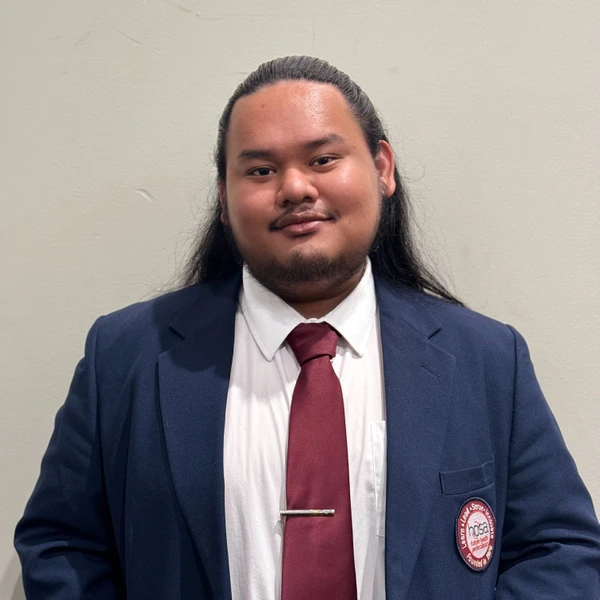
Outside of work, bayanihan guided my leadership and service. As HOSA president, I learned that leadership is not about standing in front, but about carrying responsibilities with others. As a Bonner scholar, I saw how community service becomes meaningful when it uplifts the most vulnerable. Whether I was volunteering at Hawaiʻi Island Adult Care or coordinating advocacy projects with the American Cancer Society, I always found that progress came when people worked hand in hand.
Even during personal struggles, such as my first semester away from home, the lesson of bayanihan remained my anchor. I struggled with overcommitment and homesickness, but instead of isolating myself, I reached out for support and found strength in peers, mentors, and family. That experience taught me that asking for help is not weakness; it is part of the collective strength we all share.
Today, as I continue my studies in Pharmaceutical and Medicinal Sciences, I see bayanihan as more than a cultural tradition. To me, it is a guiding principle for both life and career. Drug discovery, pharmacy, and patient care are never individual achievements; they are the result of collaboration, trust, and shared purpose. My immigration journey reinforced this truth, and it is why I am committed to pursuing a career that not only advances healthcare but also uplifts communities like the one I came from.
Bayanihan is not just part of my heritage; it is my mission. It has carried me across oceans, guided me through challenges, and inspired me to serve. With the support of this scholarship, I hope to continue carrying the spirit of bayanihan into my education, my profession, and most importantly, into the lives of others.