user profile avatar

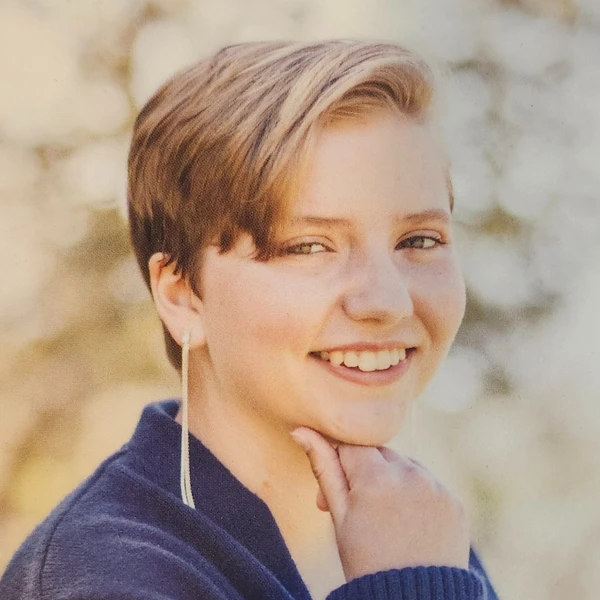
Nicole Sadler

1x

Finalist

Bio

I am Nicole Sadler, a queer undergraduate from Utah State University. I am currently pursuing a bachelor's degree in English with a minor in journalism.

Education

Utah State University

Bachelor's degree program
2024 - 2027
  • Majors:
    • English Language and Literature, General
  • Not planning to go to medical school
  • Career

    • Dream career field:

      Writing and Editing

    • Dream career goals:

      Audra Dominguez "Be Brave" Scholarship
      Growing up as a queer woman in the heart of Mormon Utah meant learning early how to live quietly inside myself. I didn’t even know LGBTQ+ people existed until late middle school, and by then the world around me had already taught me to be cautious. Pride flags in my neighborhood were torn down or burned. Adults I was supposed to trust said they would take away queer rights “in a heartbeat,” not knowing they were talking about mine. In a place where safety depended on silence, only my immediate family and a few close peers knew who I really was. That kind of environment forces you inward. It makes you examine every part of yourself, not out of vanity but out of survival. That introspection became the foundation of my writing. Poetry, especially, felt like the one place where I didn’t have to follow the rigid lines I’d been taught. I could bend rules, break them, or ignore them entirely. Writing became the space where I could breathe. My love for stories began long before I understood my identity. As a child, I devoured books and movies—any world I could escape into. My sister won a middle school writing competition and had a book published, and I remember thinking, *I want to do that too.* But as I grew older, writing shifted from something I admired to something I needed. Stories were no longer just escapes; they were places where I could exist fully, even if only on the page. Being queer has shaped the way I write about love, connection, and fear. As a demisexual person, “love at first sight” has never made sense to me, so I write love differently—slowly, deliberately, with emotional gravity. I return often to themes of introspection and fear, not because I am defined by them, but because they are honest. They are the truths I’ve carried quietly for years. My biggest obstacle has never been a lack of passion; it has been confidence. I used to compare myself to peers who had already published, wondering how I could ever catch up. Perfectionism convinced me that if I couldn’t write something extraordinary on the first try, I shouldn’t write at all. But I’ve learned that writing is not a competition. Writing is for me first, and the world second. It is a way to think deeply, to understand myself, and to offer something meaningful to others. My ambition is to become an editor and to write fiction that reflects identities like mine—stories with asexual or queer protagonists who are allowed to be complex, tender, and real. I want my writing to help people feel seen, especially those who grew up in places where being themselves felt dangerous. Impact, to me, isn’t measured in numbers. If my work makes even one person think differently or feel understood, that is enough. Even if that person is just me. Writing gives me freedom. It lets me say the things I’ve held inside for far too long. And in a world that once taught me to stay silent, choosing to write at all feels like an act of courage.
      Harvest Scholarship for Women Dreamers
      My “pie in the sky” dream is simple to say and difficult to believe: I want to publish a novel. I want to take the worlds that live in my imagination—worlds that have carried me through childhood, adolescence, and the quiet challenges of growing up queer in a conservative place—and finally share them with someone else. I want to write stories that center asexual and queer characters, stories that ask “what if” in a world that often insists there is only one way to be. This dream didn’t arrive in a single moment of clarity. It grew slowly, shaped by every book I escaped into and every movie that made me feel less alone. Stories were my refuge long before I understood why I needed one. I didn’t dream of fame or recognition; I dreamed of creating a world that someone else could step into, just as I had stepped into so many. I wanted to build something that felt like home. Growing up, I rarely saw myself reflected in the stories around me. In my community, queerness was something whispered about, judged, or erased entirely. That environment made me crave possibility. Writing became the place where I could bend the rules I lived under, where I could imagine characters who loved differently, moved differently, or questioned the world around them—writing “what if” was my way of pushing back against the idea that there was only one acceptable path. But the biggest obstacle in pursuing this dream has never been the world outside—it has been me. I struggle with confidence. I compare myself to peers who seem further ahead, and I get trapped in my own head, convinced that if I can’t write something perfect, I shouldn’t write at all. Perfectionism is a quiet kind of fear, and it has held me back more than anything else. And yet, whenever I do write, I feel a freedom I can’t find anywhere else. The moment words begin to take shape, something in me loosens. I remember why I want this. I remember that stories don’t have to be perfect to matter. To reach my dream, I know I need to keep growing. I need to build confidence, finish drafts instead of abandoning them, study the craft with intention, and find community with people who understand the strange, beautiful work of writing. I need to embrace failure—not as proof that I’m not good enough, but as evidence that I’m trying. I’ve already begun taking these steps. I’m learning from my peers, receiving feedback, and slowly trusting myself more. When I imagine holding my finished book, the first feeling that rises is relief. Relief that I didn’t let fear win. Relief that the world I carried for so long finally has a place outside my head. My biggest fear is that I will never be able to share my world with someone. My biggest hope is that I will. This dream may feel out of reach, but it is mine. And I am learning, slowly and honestly, to reach for it.
      Alexandra Rowan Voices of Tomorrow Scholarship
      I have submitted a collection of poems I have written. Please enjoy and thank you for your consideration.
      Justin Burnell Memorial Scholarship
      Growing up bisexual and demisexual in the heart of Mormon Utah meant learning early how to live quietly inside myself. I didn’t even know LGBTQ+ people existed until late middle school, and by then the world around me had already taught me to be cautious. Pride flags in my neighborhood were torn down or burned. Adults I was supposed to trust said they would take away queer rights “in a heartbeat,” not knowing they were talking about mine. In a place where safety depended on silence, only my immediate family and a few close peers knew who I really was. That kind of environment forces you inward. It makes you examine every part of yourself, not out of vanity but out of survival. That introspection became the foundation of my writing. Poetry, especially, felt like the one place where I didn’t have to follow the rigid lines I’d been taught. I could bend rules, break them, or ignore them entirely. Writing became the space where I could breathe. My love for stories began long before I understood my identity. As a child, I devoured books and movies—any world I could escape into. My sister won a middle school writing competition and had a book published, and I remember thinking, *I want to do that too.* But as I grew older, writing shifted from something I admired to something I needed. Stories were no longer just escapes; they were places where I could exist fully, even if only on the page. Being queer has shaped the way I write about love, connection, and fear. As a demisexual person, “love at first sight” has never made sense to me, so I write love differently—slowly, deliberately, with emotional gravity. I return often to themes of introspection and fear, not because I am defined by them, but because they are honest. They are the truths I’ve carried quietly for years. My biggest obstacle has never been a lack of passion; it has been confidence. I used to compare myself to peers who had already published, wondering how I could ever catch up. Perfectionism convinced me that if I couldn’t write something extraordinary on the first try, I shouldn’t write at all. But I’ve learned that writing is not a competition. Writing is for me first, and the world second. It is a way to think deeply, to understand myself, and to offer something meaningful to others. My ambition is to become an editor and to write fiction that reflects identities like mine—stories with asexual or queer protagonists who are allowed to be complex, tender, and real. I want my writing to help people feel seen, especially those who grew up in places where being themselves felt dangerous. Impact, to me, isn’t measured in numbers. If my work makes even one person think differently or feel understood, that is enough. Even if that one person is just me. Writing gives me freedom. It lets me say the things I’ve held inside for far too long. And in a world that once taught me to stay silent, choosing to write at all feels like an act of courage.