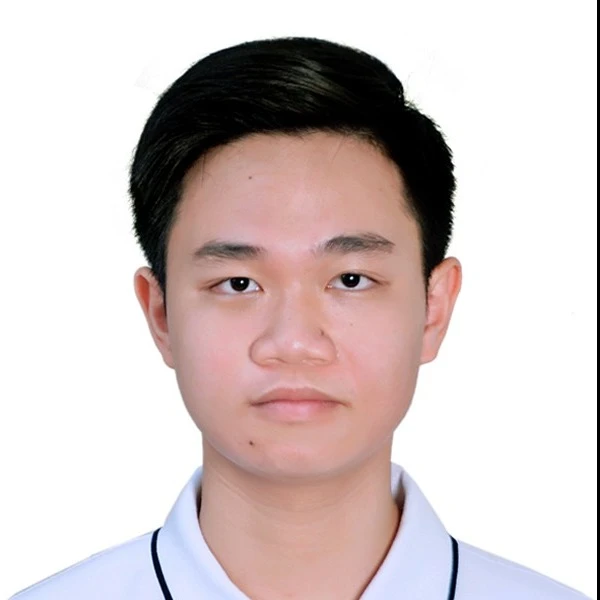
Having spent the first 20 years of my life in Vietnam, I have witnessed a widespread fear of investing among everyday citizens. Whether in stocks, real estate, or even gold, building wealth through investment is often viewed as risky and reserved for the elite. This pattern stems from not only systemic issues like weak regulations and market volatility, but more critically, from financial illiteracy. Through my international education in the United States, I aim to gain the expertise and perspective necessary to change this mindset and contribute to a financially confident Vietnam.
Financial literacy is not just about being free; it is also about protecting our money from market dangers. Most people with one income source or limited cash flows from savings do not realize that as time passes, more of their money is being taken away by means of inflation, recessions, and economic shocks. Therefore, being knowledgeable about finance gives people a tool to hedge market risks and retain more money earned by principles in assessing risk aversion, diversifying portfolios, and choosing investment options tailored to one’s risk tolerance.
While the benefits of financial education to the common folks are explicit, many countries still show reluctance in implementing it into their official public education curriculum. This is likely due to teachers being ill-prepared themselves in terms of finance, which makes training existing teachers or even hiring experts to teach unfeasible. However, while investing should be reserved for higher education, money management as a fundamental principle in finance can still be taught in elementary schools.
Realizing this severe lack of financial education in my home country, I decided to pursue my international education in the United States, a country known for its robust financial systems and academic excellence. With a 70% merit scholarship from DePauw University, I am currently working toward a Bachelor’s degree in Econometrics and Quantitative Economics. This STEM program allows me to develop strong data analysis and economic modeling skills, which are essential for making sound investment decisions. After graduation, I plan to earn the coveted Chartered Financial Analyst (CFA) designation to deepen my expertise and professional credibility. Therefore, I will have been qualified by the time I work in a mutual fund or investment bank in the US as a chartered institutional investor.
Utilizing my expertise and experience as an investor, I then wish to continue my career in Vietnam, where I expect to establish an investment educational center to provide the common folks with fundamental principles in constructing investment portfolios, asset allocation, and risk management. My mission is to give Vietnamese people new insights into investing, so that investment may no longer be viewed with skepticism but rather as a channel to effectively build wealth, hedge inflation, and protect assets independently and decisively. In today’s volatile and increasingly interconnected global economy, early financial literacy is more essential than ever. Yet in many parts of the world, it is still viewed as optional or even elitist. This must change. Teaching financial basics, especially from a young age, can empower individuals to escape the cycle of financial dependence, navigate risk, and take ownership of their futures.
My next journey to construct my future as an aspiring investor has taken me to the United States, where I hope to benefit from a truly international and liberal education system. Education is a tool for empowerment, and I envision a world where financial education will equip future generations with great financial literacy and confidence. Through my international STEM education, I hope to contribute to that world.