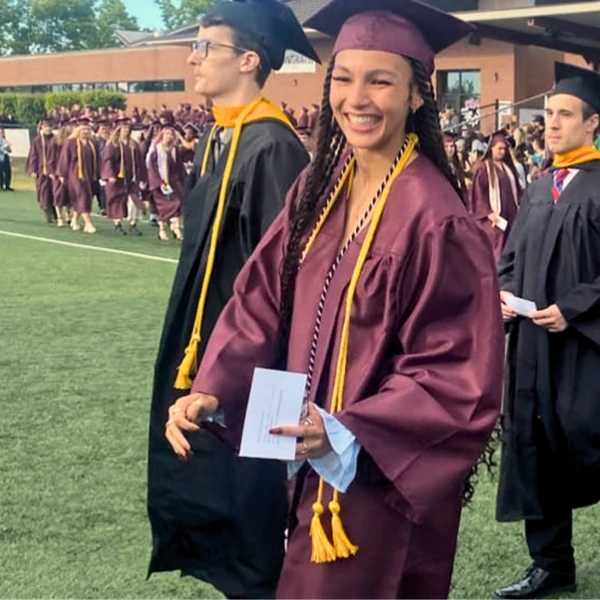
The recent intersection of mental health and athletic injury has profoundly impacted my academic and personal journey, transforming my perspective on the critical need for holistic athlete care. As an Exercise Science major with aspirations of becoming a physical therapist, this issue resonates deeply with my professional calling and my current lived experience.
Throughout my academic career, the importance of scholarships has been paramount. My single mother, a disabled parent, has consistently emphasized their necessity, as she has never been in a position to financially support my education. This reality has driven me to actively seek every available opportunity to fund my college career. Fortunately, my lifelong passion for basketball provided me with a scholarship that covered my education at Jessup University, a sport that has long been central to my identity and a driving force behind my academic pursuits.
However, this past semester, I sustained an injury that unfortunately led to my removal from the team. This unforeseen event has created a significant financial gap as I work towards completing my bachelor's degree. Without the basketball scholarship, I am currently facing challenges in affording the remaining costs for my final semester at Jessup. This situation has compelled me to reassess my future plans, yet it has also presented an unexpected opportunity for an exploration of a passion to help those who have gone through similar experiences. This season of life has been challenging, but it has strengthened my resolve and clarified my true calling.
My personal experience with injury has illuminated the often-underestimated psychological and emotional toll that accompanies physical setbacks in athletics. For athletes, their sport is not merely a hobby; it is a core component of their identity, purpose, and community. The sudden disruption caused by injury extends far beyond physical discomfort, frequently leading to profound psychological distress. I've gained a new understanding of how athletes, like myself, can grapple with feelings of depression due to the loss of physical activity, social connection, and routine, or experience intense anxiety about the recovery process, performance levels, and the pervasive fear of re-injury. The cultural pressure to "be tough" often silences these struggles, exacerbating isolation. Furthermore, the very real identity crisis that can ensue when an athlete's self-worth is intrinsically tied to their performance has become acutely clear to me.
As an Exercise Science major, I am passionately drawn to helping others, and I firmly believe that pursuing a career in physical therapy aligns with this calling. This field allows me to serve others through the gift of healing and support. My recent injury has reinforced the critical role physical therapists play not only in physical rehabilitation but also in recognizing and supporting the mental well-being of injured athletes. The ability to integrate psychological strategies, such as goal setting and visualization, into rehabilitation protocols can significantly enhance recovery outcomes and foster resilience. Furthermore, physical therapists are vital conduits to specialized mental health support, capable of recognizing distress and making appropriate referrals.
A scholarship would not only enable me to complete my degree but also serve as a crucial step toward building a future that reflects my experience, dedication, and commitment to helping those in need. Looking beyond my undergraduate studies, my plan is to attend graduate school to earn a Doctorate in Physical Therapy, allowing me to reach my full potential and fulfill my passion for helping others. Ultimately, I want my story to inspire young people, especially those from challenging backgrounds, to believe that with health care resources, perseverance, and hard work, they too can overcome obstacles and achieve their dreams.