user profile avatar

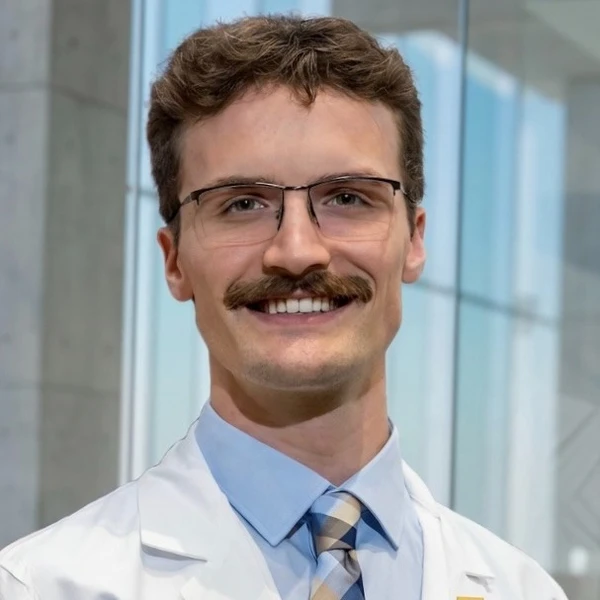
Nathaniel Takle

1x

Finalist

General information

Hobbies & Interests

  • Cooking
  • Guitar
  • Alpine Skiing
  • Snowboarding
  • Surfing
  • Medicine
  • Crossfit
  • Rowing

Reading

  • Academic
  • Fantasy

I read books multiple times a month.

Bio

Hello! My name is Nathaniel Takle, and I am a medical student at the University of Texas Southwestern Medical Center pursuing a career dedicated to patient care, education, and healthcare innovation. Throughout my academic journey, I have been passionate about serving others through leadership, mentorship, and community involvement. During my undergraduate studies at Baylor University, I earned a degree in Medical Humanities while completing coursework in Spanish and Biochemistry. I also served as a leader in Baylor's Clinical Skills Program, where I taught and mentored aspiring healthcare professionals, an experience that sparked my passion for medical education. Today, I continue to pursue opportunities that combine medicine, teaching, and service. In addition to my medical training, I earned an MBA in Healthcare Administration, which strengthened my interest in improving healthcare systems and expanding access to high-quality care. I have mentored numerous students pursuing careers in medicine and remain committed to helping others achieve their goals, just as mentors helped me achieve mine. My long-term goal is to become a physician who not only provides exceptional patient care but also improves healthcare delivery through leadership, innovation, and education. Whether caring for patients, conducting research, or mentoring future healthcare professionals, I hope to create a lasting impact on the lives of others and the communities I serve.

Education

University of Texas Southwestern Medical Center

Doctoral degree program (PhD, MD, JD, etc.)

2025 – 2029

Majors:
  • Biological and Physical Sciences
  • Health Professions and Related Clinical Sciences, Other
  • Medicine
GPA4.0 GPA

Baylor University

Master's degree program

2024 – 2025

Majors:
  • Business Administration, Management and Operations
GPA4.0 GPA

Baylor University

Bachelor's degree program

2020 – 2024

Majors:
  • Bioethics/Medical Ethics
Minors:
  • Biochemistry
  • Spanish Language and Literature
GPA4.0 GPA

Glencoe High School

High School

2016 – 2020

GPA3.8 GPA

Miscellaneous

Desired degree level:
Doctoral degree program (PhD, MD, JD, etc.)
Majors of interest:
Health Professions and Related Clinical Sciences, Other, Medicine
Medical school interest:
Yes
English as first language:
Yes
Homeschooled:
Yes

Career

  • Medical Student Standing Committee for Health Economics & Coverage

    Civic & Social Organization · American Medical Association

    Jan 2026 – Present

  • Lifegaurd

    Public Safety · BSR Cable Park & Surf Ranch

    Jan 2021 – Jan 2021

  • QI Research Fellow

    Research · University of Texas Southwestern Medical Center

    Jan 2026 – Present

  • Sterol Analysis Laboratory Research Intern

    Research · Oregon Heath & Sciences University

    Jan 2024 – Jan 2024

  • Head Teaching Assistant

    Higher Education · Baylor University

    Jan 2022 – Jan 2024

  • Undergraduate Tutor

    Education · Baylor University

    Jan 2021 – Jan 2025

  • Live Online MCAT Tutor

    Education · Kaplan

    Jan 2024 – Present

Miscellaneous

Dream career field:
Biomedical Engineering, Healthcare Administration, Medical Practice, Medicine, Biotechnology
Dream career goals:
Physician Administrator
Work experience:
2 years
Has nursing license:
No
Leadership experience:
Yes

Future Interests

  • Advocacy
  • Volunteering
  • Philanthropy
Priscilla Shireen Luke Scholarship
Dr. T took off his stethoscope and handed it to me. “Would you like to listen?” I was five years old, in the emergency room for the fourth time that year with an asthma attack. Placing the eartips in my ears, I heard the crackles and rhonchi inside my chest with each breath. He looked at me and said, “Well, Mr. Nathaniel, we need to work up a plan to keep you out of the ER.” This was the last time my asthma brought me into the ER. Nearly twenty years later, I am the one handing over the stethoscope. Last spring, I founded the UTSW chapter of the Boys & Girls Club of Dallas to bring medical students into the community as mentors and health educators. Our health education series runs on one rule: the kids choose the topic, and medical students return the following week to teach it. This fall, I won a UTSW grant to launch “Club to Clinic,” a four-session health science series at the Cedar Springs club for up to sixty kids at a time, covering fall prevention, a “snack pharmacy,” a reading challenge, and a vitals station where kids check a pulse and listen to a heartbeat. Dr. T turned my fear into curiosity. I want every child at our sessions to leave with that same curiosity, and to see medicine as something they could one day practice. On a medical service trip to Cuenca, Ecuador, I sat on the floor beside “Ana,” a one-year-old who had not yet begun to crawl, while Dr. L calmly explained her situation to her anxious mother. Not wanting finances to be a barrier to her daughter’s health, Dr. L assured her that the clinic visit would be free of charge. I have since watched physicians in Waco and rural Mexico work to remove the barriers that hinder a healthy life. But one barrier follows patients out the door: a free visit only goes so far if the clinic has no medication to send home with them. That is the problem I am working on now. Free clinics run largely on donated medication, and a donation is only as valuable as where it lands. I am building a distribution system that matches a nationwide medication supplier with free clinics across North Dallas. Rather than asking clinics to rate their needs on an arbitrary 1-to-100 scale, the system gives each clinic 500 tokens per cycle to spend across its requests. A clinic that puts 400 tokens toward antibiotics and 50 toward metformin is saying something a priority score cannot. A matching algorithm then routes supply to where it relieves the most need. My MBA in Healthcare Administration taught me that good intentions in medicine are not enough if the system is poorly designed. This project is my attempt to design one well. In the future, I will hand the Boys & Girls Club chapter to the next class of UTSW students with a structure built to outlast me, and bring the allocation system online for clinics across North Texas. Through the AMA’s medical student committee on health economics and coverage, and eventually as a physician-leader, I will work on the decisions that determine whether a treatment plan is realistic once a patient leaves the room. Dr. T gave me a plan that kept me out of the emergency room. I intend to spend my career making sure more people receive one, and that the medicine to follow it is waiting for them.
Brooks Martin Memorial Scholarship
“Tighten the jib!” my brother yelled to me from the back of our Hobie Cat sailboat. I looked aimlessly at the many ropes in front of me. While I may not have been the best sailing partner, he was an incredible brother. He was the first person to show me what selfless service looked like. Four years older than me, Johnathan was a mentor and friend. His love for photography transitioned into a business and sponsorships. His love for skiing and being outdoors led to him bringing others along on his adventures and teaching anyone who wanted to learn to ski. He truly valued others above himself. On the final day he went out sailing, he was teaching a coworker how to sail. A lesson I learned the difficult way was to never miss a chance to love your family. At Baylor University, I dove into my ambitions, working relentlessly as I pursued medical school. This came with sacrificing breaks and time with family. I told myself that one day I would take my brother on that climbing trip he had been begging me to do, or the family rafting trip we talked about each year. On July 20th, 2022, my oldest brother went out sailing but never made it back to shore. He was twenty-four. Time felt as if it stopped. I lived thinking I would have him forever, that when the day came, I could call on him to support me in my wedding and he could do the same. Regrets in life are dangerous, but one that I will always hold near is not taking the chance to love my brother intentionally and unconditionally. A few weeks after his passing, I returned to Baylor to complete my junior year, my most rigorous year yet. Not knowing how to process the grief, I compartmentalized it for the months to come. I rationalized it under the guise of resilience, but it made it difficult for me to feel emotions, to empathize, and most importantly, I was losing my ability to care for and support others. I felt empty. This was the turning point. I realized this exercise of “resilience” was the comfortable path; I was afraid to come to grips with the reality of my situation. I decided to ask for help, and through the guidance of mentors and friends, I was able to experience and work through the grief. I finished that year, graduated summa cum laude, earned my MBA, and am now a medical student at UT Southwestern. I now recognize grief as a transmutation of a much stronger emotion—of love. Having lost my brother too soon, my goals in life became clearer: to live selflessly just as my brother did and prioritize others in all that I do. Just as Johnathan taught anyone who wanted to learn, I founded a UT Southwestern chapter of the Boys & Girls Club of Dallas, where medical students mentor members and teach the health topics they choose. Understanding the hurt that comes with losing a loved one, I have a burning motivation to sharpen my skills and prevent this for others, to give each person I lay hands on another chance to be a brother, sister, mother, daughter, father, or son. I give thanks for the time I did have and vow to make family a priority for all my years to come. The years I had with my brother shaped me to be the person I am today, and his memory will continue to shape me as I honor him throughout my life.
Eden Alaine Memorial Scholarship
“Tighten the jib!” my brother yelled to me from the back of our Hobie Cat sailboat. I looked aimlessly at the many ropes in front of me. While I may not have been the best sailing partner, he was an incredible brother. He was the first person to show me what selfless service looked like. Four years older than me, Johnathan was a mentor and friend. He shamelessly pursued his passions. His love for photography transitioned into a business and sponsorships. His love for skiing and being outdoors led to him bringing others along on his adventures and teaching anyone who wanted to learn to ski. He truly valued others above himself and was a source of joy for everyone he interacted with. On the final day he went out sailing, he was teaching a coworker how to sail. A lesson I learned the difficult way was to never miss a chance to love your family. At Baylor University, I dove into my ambitions, working relentlessly as I pursued medical school. This came with sacrificing breaks and time with family. I told myself that one day I would take my brother on that climbing trip he had been begging me to do, or the family rafting trip we talked about each year. On July 20th, 2022, my oldest brother went out sailing but never made it back to shore. He was twenty-four. Time felt as if it stopped. I lived thinking I would have him forever, that when the day came, I could call on him to support me in my wedding and he could do the same. Regrets in life are dangerous, but one that I will always hold near is not taking the chance to love my brother intentionally and unconditionally. A few weeks after his passing, I returned to Baylor to complete my junior year, my most rigorous year yet. Not knowing how to process the grief, I compartmentalized it for the months to come. I pushed down any emotion and fought back the desire to rest and grieve properly. I rationalized it under the guise of resilience, but it made it difficult for me to feel emotions, to empathize, and most importantly, I was losing my ability to care for and support others. I felt empty. This was the turning point. I realized this exercise of “resilience” was the comfortable path; I was afraid to come to grips with the reality of my situation. I decided to ask for help, and through the guidance of mentors and friends, I was able to experience and work through the grief. I finished that year, graduated summa cum laude, earned my MBA, and am now a medical student at UT Southwestern. I now recognize grief as a transmutation of a much stronger emotion—of love. Having lost my brother too soon, my goals in life became clearer: to live selflessly just as my brother did and prioritize others in all that I do. Understanding the hurt that comes with losing a loved one, I have a burning motivation to sharpen my skills and prevent this for others, to give each person I lay hands on another chance to be a brother, sister, mother, daughter, father, or son. I give thanks for the time I did have and vow to make family a priority for all my years to come. The years I had with my brother shaped me to be the person I am today, and his memory will continue to shape me as I honor him throughout my life.
Joe Gilroy "Plan Your Work, Work Your Plan" Scholarship
My long-term goal is to become a physician-administrator who improves healthcare access for underserved patients, particularly those caught in the coverage gap: individuals who earn too much to qualify for Medicaid but too little to comfortably afford private insurance. I want to care for patients directly as a physician while also helping build systems that reduce the financial, logistical, and educational barriers that prevent people from receiving care. My plan begins with medical school. As a current medical student at the University of Texas Southwestern Medical Center, my first priority is building the clinical foundation necessary to become an excellent physician. During my pre-clinical years, I plan to focus on academic excellence, seek faculty mentorship in healthcare delivery and quality improvement, and continue developing community-based initiatives. I have already begun this work by helping establish a partnership between UTSW medical students and the Boys & Girls Clubs of Greater Dallas, creating opportunities for youth mentorship and health education. My second step is to continue learning from healthcare leaders who understand medicine beyond the exam room. I have intentionally sought mentorship from hospital administrators in very different settings, from leaders in Jellico, Tennessee, to directors within large hospital systems. These conversations have helped me understand the practical realities of staffing, reimbursement, rural hospital sustainability, patient access, operations, and community trust. I plan to keep building this network during medical school by meeting with hospital executives, nonprofit healthcare leaders, quality improvement directors, and community health organizers so I can learn not only what problems exist, but how successful leaders actually solve them. My third step is residency and specialty training. I am currently interested in fields that allow me to combine clinical excellence, procedural skill, longitudinal care, and system-level impact. During residency, I plan to build community partnerships rather than waiting until after training to make an impact. I want to identify local organizations already serving vulnerable populations, such as schools, shelters, food banks, low-income housing communities, and free clinics, then partner with them to create focused interventions. These could include preventive health education nights, specialty referral navigation, transportation support workflows, screening events, health literacy materials, and student-led mentorship pipelines. I also plan to join or initiate quality improvement projects that address missed appointments, delayed follow-up, discharge confusion, and preventable emergency department use. Each project would be small enough to execute during residency but meaningful enough to improve care for real patients. Financially, my plan requires discipline. My largest expenses include tuition, fees, housing, transportation, board exam resources, clinical equipment, residency applications, and relocation costs. My budget prioritizes required educational expenses first, followed by modest living costs, transportation, and professional development. I plan to fund my education through work, student loans, and careful budgeting. Scholarships are especially important because less debt would give me greater freedom to pursue nonprofit healthcare leadership and community-based medicine rather than making career decisions based primarily on income. The resources necessary for this plan include mentorship, clinical training, administrative experience, financial support, research opportunities, community partnerships, and disciplined time management. I also recognize that no plan is guaranteed, so I am building multiple paths toward the same mission. Whether I eventually lead a nonprofit hospital, develop community clinics, build patient navigation programs, or work within an existing health system, my goal will remain the same: to make healthcare more accessible, humane, and sustainable. Joe Gilroy’s motto, “Plan Your Work, Work Your Plan,” reflects how I hope to approach my future. My dream is ambitious, but it is not vague. I am building it step by step through medical education, administrative training, mentorship, service, and careful financial planning.
Ethel Hayes Destigmatization of Mental Health Scholarship
“Tighten the jib!” My brother Johnathan yelled the instruction from the back of our Hobie Cat while I stared at the ropes in front of me, unsure which one he meant. While I may not have been the best sailing partner, he was an incredible brother. In 2022, Johnathan passed away unexpectedly in a sailing accident at the age of twenty-four. Losing him changed my life in ways I did not immediately understand. At first, I tried to keep moving. I returned to school, continued my responsibilities, and pushed forward toward medical school. From the outside, it may have looked like perseverance. Internally, however, I was numb. For years after his death, I struggled with depression. I felt like I was floating through life, completing tasks without feeling fully present in them. The future I had imagined no longer felt the same because someone central to it was gone. My brother had been my mentor, my encourager, and one of the people I most wanted beside me as I pursued medicine. When he died, I lost not only a sibling, but also a sense of direction. His passing also deeply affected my family. Grief brought regret, blame, frustration, and strained relationships. My parents and brother were hurting in ways that often collided with one another. As the youngest son, I initially felt powerless. I wanted to help, but I did not know how. Over time, that helplessness developed into anxiety, especially around my family. I worried about their pain, their relationships, and whether another moment of loss or conflict could happen without warning. Mental illness and grief taught me that suffering is often invisible. A person can continue attending class, meeting deadlines, and appearing successful while internally feeling overwhelmed, disconnected, or afraid. That realization changed how I view the world. I became slower to judge and more attentive to what people may be carrying beneath the surface. It also changed my relationships. I learned that support is not always about having the perfect words. Sometimes it means sitting with someone in pain, listening without judgment, or being willing to have difficult conversations. In my own family, I eventually chose to step into uncomfortable conversations with humility, kindness, and forgiveness. I could not erase our grief, but I could try to become a source of steadiness and love within it. This experience has shaped my goals in medicine. I want to become a physician who cares for the whole person, not only the diagnosis in front of me. My own experience with depression and anxiety has made me more aware of how deeply mental health affects physical health, relationships, motivation, and hope. It has also strengthened my desire to be present for patients and families during vulnerable moments. I now recognize grief as a transmutation of love. The pain I felt reflected the depth of what my brother meant to me. While I would never have chosen this journey, it has given me a deeper understanding of suffering, resilience, and compassion. It has taught me that mental health must be spoken about openly, supported gently, and met with empathy. Most of all, it has reminded me that every person carries a story worth honoring.
Elizabeth Schalk Memorial Scholarship
“Tighten the jib!” My brother Johnathan yelled the instruction from the back of our Hobie Cat while I stared at the ropes in front of me, unsure which one he meant. While I may not have been the best sailing partner, he was an incredible brother. In 2022, Johnathan passed away unexpectedly in a sailing accident at the age of twenty-four. Losing him changed my life in ways I did not immediately understand. At first, I tried to keep moving. I returned to school, continued my responsibilities, and pushed forward toward medical school. From the outside, it may have looked like perseverance. Internally, however, I was numb. For years after his death, I struggled with depression. I felt like I was floating through life, completing tasks without feeling fully present in them. The future I had imagined no longer felt the same because someone central to it was gone. My brother had been my mentor, my encourager, and one of the people I most wanted beside me as I pursued medicine. When he died, I lost not only a sibling, but also a sense of direction. His passing also deeply affected my family. Grief brought regret, blame, frustration, and strained relationships. My parents and brother were hurting in ways that often collided with one another. As the youngest son, I initially felt powerless. I wanted to help, but I did not know how. Over time, that helplessness developed into anxiety, especially around my family. I worried about their pain, their relationships, and whether another moment of loss or conflict could happen without warning. Mental illness and grief taught me that suffering is often invisible. A person can continue attending class, meeting deadlines, and appearing successful while internally feeling overwhelmed, disconnected, or afraid. That realization changed how I view the world. I became slower to judge and more attentive to what people may be carrying beneath the surface. It also changed my relationships. I learned that support is not always about having the perfect words. Sometimes it means sitting with someone in pain, listening without judgment, or being willing to have difficult conversations. In my own family, I eventually chose to step into uncomfortable conversations with humility, kindness, and forgiveness. I could not erase our grief, but I could try to become a source of steadiness and love within it. This experience has shaped my goals in medicine. I want to become a physician who cares for the whole person, not only the diagnosis in front of me. My own experience with depression and anxiety has made me more aware of how deeply mental health affects physical health, relationships, motivation, and hope. It has also strengthened my desire to be present for patients and families during vulnerable moments. I now recognize grief as a transmutation of love. The pain I felt reflected the depth of what my brother meant to me. While I would never have chosen this journey, it has given me a deeper understanding of suffering, resilience, and compassion. It has taught me that mental health must be spoken about openly, supported gently, and met with empathy. Most of all, it has reminded me that every person carries a story worth honoring.
Bulkthreads.com's "Let's Aim Higher" Scholarship
I want to build a healthcare system that serves the people who too often fall through its cracks. Throughout my experiences in medicine, community outreach, and healthcare administration, I have repeatedly encountered individuals caught in what is commonly called the coverage gap. These are people who may earn too much to qualify for Medicaid but not enough to comfortably afford private insurance. Many are working, caring for families, and trying to build stable lives, yet still face impossible decisions between seeking medical care and paying for housing, food, transportation, or childcare. Witnessing these realities shaped the future I hope to build. I am pursuing medicine because I want to care for patients directly, but I also earned an MBA in Healthcare Administration because I want to understand and improve the systems that determine whether patients can access care in the first place. As a future physician-administrator, my goal is not only to treat illness, but to help design healthcare models that reduce financial barriers, expand access, and preserve dignity for patients who are too often overlooked. Ultimately, I hope to build and lead a nonprofit healthcare organization dedicated to serving communities affected by financial barriers to care. I envision a system that integrates clinical care, preventive services, community partnerships, health education, and innovative payment models so that people do not have to wait until illness becomes an emergency before receiving help. I want this organization to meet people where they are, whether through partnerships with schools, community centers, low-income housing, or local nonprofit groups. This vision is rooted in a simple belief: healthcare should not be reserved for those who can most easily navigate or afford it. A person's financial circumstances should not determine whether they receive timely, compassionate, high-quality care. What I hope to build is larger than a clinic or hospital. I want to build trust between healthcare systems and communities. I want to build opportunity for patients who feel trapped by cost. I want to build a model of care that treats people not as financial problems, but as individuals with families, responsibilities, fears, and hopes. My education is giving me the tools to pursue that vision. Medical school is teaching me how to care for patients, while healthcare administration has taught me to think about the structures that shape their care. Together, these experiences are preparing me to build a future where more people can access the care they need before crisis occurs. If successful, the impact of what I build will not be measured only by the size of an organization, but by the number of lives made healthier, more hopeful, and more secure because it exists.
J&Y Law Yahouda Yahoudai Service Scholarship
When I arrived at medical school, I was genuinely scared that I would be too busy to hold friendships, date, or be active in my community. Quietly, I was desperate to prevent my education from pulling me away from the community around me. Volunteering during undergraduate was the most important thing that brought me joy and pushed me through difficult times. I knew that if I wanted to excel in my pursuit of medicine, I had to set boundaries--make service of my community non-negotiable. As a medical student at the University of Texas Southwestern Medical Center in Dallas, I began working to establish a partnership between medical students and the Boys & Girls Clubs of Greater Dallas. My goal was simple: create a consistent avenue for medical students to mentor youth, lead health education sessions, and help students imagine futures they may not yet see for themselves. Many young students are full of curiosity, talent, and ambition, but lack consistent exposure to mentors who can encourage them and help them understand what opportunities are available. I wanted to help bridge that gap. Through this initiative, medical students can engage with Boys & Girls Club members in recurring educational sessions where the students themselves help choose the topics they want to learn about. This matters to me because service should not begin with assumptions. It should begin with listening. Rather than deciding what a community needs from a distance, I believe meaningful service requires building relationships, asking questions, and allowing people to have a voice in the support they receive. My passion for mentorship began long before medical school. At Baylor University, I served as a tutor and later as a leader in the Clinical Skills Course, where I taught and mentored aspiring healthcare students. I saw firsthand how powerful encouragement can be. Some students did not need someone to simply explain content; they needed someone to believe they were capable of mastering it. Helping students move from uncertainty to confidence showed me that education is one of the most meaningful ways to serve others. This belief has also shaped my volunteer work with organizations such as Journey to the Streets and Mission Waco, where I helped prepare and distribute meals to individuals experiencing homelessness. These experiences reminded me that community service is not only about meeting immediate needs, but also about restoring dignity through presence and consistency. A meal matters, but so does a conversation. A resource matters, but so does being seen. The good I hope to contribute to my communities is rooted in this idea: people flourish when someone invests in them. Whether mentoring young students in Dallas, tutoring future healthcare professionals, or serving individuals experiencing homelessness, I want my actions to communicate that each person has value, potential, and a story worth knowing. As I continue my medical education, I hope to build communities where service is not occasional, but woven into the way people live and lead. My future goal is to become a physician who not only cares for patients, but also mentors students, strengthens communities, and creates opportunities for others to thrive. To me, building a strong community begins with showing up, listening well, and helping others believe that their future is worth pursuing.
TRAM Panacea Scholarship
When people think about major health challenges, they often think of diseases such as cancer, diabetes, heart disease, or depression. While these conditions affect millions of lives, there is another health issue that receives far less attention: the inability to access healthcare in the first place. The national health issue I am most passionate about is the financial barriers that prevent people from obtaining healthcare. In particular, I care deeply about individuals and families who fall into what is commonly referred to as the healthcare coverage gap—earning too much to qualify for Medicaid but too little to comfortably afford private insurance. These individuals often face impossible decisions between seeking medical care and meeting other basic needs such as housing, food, transportation, or childcare. My passion for this issue stems from experiences that exposed me to the realities faced by underserved communities. Through volunteering in community clinics, medical outreach programs, and healthcare settings, I repeatedly encountered patients whose health challenges were compounded by financial limitations. Many delayed appointments, postponed procedures, or went without medications because the costs were simply too high. In conversations with patients and healthcare providers, I realized that poor health outcomes often resulted not only from disease itself but from barriers preventing people from receiving timely care. One patient I met was responsible for caring for both her children and her aging father while simultaneously managing her own chronic health conditions. Missing appointments was not a matter of indifference or poor decision-making. Rather, it reflected the difficult tradeoffs she faced every day. Experiences like these changed the way I think about healthcare. I began to understand that improving health requires more than excellent clinical care. It also requires addressing the systems that determine whether people can access that care. This realization heavily influenced my educational path. While pursuing medicine, I also completed an MBA in Healthcare Administration because I wanted to better understand the financial, operational, and policy factors that shape healthcare delivery. My goal is not only to care for patients as a physician but also to improve the systems that influence their access to care. What makes this issue particularly important is its scale. Financial barriers affect virtually every aspect of healthcare, from preventive screenings and primary care visits to specialty services and life-saving treatments. Delayed care often leads to more severe disease, higher costs, and worse outcomes for both patients and healthcare systems. As a future physician, I hope to contribute to solutions that reduce these barriers and improve access for underserved populations. Whether through nonprofit healthcare leadership, innovative care delivery models, community partnerships, or health policy initiatives, I want to help create systems where a person's financial circumstances do not determine the quality of care they receive. Healthcare is at its best when it is accessible to those who need it most. Addressing financial barriers to care has the potential to improve countless lives, strengthen communities, and create a more equitable healthcare system. For that reason, it is the health issue I am most passionate about addressing throughout my career.
Patricia Lindsey Jackson Foundation-Mary Louise Lindsey Service Scholarship
Early one summer morning, the Waco Surf Resort had just opened its gates when my lifeguard team noticed a school bus pulling into the parking lot. A few minutes later, a message came over the company radio: "Does anyone here know sign language?" I looked toward the bus and noticed the words "Texas School for the Deaf" written on the side. What began as excitement quickly turned into concern as we realized that nobody on staff could communicate effectively with the students who were about to spend the day at our facility. At that moment, I faced a choice. I could assume someone else would solve the problem, or I could do what I could with the resources available to me. I asked my supervisor if I could take my break immediately. Opening my laptop, I spent the next twenty-five minutes learning as much American Sign Language as possible. I practiced signs for basic instructions, safety rules, greetings, and emergency procedures. I knew I would not become fluent in half an hour, but I hoped I could bridge at least part of the communication gap. When the students entered the park, I introduced myself and spent the day guiding them through attractions, explaining safety procedures, and helping them navigate the facility. What I expected to be a simple act of assistance quickly became one of the most meaningful experiences of my life. The students welcomed me into their world with patience and kindness. As the day progressed, I stopped seeing the situation as a communication barrier and began seeing it as an opportunity to learn from people whose experiences differed from my own. What started as service became a relationship. The greatest challenge was not learning signs or overcoming nervousness. The greatest challenge was recognizing how often people unintentionally design environments for those who are most similar to themselves. None of us had intended to exclude these students. Yet without someone willing to take action, they would have experienced unnecessary barriers throughout their visit. This experience fundamentally changed my understanding of service and leadership. Before that day, I often viewed service as helping others when they faced obvious difficulties. Afterward, I realized that meaningful service often begins with noticing needs that others overlook. Leadership is not always about authority or expertise. Sometimes it is simply about stepping forward when a need presents itself and doing what you can to help. My faith also shaped how I approached that experience. I believe every person possesses inherent dignity and value. Because of that belief, I strive to meet people where they are rather than expecting them to adapt to me. Service, to me, is an expression of love and respect for others. Today, that lesson continues to influence how I approach medicine, mentorship, and community involvement. Whether working with patients, students, or community members, I seek to understand their perspectives and remove barriers that prevent them from thriving. The Texas School for the Deaf students taught me that even a small effort to meet someone where they are can have a meaningful impact. It is a lesson I will carry with me for the rest of my life. LinkedIn: @Nathaniel Takle
Ethel Hayes Destigmatization of Mental Health Scholarship
In 2022, my oldest brother passed away unexpectedly in a sailing accident at the age of twenty-four. Before his death, I understood grief as a concept. Afterward, I understood it as a reality. For years following his passing, I struggled with depression. The world continued moving forward, but internally I felt stuck. Classes continued. Responsibilities remained. Medical school applications still had deadlines. From the outside, I appeared to be functioning normally. Internally, however, I was carrying a weight that felt impossible to explain. One of the most difficult parts of that experience was realizing how invisible mental health struggles can be. People often associate suffering with outward signs of distress, but many individuals become experts at appearing okay. I certainly did. I continued pursuing my goals, teaching students, and preparing for a career in medicine while simultaneously struggling to process the loss of someone who had profoundly shaped my life. As time passed, depression gradually gave way to another challenge: anxiety. After losing my brother, I became increasingly aware of how fragile life can be. I found myself worrying about the people I loved. A missed phone call from a family member could quickly spiral into concern. Tragedy had shown me that life can change unexpectedly, and part of me wanted to protect myself from ever experiencing that pain again. While these experiences were difficult, they fundamentally changed my understanding of the world. I developed a deeper appreciation for the hidden struggles people carry. It became harder for me to make assumptions about others because I knew firsthand how much can exist beneath the surface. A person who appears distant may be grieving. A student struggling academically may be battling depression. A patient who seems frustrated may be carrying fears they have not shared with anyone. Mental health taught me that every person is fighting battles that are not immediately visible. These experiences also transformed my relationships. I became a better listener. Rather than trying to solve problems immediately, I learned the value of simply being present. Some of the people who helped me most during my grief were not those who had the perfect words. They were the people willing to sit with me in difficult moments and remind me that I was not alone. My journey with mental health has also shaped my aspirations. As a future physician, I want to care for the whole person, not just a diagnosis. I hope to approach patients with greater empathy, curiosity, and humility because I understand that suffering is often more complex than what appears on the surface. Perhaps the most important lesson I learned is that seeking support is not weakness. For a long time, I believed resilience meant carrying burdens alone. I now believe true resilience involves allowing others to walk alongside you. While I would never have chosen the circumstances that led me here, they have given me a deeper understanding of grief, mental health, and human connection. They have shaped how I view others, how I build relationships, and how I hope to serve the world moving forward.
Christian Fitness Association General Scholarship
“Tighten the jib!” My brother yelled the instruction from the back of our sailboat while I stared at the maze of ropes in front of me. Sailing with me required patience. Thankfully, he had plenty of it. My brother Johnathan was my mentor long before I entered medicine. As the younger sibling, I looked to him for guidance in nearly every aspect of life. He challenged me intellectually, encouraged my ambitions, and taught me the value of investing in other people. Most importantly, he showed me what selfless service looked like through the way he lived his life. In 2022, while I was pursuing my education and preparing for a career in medicine, my brother passed away unexpectedly in a sailing accident at the age of twenty-four. His death was the greatest challenge I have ever faced. For months, I struggled to process the loss. Like many students facing adversity, I still had responsibilities that did not pause. Coursework continued. Leadership commitments remained. Applications still had deadlines. From the outside, life appeared unchanged, yet internally everything felt different. The experience forced me to reevaluate what truly mattered. I realized that while achievement is important, its value is ultimately determined by how it is used to impact others. My brother's life was not defined by titles, awards, or accomplishments. It was defined by the people he helped. The stories I heard after his passing revealed the extraordinary impact he had made through simple acts of mentorship, encouragement, and service. Rather than allowing grief to stop my progress, I chose to honor his legacy through the way I approached my education. Throughout college and graduate school, I dedicated myself to mentorship and teaching. As a Master Tutor, I worked with students struggling in challenging coursework and created group review programs to help students in their learning. One student arrived at the tutoring center nearly in tears after failing an exam and questioning whether she belonged in her major. Experiences like these reminded me that education is about far more than grades. Confidence, encouragement, and support often determine whether a student persists through challenges. Recognizing a need among struggling calculus students, I developed large-scale review sessions that eventually filled classrooms with students eager to learn. Helping others overcome obstacles became one of the most meaningful parts of my education. Through Baylor University's Clinical Skills Course, I taught and mentored aspiring healthcare professionals, helping students develop confidence and competence in medicine. Teaching allowed me to discover something unexpected: I loved seeing others succeed. Watching students gain confidence in their abilities and pursue careers in healthcare was every bit as rewarding as my own accomplishments. Today, as a medical student at the University of Texas Southwestern Medical Center, I continue mentoring students pursuing careers in healthcare and have worked to establish partnerships connecting medical students with youth through the Boys & Girls Clubs of Greater Dallas. My goal is simple: to help young students recognize opportunities and possibilities they may not yet see for themselves. Just as mentors changed the trajectory of my life, I hope to do the same for others. Academically, I pursued opportunities that would allow me to make a greater impact. In addition to my medical education, I earned an MBA in Healthcare Administration to better understand the systems that influence patient care. Throughout my experiences in healthcare, I became increasingly aware that many barriers to health are not medical at all. Patients often struggle with financial limitations, transportation difficulties, health literacy challenges, and access to care. I want to become a physician who not only treats disease but also works to improve the systems that determine whether patients can access care in the first place. The challenge of losing my brother did not make me stronger overnight. It took years, but it gave me a deeper appreciation for resilience, purpose, and service. It taught me that adversity can either narrow our perspective or expand it. Through grief, I developed a stronger commitment to helping others and a clearer understanding of why I am pursuing medicine. I am seeking this scholarship because higher education has given me the tools to serve others in meaningful ways, but it has also come with significant financial demands. This support would help alleviate some of that burden while allowing me to continue pursuing a career dedicated to patient care, mentorship, and healthcare innovation. While I wish my brother were here to see the person I am becoming, his influence remains present in everything I do. The greatest way I know to honor his life is to continue investing in others, just as he invested in me. That commitment has guided me through adversity, shaped my educational journey, and will continue to drive my future as a physician and leader. Ultimately, I hope the impact of my education extends far beyond myself. Whether through caring for patients, mentoring students, improving healthcare systems, or serving my community, I want to create opportunities for others to thrive. If my brother taught me anything, it is that a meaningful life is measured not by what we achieve for ourselves, but by what we make possible for others.
Bulkthreads.com's "Let's Aim Higher" Scholarship
I want to build a healthcare system that serves the people who too often fall through its cracks. Throughout my experiences in medicine, community outreach, and healthcare administration, I have repeatedly encountered individuals caught in what is commonly called the coverage gap. These are hardworking people who earn too much to qualify for Medicaid but not enough to comfortably afford private insurance. They are often forced to make impossible decisions between healthcare, housing, food, and other necessities. Many delay treatment until conditions worsen, not because they do not value their health, but because they feel they have no other choice. Witnessing these realities shaped my vision for the future. I am currently pursuing a career as a physician while also building expertise in healthcare administration because I want to improve healthcare from both the bedside and the systems level. My goal is not only to care for individual patients but also to address the structures that determine whether patients can access care in the first place. Ultimately, I hope to build and lead a nonprofit healthcare organization dedicated to serving communities affected by financial barriers to care. I envision a system that integrates clinical care, preventive services, community partnerships, mentorship programs, and innovative payment models to ensure that financial circumstances do not determine whether someone receives quality healthcare. I want to create an environment where patients are treated not simply as medical cases but as people with unique challenges, goals, and stories. The foundation for this vision comes from experiences that have shaped my life. As a tutor, mentor, and educator, I have seen how a single opportunity can alter someone's future. As a medical student, I have witnessed the profound impact healthcare professionals can have on individuals and families. Through my studies in healthcare administration, I have learned that meaningful change often requires improving systems rather than simply working within them. What I hope to build is larger than a hospital, clinic, or organization. I hope to build trust. I hope to build opportunity. I hope to build a future where fewer people must choose between financial stability and their health. Education is giving me the knowledge and tools necessary to pursue that vision. In turn, I hope to use that education to create lasting change for the communities I serve. If successful, the greatest impact of what I build will not be measured by the size of an organization, but by the number of lives made healthier, more hopeful, and more secure because it exists.
Learner Mental Health Empowerment for Health Students Scholarship
Mental health became deeply important to me when I realized that achievement and well-being are not the same thing. In 2022, my oldest brother passed away unexpectedly at the age of twenty-four. In the months that followed, my family and I experienced grief in different ways. While I was balancing coursework, leadership positions, and my plans for medical school, I was also struggling to process a loss that had fundamentally changed my life. One of the most difficult realizations during that time was that mental health challenges are often invisible. From the outside, many people appear to be doing well. They attend class, go to work, earn good grades, and continue meeting expectations. Internally, however, they may be carrying tremendous burdens. As a student, this experience taught me that mental health is not separate from success—it is foundational to it. We often celebrate resilience as pushing through adversity, but I learned that true resilience also involves seeking support, building healthy relationships, and allowing others to help carry difficult burdens. My ability to continue pursuing medicine was strengthened by mentors, friends, family members, and faith communities who were willing to listen and support me during a challenging season of life. Because of this experience, I have become an advocate for mental health through the way I support others. Throughout my time as a tutor, mentor, teaching assistant, and medical student, I have worked closely with students navigating academic pressures, self-doubt, burnout, and personal struggles. Many conversations that begin with questions about coursework eventually reveal deeper concerns about confidence, stress, or belonging. These experiences have taught me an important lesson: people do not always need someone to solve their problems. Often, they need someone willing to listen without judgment. As an educator, I try to create environments where students feel comfortable asking questions, admitting difficulties, and seeking help. As a mentor, I make a point of checking on students beyond their academic performance. As a future physician, I hope to continue fostering open conversations about mental health and reducing the stigma that prevents many people from seeking support. One insight that has remained with me comes from my experiences teaching. For years, I assumed that if I explained something clearly, it would automatically be understood. Eventually, I realized that communication is not measured by what is said, but by what is heard. The same principle applies to mental health. We cannot assume we understand someone's struggles simply because we see part of their story. Genuine support begins with curiosity, empathy, and a willingness to listen. Mental health matters to me because every person deserves to feel seen, heard, and supported. Through my experiences with grief, mentorship, and education, I have learned that even small acts of compassion can profoundly impact someone's life. That is the type of advocate I strive to be in my community every day.
Champions Of A New Path Scholarship
If I am being honest, I do not think I deserve this scholarship more than anyone else simply because of my grades, résumé, or accomplishments. There are countless students who are intelligent, hardworking, and ambitious. What gives me an advantage is something different: I know exactly why I am pursuing my education. Many people spend years searching for purpose. My experiences have given me clarity. As a child, I was the patient in the emergency room struggling through severe asthma attacks. Later, I encountered physicians who transformed fear into understanding and inspired me to pursue medicine. Throughout college, I discovered a passion for teaching, mentoring students in subjects ranging from calculus to clinical skills and helping aspiring physicians navigate their own journeys. I found fulfillment not in personal achievement, but in helping others achieve their goals. Then, in 2022, my oldest brother passed away unexpectedly at the age of twenty-four. His death changed my life. In the years since, I have reflected deeply on what it means to live a meaningful life. I realized that the people who leave the greatest impact are rarely remembered for titles, awards, or income. They are remembered for how they invested in others. My brother exemplified that principle. He spent his life teaching, encouraging, and serving those around him. The stories I heard after his passing revealed a legacy far greater than any professional accomplishment. That realization sharpened my purpose. Today, I am pursuing medicine while also earning an MBA in Healthcare Administration because I want to improve healthcare not only one patient at a time, but also at a systems level. I hope to become a physician who removes barriers to care, expands access for underserved populations, mentors future healthcare professionals, and develops innovative solutions to challenges within healthcare delivery. What gives me an advantage is not that I am more talented than my peers. It is that I have developed resilience through adversity, perspective through loss, and purpose through service. These experiences have taught me that education is not simply a means of personal advancement. It is a responsibility. Every opportunity I receive represents an opportunity to create opportunities for others. Whether teaching students, establishing community mentorship programs, conducting research, or caring for patients, I consistently seek ways to multiply the impact of the knowledge and resources entrusted to me. I view this scholarship in the same way. It would not simply support my education—it would strengthen my ability to serve others through it. My greatest advantage is that I know exactly what I want my education to become: a tool for improving lives. Every step of my journey has reinforced that mission, and it will continue to guide me long after my formal education is complete.
Noah Jon Markstrom Foundation Scholarship
A desperate panic ensued as my parents and I rushed to the emergency room for the fourth time that year. Unable to breathe through an asthma attack complicated by croup, I watched through tears as a physician entered the room and led the healthcare team caring for me. At five years old, I felt powerless. My hope rested entirely in the hands of people I had never met. Later that day, after my breathing had stabilized, the physician sat at the foot of my bed and handed me his stethoscope. He showed me how to listen to my lungs and explained what was happening inside my chest. For the first time, my fear gave way to understanding. Months later, after developing a treatment plan and controlling my asthma, he smiled as I listened to my lungs again and heard clear breath sounds. That experience introduced me not only to medicine, but to the profound impact a physician can have on a child and their family. As I pursued medicine, I continued encountering examples of compassionate pediatric care. While serving on medical outreach trips, I met children whose health challenges affected entire families. One experience that remains with me involved a young girl named Ana in Ecuador. As her mother anxiously sought medical guidance, I watched a physician patiently explain her condition, reassure her family, and remove barriers that could have prevented her from receiving care. What struck me most was that he was not only caring for a child—he was caring for everyone who loved her. That realization has profoundly shaped my interest in pediatric medicine. Children facing serious illnesses often depend on an entire network of parents, siblings, grandparents, physicians, nurses, and caregivers. The best pediatric providers care for all of them. They preserve hope during uncertainty and help families continue creating meaningful memories despite difficult circumstances. The story of Noah and the medical professionals who supported him and his family resonates deeply with me because it reflects the type of physician I hope to become. My interest has increasingly focused on pediatric otolaryngology, particularly pediatric head and neck oncology. I am drawn to the combination of longitudinal patient relationships, complex problem-solving, surgical innovation, and the opportunity to care for children facing life-altering diagnoses. While these diseases can be devastating, they also provide physicians with an extraordinary opportunity to impact both survival and quality of life. My experiences growing up near underserved communities and volunteering in clinics have also made me aware of the barriers many families face when seeking specialized care. As a future physician, I hope not only to care for children with complex illnesses but also to improve access to specialty care for families who might otherwise struggle to receive it. The physicians who cared for me as a child transformed fear into hope. Their example inspired my pursuit of medicine. Through pediatric ENT and pediatric head and neck oncology, I hope to provide that same hope, expertise, and compassion to children and families during some of the most difficult moments of their lives.
Natalie Joy Poremski Scholarship
“Tighten the jib!” My brother yelled the instruction from the back of our sailboat while I stared at the maze of ropes in front of me, unsure which one he meant. Sailing with me required patience. Thankfully, he had plenty of it. In 2022, my brother Johnathan passed away in a sailing accident at the age of twenty-four while teaching a friend how to sail. His death shattered my world. For months, I wrestled with grief, regret, and questions I could not answer. More than anything, I wished he could have lived a full life. I wished he could have seen the milestones that followed—the acceptance letter to medical school, the white coat ceremony, and the countless moments I had always assumed we would share. My faith became my anchor during that season. As I worked through grief, I began to recognize something profound. Grief is not merely sadness. It is the transmutation of a much stronger emotion: love. The pain I felt was proportional to the value of the life that had been lost. Through that realization, I developed a deeper understanding of the inherent worth of every human life. My Christian faith teaches that each person is intentionally created in the image of God and possesses immeasurable value. Before losing my brother, I believed this intellectually. After losing him, I understood it personally. Johnathan's life mattered not because of his accomplishments, career, or achievements. His life mattered because he was a human being who was deeply loved. The same is true for every person. This belief is the foundation of my pro-life convictions. I believe that human dignity is intrinsic, not earned. It is not determined by age, ability, health status, independence, or circumstances. Every life has value because every person has value. I strive to live out these convictions through service to others. Whether mentoring aspiring medical students, teaching in Baylor University's Clinical Skills Course, volunteering in underserved communities, or helping establish a partnership between medical students and the Boys & Girls Clubs of Greater Dallas, I seek opportunities to invest in people and support them in pursuing meaningful lives. To me, being pro-life extends beyond a belief—it is a commitment to care for and uplift others throughout every stage of life. My faith also shaped my decision to pursue medicine. Through clinical experiences, I witnessed physicians who not only treated disease but also protected hope, dignity, and quality of life. I want to become that kind of physician. I want to use my knowledge and abilities to serve patients who are someone's sibling, parent, child, or friend, just as my brother was to me. As a future physician and healthcare leader, I hope to advocate for vulnerable populations, improve access to healthcare, and remove barriers that prevent people from receiving the care they need. I want to create systems that support both patients and families, particularly those facing difficult medical circumstances. My brother's life taught me how precious life is. My faith taught me why. Together, they have shaped my commitment to protecting, serving, and valuing human life at every stage.
Future Nonprofit Leaders Award
Most people picture a nonprofit career as working for a charity, advocacy group, or community organization. While those careers are incredibly important, my vision of nonprofit service lies within healthcare. I am pursuing a career as a physician, but I am equally passionate about improving the systems through which care is delivered. Through my education in medical humanities and my MBA in Healthcare Administration, I have become increasingly aware that some of the greatest barriers to health are not medical at all. They are financial. Throughout my clinical experiences, I met patients who delayed treatment, missed appointments, or went without medications because they could not afford them. Many were not uninsured because they lacked employment or responsibility. Instead, they were caught in what is often called the healthcare coverage gap—earning too much to qualify for Medicaid but not enough to afford private insurance. They faced impossible decisions between paying for healthcare and meeting other essential needs. Witnessing these realities shaped my career aspirations. I want to dedicate my career to nonprofit healthcare because it provides a unique opportunity to place community benefit ahead of profit maximization. As a future physician-administrator, I hope to help design systems that reduce financial barriers and make healthcare more accessible for vulnerable populations. My goal is not only to care for individual patients but to improve the structures that determine whether patients can access care in the first place. Ultimately, I hope to help establish and lead a nonprofit healthcare organization focused on serving communities affected by the coverage gap. I envision a system that combines clinical care, preventive services, community partnerships, and innovative payment models to ensure that financial circumstances do not determine whether someone receives quality healthcare. By collaborating with healthcare professionals, community organizations, policymakers, and local leaders, I hope to create sustainable solutions that improve health outcomes while preserving dignity and opportunity for patients. My passion for nonprofit service stems from a simple belief: healthcare should be accessible to those who need it most. While I will always value the privilege of caring for patients one-on-one, I am equally motivated by the possibility of creating lasting change on a larger scale. The communities I care about do not simply need more healthcare providers. They need leaders willing to confront the systemic barriers that prevent people from receiving care. Through a career in nonprofit healthcare, I hope to be one of those leaders and dedicate my professional life to building a more equitable healthcare system for future generations.
Sweet Dreams Scholarship
“Tighten the jib!” My brother yelled the instruction from the back of our sailboat while I stared at a maze of ropes, unsure which one he meant. Sailing with me required patience. Thankfully, he had plenty of it. My brother Johnathan was the kind of person who made time for others. He taught friends how to sail, helped people navigate life's challenges, and invested in others without expecting anything in return. In 2022, he passed away while teaching a friend how to sail. While losing him was devastating, the stories I heard afterward changed my life. Friend after friend spoke about the impact he had made on them—not through grand gestures, but through encouragement, mentorship, and genuine investment in their success. His story taught me that the greatest impact we can have is often through the people we help along the way. Because of that lesson, I notice a problem that many people walk past: unrealized potential. Many young students are surrounded by talent, curiosity, and ambition, yet lack consistent mentorship or exposure to opportunities that help them imagine what their future could become. It is easy to assume that success is simply a matter of effort, but I have learned that encouragement, guidance, and role models can completely alter the trajectory of a person's life. I know this because mentors—including my brother—did exactly that for me. When I arrived at the University of Texas Southwestern Medical School, I wanted to address this need in my own community. I began working to establish a partnership between our medical students and the Boys & Girls Clubs of Greater Dallas. My goal was simple: connect students with mentors who could encourage them, expose them to careers in healthcare, and help them see possibilities for themselves that they may never have considered before. What excites me most is not the idea of creating future physicians. It is helping students discover that their dreams are attainable. Whether they become doctors, teachers, engineers, artists, or entrepreneurs, I want them to have someone who believes in them and is willing to invest in their future. If I had unlimited resources, I would expand these mentorship opportunities throughout underserved communities. I would create programs that combine academic support, health education, career exploration, and long-term mentorship. I believe communities are transformed when young people are given both opportunity and someone who believes they can seize it. My brother's life taught me that changing the world rarely starts with changing everyone. It starts with showing up for one person at a time. That lesson has shaped how I serve my community today, and it is the principle I hope will guide me throughout my career in medicine. The most meaningful legacy we leave behind is not what we accomplish ourselves—it is what we inspire others to become.
Charles B. Brazelton Memorial Scholarship
If you ask my friends, they would probably tell you that my defining characteristic is that I can somehow make any meal complicated. While most people glance at a menu and order in thirty seconds, I conduct what can only be described as a small investigation. Gluten? Dairy? Hidden butter? Mystery sauce? Cross-contamination? The waiter usually leaves with more questions than answers. Growing up with dietary restrictions was awkward in ways that seem small but add up over time. Birthday parties, team dinners, school events, and late-night food runs all revolved around eating together. Meanwhile, I was often the kid quietly dissecting a meal to figure out what I could actually eat. Pizza parties became me eating toppings off a plate. Ice cream socials became me holding a cup of fruit. More than once, I showed up to a restaurant after studying the menu online for twenty minutes beforehand. I became accustomed to being the odd one out. At the time, I hated it. I wanted the convenience everyone else had. I wanted to order without asking questions. I wanted to eat whatever was put in front of me and not think twice about it. Ironically, what once felt like an inconvenience became something valuable. Because I had to pay attention to what I ate, I became fascinated by nutrition, health, and how our daily habits affect our well-being. I learned to cook. I learned to read labels. I learned how much discipline is hidden in seemingly small decisions. Most importantly, I learned how easily people can feel excluded when a world is designed for someone else. That lesson has followed me into every area of my life. Whether mentoring students, teaching classmates, or working with patients, I try to remember what it feels like to be the person whose needs are easy to overlook. Often, helping someone is not about doing something extraordinary. It is about noticing the detail that everyone else missed. Today, I still get plenty of jokes when my friends watch me interrogate a waiter about ingredients. And yes, I am still the guy who occasionally turns a simple meal into a logistics problem. But I no longer see that as something awkward. It taught me adaptability. It taught me empathy. And, perhaps most importantly, it taught me that sometimes the things that make us different become the very things that shape how we care for others.
Michael Rudometkin Memorial Scholarship
My brother was the first person to show me what selflessness looks like. Growing up, I watched him give his time freely to others. Whether helping a friend, teaching someone a new skill, or offering guidance when it was needed, he was always willing to invest in people. In 2022, he passed away while teaching a friend how to sail. Since then, I have reflected deeply on the legacy he left behind and the kind of impact I hope to have on others. For me, selflessness means recognizing a need and taking responsibility for addressing it, even when doing so is inconvenient or uncomfortable. One example occurred while I was working as a lifeguard. A bus from the Texas School for the Deaf arrived at our facility, and staff quickly realized that nobody on duty knew American Sign Language. Safety instructions, ride procedures, and emergency communication suddenly became barriers for an entire group of students. Rather than accepting the situation, I spent my break teaching myself as much basic ASL as possible. I learned key phrases, safety instructions, and ways to communicate with the students. I then spent the day guiding them throughout the park so they could safely enjoy their experience. What began as a concern became one of the most meaningful days of my job. The students taught me as much as I taught them, and I left with a greater appreciation for perspectives different from my own. This same desire to support others has shaped my passion for teaching. During college, I served as a tutor, mentor, and leader in a clinical skills program for aspiring healthcare students. I often worked with students who doubted their abilities after poor exam performances or difficult semesters. One student came into the tutoring center on the verge of tears after failing an exam and questioning whether she belonged in her major. Together, we developed a plan, worked through difficult concepts, and rebuilt her confidence. Moments like these reinforced that helping someone is not always about solving a problem for them—it is about equipping them with the tools and belief necessary to succeed themselves. My pursuit of medicine is rooted in this same philosophy. Whether caring for patients, mentoring students, or advocating for underserved communities, I want to use my knowledge and abilities in service of others. I believe selflessness is not defined by a single act, but by a continual commitment to notice needs, step forward when others hesitate, and invest in people without expecting anything in return. That is the example my brother set for me. It is the example I strive to carry forward every day.
Brian Moore Memorial Scholarship
Essay Prompt 2) “Tighten the jib!” My brother yelled the instruction from the back of our Hobie Cat while I looked aimlessly at the ropes in front of me. Sailing with me required patience. Thankfully, he had plenty of it. As the younger sibling, I leaned on my brother for everything. Whether I was navigating school, making major life decisions, or trying to figure out who I wanted to become, he was always there to help. He had a remarkable ability to teach without making anyone feel small. He was patient, selfless, and genuinely invested in the success of others. In 2022, my brother passed away in a sailing accident while teaching a friend how to sail. For a long time, I struggled to make sense of that reality. More than anything, I wished he could have lived a full life. I wished he could have seen the acceptance letter to medical school, the white coat ceremony, and the countless milestones that followed. Yet as I reflected on his life, I began to realize something profound: he had already shaped every one of those moments. Long before I stepped onto a medical school campus, my brother had been teaching me. He taught me how to think critically. He encouraged my curiosity. He gave me books on economics, business, and leadership that challenged me to think bigger than myself. Most importantly, he taught me that investing in another person's success is one of the most meaningful ways to spend a life. As I pursued medicine, I began noticing that the physicians I admired shared this same quality. Dr. T, the physician who cared for my childhood asthma, did more than treat my symptoms. He transformed fear into understanding. Later, while teaching clinical skills to younger students, I discovered how much fulfillment I found in helping others develop confidence in themselves. The more I taught, the more I recognized the influence my brother had on me. My decision to pursue medicine was inspired by many people, but my brother solidified the kind of physician I hope to become. Throughout my career, I hope to pay that inspiration forward through mentorship, education, and service. I want to care for patients, but I also want to develop future physicians, just as others invested in me. Since his passing, I have mentored and advised aspiring medical students, helping many navigate the path to medicine. Each time I do, I am continuing the work that came so naturally to him. My brother never got to see the physician I am becoming. Yet every student I mentor, every patient I serve, and every person I encourage carries a small part of his legacy forward. In that way, his life continues to teach others through mine.
Arin Kel Memorial Scholarship
If my brother were still here, I know exactly what business we would start together: a mentorship and tutoring organization dedicated to helping students pursue careers in medicine. My brother was my first mentor long before I ever considered becoming a medical student. As the younger sibling, I constantly looked to him for guidance. Whether I was navigating school, making major life decisions, or simply trying to figure out who I wanted to become, he was always there to help. He had a remarkable ability to teach without making anyone feel small. He was patient, selfless, and genuinely invested in the success of others. That spirit of teaching defined his life. In fact, he passed away doing what he loved—teaching. He was helping a friend learn how to sail when a tragic accident took his life. After losing him, I began to understand just how much of my own journey had been shaped by his encouragement. He taught me about economics and business; I have more books gifted from him than I can keep up with—he is the reason I want to tackle the growing barrier of financial inaccessibility as a physician administrator. He never got to see me walk onto my medical school campus. He never got to see the acceptance letter, the white coat, or the countless milestones that follow. Yet he played a role in every one of them. That realization is why I would want our business to focus on mentorship rather than simply tutoring. Academic knowledge matters, but many students need something more. They need someone who believes in them, someone who can help them navigate challenges, and someone who can show them that their goals are achievable. I know this because I had that person. Together, my brother and I would have created a program that paired aspiring healthcare professionals with mentors who could guide them through college, applications, interviews, and the uncertainty that comes with pursuing ambitious dreams. We would have provided tutoring, but more importantly, we would have provided encouragement. While my brother is no longer here to help build that vision, I carry his example with me every day. Through teaching, mentoring, and supporting others, I can continue the work that came so naturally to him. His influence inspired me to make this idea a reality—leading me to mentor, tutor, and advise 23 1st generation medicine students towards medical school, 18 of which are current medical students thus far. He may never have fully realized the impact he had on my life. This business would be my way of ensuring that impact continues to reach others for years to come.
Nikhil Desai "Perspective" Scholarship
5:00 AM, Hillsboro, Oregon.  The excitement flowed through me as I rushed down the stairs into my kitchen.  After grabbing some breakfast and snacks for the day, I quickly went outside to my car in the driveway.  The nighttime darkness still lingered as the sun had yet to rise. I drove straight to my friend's house whom I had met on the first day of Sparrow Club a year prior.  I pulled into his driveway and waited as he came out of his house. "Are you ready?" I asked as he jumped in the passenger seat. Reassuring me with a nod of his head, he closed the passenger door.  We talked and laughed as we departed for the beach. During the hour and a half drive, I was able to watch the sunrise begin as an ambient light  off behind the trees and slowly progress into a delicate yet vibrant painting across the canvas sky. My friend and I arrived at the surf board rental shop where we were met by a welcoming and easygoing man.  He wore a simple company T-shirt and cargo shorts with a care-free style to his medium length brown hair. He immediately recognizes us as he calls out, "Hey guys! Back again I see."  We engage in some lighthearted conversation and then proceeded to pick out two rental surfboards for the day ahead. We loaded the surfboards onto the car and went on our way to the beach.  It was beautiful 74 degrees with hardly a cloud in the vivid blue sky. The beach was empty since we were the first few there. I walked down to the sand and took in the calming morning ocean view, breathing in the salty ocean mist.  With every step, I could feel the submerged sand fade away from beneath my feet. My friend and I were out surfing on the ocean waves for hours. A feeling of serenity came over me as I listened to the rhythmic pattern of the waves crashing onto the beach. However, as time went on, the beach began to fill with more people, and with them came more surfers. After a while I became frustrated with the other surfers who were crowding the waves. I continued surfing but lost my sense of enjoyment. After a few minutes, a shy, blonde haired boy, who was about eight years old approached me on my board.  He was fairly inexperienced at surfing but he seemed eager when he began talking to me about it. I talked with him for awhile and did not think much of it. He became quiet at a point in the conversation. He bashfully asked me if I could teach him how to surf. I took pity on him knowing how difficult the learning curve can be. I was grateful he asked me and happily agreed to teach him how to surf.  While teaching him, it came to my realization that I had previously seen him as part of the crowd whom I had been so frustrated with earlier. I noticed how my perspective had been based solely on my negative outlook on my situation. My simple adjustment of my attitude changed my entire view of the environment around me. A few months have passed since that moment.  Now, I see my own surfboard that is neatly propped up in the corner of my room.  I look at it as a symbolic reminder. I recall the influence the young boy had on my character that day and the positive outlook on life that he helped me find.
Nathaniel Takle Student Profile | Bold.org