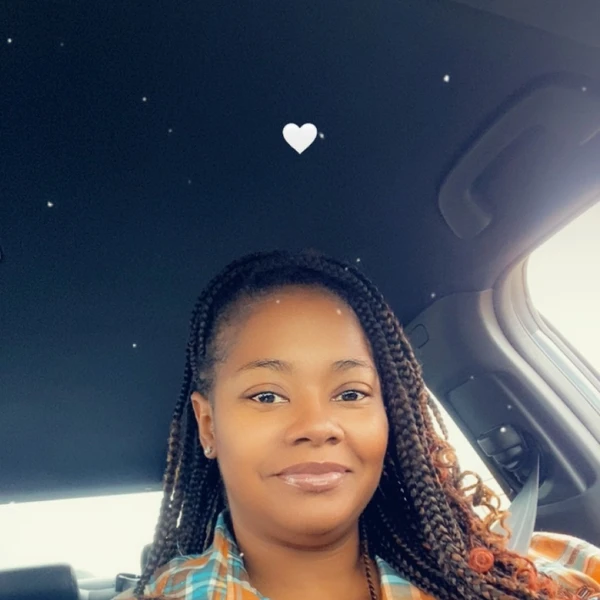
Natasha Bruce
1x
FinalistNatasha Bruce
1x
FinalistBio
Hi, I’m Natasha B. I’m currently working toward my Associate Degree in Nursing and am passionate about caring for people during some of their most vulnerable moments. I love being part of a healthcare team, learning on the job, and making a real difference in patients’ lives. Compassion, patience, and listening are at the heart of how I approach nursing, and I’m excited to grow my skills and connect with the people I care for along the way.
Education
Fortis College-Columbia
Associate's degree programMajors:
- Registered Nursing, Nursing Administration, Nursing Research and Clinical Nursing
Remington College-Columbia Campus
Trade SchoolMajors:
- Allied Health and Medical Assisting Services
Miscellaneous
Desired degree level:
Bachelor's degree program
Graduate schools of interest:
Transfer schools of interest:
Majors of interest:
Career
Dream career field:
Hospital & Health Care
Dream career goals:
CMA
Lexington Medical Center2022 – 20253 years
Equity Elevate Scholarship
My decision to pursue a career in healthcare comes from a deeply personal place. Growing up, I helped care for family members living with lupus, a chronic and unpredictable illness that changed the rhythm of our lives. I remember the exhaustion that came with flare-ups, the hospital stays that stretched late into the night, and the quiet strength it took just to get through each day. Watching my loved ones battle something so invisible to others taught me how fragile health can be—and how powerful compassion and understanding truly are.
Those experiences opened my eyes to the emotional and physical toll chronic illness takes, not only on the patient but on the entire family. I learned early that simply being present—listening, comforting, helping—could make all the difference. I still remember the relief in my loved one’s eyes when a nurse took the time to explain a medication or offer reassurance after a long day of uncertainty. Their kindness brought hope in moments when answers felt out of reach. That kind of impact stayed with me and inspired me to become the kind of nurse who doesn’t just treat symptoms but truly sees the person behind the illness.
In my future career, I want to make life a little easier for patients living with lupus, lung disease, and other rare conditions. Many of these patients feel overlooked because their pain isn’t always visible. My goal is to be their advocate—the person who listens, explains, and makes sure their voice is heard. Whether it’s helping someone manage their medications, educating families about what to expect, or simply offering comfort during difficult moments, I want to be a steady source of compassion and clarity in their care.
For individuals with lung conditions like COPD, asthma, or pulmonary hypertension, I hope to focus on education, prevention, and emotional reassurance. I’ve seen how frightening it can be when every breath feels uncertain. I want to help patients regain confidence and control by teaching them ways to manage symptoms, recognize early warning signs, and feel empowered in their healing.
Caring for my loved ones taught me resilience, patience, and empathy—the very qualities that guide the kind of nurse I aspire to be. Nursing, to me, is more than medicine; it’s about heart and humanity. I want every patient I meet to feel valued, supported, and seen, just as I wished for my own family during their hardest days. My dream is to build a career grounded in compassion—helping others breathe easier, find hope, and believe that better days are possible.
College Connect Resilience Award
Resilience, to me, is the ability to move into what comes next, even when things don't go as planned. It is the perseverance through pain, the faith in hard times, and having the courage to wake up each day and show up to do your best. Living with fibromyalgia has taught me that resilience isn't about looking strong every day—resilience is about being honest with yourself, learning to adjust, and continuing to grow even as you face challenges.
As a college student with fibromyalgia, there are often unpredictable hurdles. There are days I am in so much pain or fatigue, I struggle to concentrate or even get out of bed in the mornings. I’ve learned that sometimes I have to change my schedule, force myself to rest, and communicate my needs with others (without guilt!). It is a balancing act and includes time management, focus, and self-discipline to meet my needs to maintain good health as I continue to pursue my education. I’ve learned to celebrate progress, not perfection, and I remind myself that taking a break doesn’t mean I’ve given up. Showing up (even in little ways) for a goal that was previously out of reach each day feels like a victory.
Fibromyalgia has also deepened my empathy and compassion for others. I can relate to what it feels like to wrestle with something invisible while still striving for success. That awareness allows me to establish a connection with others who happen to be wrestling with their own demons, be it physical, emotional, or mental. Ultimately, I have figured out how to convey my experiences in order to encourage my fellow classmates as well as to raise awareness in my community. For me, resilience means turning pain into purpose and demonstrating to others that they are not alone.
My journey with fibromyalgia has also been a journey of self-discovery. Fibromyalgia has taught me how to listen to my body, remain patient, and first and foremost, that strength does not always show itself as the need to persist, but can also instead be the recognition to withdraw and rest. Every challenge I have faced has built my self-confidence and reaffirmed my commitment in becoming a nurse that leads with compassion and understanding.
In the end, it is resilience that propels me when I want to give up. It reminds me that fibromyalgia is a part of my story but does not define my story. It has shaped my character, challenged and built my faith, and has given me a deeper appreciation for even the small victories of life. I hope to inspire others with chronic conditions to live in resilience—knowing that while some days will be more difficult than others, we are still making progress on the bad days. I consider resilience to be the steady and quiet belief that even though the road is hard, there is still the capacity of strength to rise again.
Sammy Hason, Sr. Memorial Scholarship
I have a strong interest in healthcare based on my personal experience of living with and caring for a person with a chronic and rare illness. I grew up helping care for family members with lupus, a disease that afflicted their strength and changed our lives. I witnessed the uncertainty, fatigue, and pain that comes with a condition many times invisible to others. Those experiences gave me insight into the emotional and physical effects chronic illness has, not just on only, but on family members as well, and gave me hope and a purpose to devote my life to helping others find hope, comfort, and stability through compassionate healthcare.
Throughout my experiences, I saw how being present, patient, and attentive can make a world of difference. I recall nights when symptoms would become heightened, and my loved one struggled to find relief. There were visits to the hospital that felt endless, and there were moments when answers appeared difficult to come by. It was in those times that I recognized the true power of empathy, advocacy and knowledge. Nurses and healthcare providers that explained treatments, listened to concerns, and provided reassurance, were more than just medical providers; they were agents of hope. It was that moment, that level of comfort, that made a lasting impression on me and ultimately influenced my decision to pursue nursing as a vocation, not merely a profession.
In my future career, I aim to enhance the lives of individuals by taking a comprehensive, patient-centered approach to care. For patients with lupus, lung conditions, or any rare medical condition, I would like to be a bridge between medicine and humanity- providing education, compassion, and support to patients. Many patients with chronic or rare illnesses feel invisible when their conditions are misunderstood or difficult to diagnose. I want to be the kind of nurse advocating for them to be heard, connected to care, or any other resources necessary to live out their lives to the fullest extent.
For patients who experience lung disease, COPD, asthma, or pulmonary hypertension, I want to focus on education, prevention, and reassurance. Breathing concerns can lead to staggering levels of anxiety and isolation and I want to help patients regain a sense of control and confidence through individualized education, symptom management, and encouragement. I hope to include family members and other caregivers in teaching moments and inform them about their family member's condition and medications, and recognize early signs and symptoms of exacerbations. I want patients to breathe easily again—not only physically, but emotionally as well, by creating a sense of reassurance and empowerment during their care.
Caring for family members with lupus has taught me resilience, empathy, and the importance of advocating for patients. Resilience, empathy, and advocacy are the foundation of the nurse I want to become. I have learned that caring for individuals is not only addressing their disease, but getting to know people, meeting them where they are, and guiding them through their healthcare journey with dignity. My future goal is to work in a role that has a positive impact on patients, specifically those who have chronic conditions and/or rare disease processes. I want to help heal patients, not only from a health standpoint, but from a quality of life standpoint.
To me, nursing is more than medicine—it’s heart, service, and patience. I want every patient I care for to feel heard, valued, and supported on their path to healing.
Boatswain’s Mate Third Class Antonie Bernard Thomas Memorial Scholarship
Throughout my personal and professional life as a student, employee, or community member, I exhibit solid leadership and communication skills. I suggest this is true because I take the initiative, and I strive to ensure I complete the work efficiently. I actively listen to people, examine their point of view, and group people together to ensure we are all working collaboratively and effectively. When I volunteer to support community events or participate as a team member or committee member of a school event, I often take the lead in delegating roles to team members, checking in on their progress, and ensuring they meet deadlines. I believe leadership is not about being the leader; leadership is about encouraging others to do their best in collaboration and respect.
Resilience has always been a hallmark of my life. With a single mother working long hours at a hotel and often relying on limited child care, I had to face situations where resilience and independence would be necessary. The juggling of school responsibilities, household tasks, and general school-related learning would ultimately demonstrate to me how to adapt in adverse situations and continue on an upward trajectory even when things felt difficult. These instances were developing periods of mental strength and emotional fortitude able to withstand pressures and invoke a reliability in challenge and in problem solving. Resilience demonstrates itself in facing setbacks and moving forward with a desire to achieve a goal while considering the long game.
Another value I demonstrate routinely is being selfless and prioritizing others' needs before my own. I grew up caring for family members, helping classmates with projects, and volunteering within my community. These roles have helped contribute to my understanding that simple acts of kindness—listening to someone, words of encouragement, taking out the trash—can change a person’s day, or sometimes their whole life. I try to hold this value of unselfishness in everything I do, from helping my peers in school, to patients during clinicals, to service projects in the community.
I remain focused and determined through goal setting. Possessing clear expectations and approaching assignments, clinical experiences, and responsibilities with tenacity leads to success. Going to nursing school is time-consuming, but achieving the goal of happiness, fulfillment, and stability demands it. Although the rigor of nursing school can feel overwhelming, looking at the end goal of being a kind, effective nurse helps me stay energized to prioritize what matters to me most, even through busy and stressful times.
A strong work ethic is a fundamental part of everything I do. I take pride in completing all tasks thoroughly, of being well-prepared, and of trying my best in every situation. Regardless of whether it is school, clinical experiences, employment, or volunteer opportunities, I apply diligence, reliability, and integrity to every responsibility. I believe, more importantly, that consistency and the commitment to doing one's best are necessary habits for personal success and the ability to positively influence the lives of others.
In the future, I wish to become an educated nurse that provides compassionate, patient-centered care and can make a real difference in patients' and families' lives. I am pursuing a nursing degree because I want to blend my passion for service and helping others with my interest in healthcare and transform my personal experiences and loss of a family member due to medical issues into a career that will allow me to provide compassion towards patients, become an advocate, and support patients and their families in their greatest time of needs.
Sola Family Scholarship
Being raised by a single mother significantly shaped me into who I am today. She worked long hours at a hotel while bringing a single income, and at times, limited childcare, so I was taught early on the importance of being responsible, determined, and self-sufficient. I admired her relentless work to ensure we had what we needed, even though she had never went to college. Her sacrifices and commitment demonstrated to me that success isn’t always measured by diplomas or titles, but rather your determination, work ethic, and ability to watch out for each other.
Since my mom often worked long shifts, I learned at a young age to take initiative around the house, balancing responsibilities, schoolwork, and looking out for younger family members. This not only taught me discipline and accountability, but the importance of helping when someone needs you to. I also developed a very strong sense of empathy and gratitude witnessing my mom try to do everything for us, while understanding the limitations, and the struggles it took to provide.
Her example has greatly influenced my values and influenced the goals I am striving for now. Seeing my mom tackle obstacles head-on, often wearing many hats with little more than a buck and a prayer, helped me understand that determination and hard work could persevere despite long odds, even if the world seems unfair and overwhelming at times. I want to honor her sacrifices by pursuing my education and career, responsibly, humbly, and dedicatedly, just as she prepared me for and demonstrated for me. Growing up in that life created an ingrained feeling of empathy and compassion. I understand the feeling of being dealt a bad hand in life and can carry that into every relationship I build, every team I am part of, and every person I care for. These experiences have epically fueled my decision to pursue nursing; a profession that I can finally combine my desire to help others with my foundation of discipline, patience, and resilience.
Not only has being raised by a single mother helped shape my career path, but it also helps shape the person I want to be every day. I learned the value of responsibility—not just for me, but for those who depend on me—and that we should always give more than what is asked and/or expected. I have learned to understand that being a leader, and exhibiting service in positive ways is anchored in empathy, and that strength often comes in humility, patience, or consistently offering support without question or concern for acknowledgement. I will use these lessons to guide each interaction I have within the community, whether volunteering, school projects, or in the clinical setting, while always remembering to be an advocate for those who may not be afforded the same opportunities or support I have experienced. Given this upbringing though, and based upon what I just explained, I am committed to always demonstrating resilience, hard work and compassion as best befits my circumstances. These qualities make me who I am today, and I will carry them into every aspect of my mark as a nurse now and into the future.
Sherman S. Howard Legacy Foundation Scholarship
Engaging with my local church community shaped my perspective on service to communities and it stands as one of the most impactful transformative experiences in my life. I have volunteered with my church community since childhood, participating in events such as food drives, clothing drives, and outreach events for families in need. These experiences connected me with the realities of service, while also helping me to realize the importance of serving with empathy, humility, and compassion. One particular experience that comes to mind was volunteering at a holiday meal distribution for families who had fallen on hard times. I spent the day coordinating various volunteer tasks, preparing food parcels, and interaction with families attending the meal distribution. I found the responses of families moving, particularly the families themselves, who conveyed not only gratefulness for the support, but also self-respect, dignity, and resilience in a challenging situation and circumstances. More importantly, on the day I learned that service is much more than just meeting material needs, rather service is creating connection, understanding, and hope.
In my church, I have learned that serving others means showing compassion and being organized. I have helped coordinate events, organize volunteers' schedules, and ensure that families received assistance in a timely manner while respecting their dignity. These duties required communication and teamwork, both of which are skills that I now bring to all my community involvement. I learned patience and flexibility while spending time in church, which demonstrated to me that every serving opportunity or individual/family has a unique need or situation. I have learned that many times serving others was the willingness to listen before acting, simply understanding before judging, or giving out of a sincere desire to serve.
In addition to practical skills, my church connections have influenced my viewpoint regarding the impact of ongoing, consistent service. By doing service periodically through programming for youth, mentorship, and outreach projects, I was able to develop connections in my community and experience the impact of consistently being there to offer support. I have watched children grow with encouragement, families stabilize with resources, and neighbors know they were valued and cared for simply because someone was there to pay attention. These experiences solidified my understanding that service is not just what is given, but how it makes others feel valued and supported.
I have relate my lessons directly into my enthusiasm for nursing and broader commitment to community service. The values taught through my church - empathy, compassion, patience, and devotion - shape the way I engage with patients, families and coworkers. I work hard to engage with an open heart and a good conscience as well as advocate for those who are or may be unable to advocate for themselves. Participating in church has also deepened my sense of obligation to the community and reminded me that caring for people is more than one-to-one, it is contribution to the overall welfare of the people.
In conclusion, my involvement in my local church has profoundly influenced how I serve my community. It has taught me that meaningful service combines empathy, dedication, and practical action, and that even small efforts can have a lasting impact. By participating in outreach programs, mentoring, and volunteer coordination, I have gained skills, perspective, and a deep appreciation for the value of community. These experiences continue to guide me as I pursue nursing, a profession that allows me to extend these lessons into meaningful, tangible care for others.
Rose Browne Memorial Scholarship for Nursing
My interest in nursing stems from my life experiences as an individual who has cared for family members with lupus. From an early age, I saw the stress and challenges that chronic illness could put on not only patients, but also the family. I recall one night when my aunt had an intense lupus flare up. She was in pain, exhausted, and scared, and I found myself helping her manage her pills, preparing her comforts, and just sitting with her while she shared her fears and frustrations. At that time, I realized how important it was to be present, demonstrate empathy, and advocate for her needs. It was not just giving care, it was helping her feel supported, understood, and not alone. That experience has stayed with me and has grown into my desire to be a nurse.
As I matured, my participation in supporting family members diagnosed with lupus increased. I gained skills in recognizing symptoms, tracking medications, and communicating with doctors and nurses related to their health and concerns. I witnessed, not only the physical component of illness but also the emotional side: the anxiety, the unknown, and the stress on family members. Being part of that journey developed my strength, patience, and advocacy skills for those too fatigued or uneducated to advocate for themselves. This experience helped me understand the influence a nurse has, not only through medication management, but through care, communication, and emotional support.
Aside from my own family experiences, I have sought out opportunities to continue growing in clinical environments to develop these skills. I enjoy learning in fast-paced environments, especially when it involves hands-on care combined with problem-solving and critical thinking. Each patient interaction reaffirms my dedication to nursing, as I witness first-hand the difference quality care can have on recovery and quality of life. I want to be a nurse who treats each person as a whole person—not just a set of symptoms—but a nurse who listens, reassures, and is present for patients and families every step of the way.
The decision to pursue a profession in nursing also matches my personal belief system. Compassion, empathy, and service are an important part of my own disposition and as a nursing professional, I can take those beliefs and put them into direct and meaningful action. The nursing profession allows me to not only change lives, but also be in a situation where I will be challenged while learning and growing as a healthcare professional. It's both a privilege and challenge, and I find the notion of entering a profession where my skills will be an appeal, and all the while a profession will also require heart, patience, and resilience is exciting.
In the end, my own experiences with family members diagnosed with lupus have been an influence in my understanding of what nursing is. Nursing is more than medicine; it is activism, comfort, and humanity. My experiences have only fueled my desire to become a nurse, and I am excited and willing to devote myself to this profession in which I can be positively influential in the lives of my patients and their families, just like I once was for my family. Nursing is not just a job to me, it is a calling from my personal experiences, compassion, and desire to care for individuals in their most sensitive moments.