user profile avatar

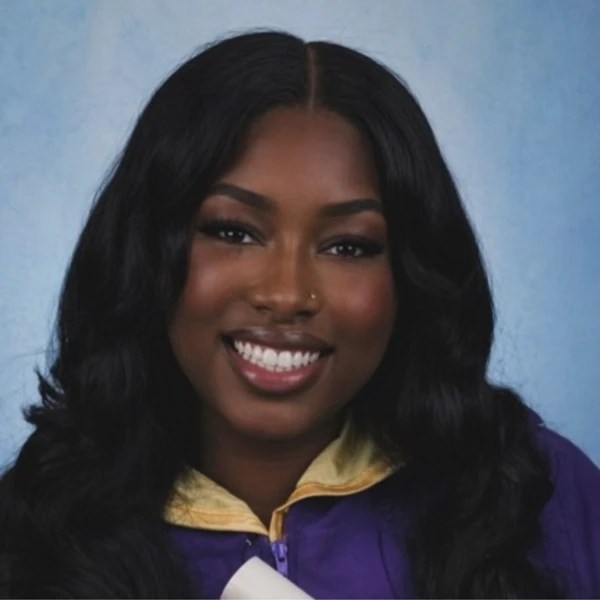
Najah Flemming

1x

Finalist

Bio

I am an incoming freshman at UCLA, planning to study Cognitive Science. I’m interested in how people think, learn, and interact with technology, and I hope to pursue a career in product management at companies like Google or Meta, where I can help build inclusive, user-focused products. I come from a single-income household and have lived in public housing, which has shaped my understanding of responsibility, resilience, and financial pressure. My father owns a cleaning business, and I also work with him cleaning sites including Quest Diagnostics and an adult daycare. Watching his hard work while contributing myself has motivated me to pursue higher education as a path toward stability and opportunity. Outside of academics and work, I have been involved in several volunteer and enrichment programs. I volunteered with SHARE Cancer Support, where I researched cancer organizations and organized information into an Excel database. I also participated in St. John’s University’s “Changing Faces of Pharmacy” program, which introduced me to healthcare systems and professional pathways. Additionally, I have volunteered with the YMCA supporting youth programs and participated in youth-focused advocacy spaces in NYC. Overall, I am committed to using my education to build a strong future while also giving back through service, research, and my future work in technology.

Education

University of California-Los Angeles

Bachelor's degree program
2026 - 2026
  • Majors:
    • Behavioral Sciences

Bishop Loughlin Memorial High School

High School
2022 - 2026

Miscellaneous

  • Desired degree level:

    Bachelor's degree program

  • Graduate schools of interest:

  • Transfer schools of interest:

  • Majors of interest:

    • Behavioral Sciences
  • Not planning to go to medical school
  • Career

    • Dream career field:

      • Technology
    • Dream career goals:

      My long-term career goal is to become a product manager in the technology industry, ideally at companies like Google or Meta. I want to work on developing digital products that are intuitive, accessible, and genuinely improve people’s everyday lives. I’m especially interested in using my background in Cognitive Science to understand how people think, make decisions, and interact with technology, so I can help design products that are more user-centered and inclusive. Over time, I also hope to take on leadership roles where I can guide teams, shape product strategy, and have a broader impact on how technology is built. Ultimately, I want my career to combine problem-solving, creativity, and real-world impact, while also giving me the ability to support my family and give back to my community.

    • Cleaner

      Coverball
      2025 – Present1 year

    Sports

    Softball

    Junior Varsity
    2024 – 2024

    Volleyball

    Junior Varsity
    2022 – 20231 year

    Awards

    • CHSAA championships 2023

    Research

    • Health and Medical Administrative Services

      Share Cancer Support — Researcher
      2025 – 2025

    Arts

    • NYSEMA

      Music
      2022 – 2024

    Public services

    • Volunteering

      LIVE WEEK — Packing hygiene bags for the less fortunate
      2024 – 2024

    Future Interests

    Entrepreneurship

    RonranGlee Literary Scholarship
    Plato’s Allegory of the Cave suggests that true education is not simply about gaining information, but about learning to question what we believe is true and having the courage to change our understanding. “And now, I said, let me show in a figure how far our nature is enlightened or unenlightened: Behold! human beings living in an underground den, which has a mouth open towards the light and reaching all along the den; here they have been from their childhood, and have their legs and necks chained so that they cannot move, and can only see before them, being prevented by the chains from turning round their heads. Above and behind them a fire is blazing at a distance, and between the fire and the prisoners there is a raised way.” The prisoners in Plato’s cave have spent their entire lives facing the same wall. Because they have never experienced anything beyond the cave, the shadows in front of them become their understanding of reality. What makes this idea powerful is that the prisoners do not necessarily think they are ignorant. They are familiar with what they see, they recognize the shadows, and they can communicate with each other about them. From their perspective, there is nothing missing from their knowledge because they have never had a reason to believe that another reality exists. Plato uses this situation to show that ignorance does not always feel like ignorance. Sometimes people are unaware of what they do not know. The chains in the passage can represent the beliefs, assumptions, and experiences that limit the way people see the world. Plato does not only mean physical chains. A person can be limited by fear, social expectations, tradition, or simply by accepting information without questioning it. The prisoners have become so accustomed to their surroundings that the cave feels normal to them. This is important because people often accept what is familiar without stopping to ask whether it is actually true. Something can feel normal and still be incomplete. The shadows also represent the difference between appearances and reality. The prisoners believe the shadows are real because that is all they have ever seen. Plato is suggesting that what we see or hear is not always the complete truth. People can form opinions based on limited information and then treat those opinions as facts. This idea is still relevant because people are constantly surrounded by information from other people, social media, news, and their own communities. It is easy to accept something simply because it is repeated often. Plato encourages us to take a step back and ask where our beliefs came from. Education is one way a person can begin to leave the cave. However, Plato does not make education seem easy or comfortable. If a prisoner were suddenly exposed to the light outside the cave, the experience would be difficult because their eyes would not immediately adjust. In the same way, learning something new can be uncomfortable when it challenges beliefs that we have held for a long time. Real education requires more than memorizing facts. It requires being willing to admit that our previous understanding may have been incomplete. I also think Plato is making an important point about personal growth. Leaving the cave means being willing to experience uncertainty. A person who has always believed one thing may have to accept that there are other perspectives worth considering. This does not mean that every opinion is equally correct. Instead, it means that understanding requires curiosity and a willingness to investigate rather than immediately assuming that we already know everything. Growth becomes possible when a person is willing to question themselves. The ending of the allegory also gives knowledge a sense of responsibility. Once someone has left the cave and experienced a broader understanding of reality, Plato suggests that they should return to the people who are still inside. This part of the story shows that knowledge should not only benefit the individual who gains it. A person who has had the opportunity to learn should also consider how that knowledge can help others. Education therefore becomes something that can affect an entire community. Ultimately, Plato’s Allegory of the Cave is about much more than prisoners and shadows. It is about the human tendency to become comfortable with what we already believe and the difficulty of challenging our own assumptions. The cave represents a limited understanding of the world, while leaving the cave represents the process of questioning, learning, and growing. Plato’s message is that education should change the way we think rather than simply add more information to what we already know. The most important part of becoming educated is developing the courage to recognize that there may always be more to understand.
    Sloane Stephens Doc & Glo Scholarship
    The impact I want to make begins with the people who shaped me. As a first-generation college student, I have experienced how challenging it can be to navigate opportunities when you do not have someone who has already taken that path. My father inspires me because I have watched him work hard to provide for our family and overcome obstacles without giving up. His determination taught me that success is not only about where you begin, but what you do with the opportunities you receive. I want to use my education to create opportunities for people who may face barriers similar to those I have experienced. As I pursue my education at UCLA and continue exploring cognitive science, technology, and product development, I want to learn how technology can be designed around people's real needs. I am interested in pursuing a career in technology, potentially in product management, where I can combine creativity, research, problem-solving, and technology to develop solutions that make a meaningful difference. One area I hope to impact is access to information and opportunities. Throughout my own educational journey, I have had to search for scholarships, internships, programs, and resources without always knowing where to start. Those experiences made me realize how much easier someone's path can become when they have access to the right information and guidance. I want to use my education and future career to help make those opportunities easier for others to find. Giving back to my community also means mentoring younger students. I want to encourage students, especially those who are first-generation or interested in STEM, to see themselves as capable of pursuing careers they may not have considered possible. I want to share what I learn about college, scholarships, internships, technology, and professional development so that others do not feel like they have to figure everything out alone. I hope to become the person I needed when I was beginning my own journey. I also believe representation can create change. When students see people from different backgrounds succeeding in technology and other STEM fields, it can expand their understanding of what is possible. I want to contribute my own perspective and eventually help create spaces where students feel welcomed, supported, and confident enough to pursue their interests. My vision for a better future is one where access to opportunity is not determined by whether someone already knows the right people or understands how to navigate complicated systems. I want to use technology to help close those gaps by creating tools, resources, and products that are accessible and useful to the communities they serve. Ultimately, I do not want my education to benefit only me. I want it to become a foundation for creating opportunities for others. My experiences have shown me how powerful one opportunity can be, and I want to help create more of them. I am determined to build a career that combines technology with purpose and to use what I learn to give back to the communities that helped me get where I am today.
    Young Women in STEM Scholarship
    I have always been motivated by the idea that my circumstances do not have to determine my future. As a first-generation college student, I have learned that pursuing higher education is not simply about earning a degree. For me, it represents opportunity, independence, and the ability to create a future that once felt uncertain. I was raised by a single father who worked hard to provide for our family, and watching him work taught me the value of persistence and responsibility. At the same time, growing up without parents who had experienced college themselves meant that I often had to figure things out on my own. There was no straightforward guide for applications, financial aid, scholarships, internships, or planning for a career. I had to become comfortable asking questions, researching answers, and advocating for myself. Those experiences are a major part of what motivates me today. I want to build a life that reflects the effort my family has made while also creating opportunities that were not always available to us. I want to be successful, but I also want my success to have a purpose. If I could do anything with my life, I would pursue a career where I can combine technology, creativity, and problem-solving to develop ideas that make people's lives easier. I am particularly interested in information technology and product management because these fields allow me to think about both how technology works and how it can be improved for the people who use it. What excites me about STEM is its ability to transform curiosity into something tangible. I have always enjoyed figuring out how things work, but technology has shown me that I can go beyond simply understanding something—I can create it. One experience that strengthened this interest was building my own portfolio website using HTML and CSS. Although it was a relatively small project, seeing something that began as an idea become an actual functioning website gave me a different perspective on technology. Coding was not just about writing lines of code; it was about making decisions, solving problems, being creative, and figuring out why something was not working when I made a mistake. That experience made me interested in the larger process behind technology. I began thinking about how websites, applications, and digital products are created with specific users in mind. Why does one product feel intuitive while another feels confusing? How can technology be designed to make information more accessible? How can a digital platform connect someone with an opportunity they otherwise might never have found? These are the questions that make me excited about pursuing a STEM-related career. I believe a career in information technology could allow me to make a meaningful impact because technology has the ability to reach people on a large scale. Access to the right information or digital resource can change someone's educational opportunities, career path, or ability to connect with others. I want to contribute to technology that is not only innovative but also useful and inclusive. As someone who has experienced having to search for opportunities and resources independently, I understand how valuable accessible information can be. I want to help create products that make navigating the world a little easier for someone else. My greatest challenge has been learning how to move forward despite uncertainty. Being a first-generation college student has meant entering spaces where I did not always know what to expect. During the college application process, I had to learn about financial aid, scholarships, admissions, and career opportunities while also balancing academics and my responsibilities outside of school. There were moments when the process felt overwhelming. I sometimes questioned whether I was doing enough or whether opportunities I wanted were realistically within my reach. Instead of allowing that uncertainty to stop me, I learned how to turn it into motivation. I started seeking out information instead of waiting for someone to give it to me. I applied for scholarships, pursued internships, participated in leadership and community programs, and looked for experiences that would help me understand what I wanted from my future. I learned how to write professional emails, ask for recommendations, build a résumé, create a portfolio, and introduce myself to people who could help me grow. Every one of those experiences made me more confident and independent. My challenges have also changed the way I define success. Success is not simply reaching a destination; it is continuing to move forward when the path is unfamiliar. I have learned that I do not need to have my entire future planned to take the next step. I only need to remain willing to learn, adapt, and try again when something does not work. As I enter college and prepare for a future in technology, I want to carry that mindset with me. I hope to continue developing my technical skills while also learning how technology can address real-world problems. I want to meet people with different experiences, challenge myself to think differently, and eventually contribute to products and ideas that create meaningful opportunities for others. Ultimately, what motivates me is the possibility of turning everything I have learned from my past into something positive for my future. I want my story to be more than a story about the obstacles I faced. I want it to be a story about what I built from them. Through STEM and information technology, I hope to build a career that reflects my curiosity, creativity, and resilience while using what I learn to make a difference beyond myself
    Megan Mills Scholarship
    I am of Puerto Rican descent through my mother and was raised in Brooklyn, New York, in NYCHA public housing. This fall, I will attend UCLA as a first generation college student majoring in Cognitive Science. Growing up, I learned that resilience is not something you are born with. It is something you build through the challenges you overcome and the people who inspire you to keep going. My childhood was shaped by obstacles that could have easily defined my future. My parents were in a domestic violence relationship, and my father made the difficult decision to raise me on his own. Neither of my parents attended college, and none of my four older brothers did either. Later, my mother was diagnosed with Stage III cervical cancer and experienced homelessness, making it difficult to see or even contact her during times when I needed her most. I also experienced unhealthy relationships that challenged my confidence and sense of self. Although these experiences were painful, they taught me resilience, empathy, and the importance of creating a different future for myself. Instead of allowing my circumstances to limit me, I invested in my education. Throughout high school, I served as president of my school's newspaper, *The Jamesonian*, and as a Student Government Senator. I became a National Honor Society member, earned Gold Honor Roll, completed St. John's University's Changing Faces of Pharmacy Program, interned with SHARE Cancer Support, and became a Youth Action Institute Fellow. Every opportunity strengthened my leadership skills and reinforced my belief that education has the power to transform lives. My interest in STEM began during my senior year when I learned HTML and CSS in a portfolio building course. Creating my first website showed me how technology can solve problems, improve experiences, and bring ideas to life. That experience inspired me to pursue Cognitive Science at UCLA with the goal of becoming a product manager at a leading technology company. I want to help build innovative products that make technology more accessible and meaningful for people from all backgrounds. As a Black woman of Puerto Rican descent entering STEM, I understand how important representation is. I hope to encourage more young women, especially those from underrepresented communities, to see themselves in technology and believe they belong in spaces where they have historically been overlooked. I want my success to be a reminder that your background does not determine your future. Receiving the Megan Mills Scholarship would help ease the financial burden of attending UCLA and allow me to focus on my education, internships, and professional development. More importantly, it would support my goal of using technology to improve lives while inspiring the next generation of students from communities like mine to dream bigger than their circumstances.
    Kalia D. Davis Memorial Scholarship
    My name is Najah, and this fall I will begin my journey at UCLA as a first-generation college student majoring in Cognitive Science. Growing up in NYCHA public housing in Brooklyn, New York, I learned early that success is not determined by where you start but by your determination to keep moving forward. My childhood was shaped by challenges that tested my resilience. My parents were in a domestic violence relationship, and my father made the difficult decision to raise me on his own. Neither of my parents attended college, and none of my four older brothers did either. As I grew older, I faced additional hardships, including my mother's battle with Stage III cervical cancer and periods of homelessness, making it difficult to see or even contact her when I needed her most. These experiences taught me perseverance, empathy, and the importance of creating opportunities where they do not already exist. Rather than allowing my circumstances to define me, I focused on my education. Throughout high school, I served as president of my school's newspaper, *The Jamesonian*, and as a Student Government Senator. I became a member of the National Honor Society, earned Gold Honor Roll, participated in Advanced Band, completed St. John's University's Changing Faces of Pharmacy Program, interned with SHARE Cancer Support, and became a Youth Action Institute Fellow. Each experience strengthened my leadership skills and deepened my commitment to serving others. One of the moments I am most proud of was being accepted to UCLA. During UCLA's Admitted Students Day in New York, I realized I was the only Black girl in attendance. Standing there reminded me that my journey was bigger than myself. I hope my story encourages other young Black girls from communities like mine to believe that they belong in spaces they may have once thought were out of reach. At UCLA, I hope to pursue a career in product management at a leading technology company, where I can combine creativity, technology, and problem solving to build products that improve people's lives. My goal is not only to succeed professionally but also to create opportunities for others through mentorship and representation in the technology industry. Receiving the Kalia D. Davis Memorial Scholarship would help relieve the financial burden of attending UCLA, allowing me to focus on my education, internships, and leadership opportunities. More importantly, it would be an investment in someone who is determined to honor the sacrifices that made this journey possible and use her education to make a meaningful impact on others. I believe my story is only the beginning, and I am excited to continue building a future that reflects resilience, purpose, and service.
    Sherman S. Howard Legacy Foundation Scholarship
    Growing up, my church was more than a place of worship. It was a place where I learned that faith is demonstrated through service. From a young age, I watched members of my church support families during difficult times, organize community events, and give generously without expecting anything in return. Those experiences taught me that making a difference does not always require grand gestures. Sometimes it begins with simply showing up for others. As I became more involved, I volunteered at church events that brought our community together, including food distributions, holiday celebrations, and outreach programs for local families. Whether I was helping organize activities, distributing supplies, or assisting wherever I was needed, I learned the importance of compassion, teamwork, and treating every person with dignity. Serving through my church showed me that even small acts of kindness can have a lasting impact. Those lessons carried into every part of my life. In high school, I looked for opportunities to continue serving others beyond my church. I served as president of my school's newspaper, *The Jamesonian*, and as a Student Government Senator, where I learned to advocate for my peers and create a positive school community. I became a Youth Action Institute Fellow, working on projects focused on equity and inclusion, and interned with SHARE Cancer Support, where I researched more than 100 organizations that provide resources to cancer patients and their families. Each experience reflected the values my church instilled in me: serve others with humility, listen with compassion, and always look for ways to help. Growing up in NYCHA public housing in Brooklyn and becoming a first generation college student has shown me how important strong communities are. I know what it means to benefit from people who are willing to give their time and support, and I want to be that person for others. Service is no longer something I do only because I volunteered at church. It has become part of who I am. This fall, I will attend UCLA, where I hope to continue serving my community while pursuing a career in technology. No matter where life takes me, I want to use my education, leadership, and future career to create opportunities for others and give back to the communities that helped shape me. The Sherman S. Howard Legacy Foundation Scholarship would help me continue my education while strengthening my commitment to service. My church taught me that success is measured not only by what you achieve for yourself, but also by how you uplift the people around you. That lesson will continue to guide me throughout college and beyond.
    Bick New York Scholarship
    My educational journey has taught me that resilience is not about pretending life is easy. It is about continuing to move forward, even when life gives you every reason to stop. I grew up in NYCHA public housing in Brooklyn, New York. When I was young, my parents were in a domestic violence relationship, and my father made the difficult decision to raise me on his own. He never graduated from high school, my mother never attended college, and none of my four older brothers went to college. Later in life, I experienced an abusive relationship, and after surviving sexual assault, I found myself accepting unhealthy relationships because they felt familiar. Around the same time, my mother was diagnosed with Stage III cervical cancer and experienced homelessness, making it difficult to see or even contact her. During the years when I needed a mother's guidance the most, she simply could not always be there. Carrying trauma while worrying about my mother's health and safety often felt overwhelming. There were days when focusing on school was incredibly difficult, but I refused to let my circumstances define my future. Instead, I poured my energy into my education because I knew it was my path to a different life. As a first-generation college student, I challenged myself academically and became involved in every opportunity I could. I served as president of my school's newspaper, *The Jamesonian*, and as a Student Government Senator. I became a member of the National Honor Society, earned Gold Honor Roll, participated in Advanced Band, completed St. John's University's Changing Faces of Pharmacy Program, interned with SHARE Cancer Support, and became a Youth Action Institute Fellow. These experiences taught me that leadership is built through resilience, compassion, and service. One of the proudest moments of my life was being accepted to UCLA. During UCLA's Admitted Students Day in New York, I realized I was the only Black girl in attendance. In that moment, I understood that my journey represented something bigger than myself. I thought about the other Black girls growing up in neighborhoods like mine who wonder whether they belong in spaces like UCLA. I hope my story reminds them that they do. This fall, I will begin studying at UCLA, where I plan to pursue a career in product management at a leading technology company. I want to build products that improve people's lives while showing other young women, especially Black women, that they belong in technology. Receiving the Bick New York Scholarship would ease the financial burden of college and allow me to focus on my education, internships, and building the future I have worked so hard to achieve. My education has shown me that while our past shapes us, it does not define us, and I am determined to use every opportunity I receive to build a better future for myself and for others.
    Teria Onwuaduegbo Black Women in STEM Scholarship
    Growing up, I never imagined that technology would become something I was passionate about. I thought coding was something only experienced programmers could do. That changed during my senior year of high school when I took a portfolio-building course and learned HTML and CSS. For the first time, I saw how a few lines of code could become something creative, interactive, and useful. Building my own website sparked a passion I never expected and opened my eyes to a career in technology. As a first-generation college student from NYCHA public housing in Brooklyn, New York, I have learned that opportunities are not always given to you. Sometimes you have to create them yourself. That mindset is what led me to challenge myself academically and pursue experiences that would prepare me for my future. I served as president of my school's newspaper, The Jamesonian, and as a Student Government Senator, where I strengthened my leadership and communication skills. I also became a Youth Action Institute Fellow, interned with SHARE Cancer Support, and completed St. John's University's Changing Faces of Pharmacy Program. Each experience taught me how to solve problems, collaborate with others, and create meaningful change in my community. This fall, I will begin my studies at UCLA, where I plan to study Cognitive Science while continuing to explore technology, business, and design. My career goal is to become a product manager at a leading technology company such as Google, Microsoft, Apple, or Meta. I am excited by the opportunity to bring together creativity, problem-solving, and technology to build products that improve people's everyday lives. Learning HTML and CSS showed me that technology is not just about writing code. It is about creating solutions that make a real impact, and I want to be part of building the next generation of products people use every day. As a Black woman entering STEM, I know representation matters. I have often found myself in spaces where there are very few people who look like me. Rather than seeing that as a barrier, I see it as motivation. I hope to encourage more young Black girls to pursue careers in technology and believe they belong in those spaces too. Receiving the Teria Onwuaduegbo Black Women in STEM Scholarship would allow me to focus on my education, pursue internships at major technology companies, and continue developing the technical and leadership skills needed to succeed. More importantly, it would be an investment in someone determined to use innovation to create meaningful change while opening doors for the next generation of Black women in STEM.
    Jesus Baez-Santos Memorial Scholarship
    When people think of leaders, they often picture someone standing in front of a crowd. When I think of leadership, I think of my father. He never graduated from high school or attended college, yet he taught me some of the most important lessons I have ever learned. Through his sacrifices, resilience, and determination, he showed me that true leadership is measured by what you are willing to do for the people you love. I grew up in NYCHA public housing in Brooklyn, New York. When I was young, my parents were in a domestic violence relationship. My father made the difficult decision to leave that environment and raise me on his own. As a single father of five, he worked tirelessly to provide for our family, often putting his own dreams aside so that his children could have opportunities he never had. Watching him choose responsibility over comfort completely changed the way I see leadership. Neither of my parents attended college, and none of my four older brothers did either. As I grew older, I realized I was stepping into unfamiliar territory. There was no one who could explain financial aid, college applications, or what life at a university would be like. Being first generation meant learning everything as I went, but it also meant carrying the hopes of my family with me. My father's example motivated me to make the most of every opportunity. Throughout high school, I served as president of my school's newspaper, *The Jamesonian*, and as a Student Government Senator. I became a member of the National Honor Society, earned Gold Honor Roll, participated in Advanced Band, completed St. John's University's Changing Faces of Pharmacy Program, interned with SHARE Cancer Support, and became a Youth Action Institute Fellow. Whether I was researching resources for cancer patients, advocating for equity, or serving my classmates, I learned that leadership is not about recognition. It is about using your abilities to make life better for someone else. Receiving my acceptance to UCLA was one of the proudest moments of my life. During UCLA's Admitted Students Day in New York, I realized I was the only Black girl in attendance. In that moment, I understood that this achievement was about more than me. I thought about the other girls growing up in neighborhoods like mine who may wonder if a place like UCLA is out of reach. I want my journey to remind them that it is possible. My father's resilience has inspired me to give back in every stage of my life. Whether through community service, mentoring peers, or simply leading by example, I want others to know that their circumstances do not define their future. At UCLA, I hope to continue serving my community while preparing for a career in product management, where I can create technology that improves people's lives. The legacy I want to leave is one where the next generation has more opportunities than the one before it. My father gave me that chance through his sacrifices. By becoming the first in my family to earn a college degree, uplifting others, and opening doors for those who come after me, I hope to honor everything he worked so hard to provide.
    LeadHer Learning Scholarship
    To me, education is one of the most powerful things a person can have because it is something no one can take away from you. Money can come and go, jobs can change, and life can take unexpected turns, but knowledge stays with you. Education gives people the ability to think for themselves, ask questions, and create opportunities no matter where they come from or how many times they have to start over. I believe education is always there for you. Whether someone is eighteen or eighty, they can choose to learn something new, earn a degree, develop a skill, or completely change the direction of their life. That is what makes education so powerful. It gives people the chance to build a future instead of being defined by their past. Unfortunately, not everyone has equal access to that opportunity. Throughout history and even today, there have been people in power who make education less accessible because knowledge gives people a voice. When people are educated, they begin to question injustice, recognize inequality, and understand the systems that affect their lives. It becomes much harder to control people who know their rights, think critically, and advocate for themselves and others. For that reason, women, children, people of color, and low-income communities have often faced barriers to educational opportunities. Growing up, I learned that education could become my way forward. As a first-generation college student from Brooklyn, I understood that earning an education would not only change my own future but also my family's. It became more than getting good grades. It became about gaining the knowledge and confidence to create opportunities that did not exist before me. Every class I took and every challenge I overcame brought me one step closer to building the life I imagined. As I prepare to attend UCLA, I see education as more than a personal achievement. I see it as a responsibility. I want to use what I learn to create meaningful solutions through technology and product management that improve people's lives. I also want to inspire other students, especially young women and girls from communities like mine, to believe that their circumstances do not define their potential. Education is not simply about earning a diploma. It is about freedom. It gives people the ability to think independently, challenge injustice, and build a future on their own terms. That is why I believe education is one of the greatest forms of empowerment. Once someone has knowledge, they have the power to change not only their own life but the lives of others as well.
    Bick First Generation Scholarship
    Being a first-generation college student means carrying the hopes, sacrifices, and dreams of an entire family. It means stepping into a world no one before me has experienced and finding my own way without a roadmap. There is no one in my family I can ask about college classes, financial aid, internships, or navigating campus life. Every milestone I reach is something I have had to figure out on my own, making this journey even more meaningful. I grew up in NYCHA public housing in Brooklyn, New York. When I was young, my parents were in a domestic violence relationship. My father made the difficult decision to leave that environment and raise me on his own. He never graduated from high school, my mother never attended college, and none of my four older brothers went to college. Watching my father work tirelessly to provide for our family became my greatest motivation. He sacrificed so much so I could have opportunities he never had, and I knew I could not let those sacrifices be in vain. Being first generation has always felt like a responsibility. Throughout high school, I challenged myself academically while serving as president of my school's newspaper, *The Jamesonian*, and as a Student Government Senator. I became a member of the National Honor Society, earned Gold Honor Roll, participated in Advanced Band, and received two Excellent ratings from the New York State School Music Association. Outside the classroom, I completed St. John's University's Changing Faces of Pharmacy Program, interned with SHARE Cancer Support, became a Youth Action Institute Fellow, worked in my father's cleaning business, and delivered medication for a local pharmacy. These experiences taught me leadership, perseverance, and compassion. Receiving my acceptance to UCLA was one of the most emotional moments of my life. During UCLA's Admitted Students Day in New York, I realized I was the only Black girl in attendance. Standing there, I felt the weight of everything my family and I had overcome. I realized this achievement was bigger than me. I thought about the other Black girls growing up in neighborhoods like mine who may wonder if a dream like UCLA is possible. I want my journey to remind them that it is. This fall, I will begin my next chapter at UCLA. During my senior year, I discovered a passion for technology after learning HTML and CSS in a portfolio building course. I hope to build a career in product management, creating technology that improves people's lives. Receiving this scholarship would ease the financial burden of attending UCLA and allow me to focus on learning, leadership, and preparing for a meaningful career. Being first generation is about honoring my father's sacrifices, breaking generational barriers, and proving that where you begin does not determine where you can go.
    Black Women in STEM Scholarship
    Entering high school, I was surrounded by so many “Winter Santiagas,” like the protagonist of Sister Souljah’s “The Coldest Winter Ever”, a young Black woman consumed by distraction and appearances. I didn't know myself when I first entered high school, as few people do. Because of that uncertainty, I allowed the wrong people to influence me. Reading the novel sparked a turning point in my high school years. I saw the future I might face if I kept chasing the wrong crowd. This book forced me to confront the uncomfortable truth that I was starting to build my life on the wrong foundation. Winter’s story was heartbreaking, but most importantly, preventable. She allowed herself to be consumed by chasing appearances, attention, and temporary excitement, leaving her with nothing. As I reflected on Winter's choices, I realized that success is not determined by who surrounds you but by the decisions you make every day. I began distancing myself from situations and friendships that encouraged short-term validation instead of long-term growth. Rather than seeking approval from others, I started investing in myself by setting goals, managing my time more intentionally, and believing that I was capable of creating a different future. For the first time, I understood that my environment did not have to define my destiny; my choices would. After reading this book, I began to look inward. I asked myself: What do I want to be known for? What type of life am I building for myself right now, and how can I improve it? Those questions led me to choose differently. I shifted my focus back to academics and sought opportunities, including Advanced Band, National Honor Society, an internship with Share Cancer Support, and athletics. These commitments leveled me in discipline, leadership, and service, and they continue to uplift me today. The lessons I learned from The Coldest Winter Ever continue to influence the way I approach new opportunities. Whenever I face a difficult decision, I think about the consequences of choosing temporary satisfaction over long-term success. That perspective has helped me become more intentional with my goals and more confident in the person I am becoming. The impact of this book will remain with me beyond high school, which is why it is my favorite. Sister Souljah’s book was thought-provoking and made me honestly look around at my surroundings. As I prepare for university, I will carry Winter’s story as a prophecy and a motivator. I know distractions will come, but I also know the importance of staying grounded in education, character, and resilience.
    Marcia Bick Scholarship
    I believe scholarships should be awarded to students who have had to turn difficult circumstances into resilience, discipline, and purpose. For many students from disadvantaged backgrounds, the challenge is not ability, but access, stability, and support. Opportunity matters because it allows students like me to focus on building a future instead of constantly navigating instability in the present. I come from public housing in Brooklyn, New York, and I grew up in a home shaped by domestic violence and emotional instability. My childhood was unpredictable, and I often had to learn how to stay grounded in environments that were overwhelming. Those experiences forced me to become observant and emotionally aware at a young age. I learned how to focus on school and my goals even when life at home felt unstable. Over time, education became my anchor and the one place where I felt a sense of control and direction. My father has been my strongest support system. He runs a small cleaning business and works long hours every day to provide for me. Watching his sacrifices taught me responsibility, discipline, and perseverance. As I got older, I began working with him as a cleaning assistant and also took babysitting jobs. These experiences were not just about earning income. They taught me reliability, time management, and how to carry responsibility even under pressure. Despite challenges, I remained committed to my education and personal growth. I became a National Honor Society member, earned Gold Honor Roll recognition, and served as a Student Government senator. I also sought opportunities outside the classroom, including an internship with Share Cancer Support and participation in the YAI Institute Fellowship. These experiences strengthened my communication skills and deepened my interest in service, advocacy, and supporting individuals who face barriers to resources and care. A major turning point in my academic journey came during my senior year when I took an HTML and CSS course. I had no prior coding experience, but I quickly became interested in how websites are built and how ideas can be transformed into interactive spaces. For my final project, we combined everything we learned into a full portfolio website. That experience showed me how powerful technology can be for storytelling and problem-solving. It sparked my interest in computer science and led me toward Cognitive Science at UCLA. At UCLA, I plan to study Cognitive Science and pursue a career in STEM as a product manager. I want to build technology that is intuitive, accessible, and designed around real human needs, especially for users who are often overlooked or underserved. If awarded this scholarship, it would significantly reduce the financial burden of attending college out of state and allow me to fully focus on my education and goals. More importantly, it would represent an investment in someone determined to turn lived experience into lasting impact. I am not defined by my circumstances, but by what I am building because of them.
    Hazel & Olive Sweet Horizons Scholarship
    Growing up, I experienced a level of instability that shaped both my childhood and the way I understand the world. My parents had a domestic violence relationship, and I often found myself in the middle of intense arguments. There was one moment in particular when I was physically hurt while trying to separate them, and it became a turning point in how I viewed my safety, my family, and myself. For a long time, I did not fully understand how to process what I was experiencing. I just knew that I had to adapt quickly, stay alert, and find ways to emotionally manage situations that were far beyond my control. Over time, those experiences taught me resilience, awareness, and independence. They also made me deeply observant of people, how they behave under stress, how environments influence decisions, and how small moments can shape a person’s mindset. That curiosity eventually became the foundation of my interest in Cognitive Science. Instead of allowing my past to define me in a negative way, I began focusing on understanding it. I became interested in why people think the way they do, how emotions affect decision-making, and how environments influence behavior. This interest also led me toward technology, especially how systems and digital tools are designed to interact with human behavior. In my senior year, I took an HTML and CSS course that allowed me to explore computer science for the first time. We built personal websites and eventually combined them into one final portfolio project. Seeing my ideas come to life through code made me realize how powerful technology can be in expressing identity and solving problems. That experience sparked my desire to pursue STEM more seriously. In addition to academics, I built responsibility and discipline through real-world experiences. As a cleaning assistant in my family’s business, I learned the importance of consistency, reliability, and attention to detail. As a babysitter, I developed patience, communication skills, and the ability to care for others in a structured and supportive way. Through my internship with Share Cancer Support, I helped support efforts that provide resources to patients nationwide, and my involvement in the YAI Institute Fellowship strengthened my understanding of advocacy and inclusion for individuals with disabilities. Each of these experiences taught me that meaningful impact comes from understanding people and their needs. At UCLA, I plan to study Cognitive Science to deepen my understanding of how people think, learn, and interact with technology. My long-term goal is to pursue a career in STEM as a product manager, where I can combine psychology, design, and technology to create accessible and user-centered products. I am especially interested in how digital systems can be improved to better support diverse users and reduce barriers in everyday life. My goal is not only to build technology, but to build technology that considers the human experience behind it. My past has given me resilience, awareness, and empathy, and my education will give me the tools to turn those qualities into impact. I want to use my future in STEM to create solutions that are not only innovative, but also inclusive, thoughtful, and meaningful.
    AROC AI/ML Scholarship
    In my senior year of high school, I took an HTML and CSS course that became my first real introduction to computer science. In this class, we learned how to build websites from scratch, starting with simple pages that described who we are and included personal images and layouts. Each project allowed me to express creativity while also learning structure, logic, and problem solving through code. What made the experience especially meaningful was our final project. We combined all of our individual websites into one unified portfolio site that represented each student as a whole. This site included multiple pages and sections that highlighted our personalities, interests, and growth throughout the class. Working on this project showed me how coding is not just about writing lines of text, but about building something interactive that tells a story. It was the first time I felt fully engaged in computer science, and it sparked a genuine interest in the field that continues to grow. Through this experience, I began to understand how technology can be used to communicate identity and connect people. It also introduced me to the importance of user experience and design choices, even in simple websites. I became curious about how digital tools could be improved to better serve users and how systems are built behind the scenes to make technology more intuitive. While my direct experience with artificial intelligence and machine learning is still developing, I am eager to expand my knowledge in these areas at UCLA through my studies in Cognitive Science. I am especially interested in how AI systems learn from data and how human cognition can inform the way these systems are designed. I want to understand not only how machines process information, but also how people interact with technology and make decisions. I also bring a strong foundation of real-world problem solving and responsibility from my other experiences. Working as a cleaning assistant in my family’s business taught me discipline, attention to detail, and consistency. My experience babysitting helped me develop communication skills and adaptability. In addition, my involvement in programs such as the YAI Institute Fellowship and my internship with Share Cancer Support exposed me to systems of care and advocacy, where I saw the importance of designing solutions that are accessible and human-centered. At UCLA, I hope to build on these experiences by exploring the intersection of cognitive science, technology, and AI. My long-term goal is to become a product manager in the tech industry, where I can work with engineers and designers to create products that are not only functional but also deeply aligned with user needs. I am particularly interested in how AI can be used to improve accessibility, personalize user experiences, and make information more usable for diverse communities. Ultimately, I want to contribute to the development of technology that feels intuitive, inclusive, and impactful. I see AI and machine learning as powerful tools, but I also believe their success depends on understanding human behavior. By combining my background in web development, my curiosity about cognition, and my future education at UCLA, I hope to help build technology that meaningfully improves how people interact with the digital world.
    Minority Women in STEM Scholarship
    I am an incoming Black Cognitive Science student at the University of California, Los Angeles (UCLA), driven by a deep curiosity about how people think, learn, and interact with the world around them. I plan to pursue a career in STEM as a product manager, where I can combine psychology, data, and technology to design products that are both innovative and accessible to diverse users. My interest in this field began long before I had the language to describe it. I was raised by my father, who runs a small cleaning business. Growing up in a single-parent household taught me responsibility, independence, and resilience. My father worked long hours to provide for me, and watching his dedication shaped my understanding of hard work and perseverance. At the same time, having an inconsistent relationship with my mother made me reflect deeply on how environment, relationships, and experiences influence identity and behavior. These experiences sparked my curiosity about people and how they think. In high school, I pushed myself to grow academically and personally. I became a National Honor Society member and earned Gold Honor Roll recognition, while also serving as a Student Government senator. In this role, I learned how to represent others, listen to different perspectives, and advocate for improvements within my school community. As a CHSAA Volleyball Champion, I developed discipline, teamwork, and the ability to stay focused under pressure. Outside of school, I gained meaningful real-world experience through service and work. As a cleaning assistant in my family’s business, I learned attention to detail, reliability, and the importance of maintaining high standards in every task. As a babysitter, I developed patience, communication skills, and responsibility for others’ well-being. My internship with Share Cancer Support allowed me to contribute to organizing resources for cancer patients nationwide, while my participation in the YAI Institute Fellowship strengthened my understanding of advocacy and inclusion for individuals with disabilities. These experiences helped me understand the importance of designing systems and support with real people in mind. At UCLA, I plan to study Cognitive Science to build a strong foundation in psychology, neuroscience, and technology. My goal is to become a product manager in STEM, ideally in a company like Google, where I can help create user-centered products that improve accessibility and solve real-world problems. I am especially interested in how technology can be designed to better understand human behavior and reduce barriers for underserved communities. Ultimately, I want my career to reflect both my technical skills and my personal values. I hope to create technology that is not only effective but also empathetic. I also want to mentor students from underrepresented backgrounds and show them that their experiences can become strengths in STEM fields.
    Byte into STEM Scholarship
    Growing up, I learned that stability is something that can be created even when life feels uncertain. My parents separated when I was young, and my father became the one constant in my life. While my mother came in and out of my life, my dad was always there. He worked long hours running his cleaning business to make sure I had opportunities he never had, including attending a private high school and preparing for college. Watching his sacrifices taught me resilience, responsibility, and the importance of showing up for the people you love. As I got older, I became curious about people. I often wondered why people make the choices they do, how relationships shape who we become, and why the same experience can affect two people so differently. My own experiences made me realize that understanding people is just as important as understanding technology. That curiosity sparked my interest in cognitive science. Throughout high school, I challenged myself both inside and outside the classroom. I served as a class senator, participated in the National Honor Society, performed in my school's band, completed internships, and volunteered in my community. These experiences strengthened my leadership, communication, and teamwork skills. They also taught me that the best leaders begin by listening. Every opportunity to serve reinforced my belief that meaningful solutions come from understanding the people they are meant to help. Studying cognitive science will allow me to explore how people think, learn, and make decisions while building a strong foundation in psychology, technology, and human centered design. My goal is to become a product manager at Google, where I can help create products that are intuitive, accessible, and designed with people from all backgrounds in mind. I am excited by the opportunity to work at the intersection of technology, creativity, and problem solving because I want to build products that improve everyday life. My education will give me the knowledge to understand user behavior, collaborate with diverse teams, and make thoughtful decisions that place people at the center of innovation. I want to help create technology that is not only successful but also inclusive and meaningful. I believe the best products are built by people who genuinely understand the needs of those who use them. In the future, I hope to give back by mentoring students from underrepresented communities who are interested in technology. I want young people to know that their background does not determine their future. My father believed in me even when life was difficult, and his support has motivated me to become someone who opens doors for others. Whether through mentorship, community outreach, or creating products that make life easier, I want my work to have a lasting impact. Being raised by a single father and navigating an inconsistent relationship with my mother shaped my character in ways I could not have imagined. Those experiences taught me resilience, empathy, and perseverance. They also inspired my desire to understand people more deeply. As I pursue a degree in cognitive science, I will use both my education and my life experiences to create technology that helps people feel understood, supported, and included.
    Star Farm Scholarship for LGBTQ+ Students
    I plan to study cognitive science at UCLA because I’m interested in understanding how people think, make decisions, and interact with technology. I want to connect that knowledge to a future career in product management, ideally at companies like Google or Meta. I’m especially drawn to building products that are intuitive, inclusive, and accessible, especially for communities that are often overlooked. Cognitive science feels like the right foundation for that path because it combines psychology, neuroscience, and technology in a way that helps explain real human behavior. As someone who identifies with and cares deeply about the LGBTQ+ community, my experience has shaped how I see inclusion and safety in everyday spaces. Through my involvement with YAI in New York City, I’ve had the opportunity to engage with LGBTQ+ youth advocacy work, learn about discrimination in public spaces and institutions, and participate in conversations about how systems can better support young people. Being part of that environment has made me more aware of how important representation, respect, and safe spaces are. It has also shown me that even small actions, like listening or sharing resources, can make a difference in someone’s sense of belonging. I do see myself as someone who will continue giving back to the LGBTQ+ community. In the future, I want to stay involved in advocacy while also using my career in tech to create more inclusive digital experiences. I want to help design products that consider different identities and lived experiences, rather than treating users as one-size-fits-all. Beyond my career, I also hope to mentor and support younger LGBTQ+ students in navigating education, identity, and opportunity, especially those who may feel isolated or unsupported. Financially, I come from a single-income household and have lived in public housing, which has shaped my understanding of financial pressure and stability. My dad is my sole financial provider, and I have seen firsthand how hard he works to make sure I have what I need. While I’ve worked hard academically to reach UCLA, the cost of higher education is still a major concern. A scholarship would significantly reduce the financial burden on my family and allow me to focus more fully on my studies and long-term goals rather than constant financial stress. It would also help ease the pressure on my dad, who has sacrificed so much for me. More than anything, receiving this scholarship would also be meaningful because it represents recognition and support from a community that understands shared experiences. As an LGBTQ+ student navigating both identity and future career goals, it can sometimes feel like you are building your path without a clear roadmap or enough resources. Having organizations like Star Farm invest in students like me makes a real difference, not just financially, but emotionally as well. It reinforces that my goals are valid and achievable, even if my journey has come with challenges. With this support, I would be able to continue focusing on my education at UCLA, stay involved in advocacy work, and ultimately work toward a future where I can give back to others in the same way this opportunity is being given to me now.
    Scorenavigator Financial Literacy Scholarship
    Growing up, my understanding of money came from watching my dad manage everything on his own. As the sole provider for our family, he had to stretch every dollar to cover rent, groceries, and basic needs while we lived in public housing. I remember hearing the phrase “money doesn’t grow on trees” all the time, and for me, it wasn’t just a saying, it was reality. It meant being careful with what we had, understanding that every purchase mattered, and realizing early on that financial security is never guaranteed. I also saw how stressful finances could be, especially when unexpected expenses came up. Those moments showed me that money is not just about buying things, but about stability and peace of mind. In school, I wasn’t always taught the practical side of finances. I knew academic concepts, but not how to budget, build credit, or plan for long-term goals. Because of that, I started teaching myself by asking questions, paying attention to how money worked in my household, and becoming more mindful of saving and spending. As a first-generation college student preparing to attend UCLA, financial literacy is especially important to me. I will be responsible for managing tuition, living expenses, and eventually my own income. I want to avoid common financial mistakes and instead build a strong foundation early. Learning how to budget effectively, understand loans, and grow my money over time will allow me to focus on my education without constant financial stress. In the future, I plan to pursue a career in product management at a company like Google or Meta. Through that path, I hope to achieve financial stability not just for myself, but for my family. I want to give back to my dad and ease the burden he has carried for so long. More importantly, I want to use what I learn about financial literacy to help others in my community, especially those growing up in situations like mine, understand that while money may not grow on trees, knowledge can grow opportunities. In addition, I want to use financial literacy as a tool for empowerment beyond my own life. By living in public housing, I saw how many families, including mine, were not given access to clear financial guidance or resources. In the future, I hope to share what I learn with others, whether that’s helping friends understand budgeting, guiding younger students, or even contributing to products that make financial tools more accessible and user-friendly. Financial education should not feel intimidating or out of reach, and I want to be part of changing that. By turning knowledge into action, I can help create opportunities not just for myself, but for the community that shaped me.
    Education Empowerment Scholarship
    1.)learned English at a very young age, growing up in the United States. While it became my primary language early on, I still had to develop confidence in using it academically. As I got older, I focused on strengthening my writing and communication skills through school assignments, reading, and public speaking. Over time, I became more comfortable expressing my ideas clearly, which helped me succeed in classes and leadership roles. 2(a). One major obstacle in my educational journey has been navigating personal challenges while staying focused on school. Growing up in a single-parent household and dealing with mental health struggles made it difficult at times to stay motivated and consistent academically. 2(b). I worked to overcome this by building discipline and seeking support. I leaned into school as a space for growth, got involved in extracurriculars, and reminded myself of my long-term goals. Over time, I learned how to manage my responsibilities while prioritizing my well-being. My educational role model is my dad. As the sole provider for my family, he has worked hard to give me opportunities he didn’t have. His resilience and dedication motivate me to stay focused and make the most of my education. I want to make him proud and show that his sacrifices were worth it. 4(a). I plan to continue my education by attending UCLA and studying cognitive science. I’m especially interested in how people think and interact with technology, which connects to my goal of working in product management. 4(b). After completing my education, I hope to work at companies like Google or Meta as a product manager. I want to create products that are inclusive, user-focused, and impactful, especially for underrepresented communities. Outside of school, I give back to my community through service and advocacy. I’ve volunteered with the YMCA, working with children and supporting youth development. I’m also part of YAI, where I help support LGBTQ+ youth in New York City by learning about inclusion, contributing to discussions on equity, and helping develop ideas that address discrimination in public spaces and institutions. Through these experiences, I try to uplift others, share resources, and create spaces where people feel seen and supported
    Mikey Taylor Memorial Scholarship
    Mental health is important to me as a student because it affects everything I do, from how I learn in class to how I see myself and interact with others. For a long time, I did not fully understand that what I was feeling had a name or that it mattered. I grew up dealing with a lot at a young age, including family changes and experiences that made it difficult to feel safe and secure. Because of that, school was not always just about academics for me. It was also about managing my emotions and trying to stay focused while dealing with things I did not always talk about. There were times when my mental health made it harder to concentrate, participate, or feel confident in my abilities. I would show up physically, but mentally I felt overwhelmed or disconnected. Over time, I started to realize that ignoring my mental health only made things harder. Once I began acknowledging it, I was able to better understand myself and what I needed to succeed. As a student, mental health is important to me because I have seen how much it can impact not just grades, but motivation, relationships, and overall well being. When students are struggling mentally, it often goes unnoticed, and they are expected to perform the same as everyone else. That is something I think needs to change. Students deserve to feel supported, not judged, especially when they are dealing with things outside of school. I advocate for mental health in my community by being open and aware of what others might be going through. I try to create a space where people feel comfortable talking, even if it is just with me. Sometimes advocacy is not always something big or public. It can be as simple as listening to someone without judging them or checking in when they seem off. I also make an effort to be mindful of how I speak about mental health, because I know how powerful words can be. In addition, I have been involved in programs that focus on supporting youth and creating change in communities. Through these experiences, I have learned how important it is to bring awareness to issues that are often ignored, including mental health. Being part of conversations about support systems, safety, and inclusion has shown me that change starts with people being willing to speak up and take action. At home and in my personal life, advocating for mental health has also meant setting boundaries and prioritizing my own well being. I have learned that taking care of myself is not selfish. It is necessary. By doing that, I am able to show up better for others and be a stronger support system. Mental health matters to me because I know what it feels like to struggle silently. As a student, I want to succeed, but I also want to feel stable, supported, and understood. In my community, I will continue to advocate for mental health by using my voice, supporting others, and helping create spaces where people feel safe to be honest about what they are going through.
    Learner Mental Health Empowerment for Health Students Scholarship
    Mental health is important to me as a student because it affects everything I do, from how I learn in class to how I see myself and interact with others. For a long time, I did not fully understand that what I was feeling had a name or that it mattered. I grew up dealing with a lot at a young age, including family changes and experiences that made it difficult to feel safe and secure. Because of that, school was not always just about academics for me. It was also about managing my emotions and trying to stay focused while dealing with things I did not always talk about. There were times when my mental health made it harder to concentrate, participate, or feel confident in my abilities. I would show up physically, but mentally I felt overwhelmed or disconnected. Over time, I started to realize that ignoring my mental health only made things harder. Once I began acknowledging it, I was able to better understand myself and what I needed to succeed. As a student, mental health is important to me because I have seen how much it can impact not just grades, but motivation, relationships, and overall well being. When students are struggling mentally, it often goes unnoticed, and they are expected to perform the same as everyone else. That is something I think needs to change. Students deserve to feel supported, not judged, especially when they are dealing with things outside of school. I advocate for mental health in my community by being open and aware of what others might be going through. I try to create a space where people feel comfortable talking, even if it is just with me. Sometimes advocacy is not always something big or public. It can be as simple as listening to someone without judging them or checking in when they seem off. I also make an effort to be mindful of how I speak about mental health, because I know how powerful words can be. In addition, I have been involved in programs that focus on supporting youth and creating change in communities. Through these experiences, I have learned how important it is to bring awareness to issues that are often ignored, including mental health. Being part of conversations about support systems, safety, and inclusion has shown me that change starts with people being willing to speak up and take action. At home and in my personal life, advocating for mental health has also meant setting boundaries and prioritizing my own well being. I have learned that taking care of myself is not selfish. It is necessary. By doing that, I am able to show up better for others and be a stronger support system. Mental health matters to me because I know what it feels like to struggle silently. As a student, I want to succeed, but I also want to feel stable, supported, and understood. In my community, I will continue to advocate for mental health by using my voice, supporting others, and helping create spaces where people feel safe to be honest about what they are going through.
    Ethel Hayes Destigmatization of Mental Health Scholarship
    have been aware of my mental health for as long as I can remember. When my parents separated, it changed how I saw my home, my family, and even myself. I grew up witnessing conflict that I didn’t fully understand at the time, and eventually my dad became my main support system. Watching him take on everything alone showed me what strength really looks like, even when things are falling apart behind the scenes. At the same time, I was dealing with experiences that made it hard to feel safe or trust others. Some of those experiences are difficult to put into words, but they affected how I saw relationships and how I saw myself. For a long time, I stayed quiet about what I was going through. I didn’t know how to explain it, and part of me felt like I just had to deal with it on my own. That silence made everything heavier. As I’ve gotten older, I’ve started to understand my mental health in a different way. Instead of ignoring it, I’ve learned to face it. I’ve worked on setting boundaries, recognizing what I deserve, and allowing myself to grow from what I’ve been through instead of letting it control me. It hasn’t been easy, and it’s still something I’m working on, but I’ve made progress I’m proud of. My experiences have shaped my goals by giving me a sense of purpose. I want to be part of creating spaces where people feel safe, respected, and heard, especially young people who might feel overlooked or misunderstood. I know what it feels like to carry things silently, and I want to help change that for others. They’ve also changed how I see relationships. I value trust and honesty more than anything, and I’ve learned how important it is to feel emotionally safe with the people around you. I’m more aware now of how people’s experiences affect their actions, which has made me more understanding, but also more careful about who I let into my life. Most importantly, my experiences have changed how I see the world. I don’t assume people are okay just because they seem fine. I’ve learned that a lot of people are dealing with things you can’t see, and that kindness and patience can make a real difference. My past has not been easy, but it has shaped me into someone who is aware, determined, and still growing. My mental health journey is a part of me, but it does not define my future. Instead, it pushes me to build a life where I feel strong, and to help create a world where others can feel that way too.
    Ava Wood Stupendous Love Scholarship
    Growing up as the youngest of four brothers in a single-parent household in Brooklyn, I learned early that life requires resilience, determination, and self-reliance. My dad worked tirelessly to provide for us, often taking long shifts to make sure we had opportunities he never had. Watching him navigate challenges alone taught me the value of hard work, sacrifice, and leading by example. I carried these lessons with me into school and my extracurricular activities, where I began to understand that staying true to myself and my values was just as important as achieving success. My dad’s encouragement inspired me to seek experiences that would challenge me and allow me to grow into someone capable of supporting others, just as he supported our family. In tenth grade, I played both volleyball and softball, and these experiences became defining moments for learning how to lead, inspire, and create a sense of belonging among my peers. On the volleyball team, I often noticed teammates who were frustrated or doubting themselves. Some peers suggested I should follow the way others led or be less outspoken during practice. At first, I questioned myself, but I realized that my role was not to conform but to lift others up and support our collective success. I focused on communication, celebrating progress, and emphasizing teamwork. By the end of the season, our volleyball team won the championship, and the victory felt more meaningful because it reflected not only our skill but the trust, encouragement, and sense of belonging we had built together. Celebrating with my teammates showed me the power of perseverance, authenticity, and collaboration. Playing softball also taught me lessons about leadership, patience, and resilience. The sport required focus, discipline, and the ability to support teammates through mistakes or setbacks. I helped newer players understand strategies, offered encouragement during practice, and celebrated every improvement. I realized that leadership is not always visible on the scoreboard. It can be quiet, consistent, and rooted in supporting others. Helping my teammates build confidence reminded me that empowering others is one of the most important forms of leadership. These experiences extended beyond the court. Balancing academics, sports, and responsibilities at home taught me discipline, time management, and perseverance. Being the youngest, I often looked to my older brothers for guidance, but I also had to create my own path and make choices that reflected who I am. I learned that being true to yourself allows you to inspire others, create connections, and lead with empathy and integrity. Volleyball and softball taught me that resilience and authenticity can motivate people to achieve more than they thought possible. I carry these lessons into my education and community involvement, knowing that embracing who I am and supporting others can empower both myself and those I serve.
    Aserina Hill Memorial Scholarship
    My name is Najah and I am the youngest of four brothers, growing up in Brooklyn with my single dad. School has always been a place where I push myself and find direction. I am interested in sociology and plan to study it on a pre-law track at UCLA. I have always been drawn to understanding how communities work and how systems affect people’s lives, especially young people growing up without guidance or support. My extracurricular activities reflect my commitment to leadership, advocacy, and service. Through the Youth Action Institute, I have worked on initiatives to support Black youth, including advocating for better mental health resources and safer spaces in schools. I have served as a Student Government Senator, helping to represent student voices, and I am a member of the National Honor Society, where I help organize service projects and school events. I also participate in band and volleyball, which have taught me discipline, teamwork, and the importance of showing up consistently. Balancing these activities with my schoolwork and helping at home has taught me resilience and time management. One moment that shaped my passion for service happened when I helped my youngest brother navigate a difficult situation at school. He felt lost and unsure who to turn to for guidance. I realized that growing up without a mother and with a busy dad, many of the girls and boys in our neighborhood faced similar challenges. Helping him gave me a sense of purpose and showed me how important mentorship and support are for young people trying to find their way. I understood then that I could use my experiences to make a difference for others. If I could start my own charity, its mission would be to serve young Black girls growing up without guidance, especially those raised in single-parent households. My charity would provide mentorship programs, life skills workshops, and community support networks to help girls build confidence, make informed decisions, and reach their full potential. Volunteers would act as mentors, tutors, and role models, leading workshops on self-advocacy, education, mental health, and career planning. The goal would be to create a safe space where young girls can feel seen, heard, and empowered. Post-high school, I plan to continue serving my community by using my education and experiences to advocate for fairness and equity. I want to inspire young Black girls and other youth to see their value and potential. Leadership is not about recognition; it is about lifting others up and creating opportunities for those who may not yet see them. Starting a charity like this would allow me to give back in the way I wish someone had given to me and to ensure that other young people know they are not alone in their journey.
    Hester Richardson Powell Memorial Service Scholarship
    Resilience to me has always meant showing up even when the path feels impossible. Growing up as the youngest of four brothers with a single dad in Brooklyn, I learned early that life does not wait for you to be ready. My dad worked tirelessly to provide for us, often taking long shifts and managing responsibilities that would overwhelm most adults. Watching him push through every obstacle taught me that persistence is not just about personal success. It is about creating a foundation for those who rely on you. I demonstrated resilience most clearly through my work with the Youth Action Institute, where I advocated for Black LGBQT+ youth who live in NYC. Balancing this responsibility with school, extracurricular activities, and my family obligations was challenging. Many days I would finish homework late at night after helping my brothers with their own responsibilities and then dedicate hours to research and policy work. It would have been easy to give up or step back, but I kept going because I knew my efforts could make a real difference in the lives of other young people who often feel unseen or unsupported. One project involved drafting policy proposals to improve access to safe and culturally competent mental health care for students. I drew from my own experiences, listening to peers, identifying gaps in support, and advocating for policies that would help students feel affirmed and protected. I was determined to use my voice to help others even while managing my own challenges. I learned that resilience is not only about surviving difficulties. It is about inspiring hope and action in others. Through this work I realized that my resilience could serve as an example. Younger students and peers who faced similar struggles saw that someone could navigate obstacles, advocate for change, and remain committed to their own goals. By showing up consistently and dedicating myself to causes larger than myself, I demonstrated that challenges do not have to define you. They can motivate you to lead, help, and inspire others. This experience has shaped how I approach both my education and my role in my community. I now see every difficulty as an opportunity to grow and every moment of perseverance as a chance to support someone else. Being resilient has taught me that strength is most powerful when it is shared and that inspiring others often begins with staying committed to your own path.
    New Jersey New York First Generation Scholarship
    Being a first-generation college graduate would mean everything to me. I am the oldest of four brothers, and no one in my family has ever gone to college. Growing up with a single dad in Brooklyn, I watched him work tirelessly every day to provide for us. He did not have the chance to attend school beyond high school, but he made sure we had what we needed to succeed. Watching him balance long hours and countless responsibilities showed me the meaning of sacrifice, hard work, and determination. My dad has always dreamed big for me. He did not want me to stay in New York City or follow the path he knew so well. He wanted me to go far, to chase opportunities that were out of reach for him, and to build a future that could create new possibilities for our family. Being able to attend UCLA and pursue my goals would make him proud in a way words cannot describe. It would show him that his hard work was not in vain and that his belief in me has a real impact. My extracurricular activities have shaped who I am and prepared me for this journey. At the Youth Action Institute, I learned to advocate for others, to listen deeply, and to take action when I saw gaps in support for youth in my community. I balanced this work alongside school and my responsibilities at home, and through it, I developed discipline, resilience, and the understanding that leadership is about serving others, not recognition. In school, serving as a Student Government Senator and participating in the National Honor Society has taught me how to communicate, collaborate, and stand up for what matters. Being part of band, volleyball, and other activities reinforced the importance of showing up, staying committed, and contributing to something bigger than myself. Each experience strengthened my confidence and my understanding of how one person can make a difference when they show up fully. Being the first in my family to graduate from college would not only be a personal accomplishment but also a milestone for my family. It would be a way to honor my dad’s sacrifices, to show my younger brothers that higher education is possible, and to prove that dedication and perseverance can break cycles. It would give me the opportunity to continue creating change for others while achieving my own dreams.
    Helen Segarra Gutierrez Butterfly Scholarship
    From a young age, I learned what it feels like to navigate the world without the support I needed. Growing up as a Black young woman in a single-parent household in Brooklyn, I often felt like I had to figure things out on my own. At home, at school, and in my community, I had to be careful about how much of myself I could show. Those experiences taught me an important lesson. When the spaces you need do not exist, you create them yourself. This lesson became real when I joined the Youth Action Institute, a selective fellowship in New York City focused on social justice, inclusion, and community empowerment. At YAI, I found a space where young people were expected to speak up and lead. We worked on issues affecting youth across the city, including access to mental health support and safe spaces in schools. One project that mattered most to me was helping draft policy proposals to improve access to safe and culturally competent mental health resources for students. Many young people struggle to find adults who understand the challenges they face. While managing school, extracurricular activities, and personal responsibilities, I interviewed peers, researched current school practices, and helped identify barriers that prevent students from getting support. I contributed to proposals that called for better training for staff, stronger anti-discrimination protections, and clearer systems of support for students. What motivated me was deeply personal. I know what it is like to sit in a classroom and wonder if any adult truly sees you or to hide parts of yourself to avoid judgment. I wanted to help other young people feel less alone and to create the support I once needed. Balancing YAI responsibilities with my own schoolwork was not always easy, but it taught me resilience, time management, and the importance of leading with empathy. This experience shaped how I approach my education and my role in my community. I have learned that leadership is about showing up, listening, and taking action for others. In school, I continue to advocate for my peers as a Student Government Senator and through the National Honor Society. I see my education not just as a path to my future, but as a tool to build spaces where others feel seen and supported. Through YAI, I became the voice I needed as a young person and learned to use that voice to lift up others. That lesson guides me as I continue my education and prepare to make a meaningful difference in my community.