Hobbies and interests
Running
Reading
Exercise And Fitness
Exercise Science
Hiking And Backpacking
Muay Thai
Physical Therapy
Travel And Tourism
True Crime
Spanish
Reading
Novels
Philosophy
I read books multiple times per week
Naima Cardona-Bregante
1x
FinalistNaima Cardona-Bregante
1x
FinalistBio
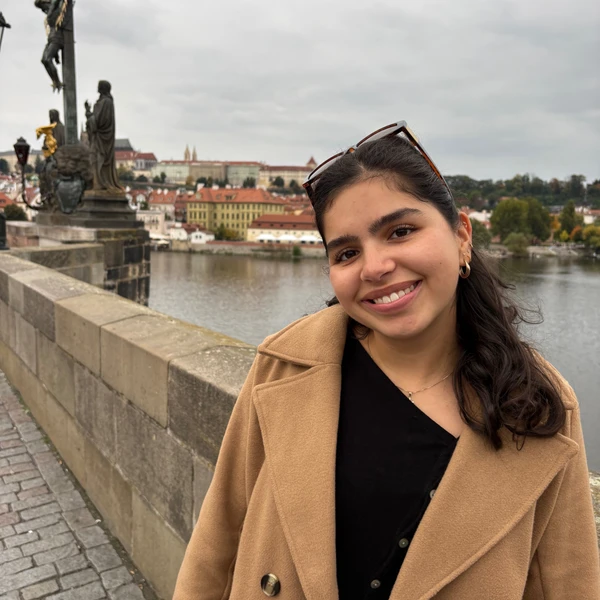
Hello, my name is Naima. Growing up in San Francisco and moving to Manhattan at the age of thirteen taught me resilience, adaptability, and confidence in unfamiliar environments. Adjusting to new schools and communities strengthened my appreciation for personal growth and deepened my desire to connect with people from diverse backgrounds.
I have always loved learning and traveling, as both have allowed me to better understand the world and the inequities that exist within it. My passion for physical therapy developed during time spent in Thailand, where I witnessed individuals—especially athletes—recovering from injuries without access to proper rehabilitative care. Observing people struggle to heal without professional support made me realize how life-changing accessible physical therapy can be and inspired my commitment to serving underserved and underrepresented populations.
Through continued travel and exposure to diverse communities, I have become increasingly aware of how limited access to healthcare affects quality of life. I hope not only to provide care, but also to lead by example by demonstrating how compassionate, culturally informed healthcare can make a meaningful difference and inspire others to pursue careers in service.
I am currently enrolled in an accelerated Doctor of Physical Therapy program at Sacred Heart University. Shadowing physical therapists in clinical settings has confirmed my passion for the field and reinforced my dedication to using physical therapy as a means to improve lives and expand access to care.
Education
Sacred Heart University
Bachelor's degree programMajors:
- Sports, Kinesiology, and Physical Education/Fitness
Miscellaneous
Desired degree level:
Doctoral degree program (PhD, MD, JD, etc.)
Graduate schools of interest:
Transfer schools of interest:
Majors of interest:
Career
Dream career field:
Health, Wellness, and Fitness
Dream career goals:
Travel the world and offer physical therapy to those in need.
Sports
Muay Thai
Intramural2017 – Present9 years
Cross-Country Running
Varsity2020 – 20244 years
Public services
Volunteering
New York Road Runners — Pass out food and drinks to runners during the race, help at expos for races.2022 – 2024
Future Interests
Volunteering
Philanthropy
Entrepreneurship
Forever90 Scholarship
A life of service has been an important part of who I am for many years. Since high school, I have consistently sought out opportunities to volunteer and serve others in my community. What began as a way to give back quickly became something I genuinely enjoyed and valued. Through these experiences, I discovered that service is not just about helping others in a single moment, but about building relationships, strengthening communities, and growing as a person.
During high school, volunteering introduced me to the joy of supporting others and being part of something bigger than myself. Whether it was helping at community events or assisting those in need, each experience reinforced the importance of giving my time and energy to others. These early experiences shaped my perspective and instilled in me a desire to continue serving throughout my life.
When I came to college, continuing to volunteer was a natural choice. Even with the demands of academics and adjusting to a new environment, I made it a priority to stay involved in service. One of the most meaningful ways I have done this is through my involvement with the church on my campus. My faith has always been an important part of my life, and serving within the church community has allowed me to live out those values in a tangible way. I previously served as an altar server, which allowed me to actively participate in the life of the church and contribute to something meaningful for others. Being involved in my campus church community has helped me feel connected and grounded, while also reminding me that service can take many forms, both large and small.
More than anything, these experiences have shown me that service should not be limited to a specific time in life. Instead, it is a mindset and a commitment to always look for ways to support and uplift others. I truly enjoy being involved in my community, and volunteering has allowed me to meet people from many different backgrounds and learn from their experiences. It has strengthened my sense of empathy and responsibility toward others.
As I continue my education, I plan to use what I learn to serve people in a meaningful and lasting way. My goal is to pursue a career where I can directly help others improve their quality of life. Education provides the knowledge and skills needed to make a real impact, but service provides the motivation and purpose behind that work. By combining both, I hope to make a positive difference in the lives of those I encounter.
Looking toward the future, service will remain a central part of my life. I plan to continue volunteering and staying involved in my community wherever I go. Whether through my profession, my church, or local service opportunities, I want to keep finding ways to give back and support others. For me, a life of service is not defined by one role or experience, but by a lifelong commitment to helping others and contributing to the well-being of the communities around me.
Patricia Lindsey Jackson Foundation - Eva Mae Jackson Scholarship of Education
Faith has always been the foundation that grounds my identity, decisions, and long-term goals. From a young age, I was taught that faith is not simply something you believe, but something you live. My Christian faith shapes how I approach challenges, relationships, and opportunities. It reminds me that my abilities are gifts meant to serve others, not just myself. Because of this, I view my education not only as a personal achievement but as a responsibility to grow into someone who can make a meaningful difference.
Academically, faith has strengthened my discipline and perseverance. There have been moments when coursework felt overwhelming or when balancing academics, work, and other commitments seemed impossible. In those times, prayer and trust in God gave me clarity and peace. Rather than seeing obstacles as setbacks, I learned to see them as opportunities for growth. My faith teaches me that hard work is a form of stewardship; if I have been given talents and opportunities, it is my duty to cultivate them fully. This mindset has pushed me to strive for excellence, not out of competition, but out of gratitude.
My future goals have also been deeply influenced by faith. I plan to pursue a career in the therapy and rehabilitation field, where I can work directly with individuals on their journey toward healing and restored mobility. This desire was strengthened during a family trip to Thailand when my dad tore his calf muscle. Watching him struggle with something as simple as walking was difficult, but witnessing the joy on his face, and in our entire family, when he regained mobility was life-changing. That experience showed me how physical healing impacts not only the individual but everyone around them. My faith calls me to be present in those moments of vulnerability and restoration. I want to serve patients with compassion, patience, and dignity, recognizing the inherent worth of every person I encounter.
Beyond faith, my family has been one of my greatest motivators in pursuing higher education. My parents have consistently modeled resilience, sacrifice, and dedication. They have worked hard to provide opportunities for me, and their belief in my potential has fueled my drive to succeed. I am motivated by the desire to honor their sacrifices and to set an example for others in my community. Additionally, mentors, teachers, and supervisors who have seen my passion for helping others have encouraged me to pursue advanced education to expand my impact.
Ultimately, faith is the lens through which I view both my education and my future. It reminds me that success is not measured solely by titles or achievements, but by how faithfully I use my gifts to serve others. Higher education is not just a pathway to a career for me; it is a calling to grow intellectually, spiritually, and professionally so that I can contribute meaningfully to the lives of those I hope to serve.
My Instagram handle is @naimacardona
Future of S&C: Strength Coach Job Network Scholarship
The field of strength and conditioning is evolving quickly, and I see it becoming far more individualized, data-driven, and integrated with other areas of health over the next five to ten years. Technology is already changing how we train; wearables, velocity-based training, force plates, and recovery tracking tools allow coaches to make more precise decisions. Instead of giving every athlete the same program, coaches can now adjust workloads based on readiness, fatigue, and movement quality. I believe this shift toward personalization will only grow, making training smarter rather than just harder.
At the same time, I see the profession expanding beyond just performance enhancement. Strength and conditioning is no longer only about increasing vertical jump or improving sprint time. It is about longevity, injury prevention, and overall quality of life. The line between rehabilitation and performance is becoming less distinct, and in the future, coaches will need to understand biomechanics, corrective exercise, and recovery strategies just as well as programming sets and reps. Athletes, and even general population clients, will expect professionals who can help them move well, stay healthy, and perform at a high level for years, not just a season.
This evolution resonates deeply with me because my passion for this field is personal. After seeing my dad tear his calf on a family vacation and witnessing how much it affected his mobility and confidence, I realized how powerful proper training and rehabilitation can be. Watching his joy, and our family’s joy, when he regained strength and function, changed how I viewed movement. It was not just about performance; it was about freedom. That experience motivated me to pursue a path where I can help others feel that same sense of restoration and confidence in their bodies.
I plan to contribute to the future of strength and conditioning by bridging the gap between rehabilitation and high-level performance. My goal is to build a strong foundation in exercise science and continue learning about injury prevention, biomechanics, and recovery so I can design programs that are both challenging and sustainable. I want to be the type of coach who prioritizes movement quality first, understanding that long-term success depends on how well an athlete moves, not just how much they lift.
I also hope to embrace technology responsibly. While data will continue to shape programming decisions, I believe the human element will always matter most. Athletes need accountability, encouragement, and trust. I want to use data as a tool, not a crutch, combining measurable insights with meaningful relationships.
Ultimately, I see strength and conditioning evolving into a more holistic and collaborative field. I plan to contribute by being a coach who values science, prioritizes longevity, and never loses sight of why this work matters: helping people regain confidence in their bodies and unlock their full potential.
Second Chance Scholarship
I want to make a change in my life because I refuse to stay comfortable in a version of myself that is capable of more. Growth requires intention. It requires choosing long-term purpose over short-term ease. For me, making a change means continuing to push beyond limitations, financial, academic, and personal, and building a future where I can create opportunity not only for myself, but for others.
Education is central to that change. I have always believed that learning is one of the most powerful tools for transformation. Through my academic journey, I have challenged myself with rigorous coursework, balanced responsibilities, and sought experiences that stretch my perspective. Whether through leadership roles, collaborative projects, or stepping outside of my comfort zone in discussions, I have taken deliberate steps to grow both intellectually and personally. I understand that growth does not happen passively; it happens when we actively engage, ask questions, and remain open to feedback.
At the same time, pursuing higher education comes with financial pressures. I have worked to manage my responsibilities carefully, planning and making sacrifices to stay focused on my goals. This scholarship would not simply ease a financial burden; it would allow me to redirect my energy toward deeper involvement in academic and service opportunities. Instead of worrying about how to bridge financial gaps, I could invest more fully in research, internships, leadership development, and community engagement. That shift would accelerate my progress and strengthen my ability to reach the goals I have set for myself.
My ultimate goal is not just personal success, but impact. I want to build a life that contributes meaningfully to others, whether through mentorship, community involvement, or professional excellence that uplifts those around me. I have already begun taking steps in this direction by supporting peers academically, sharing resources, and encouraging others to pursue opportunities they may feel uncertain about. I believe that change multiplies when it is shared. When one person gains access to an opportunity, they have the ability and responsibility to extend that opportunity forward.
If awarded this scholarship, I plan to pay it forward in tangible ways. First, I will continue mentoring younger students who are navigating the challenges of higher education, particularly those who may feel overwhelmed by financial or academic pressures. I want to be the person who reassures them that their goals are possible. Second, as I progress in my career, I intend to contribute financially to scholarships or community initiatives that support students facing similar obstacles. I see this not as charity, but as an investment in future leaders.
Most importantly, I will pay it forward through example. By demonstrating perseverance, integrity, and commitment to growth, I hope to show others that change is achievable with dedication and support. This scholarship would not simply help me move forward; it would become part of a larger chain of opportunity. My goal is to ensure that the investment made in me continues to have a lasting impact, far beyond my own success.
Tawkify Meaningful Connections Scholarship
In a world increasingly driven by technology, human connection can feel both more accessible and more fragile than ever before. We can send a message across the globe in seconds, join virtual communities, and curate online identities with precision. Yet convenience does not always equal closeness. If we are not intentional, we risk living in a world full of superficial interactions, likes, comments, and quick exchanges, without the meaningful relationships that help us grow. To preserve and strengthen authentic human connection, we must prioritize presence, vulnerability, and shared experience, even as technology continues to shape how we communicate.
Human connection is not simply a social luxury; it is a fundamental driver of personal growth. We become who we are through our relationships with others. Conversations challenge our assumptions, shared experiences expand our perspective, and honest feedback pushes us to improve. Without these exchanges, we would remain limited by our own worldview. Growth requires exposure to stories, cultures, and ideas beyond our own. When we listen to someone describe their struggles, triumphs, or lessons learned, we are invited into a deeper understanding of the world. Through connection, we develop empathy, resilience, and self-awareness.
Without authentic relationships, we risk becoming isolated in echo chambers of our own beliefs. Technology’s algorithms often show us content that mirrors what we already think, reinforcing our perspectives rather than challenging them. In contrast, a genuine human connection introduces nuance. It forces us to grapple with complexity. When a friend shares an experience that contradicts our assumptions, we are allowed to rethink and grow. These moments of discomfort are not barriers to connection; they are catalysts for transformation.
However, preserving authentic connections in a digital age requires intentional effort. First, we must reimagine how we use technology. Instead of allowing it to replace in-person interaction, we can use it to deepen relationships. Video calls can maintain closeness across distance. Group chats can foster community. Social platforms can connect people with shared passions. The key difference lies in whether we treat these tools as substitutes for real intimacy or as bridges that lead to deeper engagement.
Second, we must prioritize presence. An authentic connection cannot thrive in distraction. When conversations compete with notifications, the quality of our interactions diminishes. Choosing to put away our phones during meals, actively listening without interrupting, and making eye contact are small but powerful acts of respect. Presence communicates value. It tells others that their words matter.
Third, vulnerability is essential. Superficial relationships often stay confined to surface-level topics: achievements, curated highlights, and polished images. Authentic connection requires honesty about fears, failures, and uncertainties. When one person shares openly, it creates space for others to do the same. This mutual vulnerability builds trust, which is the foundation of meaningful relationships. Through trust, we gain the courage to explore our own identities more deeply.
Finally, we must actively seek diverse stories and experiences. Growth occurs when we engage with people whose lives differ from our own. Listening to someone from another background describe their journey allows us to learn in ways no textbook can replicate. These exchanges broaden our empathy and challenge narrow thinking. In a world that can feel divided, shared stories remind us of our common humanity.
If we fail to cultivate authentic connection, we risk stagnation. A society built on shallow interactions cannot foster deep understanding or collective progress. But if we choose intention over convenience, presence over distraction, and vulnerability over performance, we can preserve and even strengthen human connection in a technological age. In doing so, we not only protect our relationships; we unlock our capacity to grow as individuals and to better understand the world through the experiences and stories of others.
The picture I have uploaded, although a bit blurry, is of my friends dancing in a circle while we were abroad in Ireland. The picture brings me much joy because I remember how happy we all were in each other's presence and just living in the moment.
Jeannine Schroeder Women in Public Service Memorial Scholarship
Access to quality healthcare is not equally available to everyone, and this disparity is one of the most important social issues I am committed to addressing. My desire to pursue a career in physical therapy stems from both personal experience and a growing awareness of healthcare inequities, particularly within underserved and underrepresented communities.
My interest in physical therapy began on a family vacation when my father tore his calf muscle. Watching someone I love struggle with pain, limited mobility, and frustration opened my eyes to how much physical health impacts everyday life. During his recovery, I saw how physical therapy played a crucial role not only in healing his injury but also in restoring his independence and confidence. That experience planted the initial seed for my interest in physical therapy and showed me how powerful and transformative rehabilitative care can be.
As I continued my academic journey in exercise science, my interest in physical therapy deepened. Through my coursework and shadowing experiences at physical therapy offices, I have been able to explore the many specialties within the field and gain a clearer understanding of the impact physical therapists have on their patients’ lives. These experiences allowed me to connect with professionals who are passionate about their work and reinforced my desire to pursue this career path.
Travel has also played a significant role in shaping my commitment to addressing healthcare disparities. While visiting other countries, I observed how limited access to healthcare affects entire communities. In many areas, services such as physical therapy are unavailable due to financial barriers, lack of infrastructure, or limited medical resources. Seeing individuals live with preventable or treatable conditions because they lacked access to care made me realize how privileged access to healthcare truly is, and how important it is to work toward equity.
These experiences have motivated me to focus my future career on serving underserved communities. In the United States, many individuals face obstacles such as high costs, limited insurance coverage, and a lack of education about rehabilitative care. As a future physical therapist, I hope to work in communities where access is limited, advocate for inclusive healthcare, and educate patients on the importance of movement, rehabilitation, and preventative care.
I also hope to inspire others to recognize and address healthcare inequities. By sharing my experiences and passion for physical therapy, I aim to encourage those around me to pursue careers rooted in service and compassion. Addressing this social issue requires long-term commitment, and I am dedicated to being part of the solution by using my education, experiences, and future career to create meaningful change.
Robert F. Lawson Fund for Careers that Care
I am a student who has always been driven by a desire to help others, especially those who are often overlooked or underserved. As a current undergraduate studying exercise science on the physical therapy track, I plan to pursue a career in physical therapy with the goal of working with underprivileged communities around the world. Beyond providing care myself, I hope to inspire others in the healthcare field to use their skills in service of those who lack access to quality treatment.
One of the most formative experiences of my life was living in Guatemala for a year. Immersing myself in the culture and daily life allowed me to see firsthand how limited access to healthcare can deeply affect individuals and families. Many people lacked basic medical resources, preventative care, or rehabilitation services that are often taken for granted in the United States. Witnessing this reality made me more aware of global health inequities and sparked a lifelong commitment to advocate for more inclusive and accessible care.
My passion for physical therapy became even clearer during my time in Thailand, where I trained in Muay Thai. While there, I was exposed to a different approach to health, movement, and recovery. I saw how physical therapy and rehabilitation could not only heal injuries, but also empower individuals to regain independence, strength, and confidence. It was in Thailand that I realized physical therapy aligned perfectly with my goals, combining hands-on care, meaningful patient relationships, and the ability to create lasting impact.
Through my academic journey, I have become increasingly motivated to use my education to serve communities that lack access to proper rehabilitative care. As a future physical therapist, I hope to work internationally and within underserved populations, providing care to individuals who may otherwise go without treatment. I also aspire to serve as a role model for other students and healthcare professionals by demonstrating that meaningful work can extend beyond traditional clinical settings.
I believe physical therapy has the power to restore dignity, independence, and hope. Helping someone walk again, return to work, or live without pain can transform not only their physical health, but their overall quality of life. By approaching my career with empathy, cultural sensitivity, and a global perspective, I aim to show others the importance of compassionate, patient-centered care.
Ultimately, I plan to make a positive impact on the world by using my skills, education, and compassion to serve those who need it most, and by encouraging others to do the same. My experiences in Guatemala and Thailand have shaped my understanding of healthcare disparities and continue to motivate me to pursue a career in physical therapy that creates meaningful change, one patient, one community, and one inspired individual at a time.
Priscilla Shireen Luke Scholarship
Giving back has always been a central part of who I am, and it continues to guide both my academic path and future career goals. As an exercise science student pursuing a career in physical therapy, I have intentionally sought opportunities that allow me to serve others through movement, compassion, and support. Whether through volunteering or long-term career aspirations, I strive to make a meaningful impact on the lives of those around me.
Currently, I give back to my community through volunteering with New York Road Runners, where I assist athletes during races and organized events. Supporting runners of all ages and abilities has been incredibly rewarding, as I can encourage individuals as they push past physical and mental challenges. Being part of this community has strengthened my appreciation for perseverance and teamwork, and it has reinforced my passion for working in environments centered around physical activity and well-being.
I have also volunteered in elderly homes, where I assisted with distributing food and supporting residents who faced language barriers. Many of the individuals I worked with primarily spoke Spanish, and I was able to help them communicate more comfortably in English while also offering companionship. These experiences taught me patience, empathy, and the importance of culturally sensitive care. I saw how simple acts of service and communication could significantly improve someone’s day and sense of dignity, further motivating me to pursue a career focused on helping others feel supported and understood.
My desire to become a physical therapist was solidified during a family vacation to Thailand, when my father tore his calf while training Muay Thai. Watching his injury limit his mobility and independence was difficult for our family, but seeing his recovery through physical therapy was transformative. As he regained strength and movement, I saw the joy return not only to him, but to our entire family. That experience showed me how physical therapy extends beyond physical healing; it restores confidence, happiness, and quality of life. I knew then that I wanted to be the one to bring that joy to others.
Through my travels, I have also gained a broader understanding of global healthcare disparities. These experiences have inspired me to work with underrepresented and underserved communities, regardless of where in the world that path may take me. I am passionate about making healthcare more accessible and inclusive, especially for individuals who may not have the financial means or resources to receive proper care.
In the future, I hope not only to serve these communities as a physical therapist but also to inspire younger generations to pursue careers rooted in service. I want to encourage students to use their education and skills to uplift others and to bring care to those who need it most. By combining service, advocacy, and representation, I aim to create a lasting, positive impact; one patient, one community, and one future healthcare professional at a time.
Simon Strong Scholarship
Adversity often arrives unexpectedly and challenges us to adapt in ways we never imagined. One of the most impactful moments of adversity in my life occurred during my freshman year of college, when my parents made the difficult decision to move to Guatemala, my mother’s home country. After my father lost his job, my family could no longer afford to remain in the United States. Although I had visited Guatemala before and proudly identify as Guatemalan, living there long-term was a completely different experience, one that tested me emotionally, mentally, and personally.
Moving to Guatemala placed me in an unfamiliar environment at a pivotal point in my life. Despite being with my parents, I often felt out of place because I was not born there and had grown up in the United States. The cultural differences, change in routine, and distance from everything I knew made the transition overwhelming. What affected me most was the loss of my support system. I deeply missed my friends, mentors, and the sense of comfort and belonging I had established in the U.S. At times, the loneliness felt heavy, and I struggled to adjust to my new reality.
Rather than allowing this experience to hold me back, I made a conscious decision to reframe it as an opportunity for growth. As an exercise science student pursuing a career in physical therapy, I wanted to ensure that I continued progressing toward my goals despite the circumstances. I took initiative by reaching out to a local physical therapist near the gym I attended in Guatemala. This effort led to an opportunity to shadow and learn about the field in an entirely different healthcare system. Observing physical therapy in a new country expanded my perspective and deepened my understanding of how care is delivered across diverse communities.
Through this experience, I not only gained valuable knowledge related to my career path, but I also became more aware of healthcare disparities faced by underprivileged populations. Seeing firsthand how limited access to resources can affect recovery and quality of life reinforced my desire to work with underserved communities in the future. What began as a challenging transition ultimately shaped my commitment to becoming a compassionate and adaptable healthcare professional.
This period of adversity taught me resilience, independence, and the importance of maintaining a balanced perspective. I learned that growth often comes from discomfort and that setbacks can be transformed into meaningful opportunities when approached with intention and determination. Living in Guatemala strengthened my sense of identity, broadened my worldview, and clarified my purpose within the healthcare field.
To anyone facing a similar situation, my advice would be this: even when it feels like your world has been turned upside down, try to look for opportunities within the challenge. Change can be painful and isolating, but it can also become a powerful catalyst for growth. By remaining open-minded and proactive, adversity can shape you into a stronger, more compassionate version of yourself, one capable of making a lasting impact on others.
Kalia D. Davis Memorial Scholarship
I am a student whose passion for sports, movement, and service has shaped both my personal growth and professional aspirations. Throughout high school, I participated in cross country and track, where I developed a deep appreciation for physical activity and the discipline it requires. Sports taught me resilience, teamwork, and the importance of physical and mental well-being. These experiences became foundational in my life and ultimately guided me toward pursuing a career in physical therapy.
My interest in physical therapy was solidified after my father sustained an injury. Witnessing his recovery process introduced me to the field of physical therapy and allowed me to see its impact beyond the patient alone. Physical therapy not only helped my father regain strength and mobility, but it also positively affected our entire family. Seeing his determination, supported by compassionate physical therapists, opened my eyes to how powerful proper rehabilitation can be. That experience inspired me to pursue a career where I could bring the same sense of hope, encouragement, and joy to others during challenging moments in their lives.
In addition to my academic and athletic experiences, volunteering has played a significant role in shaping who I am. Throughout high school, I volunteered with New York Road Runners, assisting during races and supporting athletes of all ages and abilities. Being part of such a diverse and motivated community reinforced my love for sports while showing me the importance of service and encouragement. Helping runners reach their goals, whether finishing their first race or achieving a personal milestone, was deeply rewarding and strengthened my desire to work in a field centered on movement and wellness.
I have also volunteered in elderly homes, where I spent time assisting residents and engaging with individuals who often faced isolation or physical limitations. This experience taught me patience, empathy, and the value of human connection. It further motivated me to pursue a healthcare career focused on improving the quality of life and supporting individuals through both physical and emotional challenges.
As a future physical therapist, I aspire to work with communities that may not have easy access to healthcare. Many underserved populations face barriers such as financial limitations, language differences, and a lack of resources. I am passionate about helping bridge these gaps and providing inclusive, compassionate care. Additionally, I hope to inspire younger generations, especially those from underrepresented backgrounds, to pursue careers in healthcare and believe in their ability to make a meaningful difference. Representation in healthcare matters, and I want to be part of positive change.
Receiving this scholarship would significantly support my academic journey by easing financial burdens and allowing me to focus on my education, clinical experiences, and continued community service. More importantly, it would bring me closer to my goal of becoming a physical therapist who uses movement, empathy, and advocacy to uplift others and create lasting impact in the communities I serve.
Christina Taylese Singh Memorial Scholarship
I am an Exercise Science student with a strong passion for healthcare, movement, and service, and I plan to pursue a career in physical therapy. My interest in this field stems from both personal experience and hands-on involvement in athletic communities, which have shaped my desire to help individuals heal, perform, and regain confidence in their bodies. Physical therapy represents the intersection of science, compassion, and human connection, values that guide both my academic journey and my long-term goals.
As someone who has always enjoyed running and staying active, I have had the opportunity to volunteer with New York Road Runners throughout my academic career. During races, I assisted runners by directing them along courses, offering encouragement, and helping ensure the events ran smoothly. Being a runner myself allowed me to connect with participants on a deeper level, as I understood the physical and mental challenges they were facing. This experience reinforced my interest in working with athletes and active individuals, and it showed me how powerful support and guidance can be in helping someone push through discomfort and reach their goals. Volunteering in this environment made me realize that I wanted a career where I could continue helping people through movement and recovery.
My desire to pursue physical therapy became even more personal after my father sustained an injury while on a trip to Thailand. Watching him navigate pain, limited mobility, and the challenges of recovery had a profound impact on me. I saw how crucial proper rehabilitation was, not only for physical healing, but also for emotional well-being. This experience gave me a deeper appreciation for the role physical therapists play in restoring independence and improving quality of life. It confirmed my decision to enter a field where I could make a tangible difference in someone’s daily life.
In addition to helping athletes, I am deeply motivated to serve underserved and underprivileged communities, particularly in countries where access to healthcare is limited. I am aware that many individuals around the world do not receive proper rehabilitation services due to financial, geographic, or systemic barriers. As a future physical therapist, I hope to work internationally or participate in outreach programs that bring care to communities in need. My goal is to use my education and skills to help bridge gaps in healthcare access and to ensure that recovery and movement are not privileges, but basic rights.
Through studying Exercise Science and pursuing a career in physical therapy, I aim to combine my love for movement with my commitment to service. I am driven by the belief that healthcare should be compassionate, inclusive, and impactful. By becoming a physical therapist, I hope to empower individuals, from runners to underserved populations, to heal, regain strength, and live healthier, more fulfilling lives.
Emma Jane Hastie Scholarship
Community service has always been an important part of who I am, shaping both my personal growth and my professional aspirations. I am an Exercise Science student with plans to pursue a career in physical therapy, driven by a lifelong love for movement, sports, and helping others. Whether through athletics, volunteering, or academics, I have always sought opportunities to support people in meaningful ways and to make a positive impact on the communities around me.
One of my earliest and most formative experiences with servitude began in high school, when I volunteered with New York Road Runners. As someone who genuinely enjoys running, being part of an organization that brought people together through movement felt especially meaningful. Throughout high school, I volunteered at races, helping runners check in, directing them along the course, and offering encouragement when they needed it most. I witnessed firsthand how running could unite people of all ages, backgrounds, and abilities. Seeing runners cross the finish line, often exhausted but proud, reinforced my belief in the power of physical activity to uplift and connect communities. Volunteering with New York Road Runners allowed me to contribute to an environment where individuals felt supported, motivated, and celebrated.
In college, my commitment to service continued through volunteering at a local senior center. Many of the seniors there do not speak English, which can make everyday interactions and access to resources challenging. As a fluent Spanish speaker, I was able to communicate with them, assist with activities, and simply provide companionship. While my role may have seemed small, I quickly realized how meaningful it was to them to feel understood and included. Simple conversations often turned into moments of connection, laughter, and trust. This experience taught me that servitude is not always about grand gestures, but about showing up consistently and meeting people where they are.
Through these experiences, I have learned that helping others brings purpose not only to those being served, but also to the person serving. Volunteering has strengthened my empathy, communication skills, and sense of responsibility toward my community. It has also directly influenced my academic and career goals. Studying Exercise Science and pursuing a future in physical therapy allows me to combine my passion for movement with my desire to help people heal, regain independence, and improve their quality of life.
I hope that through my volunteer work, I have left a lasting positive impression on the individuals I have helped. More importantly, I aim to continue making meaningful impacts throughout my career as a physical therapist by serving people from all backgrounds and walks of life. Giving back has always been a core value of mine, and I am committed to carrying that value forward as I work to support others in achieving healthier, more fulfilling lives.
Breeze Sports Scholarship
My inspiration to pursue a career in sports began far beyond a traditional classroom or gym; it started in Thailand, while training in Muay Thai. Immersing myself in a sport so deeply rooted in culture and discipline opened my eyes to the physical demands placed on athletes and the importance of proper care, recovery, and injury prevention. Training alongside athletes from all over the world, many of whom lacked consistent access to healthcare resources, made me realize how vital sports medicine and physical therapy are to an athlete’s success and longevity. That experience marked a turning point for me, as I began to envision a future in healthcare where I could support athletes not just in competition, but throughout their entire journey.
I have always enjoyed sports and admired the dedication, resilience, and mental strength required to succeed in them. However, it was my experience in Thailand that transformed this interest into a purpose. I saw firsthand how injuries, overtraining, and limited medical support could derail an athlete’s career before it even truly began. This realization inspired me to pursue a career in physical therapy, a field that uniquely combines my passion for sports with my desire to help others. Physical therapy allows me to work closely with individuals, understand their goals, and provide hands-on care that directly impacts their performance and quality of life.
What draws me especially to sports physical therapy is the opportunity to make a meaningful difference for athletes who come from underserved or resource-limited backgrounds. Many talented athletes never reach their full potential simply because they lack access to proper healthcare, education, and preventative care early in their careers. I hope to work with athletes and aspiring athletes who lack the necessary resources, helping them build strong foundations, prevent injuries, and recover effectively so they can pursue their dreams with confidence. By providing care, education, and support, I aim to empower athletes to advocate for their own health and longevity in sport.
I also aspire to work globally, offering my skills wherever they are needed most. Training abroad taught me that sports are a universal language, and healthcare should be just as accessible. Whether working with professional teams, youth athletes, or developing sports programs in other countries, I want to contribute to a field that values both performance and well-being. My goal is not only to help athletes return to play but also to support their long-term health, resilience, and success.
Pursuing a career in sports physical therapy allows me to combine my passion for athletics, my commitment to service, and my desire to make a global impact. Through this path, I hope to help athletes overcome barriers, reach their full potential, and redefine what is possible when proper care and opportunity are provided.
The picture attached is of my trainer, my dad, and me.
Jim Maxwell Memorial Scholarship
This opportunity is deeply meaningful to me because it represents more than financial support, it reflects the values that have guided my life from a very young age. Faith has always been a central part of who I am. Growing up, I believed wholeheartedly that my faith would lead me in the right direction, even when I could not see the path clearly. I trusted that everything would work out as it was meant to, and that belief became the foundation on which I built my goals, resilience, and sense of purpose.
As I grew older, however, my faith was tested. There were moments when I doubted God, especially during times of hardship, when life did not unfold the way I had hoped or prayed for. I struggled to understand how faith could coexist with difficulty and uncertainty. Yet it was in these moments of doubt that my faith was ultimately strengthened. I learned that faith is not the absence of struggle, but the courage to continue moving forward despite it.
One of the most challenging periods of my life occurred while I was away at college, when my parents were forced to move to Guatemala after my father lost his job. The financial strain nearly left them without a home in the United States, and the distance made the situation even more emotionally difficult. During this time, I questioned my faith deeply. I prayed constantly, hoping my parents would be able to return to the United States and regain stability. It was painful to feel so helpless while being so far away, and I struggled to reconcile my trust in God with the fear and uncertainty I was experiencing.
Eventually, I made a conscious decision to shift my perspective. Instead of viewing my parents’ move as a setback, I chose to see it as an opportunity, one guided by faith, to grow both personally and professionally. Since I was pursuing a degree in physical therapy, I reached out to physical therapists in Guatemala and sought opportunities to learn from them. Through this experience, I gained valuable insight into healthcare delivery in a different environment, particularly in communities with limited resources. What initially felt like a loss became an unexpected blessing, reinforcing my belief that God was still guiding my path, even when it looked different than I had imagined.
This experience stands as one of my greatest triumphs, not because it was easy, but because I learned to trust my faith during uncertainty. My faith has taught me resilience, patience, and the ability to find purpose within hardship. Moving forward, I plan to continue using my faith as a guiding force in my academic and professional journey. It reminds me to remain humble, compassionate, and committed to serving others, especially in moments when challenges arise.
This scholarship opportunity would allow me to continue pursuing my education with confidence, knowing that my journey is supported by both faith and community. With unwavering faith by my side, I am determined to reach greater heights and use my experiences to uplift and serve others along the way.
James T. Godwin Memorial Scholarship
My father served in the military until I was about ten years old, and although I was young, his service left a lasting impression on me. At that age, I did not fully understand the sacrifices that military families make, but I felt them deeply, especially during the long periods when he was away from home. One memory, in particular, stands out as a defining moment in my childhood and continues to shape the person I am today.
During one of my father’s deployments, my mother strained her back. I was too young and physically small to help her in the ways she needed, but I could clearly see how much pain she was in. Simple daily tasks, like getting out of bed, carrying groceries, or even sitting comfortably, became difficult for her. I remember feeling helpless, wishing that my dad would come home soon so he could take care of her the way he always did. His absence felt heavier during that time because my family needed him more than ever.
One evening, I was sitting on the couch watching a movie while my mom did gentle exercises to help relieve her back pain. She moved slowly and carefully, determined to push through the discomfort and take care of herself despite the circumstances. In that moment, I looked up and saw my father standing in the doorway. He had returned home earlier than expected. To this day, I do not know whether his early arrival was planned or allowed under special circumstances, but none of that mattered to me in that moment. What mattered was that he was there.
Seeing my father walk through the door brought an overwhelming sense of relief and comfort. His presence alone seemed to lighten the weight my mom had been carrying. That moment showed me what it truly means to be dependable and committed to family. Even while serving his country, my father always found a way, coincidentally or intentionally, to show up for us when we needed him most.
Through his military service and his role as a father, my dad taught me the importance of resilience, strength, and selflessness. He showed me that being strong does not mean ignoring hardship, but facing it with determination and compassion. Watching him balance duty, sacrifice, and love shaped my understanding of responsibility and perseverance.
Although my father is no longer in the military, the lessons he instilled in me continue to guide my life. He still teaches me through his actions how to remain grounded during challenges and how to support others even when circumstances are difficult. His service, both to our country and to our family, has profoundly influenced who I am today, and I carry those values with me as I strive to become a strong, resilient individual who gives back to others.
Sarah Eber Child Life Scholarship
During my freshman year of college, my family faced a tremendous and unexpected adversity that changed my life. My father lost his job, and the resulting financial strain made it impossible for my parents to continue living in the United States. With limited options, they made the difficult decision to move to Guatemala, my mother’s home country, where the cost of living was more manageable. What began as a financial setback quickly evolved into an emotional and personal challenge, forcing me to adapt to uncertainty at a critical point in my academic journey.
Although I had visited Guatemala before, relocating there was vastly different from visiting as a child or tourist. I was navigating college responsibilities while adjusting to a new environment, culture, and pace of life. Even though I had my family with me, the transition often felt isolating and lonely. I lacked the friendships, routines, and support systems I had built in the United States. At times, the sudden change felt overwhelming, and I questioned how I would stay focused on my long-term goals under such unfamiliar circumstances.
Rather than viewing this experience as a setback, I made a conscious decision to reframe it as an opportunity for growth. I reminded myself that adversity does not have to define failure; it can instead become a foundation for resilience. My plan of action was simple but intentional: remain committed to my education, seek purpose in my surroundings, and use this experience to deepen my understanding of the career I aspire to pursue.
Because I am passionate about becoming a physical therapist, I saw this transition as a chance to learn about healthcare from a global perspective. While in Guatemala, I took the initiative to shadow healthcare professionals to better understand how medical care operates in a different country. I also volunteered at a children’s hospital that served children with disabilities, where I gained exposure to pediatric and rehabilitative physical therapy. Working with these children was both humbling and inspiring. Despite limited resources, the compassion, creativity, and dedication of the healthcare workers left a lasting impression on me.
This experience transformed the way I view both adversity and life itself. I learned that growth often comes from discomfort and that resilience is built through adaptability and purpose. Witnessing healthcare in an underserved setting strengthened my desire to become a physical therapist who serves communities with limited access to care. It also reinforced my belief that empathy and service are just as important as technical knowledge in the healthcare field.
Facing this adversity taught me that life rarely unfolds as planned, but meaningful impact is still possible when challenges are met with determination and optimism. What once felt like an obstacle became a defining moment in my personal and professional development. Today, I carry this perspective with me, knowing that I am capable of navigating uncertainty and turning hardship into an opportunity to learn, serve, and grow.
Learner Tutoring Innovators of Color in STEM Scholarship
I have chosen to pursue a degree in STEM because helping others has always been at the core of who I am. From a young age, I found fulfillment in supporting people through challenges, whether physical, emotional, or situational. As I grew older, I realized that a career in science and healthcare would allow me to combine my passion for service with my interest in the human body and its ability to heal. This desire ultimately led me to pursue physical therapy, a field that will allow me to make a tangible difference in people’s lives every day.
My decision to pursue physical therapy was solidified during a family vacation when my father tore his calf muscle. Watching him struggle with pain, limited mobility, and the frustration of being unable to participate in daily activities was eye-opening. Physical therapy became a turning point in his recovery, restoring not only his physical strength but also his confidence and independence. Witnessing this process firsthand showed me the powerful impact that science, movement, and compassionate care can have on someone’s quality of life. In that moment, I knew I wanted to be the person helping others regain their strength and return to the lives they love.
As a person of color pursuing a degree in STEM, I am deeply aware of the disparities that exist in healthcare access and representation. Many communities, both in the United States and around the world, lack adequate access to physical therapy and other essential medical services. I hope to use my education and career to address these inequities by providing care to underserved populations and advocating for accessible, preventative healthcare. My long-term goal is to travel and work with communities that do not have easy access to rehabilitation services, helping individuals recover from injuries, manage chronic conditions, and improve their overall well-being.
Beyond direct patient care, I want to make an impact in the STEM field by serving as a role model for younger generations, especially students of color who may not see themselves represented in healthcare professions. Representation matters, and I believe that seeing someone who looks like you succeed in STEM can be incredibly empowering. I hope to inspire young people to pursue careers in science and healthcare and to encourage them to use their knowledge to uplift communities that are often overlooked.
STEM is more than a field of study to me; it is a platform for change. Through physical therapy, I will be able to merge science with empathy, using evidence-based practices to help individuals regain mobility, independence, and confidence. By pursuing a degree in STEM, I am committing myself not only to professional excellence but also to service, advocacy, and inspiration. My goal is to leave a lasting impact by improving lives, expanding access to care, and encouraging others to use STEM as a tool to create a more equitable world.
Audra Dominguez "Be Brave" Scholarship
When confronted with adversity, I have learned to adapt, reflect, and find purpose in the challenges I face in order to continue pursuing my career aspirations. One of the most significant challenges I encountered occurred during my freshman year of college, when my parents moved to Guatemala, the country my mother is from. This transition affected me both physically and mentally, as I was suddenly living in an environment completely different from anything I had ever known.
Physically, the move required me to adjust to a new climate, culture, and daily routine. Everything from transportation to healthcare systems felt unfamiliar. Mentally, the change was even more difficult. Although I was surrounded by family, I did not have friends or a social support system of my own in Guatemala. At times, the loneliness and isolation felt overwhelming, and I struggled with being far from the comfort and familiarity of my life in the United States. Despite these feelings, I knew that allowing this adversity to derail my goals was not an option.
Rather than viewing the move as a setback, I made a conscious decision to see it as an opportunity for growth. I began seeking ways to connect my surroundings to my long-term goal of becoming a physical therapist. I took the initiative to speak with physical therapists in Guatemala, learning about their educational paths, clinical training, and the unique challenges they face while practicing in a different healthcare system. These conversations gave me valuable insight into how physical therapy is practiced in communities with fewer resources and different standards of care.
In addition to these discussions, I was fortunate enough to shadow physical therapists at times, observing how they adapted treatment plans to meet patients’ needs despite limited equipment and resources. Witnessing this level of creativity and dedication reinforced my desire to enter the profession. It also showed me that effective healthcare does not always rely on advanced technology, but rather on compassion, adaptability, and a strong understanding of the human body.
Living in Guatemala also opened my eyes to the disparities in access to healthcare. Many individuals lacked consistent or affordable treatment, yet their need for care was undeniable. This experience solidified my desire to work with underserved communities,both domestically and internationally, who may not have easy access to healthcare but desperately need it. It motivated me to continue pursuing my education with a broader perspective and a deeper sense of purpose.
Through this experience, I learned that adversity does not have to halt progress; it can instead redirect and strengthen it. By remaining proactive, seeking learning opportunities, and aligning challenges with my career goals, I was able to grow both personally and professionally. Learning about physical therapy in an entirely different country transformed the way I view my future career and reaffirmed my commitment to becoming a physical therapist who is adaptable, compassionate, and driven to make a meaningful impact.
Best Greens Powder Heroes’ Legacy Scholarship
Growing up as the child of a parent in the military shaped my understanding of sacrifice, resilience, and family in ways I did not fully realize until I was older. When I was young, I viewed my dad’s military service through an innocent and admiring lens. Whenever I saw him in his uniform, preparing to leave, I thought he was the coolest person in the world. His uniform represented strength, bravery, and pride, and I felt proud to tell others that my dad served in the Army. At that age, I did not understand what his departures truly meant for our family; I only knew that he was doing something important.
As I grew older, that admiration became more complex. I began to understand the emotional and practical challenges that come with having a parent away for long periods of time. The excitement and pride I once felt were joined by worry, responsibility, and longing. One moment in particular made the reality of my dad’s absence painfully clear. While my dad was away with the Army, my mom strained her back and could barely move. I was still relatively young, and although I desperately wanted to help, there was very little I could physically do to help. I remember feeling helpless, watching my mom struggle with everyday tasks and wishing more than anything that my dad would come home to help.
That experience marked a turning point in how I understood military life. It was no longer just about uniforms and pride, it was about the quiet sacrifices made by families left behind. My mom carried the weight of the household on her own, and I learned how much strength it took for her to do so. At the same time, I gained a deeper appreciation for my dad’s service and the difficult position he was in, serving his country while being unable to be there for his family when we needed him most.
Living through moments like this taught me resilience and empathy at a young age. I learned how to adapt, how to step up emotionally even when I could not do much physically, and how to support my family in the ways I could. It also taught me patience, waiting for phone calls, counting down days, and holding onto hope until my dad returned home.
Being the child of a military parent has shaped who I am today. It taught me the value of family, the meaning of sacrifice, and the importance of supporting others during difficult times. While my childhood included moments of uncertainty and longing, it also instilled in me a deep sense of gratitude and strength. These experiences continue to guide me, reminding me that behind every service member is a family learning to persevere, grow, and remain strong together.
Arthur and Elana Panos Scholarship
Faith has been a constant presence throughout my life, shaping not only who I am but also how I approach challenges, growth, and my future career. I have attended Catholic school for my entire education, where I learned about God, Scripture, and the importance of service from a young age. Through religion classes, prayer, and community involvement, I developed a foundation of faith that emphasized compassion, humility, and trust in God’s plan. However, my faith journey has not been without moments of doubt. Like many people, there have been times when I questioned God’s presence or purpose, especially when things did not go as I had hoped.
Interestingly, it was during those moments of doubt that my faith grew the strongest. When I felt most uncertain or discouraged, God revealed His presence in ways I did not always recognize at first, through unexpected opportunities, supportive people, or outcomes that ultimately guided me toward what was best for me. Looking back, I now see that even when I struggled to trust the process, God was working quietly in my life, leading me where I needed to be. These experiences taught me patience and surrender, reminding me that faith does not mean having all the answers, but trusting even when the path is unclear.
As I prepare for a healthcare career, my faith continues to guide me. Entering the healthcare field requires resilience, empathy, and trust, not only in one’s own abilities but also in the healing process itself. I believe it is important to have faith in the work I am doing and in the patients I serve. Healthcare is not always predictable, and progress can be slow or uncertain. My faith allows me to remain hopeful, grounded, and compassionate, especially in moments when outcomes are difficult or when patients feel discouraged.
My goal is to become a physical therapist, where I can help individuals regain strength, mobility, and confidence in their bodies. I am especially passionate about serving those who are less fortunate than I am, individuals who may face physical limitations, financial barriers, or emotional struggles. Many of these patients rely heavily on their own faith during recovery, and I believe sharing an understanding of faith will allow me to connect with them on a deeper level. By approaching my patients with empathy, patience, and respect for their beliefs, I hope to create an environment of trust and encouragement.
Ultimately, my faith reminds me that my career is not just a job, but a calling to serve others. It encourages me to treat every patient with dignity and compassion, recognizing the inherent worth of each individual. As I continue my education and move toward my career as a physical therapist, I am confident that my faith will guide my decisions, strengthen my perseverance, and help me make a meaningful difference in the lives of those I serve.
Dr. Steve Aldana Memorial Scholarship
Dr. Steve Aldana’s belief that lasting health improvements are created through small, sustainable daily habits reflects the foundation of how I view wellness, leadership, and service. I see health not only as individual recovery, but as a shared responsibility—one that grows stronger when people are educated, empowered, and inspired to care for themselves and others. Through my education and my goal of becoming a physical therapist, I aim to continue Dr. Aldana’s mission by promoting movement, prevention, and access to care in both the workplace and underserved communities worldwide.
My passion for physical therapy began during a family trip to Thailand, when my father tore his calf muscle. His injury affected far more than his ability to walk—it limited his independence, confidence, and ability to function comfortably in daily life. Watching him go through physical therapy showed me how powerful, consistent, and intentional movement can be. Each exercise focused on rebuilding strength gradually, and with each small improvement, I saw his motivation return. The joy he felt upon regaining his mobility made a lasting impression on me. I realized I wanted to be someone who not only helps people heal but also guides them through sustainable habits that restore their sense of purpose and enable them to participate fully in life.
That experience also revealed the leadership role physical therapists play in workplace wellness. I saw how therapists lead prevention efforts by diagnosing movement issues during workplace assessments, organizing ergonomic training sessions, and coaching employees on injury prevention. By teaching strategies like proper body mechanics, therapists help people work safely and productively. I hope to take on this active role as an educator and advocate—helping individuals understand their bodies and guiding them to make small changes that prevent long-term injury and burnout.
My commitment to advocacy grew stronger during the year I lived in Guatemala. There, I witnessed how much of the Indigenous population lacks access to rehabilitative care. Many people endure chronic pain or mobility limitations that prevent them from working or caring for their families, not because solutions do not exist, but because education and healthcare access are limited. These experiences taught me that leadership in healthcare means stepping outside of comfort zones and bringing knowledge to communities that have been historically overlooked.
Through my education, I aim to develop not only clinical expertise but also the leadership skills needed to inspire others to serve alongside me. I want to teach patients, students, and future healthcare professionals about the importance of accessible physical therapy and preventative care. Whether through community programs, global outreach, or workplace wellness initiatives, I hope to encourage others to use their skills to make healthcare more equitable.
My purpose as a physical therapist is to advocate for movement, dignity, and opportunity through accessible care—wherever the need exists. By leading with compassion, education, and example, I strive to fulfill Dr. Aldana’s vision that small, sustainable habits can transform lives, workplaces, and entire communities across the globe.
Henry Respert Alzheimer's and Dementia Awareness Scholarship
From a very young age, I became aware of the profound impact Alzheimer’s disease can have—not only on the individuals diagnosed but also on the families and communities that surround them. A close family member was diagnosed with Alzheimer’s, and I watched as the person I had always known slowly changed. The experience was confusing and painful, especially as a child, because I could see the illness stripping away memories, independence, and familiarity, while the people around him struggled to cope with loss and maintain connection. This early exposure shaped my understanding of empathy, resilience, and the importance of support systems in navigating life-altering challenges.
I first attended the Walk to End Alzheimer’s with my family at a young age. The atmosphere was a mix of sadness for the loved ones affected by the disease, and determination to continue fighting for awareness, research, and support. Even as a child, I realized that Alzheimer’s affects far more than just the person diagnosed—it touches everyone who loves, cares for, and supports them. Seeing hundreds of people united by shared experiences of loss and hope left a lasting impression, showing me the power of community and advocacy in facing this disease.
Experiencing my family member’s journey firsthand was heartbreaking. I watched him struggle to recall memories that had once been vivid and deeply cherished. Sometimes he did not recognize the faces of the people who loved him most, including his own children. These moments were painful not only for him but for all of us who loved him. I remember the quiet sadness in my family’s eyes when he could not remember a joke, a story, or even familiar faces. The frustration and helplessness were overwhelming, yet we learned to focus on small moments of clarity and connection—a shared smile, a laugh, or holding hands—reminders of the bonds that remained unbroken.
Beyond my own family, I have heard countless stories from members of my community about Alzheimer’s and the challenges it brings. Families often endure emotional exhaustion, sleepless nights, and the constant stress of caring for a loved one while trying to maintain their own lives. These stories reinforced what I had witnessed personally: Alzheimer’s is more than a medical condition—it is a shared human experience that affects entire families and communities. Witnessing both personal and community struggles deepened my empathy and strengthened my desire to contribute positively to the lives of those affected.
Through these experiences, I have learned the importance of patience, compassion, and hope. Attending the Walk to End Alzheimer’s each year showed me the strength that comes from community support, and the significance of advocacy in raising awareness and providing resources for families. I also learned to cherish moments of connection, however brief, and to recognize the resilience required to support someone living with Alzheimer’s. These lessons have shaped my personal values and inspired me to pursue a career in healthcare. I want to provide compassionate care, support families, and advocate for individuals living with dementia, particularly in underserved communities where access to resources is limited.
Alzheimer’s has also taught me that legacy is found in the care and support we offer to others. Even small acts—listening, offering guidance, or simply being present—can make a meaningful difference. I hope to carry forward these lessons, providing both medical care and emotional support to patients and families. Witnessing the challenges of Alzheimer’s has clarified the kind of healthcare provider I want to become: one who combines knowledge with empathy, advocates for patients, and leaves a positive, lasting impact on the lives of those I serve.
Ultimately, Alzheimer’s disease has left an indelible mark on my life. It has shown me the importance of resilience, compassion, and human connection. It has inspired me to dedicate myself to healthcare and to the service of others, motivated by the hope that my actions can bring comfort, understanding, and support to families navigating the challenges of dementia. I carry these lessons with me every day, driven by the desire to make a meaningful difference and to ensure that families affected by Alzheimer’s feel seen, supported, and not alone.
Learner Math Lover Scholarship
For as long as I can remember, I struggled with math. In my early years, it was the subject I struggled with the most, and it often left me feeling frustrated and discouraged. I would get upset when I didn’t understand a concept the first time, while everything seemed to click for my peers. Watching them grasp ideas effortlessly made me feel like I would never understand math or be good at it. I focused on memorizing formulas and procedures just to get through the next test, rather than truly understanding what I was learning. Math felt like an obstacle rather than a subject I could enjoy, and I convinced myself that I simply wasn’t capable of mastering it.
Everything changed in high school when I encountered teachers who genuinely loved math and loved sharing that passion with students. Their enthusiasm was contagious and made me realize that I had been approaching the subject all wrong. I began to slow down, take the time to understand the reasoning behind each problem, and appreciate the logical structure that underpins the subject. Math isn’t just a series of arbitrary rules—it is a system where concepts build on each other, creating patterns and relationships that make sense. I’ve always valued consistency and structure in life, and discovering that math offers the same clarity and order was both comforting and exciting.
Once I shifted my focus from memorization to understanding, my experience of math transformed. Problems that once felt impossible became challenges I could approach with curiosity and persistence. I began to see the beauty in the connections between concepts and the satisfaction of solving complex problems. Math became more than a subject—it became a way to think critically, find solutions, and engage with a logical system that I genuinely enjoy.
Now, I love math for its clarity, its patterns, and the structure it provides. It has taught me patience, perseverance, and the importance of understanding rather than rushing through challenges. By learning to embrace math fully, I discovered that even subjects that once felt impossible can become sources of growth and joy.
Dr. Samuel Attoh Legacy Scholarship
To me, legacy means the impact you leave on others—the ways your actions, values, and guidance ripple through the lives of those around you, inspiring them to grow, persevere, and do good. Legacy is not about recognition or achievements; it is about the lessons you impart, the example you set, and the strength you leave behind in others. My understanding of legacy has been deeply shaped by my upbringing, especially through the influence of my stepfather.
After my parents’ divorce, my stepfather came into my life and quickly became one of the most important figures I have ever known. The impact he has left—and continues to leave—on me is immeasurable. Growing up with him as a role model taught me resilience, determination, and the ability to face challenges with courage. What makes his influence so meaningful is how much our experiences mirror each other: we both experienced our parents’ divorces at a young age, and we both moved to different states during pivotal moments in our childhood. Knowing that he truly understood what I felt gave me comfort and guidance during moments when life felt overwhelming. In him, I found not just a father figure, but someone who could empathize with my struggles and inspire me to grow stronger.
His influence extended beyond shaping my character—it also inspired my career path. When I saw how physical therapy helped him recover from injuries and regain strength, confidence, and joy, I realized the profound impact healthcare professionals can have on individuals’ lives. Witnessing the way his physical therapist restored not only his movement but also his sense of independence and happiness motivated me to pursue the field myself. I want to be someone who spreads that same hope, healing, and joy to others.
Through his example, I have learned lessons that I carry with me every day. When I face challenges—academic, personal, or professional—I remind myself of his resilience, patience, and perseverance. I take everything I have learned from him and apply it to my daily life, striving to be a better person, a positive influence on others, and a compassionate future healthcare provider.
As I look toward the future, I hope to continue this cycle of impact by leaving a legacy of my own. I want to inspire others—especially young girls like me, and those from underrepresented communities—to believe in themselves and pursue their dreams. By combining the lessons I have learned from my stepfather with my passion for physical therapy, I hope to make a meaningful difference in the lives of patients and to create a ripple effect of resilience, compassion, and hope.
Ultimately, my upbringing has taught me that legacy is not measured by accomplishments, but by the way we lift others, inspire growth, and leave the world a little better than we found it. I am committed to carrying forward the lessons, love, and example my stepfather has given me, ensuring that his influence continues to inspire others through my life and my work in healthcare.
The photos attached below are of my stepdad and me, and my family.
Women in Healthcare Scholarship
I chose to pursue a degree in healthcare because I have seen how deeply it can change lives—not only physically, but emotionally and socially as well. My decision to enter the field of physical therapy comes from moments that are very personal to me, moments that showed me the power of healing, connection, and representation.
One of the most influential experiences occurred during a trip to Thailand, when my father tore his calf muscle. Watching someone I love struggle with pain and limited mobility was difficult, but what impacted me most was witnessing his transformation through physical therapy. As he regained strength, his confidence and joy returned. The change affected our entire family; seeing him active, independent, and happy again reminded me that healing extends beyond the body. In that moment, I realized I wanted to be one of the people who helps restore not just movement, but hope and joy to others.
Being in Thailand also opened my eyes to how many people do not have access to basic rehabilitative care. I saw athletes and community members attempting to recover from injuries on their own, without professional guidance. These experiences stayed with me and made me aware of how deeply access to healthcare depends on location, resources, and privilege. Through continued travel, I have noticed similar patterns in many places—entire communities being overlooked and underserved. These observations strengthened my desire to provide physical therapy to those who need it most, regardless of where they live.
As a Guatemalan Latina, this mission feels deeply personal. I have grown up aware that people from my community are often underrepresented in healthcare spaces, both as patients and as providers. Language barriers, lack of access, and limited representation can prevent individuals from seeking care or feeling understood. I want to help change that reality by providing culturally sensitive care and by being someone patients can relate to and trust.
As a woman pursuing a career in healthcare, I also feel a responsibility to lead by example. I want young girls—especially Latina girls like me—to see that they belong in healthcare and that their voices and experiences matter. I hope to inspire them to pursue careers in service and to believe that they, too, can make a meaningful impact.
Ultimately, I chose healthcare because it allows me to combine compassion, purpose, and action. Through physical therapy, I hope to restore movement, dignity, and joy—just as I saw restored in my father—and to help build a more equitable future for individuals and communities everywhere.
Sammy Hason, Sr. Memorial Scholarship
I plan to improve the lives of others through a career in healthcare by becoming a physical therapist who prioritizes compassion, accessibility, and long-term quality of life. Healthcare, to me, is not only about treating symptoms, but about restoring independence, dignity, and hope—especially for individuals living with chronic lung disease or rare medical conditions who often feel overlooked within the healthcare system.
My interest in physical therapy began when I observed my father go through rehabilitation after tearing his calf muscle during a trip to Thailand. Watching his physical therapist guide him through recovery opened my eyes to the powerful impact movement can have on both physical and emotional well-being. As his strength slowly returned, so did his confidence and joy. I saw how physical therapy did not just heal his injury, but positively affected everyone around him. That experience made me realize that I wanted to be part of a healthcare team that helps people reclaim their lives, even when the road to recovery is difficult.
Individuals with lung disease face daily challenges that many people take for granted. Simple activities such as walking short distances, climbing stairs, or maintaining endurance can feel overwhelming. As a physical therapist, I hope to work in pulmonary rehabilitation or related settings where I can help patients improve breathing efficiency, cardiovascular endurance, and functional mobility. By teaching breathing techniques, pacing strategies, and safe exercise routines, I want to empower patients to manage their conditions rather than feel controlled by them. Helping someone with lung disease regain confidence in their body can dramatically improve both their physical health and mental outlook.
People with rare medical conditions often encounter additional barriers, including delayed diagnoses, limited resources, and healthcare providers unfamiliar with their needs. I envision myself as a clinician who takes the time to listen carefully, educate myself continuously, and adapt treatment plans to each patient’s unique circumstances. Physical therapy can help individuals with rare conditions preserve mobility, reduce pain, and prevent further complications. I want to advocate for interdisciplinary care and ensure that patients feel seen, heard, and supported throughout their treatment journey.
My travels to countries such as Thailand and Guatemala further shaped my commitment to healthcare equity. In these places, I witnessed how underrepresented communities often lack access to consistent medical care and rehabilitation services. Seeing individuals endure pain or disability without proper support reinforced my desire to expand healthcare opportunities for those who are not as fortunate. I hope to raise awareness about lung disease and rare conditions in underserved populations and contribute to outreach or global health initiatives that promote education and access to care.
Through dedication, education, and advocacy, I aim to build a career that improves lives not only through hands-on treatment, but through meaningful change. By combining clinical expertise with compassion and perseverance, I hope to make healthcare more inclusive, empowering, and humane for those who need it most.
Harvest Scholarship for Women Dreamers
My “pie in the sky” dream is to become a physical therapist who not only helps individuals regain movement, but also works to expand access to healthcare for communities that are often overlooked and underrepresented. It is a dream that feels both deeply inspiring and daunting—because it asks not only for years of education and training, but also the courage to advocate for people whose voices are too often unheard.
This dream was sparked during a family trip to Thailand, when my father tore his calf muscle. Watching him go through physical therapy was transformative for me. At first, he was frustrated and discouraged by his limitations, but as therapy progressed, I saw a noticeable change—not just in his physical strength, but in his spirit. Each small improvement brought back a sense of independence and confidence, and with it, joy. That joy didn’t stop with him; it radiated to our entire family. I realized then that physical therapists do more than treat injuries—they restore hope, dignity, and quality of life. I knew I wanted to be part of the team that brings that happiness and sense of possibility to others.
I have been fortunate to travel to countries like Thailand and Guatemala, experiences that broadened my understanding of the world and deeply shaped my goals. In both places, I observed how many individuals lack access to consistent, quality healthcare—not because they don’t deserve it, but because of systemic barriers tied to geography, income, and representation. Seeing people endure pain or disability without proper care was heartbreaking. It made me reflect on how unequal healthcare access is, and how different life outcomes can be based simply on where someone is born. These experiences solidified my desire to help create healthcare opportunities for individuals who are underrepresented, so they can receive the same level of care and compassion that others do.
My dream extends beyond my own career. I want to inspire others to recognize their ability to help those who are not as lucky, and to use their education and skills to make a difference. I know that raising awareness for underrepresented populations will not be easy. Advocacy takes persistence, vulnerability, and resilience, but I believe it is achievable with hard work and dedication, qualities I continue to develop every day.
To reach this dream, I must first complete my undergraduate degree and then attend physical therapy school. Along the way, I plan to continue learning, volunteering, and finding ways to amplify the needs of underserved communities. While my “pie in the sky” goal may feel just out of reach at times, it is grounded in real experiences, deep motivation, and a commitment to growth. I am ready to do the work it takes to turn this dream into a reality.
Dream BIG, Rise HIGHER Scholarship
Education has been the most consistent source of direction in my life, even when everything around me was changing. From a young age, learning became both my anchor and my motivation—something I could rely on no matter where I was or what challenges I faced. Through education, I have discovered not only what I want to pursue professionally, but also who I am as a learner: someone who is curious, resilient, and driven to grow, even when the path is difficult.
One of the most formative challenges I have faced has been moving from California to New York, a transition that required me to adapt academically, socially, and emotionally. This move was not just a change in geography; it meant entering entirely new school systems, adjusting to different expectations, teaching styles, and classroom cultures. In both states, I attended multiple schools, and each transition forced me to start over—new teachers, new peers, new routines. While this instability was challenging, it shaped my ability to adapt quickly and pushed me to become independent in my learning.
Adapting to new school environments was not always easy. There were moments when I felt behind, out of place, or overwhelmed by unfamiliar material and expectations. Each school had its own pace and standards, and I often had to work harder to catch up or prove myself. However, these challenges taught me an important lesson: difficulty does not mean failure. Instead of giving up when school became challenging, I learned to push through discomfort, encourage myself, and do the best I could—even when confidence was low or the workload felt overwhelming. This mindset has stayed with me and continues to guide how I approach obstacles today.
Despite these challenges, my love for learning has never faded. In fact, navigating multiple educational environments strengthened it. I came to see education not as something confined to a single classroom, but as a lifelong process of growth and discovery. I enjoy learning because it allows me to understand the world more deeply and gives me the tools to make meaningful change. Whether I am grappling with a difficult concept or exploring a new subject, I find fulfillment in the process of learning itself.
Education has also helped clarify my goals and given me a sense of purpose. Through my academic experiences, I discovered my passion for science and healthcare, which ultimately led me to pursue a future in physical therapy. Courses that challenged me academically showed me the importance of persistence, while hands-on learning experiences revealed how education can be directly applied to improve people’s lives. I realized that I wanted a career that combined scientific knowledge, critical thinking, and human connection—one where learning never truly stops.
The challenges I have faced in school have prepared me for this path. Adjusting to new schools taught me resilience. Academic struggles taught me discipline and self-motivation. Moments of self-doubt taught me the importance of encouragement—both from others and from myself. I learned how to advocate for my education, ask questions, seek help when needed, and remain committed to my goals even when progress felt slow. These skills are just as important as academic knowledge and will continue to serve me throughout my education and career.
Looking ahead, I hope to use my education to create a better future not only for myself, but for others as well. As a future physical therapist, I want to use the knowledge I gain to help individuals regain mobility, independence, and confidence in their own bodies. I am especially motivated to work with underserved communities, where access to quality healthcare and rehabilitative services is often limited. Education gives me the tools to advocate for these individuals and to contribute to a more equitable healthcare system.
Beyond direct patient care, I hope to inspire others—especially students who may feel discouraged by academic challenges or frequent transitions. Having experienced firsthand how difficult school can feel when life is unstable, I want to show that perseverance and a love for learning can open doors. I believe education is powerful because it does not simply change careers; it changes perspectives, builds confidence, and creates opportunities for impact.
In every move, every new classroom, and every academic challenge, education has remained my constant. It has shaped my goals, strengthened my resilience, and given me a clear sense of direction. I continue to push myself, even when learning feels difficult, because I know that growth often comes from discomfort. My love for learning drives me forward, and my education will continue to be the foundation upon which I build a future dedicated to service, advocacy, and meaningful change.
Women in STEM Scholarship
This scholarship’s mission to foster a community of women empowered by knowledge, driven by curiosity, and prepared to contribute meaningfully to the STEM field strongly reflects my own academic and professional aspirations. I plan to pursue a career in physical therapy, a discipline grounded in science, innovation, and problem-solving, while centered on improving quality of life. As a woman entering a STEM-based healthcare field, I am motivated not only to succeed individually, but also to expand opportunities for other women and to use my education to advocate for those who are often overlooked in healthcare systems around the world.
My interest in physical therapy grew through my exposure to diverse communities and healthcare settings. I have had the opportunity to travel to different parts of the world, where I observed firsthand how access to healthcare varies drastically depending on location, socioeconomic status, and available resources. In many of these communities, individuals living with injuries, chronic pain, or disabilities lacked access to rehabilitative care that could significantly improve their daily functioning. These experiences revealed how underrepresented many populations are within healthcare and highlighted the need for professionals who are both scientifically trained and socially aware.
As a woman pursuing physical therapy, I am especially passionate about expanding the role of female physical therapists globally. In many regions, women face barriers to education, professional advancement, and even receiving care from healthcare providers. Increasing the presence of women in physical therapy can help bridge cultural gaps, improve patient comfort, and promote more inclusive healthcare environments. I hope to contribute to a future where women are not only represented in STEM fields, but are leaders shaping how care is delivered worldwide.
My curiosity fuels my desire to deeply understand the science of human movement, injury prevention, and rehabilitation. Through my academic studies, I aim to gain the knowledge and skills necessary to effectively treat patients while also learning how healthcare systems can be improved to better serve marginalized populations. This scholarship would allow me to focus on my education and explore research, service-learning, and clinical experiences that emphasize equity in healthcare.
Beyond direct patient care, I hope to use my education to teach and inspire others. Whether through mentorship, community outreach, or global health initiatives, I want to share what I learn and encourage future students—especially young women—to pursue STEM careers in healthcare. By combining scientific knowledge with advocacy, I aspire to create a ripple effect that extends far beyond my own career.
This scholarship represents more than financial support; it represents a community of women committed to learning, leadership, and impact. With this support, I will continue working toward a career in physical therapy that empowers women, advances STEM, and improves access to care for those who need it most.
Zedikiah Randolph Memorial Scholarship
My name is Naima, and I am an undergraduate student pursuing a degree in Exercise Science with the goal of becoming a licensed physical therapist. My passion for this field began unexpectedly during a family trip to Thailand when my father tore his calf and needed physical therapy. Watching him work with therapists day after day, I saw not only how their expertise helped his recovery, but also how compassionate care positively affected his spirit and confidence. That experience opened my eyes to the profound impact physical therapy can have on someone’s life and inspired me to pursue this profession.
Choosing Exercise Science was a natural step toward physical therapy school because it provides the foundational knowledge of human anatomy, movement, and rehabilitation necessary to succeed in advanced clinical training. While balancing coursework and life demands can be challenging, my commitment to learning and improving continues to grow stronger with every class and volunteer opportunity I take on.
My identity as a Latina from a Latin American background shapes both my goals and my perspective. Growing up, I became acutely aware that many people from Latin America, including my own family and community, face numerous barriers to accessing quality healthcare. During travels and through observations in different countries, I saw that these challenges, such as limited resources, language barriers, and underrepresentation within healthcare professions, are pervasive and affect people around the world. I want to be a physical therapist who not only treats injuries but also helps break down barriers for individuals who struggle to receive the care they deserve.
Unfortunately, underrepresentation in healthcare remains a real issue. While detailed data specifically on the percentage of Guatemalan healthcare professionals in the United States is limited, according to the American Immigration Council, Latinos overall make up just about 13% of the U.S. healthcare workforce, despite being a much larger share of the population, and are often underrepresented in advanced healthcare roles that require higher degrees. This disparity highlights how much work remains to be done to diversify the field and ensure equitable care for all.
I plan to make an impact in my community and beyond by using my education and experiences to provide culturally competent care and to serve as an advocate for those who are often overlooked by the healthcare system. I hope to work not only in underserved neighborhoods in the United States, but also to participate in mission trips or global health initiatives where access to therapy and rehabilitation is scarce. I believe that every person, regardless of where they are from or their economic circumstances, deserves the same quality of care and dignity in their recovery journey.
To inspire the next generation, I will lead by example — demonstrating through my actions that pursuing a career in healthcare is both attainable and meaningful, especially for individuals who come from underrepresented backgrounds. I want young people to see someone who looks like them and shares their experiences achieving success in a field where diversity is needed. I plan to mentor high school and college students, share my story, and encourage others to pursue careers where they can make a positive difference. By doing so, I hope to help increase representation in physical therapy and ensure that more voices are included in shaping the future of healthcare.
Dorothy Walker Dearon Scholarship
My academic and career goals are rooted in a deep commitment to service, equity, and improving access to healthcare for underserved populations. I aspire to become a licensed physical therapist, and I am currently pursuing an undergraduate degree in Exercise Science as a foundational step toward attending physical therapy school. Through continued education and hands-on clinical experience, my long-term goal is to earn a Doctor of Physical Therapy degree and use my skills to serve communities that have historically been underrepresented in healthcare.
Academically, my primary goal is to successfully complete my undergraduate studies while building a strong understanding of human movement, rehabilitation, and injury prevention. Courses in Exercise Science have challenged me to think critically and apply scientific concepts to real-world healthcare settings. While navigating the demands of undergraduate coursework has not been without difficulty, these challenges have strengthened my resilience, discipline, and time-management skills. Each academic milestone I reach brings me closer to physical therapy school and reinforces my commitment to this career path.
My desire to become a physical therapist is deeply influenced by my identity as a Latina and by my exposure to healthcare disparities on a global scale. I have had the opportunity to travel to several different countries, where I observed that individuals across cultures and borders often face the same challenges of limited access to healthcare, language barriers, and lack of representation within medical systems. These experiences made it clear to me that underrepresentation in healthcare is not confined to one region, but is a widespread issue affecting communities around the world. Witnessing these disparities firsthand strengthened my motivation to pursue a career where I can actively contribute to meaningful change.
I am particularly passionate about serving individuals from Latin America and other underrepresented populations who may feel overlooked or misunderstood within healthcare systems. As a bilingual and culturally aware future healthcare provider, I hope to build trust with patients and create a welcoming environment in which they feel heard and respected. My goal is not only to help patients recover physically, but also to empower them through education, advocacy, and compassionate care.
To better prepare for this career, I have volunteered in physical therapy clinics, where I gained valuable insight into patient care and clinical practice. Through these experiences, I observed how physical therapists develop individualized treatment plans, work closely with patients through recovery, and collaborate with other healthcare professionals. Volunteering confirmed my passion for physical therapy and reinforced my desire to serve those in need, both locally and globally.
Receiving this scholarship would represent an investment not only in my academic success, but also in my long-term goal of providing accessible, culturally competent care to underserved communities worldwide. Through perseverance, education, and service, I am committed to becoming a physical therapist who uses knowledge and compassion to improve lives across borders.
Julie Holloway Bryant Memorial Scholarship
I am a motivated student with a strong passion for healthcare, rehabilitation, and service, and my plans post-graduation reflect my long-term commitment to helping others improve their quality of life. After completing my undergraduate studies, I plan to pursue a Doctorate in Physical Therapy. My goal is to become a physical therapist who not only helps patients recover from injury or illness, but also empowers them to regain independence, confidence, and long-term mobility. I am especially interested in working with diverse and underserved populations, where compassionate and accessible care can make a meaningful difference.
My first language is Spanish. Growing up in a Spanish-speaking household while learning English through school and daily interactions shaped both my academic journey and personal identity. Early on, navigating an education system where English was the primary language presented challenges. I often had to put in extra effort to fully understand complex material, communicate my thoughts clearly, and build confidence in academic and professional settings. At times, this experience felt isolating, but it also taught me persistence, adaptability, and the importance of self-advocacy—skills that continue to guide me today.
While being bilingual came with challenges, it has also been one of my greatest strengths. Fluency in both Spanish and English has allowed me to connect with people across cultures and communities. In healthcare settings, language can be a significant barrier to effective treatment. Many Spanish-speaking patients struggle to understand medical terminology or feel hesitant to ask questions when communication is limited. As a bilingual future physical therapist, I will be able to bridge this gap by providing clear explanations, building trust, and ensuring patients feel respected and understood. This ability to communicate directly with patients in their first language can improve compliance, outcomes, and overall patient satisfaction.
Beyond communication, being bilingual has deepened my cultural awareness and empathy. It has taught me to listen carefully, recognize nonverbal cues, and approach each interaction with patience and respect. These qualities are essential in physical therapy, where successful treatment depends on understanding a patient’s background, lifestyle, and personal goals. My bilingual identity has prepared me to deliver care that is not only clinically effective but also culturally responsive.
As I look toward my future, I see my language skills and academic goals as deeply interconnected. Pursuing a Doctorate in Physical Therapy will allow me to combine my interest in science and human movement with my ability to serve diverse populations. I hope to work in settings where I can advocate for patients who may feel overlooked or underserved due to language barriers. Ultimately, my experiences as a bilingual individual have shaped my determination, strengthened my sense of purpose, and positioned me to become a physical therapist committed to inclusive, compassionate, and impactful care.
Bulkthreads.com's "Let's Aim Higher" Scholarship
What I want to build is not a single object or achievement, but a life of service rooted in healing, connection, and purpose. I am working toward building a future as a physical therapist—one that allows me to use my education and skills to help others regain mobility, dignity, and hope, especially those who are less fortunate and lack access to consistent healthcare.
Physical therapy represents more than a career path to me; it is a commitment to restoring quality of life. Many individuals around the world live with preventable pain, injury, or disability simply because they do not have access to trained professionals or rehabilitative care. I want to help close that gap. By becoming a physical therapist, I hope to build a practice grounded in compassion and adaptability, one that can serve patients in hospitals, clinics, community centers, or underserved regions where care is scarce. I envision my career taking me to any corner of the world where I am needed, allowing me to bring not only physical healing, but also encouragement and happiness to those I serve.
As I build this future, I am also building myself. The journey toward becoming a physical therapist requires discipline, empathy, and perseverance—qualities I strive to strengthen through my education and hands-on experiences. Each step I take, from shadowing professionals to challenging myself academically, helps shape the kind of healthcare provider and person I want to be. I am learning how to listen deeply, adapt to different needs, and approach problems with both scientific knowledge and human understanding.
Beyond individual patients, I hope the work I build will have a ripple effect on communities. Mobility and physical independence allow people to return to work, care for their families, and participate fully in their lives. By helping individuals heal, I can contribute to healthier, more resilient communities. I am especially passionate about meeting people from different cultures and backgrounds, learning from their stories, and building relationships based on trust and mutual respect. These connections will not only enrich my own perspective but also allow me to provide care that is culturally sensitive and meaningful.
Ultimately, what I want to build is a future defined by impact rather than limitation. Through physical therapy, I hope to create a life that brings healing where it is needed most, fosters human connection across borders, and reflects my belief that everyone deserves the opportunity to move, live, and thrive with dignity.
Veterans Next Generation Scholarship
Being the daughter of a veteran has profoundly shaped my values, perspective, and career aspirations. Growing up in a military family meant being surrounded by examples of service, resilience, and sacrifice—qualities embodied not only by my father but also by my grandfather, both of whom served our country. Their experiences, stories, and the lasting impact of military service on their lives helped form my understanding of dedication to others and planted the foundation for my desire to pursue a career in physical therapy.
From a young age, I witnessed firsthand the physical and emotional toll that military service can take. Whether it was hearing stories about long deployments, rigorous training, or seeing the lingering injuries and aches that never fully faded, I became aware that service does not end when a uniform is taken off. My father and grandfather taught me that strength is not simply endurance, but the willingness to keep moving forward despite hardship. Observing their perseverance sparked my interest in the human body and its remarkable capacity to heal when given the right support.
These experiences inspired my aspiration to become a physical therapist. I am drawn to physical therapy because it allows me to help individuals regain independence, mobility, and confidence after injury or physical trauma. In many ways, I see physical therapy as an extension of the values I learned growing up—service, discipline, and compassion. I want to work with patients who may feel limited or discouraged, much like many veterans do when adjusting to life after service, and help them rediscover their strength and potential.
Being raised in a veteran family also instilled in me a deep respect for teamwork and leadership. The military mindset emphasizes accountability and commitment not only to oneself but to the people around you. These principles guide my academic and professional goals. I approach my education with discipline and purpose, knowing that becoming a physical therapist requires persistence, empathy, and continuous learning. I strive to honor my father’s and grandfather’s legacies by pursuing a career that serves others in a meaningful and lasting way.
Additionally, my background has made me particularly passionate about working with veteran populations in the future. Veterans often face unique physical challenges that can affect their quality of life long after their service has ended. My personal connection allows me to approach this population with understanding, respect, and a genuine desire to advocate for their well-being. I hope to one day contribute to rehabilitation programs that support veterans in their recovery and reintegration.
Ultimately, being the daughter and granddaughter of veterans has shaped not only my career aspirations but also my sense of purpose. Their service taught me the importance of giving back, and physical therapy offers me a path to do just that—by helping others heal, regain mobility, and improve their quality of life. Through this career, I aim to carry forward the legacy of service that has defined my family for generations.
Kim Moon Bae Underrepresented Students Scholarship
As a Guatemalan and bilingual individual, my identity has profoundly shaped my perspective and continues to influence my path toward becoming a physical therapist. Growing up in a multicultural environment, I observed firsthand the challenges that underrepresented communities face in accessing healthcare, particularly in areas such as rehabilitation and specialized physical therapy services. Visiting Guatemala further reinforced this understanding. While there, I witnessed individuals struggling with injuries or chronic conditions who had little to no access to healthcare or rehabilitation services. Many relied on home remedies or went untreated due to financial or geographic limitations. These experiences left a lasting impression on me and fueled my desire to pursue a career in physical therapy, not only to serve patients in my local community but also to make a difference in regions where healthcare is scarce.
Being bilingual has played a particularly important role in shaping my approach to service and care. Language is more than just a means of communication—it is a bridge that fosters trust, understanding, and connection. Through my ability to speak both English and Spanish fluently, I can relate to patients who might otherwise feel isolated or intimidated in a clinical setting. I have seen how patients are more likely to engage in their rehabilitation and feel confident in their progress when they can communicate openly with their healthcare providers. This understanding has reinforced my belief that cultural competence and language accessibility are essential components of effective physical therapy. I aspire to use my bilingual skills to advocate for patients and ensure that they receive care that is respectful, inclusive, and personalized to their needs.
My cultural background also informs my understanding of the patient experience on a deeper level. Healing is not solely a physical process; it is an emotional and cultural journey that requires empathy and awareness. Many patients feel vulnerable during rehabilitation, navigating pain, fear, or uncertainty while attempting to regain independence. As someone from an underrepresented community who has seen the disparities in healthcare firsthand—both in my own city and in Guatemala—I am particularly attuned to the importance of recognizing and honoring diverse experiences and perspectives in healthcare. I aim to create a space where patients feel supported, understood, and empowered, and where their cultural context is respected as part of the healing process.
Looking ahead, my identity will continue to shape my professional path by guiding my commitment to equity and inclusion in physical therapy. I hope to contribute to a field where patients from diverse backgrounds feel represented, heard, and valued. By combining my technical education with cultural awareness, I can bridge gaps in care and make physical therapy more accessible to communities like my own and to underserved populations in Guatemala and beyond. My experiences as a Guatemalan and bilingual individual are not just part of my personal story—they are foundational to the perspective, empathy, and dedication I will bring to my work as a healthcare professional.
Ultimately, my background has given me both motivation and responsibility: motivation to pursue excellence in physical therapy and responsibility to serve those who are often overlooked. I am committed to using my education, skills, and identity to make a meaningful impact, ensuring that all patients—regardless of language, culture, or access to care—have the opportunity to achieve optimal health and well-being.
Learner Calculus Scholarship
Calculus is fundamental to the STEM field because it provides a precise language for describing change, motion, and accumulation—concepts that lie at the heart of science, technology, engineering, and mathematics. While it plays a clear role in my own goal of pursuing physical therapy, calculus also benefits all STEM majors by strengthening both technical understanding and problem-solving skills that are essential across disciplines.
At its core, calculus allows students to analyze how systems change over time. This ability is critical in fields such as engineering and physics, where understanding motion, forces, and energy is necessary for designing structures, machines, and technologies. In chemistry and biology, calculus supports modeling reaction rates, population growth, and biological processes that are continuously changing rather than static. Regardless of the discipline, calculus enables STEM students to move beyond surface-level observation and toward prediction, optimization, and deeper analysis.
Calculus also teaches students how to work with complex, real-world problems. Unlike many earlier math courses, calculus often requires interpreting situations, making assumptions, and choosing appropriate methods rather than following a single formula. This mirrors the challenges faced in STEM careers, where problems are rarely straightforward and solutions must be adapted based on available data. As a result, calculus helps STEM majors develop persistence, logical reasoning, and the ability to learn from mistakes—skills that are valuable in research, innovation, and professional practice.
Another important contribution of calculus is its role in technology and data-driven fields. Computer science, data science, and engineering rely heavily on calculus-based algorithms for optimization, modeling, and machine learning. Whether improving the efficiency of a system, minimizing error in a program, or analyzing large data sets, calculus provides the mathematical foundation for many modern technological advancements. STEM majors who understand these principles are better equipped to adapt to rapidly evolving fields.
Additionally, calculus fosters a shared mathematical framework that connects different STEM disciplines. Engineers, scientists, and healthcare professionals often collaborate, and calculus serves as a common language that allows them to communicate ideas clearly and accurately. This interdisciplinary foundation is increasingly important as STEM fields become more interconnected.
Not only will calculus support my growth as a future physical therapist by deepening my understanding of movement, injury, and recovery and by providing a framework that connects scientific theory to clinical practice. But, the same framework extends beyond physical therapy to benefit all STEM majors, as calculus develops critical thinking skills, supports advanced scientific and technological applications, and creates a unifying language across disciplines. Rather than being simply a hurdle to overcome, calculus is a foundational tool that empowers students to understand complex systems, solve meaningful problems, and contribute effectively and confidently within their chosen fields.
RonranGlee Literary Scholarship
In Medea’s speech on the condition of women, Euripides exposes how a society that denies women agency can transform injustice into destructive power, suggesting that Medea’s later violence is not a monstrous anomaly but a consequence of systemic constraint.
In her declaration that women “buy a husband” and must accept him as master of their bodies and lives, Medea articulates more than personal resentment; she names marriage as an economic and political transaction that strips women of autonomy. Euripides’ underlying meaning is not simply to elicit sympathy for Medea but to critique a social order that equates female virtue with endurance. The language of purchase and possession frames marriage as a loss of selfhood, implying that betrayal within such a system is existential rather than merely emotional. When Medea insists that women have “no refuge” once wronged, Euripides underscores how the denial of legal and social recourse converts suffering into isolation. This isolation, in turn, incubates extremity.
Crucially, Medea contrasts childbirth with warfare, claiming she would rather face battle than give birth. This inversion destabilizes heroic norms by elevating women’s pain to the level of male valor while exposing the hypocrisy of a culture that glorifies combat yet trivializes domestic suffering. Euripides suggests that heroism has been narrowly defined to exclude women’s experiences, rendering their endurance invisible. Medea’s rhetoric thus reclaims moral seriousness for female pain, but it also foreshadows danger: a voice long suppressed, once articulated, refuses moderation.
The speech’s power lies in its double edge. Euripides invites the audience to recognize the justice of Medea’s grievance while confronting the terrifying potential of a wronged individual who exists outside institutional restraint. The underlying meaning is not that suffering excuses atrocity, but that a society indifferent to justice helps produce it. Medea’s words function as an indictment: when a culture offers women endurance instead of equity, it should not be surprised when endurance gives way to revolt.
Euripides’ critique resonates strongly in contemporary society, where structural inequalities continue to limit agency while appearing less overt than in Medea’s world. Although legal rights have expanded, women today still encounter systems that normalize endurance—expecting them to absorb inequities in pay, safety, healthcare, and domestic labor without disruption. Like Medea, those who speak forcefully against these conditions are often labeled excessive or irrational, suggesting that society remains more comfortable with quiet suffering than with vocal resistance. Euripides’ insight endures in this tension: when institutions fail to provide meaningful avenues for justice, anger is personalized and pathologized rather than understood as a rational response to constraint. Medea thus becomes a warning not only about individual extremity, but about the long-term consequences of dismissing legitimate grievances—a reminder that silencing voices does not eliminate injustice, but allows it to intensify beneath the surface.
"Of all things which are alive and have intelligence
we women are the most wretched creature;
first of all it is necessary for us for an excess of money
to buy a husband, and to take a master of our body;
for this is a more painful evil than the first evil.
Even in this there is the greatest challenge, either to take a bad one
or a good one: for divorces do not offer a good reputation
for women, nor is it possible to refuse a husband.
And a woman who has come to new ways and customs
has to be a prophet, not having learned at home,
as to what kind of man in particular she will deal with as her bedfellow.
And if, when we work these things out well,
our husband lives with us bearing the yoke without compulsion,
life is enviable; but if not, one should die.
But a man, whenever he is fed up being with those inside,
having gone outside he releases his heart from annoyance
by turning either to a friend or to a peer;
but there is a necessity for us to look to one soul.
But they say of us that we live a life without danger
at home, while they do battle with the spear,
reasoning wrongly: how I would wish to stand three times
beside the shield rather than give birth once!"