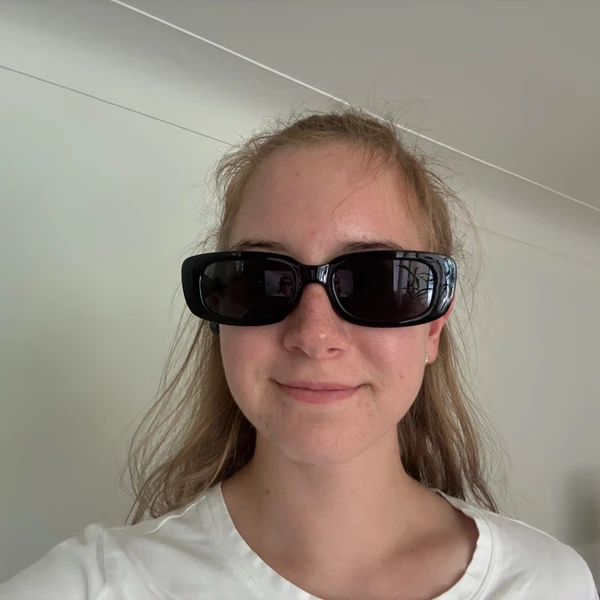
Hobbies and interests
Karate
Blogging
Nadiia Kleban
8x
Nominee1x
Finalist1x
WinnerNadiia Kleban
8x
Nominee1x
Finalist1x
WinnerBio
My name is Nadiia Kleban. I was born in lviv, Ukraine. And moved to USA when start war in Ukraine.I am student in North Royalton High School and Cuyahoga Valley Career Center in program dental assistant. I really like and interesting to be a dental hygienist and help people to have a clean smile. And for my dream university I need scholarships. That’s why I here:)
Education
Cuyahoga Valley Career Center
Trade SchoolNorth Royalton High School
High SchoolMiscellaneous
Desired degree level:
Trade School
Graduate schools of interest:
Transfer schools of interest:
Majors of interest:
- Mathematics and Statistics, Other
Career
Dream career field:
Dentistry
Dream career goals:
Dental hygienist
Dental assistant
2025 – 2025
Sports
Karate
Club2015 – 202510 years
Arts
my YouTube channel
Videography2025 – Present
Public services
Volunteering
Ridna Shkola (Ukranian Saterday School) — teacher assistant2024 – 2025
Future Interests
Volunteering
Philanthropy
Entrepreneurship
Slater Miller Memorial Scholarship
Choosing a career in the trades was not just a practical decision for me—it was a deeply personal one shaped by my life circumstances, values, and goals for the future.
Coming from a background where financial resources are limited, I have always had to think carefully about my education and career path. Pursuing a traditional four-year college education with high tuition costs was simply not a realistic option for me. However, instead of seeing this as a disadvantage, I chose to see it as an opportunity. The trades offer a path that is more accessible, focused, and directly connected to real-world skills. It allows me to start building my future without being overwhelmed by long-term debt.
I am currently working toward a career in the dental field, and this path truly excites me. I have always been interested in healthcare, but what draws me specifically to this field is the combination of technical skill and human connection. It is not just about performing a task—it is about helping people feel more confident, improving their health, and making them feel cared for. I value work where I can see the results directly and know that what I do has a real impact on someone’s life.
Another reason I chose a trade career is that I enjoy hands-on learning. I like being active, solving problems in real time, and continuously improving my skills. The structure of trade education fits the way I learn best, and it gives me a clear sense of progress and purpose. Every new skill I gain feels meaningful and brings me one step closer to independence.
Beyond my career goals, I care deeply about social issues related to access to education and healthcare. I understand from personal experience how financial barriers can limit opportunities. There are many hardworking and talented individuals who are capable of achieving great things, but they are held back simply because they do not have the financial support they need. That reality has shaped the way I see the world and has made me more aware of how important equal opportunity is.
Access to healthcare is another issue that matters to me. Many people do not receive the dental care they need due to cost or lack of access. This can affect not only their physical health but also their confidence and overall quality of life. In the future, I hope to be part of a system that helps make care more accessible, whether through community work, volunteering, or simply being someone who treats every patient with respect and understanding.
Receiving the Slater Miller Memorial Scholarship would make a meaningful difference in my life. It would reduce the financial pressure I face and allow me to focus more fully on my education and professional growth. More importantly, it would give me the opportunity to continue pursuing a career that I am truly passionate about.
I am committed to working hard, growing in my field, and using my skills to make a positive impact. This scholarship would not only support my education—it would support my goal of building a stable future and helping others along the way.
300 Bold Points No-Essay Scholarship
200 Bold Points No-Essay Scholarship
400 Bold Points No-Essay Scholarship
Bold.org No-Essay Top Friend Scholarship
Bold.org No-Essay Community Scholarship
1000 Bold Points No-Essay Scholarship
$25,000 "Be Bold" No-Essay Scholarship
500 Bold Points No-Essay Scholarship
No Essay Scholarship by Sallie
K-POP Fan No-Essay Scholarship
Immigrant Daughters in STEM Scholarship
Moving to a new country changes you in ways you don’t expect. When my family left Ukraine, I thought the hardest part would be learning English. I didn’t realize that the real challenge would be starting over completely—finding my place in a world that felt nothing like the one I knew. But through every struggle, I discovered a side of myself I hadn’t seen before: resourceful, determined, and willing to work harder than ever to build a new future.
When I first arrived in the U.S., I barely understood anything my teachers said. Even simple conversations were stressful. I would go home every day and spend hours translating words, watching videos, and repeating sentences to practice pronunciation. It wasn’t just about learning English; it was about proving to myself that I could belong here. Bit by bit, I started improving—answering questions in class, making friends, and finally feeling confident enough to speak without fear of mistakes.
That experience taught me that hard work can turn fear into growth. Instead of avoiding challenges, I began to face them directly. I joined school clubs, volunteered at community events, and took every opportunity to help others—especially those who were also new to this country. I knew exactly how it felt to be lost and unsure, and I wanted others to know they weren’t alone.
My immigrant background has also shaped how I view responsibility. When you start a new life in a new country, you learn quickly that nothing comes easily. I had to manage school, help my family, and prepare for college, often without anyone to guide me through the system. But instead of seeing that as an obstacle, I treated it as training for the future. I learned how to organize my time, plan ahead, and stay calm under pressure—all skills that will help me in both college and my career.
That same resilience inspired my passion for healthcare, particularly dental hygiene. I grew up watching my mother work in dentistry and seeing how much impact good dental care can have on a person’s confidence and health. When I started learning more about the field, I realized it was the perfect balance between science, care, and human connection. I love the idea of helping people feel better and more confident in themselves, especially those who, like me, are building a new life.
As an immigrant and a woman in STEM, I know I’ll face more challenges along the way. But I also know I’ve already overcome some of the hardest ones. Adapting to a new culture, learning a new language, and finding strength in uncertainty have all shaped me into someone who doesn’t give up easily. Every obstacle has made me more resourceful, more understanding, and more determined to succeed—not just for myself, but for my family and other immigrants still finding their way.
This scholarship would bring me one step closer to completing my dental hygiene program and helping others through my work. It would also remind me that my journey—the struggles, the long nights studying, the moments of doubt—was worth it. I’ve learned that being an immigrant doesn’t mean starting behind; it means starting strong, with perspective, empathy, and resilience that not everyone has.
My story isn’t just about leaving one country for another—it’s about becoming someone who uses her past as motivation to build a brighter future. I want to carry that strength into everything I do: in college, in my career, and in the way I care for others. What once felt like my greatest struggle has now become my greatest source of power.
Bright Lights Scholarship
When I was younger, college felt like something that happened to other people—people whose parents had gone before them, who didn’t have to worry about money, and who just “knew” how the system worked. For a long time, I didn’t see it as an option for me. But the more I learned, the more I realized that my background doesn’t have to limit me—it can actually be my motivation to create something better.
I’m a first-generation student, and that title means a lot to me. My parents always encouraged me to study, but higher education wasn’t something our family was familiar with. They worked hard to give me stability, but paying for college has always seemed out of reach. I’ve had to figure out most of this journey on my own—how to apply, what programs to look for, and how to cover the costs. It hasn’t been easy, but I’m proud of how far I’ve come.
My dream is to become a dental hygienist. I’ve always been drawn to healthcare because it’s about helping people directly, one person at a time. Growing up, I saw how something as simple as a healthy smile can change a person’s confidence and outlook. It’s not just about teeth—it’s about self-esteem, communication, and comfort. I want to give people that kind of care and confidence, especially those who can’t always afford it.
College is the next big step toward that goal. I’ve already started taking some dental hygiene courses, and I’m determined to finish the program and begin working in clinics that serve low-income and immigrant communities. I want to use what I learn not just to provide care, but to educate others—showing kids and families that taking care of their health is something they can control, even when life feels uncertain.
Being a first-generation student also means I want to set an example. I want my younger relatives and others like me to see that it’s possible to dream bigger than your circumstances. College isn’t only about getting a job; it’s about finding your purpose and building a life that helps others along the way.
This scholarship would make a huge difference in my journey. It would relieve part of the financial pressure that often makes education feel out of reach. More importantly, it would be a sign that my efforts matter—that I’m not doing this alone. Every bit of support brings me closer to finishing school, starting my career, and giving back to the community that raised me.
I want to use my education to make a real impact—to help people feel seen, cared for, and confident again. For me, college isn’t just a goal; it’s a promise to myself and to everyone who believed I could do more. With this scholarship, I’ll be one step closer to making that promise real.
Sunflower Seeds Scholarship
Many people know that the war between Russia and Ukraine began in 2022, but not everyone remembers that it truly started in 2014. I was about six years old then, finishing kindergarten and getting ready to start school. At that age, I didn’t fully understand what was happening, but I still remember certain moments clearly.
I lived in western Ukraine at the time, which was relatively safe. The war felt like something distant, happening somewhere far away. I remember hearing adults talk quietly about what might happen next and hoping it would all be over soon. My father left to serve, and I still remember how hard it was for my mother. I didn’t yet understand what war really meant—only that it made people worried and afraid.
Years passed, and I grew up surrounded by news of fighting. When I was in eighth grade, the war was still going on. My classmates and I collected warm clothes and even plastic bottle caps, which were used to help make prosthetics for wounded soldiers. On the radio, every day brought new reports: “One soldier killed,” “No losses today,” “Ten people killed, two injured.” It became part of everyday life—something people sadly got used to. But if you stopped and really thought about it, you realized how many lives were lost during those years.
Then came 2022. That year is carved into my memory forever. I was waiting to celebrate my mom’s birthday when the full-scale invasion began. Suddenly, everything I knew disappeared. My parents decided I had to leave Ukraine for my safety. I had to leave behind my home, my school, my friends, and the city where I grew up. In one day, my world changed completely.
At first, I felt lost. I had so many dreams for my future—plans for school, for life—but they all seemed to fall apart. Over time, though, I realized something important: while I had lost my home, I hadn’t lost my life. I still had the chance to rebuild, to learn, and to do something meaningful. That realization became my motivation.
Now I see education as my way forward—not just for myself, but for my country. My generation will be the one to rebuild Ukraine, to heal it after everything it has endured. I want to pursue a career in healthcare, specifically dental hygiene, because I believe helping others, even in small ways, makes a real difference. When someone feels healthy and confident, it gives them strength to keep going. That’s something my country needs—people who care, who rebuild, who bring hope.
The war taught me resilience, empathy, and gratitude. It showed me that life can change overnight, but also that people can adapt, grow, and rise again. Achieving my educational goals will allow me to turn all that pain and loss into purpose. I want to use my skills to help others rebuild their lives—just as I am rebuilding mine.
For me, education isn’t just a path to a career; it’s a way to honor the people and the country I love. Every step I take toward my future is also a step toward Ukraine’s future.
David Foster Memorial Scholarship
When I think about the people who have truly shaped my life, one person immediately comes to mind—my high school science teacher, Mrs. Shultz. She didn’t just teach biology; she taught curiosity. Her class wasn’t about memorizing terms or passing tests. It was about asking “why?” and not being satisfied until we understood the answer. That approach completely changed how I see learning, and honestly, how I see life.
Before her class, I used to think of school as something you just get through. Study, get good grades, move on. But Mrs. Shultz had this energy that made everything feel alive. She’d bring in honeycombs to explain ecosystems, or use real-world examples from her time volunteering at an animal clinic. She never stuck to the textbook. One day she told us, “If you can’t connect what you’re learning to real life, it’s just words on paper.” That line has stayed with me ever since.
What made her different wasn’t just her creativity—it was her belief in us. I wasn’t the most confident student back then. I hesitated to speak up, afraid of being wrong. But Mrs. Shultz had this way of turning mistakes into discoveries. If someone gave a wrong answer, she didn’t correct them immediately. She’d ask follow-up questions that helped us think it through until we got there ourselves. She showed me that being wrong isn’t a failure—it’s the first step toward understanding.
That mindset has shaped everything I do now. It’s what made me fall in love with science and healthcare, and it’s what drives me to keep learning, even when something feels impossible. I’ve realized that helping others starts with being willing to ask questions, listen, and keep searching for better answers—just like Mrs. Shultz taught us.
Outside the classroom, she inspired me to see the bigger picture. She often talked about how small acts—like explaining something patiently to someone who’s struggling—can create a ripple effect. That idea pushed me to start volunteering at community health events, where I help organize check-ups and educational activities for families. Every time I help someone understand something new about their health, I think of her and that same spark of connection she created in her classroom.
Mrs. Shultz taught me that education isn’t about memorizing facts—it’s about awakening curiosity and using it to make the world better. Because of her, I plan to pursue a career in dental hygiene, where I can combine my love for science with my desire to help people directly. I want to bring that same energy she brought to her students into my work with patients—explaining, inspiring, and helping them take charge of their health.
Her influence goes far beyond biology or test scores. She changed how I approach challenges, how I learn, and how I connect with people. Thanks to her, I see education as something powerful and personal—a way to not just build a career, but to change lives, starting with my own.
Robert F. Lawson Fund for Careers that Care
My name is [Your Name], and I’m a high school senior who plans to study dental hygiene. For as long as I can remember, I’ve wanted a career that helps people in a real, practical way. To me, healthcare—especially dental care—is about more than treating problems. It’s about giving people confidence, comfort, and a reason to smile again.
I grew up in a family where helping others was a part of daily life. My mother works in dentistry, so I often spent time watching her interact with patients. I saw how small acts—like taking away someone’s pain or helping them smile again—could completely change a person’s mood. That’s where my interest in dental hygiene began. I realized that a healthy smile can make people feel more confident at work, in school, and in their personal lives.
Over the years, I’ve also become aware of how many people don’t have access to good dental care, especially in low-income communities. Some skip checkups for years because they can’t afford them or don’t understand how important oral health is for their overall well-being. I want to help change that. My goal is to work in community clinics and schools, providing affordable care and teaching people how to take care of their teeth before problems start.
Education is one of the most powerful tools for change. I hope to use my future knowledge to create programs that make dental health simple and accessible for everyone. I’d love to organize community workshops or school visits to show kids that taking care of their teeth isn’t complicated—it’s just a habit that can protect their health for life.
As a student from a low-income background, I understand how financial challenges can make it harder to reach your goals. Still, I’ve always believed that determination and hard work can open any door. I’ve taken every opportunity to learn about healthcare, shadow professionals, and prepare myself for college. My dream is to not only build a stable career but also to give back—helping others who grew up with the same struggles I did.
Robert F. Lawson’s story inspires me because he devoted his life to helping others, even after serving his country. That’s the kind of impact I want to have: using my education and skills to improve people’s lives, starting in my own community.
This scholarship would help me take the first big step toward that goal. It would make it possible for me to begin my studies in dental hygiene and eventually serve people who need it most. I want my career to be about compassion, service, and empowerment—helping others smile with confidence and hope.
Matthew E. Minor Memorial Scholarship
My name is [Your Name], and I am a high school student graduating in 2026. I am passionate about helping others, promoting kindness, and creating safe spaces both in my community and online. Growing up, I have always been drawn to opportunities where I can make a positive impact on others’ lives, whether through volunteering, mentoring younger students, or educating my peers about empathy and safety. These experiences have shaped my desire to pursue a career in dental hygiene, where I can combine healthcare, education, and personal connection to improve the well-being of others.
Community involvement has always been central to my life. I have volunteered at local clinics and community centers, helping to organize educational workshops for children about hygiene, health, and safety. I also participate in peer mentoring programs, where I help younger students navigate social challenges, including bullying. These experiences have taught me how important it is to actively listen, provide guidance, and create environments where everyone feels respected and heard.
Financially, I face challenges as I enter higher education. My family has worked hard to provide for me, but the cost of college is significant. Scholarships like this one are essential for students like me, as they allow us to focus on our education and community involvement without being overwhelmed by financial stress. With support, I can dedicate more time to clinical experience, volunteer work, and outreach programs that make a tangible difference in the lives of children and teens.
Preventing bullying, both in-person and online, is something I take seriously. In my community, I strive to model respectful behavior, intervene when I see students being mistreated, and provide support to those affected. Online, I educate peers about cyberbullying, the dangers of unsafe internet behavior, and the importance of empathy and responsible communication. I also encourage younger students to speak up when they witness bullying and to seek trusted adults for guidance. Through workshops and discussions, I aim to help children and teens understand the impact of their words and actions, emphasizing that kindness and respect are not optional—they are essential.
Receiving the Matthew E. Minor Awareness Foundation scholarship would allow me to continue my education while expanding my ability to positively influence my community. It would provide resources for me to participate in additional volunteer opportunities and outreach programs focused on youth safety and bullying prevention. Most importantly, it would reinforce my commitment to being a role model and advocate for children and teens, both in-person and online.
I am dedicated to fostering environments where all young people feel safe, supported, and empowered to thrive. By continuing to educate, mentor, and lead by example, I hope to help prevent bullying and cyberbullying, creating a community where empathy and respect guide our interactions. This scholarship would not only support my education but also amplify my ability to make a meaningful difference in the lives of others.
A Man Helping Women Helping Women Scholarship
My name is Nadiia, and I am a driven student pursuing a career in dental hygiene. From a young age, I have been fascinated by how oral health affects not only physical well-being but also self-confidence and quality of life. I realized early on that helping people care for their teeth is not just a technical skill—it’s a way to empower others, to improve their health, and to positively impact their daily lives. Becoming a dental hygienist allows me to combine science, precision, and human connection in a meaningful career.
As a woman, I am inspired to break barriers and uplift others through my work. Women often face challenges that make it harder to succeed, whether in male-dominated fields, in professional settings, or even in healthcare environments where their concerns may not be taken seriously. These experiences motivate me to be a professional who listens, respects, and advocates for every patient. I want to create a safe and welcoming space in dental care, particularly for women, where they feel valued, informed, and empowered.
Education and community outreach are central to my vision. Many people, especially women in underserved communities, lack access to dental care or sufficient knowledge about oral health. I plan to organize workshops, provide educational resources in schools and community centers, and mentor young women who may feel discouraged from pursuing careers in healthcare. By sharing information and support, I hope to help them take control of their health and their futures. Even small acts of guidance or encouragement can inspire others to pursue their dreams with confidence.
Beyond patient care, I hope to serve as a role model for young women entering healthcare. By demonstrating dedication, skill, and compassion, I aim to show that women can thrive in any professional environment, despite challenges or societal expectations. I want to encourage others to pursue their goals, overcome obstacles, and believe in their own abilities. Mentorship, encouragement, and leading by example are key ways I hope to make a lasting impact.
Receiving this scholarship would significantly support my education, allowing me to focus on developing the skills and experience I need to become a competent and compassionate dental hygienist. It would also reinforce my mission to uplift others, particularly women, through education, healthcare, and mentorship. I hope to continue a cycle of empowerment, helping others achieve their dreams just as opportunities like this scholarship help me achieve mine.
Through my career in dental hygiene, I plan to make a tangible, positive difference in the world by improving health, building confidence, and inspiring women to take care of themselves and pursue their ambitions. I believe that even small actions—educating a patient, mentoring a young woman, or fostering a safe space—can create lasting change. By combining knowledge, empathy, and advocacy, I hope to leave a meaningful impact on my community and to encourage others, especially women, to thrive and reach their full potential.
Phoenix Opportunity Award
Being a first-generation college student has deeply shaped my career goals and the way I approach education. I am the first in my family to attend college, and this opportunity carries not only my own dreams but also the hopes of my parents and community. Watching my family work tirelessly to provide for me has made me value education and the doors it can open.
This perspective guides my decision to pursue a career in dental hygiene. I am passionate about healthcare, especially oral health, because it allows me to combine science, skill, and personal connection. Many people face barriers to dental care or feel nervous about visiting the dentist, and I want to be a dental hygienist who helps patients feel comfortable, understood, and supported. My experience as a first-generation student, navigating new systems and challenges, gives me empathy for others who feel unsure or overlooked.
Being the first in my family to attend college also gives me a sense of responsibility. I want to set an example for younger relatives and my community, showing that higher education and careers in healthcare are achievable. I am motivated to work hard in my studies, gain clinical experience, and develop the skills I need to provide compassionate care.
Receiving the Phoenix Opportunity Award would help me continue my education without the stress of financial constraints. It would allow me to focus on building my knowledge and experience while also giving back to my community through volunteer opportunities.
Being a first-generation college student influences my career goals by giving me purpose, resilience, and a desire to make a difference. I aspire to become a dental hygienist who not only provides excellent care but also educates and supports others, proving that opportunity, hard work, and empathy can transform lives.
Kayla Nicole Monk Memorial Scholarship
From a young age, I was fascinated by the way a smile could completely change someone’s face — how it could make a person feel seen, confident, and cared for. I didn’t grow up dreaming about working in healthcare, but over time, I realized that helping people through something as simple, yet powerful, as oral care is exactly what I want to do with my life. That’s why I chose to study dental hygiene — because it’s where science meets compassion.
Dental hygiene is more than just teeth cleaning. It’s about connection, education, and trust. Many people are afraid of the dentist, or they’ve had negative experiences that make them avoid care. I’ve seen how common this is, especially among immigrants or families who don’t speak English fluently. They worry that they won’t be understood or that their concerns won’t be taken seriously. That’s something I deeply relate to, and it’s one of the reasons I want to be the kind of dental hygienist who makes patients feel comfortable, respected, and informed.
To me, dental hygiene is part of the “science” in STEAM — it requires knowledge, precision, and attention to detail. But it also has heart. Every patient is different, and learning how to meet their individual needs takes empathy and creativity. I love that combination of technical skill and human care. It’s a field that lets me use both my mind and my kindness to make a real difference.
Kayla Nicole Monk’s story deeply moved me. She faced enormous health challenges but lived with purpose, ambition, and a desire to help others. I admire how she wanted to use her name to build something meaningful — to make a lasting impact. That’s the kind of legacy I hope to create in my own way. I may not change the world overnight, but if I can help people feel safe in a dental chair, teach them something that improves their health, or help a child smile without fear, that’s already a change worth making.
This scholarship would help me continue pursuing my education with less financial stress and more focus on becoming the best dental hygienist I can be. College expenses can be overwhelming, and having this support would allow me to dedicate more time to my clinical training, volunteer work, and patient care experience. I hope to eventually work in a dental office that serves diverse communities and maybe even help organize free dental care events for those who can’t afford treatment.
Education, to me, is not just about getting a degree — it’s about using what I learn to make life better for others. That’s why this scholarship means so much more than just financial help. It represents opportunity, hope, and the belief that someone like me — a student still finding her way — can make a difference in the world through small acts of care and kindness.
Like Kayla, I want to live a life driven by purpose, compassion, and determination. Dental hygiene is the path that allows me to do that — one patient, one smile, and one moment at a time.
Wicked Fan Scholarship
I’ve always been drawn to stories about people who don’t quite fit in—people who are told they’re “too much,” “too different,” or “too bold.” Wicked captures that feeling perfectly. The first time I watched it, I didn’t just see a fantasy musical set in Oz—I saw myself. Elphaba’s story of being misunderstood, judged by appearances, yet choosing to stand tall despite it all, spoke to something deep inside me.
“Defying Gravity” isn’t just a showstopping number; it’s an anthem of freedom. The moment Elphaba decides to fly—to literally rise above everyone’s expectations—feels like a turning point not just for her, but for anyone who’s ever felt underestimated. That song reminded me that courage isn’t about being fearless; it’s about doing what’s right even when the world is against you.
I also love how the story shows that good and evil aren’t as simple as they seem. Glinda isn’t just the “good witch,” and Elphaba isn’t truly “wicked.” Both make mistakes, both grow, and both love deeply. Their friendship is messy and real—full of jealousy, forgiveness, and understanding. It reminded me how complex people really are, and how important it is to look beyond labels.
What moves me most, though, is the heart behind Wicked’s message: that being true to yourself is worth the risk. Elphaba never changes who she is just to be accepted, and that’s something I try to carry into my own life. Whether it’s in school, work, or friendships, it’s easy to feel pressure to blend in—but this story taught me that standing out can be its own kind of strength.
Songs like “For Good” always make me think about the people who have shaped me—teachers, friends, even strangers—who, as the song says, have “changed me for good.” That line captures what Wicked does best: it reminds us that connection, kindness, and courage can transform us forever.
I’m a fan of Wicked because it celebrates everything that makes people unique. It’s about finding light in the darkness, about being misunderstood but refusing to give up. Every time I listen to the music or think of Elphaba’s story, I feel stronger, braver, and more proud to be myself. And that, to me, is the real magic of Wicked.
Calvin C. Donelson Memorial Scholarship
I am passionate about pursuing dental hygiene as my trade. While it may not be carpentry or barbering, it is a skilled profession that requires precision, dedication, and creativity—qualities I deeply admire in tradespeople like Calvin C. Donelson. My inspiration comes from my desire to help people in practical, meaningful ways and from watching my family work tirelessly to provide for us. I’ve also been inspired by the idea that a skilled profession can bring stability, purpose, and the opportunity to make a real difference in people’s lives.
From a young age, I saw the value of practical skills. My parents have always worked hard, but they do jobs that don’t fully use their potential, and money is often tight. I realized early that to create a stable and meaningful future, I would need a career that combined hands-on skill with the ability to help others. Dental hygiene allows me to do that. I can use my skills to improve patients’ health, confidence, and comfort, especially for those who might be afraid or unable to access proper care.
My sister, who is studying to become a dentist, has also been a huge source of inspiration. We have dreamed of opening a dental office together where we can provide high-quality care to the community, including free cleanings for low-income families. Seeing her dedication motivates me to push myself, study hard, and master my own craft. Like Calvin, I believe that with effort, focus, and perseverance, passion can become purpose, and skill can make a lasting impact.
Moving to a new country and adapting to a different language and culture has shaped my determination as well. There were times when I struggled to understand my teachers, felt misunderstood by classmates, or doubted myself because of my accent. But I worked through these challenges by practicing, asking for help, and staying committed to my goals. Each small success built my confidence and taught me resilience, patience, and the value of hard work—qualities I know are essential in any skilled profession.
For me, dental hygiene is more than a career; it is a way to serve others and bring tangible, positive change to people’s lives. I want to make patients feel safe, cared for, and confident in their smiles. I want to honor the spirit of skilled trades by showing dedication, precision, and professionalism in my work every day.
Calvin C. Donelson’s life reminds me that real success comes from dedication to your craft, commitment to others, and perseverance through challenges. His example inspires me to pursue a skilled profession with integrity, creativity, and passion. I hope to carry that same spirit forward in my career, helping people, mastering my profession, and making a meaningful difference in my community.
Uniball's Skilled Trades Scholarship
I plan to study at Cuyahoga Community College (Tri-C) to become a dental hygienist. For me, this isn’t just about getting a diploma — it’s about building a stable, meaningful career that lets me help people directly. I’ve always admired professions that require real skill, patience, and dedication — the kind of work you do with your hands and your heart. Dental hygiene is exactly that. It’s practical, people-focused, and can truly change someone’s confidence and health.
I chose Tri-C because it’s affordable and still offers a strong education. My parents work hard, but we don’t have much money, and going into debt for school would be really difficult. I’ve learned that it doesn’t matter where you study — what matters is how much you put into it. Tri-C gives me the opportunity to get a respected education without putting too much financial pressure on my family. To me, that’s the smartest path forward.
After finishing school, my biggest dream is to open a dental office with my twin sister. She’s studying to become a dentist, and together we’ve always talked about helping people who can’t afford proper care. In the future, when we open our clinic, we plan to offer free dental cleanings for low-income families. I’ve met people who are afraid to go to dental offices because they don’t speak English well or think they’ll be judged for not being able to pay. Since I speak several languages — Ukrainian, Polish, Russian, and English — I want to make those patients feel comfortable, safe, and understood. No one should feel embarrassed to take care of their health.
Becoming a dental hygienist isn’t an easy path, especially for someone who moved to a new country. When I first came to the United States, everything felt unfamiliar — the language, the culture, even the way people learned in school. I struggled to understand teachers, and sometimes classmates didn’t take me seriously because of my accent. There were moments when I wanted to give up, but I didn’t. I spent extra hours studying, using a dictionary to translate my notes, and asking teachers for help even when it was uncomfortable. Slowly, I started to see progress. I realized that hard work always shows, even if it takes time.
There were also personal challenges — times when my family didn’t have enough money for small things like new clothes or going somewhere fun. I learned early that sometimes you have to give up little things now for something bigger later. Instead of buying expensive clothes, I remind myself that one day, when I have a career I love, I’ll be able to afford those things — and it’ll mean more because I earned them myself.
Looking back, every difficult step taught me something. I learned responsibility, discipline, and that faith and effort can get you through almost anything. Even when I was tired, I reminded myself why I started — to build a better future not just for me, but for my family too.
I think this scholarship represents what my journey has been about — working hard, learning a trade, and never giving up, even when things don’t come easy. I admire people like Dan “Uniball” Lansing, who showed what true resilience looks like. Just like him, I want to build my success through determination and skill.
If I get this scholarship, it won’t just help me pay for school — it will help me get one step closer to making my dream real: helping people smile with confidence, no matter who they are or where they come from.
Arthur and Elana Panos Scholarship
I believe that God has helped me through every single part of my life, especially in the moments when I felt lost or scared about the future. There were many times when things didn’t make sense — when I moved to a new country, had to start school again, and tried to find my place while speaking a new language. Everything felt different, and sometimes I questioned if I would ever feel comfortable or confident again. But even when I didn’t have clear answers, I always had faith. I could feel that God was quietly guiding me forward, one small step at a time.
My faith taught me how to stay calm when things around me seemed impossible. I learned that challenges don’t mean that God has left you — they often mean that He’s helping you grow. That perspective changed everything for me. Instead of being angry or discouraged, I started asking, “What is this teaching me?” Every hard situation became a lesson in patience, kindness, or strength. I realized that God’s plan for me might not always match mine, but it’s always better in the end.
One of the most important things my faith has taught me is compassion. I believe that being kind to others is one of the best ways to serve God. That belief is a big reason I chose to become a dental hygienist. Many people are afraid to go to the dentist — especially those who don’t speak English well or don’t understand what’s happening during their visit. I’ve seen this fear in people I know, and I want to help change that. I speak several languages — Ukrainian, Polish, Russian, and English — and I want to use that skill to make people feel safe and understood.
When I imagine my future career, I don’t just see cleaning teeth. I see myself helping people feel confident and cared for. I want to be the kind of hygienist who makes every patient feel respected and heard. My faith helps me remember that every person who sits in that chair is a child of God, and they deserve to be treated with love and gentleness.
There will definitely be challenges ahead — long hours, difficult patients, stressful days — but I know that my faith will help me through all of it. Whenever I start to doubt myself, I remember how far God has already brought me. If He gave me the strength to come this far, I know He’ll give me what I need to keep going.
In the future, I also dream of giving back to my community. My twin sister wants to become a dentist, and we’ve already talked about opening a small clinic together one day. When that happens, we want to provide free cleanings for low-income families and people who can’t afford dental care. I know it will take time and effort to make that dream real, but I trust that if we keep working hard and keep our faith, God will bless that plan too.
Faith isn’t just something I talk about — it’s something that shapes how I live, study, and treat others every day. I truly believe that with God’s guidance, I’ll not only build a successful career but also make a difference in people’s lives through kindness and care.
Judah Spinner Scholarship
I’m planning to attend Cuyahoga Community College (Tri-C) to study dental hygiene. Even though I’ve already applied to several universities, I realized that a trade school is a more practical and affordable path for me. The level of education is just as strong, but the cost is much lower, and I’ll be able to start working and building my career sooner.
What excites me most about trade school is how focused and hands-on it is. I like that I’ll be learning real skills I can use immediately in my job — not just theory, but actual training that prepares me to help patients and make a difference from day one.
My goal after graduation is to become a licensed dental hygienist and start working in a dental office. I want to help people feel confident when they smile and teach them how important dental health is. Eventually, I hope to volunteer part-time and offer free cleanings for people who can’t afford regular dental care.
For me, trade school isn’t a “second choice.” It’s the smart choice — a direct path toward a meaningful career where I can grow, help others, and build a stable future for myself and my family.
KC R. Sandidge Photography Scholarship
I don’t know if you were expecting a photoshoot like mine, but this project means a lot to me. My car had some problems, and we had to buy new, bigger tires. The old ones were almost new, so I decided to sell them — and that’s how this small photo session began.
I tried to arrange the tires in a way that looked balanced and interesting, but they kept falling over. I laughed, picked them up, and kept shooting. In the end, I captured a set of photos that showed not only the tires, but also the process — a mix of patience, light, and a bit of chaos. It was my first photoshoot that actually brought me a profit, and the buyer even commented that the pictures looked professional. That moment made me proud, because it reminded me that creativity can turn even something ordinary — like a set of car tires — into art.
These photographs represent how I see photography: it’s not about fancy locations or expensive gear. It’s about noticing details, finding beauty in unexpected places, and showing a story that others might overlook.
I hope you’ll see my photos the same way I do — as a small reminder that creativity isn’t about perfection, it’s about perspective.
Julie Holloway Bryant Memorial Scholarship
My first language is Ukrainian, but I also speak Polish, Russian, and of course, English. I never really thought of this as a special skill until I came to the U.S. and realized how many doors it can open — and how many people it can help.
I plan to become a dental hygienist. One day, when my twin sister — who is one minute younger than me — becomes a dentist and opens her own office, we want to offer free dental cleanings for low-income families and people who can’t afford dental care. I especially want to help people who don’t speak English well and are too afraid to visit a clinic because they worry they won’t understand what the hygienist or dentist is saying. I know a few people like that, and I’m sure there are many more. Being multilingual will let me make those patients feel safe and understood. Sometimes, hearing your own language — even just a few words — makes all the difference.
Speaking multiple languages has been a huge advantage, but it’s not always easy. My accent makes some people assume I’m not smart or that I don’t understand what’s happening. In school, a girl once heard my accent and started talking about me right in front of me, thinking I couldn’t understand her. It hurt, but it also made me stronger. I learned not to let people’s assumptions define me. Instead, I use those moments as motivation to speak more confidently and to prove that intelligence isn’t about how you sound — it’s about how you think and how you treat others.
Being bilingual (or in my case, multilingual) is like carrying several worlds inside you. It helps you see things from different perspectives and connect with people more deeply. I can understand different ways of expressing kindness, respect, or humor — because every language carries its own little world of meaning.
After graduation, I hope to work in a dental office where I can use my languages every day to make patients feel comfortable and cared for. In the long run, I want to build a career that combines health and compassion — one smile at a time.
For me, being multilingual isn’t just about communication. It’s about understanding people and helping them feel seen, even across cultures and accents. It reminds me that what makes us different can also be what makes us powerful.
Bick First Generation Scholarship
Being a first-generation student means carrying both hope and responsibility. My parents never had the chance to build careers they loved. They work hard at low-paying jobs, and while they always make sure we have what we need, there isn’t much left for extras. Sometimes that means saying no to things I’d like — a brand-name outfit, a trip, or something small that other people might not think twice about. But I’ve learned that these things don’t define who I am. What really matters is building the kind of future where I won’t have to choose between needs and dreams.
Education is my way toward that future. I know that going to college will not only change my life, but also the life of my family. My parents came here with very little, and I want their sacrifices to mean something. I want them to see that all their hard work made it possible for me to become someone who helps others — someone who can make a difference.
Being a first-generation student also means figuring things out on your own. My parents can’t help me fill out applications or explain financial aid. Sometimes I feel lost, like I’m walking in the dark and just hoping I’m doing it right. But I’ve learned to keep going anyway. When I don’t understand something, I ask questions. When school feels overwhelming, I remind myself why I started. I may not always get perfect grades, but I give everything I have. I skip hangouts with friends to study for tests, and I stay late to finish assignments. Every small step feels like one closer to the life I imagine.
My dream is to build a career in dental hygiene — to work in healthcare, help people feel confident when they smile, and maybe even inspire other first-generation students to believe that they can reach their goals too. This scholarship would help me get one step closer to that dream. It would mean more than just financial support — it would be a reminder that hard work, even when no one is watching, does pay off.
Being the first in my family to go to college isn’t easy, but I wouldn’t trade it for anything. It’s taught me resilience, patience, and the importance of believing in myself. I know that with education and determination, I can create the kind of future my parents always hoped for — one filled with purpose, stability, and hope.
Sparkle and Succeed Scholarship
Living with ADHD has definitely shaped the way I learn and see the world. For a long time, I didn’t even realize that my struggles with focus and organization were part of something bigger. I just thought I had to try harder — to pay attention longer, to remember more, to stop my thoughts from running in ten different directions at once. Sometimes I’d get frustrated because I knew I was smart and capable, but my brain just didn’t work in the same straight line as everyone else’s.
ADHD has made school harder in obvious ways — it’s easy for me to lose track of assignments or zone out during long lectures. But at the same time, it’s taught me creativity and resilience. I’ve learned that I need to study differently. I break big projects into small steps, use color-coded notes, and take short breaks to reset my focus. These small changes help me stay organized and motivated instead of overwhelmed.
One of the biggest lessons ADHD has taught me is self-compassion. There were times when I felt behind or compared myself to others, but now I remind myself that progress looks different for everyone. Once I accepted that, I started finding my rhythm and confidence again.
I’ve also learned to turn my hyperfocus — something people often see as a “problem” — into a strength. When I’m passionate about something, I can give it my full attention for hours. That’s exactly what happened when I discovered dental hygiene. I love the science behind it, the precision, and the feeling of helping people take care of themselves. There’s something so satisfying about preventing problems before they start — it’s not just about cleaning teeth, it’s about helping people stay healthy and save money by avoiding serious treatments later.
Becoming a dental hygienist feels like the perfect path for me because it combines focus, care, and real impact. It’s also a field that requires patience and attention to detail — qualities I’ve learned to strengthen because of ADHD, not despite it. I want to use my experience to help others, especially people who might feel anxious or uncertain about going to the dentist. I know how it feels to be misunderstood or to struggle quietly, and I want my patients to feel seen and cared for.
ADHD will probably always be part of who I am, but I’ve learned to see it not as a weakness, but as a different way of thinking. It’s made me more empathetic, determined, and creative. Every day I’m learning how to manage it better, and every success — no matter how small — feels like proof that I can keep going and keep shining.
Sabrina Carpenter Superfan Scholarship
I first discovered Sabrina Carpenter when I watched Girl Meets World. Her character, Maya Hart, stood out to me right away — confident, funny, and a little bit rebellious, but with a big heart underneath it all. I think that’s what made me start following her career: she felt real. Maya wasn’t perfect, and neither was I, but she showed that you could still be strong and caring even when life feels messy.
As I got older, I started listening to Sabrina’s music, and it felt like growing up alongside her. Songs like Sue Me and Because I Liked a Boy showed her honesty about confidence, heartbreak, and how people judge you. Then came Espresso and Please Please Please — songs that prove she’s not afraid to have fun while still being herself. She’s evolved so much, but what’s amazing is that every stage of her career feels genuine. You can tell she works hard, not to be perfect, but to be true.
Sabrina’s career inspires me because she’s shown that you can build something beautiful from every version of yourself. She started on Disney, but she never let that define her. She took risks, tried new sounds, and kept creating art that feels fresh. For someone like me — an immigrant still trying to figure out my place and what I want to do — that’s encouraging. She makes me believe that it’s okay to reinvent yourself, to start over, and to stay curious about what’s next.
I also admire how Sabrina handles fame with humor and grace. She doesn’t take herself too seriously, yet she’s professional and creative in everything she does. It’s a balance I’d like to have in my own life — to work hard and dream big, but also to stay grounded and kind.
Being a fan of Sabrina isn’t just about liking her music or her shows. It’s about the energy she brings — confident, funny, and honest — and the reminder that you can grow, fail, and still shine. She’s proof that you don’t have to fit into one box to succeed, and that’s a message I carry with me every day.
Taylor Swift Fan Scholarship
One of the performances that touched me the most was Taylor Swift’s “All Too Well (10 Minute Version)” at the 2021 SNL show. There was something raw and human about it. No dancers, no flashy lights—just her, her guitar, and a story that felt painfully real. It reminded me why I’ve always liked Taylor’s music: she doesn’t just sing, she feels every word.
I wouldn’t call myself a superfan who knows every Easter egg or attends every concert, but I’ve always found comfort in her songs. Whether it’s the freedom and lightness of 1989, the confidence and fire of reputation, or the quiet honesty of evermore, there’s always something I can connect to. Her music has been with me through change—moving to a new country, adjusting to a new language, and trying to find my place again. Listening to her helped me feel like I wasn’t alone in figuring things out.
What I love about Taylor is how she keeps reinventing herself, yet always stays true to her emotions. It’s inspiring to see someone grow publicly and still remain vulnerable. That’s what I want to do in my own life too—keep learning, keep creating, and not be afraid to start over when things change.
So when I think about her most moving performance, it’s not just that song—it’s the way she tells her stories fearlessly, through every era. She makes people believe that even heartbreak and uncertainty can turn into something beautiful, and that’s something I’ll always carry with me.
Mad Genius Scholarship
My mashup creation is called “Discipline Meets Precision.” It’s a visual and conceptual fusion of two worlds that have shaped me the most: karate and dentistry.
At first, they might seem completely unrelated — one is about movement, power, and focus; the other is about stillness, care, and detail. But when I thought about what these two passions truly represent, I realized they share the same core: discipline, balance, and respect for precision.
I grew up practicing karate my whole life. It taught me patience, control, and how to channel energy into purpose. Every movement in karate has intention — even when it looks effortless, there’s strength behind it. When I started learning about dentistry, I found that same principle repeated in a completely different way.
In dentistry, especially dental hygiene, every motion of your hand matters. You need focus, awareness, and gentleness all at once. The best dental work feels invisible — just like the best karate form looks simple, though it’s built on years of practice.
My mashup brings these two worlds together through an art piece that visually blends the structure of a human smile with the flow of a karate kata. The image shows a line of teeth gradually transforming into a series of karate movements — molars into stances, canines into strikes, each symbolizing strength and precision. I used this design to show how the body and mind can align when skill meets passion.
But this mashup isn’t just about art. It’s also about my story as a first-generation immigrant who had to start over. When I came to the U.S. because of the war, everything familiar disappeared. The discipline from karate helped me adapt; the focus I found in dental studies gave me a sense of stability. These two worlds — physical and intellectual — kept me grounded.
Through this piece, I wanted to show that creativity doesn’t always look loud or chaotic — sometimes it’s quiet, exact, and deeply intentional. And that’s my kind of madness — calm, focused, and full of purpose.
Grace In Action Scholarship
WinnerEducation, to me, is more than a way to earn a degree or a stable income. It’s a foundation for independence, understanding, and growth. I’m a first-generation immigrant and the first in my family who will go to college. My path to higher education wasn’t simple or planned — it was shaped by war, loss, and faith.
I left my country because of the war. My family and I didn’t plan to move; we had dreams and goals at home. But when the war started, our lives changed overnight. Suddenly, everything that felt normal — school, friends, plans for the future — disappeared. Coming to the United States was both a relief and a challenge. I was safe, but I had to start my life all over again in a place where everything felt foreign — the language, the culture, and even the education system.
In the beginning, I felt lost. I didn’t know how to apply to college, where to look for scholarships, or even what opportunities were available to someone like me. I had dreams, but I wasn’t sure how to reach them in a new country. There were days when it felt easier to give up and just work, but deep down, I knew education was my only real chance to build the future I wanted. I realized that while everything around me could be taken away — my home, my comfort, my plans — my knowledge and skills would always stay with me. That belief became my motivation to keep learning, no matter how hard it was.
Faith also became my anchor. Before the war, I went to church occasionally, mostly because my family did. But after moving, church became something much deeper — a place where I could find peace, hope, and community. I started going more often, volunteering, and helping with events. It became a second home, a place where I could heal and also give back. Through my church, I learned what it means to serve others — not just through words, but through action.
Being part of a church community has taught me compassion, patience, and leadership. It reminded me that even when life feels uncertain, faith gives you direction. My faith has carried me through some of the hardest moments of my life, and I know it will continue to guide me in my career and my future.
My goal is to work in healthcare, specifically as a dental hygienist. I’ve always been interested in health and science, but more importantly, I want to help people feel confident and cared for. I’ve seen how many immigrants and families are afraid to go to the dentist because of language barriers, fear, or simply not understanding what will happen during the visit. I want to change that. I want to use both my professional skills and my empathy to make patients — especially those who feel nervous or misunderstood — feel safe and respected.
Through dental hygiene, I can combine my interest in science with my desire to help others. I want to be the kind of professional who not only cleans teeth but also builds trust and educates patients about their health. I believe small acts of kindness and understanding can make a big difference in someone’s life.
As a first-generation immigrant, I’ve learned to be strong, determined, and resourceful. I’ve faced challenges that forced me to grow up quickly and to keep moving even when things seemed impossible. My experience taught me to value education not just as a personal goal but as a responsibility — to my family, to my community, and to myself.
If I receive this scholarship, it will not only help me financially but also remind me that my efforts matter. It will allow me to focus more on my studies, gain experience in the field I’m passionate about, and continue to be active in my church community. I want to use my education to serve others, especially immigrants and families who feel like they don’t belong. I want to show them that with faith, hard work, and education, they can rebuild their lives — just like I am rebuilding mine.
I believe that everything I’ve gone through has a purpose. The war took a lot from me, but it also gave me strength, faith, and direction. Now, I’m ready to use those lessons to make a positive difference in the world — one person, one smile, and one act of kindness at a time.
Love Island Fan Scholarship
As a huge fan of Love Island, one of the things I love most about the show is how it constantly tests relationships in unexpected ways. Every season brings new twists that make couples question their connection and reveal their true personalities. My idea for a brand-new Love Island challenge is called “Heart Swap.”
In this challenge, Islanders switch partners for 24 hours and must complete a series of emotional, funny, and slightly awkward tasks with their new “Heart Swap Partner.” The goal isn’t to create chaos (although that’s part of the fun), but to see how strong and genuine each couple’s bond really is.
The challenge would start with each Islander drawing a name from a bowl to determine their temporary partner. Then, each pair would spend the day in a different part of the villa completing activities such as guessing each other’s breakfast choices, answering deep or flirty questions, and performing small romantic gestures like writing poems or recreating movie scenes. These moments would show both their chemistry and their ability to connect with someone new.
After 24 hours, everyone would reunite for the Heart Reveal Ceremony. Each Islander would secretly rate their temporary partner on comfort, connection, and fun. The results would then be revealed in front of everyone. The pair with the highest “connection score” wins a special dinner date — but it might also lead to surprising realizations or tension among real couples.
“Heart Swap” would add emotional depth, honesty, and humor to Love Island. It’s the perfect mix of romance and reality — a challenge that tests not only attraction, but understanding, loyalty, and what it truly means to find love on the island.
Women in STEM and Community Service Scholarship
One of the local issues I care most deeply about is lack of access to preventive dental care—especially among immigrants and low-income families. Many people avoid going to the dentist until they’re in pain, often because of fear, cost, or not understanding what’s being said to them. That fear can grow into much bigger problems: infections, tooth loss, and even serious diseases that could have been prevented with regular cleanings and education. This is why I chose to pursue a career in dental hygiene. For me, it’s not just about teeth—it’s about health, confidence, and trust. Oral health is closely linked to overall health, and science has shown how early detection can prevent issues like heart disease or even oral cancer. I see dental hygiene as a perfect example of how STEM can directly improve people’s lives through both knowledge and compassion. I’ve already started taking small steps to make a difference. I often talk to people in my community—especially those who are new to the country—about how important it is to visit a hygienist regularly. Many immigrants, especially those who don’t speak English well, are afraid of being misunderstood or judged. I try to explain procedures in simple language and share how preventive care can save them pain, time, and money later on. Sometimes just having someone who listens and explains calmly is enough to change how they see dental visits. In the future, I plan to use my education to create outreach programs that provide free or low-cost cleanings and oral health education for underserved communities. I want to collaborate with local clinics and schools to teach kids and families about proper oral hygiene and how it connects to overall wellness. My dream is to reduce fear around dental care by making it more human, approachable, and accessible to everyone—no matter their background or income. Through dental hygiene, I can combine science with service. I can use what I learn in anatomy, biology, and health sciences to prevent diseases before they start, and I can use my empathy and communication skills to build trust in my community. That’s what STEM means to me: not just studying science, but applying it to make people’s lives better. Education gives me the tools, but compassion gives me direction. I hope to use both to help people smile with confidence—not just because of their teeth, but because they finally feel seen, cared for, and understood.
Future Women In STEM Scholarship
When I think about STEM, I see it as more than science and technology — I see it as a way to help people live better, healthier lives. My dream is to become a dental hygienist, a profession that combines science, human connection, and the power to make a real difference in people’s health and confidence.
My interest in dental hygiene began when I noticed how many people, especially in immigrant communities, are afraid to go to the dentist. Sometimes it’s fear of pain, sometimes it’s financial worries, and sometimes it’s simply not understanding what’s being said to them. I’ve seen how that fear turns into neglect — people avoid regular cleanings until their dental issues become severe and expensive to treat. That’s when I realized that education, compassion, and preventive care can change everything.
As a future dental hygienist, I want to help people overcome that fear. I want to make dental appointments feel safe, understandable, and even positive. A big part of this field is communication — making patients comfortable, explaining what’s happening, and helping them see that prevention is always better than cure. I believe that if more people visited their dental hygienist regularly, they could save not only money but also their health. Many serious conditions, including oral cancer, can be detected early during a routine cleaning. When problems are caught early, they’re often treatable and far less painful — physically, emotionally, and financially.
This belief became even stronger when I learned more about the science behind dental hygiene. The mouth is closely connected to the rest of the body, and poor oral health can lead to heart disease, infections, and other serious complications. To me, that’s where the “science” in STEM truly shines — using knowledge to prevent suffering and improve lives. I’m fascinated by how something as simple as regular cleanings, good oral hygiene, and early detection can have such a major impact on someone’s overall well-being.
Being part of STEM also means being part of change. Dentistry, like many STEM fields, is still dominated by certain demographics. As a woman in this field, I want to bring a more empathetic and accessible approach to oral health. Representation matters — not only for future professionals but also for the patients who see someone they can relate to sitting across from them. My goal is to create a welcoming space for everyone, especially for those who have avoided dental care out of fear or language barriers.
This scholarship would allow me to continue studying and moving toward my goal with greater focus and less financial stress. But more than that, it would be an investment in a future where preventive care is valued, where communication builds trust, and where every patient — regardless of background — feels seen and cared for.
I want to be part of that change. Becoming a dental hygienist isn’t just a career choice for me; it’s a mission to make dental care more compassionate, more approachable, and more human. STEM gives me the tools to do that — to combine science with empathy, prevention with innovation, and knowledge with kindness. And that’s exactly the kind of difference I hope to make in people’s lives.
Aserina Hill Memorial Scholarship
My name is Nadiia Kleban, and I am a student with a strong passion for health, science, and helping others. I plan to become a dental hygienist because I believe that oral care is not just about teeth—it’s about confidence, health, and self-respect. Ever since I was little, I’ve been fascinated by how a simple smile can change how someone feels about themselves, and how a healthy mouth can truly improve someone’s quality of life.
I have always been drawn to helping people and finding ways to make a difference. Throughout high school, I participated in volunteer projects at community events and local organizations, where I learned the value of compassion and service. Those experiences taught me that even small actions—like offering help to someone who is nervous or doesn’t understand English well—can completely change their day. Helping others brings me genuine happiness and motivates me to keep learning and growing.
My sister has also played a huge role in shaping my goals. She is currently studying to become a dentist, and she has always inspired me to work hard, stay focused, and never give up. We often dream about opening a small family dental clinic together one day. But our dream goes beyond just building a business—we want to create something meaningful and lasting. Our plan is to dedicate one day each week to providing free dental cleanings and checkups for people who cannot afford them. Many families avoid the dentist because they are afraid of the cost, and we want to change that. We want to give them comfort, hope, and a reason to smile again.
If I had the chance to start my own charity, its mission would be to provide free dental hygiene services and education for low-income families, immigrants, and elderly people. Dental care can be expensive, and the lack of it often leads to serious health problems. My organization would focus on prevention—teaching people how to care for their teeth before problems begin. Volunteers could include dental hygiene students, local dentists, and community members who want to promote better oral health. We could organize free workshops, cleanings, and educational visits to schools to teach children healthy habits that will last a lifetime.
After finishing my studies, I plan to work as a dental hygienist while continuing to volunteer and support my community. I hope to mentor younger students and show them that kindness and skill can work hand in hand.
To me, being a dental hygienist means more than just cleaning teeth—it means helping people feel confident, cared for, and seen. This is how I want to continue the legacy of Aserina Hill. Her story reminds me that true generosity is not measured by what you have, but by how many lives you touch along the way. I want my future work to reflect that same spirit—to bring comfort, health, and hope to others, one smile at a time.
Learner Math Lover Scholarship
When I was little, math felt like a mystery—something that only “smart” people could understand. But my mom never let me believe that. She would sit next to me at the kitchen table, patiently explaining every problem until it finally made sense. She didn’t just teach me how to find the right answer; she taught me how to think. Her calm voice and endless patience helped me realize that math isn’t scary—it’s logical, fair, and even beautiful.
My mom always said that math is like a puzzle: once you see how the pieces fit together, you can’t help but enjoy it. She made me curious. Every time I solved something difficult, she’d smile and say, “See? You can do anything if you understand it.” Those moments made me fall in love with math.
When I got older, I had a teacher who deepened that love even more. She didn’t just give us formulas—she made math come alive. She showed how it connects to everything: how geometry shapes the world around us, how algebra helps organize our thoughts, and how statistics explain real-life patterns. I still remember the excitement I felt when a problem that once seemed impossible suddenly became clear.
Math gives me a sense of order and confidence. It’s honest and reliable—two plus two will always equal four, no matter who you are or where you live. That’s what I love most about it: it doesn’t depend on opinions or emotions. It’s universal.
Some people say math is hard, but I think it’s like learning a language. At first, it feels complicated, but once you start understanding it, you realize how powerful it is. Math builds patience, logic, and problem-solving—all skills I use every day. To me, math is more than a subject. It’s a way of thinking, a connection to my mom, and a reminder that with understanding, nothing is truly impossible.
Student Referee Scholarship
I have practiced karate for many years, but one of the most meaningful experiences I’ve ever had came not from competing, but from refereeing. It was my first time judging a tournament, and even though I was nervous, it turned out to be one of the most eye-opening moments of my journey in martial arts. The reason I decided to try being a referee goes back to the year before. I was competing in a major tournament and ended up taking second place. It might sound like a good result, but for me, it was one of the hardest losses I’ve ever experienced. In the final match, my opponent tried to kick me in the head but didn’t make contact. I blocked her attack and immediately countered with a clean punch to the head. According to the rules, that should have earned me a point. Even her coach and several other trainers watching agreed that my technique was correct. But the judges decided otherwise. They gave her the point for a head kick that never actually landed. That single call changed everything — she won the match and advanced, while I was left standing there in disbelief, realizing that my chance to go to the European Championship was gone. I was completely heartbroken. For days, I replayed the fight in my head, wondering how something so small could feel so unfair. But after the disappointment faded, I decided that instead of complaining, I would learn. The next year, I returned to the same tournament — not as a competitor, but as a referee. I wanted to see what it felt like to make those quick decisions that can change an athlete’s future. I wanted to understand, and I wanted to make sure that whenever I judged, I would do it with fairness and honesty. When I stood on the tatami wearing the referee’s uniform, everything looked different. I could finally see how challenging it is to make the right call in a split second. It gave me a new respect for referees — and also for athletes. That day, something happened that reminded me of my own experience. Two strong teams were being formed, and one competitor, very confident after winning first place the previous year, wanted to choose only the strongest teammates to guarantee her victory. But things didn’t go as she expected. Her team lost, and I could see the shock on her face. It was a powerful reminder that overconfidence can defeat even the best fighter — and that respect and humility are just as important as skill. Being a referee taught me patience, fairness, and empathy. It helped me understand that martial arts are not just about winning medals — they’re about building character, respect, and self-control. That one tournament changed how I see competition forever. In the future, I want to continue refereeing while I train and compete. I want to encourage younger athletes to respect their opponents and understand that victory means more when it’s earned with honesty. Because in karate, the most important fight is always the one within yourself.
Mikey Taylor Memorial Scholarship
My name is Nadiia, and I am a first-generation college student. No one in my family has ever gone to college before, so starting this new chapter feels exciting but also scary. I often worry about how I will do, if I will understand everything, and how I will manage all the responsibilities that come with college life. These thoughts sometimes make me anxious, but they also remind me how important education is to me and my family. My mental health challenges started when I realized how much pressure I was putting on myself to succeed. I want to make my parents proud because they sacrificed so much when we moved to the United States. They left everything behind so my sister and I could have a better future. But being the first in the family to go to college means that I don’t have anyone to guide me. I don’t always know what to expect, and that uncertainty often makes me overthink and doubt myself. This year will also be the first time that my twin sister and I will be apart. We have always done everything together—school, hobbies, even our first jobs. She is going to a different university, and although I’m happy for her, it feels strange and lonely to imagine life without her by my side. I know I’ll miss her a lot. At the same time, this separation is teaching me how to be independent and how to trust myself more. Through all these feelings, I’ve learned that taking care of my mental health is just as important as studying. I’ve started journaling, talking openly about my worries, and learning to slow down when I feel overwhelmed. These experiences have changed how I see others too—I’ve become more understanding and patient, especially toward people who seem stressed or quiet. My dream is to become a dental hygienist, not only because I love the dental field, but also because I want to help people feel comfortable and safe. I’ve learned how powerful kindness and understanding can be, and I want to bring that into my future career. Struggling with mental health has taught me that it’s okay to feel scared or uncertain—as long as I keep going. I now believe that strength doesn’t mean never feeling anxious; it means believing in yourself even when you do.I know this journey won’t be easy, but I’m ready to face it with hope and courage.
Grover Scholarship Fund
My name is Nadiia Kleban, and I am working toward my dream of becoming a dental hygienist. My journey in the dental field started in high school when I joined a Dental Assistant program. I spent half of my school day in regular classes and the other half studying college-level dental assisting. This experience helped me discover how much I love helping people feel confident about their smiles and overcome their fear of the dentist. I was inspired to choose this career partly because of my twin sister, who is studying to become a dentist. We have always done everything together, and when she started learning about dentistry, I decided to follow that path too. But while she plans to study for many years to become a dentist, I realized that being a dental hygienist fits my goals and personality better. I like hands-on work, I enjoy talking to patients, and I want to start helping people as soon as possible. Becoming a dental hygienist also means a lot to me because I understand what it’s like to be nervous or confused at a dental office, especially for people who don’t speak English well. My family and I moved to the United States not long ago, and it has been a big change. My parents are very hardworking, but they don’t have higher education and are still learning English, so finding good jobs has been difficult for them. Even though they do everything they can for us, paying for two college educations—mine and my sister’s—is a real struggle. Receiving this scholarship would mean more than just financial help—it would be a step toward independence and a way to make my parents proud. It would allow me to focus on my studies instead of worrying about how to pay for tuition and books. My dream is to become a licensed dental hygienist, work in a supportive dental office, and later help Ukrainian and immigrant families who are afraid to go to the dentist because of language barriers. I truly believe that every smile deserves care and respect, and I want to dedicate my career to making that happen. Thank you for considering my application and helping students like me who are working hard to build a better future through vocational education.
Crenati Foundation Supporting International Students Scholarship
When I first moved to the United States from Ukraine, I didn’t know much about dental hygiene. In my country, many people only visit the dentist when they already have pain, and regular cleanings are not very common, not that popular. But after learning more about oral health in the U.S., I realized how much prevention can change people’s lives. It not only saves teeth — it saves money, time, and even lives by detecting problems like oral cancer early. That realization inspired me to become a dental hygienist. For me, this career is not just about cleaning teeth. It is about teaching people to care for themselves and helping them feel confident when they smile. I believe education and prevention are the most powerful ways to improve health in any country, and I want to bring that mindset to my community — both here in America and, one day, in Ukraine. There are many Ukrainian people living in the U.S. who don’t speak English very well. Some of them are afraid to go to dental offices because they worry that they won’t understand what the dentist says, or that someone will judge them for their accent or limited vocabulary.i know that because my parents same times saying "no is not that important, I don't feel any paint it mean I can wait ". I’ve seen this fear in people around me. That’s why I want to work with Ukrainian and immigrant families, explain everything in a language they understand, and help them feel safe and welcome during their appointments. I know that even a small act of kindness — a smile, a few words in their language — can make them feel at home. In the future, I also hope to share my knowledge with people in Ukraine. Even simple things, like teaching children how to brush properly or explaining why cleanings are important, can make a big difference. If more people learn about prevention, fewer will need expensive treatments. I dream about starting educational projects or volunteer programs one day to help spread that awareness. Being a dental hygienist will give me the skills to do all of this. It’s a profession that combines care, education, and communication — everything I value most. My goal is to use my education to make people feel understood, healthy, and confident. I may be far from my home country right now, but through my work, I can still make a difference for Ukrainian people everywhere.
Jimmie “DC” Sullivan Memorial Scholarship
The first time I stepped onto the karate mat at the age of eight, I felt both nervous and excited. I still remember standing barefoot on the cool floor, bowing to my instructor, and realizing that I had entered a space where discipline and respect mattered just as much as strength. More than ten years later, karate has become a central part of my life. It has taught me patience, resilience, and the importance of pushing myself even when challenges feel overwhelming. For the past two years, I have also taken up running in the early mornings, not to compete but to improve my health and clear my mind. Running has shown me that growth often happens when no one is watching—on quiet streets before sunrise, step by step. Both karate and running have helped me build not only physical strength but also self-discipline and mental focus. Through karate, I have learned lessons that extend far beyond the dojo. I have experienced firsthand how a good coach or mentor can shape a young athlete’s character, teaching values like teamwork, perseverance, and respect for others. These lessons have inspired me to want to give back to my community by sharing what I have learned with younger students. I plan to volunteer as an assistant coach or instructor at local youth sports programs, especially those that make martial arts accessible to children who might not otherwise have the opportunity. I believe that sports can be a powerful tool for positive change. They teach young people how to set goals, work hard to achieve them, and handle both success and setbacks with grace. As someone who has benefited greatly from the guidance of coaches and the camaraderie of teammates, I want to offer the same support to the next generation. I hope to help young athletes not only improve their physical skills but also develop confidence, discipline, and respect—qualities that will serve them throughout their lives. In the future, I plan to continue balancing my academic goals with athletics, and I want to stay actively involved in community sports programs wherever I go. My long-term aim is to create inclusive spaces where all children feel welcome to participate, regardless of their background or experience level. By using my passion for karate and running to mentor others, I hope to honor Jimmie “DC” Sullivan’s legacy by helping young people discover their potential both on and off the field.
Maggie's Way- International Woman’s Scholarship
When I first arrived in the United States during the war in my home country, everything felt overwhelming—the language, the culture, even the simplest daily routines. I remember standing in the hallway of my new school, holding my backpack tightly, unsure of how to greet anyone because my English was limited to only a few words. Like Maggie Kwiecien, I had left the familiar behind and entered a new country without a support system, determined to start over. One of the greatest challenges for me has been learning a new language while trying to keep up with schoolwork and adjusting to a new education system. I often spent late nights translating assignments and practicing how to express myself clearly. This taught me perseverance and resilience—the same determination that Maggie showed when she moved to the United States alone to pursue her career. Another way I relate to Maggie is in her belief in the power of education. I have seen firsthand how difficult life can be without it. My parents, who came to America without the chance to earn college degrees and with limited English, have struggled to find stable and well-paying jobs. Their challenges have shown me that education is more than a personal achievement; it is a tool for independence, respect, and the ability to contribute meaningfully to society. Like Maggie, I am committed to becoming an expert in my field and to building a future that allows me to give back to the community that welcomed me. Although I am naturally quiet, I share Maggie’s courage in facing new experiences. I joined my school’s volunteer activities and became involved in my church’s Saturday school and summer camp, guiding younger children and helping at cultural festivals. These experiences pushed me out of my comfort zone, taught me leadership in small but important ways, and strengthened my confidence—just as Maggie embraced physical and intellectual challenges throughout her life. I also relate to Maggie’s adventurous spirit in a different way: I am eager to explore opportunities that once seemed intimidating—advanced classes in science and math, leadership roles in clubs, and eventually pursuing a STEM degree in college. I know that the journey will not be easy, but like Maggie, I am willing to face obstacles head-on to reach my goals. Moving to a new country has taught me that success is not defined by where you start but by the persistence you show every day. I believe Maggie’s story reflects the power of courage and education to transform lives. I hope to honor her legacy by continuing to face challenges with resilience, embracing learning as she did, and striving to create a better future for myself and others.
Bros for Good Scholarship
Stepping into the classroom of our Ukrainian Saturday school for the first time, I was uncertain whether I could contribute meaningfully. As an introverted student, I often preferred to listen rather than speak, and guiding a group of children felt far beyond my comfort zone. Yet when I saw their eager faces waiting for someone to lead them, I understood that even a quiet presence can provide reassurance and encouragement. Initially, my responsibilities were modest: assisting the younger students with crafts, reading aloud during lessons, and playing games with them during recess. Over time, I discovered that patience and empathy—traits I once considered weaknesses—helped me to comfort shy children and answer their questions with care. These qualities soon led to greater responsibility. During our church’s summer camp, I was entrusted with my own small group of children. I guided them through activities that combined games, songs, and lessons about faith and kindness. Working alongside them, I realized that leadership is not defined by volume but by attentiveness, reliability, and respect. Beyond the classroom, I volunteered at our church’s annual Ukrainian festival, which celebrated both our culture and our community spirit. My role involved serving traditional foods such as pierogies, borscht, holubtsi, and desserts, as well as greeting and assisting guests. Although the work was physically demanding—standing for hours, carrying trays, and managing long lines—it was deeply rewarding to see how sharing familiar dishes brought comfort and joy to others. I felt proud to help create an event that connected neighbors and celebrated our heritage. For the past two years, I have remained actively involved in these volunteer efforts during both the school year and summer months. Through this service, I have learned to step beyond my initial hesitation by gradually speaking up to organize games, welcoming families at festivals, and seeking guidance when I faced unfamiliar situations. These experiences have taught me that meaningful community involvement does not require a loud voice, but rather dedication, empathy, and the willingness to act. Volunteering at the Saturday school, the summer camp, and the festival has transformed my understanding of service and leadership. I have grown more confident in my ability to make a positive impact by being consistent and dependable. My journey proves that introverted students can contribute significantly to their communities, often in ways that are quiet yet deeply influential. I hope to continue serving others with the same commitment, helping to strengthen the bonds within my community and beyond.
John Nathan Lee Foundation Heart Scholarship
About a year ago my father had heart surgery. It was one of the most stressful times for our family, but also one of the moments that brought us closer together. I was scared for him, but I also learned how strong and determined he is. His heart problems have been part of our lives for years, and because of them my childhood was a little different from that of many of my friends. Even before the surgery, his health sometimes limited what he could do physically. But my dad always tried to be present in my life in creative ways. When I decided I wanted to start running in the mornings to stay healthy, he couldn’t run beside me. Instead, he came up with a solution: he would ride his bicycle next to me. I still remember those early mornings in Ukraine. The air was cold, sometimes light snowflakes drifted down and melted as soon as they hit the ground. I would be running while my dad quietly pedaled along on his bike to keep me company. It wasn’t always easy for him, but he wanted to show that he was there for me, even when his heart made things harder. In the summers we often went to a nearby lake to swim together. That became our tradition, a simple but meaningful part of our routine. These moments—morning runs with his bike beside me, long swims in the lake—are now some of my most treasured memories. They taught me that family time doesn’t have to be perfect or expensive; it’s about being there for each other. When my father’s heart condition worsened and he needed surgery, everything felt uncertain. I remember sitting in the hospital waiting room for hours, trying to focus on homework but mostly just hoping for good news. It was hard to see him weak and tired afterward. For a while I worried constantly, even at school, and sometimes it was difficult to focus on my studies. But his determination to recover and his positive attitude inspired me. Growing up with a parent who has heart disease taught me responsibility at an earlier age. I learned to help more at home, to be patient, and to value every conversation we have. I also became more aware of the importance of living a healthy lifestyle—staying active, eating well, and managing stress. Heart disease changed the rhythm of our family life, but it also gave me perspective. I now understand that obstacles can make bonds stronger. Seeing my father face his health challenges while still supporting me—like biking beside me on snowy mornings—has shaped the way I view challenges in my own future. I carry these lessons with me as I continue my education. My dad’s journey taught me resilience and gratitude, and I hope to bring that mindset into everything I do.
MastoKids.org Educational Scholarship
The day my family decided to leave Ukraine because of the war, I felt as if my whole world had been taken apart. I had to say goodbye to childhood friends, my school, and the familiar streets of my hometown. At that moment, I believed I had lost everything that made me feel safe.
Our first stop was Poland. We arrived with only a few suitcases and an enormous amount of uncertainty. The Polish people welcomed us with warmth, yet I felt like a guest in someone else’s world. Learning a new language was hard, and adapting to a different school system was even harder. I sometimes felt invisible in the classroom because I couldn’t yet communicate the way I wanted. Slowly, I started to pick up the language, worked harder on my studies, and eventually built a small circle of friends. Just as I began to feel that I belonged, we had to move again—this time across an ocean to the United States. The second move was even more challenging because I had already gone through the pain of leaving people behind once. I became more cautious about opening up to new classmates, afraid of forming friendships that I might lose again. Despite these struggles, these experiences gave me something I never expected: a deeper appreciation for human connection. I realized that every friendship, no matter how brief, adds meaning to life. I also became more empathetic toward others who feel out of place or unseen. Although I do not have mast cell disease myself, I understand how it feels when life is disrupted by forces outside of your control. I have seen how sudden changes—whether caused by illness, war, or relocation—can isolate people. These challenges taught me the importance of compassion, patience, and inclusion. I am most grateful for is the strength I discovered in myself and the kindness I witnessed in others. Living in three countries before finishing high school taught me resilience, flexibility, and how to find moments of hope even in the most uncertain times. Without these experiences, I might never have learned how powerful a supportive community can be—whether it is neighbors helping new families or classmates offering a smile to someone who feels lost. As I work toward my dream of becoming an actuary, I carry these lessons with me. I want to build a stable future through my career, but I also want to use my experience to support others who feel displaced or unheard. Gratitude for these unexpected lessons continues to motivate me to keep moving forward.
Ella's Gift
When the first sirens echoed across my hometown in Ukraine, I did not yet understand how much that sound would change the course of my life. What I remember most is the feeling that settled in my chest—an invisible weight that I could not shake. For a while, it felt like that weight would never leave.
In the early months of the war, every day carried new fears. We worried about loved ones’ safety, the loss of familiar routines, and whether tomorrow would look anything like today. I was usually a determined and optimistic person, but I began to feel trapped by constant anxiety. I would go to school and try to focus on my studies, but my mind was always elsewhere—listening for sirens, wondering about the future. That heavy mix of sadness and fear eventually turned into a mild depression. I lost my motivation, and for the first time in my life, I doubted whether I would be able to reach the goals I had always dreamed of.
My parents made the difficult decision to move to the United States so we could live somewhere safer. Leaving our home, friends, and extended family behind was heartbreaking, but I understood that it was the right choice. When we arrived in America, I was grateful for the safety, yet I felt like a stranger everywhere I went. The language barrier, the different school system, and the distance from home all made the sadness heavier.
What I did not realize at first was that this chapter of my life would teach me how strong I could be. I began to speak more openly with my parents about what I was feeling instead of hiding it. I sought support at school from teachers and counselors, and I committed myself to small routines that helped—like staying active, keeping a journal, and making time for both schoolwork and rest. Over time, those small steps gave me a sense of control again. I learned that while I could not change the circumstances that brought me here, I could choose how I responded to them.
The experience shaped not only my resilience but also my goals. I have always been drawn to numbers and logical problem-solving, and I realized I could turn that passion into a stable and rewarding career. I plan to become an actuary—a field that challenges my love of mathematics and data analysis and offers a way to build a secure future for myself and, eventually, my family. Stability means a great deal to me after living through so much uncertainty.
My mental health journey is still important to me. I continue to prioritize balance: maintaining a healthy daily routine, talking to family when I feel stressed, and knowing that it’s okay to seek professional support if I ever need it. These habits help me manage the lingering anxiety that comes from having experienced war and displacement.
This scholarship in memory of Ella resonates with me deeply. Her determination to keep moving forward despite life’s obstacles reflects the same spirit I try to carry every day. Like Ella, I have faced challenges that could have held me back, but I refuse to let them define my future.
Receiving this scholarship would allow me to focus on my actuarial studies without the additional burden of financial stress, and it would honor Ella’s legacy by helping another young person continue to fight for their dreams. I hope to use both my education and my personal story to encourage others who may be struggling to believe that they can overcome hardship, too.
Though my journey began with fear and uncertainty, it has also been one of growth. I have learned that strength is not about never feeling afraid or sad; it’s about facing those feelings honestly and continuing to move forward. I carry that lesson with me as I work toward my degree and as I build a future that reflects both resilience and hope.
Marcia Bick Scholarship
From the time I was young, I understood that education could change the direction of a person’s life. My family and I moved from Ukraine to the United States in search of safety and opportunity. While this gave me the chance to dream of a brighter future, it also meant starting over—new language, new culture, and financial difficulties that made college feel far away. As a first-generation college student, I know that nothing about this journey is guaranteed. Every step forward comes from determination, sacrifice, and persistence.
Growing up, I watched my parents work tirelessly just to provide stability for our family. They did not have the chance to attend college, but they taught me through their example that hard work and resilience can overcome even the hardest circumstances. Their sacrifices fuel my determination to be the first in my family to earn a degree and to make the most of every opportunity I am given.
One of my greatest challenges was balancing high school and college classes at the same time. I chose to take this demanding path because I knew it would save time, reduce costs, and prepare me for the rigor of higher education. There were nights when I studied until midnight, switching between assignments and trying to master subjects in my second language. At times, I felt exhausted and overwhelmed, but I never allowed myself to give up. Instead, I reminded myself that education is my chance to build the future my parents dreamed of for me. This mindset helped me stay focused, maintain strong grades, and discover my passion for finance—the field I now want to pursue as a career.
My interest in finance comes from personal experience. Coming from a family that struggled financially, I saw how a lack of financial knowledge and resources creates barriers. I realized that finance is more than numbers—it is a tool that can empower families, provide security, and open doors that poverty tries to close. My goal is to become a financial professional who not only builds a successful career, but also helps others, especially immigrants and students like me, gain the financial literacy and stability they need to thrive.
This scholarship would not only help relieve the financial burden of tuition—it would allow me to fully focus on my studies, research, and professional development. Instead of worrying about whether I can afford another semester, I could dedicate my energy to internships, leadership opportunities, and gaining the experience needed to succeed in my field.
I believe that background does not define destiny—effort, resilience, and vision do. With hard work and the support of this grant, I know I can turn challenges into opportunities, not only for myself but also for others who face the same barriers I once did.