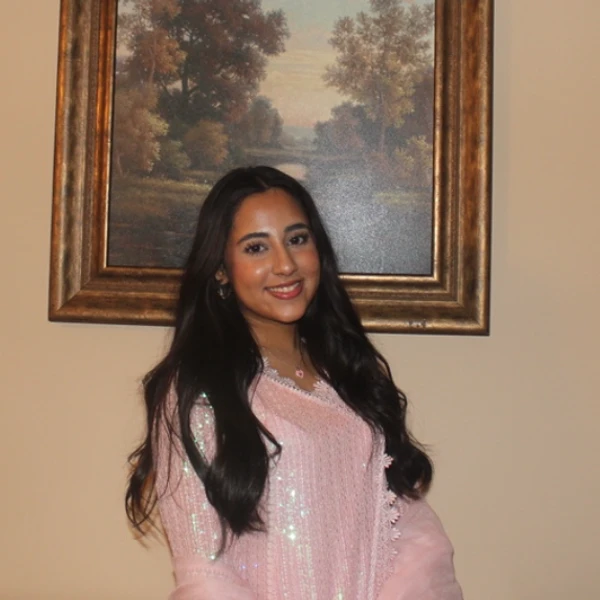
My name is Naaima Mahmood, and I plan to pursue a career in criminal defense law to serve as a voice for those silenced by a broken system. I come from a marginalized community myself, and that identity has shaped how I view justice, punishment, and humanity. I have always been drawn to the stories of people who have been failed by the institutions meant to protect them, and I want to be the person who helps shift that narrative.
During my junior year of high school, I began working on a project focused on post-incarceration life. I interviewed formerly incarcerated individuals and wrote about their emotional and societal struggles. I listened to stories of people who had lost decades of their lives and were now navigating a world that seemed determined to keep them from moving forward. These conversations were never easy, but they opened my eyes to how much injustice exists after a prison sentence ends. These individuals are often denied housing, jobs, and even basic respect, making it nearly impossible for them to rebuild their lives. Through my writing, I tried to humanize them. I wanted people to understand that they were more than their records—they were parents, workers, neighbors, and people deserving of another chance.
What drove me to this work was not just empathy, but lived experience. As a Pakistani American girl growing up in America, I have watched how race, culture, and class shape the way people are treated by the justice system. I remember visiting the Marion County Prosecutor's Office and speaking with Ryan Mears, who explained how the majority of marijuana-related prosecutions were targeted at people of color, even though marijuana use itself spanned every demographic. It was a clear and painful example of how biased the system can be. He eventually decided to stop prosecuting low-level marijuana offenses altogether. That moment confirmed what I had already started to feel deeply: the system is not always built to protect everyone equally.
I want to become a criminal defense lawyer not just to defend clients in court, but to advocate for a shift in how we view punishment and rehabilitation. So often, people are dehumanized before their trial even begins. Their past, their appearance, or their economic background becomes the basis for judgment. I believe that people can change when they are offered compassion, resources, and real opportunities to grow. I want to help build a justice system that sees the full person behind the accusation—not just a case file or a criminal label.
My goal is to provide accessible legal representation to those who cannot afford it. Many of the people most vulnerable to unfair treatment in court are also the ones with the fewest resources to fight back. By stepping into this role, I hope to create room for justice that is honest, empathetic, and truly fair. I believe in second chances, and I believe in systems that support healing over harm.
Through my writing, my experiences, and my education, I am preparing to make a lifelong impact in this space. I am not just studying law—I am preparing to speak for the people no one listens to, because I know what it feels like when your voice is not heard.