Hobbies and interests
Student Council or Student Government
African American Studies
Acting And Theater
Reading
Animals
Reading
Adult Fiction
Cultural
Romance
I read books multiple times per week
Myrical Roberts
1x
FinalistMyrical Roberts
1x
FinalistBio
Hello!
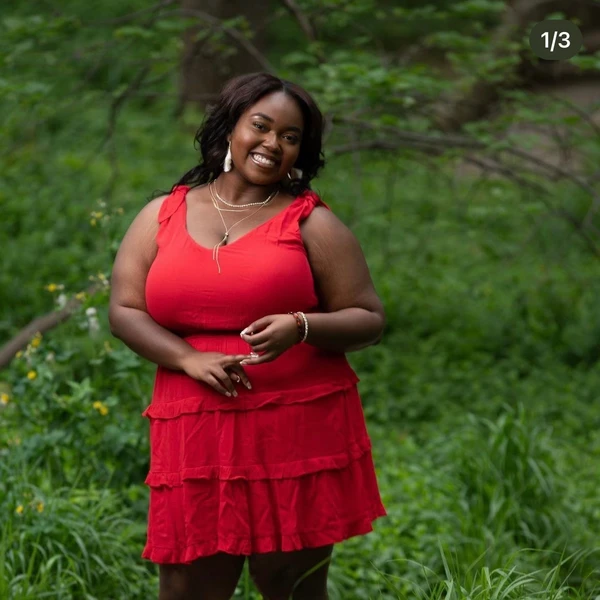
My name is Myrical Roberts, and I am a 21-year-old African American student currently attending East Texas A&M University. I am a Psychology major and plan to graduate in Spring 2027.
My passion for psychology comes from my desire to better understand people and make a meaningful impact in the lives of others. I’m especially interested in mental wellness and personal growth, and I strive to apply what I learn not only in the classroom but in my everyday life.
Outside of academics, I enjoy reading and writing to express myself and reflect. I also prioritize wellness, as it helps me stay balanced, focused, and motivated while navigating college and life.
As a student, I am committed to continuing my growth both academically and personally. Receiving this scholarship would ease financial stress and allow me to stay fully focused on my education and future goals.
Thank you so much for your time and consideration.
Education
Texas A & M University-Commerce
Bachelor's degree programMajors:
- Psychology, General
Minors:
- Clinical, Counseling and Applied Psychology
Stephen F Austin State University
Bachelor's degree programMajors:
- Journalism
Minors:
- English Language and Literature, General
Ray Braswell H S
High SchoolMiscellaneous
Desired degree level:
Doctoral degree program (PhD, MD, JD, etc.)
Graduate schools of interest:
- Howard University
- Texas A&M University-Commerce
Transfer schools of interest:
Majors of interest:
- Clinical, Counseling and Applied Psychology
- Mental and Social Health Services and Allied Professions
Career
Dream career field:
- Health, Wellness, and Fitness
- Social Work
- Human Resources
Dream career goals:
Thearpist
Receptionist
Sunny Springs Nursing and Rehabilitation2026 – Present8 monthsDay Care Teacher
Preschool Express2024 – Present2 yearsReceptionist
Pigtails and Crew Cuts2023 – 2023Cashier
Carters Osh Kosh2021 – Present5 yearsCashier
Cicis INC.2021 – 2021
Sports
Dancing
Junior Varsity2017 – Present9 years
Cheerleading
Club2009 – 20134 years
Awards
- Most Prep Most Sharp
Research
Human Development, Family Studies, and Related Services
East Texas A&M University — Researcher2025 – 2025
Arts
Braswell Theatre ITS Troupe #8413
TheatreClue2021 – 2021Braswell High School ITS Troupe #8413
ActingAbigal: A twice told Tale, Anatomies , Legally Blonde2019 – Present
Public services
Volunteering
Kappa Zeta Youth Auxiliaries — I served as president for 3 years2008 – Present
Future Interests
Advocacy
Politics
Volunteering
Julia Elizabeth Legacy Scholarship
The people who create solutions for the world should reflect the people living in it. Diverse representation in STEM careers is important because these fields impact everyone, not just a specific group of people. Science, technology, engineering, and healthcare shape the way we live, so it only makes sense that the people working in these areas reflect different backgrounds, experiences, and perspectives. When diversity is missing, it can limit how problems are understood and solved.
One of the biggest reasons diversity matters is that people think differently based on their life experiences. The way someone grows up, their culture, and what they have been exposed to all influence how they approach challenges. When everyone in a space has a similar background, it is easier for certain ideas or perspectives to be overlooked. But when people from different backgrounds come together, they bring new ways of thinking that can lead to more creative and effective solutions.
This is especially important in fields like healthcare and psychology, where understanding people is a major part of the job. Patients and clients come from all kinds of backgrounds, and having professionals who can relate to or understand those experiences can make a big difference. It can affect how comfortable someone feels opening up, especially when it comes to mental health. Representation can help build trust, and that trust can lead to better care and better outcomes.
Representation also matters because it shows others what is possible. When young people see someone who looks like them or shares similar experiences working in STEM, it makes those careers feel more realistic and achievable. Without that visibility, it can feel like certain spaces are not meant for you. For many underrepresented groups, this can be a major barrier. Seeing representation helps break that mindset and encourages more people to pursue those paths.
At the same time, the lack of diversity in STEM is not just by chance. There have been barriers like discrimination, lack of access to resources, and limited support that have made it harder for some people to enter these fields. That means there are many talented individuals who may not get the same opportunities, and that affects the field as a whole.
Overall, diverse representation in STEM is important because it leads to better ideas, stronger connections, and more inclusive solutions. It allows different voices to be heard and helps make sure that the work being done actually reflects and benefits the world we live in.
Ella's Gift
Taking my mental health seriously has become a cornerstone of my journey, particularly as I navigate the complexities of anxiety and depression. Growing up, I wasn’t in an environment that prioritized mental health discussions. Conversations about feelings, emotions, and mental well-being were rarely encouraged, leaving me to wrestle with my struggles in silence. The lack of understanding in my household made it difficult to address my feelings openly. However, this lack of awareness became a pivotal part of my motivation to change that narrative for myself and for those around me.
One of the most significant steps I’ve taken is engaging in therapy. Attending therapy has been a transformative experience, providing me with a safe space to explore my thoughts and feelings. It has equipped me with tools to better understand my anxiety and depression. In therapy, I learned that seeking help is a sign of strength and that it’s okay to admit when I’m struggling. This newfound understanding helped me to break the cycle of silence and isolation that I had grown accustomed to.
Despite my commitment to self-care, I found myself facing challenges that tested my resolve. My grandfather struggled with substance abuse throughout his life, a battle that deeply affected our family. Watching him grapple with his addiction was heartbreaking, and it instilled in me a desire to avoid falling into similar patterns. However, I didn’t always stay on the right path. During my teenage years, I became surrounded by the wrong crowd, which led me to engage in behaviors that compromised my well-being. I began abusing alcohol, believing it would help me escape the pressures and emotional turmoil I felt.
The consequences of my choices quickly became apparent. I found myself in increasingly precarious situations, often feeling lost and out of control. It was a wake-up call that forced me to confront the reality of my situation. I realized that I needed to reach out for help, a step that felt both terrifying and necessary. Summoning the courage to talk to my parents was one of the hardest things I’ve ever done. They were unaware of the extent of my struggles, and I feared their disappointment. However, to my relief, they responded with love and support, encouraging me to seek the help I needed.
This pivotal moment marked a turning point in my life. By reaching out for help, I not only began to reclaim my mental health but also learned valuable lessons about responsibility and self-care. I recognized that I could no longer let external circumstances dictate my well-being. With my parents’ support and my commitment to change, I started taking actionable steps towards a healthier lifestyle. I engaged in therapy regularly, surrounded myself with positive influences, and began setting boundaries to protect my mental health.
Additionally, I made it a priority to educate others about the realities of anxiety and depression. Many people still harbor misconceptions about mental health, often viewing it through a lens of stigma or misunderstanding. I feel it’s essential to explain that these conditions aren’t just about feeling sad or anxious; they can significantly impact daily functioning, relationships, and overall quality of life. I share my experiences candidly, emphasizing that mental health struggles can manifest in various ways—through physical symptoms, difficulty concentrating, or overwhelming feelings of hopelessness. This dialogue fosters empathy and helps break down the stigma surrounding mental health issues.
As I reflect on my upbringing and experiences, I recognize the importance of creating a supportive environment for my future family. I want to ensure that mental health is prioritized and that open communication is the norm. I aim to cultivate a household where emotions are acknowledged and validated, where seeking help is viewed as an integral part of self-care. By doing so, I hope to instill in my children the understanding that mental health is as important as physical health, encouraging them to speak openly about their feelings.
Ultimately, my commitment to mental health is about breaking cycles and fostering a culture of openness and support. By attending therapy, seeking help, and educating others, I am not only taking care of myself but also paving the way for future generations to prioritize their mental well-being. My journey has taught me the importance of resilience, self-awareness, and the courage to confront difficult truths. It’s an ongoing process, but I am determined to continue growing, learning, and advocating for a world where mental health is recognized as essential to overall wellness. Through my experiences, I hope to inspire others to understand that it’s okay to seek help and prioritize self-care, ultimately leading to a healthier, more supportive community for all.
John Young 'Pursue Your Passion' Scholarship
Choosing mass communications as my major stems from a deep desire to represent young Black girls in media and to amplify their voices. Growing up, I often found that the portrayals of Black women and girls on television and in film were limited, stereotypical, or outright absent. This lack of representation not only shaped public perception but also influenced how young Black girls viewed themselves and their potential. I want to change that narrative by creating authentic and diverse stories that resonate with our experiences.
My passion for mass communications is fueled by the belief that media has the power to inspire, educate, and uplift. By pursuing this major, I aim to gain the skills necessary to create compelling content that showcases the richness of our stories. I envision a future where young Black girls can see themselves in a variety of roles—heroes, leaders, and everyday individuals—on screen. I want to be a part of that transformation, breaking down barriers and reshaping narratives.
To further support this mission, I’m starting a club for Black female journalists on campus. This initiative aims to provide a safe and nurturing environment where we can share our experiences, collaborate on projects, and develop our skills. The club will serve as an outlet for creativity and expression, allowing us to explore the complexities of our identities and the stories we want to tell. By coming together, we can foster a sense of community, mentorship, and empowerment, ensuring that our voices are not only heard but celebrated.
Through workshops, guest speakers, and collaborative projects, the club will focus on equipping members with the tools needed to excel in journalism and media. We’ll discuss topics such as representation in media, the importance of storytelling, and the challenges we face as Black women in this field. By creating a platform for dialogue and collaboration, we can cultivate future leaders who are committed to inclusivity and representation.
In essence, my journey in mass communications is about more than just personal growth; it’s about creating a ripple effect that encourages others to pursue their passions and advocate for change. I want young Black girls to understand that they have the power to shape their narratives and impact the media landscape. Through education, empowerment, and community support, I hope to inspire the next generation of journalists and creators who will continue the work of increasing representation and challenging stereotypes.
By combining my studies with this club initiative, I am taking proactive steps to ensure that the voices of Black girls are heard and respected in media. Together, we will build a legacy of representation, making strides towards a more inclusive and equitable media environment for all. Ultimately, my goal is to contribute to a world where every young girl, regardless of her background, can see herself reflected in the stories that shape our culture.
Chappell Roan Superfan Scholarship
Chappell Roan’s music has a way of capturing the complexities of identity and belonging, especially in a world where it can feel difficult to be open about who you are. For many, her songs resonate deeply, providing a sense of validation in moments of isolation. The themes she explores often reflect the struggles and triumphs of navigating life as a queer person, and it’s powerful that her music speaks to your experiences, particularly during such a transformative time as your freshman year of college.
Feeling unsupported, especially by a parent, can create a heavy emotional burden. It’s tough when you long for acceptance and understanding, but those closest to you don’t share that perspective. Chappell’s lyrics may help bridge that gap, offering a narrative that aligns with your feelings and experiences. Her ability to articulate the highs and lows of self-discovery might be the comfort you need when you feel like you can’t share your truth with those around you.
The way she captures the essence of college life—full of exploration, new relationships, and the occasional chaos—can feel like a soundtrack to your own journey. Songs like “Casual” and “Hot to Go” perfectly illustrate the excitement and confusion that often accompany new freedoms and experiences, reflecting the thrill of meeting new people and the challenges of staying true to yourself.
In college, it’s common to feel both liberated and vulnerable, especially as you navigate your identity amidst new social landscapes. It can be daunting to find your place in a community where you hope to be accepted but fear judgment. Listening to music that acknowledges these struggles can be a source of solace. It creates a sense of connection, reminding you that others have faced similar challenges.
While it may feel like you don’t have anyone to talk to right now, music can serve as an important outlet. Chappell Roan’s work can act as a conversation starter, helping you process your feelings and experiences. You might even find comfort in discussing her songs with others who appreciate her music, which could lead to deeper connections and shared experiences.
Additionally, consider exploring LGBTQ+ groups on campus or online forums where you can connect with others who share similar experiences. These spaces can provide support, understanding, and a sense of community as you navigate your journey. You deserve to feel seen and supported, and seeking out spaces where you can express your identity might help bridge the gap that you feel with your mom and others.
Ultimately, Chappell Roan’s music reflects the complex tapestry of queer experiences, capturing the essence of feeling both seen and unseen. As you continue to explore your identity, let her songs be a reminder that you’re not alone in this journey. Your feelings are valid, and finding your voice—whether through music, conversation, or community—can help you embrace who you are with pride.
Novitas Diverse Voices Scholarship
I love to write! Ever since I was a little girl, all I could remember was writing poetry about the world around me and reading. I would watch the news with my grandmother and realized that the people on the screen were just speaking a long essay. I thought I could do the same thing. So here comes the idea, I want to be a news anchor.
Starting in middle school, I joined honor’s english and got involved in the school yearbook. Ever since then I have been in journalism classes and now in my senior year, I am editor-in-chief of our school newspaper!
There’s just one problem, I’ve only had one advisor who looked like me. Her name was Mrs.Anderson and she was my 10th grade newspaper advisor. We bumped heads a lot but she pushed me to the best writer I could be for the newspaper. Normally, I would stay in my comfort zone of editorials and not news. I remember, she took my editorial paper out of the newspaper and made me write a hard news story. I was heartbroken.
Even after all of that, she is the reason I hold the position of editor-in-chief to this day. My new yearbook advisor saw my hard work and all of the stories that I have put out working with Mrs.Anderson and saw my leadership qualities.
She made me believe in myself and my capabilities when I saw no other teacher that looked like me. Other than math, she was the only black female teacher that I ever had as a grade school student. I think it’s extremely important for students to see black women in a teaching role besides core subjects to see that not everyone's the same.
On to my editor-in-chief position, even though I have the position..it wasn’t an easy fight. Although I love Mr.Carr, he still has some prejudice against minorities. Starting off with number 1, I am a woman and the person I was running against at the time was a man. To showcase our abilities, Mr.Carr made us write a lengthy hard news article. Diego, the person I was running against, had the upper hand because he was in the yearbook with Mr.Carr all year…while I was only back in the newspaper for half a semester when I applied.
Also, when I wanted my articles to be added in the newspaper, they would be picked last for my male counterparts. It hurt a little bit but I didn’t give up.
As I am nearing my senior year, I am realizing how important it is for minorities to be in school activities like newspapers or broadcasting. Our school is not just white or black, woman or man, straight or gay…our schools represent our country, which is diverse.
Since being in the newspaper, I have written an opinion piece about the racist undertones of my school’s dress code. Due to this, I have gotten a rule changed about headwraps(african) not being allowed in school. I have also written a story about the black student union march during covid, which got featured on our school’s website.
I take great pride in my work because it shows all the surrounding schools and families what good the black community is doing in our schools. Our schools used to be known as the fight school and I believe I am helping change that narrative. I hope I can inspire others to do the same