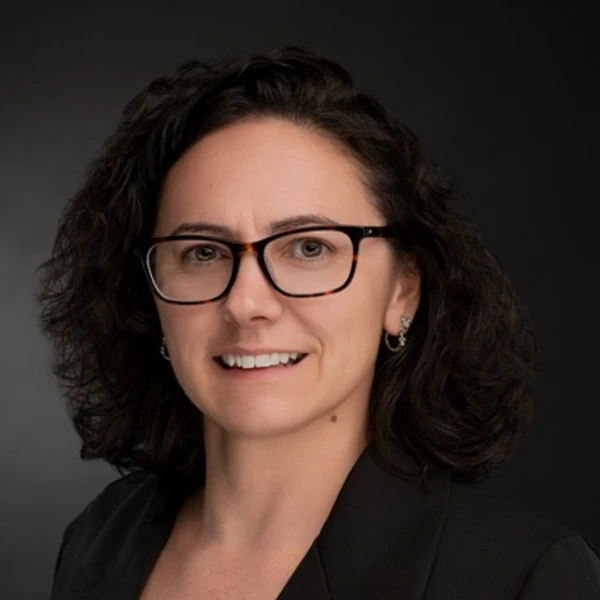
user profile avatar

Myriah Howard

1x

Finalist

Bio

I am a graduate student at Creighton University pursuing a degree in Organizational Leadership with a passion for leadership, service, and helping organizations operate more effectively. As part of a military family using DEA educational benefits, I understand the importance of perseverance, adaptability, and hard work. Professionally, I have experience in administrative coordination, program support, and working in fast-paced environments that require strong communication, organization, and problem-solving skills. My long-term goal is to grow into leadership roles where I can make a positive impact on both employees and the communities organizations serve. I am committed to continuing my education while balancing professional and personal responsibilities, and I hope to use my degree to create meaningful improvements within organizations and public service programs.

Education

Creighton University

Master's degree program
2026 - 2030
  • Majors:
    • Community Organization and Advocacy
  • Minors:
    • Community Organization and Advocacy

Western Washington University

Bachelor's degree program
2014 - 2015
  • Majors:
    • Social Work
  • Not planning to go to medical school
  • Career

    • Dream career field:

      Non-Profit Organization Management

    • Dream career goals:

    • Program Specialist

      Houston Galveston Area Council
      2025 – Present1 year

    Public services

    • Volunteering

      Anchor Church — Toddler teacher
      2021 – Present
    • Volunteering

      Anchor House — Host
      2025 – Present
    • Volunteering

      Spring Creek Ruck Club — Leader
      2020 – Present
    Bick First Generation Scholarship
    Being a first-generation college student means breaking a cycle and creating opportunities that did not exist for my family before. Growing up, higher education was never something I saw modeled around me. My childhood was marked by poverty, instability, and challenges that often made the future feel uncertain. College seemed like something other people did, not something that was within reach for me. Instead of allowing my circumstances to define me, I chose a different path. I joined the United States Navy, where I learned discipline, resilience, and the value of serving others. My military experience helped me build confidence and showed me that I was capable of more than I ever imagined. After leaving the military, I continued working hard to create a better life for myself and my family while pursuing my education. Earning my bachelor’s degree in Human Services from Western Washington University was a milestone I never thought possible when I was younger. Today, I am continuing my educational journey by pursuing a Master’s degree in Organizational Leadership at Creighton University while working full-time and raising three children. Balancing work, school, family responsibilities, and financial obligations is challenging, but I remain committed because I know the impact education can have on future generations. My dream is to become a strong and effective leader who helps others overcome barriers and reach their potential. In my professional role, I work to support and serve my community, and I hope to use the knowledge and skills gained through my graduate program to make an even greater impact. I want my children to see that perseverance, education, and hard work can open doors regardless of where you start. What drives me is the desire to create a better future for my family while helping others do the same. As a first-generation student, I understand the challenges of navigating higher education without a roadmap. Every class I complete and every obstacle I overcome is proof that those barriers can be broken. This scholarship would help reduce the financial burden of graduate school and allow me to focus more fully on my education and leadership development. More importantly, it would be an investment in someone who is committed to using her education to serve others, lead with purpose, and continue building a legacy of opportunity for future generations.
    Michael Rudometkin Memorial Scholarship
    When people think about selflessness, they often picture a single heroic act. I think selflessness is something different. It is choosing to invest your time, energy, and effort into helping others without expecting anything in return. For me, one of the best examples of this is my involvement in leading the Spring Creek Ruck Club. As a Navy veteran, I know firsthand the importance of belonging to a community. Military service creates bonds that are difficult to describe to those who have never experienced it. When many veterans leave the military, they often lose that sense of connection and purpose. Some struggle with isolation, while others simply miss being part of a team. Recognizing that need, I became involved in helping lead a local ruck club that brings veterans and community members together. What started as a fitness activity has become something much more meaningful. Every weekend, people come together to walk miles carrying weighted packs, but the real purpose is the relationships that are built along the way. I’ve seen people show up for their first ruck feeling nervous and unsure if they belong. I’ve watched complete strangers become friends. I’ve seen veterans find a support system and people who genuinely care about their well-being. Many participants come for the exercise but return because of the sense of community. Leading the club requires time and commitment. Routes must be planned, events organized, questions answered, and new participants welcomed. There are early mornings, late-night preparations, and countless hours that go unseen. Yet I continue because I believe creating opportunities for people to connect is one of the most valuable ways we can serve others. My commitment to helping people extends beyond the ruck club. Through my work serving older adults, hosting a weekly Bible study, and pursuing a Master’s degree in Organizational Leadership, I strive to create environments where people feel supported, valued, and connected. While each role looks different, they all share the same purpose: helping people know they do not have to face life’s challenges alone. Selflessness is not always about giving money or performing dramatic acts of service. Sometimes it is simply about showing up consistently for others. It is choosing to invest in relationships, build community, and create spaces where people can thrive. The lessons I learned in the Navy taught me that strong communities do not happen by accident. They are built by people willing to serve others and put the needs of the group ahead of themselves. Leading the Spring Creek Ruck Club has allowed me to continue living those values long after my military service ended. For me, selflessness means using my time, skills, and experiences to help others find connection, support, and purpose. Whether I am leading a ruck, serving older adults, supporting my church community, or pursuing further education to become a better leader, my goal is the same: to leave people and communities stronger than I found them.
    Sweet Dreams Scholarship
    The story that changed me wasn’t from a famous leader, celebrity, or historical figure. It came from the older adults I’ve had the privilege of serving throughout my career in human services. One conversation in particular has stayed with me. An older adult told me that the hardest part of getting older wasn’t declining health or physical limitations—it was feeling invisible. That simple statement changed how I view community, connection, and leadership. Today, I work as a Program Coordinator with the Houston-Galveston Area Council, where I support programs that serve older adults. Through this work, I have seen a problem that many people walk past every day: social isolation among seniors. Loneliness isn’t always obvious. Someone may have a roof over their head, food in their pantry, and access to medical care, yet still go days or even weeks without meaningful human interaction. Many older adults lose spouses, friends, mobility, or the ability to drive. Over time, their world becomes smaller and smaller. What many people don’t realize is that loneliness can have a significant impact on both physical and mental health. It can contribute to depression, anxiety, cognitive decline, and even worsen existing health conditions. Yet because it isn’t as visible as other community issues, it often goes unnoticed. As a Navy veteran, I’ve learned the importance of belonging and connection. The military teaches you that people thrive when they are part of something bigger than themselves. I believe our communities should offer that same sense of belonging to older adults. If I had the resources to address this issue, I would create an intergenerational mentorship and connection program that pairs students with older adults. Too often, young people and seniors live in completely separate worlds, even though both groups have so much to offer one another. Students could visit seniors weekly, help them learn technology, assist with video calls to family members, or simply spend time talking and listening. In return, older adults could share life experiences, career advice, wisdom, and stories that cannot be found in textbooks or online. These relationships would provide companionship for seniors while helping young people develop empathy, communication skills, and a deeper understanding of their community. I would also expand transportation options, community gathering spaces, volunteer visitor programs, and technology training opportunities so older adults could remain connected and engaged. My goal would be to build programs that not only address loneliness but also create lasting relationships between generations. This vision is one of the reasons I am pursuing a Master’s degree in Organizational Leadership. I want to develop the leadership skills necessary to create programs, build partnerships, and advocate for solutions that strengthen communities. I believe leadership is ultimately about bringing people together and helping them feel seen, valued, and supported. The older adult who shared their story with me may never know how much their words impacted my life. But they opened my eyes to a problem that many people walk past every day. If given the opportunity and resources, I would dedicate my efforts to ensuring that fewer seniors feel invisible and that more people experience the power of genuine human connection.
    Joe Gilroy "Plan Your Work, Work Your Plan" Scholarship
    Joe Gilroy’s motto, “Plan Your Work, Work Your Plan,” resonates deeply with me because it reflects how I have approached every major goal in my life. As a Navy veteran, working professional, wife, mother of three, and graduate student, I have learned that success rarely happens by accident. It requires a clear vision, a realistic plan, and the discipline to follow through. My primary goal is to earn my Master of Science in Organizational Leadership from Creighton University while continuing my work as a Program Coordinator with the Houston-Galveston Area Council (H-GAC). Through this degree, I hope to strengthen my leadership skills and advance into a management role where I can have a greater impact on programs that serve older adults and vulnerable populations throughout Texas. I have developed a detailed plan to achieve this goal. My degree program is designed to be completed while working full-time, allowing me to immediately apply what I learn in the classroom to my professional responsibilities. I currently work with programs that support aging populations, and each course helps me build skills in communication, strategic planning, organizational culture, and leadership development. Financial planning is a critical part of my success strategy. The total cost of my graduate program is approximately $25,000. To fund my education, I am using a combination of Department of Veterans Affairs educational benefits, personal savings, employer income, and scholarship opportunities such as this one. I also work seasonally as a tax preparer to generate additional income that can be directed toward tuition expenses. My budget includes tuition, textbooks, technology costs, and school-related fees while ensuring I continue meeting the financial needs of my family. My timeline is straightforward. I am currently enrolled and actively progressing through my coursework. Over the next two years, I will complete the remaining requirements for my master’s degree while maintaining strong academic performance and professional growth. Following graduation, I plan to pursue leadership positions that allow me to oversee programs, mentor employees, and improve services for the communities we serve. I have also considered potential obstacles and developed plans to address them. Balancing graduate school, full-time employment, and family responsibilities requires careful time management. To stay organized, I maintain detailed calendars, assignment schedules, and weekly goals. Much like Joe Gilroy’s daily index card, I rely on written plans and task lists to ensure steady progress toward my objectives. Beyond professional advancement, my long-term goal is to become a leader who helps others achieve their own goals. Whether mentoring colleagues, supporting older adults through community programs, leading veterans in local activities, or serving my church community, I believe leadership is most meaningful when it creates opportunities for others. My journey has taught me that ambition alone is not enough. Success comes from combining ambition with a practical plan and consistent effort. By earning my master’s degree, continuing my public service career, and investing in leadership development, I am building a future that allows me to make a lasting impact on my family, my profession, and my community. Joe Gilroy’s philosophy perfectly captures the approach that has brought me this far and will continue guiding me toward my goals: plan your work, and then work your plan.
    Future Nonprofit Leaders Award
    I want to pursue a career in the nonprofit sector because I believe some of the most meaningful work happens when people come together to serve and strengthen their communities. Throughout my life, I have seen how important support systems, leadership, and connection can be for individuals and families facing challenges. Those experiences shaped my desire to pursue work that focuses not only on organizational success, but also on improving the lives of the people being served. My background in military service, education, and community involvement has strongly influenced the type of impact I hope to make. I served in the United States Navy from 2003 to 2007 aboard the USS John C. Stennis as an Aviation Boatswain’s Mate (ABE3) working on the flight deck. My time in the military taught me discipline, teamwork, accountability, and the importance of serving something larger than yourself. Those lessons continue to influence the way I approach leadership, relationships, and community involvement today. I earned my bachelor’s degree in Human Services from Western Washington University, which strengthened my passion for helping individuals and communities through service-oriented work. Since 2016, I have worked in the nonprofit sector, where I have gained firsthand experience supporting programs, serving communities, and helping organizations operate effectively behind the scenes. Working in nonprofit environments has shown me how much impact compassionate leadership and strong organizational support can have on the people being served. It has also reinforced my desire to continue growing into leadership positions where I can help organizations create meaningful and lasting change. Building on that foundation, I am currently pursuing a graduate degree in Organizational Leadership while working full time and raising a family. Continuing my education has strengthened my leadership, communication, and problem-solving skills while helping me better understand how organizations can effectively support the people they serve. My long-term goal is to continue working in nonprofit leadership roles where I can help strengthen programs, support employees, and improve services for the communities organizations serve. One area I care deeply about is supporting veterans and building stronger community connections. I currently lead a weekend rucking club for veterans in my local community. What started as a simple fitness activity has become a place where veterans can connect, encourage one another, and maintain the camaraderie many people miss after leaving military service. I have seen firsthand how important connection, consistency, and support can be in helping people feel valued and less isolated. Experiences like this have reinforced my desire to continue serving others through nonprofit and community-based work. My faith and church community have also played an important role in shaping my commitment to service. Every Wednesday, I host a Bible study potluck that brings people together for fellowship, encouragement, and support. I have learned that creating spaces where people feel welcomed and connected can have a meaningful impact, even in simple ways. Sometimes helping a community starts with creating opportunities for people to feel seen, heard, and supported. What draws me most to nonprofit work is the opportunity to help create lasting positive change. I want to continue building a career focused on leadership, service, and strengthening communities through meaningful work. This scholarship would help support my educational journey while allowing me to continue building the skills and knowledge needed to make a lasting impact through nonprofit and community-centered leadership.
    Tawkify Meaningful Connections Scholarship
    One of the most meaningful relationships in my life has been my relationship with my husband. Over the years, we have gone through military life, deployments, career changes, raising children, financial struggles, and the everyday challenges that come with balancing work, family, and life responsibilities. Like any long-term relationship, there have been seasons that were difficult, but those experiences shaped who I am today and changed the way I connect with other people. Both of us have military backgrounds, so there has always been an understanding between us about sacrifice, resilience, and adapting to change. In recent years, supporting him through his transition into retirement after military service has reminded me how important patience, communication, and emotional support are during major life changes. At the same time, we have also been balancing parenting responsibilities, including raising a special needs child, while I pursue graduate school and work full time. Life can feel overwhelming at times, but going through challenges together has taught me that strong relationships are built through consistency, trust, and showing up for each other even when things are hard. Growing up, I did not always have healthy examples of relationships or stability. Because of that, building a healthy marriage and family became very important to me. I learned that relationships are not strengthened through perfection, but through honesty, forgiveness, perseverance, and mutual support. Over time, my marriage has taught me how important it is to truly listen to people, communicate openly, and give grace during difficult seasons of life. Those lessons have influenced not only my family life, but also the way I interact with friends, coworkers, veterans, and people in my community. One thing I have realized is that people are often carrying struggles you cannot immediately see. Because of my own experiences, I try to approach others with empathy rather than judgment. That mindset has shaped the way I build relationships and communities around me. I currently lead a weekend rucking club for veterans, and one of the things I value most about it is the connection it creates. What started as a simple fitness activity has become a place where veterans can talk, laugh, encourage each other, and rebuild the sense of camaraderie many people miss after leaving the military. My relationship with my husband has also strengthened my faith and understanding of service. Every Wednesday, I host a Bible study potluck in our home, and it has become another reminder of how important human connection really is. In a world where many people feel isolated or disconnected, simply creating a space where people feel welcomed, supported, and cared for can make a meaningful impact. Some of the strongest relationships are built in ordinary moments around a dinner table, during difficult conversations, or through consistently showing up for others over time. As I continue pursuing my graduate degree in Organizational Leadership, relationships remain at the center of the kind of leader I hope to become. I believe leadership is ultimately about people. It is about creating environments where individuals feel valued, respected, and supported. My experiences in marriage, parenting, military life, faith, and community involvement have all shaped the way I connect with others and reinforced my belief that strong relationships can change lives. The relationship I have with my husband has taught me resilience, compassion, patience, and the importance of building strong communities. More than anything, it has shown me that meaningful relationships are not built during perfect moments, but through overcoming challenges together and continuing to choose connection, support, and love through every stage of life.
    Christian Fitness Association General Scholarship
    When I look back at my life, one thing that stands out is that very little of my journey has followed a straight path. I grew up in poverty surrounded by addiction, instability, and abuse, and for a long time higher education did not feel realistic or accessible to me. No one in my family had gone to college before, and most of my focus growing up was simply learning how to survive difficult situations. Those early experiences shaped my resilience and work ethic, but they also gave me a deep appreciation for community, discipline, and perseverance. Looking back now, I realize those difficult seasons also taught me empathy for people who are struggling and a desire to create a better future not only for myself, but for my family and community as well. At 22 years old, I joined the United States Navy and served from 2003 to 2007 aboard the USS John C. Stennis as an Aviation Boatswain’s Mate (ABE3) working on the flight deck. Serving on the flight deck taught me discipline, teamwork, accountability, and how important it is to stay calm under pressure. Every day required focus, communication, and trust in the people around you because even small mistakes could have serious consequences. It was one of the most physically and mentally demanding environments I have ever experienced, but it also gave me confidence and a stronger sense of purpose. The military taught me that leadership is not about titles or recognition. It is about consistency, service, and being willing to support the people around you even during difficult circumstances. After leaving the military, life quickly became centered around work, family responsibilities, and building stability. Returning to school later in life was intimidating at first because I was balancing so many different responsibilities at once. I am currently pursuing a graduate degree in Organizational Leadership while working full time, raising a special needs child, and supporting my husband through his transition into retirement after military service. There are days when balancing everything feels exhausting, and there have been moments where I questioned whether I could realistically manage all of it successfully. However, continuing my education is deeply important to me because it represents growth, opportunity, and creating a better future for my family. I want my children to grow up seeing that perseverance and education can change the direction of a person’s life. As a first-generation college student, graduate school is something I once believed was out of reach for someone like me. Returning to school as an adult required me to overcome self-doubt and fear of failure. I had spent years focused on taking care of responsibilities and supporting others, so stepping back into academics while managing work and family life was challenging. Over time, though, I realized that my life experiences actually strengthened my ability to succeed. The discipline I learned in the military, combined with the resilience developed through personal hardship, has helped me stay committed to my goals even when life becomes overwhelming. One of the things I am most proud of outside of academics is leading a weekend rucking club for veterans in my community. What started as a simple way to stay active and reconnect with other veterans has turned into something much more meaningful. The group provides camaraderie, accountability, encouragement, and connection for veterans who may miss the sense of community they had during military service. Physical fitness has become an important part of my own personal growth and overall well-being, and I have seen firsthand how movement, routine, and community can positively impact people’s lives. Some veterans come to ruck because they miss the structure and camaraderie of the military. Others simply need a place where they feel understood without having to explain themselves. Sometimes the most meaningful support comes from simply showing up consistently for other people. My faith has also played an important role in helping me continue moving forward during difficult seasons of life. Through church involvement and community support, I have learned the importance of compassion, service, humility, and encouraging others who may be struggling. Every Wednesday, I host a weekly Bible study potluck that brings together people from different backgrounds to share a meal, spend time in fellowship, and support one another through life’s challenges. What I love most about hosting it is seeing people build genuine connections and community in a world where many people feel isolated or overwhelmed. I believe leadership starts with serving people well and treating others with dignity and respect. Whether it is at work, within my family, through the veteran community, or in everyday interactions, I want to lead in a way that positively impacts the people around me. Academically, pursuing Organizational Leadership has strengthened my communication, leadership, and problem-solving skills while helping me better understand how strong leaders can create supportive and effective environments for others. I have worked with many different types of people throughout my life, and I have seen how leadership can either positively or negatively affect a workplace and the people in it. My long-term goal is to continue growing into leadership roles where I can help create healthier workplace cultures built on communication, accountability, and support. I want to be the kind of leader who encourages others, helps people feel valued, and creates environments where individuals can succeed both personally and professionally. I believe I should be considered for this scholarship not because my journey has been easy, but because I have continued moving forward despite challenges. I understand the value of hard work, service, resilience, faith, and community support. This scholarship would help relieve some of the financial pressure that comes with balancing graduate school, work, and family responsibilities while allowing me to continue pursuing my education and leadership goals. More importantly, it would support my desire to continue serving others, encouraging my community, and building a future rooted in leadership, compassion, and perseverance.
    Debra S. Jackson New Horizons Scholarship
    I’ve never had a traditional path to higher education. I grew up in poverty surrounded by addiction, abuse, and instability, and for a long time college felt completely out of reach. No one in my family had gone to college before, so I did not grow up with examples of what higher education could look like or how to navigate it. What I did learn early was how to adapt, work hard, and keep moving forward even when life felt uncertain. Those experiences shaped the determination I carry with me today. At 22 years old, I joined the United States Navy and served from 2003 to 2007 aboard the USS John C. Stennis as an ABE3 on the flight deck. The military gave me structure, discipline, and confidence during a period of my life when I needed it most. Working on the flight deck taught me how important teamwork, communication, and accountability are in high-pressure situations. It also showed me that leadership is not about rank or authority alone, but about consistency, trust, and being willing to support the people around you. After leaving the military, life became focused on work, family, and responsibilities. Returning to school later in life was honestly intimidating at first. I am now balancing graduate school, a full-time job, raising a special needs child, and supporting my husband through his transition into retirement after military service. There are days when it feels like there are not enough hours in the day, but pursuing my degree has become important to me because it represents growth and opportunity not just for myself, but for my family as well. I am currently pursuing a graduate degree in Organizational Leadership because I want to continue developing into a leader who creates supportive and effective environments for others. I have worked with many different types of people throughout my life, and I have seen firsthand how leadership can either positively or negatively affect a workplace and the people in it. I want to be the kind of leader who encourages people, communicates well, and helps build strong teams where others feel respected and valued. Outside of work and school, I try to stay connected to my community in meaningful ways. I lead a weekend rucking club for veterans that helps bring people together through fitness, accountability, and camaraderie. What started as a simple shared activity has turned into a community where veterans can reconnect and support one another after military service. I also stay involved through my church community whenever I can. This scholarship would help relieve some of the financial pressure that comes with balancing graduate school and family responsibilities. More importantly, it would help me continue building a future that looks very different from the one I grew up in. My goal is not only to succeed professionally, but also to create stability, lead with integrity, and positively impact the people and communities around me.
    Bryent Smothermon PTSD Awareness Scholarship
    Living with PTSD has changed the way I see myself, other people, and the world around me. For a long time, I didn’t even know I had PTSD, and I didn’t fully understand how much trauma from both childhood and military experiences was affecting my daily life. I served in the Navy from 2003 to 2007 aboard the USS John C. Stennis as an ABE3 working on the flight deck. While I am proud of my service, I also experienced military sexual trauma during my time in the military, which added to the trauma I was already carrying from childhood abuse and instability. For years, I tried to push through everything by staying busy and pretending I was fine. On the outside I looked functional, but internally I struggled with anxiety, depression, hypervigilance, and emotional exhaustion. PTSD affected my sleep, my relationships, and the way I reacted to stress. I often felt like I always had to stay on guard, even in situations where I was safe. Before I was diagnosed, I spent years trying to numb everything with alcohol because I did not know how to cope with what I was feeling or understand why I constantly felt overwhelmed. Looking back, I realize I was trying to silence pain I had never truly processed. One of the hardest things I learned is that trauma does not simply disappear because time passes. It stays with you until you are willing to face it and begin healing from it. Over time, I started learning healthier ways to manage my PTSD and anxiety. One thing that has helped me tremendously is tapping meditation, also known as EFT tapping. At first I was skeptical, but it became a tool that helped calm my nervous system during moments of anxiety, panic, or emotional overwhelm. Tapping has helped me slow down, ground myself, and process emotions in a healthier way instead of constantly suppressing them. It is not a cure, but it has become an important part of my healing process and has helped me better manage stress while balancing work, family responsibilities, graduate school, and everyday life. Living with PTSD has also taught me how important connection and community are. Isolation can make trauma worse, especially for veterans who feel misunderstood or disconnected after leaving the military. That is one reason I lead a weekend rucking club for veterans in my community. What started as a simple way to stay active has become a place where veterans can reconnect, talk openly, and support each other without judgment. Sometimes helping another veteran is as simple as showing up consistently and creating a space where people know they are not alone. My experiences with PTSD have taught me that healing is not about becoming the person you were before trauma. It is about learning how to move forward while giving yourself grace and continuing to grow. I still have difficult days, but I have also learned that strength is not pretending you are okay all the time. Real strength is asking for help, finding healthy coping tools, and continuing to move forward anyway. I hope that by being open about my experiences, I can help reduce stigma around PTSD and encourage other veterans to seek support and know they are not alone.
    Miley Cyrus Fan No-Essay Scholarship
    Post Malone Fan No-Essay Scholarship
    Shape the News No-Essay Survey Scholarship
    Bulkthreads.com's "Let's Aim Higher" Scholarship
    One of the most important things I want to build is a future centered around stability, leadership, and community support for others who have faced difficult circumstances similar to my own. Growing up surrounded by poverty, addiction, abuse, and instability showed me how deeply a lack of support and opportunity can affect individuals and families. Those experiences motivated me to create a different future for myself and my family while also helping others feel supported and encouraged. After joining the United States Navy in 2003, I learned the value of teamwork, discipline, and service while working aboard the USS John C. Stennis. My military experience helped me develop resilience, confidence, and leadership skills that continue to guide me today. Since leaving the military, I have focused on continuing my education, supporting my family, and giving back to my community. I am currently pursuing a graduate degree in Organizational Management while working full time and raising a special needs child. Through my education, I hope to build a career where I can create supportive and effective workplace environments. I believe leadership is about more than productivity; it is about helping people feel respected, valued, and motivated to succeed. My personal experiences with trauma, mental health challenges, and adversity have taught me the importance of empathy and understanding, and I hope to bring those qualities into future leadership roles. I also hope to continue building stronger community connections through veteran support and outreach. I currently lead a weekend rucking club for veterans that provides camaraderie, fitness, and encouragement. What started as a simple activity has become a meaningful way for veterans to reconnect and support one another. I have seen how important community and connection can be, especially for veterans who may struggle with isolation after military service. As a first-generation college student, earning a graduate degree represents breaking cycles and creating opportunities that once felt out of reach. I want my children and others in my community to see that difficult beginnings do not determine a person’s future. Ultimately, I hope to build a future focused on leadership, service, and compassion while creating a positive impact on both my family and my community.
    Elijah's Helping Hand Scholarship Award
    My experiences with mental health have shaped nearly every part of my life, including my goals, relationships, and understanding of the world around me. I live with PTSD related to both childhood trauma and military sexual assault, and I have also struggled with anxiety and depression for many years. While these experiences have been painful and challenging, they have also taught me resilience, empathy, and the importance of perseverance. Over time, I have learned that mental health struggles do not define a person’s worth or potential, and that healing is not a straight path but an ongoing journey. Growing up surrounded by poverty, addiction, instability, and abuse deeply affected the way I viewed safety, trust, and relationships. As a child, I learned to stay alert and emotionally guarded because survival often depended on it. Later, during my military service, experiencing military sexual assault added another layer of trauma that affected my confidence, sense of security, and ability to trust others. For a long time, I carried those experiences silently while trying to appear strong on the outside. Like many survivors, I struggled with feelings of shame, anxiety, hypervigilance, and emotional exhaustion while still trying to function normally in everyday life. Living with PTSD, anxiety, and depression has impacted my relationships by teaching me how important communication, patience, and understanding truly are. Mental health challenges can create isolation, especially when someone feels misunderstood or afraid to talk about what they are experiencing. Over time, I learned the importance of seeking support, setting boundaries, and allowing myself to be vulnerable with trusted people. These experiences have also made me more compassionate toward others who may be silently struggling with their own mental health challenges. I try to approach people with empathy because I know firsthand that many people carry invisible battles that others may never see. My mental health experiences have also shaped my educational and career goals. Returning to school while balancing full-time work, family responsibilities, and mental health challenges has not been easy, but it has shown me how resilient I truly am. I am currently pursuing a graduate degree in Organizational Management because I want to become a leader who helps create healthier, more supportive environments for others. I understand how important workplace culture, communication, and support systems are for overall well-being. My experiences have motivated me to lead with compassion, empathy, and understanding rather than judgment. In addition to my education and career goals, I also try to give back to my community and support others whenever possible. I stay involved in my church community and lead a weekend rucking club for veterans that provides camaraderie, support, and connection. I have seen how isolation can negatively affect mental health, especially for veterans and trauma survivors, and I believe community and shared support can make a meaningful difference. Although trauma, PTSD, anxiety, and depression have shaped my life in difficult ways, they have also given me a deeper understanding of resilience, human connection, and the importance of compassion. My experiences have taught me that healing takes courage and that people can continue moving forward even after experiencing painful circumstances. I no longer see my mental health struggles as signs of weakness. Instead, they have become part of the reason I continue pursuing growth, education, and opportunities to positively impact the lives of others.
    Ethel Hayes Destigmatization of Mental Health Scholarship
    My experiences with mental health have shaped nearly every part of my life, including my goals, relationships, and understanding of the world around me. I live with PTSD related to both childhood trauma and military sexual assault, and I have also struggled with anxiety and depression for many years. While these experiences have been painful and challenging, they have also taught me resilience, empathy, and the importance of perseverance. Over time, I have learned that mental health struggles do not define a person’s worth or potential, and that healing is not a straight path but an ongoing journey. Growing up surrounded by poverty, addiction, instability, and abuse deeply affected the way I viewed safety, trust, and relationships. As a child, I learned to stay alert and emotionally guarded because survival often depended on it. Later, during my military service, experiencing military sexual assault added another layer of trauma that affected my confidence, sense of security, and ability to trust others. For a long time, I carried those experiences silently while trying to appear strong on the outside. Like many survivors, I struggled with feelings of shame, anxiety, hypervigilance, and emotional exhaustion while still trying to function normally in everyday life. Living with PTSD, anxiety, and depression has impacted my relationships by teaching me how important communication, patience, and understanding truly are. Mental health challenges can create isolation, especially when someone feels misunderstood or afraid to talk about what they are experiencing. Over time, I learned the importance of seeking support, setting boundaries, and allowing myself to be vulnerable with trusted people. These experiences have also made me more compassionate toward others who may be silently struggling with their own mental health challenges. I try to approach people with empathy because I know firsthand that many people carry invisible battles that others may never see. My mental health experiences have also shaped my educational and career goals. Returning to school while balancing full-time work, family responsibilities, and mental health challenges has not been easy, but it has shown me how resilient I truly am. I am currently pursuing a graduate degree in Organizational Management because I want to become a leader who helps create healthier, more supportive environments for others. I understand how important workplace culture, communication, and support systems are for overall well-being. My experiences have motivated me to lead with compassion, empathy, and understanding rather than judgment. In addition to my education and career goals, I also try to give back to my community and support others whenever possible. I stay involved in my church community and lead a weekend rucking club for veterans that provides camaraderie, support, and connection. I have seen how isolation can negatively affect mental health, especially for veterans and trauma survivors, and I believe community and shared support can make a meaningful difference. Although trauma, PTSD, anxiety, and depression have shaped my life in difficult ways, they have also given me a deeper understanding of resilience, human connection, and the importance of compassion. My experiences have taught me that healing takes courage and that people can continue moving forward even after experiencing painful circumstances. I no longer see my mental health struggles as signs of weakness. Instead, they have become part of the reason I continue pursuing growth, education, and opportunities to positively impact the lives of others.
    John Acuña Memorial Scholarship
    I served in the United States Navy from 2003 to 2007 as an Aviation Boatswain’s Mate Equipment (ABE3) aboard the USS John C. Stennis. Working on the flight deck of an aircraft carrier taught me discipline, teamwork, accountability, and the importance of staying calm under pressure. The flight deck is one of the most demanding and dangerous working environments in the military, where every task requires precision, communication, and trust in the people around you. My time in the Navy helped shape who I am today and taught me lessons about leadership, resilience, and service that continue to influence both my personal life and professional goals. Before joining the military, I grew up in extreme poverty surrounded by instability, addiction, and abuse. At a young age, I learned how difficult life circumstances can affect families and entire communities. Joining the Navy gave me structure, stability, and opportunities that I may not have otherwise had. Military service helped me build confidence in myself while teaching me the value of hard work, perseverance, and personal growth. It also inspired me to continue pursuing education and long-term career goals after my military service ended. Today, I am pursuing a graduate degree in Organizational Management while working full time and supporting my family. Returning to school as an adult has come with challenges, especially while balancing work responsibilities, financial obligations, and caring for a special needs child at home. In addition, my husband is a veteran currently transitioning into retirement after military service, which has created additional changes and responsibilities for our family. Despite these challenges, my military experience taught me how to adapt, remain focused, and continue moving forward even during stressful situations. My current educational goal is to complete my graduate degree and continue growing into leadership roles where I can positively impact organizations and the people they serve. Organizational Management is helping me strengthen my communication, leadership, and problem-solving skills while teaching me how to create stronger and more effective workplaces. My military background shaped these goals because I understand the importance of teamwork, accountability, and leadership that supports others during both successes and challenges. I hope to use my education and life experiences to become a leader who creates supportive environments where people feel valued and encouraged to succeed. Giving back to my community is also very important to me. I stay involved through my church community, support fellow veterans, and lead a weekend rucking club for veterans in my local area. The rucking club has become more than just physical exercise; it provides camaraderie, accountability, and support for veterans who may miss the sense of connection that military life once provided. Bringing veterans together through shared experiences, fitness, and encouragement has shown me how important community support can be for mental and physical well-being. I believe service does not always have to be large or public to make a difference. Sometimes supporting others means encouraging people who are struggling, helping families in need, or simply being present for your community. The Navy taught me that service is not just something you do while wearing a uniform. Service is a lifelong commitment to supporting others, leading with integrity, and continuing to grow so you can positively impact the people and communities around you. I am proud of my military service and grateful for the opportunities it created for me. My education is helping me continue that legacy of service while building a better future for myself, my family, and the people I hope to help throughout my career.
    300 Bold Points No-Essay Scholarship
    200 Bold Points No-Essay Scholarship
    Bold.org No-Essay Top Friend Scholarship
    1000 Bold Points No-Essay Scholarship
    $25,000 "Be Bold" No-Essay Scholarship
    500 Bold Points No-Essay Scholarship
    Edwards Scholarship
    I am a first-generation college student currently pursuing a graduate degree in Organizational Management while balancing full-time work, family responsibilities, and the challenges that come with returning to school as an adult learner. My educational journey has not been traditional, but the obstacles I have faced throughout my life have shaped the person I am today and motivated me to pursue higher education as a way to create a better future for myself, my family, and the people I hope to serve through my career. I grew up in extreme poverty surrounded by instability, drug addiction, and abuse. As a child, I experienced challenges that no young person should have to face, and for many years it was difficult to imagine a future beyond survival. Watching addiction and hardship affect the people around me taught me resilience at an early age, but it also showed me the importance of perseverance, compassion, and personal growth. Instead of allowing my circumstances to define me, I became determined to build a different future for myself and break cycles that often continue from one generation to the next. At the age of 22, I joined the military, which became one of the most important turning points in my life. Military service gave me structure, discipline, confidence, and a sense of purpose. It taught me leadership, accountability, teamwork, and the importance of serving something greater than myself. My time in the military also strengthened my desire to continue growing personally and professionally through education. Although my path has not always been easy, those experiences helped shape my determination to continue learning and striving for more. Today, I am pursuing higher education while working full time, supporting my family, caring for a special needs child at home, and helping my veteran husband transition into retirement after military service. Balancing these responsibilities with graduate school has required sacrifice, perseverance, and strong time management skills. There have been moments when the financial, emotional, and academic pressures felt overwhelming, but I continue pushing forward because I know education can create opportunities not only for me, but for my entire family. Through my studies in Organizational Management, I hope to make a positive impact by becoming a leader who helps organizations create stronger workplaces, support employees effectively, and improve the communities they serve. I want to use my education and life experiences to encourage others who may feel limited by difficult circumstances. My experiences have taught me empathy, resilience, and determination, and I hope to use those qualities to lead with compassion and integrity throughout my career. Being a first-generation college student means more than earning a degree to me. It represents breaking barriers, creating opportunities, and proving that a person’s past does not determine their future. I am proud of how far I have come, and I remain committed to continuing my education so I can create positive change both professionally and personally.
    Josh Gibson MD Grant
    Learner Online Learning Innovator Scholarship for Veterans
    As a graduate student pursuing Organizational Management through an online program, technology and online learning platforms have played a major role in helping me continue my education while balancing work, family responsibilities, and everyday life. As someone with a full-time job, a special needs child at home, and a husband transitioning home from military retirement, the flexibility and accessibility of online learning have made it possible for me to continue pursuing my educational and professional goals. One of the primary tools I use is my university’s online learning platform, where I access lectures, assignments, discussion boards, grades, and course materials. Having all course information available in one place allows me to stay organized and manage my time effectively. Since my schedule often changes unexpectedly due to work or family responsibilities, the ability to log in and complete coursework during evenings or weekends has been incredibly valuable. Online learning has allowed me to continue progressing toward my degree even during busy or stressful periods in life. I also rely heavily on productivity and communication tools such as Microsoft Word, Excel, Teams, Outlook, and cloud-based storage platforms. These tools help me complete assignments, organize research, collaborate with classmates, and communicate with professors. In Organizational Management, strong communication and organization are essential skills, so using these tools regularly has strengthened abilities that directly apply to my professional career. Learning to collaborate virtually has also prepared me for modern workplace environments where remote communication and digital teamwork are increasingly common. In addition, online research databases, digital libraries, and educational resources have helped me deepen my understanding of leadership, organizational behavior, and management strategies. Access to online journals, articles, and case studies allows me to explore real-world business situations and better understand how leadership decisions affect employees and organizations. I often connect concepts I learn in class to situations I encounter in my professional life, which helps me apply academic knowledge in meaningful ways. Technology has also helped me improve my time management and problem-solving skills. Balancing graduate school with a full-time job and family responsibilities requires discipline and adaptability. Online education has taught me how to prioritize tasks, stay self-motivated, and remain organized even when facing challenges or interruptions at home. These experiences have strengthened my confidence and shown me that I can continue learning and growing despite a demanding schedule. As part of a military family using DEA educational benefits, online education has provided opportunities that may not have otherwise been possible for me. The flexibility of online learning allows me to continue supporting my family while also investing in my future. Pursuing my graduate degree in Organizational Management is helping me prepare for leadership opportunities while strengthening the communication, collaboration, and organizational skills that are essential in today’s workplace. Online platforms and technology have not only supported my educational journey, but they have also helped me apply my knowledge in real-world settings and become a more confident professional and lifelong learner.
    Finance Your Education No-Essay Scholarship
    Jerrye Chesnes Memorial Scholarship
    Returning to school as an adult and graduate student has come with many challenges, but it has also been one of the most rewarding decisions I have made. One of the biggest challenges I have faced while returning to school has been balancing education with work, family responsibilities, and financial obligations. Unlike traditional students who may only need to focus on classes, I have had to learn how to manage multiple responsibilities at the same time while staying committed to my long-term goals. As a full-time working professional, many of my days are structured around deadlines, responsibilities, and problem-solving. Adding graduate school on top of those responsibilities has required strong time management, sacrifice, and discipline. There have been evenings when I completed assignments after long workdays and weekends spent studying instead of resting. At times, it has felt overwhelming trying to balance work, school, and home life all at once, but those experiences have strengthened my determination and resilience. Another major challenge has been balancing school while caring for my family, including a special needs child at home. Parenting always comes with responsibilities, but raising a child with additional needs requires extra patience, flexibility, advocacy, and emotional energy. There are times when unexpected situations at home require my immediate attention, even when assignments, deadlines, or work obligations are waiting. Learning how to adapt and continue moving forward despite those challenges has taught me perseverance and has made me more motivated to create a better future for my family. In addition, my husband is a veteran currently transitioning home into retirement after years of military service. That transition has brought major adjustments for our family as we navigate changes in routines, responsibilities, finances, and long-term planning. Supporting a spouse through a major life transition while also pursuing graduate school and maintaining full-time employment has not always been easy. However, those experiences have taught me the importance of adaptability, communication, and staying focused on long-term goals even during uncertain or stressful periods. The financial aspect of returning to school has also been challenging. Pursuing higher education is a significant investment, and balancing tuition costs with everyday living expenses can create stress and uncertainty. As part of a military family using DEA educational benefits, I understand the importance of continuing my education while also carefully managing financial responsibilities. Even when challenges arise, I remind myself that education is an investment that can create long-term opportunities, stability, and growth for my family and future career. Despite the obstacles, returning to school has reminded me of the importance of perseverance and lifelong learning. Every challenge I have faced has made me more resilient, disciplined, and motivated to achieve my goals. Pursuing my graduate degree in Organizational Management is helping me prepare for future leadership opportunities while also proving to myself that it is never too late to continue learning and investing in your future. I am proud of how far I have come, and I know the challenges I have overcome while returning to school will continue to help me grow both personally and professionally.
    Marilynn Walker Memorial Scholarship
    Higher education is helping fuel my future in business by giving me the leadership, communication, and organizational skills needed to make a meaningful impact in the workplace and in my community. As a graduate student pursuing Organizational Management, I am learning how strong leadership and effective systems can improve both employee success and organizational performance. My education is helping me better understand how organizations function, how teams succeed, and how leaders can create environments where people feel motivated, respected, and supported. My professional background in administrative support and program coordination has shown me the importance of adaptability, problem-solving, and teamwork. Working in fast-paced environments has taught me how critical organization and communication are to keeping operations running smoothly. I have learned how to manage competing priorities, support teams, and solve problems efficiently while maintaining professionalism and attention to detail. Through higher education, I am building on that experience and preparing for leadership roles where I can help organizations operate more effectively while supporting the people they serve. One of the most valuable lessons I have learned through my graduate studies is that successful businesses are built on strong relationships and effective leadership. Organizational Management is teaching me how to motivate teams, improve workplace culture, and create systems that allow both employees and organizations to succeed. I want to use these skills to help organizations grow while also creating positive environments where employees feel respected, encouraged, and empowered to do their best work. I believe strong leaders are people who listen carefully, communicate clearly, and help others feel valued. As part of a military family using DEA educational benefits, continuing my education has required determination, sacrifice, and perseverance. Balancing graduate school, professional responsibilities, and personal obligations has not always been easy, but those challenges have strengthened my resilience and commitment to achieving my goals. There have been times when financial concerns, work responsibilities, and family obligations felt overwhelming, but those experiences have motivated me to continue pushing forward and investing in my future. Earning my degree is not only an investment in my own future, but also an opportunity to create long-term stability and open doors for career growth and advancement. In the future, I hope to continue growing into leadership positions where I can make a difference through collaboration, strategic thinking, and service to others. I want to be part of organizations that value integrity, teamwork, and innovation while making a positive impact on the communities they serve. Higher education is giving me the confidence, knowledge, and practical skills needed to pursue those goals successfully. By continuing my education, I am preparing myself to become a stronger leader, a better professional, and someone who can positively contribute to both organizations and the people around me. I believe education is one of the most important investments a person can make, and I am committed to using what I learn to create positive change throughout my career and future leadership opportunities.
    400 Bold Points No-Essay Scholarship