Hobbies and interests
Yoga
Acting And Theater
Community Service And Volunteering
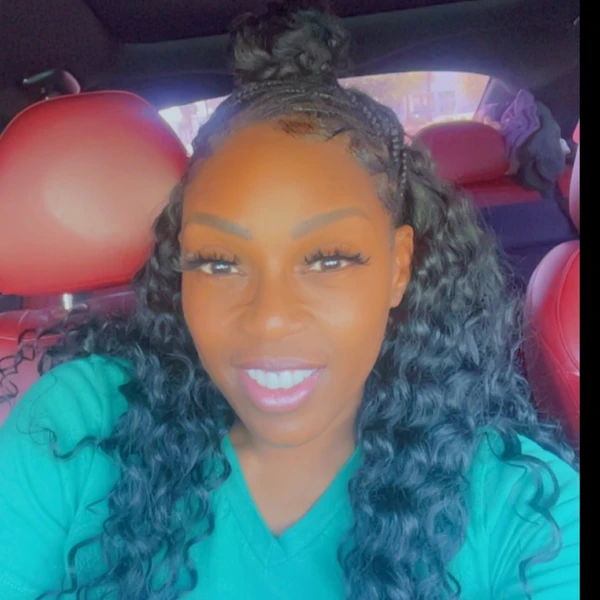
Muzique Broadnax
1x
FinalistMuzique Broadnax
1x
FinalistBio
I am a 41-year-old medical massage therapist with over 17 years of experience in holistic healing. Now returning to college to pursue a master’s degree in counseling, I am is committed to expanding my ability to support others mentally, emotionally, and physically. My vision is to develop a private practice that integrates “Talk + Touch Therapy,” a protocol combining therapeutic conversation with bodywork to address trauma and emotional wellness more deeply. I am passionate about bridging the gap between physical and mental health to promote lasting, whole-person healing.
Education
Chandler-Gilbert Community College
Associate's degree programMajors:
- Clinical, Counseling and Applied Psychology
Miscellaneous
Desired degree level:
Master's degree program
Graduate schools of interest:
Transfer schools of interest:
Majors of interest:
Career
Dream career field:
counselor
Dream career goals:
Medical Massage therapist
Balenchino Clinic2019 – Present7 years
Arts
Perpich center for the arts
Dancethat's where Im at2000 – 2002
Public services
Volunteering
Mathew’s crossing chandler — Receiving and organizing food2024 – 2025
Kim Moon Bae Underrepresented Students Scholarship
Being a Black woman in America has shaped every layer of my life my resilience, my ambition, my sense of self, and the way I navigate the world. Adding the identity of being a lesbian has deepened that experience even more, placing me firmly within multiple underrepresented communities that often struggle to be seen, supported, or heard. But these identities have also given me strength. They have sharpened my purpose and fueled my return to higher education after many years away.
Growing up as a Black child with undiagnosed ADHD and severe anxiety, I learned early what it meant to move through systems that were not designed with me in mind. I was often praised for being on the honor roll, yet punished for the very behaviors that stemmed from my neurodivergence behaviors that were misunderstood, labeled, or dismissed. I didn’t have access to consistent healthcare, evaluations, or support. Like many Black families, we survived on what we had, and my mother, a single mother of four, simply didn’t have the time or resources to notice what was happening beneath the surface.
That early lack of support planted a challenge inside me but also a fire. I learned to self-advocate through trial and error. I learned to study myself, understand myself, and find language for the things that once confused or embarrassed me. These experiences are why I eventually returned to school not only to rewrite my own narrative, but to make sure I can support others facing similar battles.
As a Black lesbian woman, I’ve often had to over-explain myself, over-perform, or shrink pieces of who I am just to be accepted in spaces that weren’t built for me. Yet every barrier I have faced has strengthened my purpose. Returning to college in my forties, I am now majoring in counseling and psychology because I want to become the therapist I always needed growing up a therapist who understands cultural nuance, generational trauma, identity, mental health, and the courage it takes for marginalized people to ask for help.
My identity has impacted my educational journey in tangible ways. From financial struggles to systemic obstacles to moments of self-doubt shaped by societal messages, I have had to push twice as hard to receive half as much. But this is also what fuels my determination. I know that when I step into the mental health field, I won’t just be entering it for myself I’ll be representing the voices and experiences of people who rarely see themselves reflected in therapeutic spaces.
In the future, my identity will continue to guide my work. As a therapist, I plan to serve BIPOC communities, LGBTQ+ individuals, and clients who carry the weight of generational patterns that have gone unspoken for far too long. I want to normalize seeking help, rewrite harmful narratives, and make mental health spaces feel safer, more accessible, and more culturally informed.
Being Black, being a woman, being queer, being neurodivergent they are not limitations. They are the blueprint. They are the reason I’m driven, compassionate, bold, and determined to create impact. My identity has shaped my path, and it will continue to shape the way I uplift others on theirs.
Dream BIG, Rise HIGHER Scholarship
Education has never been a straight, predictable path for me. It has been a winding journey shaped by survival, resilience, and a determination I inherited from the women before me. But more than anything, returning to school has given me a sense of direction I did not always know how to access. It has helped me understand who I am, what I’m capable of, and the impact I am meant to have in the world. My education is not just about a degree it’s a reclamation of purpose, a roadmap toward stability and healing, and a promise to use my experiences to lift others.
I grew up in a single-parent household with my mother, a single mom of four, who pushed through financial hardship, emotional strain, and limited resources while earning her bachelor’s degree. Watching her fight her way forward planted a seed in me long before I understood its meaning. She didn’t have much, but she had grit. She had faith. She had a work ethic that refused to let circumstances define her. Her example taught me that education can be both a lifeline and a passport an opportunity to rise above what life hands you and rewrite your own story.
But even with her strength, growing up came with challenges that shaped the woman I am becoming. I struggled with severe anxiety and undiagnosed ADHD throughout childhood. Sitting still, focusing, and comprehending were daily battles I didn’t have the language to explain. I was often on the honor roll, but I still ended up with behavioral struggles, emotional outbursts, and academic inconsistencies because I didn’t understand my own brain. Reading made me fall asleep. Instructions evaporated the moment they were spoken. I felt misunderstood most of the time, which led to defensiveness and miscommunication in my early relationships.
My mother loved us deeply, but as a single mother of four, she didn’t have the time or access to resources to fully see each child’s mental, emotional, or academic needs. Healthcare was inconsistent. Evaluations were inaccessible. So I learned to mask to blend in, to minimize my struggles, to work twice as hard to keep up.
For a long time, I believed something was wrong with me.
It wasn’t until my early thirties, through deeper self-reflection and countless conversations with clients in my massage therapy practice, that I began understanding the signs of neurodivergence. I finally had language to describe the internal battles I’d been fighting. I realized the problem had never been lack of potential it was lack of support, awareness, and advocacy. That clarity became one of the biggest catalysts in my decision to return to school.
For nearly sixteen years, I worked as a medical massage therapist. It was fulfilling, meaningful work I helped people heal, ease pain, relax, and reconnect with their bodies. But as the years passed, the physical strain became harder to ignore. The income became unstable with economic shifts. And I realized that while I loved healing work, I needed a career that could support my future, provide benefits, offer retirement security, and allow me to grow mentally and professionally.
Education became my doorway to that future.
After fifteen years away, I enrolled in Chandler-Gilbert Community College to study counseling and psychology. I made this choice thoughtfully and strategically. A continuing education college provides an affordable pathway for adult learners like me. It allows me to pace myself, stay financially grounded, and create a realistic plan for completing my bachelor’s and eventually my master’s degree. I plan to continue through the 90–30 program with Northern Arizona University ninety credits at community college, thirty at university to minimize debt and set myself up for long-term success.
Returning to school in my forties hasn’t been easy. I’m a full-time student, a full-time mother to a college-aged daughter, and a working adult transitioning careers. There are days when I feel overwhelmed. Days when assignments pile up. Days when my ADHD tries to derail me. But this time, I understand myself. I advocate for myself. I use the tools I never had as a child. And I stay grounded in the deeper purpose behind my efforts.
Education has not only reshaped my goals; it has given me a sense of direction that aligns with my soul. My long-term goal is to become a mental health therapist specializing in generational healing, trauma, and the intersection between physical and emotional wellness. I want to incorporate my massage background into my counseling practice by studying touch therapy, somatic work, and how trauma lives in the body. My dream is to help people especially those in Black and underserved communities break cycles, understand themselves, and finally experience the healing that many of us grew up without.
My education is the bridge between who I was and who I am becoming. It’s how I will create a stable future for myself and a brighter one for the people I will serve. I want to be a therapist who listens deeply, understands intuitively, and supports clients with both compassion and clinical expertise. I want to represent women who return to school later in life, who start over courageously, who rewrite their stories when the world expects them to settle.
Every class, every late-night assignment, every moment of doubt that I push through brings me closer to the life I am building one rooted in healing, purpose, and community.
Education has given me direction. My challenges have given me resilience. And my future gives me hope.
Harvest Scholarship for Women Dreamers
My “Pie in the Sky” dream is to become a mental health therapist who merges traditional counseling with the healing power of touch, energy work, and nervous-system regulation. I see myself creating a therapeutic space that feels like a warm exhale a place where people can unravel their emotional weight, reclaim their power, and experience deep, embodied healing. It’s a dream that feels enormous, a little wild, completely mine, and sometimes almost out of reach. But it’s also the dream that keeps me moving forward with determination, even on the days I question whether I can really pull it off.
This dream was sparked long before I had language for it. Growing up in a single-parent household with my mother herself a single mother of four I watched her fight through financial struggle, social pressure, and emotional exhaustion while still pushing herself to earn her bachelor’s degree. She modeled grit and survival, but she also showed me what unresolved generational patterns can do to a family. I struggled with severe anxiety and undiagnosed ADHD, constantly trying to keep up, focus, or communicate without feeling misunderstood. School was difficult, relationships were confusing, and I often felt like I was “too much” yet “not enough” all at once.
But something powerful grew from that chaos: empathy. People began coming to me with their problems, their secrets, their pain. In my community especially in Black spaces where therapy hasn’t always been accessible or accepted I became a safe space, a voice of reason, a grounding presence. Even before I had the formal training, I was holding emotional space like a therapist. That’s when I realized my dream wasn’t just a career it was a calling.
After sixteen years as a medical massage therapist, I saw how profoundly the human body holds emotion. Clients would cry, confess, heal, and unravel on my table. That’s when the dream really crystallized: I wanted to bridge the worlds of physical healing and mental healing. I wanted to study the science behind what I had intuitively witnessed for years. And I wanted to offer people especially those from marginalized and underserved communities holistic care that honors both mind and body.
The steps to reach this dream are big, but I’m already walking them with courage. I returned to school after fifteen years and enrolled at Chandler-Gilbert Community College to pursue counseling and psychology in the most affordable, sustainable way possible. I plan to enter the 90–30 program with Northern Arizona University to earn my bachelor’s, and then continue into my master’s program to become a licensed therapist. From there, I intend to build a practice that integrates therapeutic touch, somatic healing, emotional regulation techniques, and traditional talk therapy.
My dream is ambitious, but so am I. I’m not afraid of the long road ahead I’m energized by it. The girl who once felt unseen and misunderstood has grown into a woman who dares to dream boldly and speak her purpose out loud. And with community, accountability, and courage, I know this “Pie in the Sky” dream will not only feed my soul it will feed healing into the world.
Community College Matters Scholarship
After fifteen years away from school, I made the decision to return to college because I needed a career that offered stability, purpose, and long-term security. For over sixteen years, I worked as a medical massage therapist, a field I loved for the connection and healing it brought. But as time passed, the physical strain and inconsistent income made it difficult to imagine a sustainable future. I reached a point where I needed a career path that honored my experience but also supported my body, my goals, and my retirement plans. That clarity led me back to the classroom.
I chose Chandler-Gilbert Community College in Chandler, Arizona because it offered the most affordable way for me to restart my education in counseling and psychology. Returning to school as an adult with real responsibilities required a plan that would not bury me in debt. Community college allowed me to pursue my degree at a pace and price that made sense for my life. I am now in my second year, with three more to go, and I’m proud of the consistency and dedication I’ve maintained.
A major part of my plan is to continue through the 90–30 program with Northern Arizona University. This pathway allows students to complete ninety credits at the community college rate and only thirty at the university rate. For someone rebuilding a career in their forties, this option is not just financially smart it’s essential. It ensures that I can finish my bachelor’s degree and begin my master’s program without overwhelming debt. This path keeps the door open for me to reach my ultimate goal of becoming a mental health therapist.
Going back to school after fifteen years has challenged me in ways I didn’t expect. I had to relearn how to study, how to manage deadlines, and how to balance school with work and life as an adult learner. There are days when the academic pressure feels heavy and moments when doubt tries to creep in. But every semester reminds me why I started: I want a career that allows me to help others on a deeper level, one that provides stability, benefits, and a future I can build on.
This journey is more than a professional upgrade it’s a personal renewal. It represents resilience, growth, and the courage to start again even after life has taken me in different directions. I am committed to finishing this degree, pursuing my master’s, and creating a stable, purposeful, and secure future for myself. Returning to school wasn’t just a choice it was a promise to honor the next chapter of my life with intention and determination.
Mental Health Profession Scholarship
Growing up, I faced severe anxiety and extreme ADHD that went undiagnosed for most of my childhood. Access to steady healthcare was limited, and I did not receive the observations, diagnosis, or support I needed. School was a constant struggle; although I often made the honor roll, staying focused was difficult, and reading would frequently make me fall asleep. I also struggled with behavioral issues, not because I wanted to misbehave, but because my brain processed information differently, and I lacked the tools to manage it. Advocating for myself was nearly impossible, especially as a child of a single mother raising four kids. My mother, despite her strength and determination, did not have the time or resources to attend to each child’s unique needs, particularly when it came to academics.
These challenges extended beyond school. Relationships and communication were difficult for me, as active listening and self-expression did not come easily. I often felt misunderstood, leading to defensive behavior and emotional outbursts. Over-communicating and trying to explain myself became exhausting, and I internalized a belief that something was “wrong” with me. It wasn’t until my early 30s, through education, reflection, and conversations with my massage therapy clients, that I began to understand my mental health challenges. I learned the language to advocate for myself and realized that my differences were not flaws they were simply part of who I am.
This journey of self-discovery inspired me to pursue a career in mental health counseling. I want to help others who feel unseen or unheard, the way I once did. By becoming a therapist, I aim to create spaces where individuals feel validated and understood, where they can learn to advocate for themselves, and where they can embrace their uniqueness without shame. My personal experiences have given me insight into the struggles of navigating life with mental health challenges, and I use this understanding to support friends, family, and community members in my daily life. Many seek me out as a safe space to vent, process, or find guidance, and I take this responsibility seriously.
Looking forward, I plan to raise awareness for mental health challenges by sharing my story and normalizing conversations around mental illness. I am committed to advocating for accessible, culturally competent care, particularly within communities that often face systemic barriers to mental health resources. By combining my lived experience with my formal education in counseling, I hope to empower others to recognize that seeking help is not a weakness and that navigating mental health challenges can lead to growth, resilience, and self-acceptance.
Harvey and Geneva Mabry Second Time Around Scholarship
I have always been driven, fueled by dreams of traveling the world, helping others, and living my life authentically. As a Black, lesbian woman, I have faced the realities of a world that is not always as bright-eyed or welcoming as my younger self imagined. I first attempted college at 18, alongside my mother, but life had other plans, and I did not finish my degree. Over the years, I pursued several certifications including real estate, esthetician, and massage therapy building skills and a career that I enjoyed but ultimately could not rely on for long-term security or benefits.
For sixteen years, I worked as a medical massage therapist, thriving on the independence, creativity, and the ability to set my own schedule. I loved helping people feel better, but over time, the economic unpredictability of this work and the physical demands on my body began to take a toll. Now at 42, and as a mother of a 19-year-old college student, I recognize the need for a career that is not only meaningful but also sustainable, provides benefits, and offers opportunities for growth. These realizations reignited my passion for education and inspired me to return to school to pursue mental health counseling.
My decision to return to school is deeply rooted in my personal experiences and observations. Growing up in a single-parent household with my mother, who raised four children while pursuing her own education, taught me resilience, determination, and the importance of education as a tool for transformation. Watching her overcome financial and social obstacles while earning her bachelor’s degree inspired me to persevere despite challenges. Additionally, witnessing and experiencing generational emotional trauma firsthand sparked my desire to help others heal. Within my community, particularly the African-American community, I naturally became a voice of reason, a safe space, and a healing soundboard for friends, family, and neighbors seeking guidance and support. These experiences shaped my vision of becoming a mental health therapist someone who empowers clients to break negative cycles, heal from trauma, and unlock their full potential.
Returning to school now is an act of determination and self-investment. I am currently in my second year of undergraduate study, with three more years to go, and I am excited to pursue a career where I can blend creativity, evidence-based therapy, and holistic practices. My long-term goal includes completing a master’s degree and exploring research on “talk-touch therapy,” combining the healing power of touch and energy work with traditional counseling practices. I am committed to making a difference in people’s lives, representing my community, and creating accessible, culturally sensitive mental health care.
This scholarship would not only support my educational journey financially but also honor the legacy of determination exemplified by Geneva Mabry. Like her, I am dedicated to overcoming challenges, pursuing education with passion, and making a meaningful impact on the lives of others. Returning to school at this stage in life is not just a personal goal it is a commitment to my family, my community, and the future I am determined to build.
Therapist Impact Fund: NextGen Scholarship
Growing up in a single-parent household with my mom, who is also a mother of four, profoundly shaped my understanding of resilience and the importance of mental health. I watched her power through financial, social, and economic adversities while still pursuing her bachelor’s degree. Witnessing her determination and sacrifice was inspiring, but it also revealed the weight of unresolved generational trauma. Experiencing this trauma firsthand made me acutely aware of how unaddressed emotional wounds can ripple through families and communities. These experiences ignited my passion for mental health counseling, driving me to help others navigate life’s challenges while fostering healing and growth.
Within my community, particularly the African-American community, I have naturally become a voice of reason and a safe space for others. Friends, family, and neighbors often come to me seeking guidance, support, or simply someone who will listen without judgment. Serving in this role has shown me the profound impact of empathetic and culturally sensitive mental health care. It has also inspired my vision of becoming a therapist who is both professional and deeply human someone who validates experiences, provides practical strategies, and empowers clients to find their own voice and strength.
If I could make one significant change to today’s mental healthcare system, it would be to embed cultural competency at every level of care. Many individuals face barriers financial, linguistic, or cultural that prevent them from accessing support. By requiring ongoing cultural competency training for providers, expanding multilingual services, and implementing community outreach programs, therapy could become more accessible, inclusive, and relevant. This change would build trust, reduce disparities, and ensure that mental health care meets the diverse needs of all communities, particularly those historically underserved.
Teletherapy has transformed access to mental health services by allowing individuals in remote areas or with mobility challenges to receive care, while offering privacy that can reduce stigma. However, challenges remain, including digital inequities, inconsistent internet access, and difficulties in establishing rapport virtually. To better serve diverse communities, teletherapy must innovate through affordable internet access, culturally adapted platforms, multilingual support, and hybrid models that combine virtual and in-person care. Additionally, therapists must be trained to foster strong connections online, ensuring technology enhances rather than replaces the human relationship central to effective therapy.
My personal experiences, combined with my community involvement, fuel my commitment to pursuing a career in mental health counseling. I hope to become a therapist who not only addresses mental health concerns but also empowers individuals and communities to heal generational wounds, build resilience, and find hope. Through culturally competent care and innovative approaches like teletherapy, I aspire to help create a world where mental health support is accessible, inclusive, and transformative for all.
Joybridge Mental Health & Inclusion Scholarship
Breaking Cycles, Building Bridges
When I was a child, I often massaged my mother’s shoulders after her long shifts as an accountant. I didn’t realize then that I was offering more than physical relief. I was giving her a space to exhale. Today, as a licensed medical massage therapist with 17 years of experience, I now understand the intersection between physical and emotional pain. That intersection has become the foundation of my career shift into counseling.
As a 41-year-old single mother returning to college to earn a master’s degree in counseling, my journey has not been traditional but it is deeply intentional. I want to develop a practice that merges therapeutic touch with talk therapy, a protocol I’ve coined “Talk-Touch Therapy.” My goal is to address trauma from a holistic perspective, recognizing that healing doesn’t always start with words.
The pandemic brought this into sharp focus. My massage business took a significant hit, and with it, I noticed an increase in clients expressing anxiety, isolation, and emotional distress. Many of them, especially BIPOC women, had never seen a therapist. They trusted me because I looked like them, spoke like them, and understood their lived experiences. That trust planted the seed for my next chapter: becoming a counselor who not only reflects the communities I serve but actively works to de-stigmatize mental health in them.
My current studies in behavioral science have helped me better understand the systemic barriers that prevent marginalized groups from accessing mental health services. As someone who has been both a caregiver and a client, I aim to bridge the gap between clinical theory and cultural understanding. Representation matters, and I plan to use my voice, experience, and platform to advocate for culturally competent care and policy reform.
I am also passionate about creating spaces where underserved communities especially women of color feel safe, seen, and supported. I envision founding a wellness center that integrates counseling, somatic therapy, and community education workshops. I want to mentor young women entering the mental health field and offer internships that prioritize lived experience alongside academic excellence.
Diversity and inclusion are not just words to me, they are the roots of my purpose. As someone who has walked the line between healing and survival, I understand that empathy is not just a skill; it’s a responsibility. With the help of this scholarship, I will continue my education and expand access to mental health care for those who need it most.