Growing up, I witnessed firsthand the devastating effects of addiction. Both of my parents struggled with crack cocaine addiction for over twenty years. It wasn’t until I was nineteen that they finally got clean. I remember that time in my life clearly—the mix of hope, uncertainty, and the overwhelming relief of finally having parents who were present and healthy. Their recovery changed the course of our family’s future, but it also left me deeply aware of how fragile and complex the journey to sobriety can be.
In addition to my parents' struggles, my uncle also battled addiction—alcohol and crack cocaine. My father, after getting clean himself, tried to help his brother whenever he could, often offering emotional support and, at times, tough love. One night, after a drug binge, my uncle called my dad and asked if he could come over, get a shower, and rest. My dad, exhausted and worried about driving into a dangerous area late at night, told him he could come if he caught the bus. My uncle never came. Days later, after we had not heard from him, we searched. He was found in an alley behind a local taxi cab company, having died from an overdose. That night haunts my father, who still carries the weight of that loss and questions whether he could have done more.
This story is not just a painful memory—it is the driving force behind my passion to become a Certified Addictions Registered Nurse (CARN). I want to serve in a recovery center where I can help people who are transitioning out of addiction into stable, fulfilling lives. I understand the trauma, the shame, the relapses, and the victories. I have lived it through my family. I want to be a consistent, compassionate presence for people who are often judged and discarded by society.
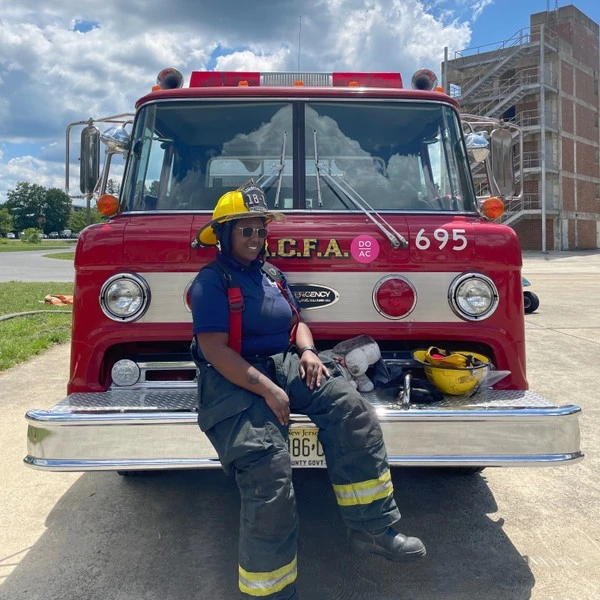
Currently, I work as an EMT, where I often respond to overdose calls. I resuscitate patients, administer naloxone, and try to stabilize them enough to make it to the hospital. But I want to do more. I want to be part of the long-term care and recovery process. I want to educate, advocate, and provide hope. Becoming a CARN will give me the tools and credentials to do just that. It will allow me to bridge the gap between emergency care and recovery—a gap too many people fall through.
Receiving this scholarship would bring me one step closer to that goal. The funds will help cover the cost of tuition and books, expenses I know I cannot fully meet with financial aid alone. As someone who is already working on the front lines, this scholarship would not only relieve a financial burden but also validate the hard work and emotional labor I’ve put into both my job and my personal healing journey.
Why should I be considered? Because this isn’t just a career path for me—it’s my calling. I have lived through the pain addiction causes, and I have also seen the beauty in recovery. I embody the values of resilience, service, and empathy. I know how important it is to meet people where they are, to offer hope even when they can’t see it themselves. I want to help rewrite the narrative for individuals and families facing addiction.
This scholarship will not just help me become a nurse—it will help me become a stronger advocate and a more effective healer. My dream is to dedicate my life to helping others reclaim theirs, one step at a time.