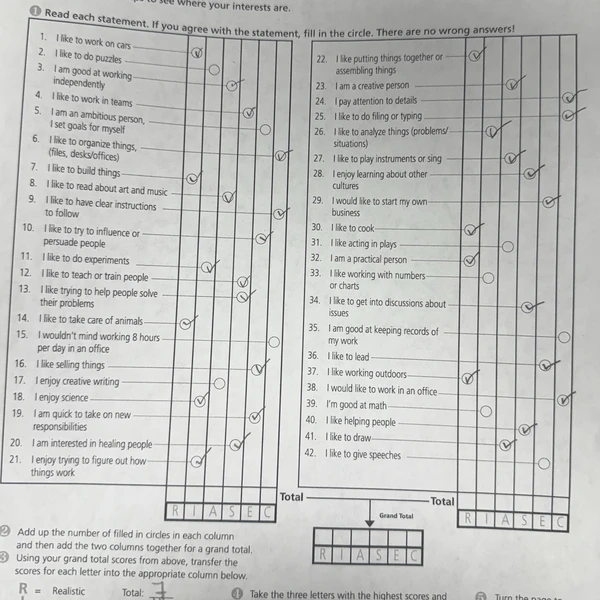
Hobbies and interests
Child Development
monika akpom
1x
Nominee1x
Finalistmonika akpom
1x
Nominee1x
FinalistBio
My life goals are to have my own school psychology practice and provide special education consultation services to famalies and schools. I am passionate about parents and adult student's rights protected by both federal and state laws. I have worked in special education for over ten years have an education specialist credential authorizing me to teach students with disabilities. I love teaching however there is much more to be done to ensure their rights are protected and they are able to live as independently as possible.
Education
National University
Master's degree programMajors:
- Psychology, Other
National University College
Master's degree programMajors:
- Education, Other
California State University-Northridge
Bachelor's degree programMajors:
- Journalism
Miscellaneous
Desired degree level:
Doctoral degree program (PhD, MD, JD, etc.)
Graduate schools of interest:
Transfer schools of interest:
Majors of interest:
Career
Dream career field:
Education
Dream career goals:
Sports
Aerobics
Junior Varsity2022 – 20253 years
Public services
Volunteering
Veterans Affairs — Food handler2001 – 2004
Kathleen L. Small Teaching Scholarship
I am pursuing a career in education—special education in particular—because I have lived, day by day, what it means for a child to meet school with both hope and hurdles. My children have a medical condition that affects how they process information and manage stamina. I have watched them try to keep pace with the lesson while also keeping pace with their bodies. In hospital waiting rooms and IEP meetings, between lab results and homework packets, I learned that learning is not a race to be won but a bridge to be built. Becoming a special education teacher is my way of becoming a bridge builder for other children and families who are navigating that same distance.
When my oldest first started school, I became fluent in a new language: progress-monitoring charts, accommodations, service minutes, and specialist notes. I learned how a fluorescent light or an unstructured transition could derail a morning, how fatigue could look like inattention, and how the right scaffold at the right time could turn frustration into “I can do this.” I also learned what it feels like to be the parent who is both grateful for help and terrified that the help might not be enough. Those experiences did not just make me sympathetic; they made me strategic. I want to be the teacher who sees the whole child, anticipates barriers before they appear, and designs instruction so that students do not have to earn access—they have it from the start.
My children are my first and most powerful inspiration. They show me daily that perseverance is not loud; sometimes it looks like taking a breath, trying one more sentence, or using a tool you’d rather not need. Watching them advocate for themselves—asking for breaks, choosing text-to-speech, clarifying directions—has reshaped my vision of success. Success is not “keeping up” with a mythical average learner. Success is owning your learning, growing in ways that matter to you, and being seen and supported as you do.
I also believe that data should be a flashlight, not a hammer. I will monitor growth with quick exit tickets, weekly mini-assessments, and rubric-based performance tasks, not to sort students into fixed categories but to refine what I do next.When students recognize their own patterns—“I do better if I read the question aloud first,” “I need a break after ten minutes”—they gain agency that extends beyond my classroom.
Families will find in me the advocate I needed when I was in their chair. I will communicate clearly and consistently, celebrate growth, and be honest about challenges and next steps. I will coordinate with nurses, counselors, and therapists so that care plans and lesson plans support one another. I know how much it means when a teacher remembers that a medical flare-up can make handwriting painful or that a medication change might shift attention for a week. I will remember, and I will plan accordingly.
Ultimately, I am pursuing special education because I have seen how school can either magnify a child’s barriers or multiply a child’s possibilities. My children taught me that dignity in learning comes from access, respect, and high expectations paired with smart supports. Ms. Ramirez showed me how to deliver those ingredients day after day with skill and grace. I want to stand in that same space for other students—to be the person who turns “maybe” into “yes,” who turns a diagnosis into a design, and who turns school into a place where every learner can do hard things and be proud of it.
MastoKids.org Educational Scholarship
Overcoming obstacles that are beyond your control and predetermined by genetics can often feel overwhelming and, at times, hopeless. I am a carrier of a rare recessive gene, and I fell in love with someone who carries the same gene. As a result, two of our children were born with PTPS deficiency.
I never could have imagined, even in my wildest dreams, that my children would face a condition that affects not only their daily lives but also their academic performance and overall development. When we first learned that our newborn son tested positive for PKU, we were unaware of what it truly entailed and the profound impact it would have on our family. The journey that followed was traumatic, presenting challenges that tested our resilience and unity as a family.
The financial toll has impacted our household as well due to the cost of the required medication exceeding thousands of dollars. There was a time in our journey where one of our sons had to go without the medication for a few days and the results were devastating to watch. I simply fell to my knees and held him hoping a mothers embrace could heal him. Unfortunately, it can not. Despite the difficulties, we have learned that adversity can strengthen us. Living with PTPS deficiency has taught us patience, perseverance, and the importance of advocacy—not only for our children but also for ourselves. We have had to educate ourselves about the condition, navigate complex medical systems, and adapt our daily lives to support our children’s unique needs.
This experience has also shaped my plans for the future. It is the reason for my career path in special education. I am a special education specialist and I work with student with unique needs by supporting them to achieve their life goals. I am currently enrolled in a school psychology program to further positively impact student with disabilities. It has inspired me to advocate for others living with rare genetic conditions, to contribute to awareness and education, and to pursue paths that allow me to support families navigating similar challenges. PTPS deficiency has undeniably changed our lives, but it has also deepened our resilience, our empathy, and our commitment to making a difference in the lives of others.
My husband and I were advised there was a one in four chance of our future children inheriting this rare disease. We planned for our third son but did not plan to hear the news that he too wat PTPS positive while in the womb. My heart sank when the nurse asked me when did I want to schedule the abortion. We chose to let him live and he is a brings an abundance of joy and life into our lives.
John Nathan Lee Foundation Heart Scholarship
Growing up, cardiac disease was not just a medical term—it was a daily reality for my family. My grandfather battled heart disease for much of my childhood, and his journey shaped my perspective on health, resilience, and responsibility. I remember the hospital visits, the constant monitoring of medications, and the worry in my family’s voices whenever he had a doctor’s appointment. Watching him face the limitations of his condition—struggling with energy, mobility, and at times even independence—was difficult, but it also taught me to appreciate the strength required to endure illness.
The greatest obstacle I had to overcome was learning how to balance fear with hope. It is easy to feel powerless when someone you love is struggling with a disease that impacts the very core of their existence—their heart. As a child, I often felt anxious about the uncertainty of his health and how it affected my family’s sense of stability. But over time, I learned to shift that fear into action by helping where I could, whether that meant assisting him with daily tasks, accompanying him to appointments, or simply providing emotional support.
Another challenge was navigating the way cardiac disease affects the whole family. My parents carried the heavy responsibility of caregiving, which at times created stress in our home. I learned to step up and contribute, becoming more independent at a young age. This taught me responsibility, compassion, and the importance of patience during difficult moments.
Cardiac disease has not only affected my family but also reflects a larger issue within the Black community. Black Americans are disproportionately impacted by heart disease due to a combination of social, economic, and healthcare inequities. Limited access to quality healthcare, higher rates of hypertension and diabetes, and systemic barriers all contribute to this disparity. Seeing this reality firsthand has made me more aware of how health outcomes are shaped not only by personal choices but also by structural challenges. It has motivated me to think critically about how I can contribute to breaking these cycles—whether by raising awareness, promoting healthier lifestyles, or advocating for better healthcare access in underserved communities.
Through these obstacles, I gained a deeper appreciation for the value of health and the importance of preventative care. Cardiac disease in my family has motivated me to prioritize wellness in my own life and to encourage others to do the same. While it brought hardship, it also instilled resilience, empathy, and a sense of purpose that continues to guide me.
Dr. Jade Education Scholarship
Life’s journey is a compilation of crawling, walking, falling, running until you are out of breath—only to fall again and rise to meet your true calling. My name is Monika Akpom, and as a Black mother of three boys, I have lived this journey with resilience, faith, and purpose. Two of my sons have a rare medical condition, and they are the “why” behind my decision to pursue higher education in the field of special education.
Raising children with unique needs has transformed my perspective on life and has deeply shaped my personal values. I have learned patience in moments of uncertainty, perseverance in times of challenge, and compassion for the struggles of families walking a similar path. What once felt like obstacles have become steppingstones, guiding me toward a career where I can advocate for children with disabilities and ensure that they receive the individualized support and respect they deserve.
These experiences have also given me a strong sense of responsibility to my community. I know firsthand the isolation and challenges that families of children with special needs often face. My aspiration is not only to be a skilled educator but also a voice of encouragement and a resource for families who may feel unheard or overwhelmed. I want to transform my personal journey into a professional mission—helping children reach their full potential while supporting parents in navigating educational systems with confidence.
Pursuing higher education at this stage in my life is both a personal and professional commitment. It represents my dedication to turning lived experience into expertise, and empathy into action. With the knowledge and skills gained through my degree, I plan to create a life that positively impacts not only my family but the families of the students I currently serve and will serve in the future.
In my dream life, I have earned my higher degree in education with a specialization in special education. With this achievement, I see myself working in schools as both an educator and an advocate—ensuring that every child, no matter their background or ability, is seen, valued, and supported. My career is not just a job, but a calling to transform classrooms into safe, inclusive spaces where students with unique challenges are given the opportunity to thrive.
Beyond my professional role, the life of my dreams includes balance at home. I see myself providing for my children without the constant weight of financial stress, creating a household where they feel secure and loved. I imagine family dinners filled with laughter, weekends spent making memories, and the pride in my children’s eyes as they watch their mother break barriers and achieve goals that once felt out of reach.
Debra S. Jackson New Horizons Scholarship
Life’s journey is a compilation of crawling, walking, falling, running until you are out of breath—only to fall again and rise to meet your true calling. My name is Monika Akpom, and as a mother of three boys, I have lived this journey with resilience, faith, and purpose. Two of my sons have a rare medical condition, and they are the “why” behind my decision to pursue higher education in the field of special education.
Raising children with unique needs has transformed my perspective on life and has deeply shaped my personal values. I have learned patience in moments of uncertainty, perseverance in times of challenge, and compassion for the struggles of families walking a similar path. What once felt like obstacles have become steppingstones, guiding me toward a career where I can advocate for children with disabilities and ensure that they receive the individualized support and respect they deserve.
These experiences have also given me a strong sense of responsibility to my community. I know firsthand the isolation and challenges that families of children with special needs often face. My aspiration is not only to be a skilled educator but also a voice of encouragement and a resource for families who may feel unheard or overwhelmed. I want to transform my personal journey into a professional mission—helping children reach their full potential while supporting parents in navigating educational systems with confidence.
Pursuing higher education at this stage in my life is both a personal and professional commitment. It represents my dedication to turning lived experience into expertise, and empathy into action. With the knowledge and skills gained through my degree, I plan to create inclusive learning environments where children of all abilities can thrive. My education will also empower me to advocate at a larger scale, contributing to policies and practices that promote equity and access in schools.
This scholarship will provide me with the crucial support needed to balance my responsibilities as a mother, student, and future educator. It will allow me to continue my studies with focus and determination, without the constant burden of financial strain. More importantly, it will help me move closer to my vision of making a lasting, positive impact in both my community and my chosen field of special education.
In many ways, my sons have been my greatest teachers. Their journey has revealed my calling, and higher education is the path that will equip me to answer it. With the help of this scholarship, I will continue to rise from every fall, running toward the purpose that has been set before me: to serve, to advocate, and to educate.
Joybridge Mental Health & Inclusion Scholarship
As a Black mother of three, I have seen firsthand how mental health shapes the lives of children, families, and entire communities. My journey as both a parent and an advocate has revealed the urgent need for compassionate, culturally responsive mental health support in schools. This passion has inspired me to pursue a degree in school psychology, where I can dedicate my career to helping students manage emotional challenges, thrive academically, and find their voice within educational systems that too often overlook them.
My career goals are rooted in service. I want to ensure that every child, especially those from marginalized backgrounds, has access to the mental health resources they deserve. I am particularly committed to supporting students with disabilities and those on Individualized Education Programs (IEPs). Raising children of my own, including two with unique medical needs, has opened my eyes to the struggles many families face in navigating school systems. I know how vital it is for children to have professionals who not only understand their diagnoses, but also see their strengths, advocate for their rights, and foster environments where they feel included and valued.
Diversity and inclusion are central to my vision as a future school psychologist. As a Black woman, I bring lived experiences that allow me to connect with students and families who may feel unseen or misunderstood. I want to challenge stigma surrounding mental health in communities of color, while also creating safe spaces in schools where all children—regardless of race, culture, or ability—can receive support without fear of judgment. By integrating cultural competence into my practice, I hope to build bridges between families and schools, ensuring that students’ voices and identities are respected.
Both personal and academic experiences have shaped my aspirations. My role as a mother has been my greatest teacher, showing me the resilience of children when given proper support. Academically, I have pursued coursework and training that deepen my understanding of child development, special education, and mental health advocacy. These experiences have solidified my commitment to school psychology as not just a career, but a calling.
Through this work, I hope to become a catalyst for change in education—advancing mental health awareness, breaking down barriers of inequity, and ensuring that inclusion is not just an idea, but a daily practice in every classroom. My education will equip me to transform my passion into action, and my lived experience will guide me to serve with empathy, strength, and vision.
Qwik Card Scholarship
My name is Monika Akpom, and I am the proud mother of two children with a rare condition who receive special education services.
Building credit early is important to me because I understand that a strong financial foundation can open doors to opportunities that shape my future. Credit is more than just a number; it is a reflection of responsibility, discipline, and trustworthiness in managing money. Whether it is qualifying for a car loan, renting an apartment, or eventually purchasing a home, having strong credit allows me to move through these milestones with greater independence and stability. Establishing credit early means I can avoid unnecessary barriers later in life and create a financial safety net for myself and my family.
I have seen how a lack of credit or poor credit can limit opportunities. Without strong credit, interest rates are higher, approvals are harder to obtain, and financial stress increases.
My plan to take control of my financial future begins with small, consistent steps. First, I will use credit responsibly by starting with a secured credit card or a beginner-friendly card and making purchases I know I can pay off each month. This ensures that I am not accumulating debt while still building a history of on-time payments. Second, I will monitor my credit regularly to stay aware of my progress and quickly address any inaccuracies. Third, I will focus on living within my means by budgeting carefully, avoiding unnecessary expenses, and saving a portion of my income for emergencies and long-term goals.
Long term, I intend to use my credit to make smart investments, such as financing further education, purchasing a home, and building wealth that I can pass on to future generations.
One of the most valuable financial lessons I learned came from experiencing how quickly debt can grow when credit is not managed carefully. Early on, I relied too heavily on a credit card to cover everyday expenses without realizing how much interest would add up if I did not pay the balance in full. At the time, I was balancing the responsibilities of caring for my children and managing household needs, so it felt easy to swipe the card and assume that making minimum payments would be enough. When I saw the balance continue to climb despite my efforts, I felt overwhelmed. That experience forced me to face the reality of how costly it can be to ignore the fine print of credit.
Although it was a difficult lesson, it became a turning point for me. I decided to take control of my finances by making smarter choices and setting clear boundaries around money. Now, when I use credit, I treat it as a tool rather than a fallback. I only charge what I can pay off each month, which allows me to build credit responsibly without accumulating debt. I also created a budget that accounts for both household responsibilities and savings, giving me a clearer picture of where my money is going.
This change not only improved my financial habits but also gave me a sense of stability as a parent. I want my children to grow up seeing healthy financial practices so that they can avoid some of the mistakes I made. Saving intentionally, planning for emergencies, and showing discipline with credit are lessons I now try to model for them. What started as a financial misstep has grown into a source of motivation to be more disciplined and to pass down stronger financial knowledge to my family.
RonranGlee Special Needs Teacher Literary Scholarship
My name is Monika Akpom, and I am the proud mother of two children with a rare condition who receive special education services. Parenting a child with special needs is not something most parents anticipate, but when life presents challenges, it is our responsibility to meet them with strength, resilience, and love. My children have been my greatest inspiration, motivating me to enter the field of special education so I could extend that same care and support to other children within the public school system.
I hold a master’s degree in special education and have spent nearly ten years teaching students with disabilities ranging from mild to moderate in the state of California. Over the years, I have witnessed firsthand the barriers that many families face, particularly when parents’ and students’ rights are not upheld. This reality has fueled my desire to make an even greater impact in the field.
To further my ability to advocate for students and families, I have enrolled in a second master’s program in school psychology. Through this program, I aim to strengthen my skills and broaden my influence, ensuring that students with disabilities receive the services and support they deserve. However, my institution is not providing financial assistance for this next step, which makes pursuing this goal challenging. This scholarship would greatly assist me in continuing my education and fulfilling my commitment to serving students and families.
I considered walking away from furthering my education due to financial obstacles, but I know that doing so would be a disservice—not only to myself, but to the children and families I strive to support. With this scholarship, I will be able to continue my journey as an educator and advocate, using both my personal experience and professional expertise to make a lasting difference.
To help students with special needs experience a sense of their own presence means guiding them to recognize their value, voice, and agency in the world. It is about helping them develop self-awareness, confidence, and the understanding that they are not just participants in their learning, but active contributors to their communities. Experiencing their own presence involves recognizing that they have the right to be seen, heard, and respected, and that their unique abilities and perspectives matter.
For many students with disabilities, the education system often emphasizes limitations rather than strengths. When this happens, students may internalize feelings of inadequacy or invisibility. My mission as a special educator is to counter this narrative by creating environments where students are empowered to understand their worth, express themselves fully, and embrace their identities with pride.
To accomplish this, I would first ensure that instruction is rooted in individualized learning. Every student deserves opportunities to experience success, and by tailoring instruction to their needs, I can help them build confidence in their abilities. Celebrating small victories and milestones allows students to recognize their growth and feel proud of their progress, reinforcing their sense of presence.
Equally important is fostering self-advocacy. Teaching students to express their needs, make choices, and share their opinions builds ownership of their learning. Whether it is through simple classroom decisions, participation in Individualized Education Program (IEP) meetings, or practicing communication strategies, empowering students to use their voice affirms that they belong and that their input matters.
Creating an inclusive classroom community is also central to my mission. I strive to cultivate a space where diversity is celebrated, where students learn from one another, and where each child feels a sense of belonging. This includes teaching peers about empathy, respect, and collaboration so that students with special needs experience their presence not only internally, but also externally in the acceptance and recognition they receive from others.
Finally, I would guide my students toward understanding that their presence extends beyond the classroom. Encouraging them to share their talents, participate in school and community activities, and pursue their interests demonstrates that they are integral members of society.
In short, helping students with special needs experience a sense of their own presence is about more than academics—it is about empowerment, dignity, and self-realization. My mission is to nurture their confidence, amplify their voices, and create opportunities where they can see themselves as capable, valued, and essential to the world around them.
Mireya TJ Manigault Memorial Scholarship
My name is Monika Akpom, and I am the proud mother of two children with a rare condition who receive special education services. Parenting a child with special needs is never something that appears in any parent’s plan, yet when life presents challenges, it also presents opportunities for growth, resilience, and strength. For me, what began as a journey filled with uncertainty quickly transformed into a calling. My children became my greatest teachers, inspiring me to dedicate my career to the field of special education so that I could extend the same love, advocacy, and support they received to other children and families navigating similar paths.
I currently hold a master’s degree in special education and have been teaching students with disabilities ranging from mild to moderate in the state of California for nearly ten years. During this time, I have witnessed both the beauty and the challenges of working within the public education system. Every day, I see students who are capable of extraordinary growth when given the right resources and opportunities. At the same time, I have also seen how often parents’ and students’ rights are overlooked, leaving families without the support and services they are legally entitled to. This inequity is not only a disservice to students and their families but also to society at large, as we risk leaving behind the very individuals who have so much to contribute.
These experiences have deepened my commitment to advocacy and have pushed me to broaden my professional skills. I am currently pursuing a second master’s degree in school psychology. My goal is to strengthen my ability to serve students with disabilities, ensuring they receive both the academic and emotional support necessary to thrive. By combining my classroom experience with training in school psychology, I will be better equipped to collaborate with families, advocate for equity, and bridge the gap between instruction and mental health services.
Pursuing this degree has not come without challenges. Unfortunately, my institution is not providing financial assistance for this program, and the cost of continuing my education has weighed heavily on me. At one point, I even considered walking away from this opportunity. However, I know in my heart that doing so would not only be a disservice to myself but also to the students and families I serve. The truth is, our education system needs more advocates who understand both the professional and personal sides of disability and who are willing to speak up for equity and inclusion.
This scholarship would make a profound difference in my journey. It would provide me with the support I need to continue my studies and achieve my goal of becoming a school psychologist. More importantly, it would allow me to honor the inspiration my children have given me by dedicating my life’s work to creating inclusive, supportive, and just educational environments for all students.
Reimagining Education Scholarship
If I could create a class that every student from kindergarten through twelfth grade was required to take, it would be a course on Cultural Inclusivity and Global Understanding. The purpose of this class would be to teach students not only about the diverse traditions, values, and perspectives that shape our world, but also about how to engage respectfully and empathetically with people whose experiences may be different from their own.
The curriculum would be designed to grow with students over time. In the early grades, children would be introduced to different cultures through stories, music, art, and celebrations. This would help them appreciate diversity at an age when curiosity and openness are naturally strong. As students grow older, the course would expand to include deeper discussions about history, social justice, identity, and the ways culture influences our perspectives. High school students could engage in projects that connect them with peers in other countries through virtual exchanges, allowing them to see inclusivity in action.
The impact of this class would extend far beyond the classroom. By making cultural inclusivity a central part of education, students would develop stronger communication skills, empathy, and the ability to collaborate across differences. These qualities are increasingly essential in a world where globalization, migration, and technology bring people together more than ever before. Instead of misunderstanding or stereotyping those who are different, students would learn to ask questions, listen thoughtfully, and value multiple viewpoints.
Moreover, this class could help reduce bias and discrimination by addressing stereotypes early on. When students learn from a young age that no single culture has all the answers and that every community contributes something valuable, they are more likely to challenge prejudice when they encounter it. In the long term, the course could contribute to building a society that values fairness, inclusivity, and cooperation, preparing students to become leaders who celebrate diversity rather than fear it.
So often in public school classrooms, children of color do not see themselves in the lessons, the classroom and the staff contributing to a feeling of isolation and feelings of being misunderstood.
In short, a K–12 class on cultural inclusivity would not only broaden students’ knowledge but also strengthen the social fabric of our schools and communities. By fostering respect, empathy, and understanding across cultural lines, we would be equipping the next generation with the tools they need to create a more just and connected world.