Hobbies and interests
Animals
Art History
Baking
Biking And Cycling
Camping
Clinical Psychology
Concerts
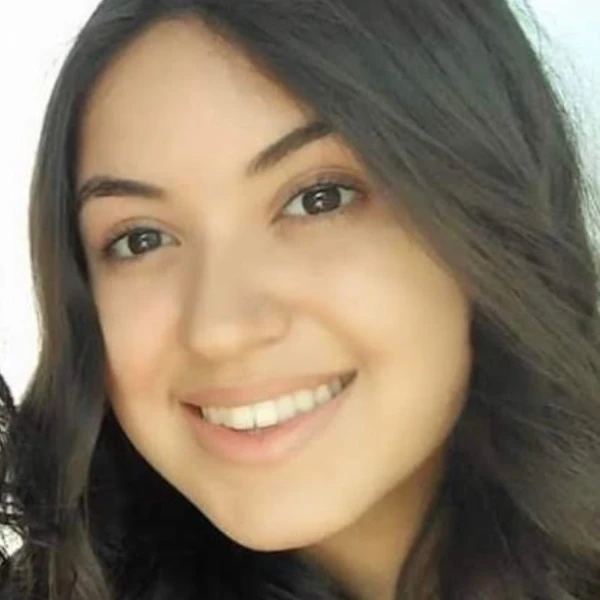
Monica Chicas
1x
FinalistMonica Chicas
1x
FinalistBio
I am an adult student returning to school with a clear purpose: to earn my psychology degree and continue into a master’s program so I can become a licensed therapist. My goal is to support people who struggle silently, especially those affected by trauma. I hope to specialize in CPTSD and trauma-informed therapy, and I am committed to creating safe, affirming, and long-lasting change in the lives of others.
My journey has taught me resilience, empathy, and the importance of mental health advocacy. I’m dedicated to learning, growing, and becoming a professional who can meet people where they are and help them rebuild their lives. I bring strong communication skills, a deep sense of compassion, and a genuine passion for serving my community.
Ultimately, I want to be the kind of therapist I needed when I was younger—someone who listens without judgment, guides with care, and truly understands the impact of trauma. Every step of my education brings me closer to that goal, and I’m grateful for opportunities that help me move forward.
Education
San Francisco State University
Bachelor's degree programMajors:
- Clinical, Counseling and Applied Psychology
Canada College
Associate's degree programMajors:
- Sociology
- Psychology, Other
GPA:
3
Miscellaneous
Desired degree level:
Bachelor's degree program
Graduate schools of interest:
Transfer schools of interest:
Majors of interest:
- Clinical, Counseling and Applied Psychology
- Sociology
Career
Dream career field:
Mental Health Care
Dream career goals:
Therapist
Security Operator
CZI2021 – Present5 years
Audra Dominguez "Be Brave" Scholarship
When I am confronted with adversity, whether physical, emotional, or mental, I remind myself that every step forward is an act of resistance and growth. My journey has not been easy. Growing up with a traumatic childhood shaped the way I viewed myself and the world around me. I learned early that strength is not loud. Sometimes it is simply finding the courage to keep going even when everything feels overwhelming. For a long time, I carried my pain quietly, not knowing how to process it or how deeply it affected my confidence and my future. As I grew older, I realized that I wanted my past to motivate me, not limit me.
Living with ADHD has been another form of adversity that has influenced my path. ADHD affects focus, organization, and emotional regulation, all of which are heavily involved in academic success. There were times when I felt frustrated with myself, especially when my mind felt scattered or when I struggled to keep up with the demands of school. But instead of giving up, I chose to learn how my brain works and how to support myself. I started building routines, using timers, breaking tasks into smaller steps, and creating study environments that help me stay grounded. I learned to ask for help when I needed it and to be honest about my challenges. These steps taught me that ADHD does not define my intelligence or my future. It simply means I need different tools to succeed.
My traumatic childhood and ADHD have both shaped my career aspirations in powerful ways. Instead of holding me back, they gave me a deeper understanding of the emotional struggles people carry. They taught me patience, empathy, and resilience. These qualities are exactly why I feel called to work in mental health. I want to become a trauma informed therapist who supports individuals who have lived through pain and who need someone who truly understands what it feels like to fight through adversity.
When adversity shows up in my life now, I rely on the skills I have spent years building. I ground myself, create step by step plans, and remind myself of the purpose behind my goals. My past has taught me that healing is not a straight line, but it is possible. Every challenge I overcome brings me closer to the person I want to be and to the career where I hope to help others find their own strength.
Healing Self and Community Scholarship
The unique contribution I hope to bring to the world is a model of mental health care that is compassionate, culturally aware, and affordable for everyone. As a Latina pursuing a career in mental health, I want to help remove the financial and cultural barriers that prevent people in underserved communities from seeking support. Many individuals who need help the most feel overwhelmed by the cost of therapy or unsure of how to find someone who understands their cultural background. I want to change that.
My goal is to create community based programs that offer low cost services, emotional education workshops, and support groups that feel welcoming and accessible. I want to provide therapy in both English and Spanish and offer care that respects cultural values, family dynamics, and the unique challenges faced by the Latino community. I also plan to use virtual platforms to reach people who cannot attend in person due to work, childcare, or transportation limitations.
I believe mental health care should not be a privilege. It should be something every person can access without fear or shame. By combining trauma informed care with cultural understanding and affordable services, I hope to create healing spaces where people finally feel seen and supported. My contribution to the world will be making mental health care reachable for anyone who needs it, especially those who have been overlooked for far too long.
Kim Moon Bae Underrepresented Students Scholarship
My identity as a Latina has shaped my path in ways that continue to influence my goals, my values, and the type of professional I hope to become. Being part of an underrepresented minority population means carrying a deep sense of culture, pride, and community, while also navigating the realities of limited representation and unequal access to resources. Growing up Latina meant learning how to move through spaces where people like me were not always seen, heard, or fully understood. That experience built strength, resilience, and a commitment to creating change for others who share a similar background.
As a Latina, I grew up witnessing the quiet sacrifices my family made. I saw how hard they worked, how much they overcame, and how often they pushed through challenges without support. These experiences taught me that determination is not optional. It is a way of life. They also taught me that many barriers faced by Latino communities are not due to lack of effort or potential, but due to lack of representation, cultural understanding, and access to resources. This realization is one of the main reasons I chose to pursue mental health as a career. I want to help fill the gaps that I saw growing up. I want to provide the kind of support my community deserves.
My identity has also shaped my understanding of compassion. I learned early on that emotional struggles are often hidden in Latino families because mental health is not always openly discussed or fully understood. I saw how people carried trauma silently and how much it affected their lives. These experiences helped me develop empathy for those who feel they must be strong even when they are hurting. They also gave me a deeper purpose. I want to help break the stigma surrounding mental health in my community and show others that seeking help is an act of strength, not weakness.
As I move forward in my education and career, being Latina will continue to guide the way I serve others. My goal is to become a trauma informed therapist who understands the cultural layers that influence mental health. I want to create spaces where Latino individuals feel seen and respected. I want to offer therapy that honors our cultural values, family ties, and lived experiences. Representation matters, and I want my presence in this field to show young Latinas that they belong in healthcare settings, academic spaces, and leadership roles.
My identity is a source of pride and purpose. It reminds me who I am fighting for and why my voice matters. I am committed to using my education to uplift my community, expand access to care, and create healing spaces where Latino voices are valued and understood.
Bick First Generation Scholarship
Being a first generation student means carrying the hopes of my family while creating a future that none of us have fully seen before. It means stepping into spaces that feel unfamiliar and sometimes intimidating, but doing it anyway because I know each step forward opens doors for the people who come after me. I did not grow up with a clear map of how to navigate college or higher education. I had to learn through trial and error, through moments of uncertainty, and through trusting that I belonged even when it felt like I was guessing. Being first generation means choosing courage every day.
The challenges I have faced are not simple or small. Returning to school as an adult brought its own pressures. I had to balance work, home responsibilities, financial stress, and my own mental health while learning how to be a student again. There were times when I questioned whether I was capable enough or whether I had waited too long to continue my education. I often felt like I had to work twice as hard to understand processes and systems that many others already knew. But each challenge taught me resilience. When I felt overwhelmed, I reminded myself why I started. I wanted to create a different life, not only for myself, but for those who look up to me. I wanted to prove that dreams remain possible even when life has not been easy.
What drives me most is my desire to work in mental health and support individuals who struggle silently. My own journey with trauma and healing showed me how important compassionate care truly is. I want to become a trauma informed therapist who provides understanding, safety, and long term support to people who have never had the chance to feel fully seen. This purpose keeps me grounded. It reminds me that every class I take and every obstacle I overcome is shaping me into the professional I want to become.
This scholarship would move me closer to my goals by easing the financial weight that often holds me back. Tuition, textbooks, transportation, and basic living costs add up quickly, especially while balancing part time work and school. Receiving this support would allow me to focus more fully on my studies and less on constant financial pressure. It would help me stay on track toward graduate school and eventually licensure so I can begin serving my community.
My dream is to build a career centered on healing, compassion, and community care. I want to support individuals who feel overlooked, misunderstood, or afraid to speak about their pain. Being a first generation student is not easy, but it has shaped my determination and strengthened my purpose. This scholarship would not only support my education. It would help me continue a journey that I hope will lead to brighter futures for the people I will one day serve.
Henry Respert Alzheimer's and Dementia Awareness Scholarship
Alzheimer’s disease has had a profound impact on my understanding of family, memory, and the importance of compassionate care. Watching someone slowly lose parts of themselves is one of the most difficult experiences a family can face. You do not only lose the person you knew. You also lose shared memories, familiar expressions, and the sense of stability that comes from knowing someone deeply. For families, the grief begins long before the final goodbye. It is a gradual heartbreak that reshapes daily life and forces everyone to adapt in ways they never expected.
My experience with dementia taught me that this illness affects far more than the person diagnosed. It affects the emotional well being of every family member. I witnessed moments of confusion, fear, and frustration, not only in the individual suffering from memory loss but also in those trying to support them. It becomes a constant balance between protecting their dignity and keeping them safe. Even simple tasks require patience and creativity, and the emotional weight of caregiving can be overwhelming. This illness reveals the importance of community support, shared responsibilities, and moments of grace.
Despite the sadness that dementia brings, it also taught me powerful lessons about empathy, resilience, and presence. I learned that patience is an act of love and that sometimes the most meaningful form of care is simply being present, even when the person no longer fully understands who you are. I learned how to communicate in new ways, using gentle tones, simple language, and familiar cues to ease fear and confusion. I learned to celebrate small moments, like a sudden spark of recognition or a brief smile that reminds you the person you love is still there beneath the illness.
This experience also influenced my educational and career goals. Witnessing the emotional toll of dementia strengthened my desire to work in mental health and support families dealing with long term illness. I want to provide trauma informed therapy not only to individuals, but also to caregivers who often feel isolated, exhausted, and unseen. Dementia creates emotional wounds for everyone involved, and these wounds deserve support and understanding. My goal is to help families navigate the grief, stress, and constant adjustment that come with caring for someone whose memories are fading.
Most importantly, Alzheimer’s disease taught me that every moment of clarity, every story shared, and every act of kindness matters. It taught me that people are more than their diagnosis and that compassion can reach deeper than memory. This illness changed the way I view aging, family, and the importance of mental health support. It influenced who I want to become as a professional and as a person. Through what I learned, I hope to help others face this difficult journey with strength, understanding, and a sense of community.
Women in Healthcare Scholarship
I chose to pursue a degree in healthcare because I believe that healing is one of the most powerful ways to create change in the world. My own experiences with mental health and my journey toward understanding trauma showed me how deeply healthcare professionals can influence a person’s life. A single moment of compassion, patience, or understanding can completely shift someone’s path. I want to be part of that kind of work. I want to support people who often feel unseen or unheard, especially individuals who carry emotional wounds that they have never been able to express. Healthcare gives me the opportunity to blend science, empathy, and advocacy into a meaningful career that allows me to serve others.
What inspires me most about healthcare is that it reaches into every part of a person’s life. It is not just about treating illness. It is about guiding people toward stability, safety, and long term well being. This is especially true in the field of mental health, which is where I feel the strongest calling. I want to specialize in trauma informed therapy and support individuals who live with complex trauma, chronic stress, or emotional challenges that have been overlooked for years. Many people, especially those from marginalized communities, grow up without access to proper mental health support. I want my career to challenge that gap and offer care that is respectful, accessible, and rooted in understanding.
As a woman entering the healthcare field, I hope to contribute a voice that values empathy, patience, and human connection as essential parts of healing. Women have always played a crucial role in caregiving, yet their contributions are often overlooked or undervalued. I want to represent strength through compassion and show that emotional intelligence is just as important as clinical knowledge. Many individuals, especially survivors of trauma, feel more comfortable opening up to women because they associate them with safety and understanding. I hope to honor that trust by creating therapeutic environments where people feel safe enough to be honest about what they are going through.
I also want to inspire other women, especially those who come from challenging backgrounds, to pursue careers in healthcare. Representation matters. When people see someone who looks like them or shares similar experiences achieving their goals, it gives them hope that they can do the same. I want to be part of a generation of women who use their education and their compassion to transform healthcare systems from the inside.
My goal is to bring empathy into clinical spaces, reduce stigma surrounding mental health, and help people rebuild their lives with the support they deserve. I hope to bring healing to individuals who have been carrying their pain alone for far too long. Through my education and future career, I want to make a lasting positive impact on both individuals and the communities they come from.
Mikey Taylor Memorial Scholarship
My experience with mental health has influenced my beliefs, relationships, and career aspirations in ways that continue to shape the person I am becoming. For a long time, I carried my struggles quietly because I did not fully understand what I was feeling or how deeply it affected my daily life. Going through that process taught me that mental health is not something small or separate from who we are. It is a core part of our identity and our ability to function, connect, and grow. It affects how we respond to stress, how we build relationships, and how we see our place in the world. Understanding this has changed my beliefs about what people need in order to heal and what compassion truly looks like.
My beliefs about people have softened and expanded. I have learned that many individuals carry invisible pain that affects their behavior in ways others might not notice. Instead of judging quickly or assuming the worst, I now try to approach others with patience and empathy. I believe that healing requires a safe environment and a sense of being truly seen. I also believe that the human mind is incredibly resilient and that people can grow even after difficult experiences, but they need the right support. These beliefs have shaped the way I treat others and the way I want to serve my community.
My relationships have also been transformed. My mental health journey taught me the importance of communication and emotional honesty. I learned that I needed relationships where I felt safe to be vulnerable and where I could share what I was feeling without fear of being dismissed. This helped me form healthier connections and let go of relationships that were not supportive of my growth. It also allowed me to become more present and open with the people I care about. I understand now that strong relationships are built on trust, gentle understanding, and a willingness to support each other even through uncomfortable moments.
These experiences have shaped my career aspirations more than anything else. My own struggles inspired me to pursue a path in mental health so that I can help others who feel lost or overwhelmed. I want to become a trauma informed therapist who works with individuals who often go unheard, including people dealing with complex trauma and those from marginalized communities. My experiences help me understand what it feels like to search for meaningful support and how powerful it can be when someone finally feels understood. This is the type of healing environment I want to create for others.
My journey with mental health has become the foundation of my purpose. It guides the way I see people, the way I approach relationships, and the career I am building for myself.
Learner Mental Health Empowerment for Health Students Scholarship
Mental health is important to me as a student because it affects every part of how I learn, how I show up in the classroom, and how I manage the stress that comes with higher education. When my mental health is supported, I am able to focus, think clearly, and stay motivated even when my workload is heavy. When it is not supported, everything feels harder. I have learned through experience that success in school is not only about studying or being disciplined. It is also about having the emotional stability needed to handle pressure, setbacks, and personal challenges. Taking care of my mental health is what allows me to stay consistent, regulate my emotions, and keep moving forward even when the semester becomes overwhelming.
My own journey with mental health has taught me the importance of building supportive habits. I have learned to take breaks when I need them, reach out for help when things become too heavy, and create routines that help me stay grounded. These habits allow me to show up as my best self in the classroom. They have also helped me understand that students deserve an environment where they feel safe, supported, and encouraged to take care of their emotional well being. Mental health is not separate from education. It is a major part of it.
As for advocacy, I support mental health in my community by being someone who listens without judgment. Friends, classmates, and even people I casually know often come to me when they are struggling. I offer a calm space for them to talk through their feelings, and I share coping tools that have helped me in the past. I remind them that their emotions matter and that it is okay to ask for help. Sometimes people simply need reassurance that they are not alone, especially when they are dealing with anxiety, trauma, or stress from school and home life.
I also advocate for mental health by normalizing conversations about emotional wellness. I talk openly about stress and self care, and I encourage others to reach out to counselors or trusted adults when they feel overwhelmed. In my home and personal relationships, I practice empathy by checking in on people regularly and making sure they have someone to talk to. When someone is struggling silently, a small gesture can make a big difference.
As I continue studying psychology and preparing for a career in trauma informed therapy, I plan to use my education to expand this advocacy even more. I want to bring mental health resources into communities that often lack them and help people build emotional skills that will carry them through school and through life. My experiences as a student have shown me how much mental health matters, and I hope to help others feel supported, understood, and empowered in their own journeys.
ADHDAdvisor Scholarship for Health Students
I have been helping others with their mental health by creating safe and nonjudgmental spaces where people feel comfortable opening up about what they are going through. Friends, classmates, and even coworkers often turn to me when they feel overwhelmed, anxious, or unsure of how to cope. I listen with patience, help them talk through their emotions, and offer grounding tools or coping strategies that have helped me in my own healing. I never try to fix people or minimize their pain. Instead, I focus on helping them feel heard and supported. Sometimes the most meaningful support is simply being present and showing that they do not have to face their struggles alone.
My own experience with mental health has made me very empathetic toward others. I can recognize when someone is struggling even if they are trying to hide it, and I approach them gently so they feel safe enough to share if they choose to. I have encouraged people to seek professional help when appropriate and have helped others understand that reaching out is not a sign of failure. It is a sign of strength. These moments have shown me how powerful emotional support can be and how much it matters to have someone who truly listens.
My goal is to use my studies and future career to expand this type of support on a professional level. As I work toward becoming a trauma informed therapist, I plan to specialize in complex trauma, CPTSD, and emotional regulation. I want to help people who have felt overlooked or misunderstood, especially individuals from marginalized communities who often struggle to access care. I hope to create a therapeutic environment that feels calm, safe, and validating. Healing becomes possible when someone finally feels seen.
In the future, I also want to bring emotional education into community spaces. Many people grow up without learning how to manage stress, process emotions, or recognize trauma responses. I hope to offer workshops, support groups, and outreach programs that teach these skills in ways that feel accessible and empowering. By combining personal experience, academic training, and genuine compassion, I hope to support others in building healthier coping habits and stronger emotional foundations.
Helping others with their mental health has always felt natural to me, and my future career will allow me to continue doing this work with even greater purpose and impact.
Ethel Hayes Destigmatization of Mental Health Scholarship
My experience with mental health has shaped every part of my life, including my goals, my relationships, and the way I understand the world. For a long time, I carried my struggles quietly. I did not always have the language to describe what I was feeling, and I did not always have access to the kind of support that could genuinely help. Living through that taught me how deeply mental health influences every corner of a person’s life. It affects how you think, how you love, how you trust, and how you see yourself. These lessons have become the foundation of my personal and professional purpose.
My goals today are directly connected to my own healing. Experiencing trauma and learning how to manage it showed me how important compassionate mental health care truly is. It made me realize that healing is not simply about surviving difficult moments. It is about learning how to process emotions, understanding your triggers, finding healthy ways to cope, and building a life that feels steady and meaningful. Because of this, I am working toward becoming a trauma informed therapist who can help others navigate struggles that often feel too heavy to handle alone. I want to create spaces where people feel safe and understood, especially individuals who come from communities that rarely receive adequate support. My experience taught me that sometimes all a person needs is someone who listens without judgment. That is the kind of professional I want to become.
My mental health journey has also shaped my relationships. It has taught me the value of honesty and vulnerability. I learned that relationships grow stronger when both people feel safe enough to be real. I now choose relationships that are built on patience, emotional respect, and open communication. I have become more aware of how important it is to surround myself with people who support my growth and who understand that healing is not always linear. My experiences have helped me become more compassionate toward others as well. When someone is struggling, I can sense it. I can sit with them in their discomfort without rushing them or telling them to get over it. This has helped me become a better friend, partner, and listener.
Finally, my understanding of the world has changed because of what I have lived through. I no longer see people as simply strong or weak. I see people as layered, complex, and shaped by experiences that may not be visible on the surface. I also understand that many people are fighting battles that they keep hidden. This awareness has made me more patient and more empathetic. It has shown me the importance of community, connection, and accessible mental health resources. My experiences taught me that healing is possible, but no one should have to face it alone. This belief guides everything I hope to do in the future.
Harvest Scholarship for Women Dreamers
My pie in the sky dream is to create a trauma informed community wellness center that provides accessible mental health care, emotional education, and support for individuals who often feel invisible within traditional systems. I imagine a space where people can receive therapy, learn practical coping skills, build community connections, and finally feel understood. I picture a place where healing is not treated as a luxury, but as a basic part of life that everyone deserves. This dream feels huge and sometimes just out of reach, but it is also the vision that motivates me every day.
The spark for this dream came from my own experiences with trauma and the difficulty of finding the right kind of support. I know what it feels like to search for help and receive resources that do not fit, or to feel misunderstood by professionals who do not recognize the complexity of trauma. I also know what it feels like to finally encounter someone who listens, who creates safety, and who teaches skills that bring real change. Experiencing both sides of the mental health system showed me how much work still needs to be done. It made me realize that emotional care must be culturally aware, accessible, and built upon compassion and patience. From that realization, my dream was born. I want to create a space where healing is guided by understanding, where people are not rushed, and where small daily progress is celebrated.
To reach this dream, I know I will need a combination of education, clinical experience, and community involvement. Completing my psychology degree is the first step. I plan to continue into a master’s program so I can become a licensed therapist trained in complex trauma, CPTSD, and neurodiversity affirming care. During my training, I hope to work in environments that serve marginalized or underserved communities. I want to develop a deeper understanding of the specific challenges these groups face and learn how systems can unintentionally cause harm. This experience will help shape the foundation of the wellness center I hope to build.
Beyond clinical training, I will need strong community partnerships. My dream involves more than private practice. It includes workshops, support groups, outreach programs, and collaborative efforts with schools, youth programs, and local organizations. I want to build connections with people who understand the needs of the community from the inside. These partnerships will help ensure that the programs we create are truly useful and grounded in the lived experiences of the people we serve.
The final and perhaps most important step will be learning how to lead with courage, creativity, and patience. Creating a wellness center will require funding, planning, and trust in myself even when the dream feels far away. It will require me to grow not only as a therapist but also as a leader who believes that healing begins with connection. I will need to remain committed to my vision even when obstacles appear.
My pie in the sky dream may feel distant, but it is the dream that gives my journey meaning. It is the future I want to build so that no one has to feel alone in their healing ever again.
Rev. and Mrs. E B Dunbar Scholarship
One of the biggest obstacles I have had to overcome in my pursuit of higher education has been learning how to balance school with the realities of adulthood and the challenges that come with it. Returning to school as an adult is very different from entering straight out of high school. You carry responsibilities, financial stress, and life experiences that can make the journey feel overwhelming. For me, it took a lot of courage to step back into the classroom after being away for years. I had moments where I questioned whether I belonged, whether I could keep up, and whether my goals were still possible. Learning to rebuild my confidence and believe in my ability to succeed has been one of the most important challenges I have worked through.
Another significant obstacle has been navigating higher education while managing my own mental health. Processing trauma, dealing with stress, and learning how to regulate my emotions all while keeping up with coursework has not been easy. There were times when I had to slow down, regroup, and remind myself that progress does not always look perfect. This process taught me patience with myself and helped me understand the importance of creating healthy habits that support long term success. These experiences have shaped the way I approach school and the way I plan to support others in the future.
Along with personal barriers, financial challenges have also played a role in my journey. Paying for school, supplies, and daily living costs has required careful planning and sacrifices. I have had to work part time while taking classes, often juggling long days to make sure I stay on track. Although it has been difficult, it has strengthened my determination and made my goals feel even more meaningful. Every step I take toward my degree is proof that I am building something better for myself and for the people I hope to help.
These obstacles have shaped my purpose in a powerful way. They have taught me the value of empathy, resilience, and community. In the future, I plan to use my education in psychology and mental health to give back to the people who face similar struggles. I want to become a trauma informed therapist who creates safe spaces for individuals who often go unnoticed or unsupported. Many people in marginalized communities face major barriers that prevent them from receiving the care they need. My goal is to provide therapy that is accessible, culturally aware, and grounded in genuine compassion.
Beyond individual work, I want to bring mental health education into community settings, schools, and local organizations. By teaching emotional wellness skills, offering outreach programs, and advocating for better resources, I hope to help people feel more connected, more empowered, and more hopeful. My education is not only for my own growth. It is a tool I plan to use to lift others, improve my community, and make healing accessible for the people who need it most.
Aaryn Railyn King Foundation Scholarship
I am an adult student working toward a degree in psychology with the goal of entering a medical and mental health career where I can support individuals who often go unheard. My passion for healing comes from my own experiences with trauma, resilience, and the belief that every person deserves access to compassionate and culturally responsive care. As I continue my education, I am committed to becoming a licensed mental health professional who specializes in trauma informed therapy, complex trauma, and long term emotional healing. My dream is to use my training to create safe spaces for people who have been overlooked by traditional systems.
What motivates me most is the need for accessible and affirming care within marginalized communities. Many people grow up without the language to describe their pain, without support systems that understand them, and without opportunities to heal in a way that respects their identity and their lived experiences. I want my medical career to challenge these barriers. I hope to serve individuals who feel that their struggles are invisible. I want to be a professional who listens with patience, validates without judgment, and provides tools that empower lasting change.
The impact I hope to make goes beyond individual therapy sessions. I want to play a role in improving community wellness and increasing mental health literacy. This includes working with community organizations, schools, and local programs to teach emotional regulation skills, stress management techniques, and trauma informed practices. When people learn how to support their own mental health and how to recognize the signs of distress in others, communities become stronger and more resilient. I want to bring this knowledge to spaces where mental health resources have historically been limited.
In my medical career, I also want to advocate for individuals who face structural barriers to care. This includes people with neurodivergent needs, people from low income backgrounds, immigrants, survivors of trauma, and individuals who experience discrimination. By offering therapy and outreach that respects cultural differences and personal histories, I can help close the gap between what people need and what they are able to access. My goal is to reduce stigma, encourage early intervention, and make mental health care feel reachable instead of intimidating.
Ultimately, I see my future career as a way to bring healing, education, and hope to the people who need it most. I want to help individuals rebuild their sense of self, regain control of their lives, and recognize the strength they have always carried within them. Through trauma informed care, community advocacy, and a lifelong commitment to empathy, I hope to make a positive impact that extends far beyond my own practice and into the world around me.
Dr. Steve Aldana Memorial Scholarship
Dr. Steve Aldana’s message resonates with me on a very personal level. His belief that meaningful health improvement comes from small and sustainable daily habits is exactly how I view long term well being, especially within the mental health field. Healing and wellness are not sudden events. They are processes that grow slowly through consistency, compassion, and gentle daily effort. As I pursue my education in psychology and work toward becoming a licensed therapist, I plan to continue this mission by helping individuals build emotional habits that support long lasting mental health.
In my own life, I have learned that change becomes possible only when it feels manageable. People who are living with trauma, chronic stress, or other mental health challenges often feel overwhelmed by the idea of major lifestyle shifts. For many, these big changes do not feel realistic or accessible. What has helped me, and what I hope to help others discover, is that progress can begin with the smallest actions. A single moment of grounding, a mindful pause, or a simple act of self kindness can gradually create healthier pathways in the brain. Small steps do not feel threatening or impossible. They feel achievable. Over time, they become habits. With consistency, habits become transformation.
As a future therapist, I plan to incorporate this philosophy into trauma informed and neurodiversity affirming care. Many people with complex trauma or sensory sensitivities need wellness tools that are gentle, predictable, and tailored to their strengths. I want to create therapeutic environments that feel safe and flexible. My approach will include teaching emotional regulation skills, building coping strategies through repetition, and helping clients practice daily habits that support stability. These daily practices can include simple breathing exercises, grounding techniques, journaling prompts, or sensory adjustments that reduce stress. When clients begin to trust these small habits, they begin to trust themselves.
I also want to bring this same philosophy into community spaces. Mental health literacy is still limited in many neighborhoods, and many people do not know where to begin when it comes to emotional wellness. I hope to create workshops and educational outreach that teach small and sustainable mental health habits that are easy for anyone to practice. By simplifying mental health tools and making them culturally respectful and accessible, I can help more people realize that wellness is not out of reach. It simply begins with one manageable step taken at a time.
Through my education and passion for trauma informed care, I plan to carry Dr. Aldana’s mission forward by helping communities and individuals discover the power of small habits that lead to meaningful change.
CF Boleky Scholarship
My best friend is someone who has been a constant source of grounding, humor, and emotional safety in my life. What makes our friendship so important to me is not just the big defining moments, but the collection of small memories that have shaped who we are together. We became close during a time when both of us were struggling with our own challenges, and instead of pulling away, we slowly learned how to show up for each other in ways that felt real and unconditional. That foundation of honesty and support is something I value deeply.
One of the moments that defined our friendship happened during a period when I felt overwhelmed and disconnected from myself. I didn’t have the words to explain what I was going through, but somehow my best friend understood anyway. Instead of telling me what I “should” do or trying to fix things quickly, they sat with me in a quiet space—no pressure, no judgment. That was the first time I experienced what true emotional presence looks like. It taught me that support doesn’t always have to be loud or dramatic; sometimes the most healing thing is knowing you don’t have to face something alone.
We’ve also shared moments on the opposite end of the emotional spectrum—laughing until we can’t breathe, staying up late watching movies, taking spontaneous trips just to clear our minds, or turning everyday things into inside jokes that only we understand. These moments have become part of our personal history. They remind me that even during stressful or painful phases of life, joy still exists and meaningful connection can help carry you through.
Another defining moment came when my friend opened up about their own struggles, trusting me with thoughts they had never said out loud to anyone else. That mutual vulnerability helped solidify our bond and created a space where both of us felt safe to be imperfect. It taught me the importance of empathy, patience, and nonjudgmental listening—skills I now carry into my journey toward becoming a mental health professional.
This friendship is important to me because it represents growth, understanding, and unconditional support. My best friend has encouraged me to pursue my goals, reminded me of my strength during hard times, and celebrated my progress even when I couldn’t see it myself. Our bond has shaped the way I view relationships, healing, and the type of person I strive to be for others.
In many ways, my best friend has influenced my commitment to mental health work. They’ve shown me how powerful it can be when someone truly sees you and believes in your ability to heal. Because of this, I hope to give others the same sense of connection, security, and hope that our friendship has given me.
Mental Health Profession Scholarship
One of the biggest mental health challenges I have faced is learning how to navigate and heal from my own trauma while still showing up for my education, relationships, and responsibilities. For a long time, I carried the effects of trauma quietly, not fully understanding how deeply it influenced my emotions, reactions, and ability to trust others. I often minimized my own struggles, believing that I simply needed to “push through.” But over time, I realized that healing requires more than endurance—it requires honesty, self-compassion, and a willingness to seek support.
Overcoming this challenge has been an ongoing process. I’ve had to unlearn the idea that asking for help is a weakness and instead recognize it as an act of strength. Through therapy, self-reflection, and creating healthier boundaries, I’ve started to reconnect with myself in ways that feel grounding and empowering. I’ve learned how to identify my triggers, how to regulate my emotions without shame, and how to give myself patience during setbacks. I am still working through this journey every day, but the progress I’ve made has shaped me into someone more empathetic, more resilient, and more committed to understanding others. It also solidified my passion for trauma-informed mental health care, because I know the difference it can make when someone finally feels safe enough to heal.
As I continue my education and move into my career path, I plan to use my experiences to support others who are struggling with their own mental health challenges. My goal is to become a therapist who specializes in trauma, CPTSD, and neurodiversity-affirming care. I want to create a therapeutic environment where people feel respected, validated, and understood—especially those who come from marginalized communities that are often overlooked or stigmatized. I believe deeply in meeting people where they are and helping them build tools that work for their unique needs, not forcing them into rigid models that don’t reflect their lived experiences.
Beyond one-on-one therapy, I also plan to raise awareness about mental health through advocacy, community outreach, and education. I want to help break down the barriers that prevent people from seeking support, such as stigma, fear, lack of cultural understanding, or limited access. I hope to organize workshops, collaborate with community centers, and help develop programs that promote mental health literacy and normalize conversations around trauma and healing. By sharing parts of my story and being transparent about mental health challenges, I want to show others that healing is possible, support is available, and no one deserves to suffer in silence.
Ultimately, I hope to transform my own healing into something larger—something that helps others feel less alone, more empowered, and more hopeful about their future.
Harvey and Geneva Mabry Second Time Around Scholarship
I am an adult student pursuing a psychology degree with the goal of becoming a licensed therapist who specializes in CPTSD and trauma-informed care. My decision to return to school is rooted in a deep desire to support people who have experienced trauma, especially those from marginalized communities who often face the most structural, cultural, and financial barriers to mental health care. Many individuals from these communities grow up without access to therapy, without the language to describe their experiences, and without the support systems needed to heal. I want to change that by becoming a therapist who not only listens, but truly understands the weight that trauma, poverty, discrimination, and generational struggles can place on a person’s life.
My own history with mental health has profoundly influenced my beliefs and my career aspirations. I know what it feels like to struggle silently, to search for help that feels out of reach, and to wish for a therapist who genuinely understands trauma rather than simply treating symptoms. My experiences have taught me that healing is not just about managing mental health challenges; it is also about feeling safe, validated, and empowered. Because of this, I believe deeply in trauma-informed care, cultural sensitivity, and creating therapeutic spaces that acknowledge the full complexity of a person’s lived experience. These beliefs drive me to advocate for better mental health resources and push back against stigma in my own community.
My experience with mental health has also shaped my activism. I have become vocal about encouraging others to seek help, normalizing conversations about trauma, and challenging the idea that therapy is only for certain people. I want to expand access to mental health care for communities that have been historically overlooked or underserved, including people of color, low-income families, immigrants, LGBTQ+ individuals, and survivors of complex trauma. I want to help individuals who have never been offered the chance to heal, who have been dismissed or misunderstood, and who deserve compassionate support.
In my future career, I plan to contribute to both individual and community-level change. While providing one-on-one therapy is central to my path, I also hope to collaborate with community organizations, schools, and outreach programs to make mental health education and services more accessible. I want to promote trauma-informed practices within institutions, expand resources in underserved areas, and help people navigate systems that are often confusing or overwhelming.
Ultimately, my goal is to help people reclaim their stories, rebuild their sense of identity, and find hope where it was once lost. I want to be a therapist who creates long-lasting, meaningful change not only for individuals, but for the communities they come from—because healing should never be a privilege limited to a few.
Fuerza de V.N.C.E. Scholarship
My decision to pursue a degree in social work came from my desire to build a career rooted in service, healing, and community empowerment. For a long time, I knew I wanted to work in the mental health field, but I also wanted a path that allowed me to address the deeper structural issues that affect people’s lives. Social work stood out to me because it combines clinical practice with advocacy, community outreach, and systemic change. It offers a holistic approach to helping others—one that acknowledges that mental health is shaped not only by individual experiences, but also by environment, trauma, access to resources, and the presence or absence of support systems. The idea of becoming someone who could meet people where they are, understand the context of their struggles, and support them both emotionally and practically is what drew me to this field.
Since starting the program, my understanding of social work has expanded in meaningful ways. I always knew social work involved helping individuals, but I have learned how deeply it is connected to justice, equity, and community health. Social work is not just about responding to crisis—it is also about preventing harm, advocating for underserved groups, and addressing the root causes of trauma and instability. This realization has strengthened my commitment to becoming a trauma-informed professional who supports individuals while also contributing to broader systems change. It has also opened my eyes to how many communities still lack accessible, culturally responsive mental health care. Learning about these disparities has reinforced my goal of becoming a clinician who works intentionally with marginalized populations who are too often overlooked or misunderstood.
In the future, I plan to focus my work on individuals impacted by trauma, including those with CPTSD, survivors of abuse, and people from communities where mental health services have historically been limited. I want to help create healing spaces for people who tend to suffer in silence or who have been dismissed by the systems that were supposed to support them. My hope is to eventually provide therapy within community-based organizations or clinics that serve low-income families, BIPOC communities, immigrants, and others who face barriers to care. I also plan to offer outreach, education, and workshops that help reduce stigma and increase access to trauma-informed resources.
Giving back, for me, means using my education to uplift those who have been denied support for far too long. It means advocating for individuals who feel unseen, guiding them through their healing journey, and contributing to a future where mental health care is a right—not a privilege. Through social work, I plan to serve my community with compassion, commitment, and a long-term dedication to meaningful change.
Susie Elizabeth Memorial Scholarship
What inspires me to work with individuals with Autism Spectrum Disorder is the belief that every person deserves to feel understood, valued, and supported in ways that honor who they truly are. Autism is often viewed through a deficit-based lens, but I see it as a form of neurodiversity that brings unique strengths, insights, and perspectives. Too often, people with autism face barriers created not by their differences, but by environments and systems that fail to meet their needs. Knowing this drives me to become someone who helps close those gaps—someone who offers patience, understanding, and a therapeutic space where individuals on the spectrum can feel fully seen and accepted.
Part of this inspiration comes from witnessing how deeply a supportive relationship can impact someone with autism. When individuals are given respect, consistency, and accommodations that align with how they process the world, they often flourish in ways others may not expect. I’ve seen how simple changes—like using direct language, offering sensory-friendly adjustments, or honoring alternative communication styles—can reduce stress and open doors to growth. These experiences have shown me the power of empathy, flexibility, and individualized care. They have also helped shape my commitment to developing the skills needed to serve neurodivergent individuals with compassion and professionalism.
As I pursue my psychology degree and work toward becoming a licensed therapist, I plan to specialize in trauma-informed, neurodiversity-affirming care. Many people with autism are more vulnerable to trauma due to sensory sensitivities, communication barriers, or experiences of misunderstanding, bullying, or exclusion. Unfortunately, traditional therapy models often aren’t designed with these differences in mind. My future work will focus on creating therapeutic spaces that adapt to the client—not the other way around. This includes integrating visual supports, modifying communication styles, adjusting sensory environments, and building predictable, safe treatment approaches that reduce anxiety and increase comfort.
In addition to providing direct therapy, I hope to advocate for better access to mental health services within marginalized and underserved communities. Autism often goes undiagnosed or unsupported in communities of color, low-income communities, and immigrant families due to structural barriers, stigma, or lack of culturally competent care. I want to help change this by collaborating with community organizations, schools, and outreach programs to increase awareness, provide education, and create pathways to assessment and support.
Ultimately, my goal is to help individuals with autism live fuller, more secure lives by offering them therapeutic care that truly respects who they are. I want to be someone who helps individuals understand their strengths, navigate challenges in ways that work for them, and build confidence in environments that may not always be designed with their needs in mind. My work will combine advocacy, compassion, and clinical skill to help create a world where neurodiversity is embraced and every person has the opportunity to thrive.
Arnetha V. Bishop Memorial Scholarship
I am an adult student pursuing a psychology degree with the goal of becoming a licensed therapist who specializes in CPTSD and trauma-informed care. My decision to return to school is rooted in a deep desire to support people who have experienced trauma, especially those from marginalized communities who often face the most structural, cultural, and financial barriers to mental health care. Many individuals from these communities grow up without access to therapy, without the language to describe their experiences, and without the support systems needed to heal. I want to change that by becoming a therapist who not only listens, but truly understands the weight that trauma, poverty, discrimination, and generational struggles can place on a person’s life.
My own history with mental health has profoundly influenced my beliefs and my career aspirations. I know what it feels like to struggle silently, to search for help that feels out of reach, and to wish for a therapist who genuinely understands trauma rather than simply treating symptoms. My experiences have taught me that healing is not just about managing mental health challenges; it is also about feeling safe, validated, and empowered. Because of this, I believe deeply in trauma-informed care, cultural sensitivity, and creating therapeutic spaces that acknowledge the full complexity of a person’s lived experience. These beliefs drive me to advocate for better mental health resources and push back against stigma in my own community.
My experience with mental health has also shaped my activism. I have become vocal about encouraging others to seek help, normalizing conversations about trauma, and challenging the idea that therapy is only for certain people. I want to expand access to mental health care for communities that have been historically overlooked or underserved, including people of color, low-income families, immigrants, LGBTQ+ individuals, and survivors of complex trauma. I want to help individuals who have never been offered the chance to heal, who have been dismissed or misunderstood, and who deserve compassionate support.
In my future career, I plan to contribute to both individual and community-level change. While providing one-on-one therapy is central to my path, I also hope to collaborate with community organizations, schools, and outreach programs to make mental health education and services more accessible. I want to promote trauma-informed practices within institutions, expand resources in underserved areas, and help people navigate systems that are often confusing or overwhelming.
Ultimately, my goal is to help people reclaim their stories, rebuild their sense of identity, and find hope where it was once lost. I want to be a therapist who creates long-lasting, meaningful change not only for individuals, but for the communities they come from—because healing should never be a privilege limited to a few.