Hobbies and interests
Animals
Bible Study
Anime
Biomedical Sciences
Child Development
Economics
Nutrition and Health
Reading
Business
Social Science
Self-Help
I read books multiple times per week
Monday Udosen
1x
Finalist1x
WinnerMonday Udosen
1x
Finalist1x
WinnerBio
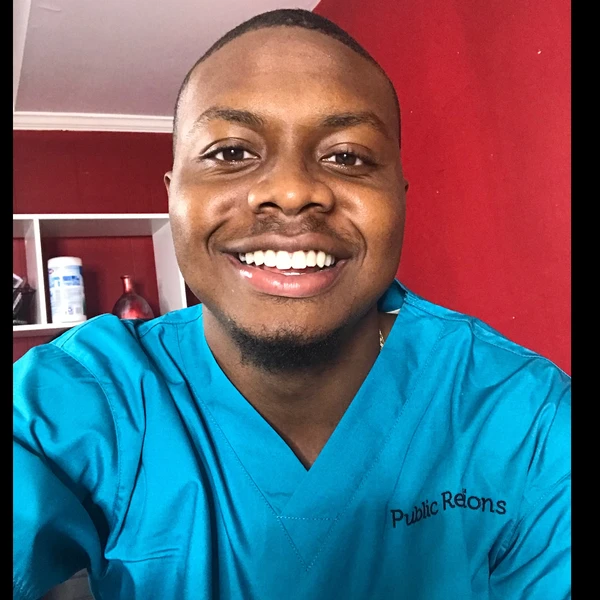
I demonstrate humanism through empathy, kindness, volunteering to aid those in need, and advocating for social justice and equality in Baltimore, a city with marked disparities. I engage in causes supporting human rights, education, and fostering understanding among diverse groups. I hope to achieve this goal through dentistry. Working at clinics in underserved communities improving access to affordable oral health care; making people smile one patient at a time.
Education
Barry University
Master's degree programMajors:
- Biological and Biomedical Sciences, Other
Morgan State University
Bachelor's degree programMajors:
- Biology, General
Minors:
- Chemistry
Miscellaneous
Desired degree level:
Doctoral degree program (PhD, MD, JD, etc.)
Graduate schools of interest:
Transfer schools of interest:
Majors of interest:
Career
Dream career field:
Dentistry
Dream career goals:
Teacher Assistant
Department of Chemistry Morgan State University2022 – 20231 yearTeacher
Walter Reed Army Institute of Research (WRAIR)2021 – 20221 yearDental Assistant
IBrush Family Dental Care2021 – 20232 years
Sports
Basketball
Club2014 – 20173 years
Research
Medicine
Department of Chemistry, Morgan State University — Research Assistant2022 – 2023Neurobiology and Neurosciences
Department of Neural and Pain Sciences, Center to Advance Chronic Pain Research, Program in Neuroscience, School of Dentistry, University of Maryland Baltimore — Intern2023 – 2024
Arts
Joe’s Movement Emporium
TheatreShort Flim2016 – 2017
Public services
Advocacy
The Army Educational Outreach Program (AEOP) — Student leader2022 – 2023Volunteering
Red Cross — Student ambassador2021 – 2022
Future Interests
Advocacy
Volunteering
Entrepreneurship
Sharra Rainbolt Memorial Scholarship
Cancer did not enter my life as a distant concept. It became personal through its impact on my family, reshaping how I understand health, time, and the role of care in people’s lives. Watching someone close to me face cancer exposed me to a reality that is often hidden behind clinical terms and statistics. I saw not only the physical toll of the disease, but also the emotional weight it carries for both the individual and everyone around them.
What struck me most was the uncertainty. Cancer is not a single moment. It is a series of waiting periods, difficult conversations, and fragile hopes. Each appointment, each update, and each decision carried significance. I witnessed the strength it took to remain hopeful in the face of fear, and the resilience required to keep moving forward even when outcomes were unclear. It changed how I view strength. Strength is not always loud or visible. Sometimes it is simply choosing to show up, to endure, and to keep believing in the possibility of better days.
This experience also revealed the importance of compassionate care. Beyond treatment plans and medical interventions, what mattered deeply were the small human interactions. The way a provider communicated, the time they took to listen, and the empathy they showed made a lasting difference. I realized that healthcare is not only about treating disease, but about supporting people through some of the most vulnerable moments of their lives.
At the same time, I became more aware of the disparities that can exist in access to care and information. Navigating the healthcare system can be overwhelming, especially for families who may not have prior experience or resources. This understanding reinforced my desire to pursue a path where I can help bridge that gap, ensuring that individuals feel informed, supported, and empowered throughout their care.
Through this experience, I also learned to value time differently. Moments that once felt routine became meaningful. Conversations, presence, and support took on a deeper importance. It taught me to be more intentional, not only in how I show up for others, but in how I approach my own goals and purpose.
Ultimately, cancer shaped my perspective in a way that goes beyond hardship. It strengthened my empathy, deepened my sense of responsibility, and clarified the kind of impact I want to have. I want to be someone who not only understands the science behind disease, but also recognizes the human experience within it. Someone who can provide not just treatment, but reassurance, clarity, and hope.
That experience did not just change how I see illness. It changed how I see people, and the kind of role I want to play in their lives.
STEAM Generator Scholarship
Entering higher education has often felt like stepping into a system that was not built with people like me in mind. As a first-generation immigrant, I did not grow up with a roadmap. There were no inherited strategies, no generational knowledge about navigating applications, standardized exams, or professional pathways. Much of what I know now was learned through trial, error, and persistence.
Early in my academic journey, this unfamiliarity showed up as uncertainty. I often found myself questioning whether I was making the right decisions or moving in the right direction. While many of my peers operated with clarity shaped by family guidance or exposure, I had to build that clarity from scratch. Over time, I realized that what initially felt like a disadvantage was also shaping a different kind of strength. I became resourceful, self-directed, and comfortable with figuring things out without guarantees.
At the same time, being an outsider to the system has made me more aware of the gaps that exist within it. I have seen how access to information, mentorship, and opportunity is not evenly distributed. I have felt the weight of navigating spaces where I had to learn not only the material, but also the unspoken expectations that come with it. This awareness has shaped both my concerns and my purpose as I continue into higher education.
One of my concerns is not about capability, but about access and representation. Higher education often assumes a level of familiarity that not all students have, and that assumption can quietly disadvantage those who are equally capable but less informed. I am aware that I may continue to encounter moments where I have to work harder to access the same opportunities or recognition. However, I no longer see that as a limitation. I see it as a responsibility to push forward and create space for others who come from similar backgrounds.
My experience as a first-generation immigrant has also deeply influenced my future goals. It has instilled in me a desire not only to succeed individually, but to change the experience for those who come after me. I want to be more than a participant in higher education. I want to be a contributor to its evolution. Whether through mentorship, community outreach, or advocacy, I plan to use my journey to provide guidance, access, and encouragement to others navigating similar paths.
There is also a personal dimension to this journey. My family’s sacrifices have given me opportunities that they did not have, and that reality shapes how I approach my education. I do not take access for granted. Every challenge I face is placed in the context of a larger story, one that includes resilience, migration, and the pursuit of something better. That perspective fuels my discipline and keeps me grounded in purpose.
Ultimately, entering higher education as an outsider has taught me how to build my own foundation. It has taught me how to navigate uncertainty, how to seek out knowledge, and how to persist when the path is unclear. More importantly, it has given me a vision for the future. I aim to succeed not only for myself, but to become a resource, a mentor, and an example for others who may feel like they do not belong.
I once felt like I was trying to find my place within the system. Now, I am focused on creating space within it.
Scholarship for US/Algerian and US/Palestinian Community Members
Growing up as an Algerian-American has shaped my identity, worldview, and career aspirations in profound ways. From an early age, I learned the value of resilience, community, and advocacy, values deeply rooted in Algeria’s history of struggle and liberation. Stories of my family’s connection to Algeria, coupled with my own experiences navigating multiple cultural identities in the United States, instilled in me a sense of responsibility to bridge gaps and create meaningful impact in the spaces I occupy. I am motivated by the idea that one can honor heritage while advancing professionally, contributing to communities in ways that reflect both personal and collective histories.
My heritage has also influenced my career aspirations, particularly in healthcare and research. Witnessing disparities in access to quality care, both within immigrant communities in the U.S. and through stories from relatives in Algeria and Palestine, strengthened my desire to serve populations that are often underserved or overlooked. I am driven to pursue a career where I can combine scientific rigor, cultural understanding, and advocacy, whether through clinical practice, research, or community outreach, to make a tangible difference in people’s lives.
Historically, Algeria is recognized for its rich cultural, literary, and revolutionary contributions. The Algerian War of Independence against French colonial rule in 1954 to 1962 stands as a defining moment, illustrating resilience and the pursuit of justice. Algeria has produced influential literary figures such as Assia Djebar, whose works explore identity, colonialism, and women’s experiences, and contributed to world music through Rai, which blends traditional and contemporary sounds to convey social commentary. Algeria has also made strides in science and medicine, producing scholars and researchers who have impacted both local and global communities.
Palestine, similarly, embodies a history of resilience and cultural richness. Palestinian literature and poetry, from Mahmoud Darwish to Ghassan Kanafani, capture the struggle, identity, and enduring spirit of the people. The region’s history, from ancient civilizations to modern geopolitical challenges, highlights the importance of perseverance and advocacy in the face of adversity. Palestinians have contributed to art, science, and sports on the global stage, demonstrating creativity and determination despite systemic obstacles.
Both heritages have taught me that identity, history, and culture are inseparable from professional purpose. They inspire me to approach challenges with resilience, empathy, and a long-term vision for impact. Whether through healthcare, research, or community leadership, I carry the lessons of Algeria and Palestine with me. The power of perseverance, the importance of giving voice to the underserved, and the value of contributing to a legacy larger than oneself are guiding principles that shape my beliefs and drive my aspiration to create meaningful, lasting change in the world.
Lauren Rebekah Uterine Fibroid & Endometriosis Research Scholarship
My interest in uterine fibroids is rooted in a broader commitment to addressing overlooked health disparities and conditions that disproportionately affect underserved populations. Uterine fibroids are one of the most common gynecological conditions, yet they remain under-discussed, under-researched, and often misunderstood, particularly in communities of color. This gap between prevalence and attention is what draws me to this field.
Coming from a background in biomedical sciences, I have developed a deep appreciation for how research translates into real-world outcomes. However, I have also come to recognize that not all conditions receive equal attention or urgency. Uterine fibroids represent a clear example of this imbalance. Despite affecting a significant number of women, many endure years of pain, misdiagnosis, or limited treatment options. That reality reflects not only a scientific gap, but also a systemic one.
What motivates me is the opportunity to be part of a shift. I am driven by the idea that research can move beyond publication and into tangible change by improving early detection, expanding treatment options, and increasing awareness. My academic training has prepared me to think critically about disease mechanisms and emerging therapies, but my long-term goal is to apply that knowledge in a way that directly benefits patients. I am particularly interested in how innovation, whether through minimally invasive procedures, regenerative approaches, or improved diagnostic tools, can redefine the standard of care for fibroids.
At the same time, I recognize that advancing this field requires more than scientific progress. It requires advocacy, education, and trust-building within communities that have historically been underserved by the healthcare system. I plan to contribute not only through research, but also through outreach by increasing awareness about symptoms, encouraging earlier medical consultation, and helping to normalize conversations around women’s health. Too often, conditions like fibroids are endured in silence, and breaking that silence is just as important as developing new treatments.
Professionally, I intend to integrate my clinical and scientific interests to contribute to a more patient-centered approach to care. Whether through collaborative research, clinical practice, or community engagement, I want to be involved in efforts that reduce the burden of fibroids and improve quality of life for those affected. I also hope to support mentorship and representation in this space, encouraging more individuals from diverse backgrounds to engage in women’s health research and advocacy.
Ultimately, my passion for studying uterine fibroids is driven by both curiosity and responsibility. Curiosity to better understand a condition that impacts millions, and responsibility to contribute to a field where progress has the potential to be both medically significant and socially meaningful. I am committed to being part of that progress.
Byte into STEM Scholarship
I measure my life in two chapters: before loss and after it.
In 2024, I lost my brother. Up until that moment, my life had been defined by structure, academic milestones, long-term goals, and a clear vision of success. I earned my master’s in biomedical sciences, built a strong academic foundation, and pushed forward with the belief that consistency alone would carry me to where I wanted to be. But loss disrupted that certainty. It forced me into a space where ambition alone was no longer enough. I had to confront who I was without momentum, without distraction, and decide whether I would break or rebuild.
I chose to rebuild.
That process was not immediate. It required discipline in moments where motivation was absent and self-reflection in uncomfortable moments. I began to strip away habits, distractions, and mindsets that no longer served me. I replaced them with intentional structure, prioritizing my health, my focus, and my purpose. Through that, I discovered something deeper than ambition: direction. I no longer pursue success for validation, but for impact.
This shift is what solidified my commitment to dentistry.
Dentistry represents more than a profession to me. It is a direct, human-centered way to restore confidence, dignity, and health. I am drawn to its precision, its artistry, and its ability to create immediate, tangible change. A restored smile is not just cosmetic. It is psychological, social, and transformative. I want to be the person who delivers that transformation, especially to individuals and communities who have historically been overlooked.
My experiences in academic, research, and clinical environments have reinforced my understanding of responsibility and leadership. I have learned that leadership is not defined by position, but by consistency. It is reflected in how you show up when it is inconvenient, how you perform when no one is watching, and how you support others without expecting recognition. Whether collaborating with peers, assisting in professional settings, or mentoring those navigating similar paths, I have developed a leadership style rooted in accountability and quiet reliability.
At the same time, I recognize the power of mentorship because I have lived the uncertainty that comes with ambition. There were moments in my journey where I lacked clear guidance, and those moments shaped my desire to become a resource for others. I want to be someone who not only succeeds but creates pathways, especially for individuals who may not see themselves represented in spaces like dentistry.
The program I am pursuing is not simply a step forward. It is a refinement process. It will challenge me to operate at a higher level technically, intellectually, and professionally. It will equip me with the clinical expertise and precision required to deliver high-quality care while also strengthening my ability to connect with patients on a human level. I am not just seeking knowledge. I am seeking mastery.
My long-term vision extends beyond clinical competence. I plan to build a career that integrates excellence with access, serving underserved populations, increasing awareness around oral health, and eventually establishing a practice that prioritizes both innovation and community outreach. I am also committed to mentorship, using my experiences to guide others who are navigating adversity, uncertainty, or delayed success.
Loss taught me that time is not guaranteed. Growth taught me that impact is a choice.
I am choosing to build a career that reflects both.
ADP Scholarship
My journey into healthcare has been shaped by resilience, curiosity, and a commitment to serving others. I earned a master’s degree in biomedical sciences and have had the opportunity to work in research, public health, and clinical environments. These experiences allowed me to see healthcare from multiple perspectives scientific discovery, patient care, and community outreach. Each setting reinforced my belief that medicine is not only about treating illness but also about empowering individuals and communities through education, prevention, and compassion.
Throughout my academic and professional path, I have sought opportunities that would deepen my understanding of health disparities and the barriers many communities face when trying to access care. Working in public health settings showed me how preventative education and early intervention can significantly improve health outcomes. These experiences strengthened my desire to pursue a career where I can combine scientific knowledge with direct patient interaction, helping individuals not only receive treatment but also understand how to protect and improve their health.
My personal life has also played a profound role in shaping my purpose. In 2024, I lost my brother, an experience that deeply affected my family and forced me to reflect on the fragility of life. While this loss slowed aspects of my career, it also strengthened my sense of responsibility to make the most of the opportunities I have been given. It reminded me that behind every patient is a family, a story, and a community that is impacted by their well-being. This perspective has reinforced my desire to approach healthcare with empathy, patience, and a genuine commitment to improving people’s lives.
Looking forward, I hope to make a positive impact by combining clinical care with community engagement and mentorship. As a future healthcare professional, I want to provide high-quality care while also advocating for preventative health education in underserved communities. Many health issues can be reduced through early awareness, access to care, and clear communication, and I want to be someone who helps bridge that gap.
Beyond my professional responsibilities, I also hope to serve as a mentor and role model for students who come from backgrounds where careers in science and medicine may feel out of reach. Representation and mentorship can be powerful forces for change. By sharing my experiences and supporting others who aspire to enter healthcare, I hope to contribute to building a more diverse and compassionate healthcare workforce.
Ultimately, my goal is to create a career defined not only by professional success but also by meaningful service. I believe that making a positive impact on the world begins with empathy, dedication, and the willingness to uplift others. Through my work in healthcare, community outreach, and mentorship, I hope to contribute to healthier communities and inspire others to pursue paths that allow them to serve and make a difference.
No Essay Scholarship by Sallie
Ruthie Brown Scholarship
I approach student loan debt with the same mindset I apply to my education and long-term career goals: intentional planning, adaptability, and accountability. I recognize that pursuing a professional degree is a significant financial investment, and I am committed to managing that responsibility proactively rather than reactively.
In the short term, my primary strategy is minimizing unnecessary borrowing while maintaining academic focus. I am deliberate about budgeting, living below my means, and distinguishing between essential and nonessential expenses. I track spending closely and prioritize financial discipline so that loan funds are used strictly for educational and living necessities. This approach reflects my belief that financial literacy is an essential component of professional responsibility, particularly in healthcare.
I am also actively educating myself on loan structures, interest accrual, and repayment options. Understanding the long-term implications of different repayment plans allows me to make informed decisions early, rather than postponing financial awareness until after graduation. I plan to take advantage of income-driven repayment options during training or residency if appropriate, while remaining flexible as my circumstances evolve. My goal is to maintain financial stability during my early career years without sacrificing long-term progress.
Looking ahead, I view my professional training as an investment that will allow me to address debt strategically through career growth and disciplined repayment. Dentistry offers diverse practice pathways, and I intend to evaluate opportunities that balance clinical fulfillment with financial sustainability. Whether through private practice, group practice, or service-based opportunities, I plan to pursue roles that provide both professional development and reliable income early in my career.
I am particularly interested in supplementing traditional repayment strategies with long-term financial planning. This includes building strong credit, maintaining an emergency fund, and gradually investing once financially appropriate. I believe addressing debt is not solely about aggressive repayment, but about creating a stable financial foundation that prevents future financial strain. By pairing consistent loan payments with smart financial habits, I aim to reduce stress while maintaining flexibility.
I also remain open to service-based programs and loan repayment or forgiveness opportunities when aligned with my values and professional goals. Serving underserved communities is meaningful to me, and I recognize that such paths can offer both personal fulfillment and financial support. Any decision to pursue these options would be made thoughtfully, ensuring that service remains the primary motivation.
Ultimately, my approach to student loan debt is grounded in responsibility, transparency, and long-term vision. I do not view debt as a deterrent, but as a manageable component of my professional journey. By planning ahead, staying informed, and remaining disciplined, I am confident in my ability to meet my financial obligations while continuing to grow as a clinician and professional. My goal is not simply to repay loans, but to do so in a way that supports sustainable success, personal well-being, and the ability to serve others effectively.
Goths Belong in STEM Scholarship
My journey in STEM has been shaped by an alternative identity that does not always align with the traditional image of a scientist. I move through academic and professional spaces as both a biomedical scientist in training and a creative individual drawn to storytelling, music, and unconventional self-expression. Rather than viewing these identities as conflicting, I have learned to integrate them, and that integration has deeply influenced how I approach science, learning, and leadership.
Early in my training, I felt pressure to downplay aspects of myself in order to be taken seriously. My presentation, interests, and communication style occasionally felt at odds with environments that implicitly rewarded conformity. These moments created challenges rooted not in ability, but in perception. Over time, navigating these spaces required resilience, self-awareness, and confidence in my work. I learned that preparation and performance could anchor credibility, allowing authenticity to follow rather than be compromised.
What I once perceived as a limitation ultimately became a strength. My alternative identity sharpened my ability to communicate complex scientific ideas clearly and engagingly, connect across disciplines, and approach problems creatively. My background in biomedical sciences, combined with experience in research, public health, and clinical environments, reinforced the idea that innovation thrives at the intersection of perspectives. Creativity enhanced my analytical thinking, and scientific rigor grounded my creative instincts.
One of the most significant challenges I have overcome has been learning to remain confident in spaces where difference is often misunderstood. I addressed this by letting the quality of my work lead while maintaining authenticity in how I think, speak, and engage. This balance has allowed me to navigate demanding academic settings without sacrificing the parts of myself that make my contributions distinct.
Looking ahead, I see myself contributing to the future of my field, particularly dentistry and biomedical innovation, by bridging the gap between technical expertise and human connection. I am committed to patient-centered care, interdisciplinary collaboration, and public-facing science communication that makes STEM more accessible and culturally responsive. I aim to help create environments where individuals from nontraditional backgrounds feel seen, valued, and empowered to pursue scientific careers.
My journey has taught me that excellence in STEM does not require uniformity. Progress depends on individuals who think differently, present authentically, and challenge narrow definitions of professionalism. By embracing my alternative identity, I hope to contribute not only scientific skill, but also perspective, empathy, and imagination to a field that shapes lives.
Bick First Generation Scholarship
Being a first-generation student means carrying both the hope and the responsibility of turning dreams into reality. For me, it means stepping into spaces where no one in my family has been before and using every challenge as fuel to move forward. It means learning to navigate college applications, financial forms, and academic expectations on my own, while still making sure the next generation in my family will have an easier path to follow. It is not just about earning a degree; it is about creating opportunity and setting an example that change begins when someone decides to take the first step.
My journey has not been easy, but it has been meaningful. There were times when the road toward higher education felt unclear. I had to learn through trial and error, seek guidance where I could, and remind myself why I started in the first place. Balancing school, financial pressures, and preparation for dental school often felt overwhelming. But every obstacle taught me something valuable: how to stay disciplined, how to adapt, and how to keep faith in myself when things became uncertain.
Growing up, I saw how limited access to healthcare could affect people’s lives. That reality inspired my dream to become a dentist and serve communities where care is often overlooked. I want to create a dental practice that goes beyond treating teeth by focusing on building trust, restoring confidence, and making care affordable and accessible. Volunteering at a public health clinic opened my eyes to the difference compassion can make in healthcare. I assisted dentists during cleanings and exams, helped prepare equipment, and learned the value of teamwork and empathy. Seeing patients smile after treatment reminded me that this is more than a career goal—it is a calling to serve others.
As a first-generation student, I have learned to build strength through persistence. I have faced academic setbacks, financial barriers, and moments of doubt, but I never stopped moving forward. I study hard, I seek mentorship, and I push myself to grow even when it is uncomfortable. I remind myself that my success is not only for me but for everyone who believes that their circumstances do not define their future.
This scholarship would mean more than financial support; it would represent opportunity and belief. It would allow me to focus more on my studies and professional goals without the constant weight of financial stress. The money I save would go toward my education, dental school applications, and future community outreach projects that I plan to lead.
What drives me most is the desire to make a real impact. I want to show others that even when you start with less, you can still create something meaningful through hard work, purpose, and faith. Being a first-generation student has taught me that success is not given—it is built, one determined step at a time.
Prince Justice Memorial Scholarship
Living with Sickle Cell Disease has been one of the most defining parts of my life. It has challenged me in ways I never expected, but it has also shaped my strength, perspective, and purpose. My journey has not been easy, yet it has given me the determination to rise above obstacles and pursue my goals with focus and gratitude. Instead of seeing this condition as a limitation, I see it as a teacher that has taught me endurance, empathy, and the power of perseverance.
From a young age, I learned that life with Sickle Cell requires both physical and mental resilience. There were days when pain crises interrupted school, social plans, and daily routines. Each time, I had to rebuild my energy and mindset to move forward. Over time, I developed strategies to manage my health while staying committed to my education. I learned to listen to my body, prioritize rest when necessary, and balance ambition with self-care. These adjustments did not weaken my motivation; they refined it. I discovered that persistence does not always mean moving fast; sometimes it means learning how to move wisely.
Managing Sickle Cell has also strengthened my sense of discipline and empathy. I take a proactive approach to my health by maintaining consistent medical care, staying hydrated, and building routines that support both my body and my goals. Beyond the physical aspects, I have learned to manage the emotional challenges that come with living with a chronic condition. When pain arises, I remind myself that every obstacle is temporary and that progress often happens quietly, through small, steady steps.
My greatest sources of inspiration come from my family, faith, and my passion for healthcare. Seeing how medical professionals have supported me throughout my journey inspired my decision to pursue dentistry. I understand what it feels like to sit in a patient’s chair, anxious, vulnerable, and hopeful, and I want to bring that same compassion and understanding to others. I believe that empathy built from experience can create better caregivers, and I want to use my story to remind patients that strength often comes from struggle.
Sickle Cell Disease has given me a unique perspective on purpose. It has taught me that life’s challenges can become the very thing that fuels your calling. I have learned to turn pain into motivation and difficulty into direction. Every time I overcome a setback, I am reminded that my journey is not just about survival but about growth and contribution.
Ultimately, living with Sickle Cell has shaped me into someone who values life deeply and approaches every opportunity with gratitude and courage. My goal is to continue pushing forward to build a meaningful career in healthcare, advocate for awareness, and inspire others living with chronic illnesses to see that they are more powerful than their condition. My story is not about limitation, but about resilience, hope, and purpose.
Charles Cheesman's Student Debt Reduction Scholarship
WinnerMy name is Monday Udosen, and I am driven by a passion for healthcare, creativity, and community service. My journey has been shaped by a deep interest in both science and human connection, which led me to pursue a career in dentistry. For me, dentistry represents more than oral care; it is a way to restore confidence, promote health, and make a lasting difference in people’s lives. I am currently preparing for dental school and am dedicated to developing the knowledge, discipline, and compassion needed to become a skilled and impactful dentist.
Throughout my educational journey, I have learned the importance of resilience, focus, and purpose. While studying for the Dental Admission Test, I discovered how much commitment it takes to achieve long-term goals. Each study session and practice exam taught me not only about the sciences but also about patience and perseverance. I want to carry those same lessons into dental school and beyond, applying them to both my academic and professional growth.
My life aspirations extend beyond personal success. I hope to open a dental practice that serves a wide range of patients, especially in underserved communities where access to care is limited. My goal is to provide quality, affordable dental services while educating families about preventive care and overall oral health. I also plan to use my platform as a dentist to mentor young students, showing them that healthcare is not only a career path but also a way to serve and uplift others.
Community involvement has been a central part of my growth. While volunteering at a public health clinic, I assisted dentists with cleanings and exams, helped prepare work areas, and attended brief training sessions to ensure safety and confidentiality. I saw firsthand how teamwork and compassion can make a huge difference in patients’ experiences. I have also participated in outreach efforts aimed at promoting health awareness, and those experiences strengthened my desire to continue serving people who need care the most.
One of my greatest accomplishments has been learning how to balance ambition with empathy. Whether in academics, creative projects, or volunteer work, I have learned that leadership is not just about achievement but about impact. My passion for creativity has also allowed me to explore art and storytelling, which I believe helps me connect with people on a deeper level. That creativity shapes how I approach challenges and fuels my desire to bring innovation into dentistry.
Paying down my student loans would have a tremendous impact on my future. The money I save will go directly toward investing in my education, continuing professional development, and eventually building a practice that focuses on community care. Reducing my financial burden would allow me to dedicate more time to service and outreach without constant financial stress. I see it as not just a personal relief but an opportunity to give back more effectively to the community that has shaped and supported me.
Dr. Nova Grace Hinman Weinstein Triple Negative Breast Cancer Research Scholarship
My name is Monday Udosen, and I have always been fascinated by how science and compassion can come together to change lives. My journey toward healthcare began with my passion for dentistry, but my curiosity about the human body, disease prevention, and treatment innovation has led me to develop a deeper interest in research. I believe that research is where discovery meets purpose. It is the space where ideas evolve into cures, and where dedication can transform fear into hope.
My goal in research is to explore solutions that make a real difference in people’s lives, particularly in preventing and curing diseases that affect millions. I want to be part of the movement that turns complex science into practical, life-changing outcomes. My interest in breast cancer research comes from both a scientific fascination and a personal desire to contribute to something bigger than myself. Breast cancer has touched the lives of so many people, including friends, families, and communities, and its emotional and physical impact goes far beyond the disease itself.
What draws me most to breast cancer research is the combination of challenge and compassion it requires. It is a field that demands creativity, precision, and a deep understanding of human resilience. I am inspired by how researchers not only study cells and molecules but also give patients something that cannot be measured in data: hope. Through my studies and volunteer experiences in healthcare, I have learned that real progress happens when science is guided by empathy.
I chose to focus on breast cancer because it represents both one of medicine’s greatest challenges and one of its greatest opportunities. Despite years of advancement, there are still so many unanswered questions about prevention, metastasis, and treatment resistance. I want to be part of the next generation of researchers who seek new answers, whether through studying cellular behavior, exploring genetic factors, or developing more effective and accessible treatments. I believe that every discovery, no matter how small, brings us one step closer to saving lives and reducing suffering.
Beyond the lab, I see research as a way to inspire others to think critically and care deeply. I hope to combine my passion for hands-on clinical care with my curiosity for discovery by contributing to community health initiatives that raise awareness and promote early detection. I want to help bridge the gap between research and real-world application, making scientific knowledge more accessible and impactful for everyday people.
Ultimately, my goal is to use research as a tool to heal and empower. Whether in dentistry, medicine, or cancer research, my purpose remains the same: to serve, to learn, and to create lasting change. Finding a cure for breast cancer would not only be a medical breakthrough but also a testament to the power of persistence, compassion, and belief in a better future. That is a mission I want to dedicate myself to.
ADP Scholarship
My name is Monday Udosen, and I have always been motivated by a deep desire to make people feel seen, valued, and confident in who they are. That motivation has guided nearly everything I do, from my volunteer work to my creative projects, and it continues to shape my journey toward dentistry. I see dentistry as the perfect balance between science, service, and artistry. It allows me to work with my hands, solve problems, and improve lives in a way that is both personal and lasting.
I realized early on that a smile carries more power than most people think. It represents confidence, health, and the ability to connect with others. When people are ashamed or afraid to smile, it affects every part of their life. I want to change that. My goal is to become a dentist who not only treats oral health issues but also restores self-esteem and hope, particularly in underserved communities where access to care is limited.
While volunteering at a public health clinic, I gained firsthand experience in what compassionate dental care looks like. I assisted dentists during exams and cleanings, helped prepare treatment areas, and ensured patients felt comfortable throughout their visit. I also completed a short training session to understand patient privacy and infection control. The patients’ gratitude, especially from those who rarely had access to dental care, was deeply inspiring. That experience showed me that making an impact does not always require grand gestures; sometimes, it’s the consistency of small acts of care that truly changes lives.
Beyond academics and healthcare, creativity plays a major role in how I approach the world. I enjoy storytelling, design, and animation, and I often use those creative outlets to explore ideas about identity and resilience. One of my proudest projects has been developing a concept for a realistic animated short film that blends imagination with meaning. Working on it taught me that creativity and problem-solving are closely linked. I plan to bring that same mindset into dentistry by using innovative approaches, empathy, and strong communication to connect with patients and make dental care more approachable.
In the future, I envision myself leading a dental practice that stands for more than excellent care. I want to create a space that educates and uplifts, especially for people who might feel overlooked by the healthcare system. I plan to organize outreach events, school-based oral health programs, and mentorship opportunities for young people who aspire to enter healthcare fields. My goal is to make dentistry a bridge between science and humanity—where every patient leaves not only healthier but more confident in their own worth.
Ultimately, I hope to make a positive impact by combining compassion, skill, and creativity to build healthier, happier communities. Dentistry, to me, is not just a career; it is a calling that allows me to heal, serve, and inspire others to see the power of their own smile.