user profile avatar

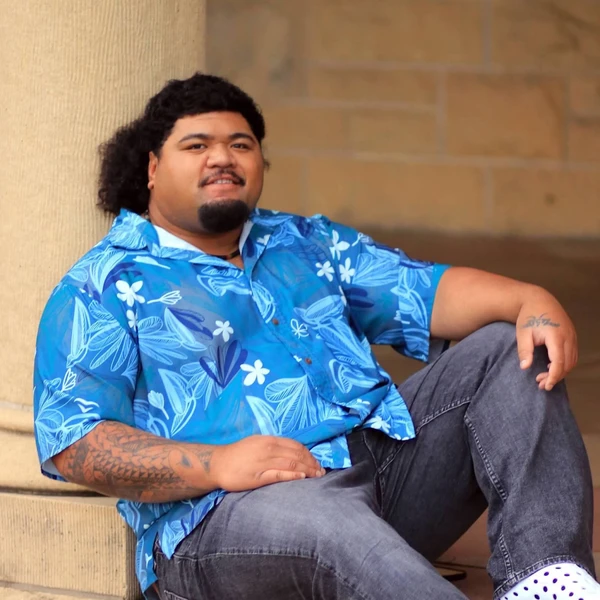
Moala Tautuaa

1x

Finalist

Bio

My name is Moala Tautuaa, and I am a first generation college student majoring in Sociology at Grand Canyon University. I come from a family where perseverance, faith, and responsibility were learned early, and those values continue to guide everything I do. As the eldest sibling, I feel a strong responsibility to lead by example and show my younger siblings and others who look up to me that higher education is possible, regardless of background or circumstance. My goal is to graduate, build a career rooted in service, and help break generational barriers through education and leadership. Community and culture are at the heart of my journey. I was raised in East Palo Alto and later spent time studying in Tonga, experiences that shaped my identity and commitment to giving back. Today, I serve as the President of the South Pacific Rootz club at Grand Canyon University, where I work to create spaces where Polynesian students feel seen, supported, and valued. Leading this organization has strengthened my passion for mentorship, advocacy, and uplifting others. Balancing academics, leadership, and financial responsibility has not always been easy, but it has taught me discipline, gratitude, and perseverance. Financial support would help ease stress and allow me to remain focused on my education while continuing to serve my community. Thank you sincerely for taking the time to read my story and consider my journey. Your support helps students like me turn opportunity into lasting impact, and I am truly grateful for your time and generosity.

Education

Grand Canyon University

Bachelor's degree program
2025 - 2026
  • Majors:
    • Sociology
    • Social Work

College of San Mateo

Associate's degree program
2018 - 2020
  • Majors:
    • Social Sciences, General
  • Minors:
    • Communication, General

Menlo-Atherton High

High School
2017 - 2018

Miscellaneous

  • Desired degree level:

    Bachelor's degree program

  • Graduate schools of interest:

  • Transfer schools of interest:

  • Majors of interest:

    • Behavioral Sciences
    • Classics and Classical Languages, Literatures, and Linguistics, General
    • Business, Management, Marketing, and Related Support Services, Other
    • Business/Commerce, General
    • Chiropractic
  • Not planning to go to medical school
  • Career

    • Dream career field:

      Higher Education

    • Dream career goals:

    • Paraprofessional

      Menlo Atherton High School
      2022 – 20242 years

    Sports

    Track & Field

    Varsity
    2021 – 20232 years

    Awards

    • 1st place in NorCal with 17 Meters in SHOT

    Powerlifting

    Club
    2023 – Present3 years

    Awards

    • 1st Place at Open weight in HAYWARD CA

    Rugby

    Club
    2014 – 20239 years

    Awards

    • Man if the Match 4/12 games

    Football

    Varsity
    2019 – 20212 years

    Awards

    • ALL STATE DEFENSIVE LINEMEN 2020

    Research

    • Communication, General

      Greater Good Magazine — Interiewee
      2023 – 2024

    Arts

    • DONUT COP

      Acting
      2025 – Present
    • SOUTH PACIFIC ROOTS

      Dance
      2025 – Present
    • Penieli Church

      Music
      2020 – Present

    Public services

    • Volunteering

      Bears Without Borders — On Ground Translator/ Mission Manager
      2023 – Present
    • Volunteering

      Young life — Leader
      2018 – 2021

    Future Interests

    Advocacy

    Politics

    Volunteering

    Philanthropy

    Entrepreneurship

    Shanique Gravely Scholarship
    The person who has had the biggest impact on my life is my older brother who passed away. He was not only my sibling but also my role model, protector, and closest friend. Growing up, I looked up to him in everything he did. He showed me how to be strong, how to carry myself with confidence, and how to face challenges without giving up. He had a way of making people feel safe and valued, and I always felt proud to call him my brother. My brother taught me many important lessons without even realizing it. He showed me the meaning of loyalty, responsibility, and love through his actions. Whenever I struggled with something, whether it was school, friendships, or personal doubts, he was the person I turned to. He listened without judgment and always encouraged me to keep pushing forward. He believed in me even when I did not believe in myself, and that kind of support shaped the way I see my own potential today. Losing him was the most painful event I have ever experienced. It felt like a part of my world suddenly disappeared. The grief was overwhelming, and for a long time it was difficult to understand how life could continue without someone who meant so much to me. However, his passing also changed me in ways I could never have imagined. It forced me to grow up, to value time with loved ones, and to recognize how fragile life truly is. Even though he is no longer physically here, his influence remains with me every day. I carry his lessons, his voice, and his example in my heart. When I face difficult decisions or moments of doubt, I often ask myself what he would have said or done. That thought gives me strength and direction. His life continues to guide my choices, pushing me to be a better person and to live in a way that would make him proud. His passing also deepened my sense of empathy toward others. Experiencing such a profound loss helped me understand that everyone is carrying struggles that may not be visible. It made me more compassionate, patient, and aware of how important kindness can be. I learned not to take people for granted and to express love while there is still time. Although I wish he were still here, I am grateful for the years we had together and the impact he left on my life. He shaped who I am today in ways no one else could. His memory motivates me to work harder, love deeper, and live more intentionally. In many ways, he continues to be my guide, even in his absence. My older brother will always be one of the most important people in my life. His legacy lives on through the person I am becoming and the values I carry forward. While his loss brought immense pain, it also brought purpose, reminding me every day to live fully, love deeply, and never take a single moment for granted. Long Live Samson!
    Let Your Light Shine Scholarship
    Legacy, to me, is not about recognition or wealth alone. It is about responsibility. It is about what remains standing because I showed up, stayed consistent, and chose to serve even when it was difficult. My future legacy is rooted in people, in the lives I uplift, the opportunities I help create, and the standards I set for those who come after me. One day, I hope to build a mission driven business centered on wellness, education, and community empowerment. I envision a business that blends entrepreneurship with purpose, one that promotes physical health, mental resilience, and cultural pride. This could take the form of a wellness or lifestyle brand that prioritizes preventative health, accessible education, and mentorship, particularly for underserved and first generation communities. Too often, wellness and opportunity are treated as luxuries rather than necessities. My goal is to challenge that narrative by creating something sustainable, inclusive, and grounded in real life experience. What will make this business different is not just what it sells, but what it stands for. I want it to be a platform that reinvests into the community through scholarships, youth programs, leadership development, and partnerships that address long term health and educational disparities. I believe businesses have the power to shape culture, and I want mine to normalize discipline, balance, and service. I shine my light through leadership, consistency, and example. As a student leader and first generation college student, I understand what it feels like to navigate systems without a blueprint. Because of that, I make it a priority to create spaces where others feel supported, seen, and encouraged to persist. Whether through mentoring, organizing community initiatives, or simply showing up with integrity, I try to lead in ways that invite others forward rather than leave them behind. My light also shines through resilience. I have faced financial hardship, grief, and responsibility at a young age, but I refuse to let those experiences harden me. Instead, they have sharpened my sense of purpose. I use my story not as a badge of survival, but as proof that perseverance paired with intention can create meaningful change. As I pursue my education and future career, I plan to continue building a legacy rooted in service, leadership, and sustainability. I want to be remembered not just for what I achieved, but for how I made others believe in what was possible for themselves. If the work I do helps even one person pursue health, education, or purpose with greater confidence, then my legacy will be well underway.
    RonranGlee Special Needs Teacher Literary Scholarship
    I am passionate about becoming a special education teacher because I believe teaching is not about fixing students. It is about seeing them. Before lesson plans, assessments, or instructional strategies, teaching is an act of recognition. It is the moment a child realizes, often for the first time, I exist, I matter, and I belong here. For students with special needs, that realization does not come easily. Many have spent years being misunderstood, underestimated, or defined by labels before they were ever truly known. I want to be the teacher who changes that experience not through sympathy or lowered expectations but through presence, patience, and belief. My passion for special education is rooted in lived experience rather than theory. I grew up navigating grief, responsibility, and displacement at an early age. I have witnessed what happens when people feel invisible or unheard for too long. When someone is repeatedly overlooked, they do not just struggle academically. They begin to shrink inward. Their confidence erodes. Their voice quiets. Their sense of self weakens. Many students with special needs experience this daily, especially in educational environments that prioritize speed, conformity, and standardized outcomes over individual growth. I am drawn to special education because I want to interrupt that pattern. I want to help students rediscover themselves in spaces where they were once made to feel small. Special education is not about limitations. It is about access. Access to learning. Access to expression. Access to self worth. It requires creativity, emotional intelligence, adaptability, and humility. It demands that educators meet students where they are rather than forcing them to fit a system not built for them. That responsibility is challenging, but it is also deeply meaningful. Progress in special education is often quiet and incremental. A student advocating for their needs. A child expressing pride in their work. A breakthrough moment that may seem small to others but feels monumental to the student. These moments matter. They shape identity. I want to spend my life creating them. This calling aligns with my belief that education is relational before it is instructional. Students do not learn best from teachers who simply deliver content. They learn best from teachers who know them. For students with special needs, trust is foundational. Without trust, there is fear. Without safety, there is shutdown. My goal is to create classrooms where students feel safe enough to try, to fail, and to try again. I want effort to be celebrated. I want mistakes to be normalized. I want progress to be personal rather than comparative. Professor Harold Bloom wrote, I have learned that the purpose of teaching is to bring the student to his or her sense of his or her own presence. I understand this statement to mean that the true goal of teaching is self awareness. Presence is the ability to recognize oneself as a thinking, feeling, capable human being. It is the awareness of I am here and I have value. Many students with special needs struggle with presence because their lives have often been defined by what they cannot do. When education focuses solely on deficits, students internalize those limitations. They begin to believe they are problems to be managed rather than individuals with potential. To guide students toward a sense of their own presence, I must first help them feel seen. Presence begins with recognition. I would accomplish this by building strong relationships rooted in trust, consistency, and respect. I would learn each student’s strengths, communication styles, interests, and triggers. I would honor their individuality rather than trying to standardize their learning experience. When students feel understood, they are more willing to engage. Engagement leads to confidence. Confidence leads to presence. My mission as a special education teacher is to empower students to recognize their own worth and agency. This means teaching beyond academics. It means helping students develop self advocacy skills, emotional awareness, and independence. I want my students to know how to ask for help without shame. I want them to understand their learning styles and strengths. I want them to see themselves as active participants in their education rather than passive recipients of instruction. I would guide students toward presence by creating structured yet flexible learning environments. Predictability builds safety, while flexibility allows students to express themselves authentically. I would use differentiated instruction to meet students where they are while maintaining high expectations. I would celebrate effort as much as outcome. I would incorporate reflection into daily learning so students can recognize their own growth. Simple questions like What did you learn about yourself today or What are you proud of can help students develop self awareness over time. Communication is also central to presence. Many students with special needs struggle to express themselves verbally. I would use multiple forms of communication including visual supports, assistive technology, art, movement, and storytelling. Expression builds identity. When students can communicate their thoughts and emotions, they begin to understand themselves more clearly. That understanding is the foundation of presence. Equally important is teaching students that their differences are not deficits. I would actively challenge narratives that frame disability as weakness. I would highlight role models with disabilities. I would encourage peer inclusion and mutual respect. Presence flourishes when students feel accepted rather than tolerated. My classroom would emphasize belonging over comparison. Faith and values also shape my mission as an educator. I believe every child is created with purpose and dignity. Teaching is a form of service. It is an opportunity to affirm humanity in spaces where it is often overlooked. This belief guides my patience, compassion, and perseverance. It reminds me that progress may be slow, but it is still sacred. Optional Fairy Tale Once there was a young teacher who entered a classroom filled with quiet shadows. The children sat at their desks, but their eyes were distant, as if they were unsure whether they truly belonged there. Each child carried an invisible label that weighed heavy on their shoulders. The teacher did not come with a sword or a crown. He came with open hands. Instead of telling the children who they should be, he asked them who they already were. He listened when they spoke. He waited when they struggled. He celebrated when they tried. Slowly, the shadows began to lift. One child found her voice through drawing. Another discovered strength in movement. Another learned that asking for help was not a failure. The teacher did not remove the challenges from their path. He walked beside them through it. Over time, the children began to stand taller. They began to speak with confidence. They began to see themselves not as broken but as becoming. The kingdom did not change overnight, but it changed forever. Because the children learned the most powerful truth of all. They were present. They were seen. And they mattered. That is the teacher I aspire to be.
    Vito Martino Memorial Scholarship
    I moved from Tonga to the United States when I was 17 years old, and that transition marked one of the most challenging and meaningful chapters of my life. Leaving Tonga meant leaving a place where life was grounded in community, simplicity, and shared responsibility. In Tonga, everyone knew each other, doors were open, and respect for elders guided daily interactions. Education was important, but it existed alongside family duties, church, and cultural traditions. Learning happened not only in classrooms, but through lived experience and close relationships. When I arrived in America, everything felt faster and more structured. Schools were larger, schedules were strict, and the environment was unfamiliar. Even though I was excited and hopeful, I was also quietly overwhelmed, trying to understand a system that was completely new to me. The smallest details of that transition are what I remember most clearly. For my first two months of school in the United States, I carried my books in a pillowcase because I did not have a backpack. Every morning, I tied it over my shoulder and walked into class hoping no one would notice. I felt embarrassed, but I told myself it was temporary. I reminded myself why I had moved, for opportunity, growth, and a better future, and I focused on getting through each day. One afternoon, my football coach noticed my pillowcase. He did not question me or draw attention to it. He simply pulled me aside and bought me a proper backpack. That moment changed everything for me. It was not about the backpack itself, but about being seen. That simple act of kindness gave me confidence and reminded me that support can come quietly but leave a lasting impact. As an immigrant student, I had to learn how to adapt quickly. In Tonga, teachers felt like extensions of the community. In America, I had to learn how to speak up, raise my hand, ask questions, and advocate for myself. Even though English was familiar, the slang, tone, and classroom expectations took time to understand. I listened more than I spoke, observed carefully, and treated every challenge as a lesson. Over time, uncertainty turned into confidence. I began to realize that my background was not something I needed to hide, but something that strengthened me. Education became the bridge between where I came from and where I wanted to go. These experiences are the foundation of my desire to become an educator. I know what it feels like to walk into a classroom carrying cultural differences, uncertainty, and quiet determination. I understand how intimidating a new system can be, especially when you do not have all the resources others may take for granted. I want to be the teacher who notices students navigating similar struggles and offers support before they feel invisible. I want to create classrooms where students feel respected, encouraged, and valued for who they are. Moving from Tonga to America taught me resilience, humility, and hope. It showed me how powerful education can be when paired with compassion. My journey as an immigrant did not just shape my academic path, it shaped my purpose. As an educator, I hope to provide the same sense of understanding and encouragement that helped me find my footing and believe in my future.
    Dream BIG, Rise HIGHER Scholarship
    Education has shaped my goals by giving me something I did not always have growing up: direction. Not a perfect or linear plan, but a sense that my life could move forward with intention instead of simply reacting to circumstances. For a long time, my focus was survival and responsibility. I wanted to support my family, stay strong, and handle whatever was in front of me. School mattered, but it was difficult to see how it connected to a future beyond the next semester. Over time, education became more than coursework or grades. It became the foundation that helped me understand who I am, what I care about, and how I want to show up in the world. As a first-generation college student raised in a close-knit Tongan family, I grew up with pride in my culture and deep respect for family. I was taught that success is shared and that responsibility comes before comfort. As the eldest son, there were expectations to lead, protect, and set an example. I carried those expectations into college, often feeling like I had to figure everything out alone. I did not grow up with a roadmap for navigating higher education. I learned through mistakes, missed opportunities, and trial and error. That process was humbling, but it taught me resilience. Education showed me that success is not just about intelligence, but persistence, adaptability, and the willingness to ask for help. One of the most powerful ways education shaped my direction was by changing how I understand struggle. Before college, I often viewed hardship as a personal failure. Through my studies, I began to see how deeply systems, trauma, culture, and access to resources shape outcomes. Sociology helped me understand social structures. Psychology helped me understand behavior and healing. Philosophy challenged me to think about purpose, ethics, and responsibility. Education gave me language for experiences I had lived but never fully understood. It turned pain into insight and confusion into clarity. The challenges I have faced during my educational journey have been significant. Financial pressure has been constant. There were moments when continuing school felt uncertain, not because of a lack of motivation, but because of limited resources. Balancing tuition, living expenses, and family responsibilities created stress that many students never have to consider. Studying while worrying about finances requires discipline and sacrifice, and it taught me how to plan, prioritize, and persevere even when the path felt fragile. Grief has been another defining challenge. Four years ago, I lost my older brother, Samson “Radio” Tautuaa, to suicide, and I was the one who found him. That experience changed everything. It altered how I see life, time, and purpose. For a long period, I was trying to learn while carrying trauma that never asked permission to show up. There were days I attended class physically but was elsewhere mentally. Education during grief is not about motivation alone; it is about endurance. I learned that healing is not linear and that progress sometimes looks like simply not giving up. Becoming a parent added another layer of responsibility and growth. Pursuing a degree while raising a child forces you to mature quickly. Time becomes limited, energy becomes precious, and quitting is no longer an option. Parenthood gave my education deeper meaning. It was no longer just about my future, but about creating stability, opportunity, and hope for someone who depends on me. Every late night, every early morning, and every sacrifice became purposeful. Despite these challenges, education remained the constant that pulled me forward. It provided structure when my life felt chaotic and goals when motivation was low. It gave me tools to understand my experiences instead of being overwhelmed by them. Through leadership and student involvement, I also found community. I learned how to advocate, collaborate, and create spaces where others feel supported. Education reminded me that I do not have to carry everything alone. Most importantly, education clarified my purpose. I do not want my degree to be an achievement that ends with me. I want it to be a tool for service. I plan to use my education to work in spaces that support youth, families, and underserved communities, particularly through education and mental health advocacy. I have seen firsthand what happens when people lack access to support, when stigma silences them, and when pain is ignored until it becomes unbearable. I want to be part of creating systems that prioritize prevention, compassion, and access. My hope is to use my education to help build environments where people feel seen and supported, where mental health is treated with seriousness and care, and where cultural identity is honored rather than dismissed. I want to be culturally responsive, understanding that healing and learning are deeply connected to family, faith, and community. I want to advocate for programs and mentorship that reach people before they reach a breaking point. I also hope to be an example. As a first-generation student, I know how powerful representation can be. I want younger students to see that their background does not limit them, it strengthens them. I want them to know that it is possible to carry responsibility and still dream, to face grief and still build a future, and to struggle while continuing to move forward. Education has shaped my goals by turning my experiences into purpose. It has given me direction when life felt uncertain and tools when challenges felt overwhelming. It has not removed hardship, but it has equipped me to face it with clarity and resilience. I am still learning, still growing, and still healing, but I now move forward with intention and hope. Thank you sincerely for taking the time to read my essay. I am deeply grateful for the opportunity to share my journey and reflect on how education has shaped my direction and the future I am committed to building for myself and for others.
    Robert F. Lawson Fund for Careers that Care
    My name is Moala Tautuaa, and I am a first-generation college student whose journey has been shaped by responsibility, resilience, and a deep commitment to service. I was raised in a close-knit Tongan family where faith, respect, and community were central values. From a young age, I learned that life is not lived only for oneself, but for the people you represent and the legacy you leave behind. That mindset continues to guide how I approach my education, leadership, and future career. My path has not been easy or linear. I have navigated higher education while carrying family responsibilities, experiencing personal loss, and learning how to balance ambition with humility. These experiences challenged me in ways I did not expect, but they also clarified my purpose. I came to understand how deeply mental, emotional, and social wellbeing affect a person’s ability to succeed. Many struggles are invisible, yet they shape behavior, confidence, and opportunity. Seeing this firsthand pushed me toward a career focused on education, mental health, and community-centered work. I plan to make a positive impact on the world by working in spaces where people are often overlooked or misunderstood. My goal is to support individuals and communities through culturally responsive education and mental health advocacy. I want to help create systems that are compassionate, accessible, and grounded in real human experience rather than one-size-fits-all solutions. I believe meaningful change happens when people feel seen, heard, and supported, and I am committed to being part of that process. Leadership and mentorship play a major role in how I already give back and how I plan to continue doing so. Through coaching, student leadership, and community involvement, I have seen how powerful guidance and consistency can be in shaping lives. I aim to be a mentor who leads with empathy, holds others to high standards, and encourages growth without judgment. I want to help young people and families recognize their strengths and believe in their ability to move forward, even when circumstances feel heavy. In my career, I hope to bridge the gap between knowledge and action. Education and mental health should not exist in isolation from culture, family, or lived experience. I plan to advocate for practices that honor identity and build trust, especially within underserved communities. By combining academic training with real-world understanding, I want to help improve access to care, reduce stigma, and empower individuals to take ownership of their wellbeing. I also believe impact is built through consistency and integrity. I do not aspire to change the world overnight, but to show up daily with purpose, humility, and compassion. Small, steady efforts can create lasting change when they are rooted in genuine care for others. I am committed to lifelong learning, self-reflection, and growth so that I can serve effectively and responsibly. Ultimately, my career goal is to leave people better than I found them and to contribute to systems that uplift rather than exclude. I carry my family, culture, and experiences with me in everything I do, and they continue to motivate me to serve with intention. Thank you sincerely for taking the time to read my essay and for allowing me the opportunity to share my story and vision for making a positive impact on the world.
    Harry & Mary Sheaffer Scholarship
    I will use my unique talents and skills to help build a more empathetic and understanding global community by leading with presence, humility, and a deep respect for lived experience. My life has taught me that empathy is not learned only through books or theory, but through listening, observing, and walking alongside people during both their struggles and their growth. I have come to understand that true connection begins when we slow down enough to see people as whole human beings, not just as roles, labels, or statistics. One of my strongest abilities is my capacity to connect across differences. Growing up rooted in a strong cultural community while navigating academic, professional, and leadership spaces taught me how to move between worlds that often misunderstand one another. I learned how to listen carefully, communicate thoughtfully, and translate experiences in ways that build understanding rather than division. Storytelling has become one of my most meaningful tools. When people feel safe to share their stories, walls come down and empathy grows. I use my voice not to speak over others, but to create space where voices that are often unheard can be valued and respected. Leadership and mentorship are also central to how I contribute. I believe leadership should be grounded in service, not authority. Whether working with youth, peers, or community members, I focus on encouragement, accountability, and compassion. I aim to lead in ways that help others feel confident, capable, and supported. When people feel seen and empowered, they are more likely to extend understanding and kindness to others. Mentorship allows me to invest directly in people and help them recognize their worth, which creates a ripple effect far beyond one individual relationship. In my future work in education and mental health, I plan to advocate for culturally responsive and inclusive practices. I understand that many systems were not built with diverse experiences in mind, and this often leads to misunderstanding, exclusion, and mistrust. I want to be part of changing that by centering empathy in how we teach, support, and care for others. This means honoring culture, family, faith, and community as essential parts of healing and learning, not obstacles to overcome. I also believe empathy is built through consistency. Small actions repeated over time, showing up, listening without judgment, and responding with care can create meaningful change. I strive to live with integrity and self awareness, knowing that growth is ongoing and that understanding others begins with being honest with myself. I am committed to learning continuously, unlearning harmful assumptions, and remaining open to perspectives different from my own. Ultimately, I hope to contribute to a global community that values compassion over judgment and connection over division. I believe my skills in communication, leadership, and cultural understanding can help build bridges where gaps exist and foster environments where people feel safe to be fully themselves. Thank you sincerely for taking the time to read my essay and for allowing me the opportunity to reflect on how I hope to contribute to a more empathetic, inclusive, and understanding world.
    Arne Hyson Memorial Scholarship: Studies in Mental Health and Related Healthcare
    My name is Moala Tautuaa, and I am a first-generation college student majoring in Sociology with a deep commitment to pursuing a career in mental health and community support. My passion for this field comes from my upbringing, my leadership roles, and my lived experiences, especially the loss of my older brother to suicide. That moment changed the course of my life and opened my eyes to the urgency of mental health awareness, especially in communities where emotional struggles are often hidden or misunderstood. Since then, my goal has been to use my education, my personal story, and my leadership to make a meaningful difference in the lives of others. My commitment to mental health began long before I understood the formal language of the field. Growing up in East Palo Alto and later living in Tonga, I witnessed how communities can struggle silently when resources are limited and mental health is not openly discussed. I learned early that people carry invisible burdens and that simple support can change the direction of someone’s life. When I lost my brother, that belief became a calling. I did not want his story to end with pain. I wanted it to become the source of purpose in my own journey. That experience taught me the importance of early intervention, honest conversations, and culturally sensitive support systems. It also revealed how vital it is to have professionals who understand the cultural, emotional, and spiritual layers that shape people’s experiences. My academic path has strengthened that purpose. Through my Sociology courses, I have learned how social systems, cultural norms, and community environments influence mental health. I have studied the barriers that prevent individuals from seeking help and the ways professionals can bridge those gaps. This academic foundation, combined with my lived experience, has shaped my vision of working in mental health services, community outreach, or youth advocacy. I want to specialize in serving Pacific Islander communities, first generation students, and underserved families who often lack access to mental health resources and culturally informed care. My leadership roles have also guided me toward this path. As President of South Pacific Roots at Grand Canyon University, I witnessed firsthand the emotional pressures that many students face. Homesickness, cultural expectations, academic stress, and financial hardship often weigh heavily on them. I made it my mission to create a supportive environment where students felt seen and heard. Through mentorship, open conversations, and community building, I saw the positive impact that connection and understanding has. These experiences gave me the confidence that I can play a meaningful role in mental health advocacy and support. My career goal is to serve as a mental health advocate who brings compassion, cultural awareness, and purpose to every environment I step into. I plan to work with youth, families, and communities by creating spaces where people feel safe enough to share their struggles and confident enough to seek help. Whether through counseling, outreach, program development, or education, my goal is to break stigma, build trust, and help people heal. I want to be the kind of support that my brother did not have, and the kind of leader who empowers others to choose life and hope. Ultimately, I plan to make an impact by using my faith, my education, and my lived experience to serve others with empathy and strength. My dream is to help people understand that they are not alone, that their story matters, and that healing is possible. This is more than a career goal for me. It is the purpose I intend to carry into every chapter of my life.
    Kim Moon Bae Underrepresented Students Scholarship
    My identity as a member of an underrepresented minority population has deeply shaped who I am, how I navigate the world, and the path I am committed to pursuing. I am of Tongan heritage and a first-generation college student, raised in a community where opportunity was limited but resilience was abundant. From a young age, I learned that my background would not always be understood or represented in academic or professional spaces. That reality did not discourage me, but it did require me to move with intention, awareness, and persistence. Growing up, I rarely saw people who looked like me reflected in higher education, leadership roles, or positions of influence. College was not presented as an expectation, but as a risk. Because of that, entering higher education meant stepping into unfamiliar territory without a guide. I had to learn how to navigate systems that were not built with students like me in mind. Cultural expectations, financial hardship, and the pressure to succeed for more than just myself created challenges that many of my peers did not have to face. At the same time, those challenges strengthened my work ethic and sharpened my sense of purpose. Being part of an underrepresented minority has made me deeply aware of how culture, access, and representation affect opportunity. I have experienced moments of feeling unseen or misunderstood, but those moments taught me the importance of owning my identity rather than minimizing it. My culture emphasizes family, respect, service, and collective responsibility. Those values have shaped how I lead, how I learn, and how I define success. I do not pursue education solely for personal advancement, but for the ability to uplift my family and community. My identity has also influenced the way I approach leadership. I feel a responsibility to represent my community with integrity and pride. As a Polynesian student leader, I work to create spaces where others who share similar backgrounds feel seen, supported, and empowered. I understand how isolating it can feel to navigate institutions where your culture is rarely acknowledged. Because of that, I am intentional about mentorship, advocacy, and community building. Representation matters, and I want to be a visible example that success is possible without abandoning who you are. Looking forward, my identity will continue to shape my path and goals. I plan to use my education to work in spaces that support underrepresented and underserved populations, particularly in areas related to mental health, advocacy, and community development. I want to help bridge gaps between systems and the people they are meant to serve. My lived experience gives me insight, empathy, and credibility that cannot be learned from textbooks alone. Being part of an underrepresented minority has not limited my potential. It has given my journey meaning. It has taught me resilience, humility, and the importance of lifting others as I move forward. I carry my identity with pride, knowing that every step I take creates space for those who will follow. My path is shaped by where I come from, but it is driven by where I am going and the impact I intend to make.
    Rev. and Mrs. E B Dunbar Scholarship
    Pursuing higher education has required me to overcome obstacles that extend far beyond the classroom. As a first-generation college student, I entered higher education without a roadmap. There was no inherited knowledge about navigating college systems, financial aid, or academic expectations. I had to learn how to manage deadlines, resources, and responsibilities largely on my own, often through trial and error. While challenging, this experience forced me to become independent, resourceful, and persistent. Financial hardship has been one of the most consistent obstacles in my educational journey. Coming from a single-parent household with limited resources meant that college was never guaranteed. Balancing tuition, housing, books, and daily living expenses has required careful planning and sacrifice. At times, financial stress competed directly with academic focus. There were moments when continuing school felt uncertain, but each challenge strengthened my resolve to keep going, knowing that my education represented opportunity not just for me, but for my family. Balancing education with personal responsibility has also been a significant challenge. As a parent, my time and energy are divided between coursework and caring for my daughter. Long nights, early mornings, and constant responsibility have become part of my routine. Unlike traditional students, I cannot afford to pause or fall behind. Every class, assignment, and exam carries added weight because my success impacts someone else’s future. While demanding, parenthood has strengthened my discipline, time management, and motivation. Emotionally, I have faced periods of exhaustion, self-doubt, and grief while pursuing my degree. The loss of my grandfather, who was my closest mentor and support, deeply affected my focus and emotional well-being. Navigating grief while maintaining academic and leadership responsibilities required resilience and faith. That experience taught me how to persevere even when motivation is low and circumstances feel overwhelming. Despite these obstacles, I have remained committed to my education because I see it as a tool for service. I am studying Sociology to better understand how systems, culture, and inequality impact individuals and families. After graduating, I plan to use my education to give back through mentorship, advocacy, and community-based work, particularly in underrepresented communities. I want to support students who come from similar backgrounds and help them navigate higher education with more guidance than I had. My goal is to turn lived experience into meaningful impact. I hope to contribute to programs that promote education access, mental health awareness, and leadership development. The obstacles I have overcome have not discouraged me; they have prepared me to serve others with empathy, resilience, and purpose.
    Dr. Samuel Attoh Legacy Scholarship
    Legacy, to me, is not about recognition, titles, or material success. It is about what remains in the lives of others long after you are gone. Legacy is the values you pass down, the example you set, and the way your choices shape the future of those who come after you. It is measured by whether your children, family, and community are stronger, more supported, and more hopeful because of how you lived. That understanding of legacy is deeply tied to my upbringing and the way I was raised. I was raised by my father in a single parent household, where sacrifice, perseverance, and responsibility were part of everyday life. My dad carried the full weight of providing, guiding, and holding our family together, often without recognition or rest. Watching him show up day after day taught me what commitment truly looks like. There were no shortcuts and no guarantees, only effort, faith, and consistency. Growing up in that environment forced me to mature early and understand that life would not always be fair, but it would always require responsibility. At the same time, my upbringing revealed both strength and struggle. I saw resilience modeled in real time, but I also saw the emotional and mental cost of carrying everything alone. There was an unspoken expectation to be strong, to push through, and to handle problems quietly. Mental health, exhaustion, and vulnerability were rarely discussed. That shaped my path by making me self reliant and disciplined, but it also showed me patterns that needed to change. I learned that endurance without support can lead to burnout, and strength without honesty can create distance. Being the eldest sibling added another layer to my upbringing. I learned early that my actions mattered beyond myself. I felt a responsibility to set an example and to help carry the weight alongside my dad. That sense of responsibility followed me into school, leadership roles, and adulthood. It shaped my work ethic, my values, and my desire to lead with integrity. However, it also taught me how easily responsibility can turn into pressure if not balanced with care and reflection. Because of this, the legacy I want to build is intentional. I want to continue the cycle of hard work, faith, and perseverance that my father modeled for me. Those values are worth preserving, and I carry deep respect for the sacrifices he made. At the same time, I am committed to breaking cycles that no longer serve future generations. I want to break cycles of silence around mental health, cycles of believing you have to struggle alone, and cycles of limited access to education and opportunity. Becoming a parent has made this even more personal. I now think about legacy not just in terms of what I achieve, but in terms of what I model. I want my child to see strength and vulnerability existing together. I want them to know that asking for help is not weakness, that education is powerful, and that perseverance does not mean neglecting your well being. My upbringing gave me the foundation to work hard and stay committed. My responsibility now is to build on that foundation with compassion, openness, and intention. Legacy is the bridge between where you come from and where you are going. My father gave me resilience and direction. My goal is to honor that by continuing the good, breaking what holds people back, and creating a future where strength is paired with support, and success is shared across generations.
    RonranGlee Literary Scholarship
    In the Allegory of the Cave, The Republic, Plato argues that human beings are not merely ignorant by accident, but structurally conditioned to mistake illusion for truth, and that genuine education is not the transfer of information but a painful moral reorientation of the soul toward reality, responsibility, and the common good. Selected Paragraph: “Imagine human beings living in an underground cave, with an entrance open to the light. They have been there since childhood, their legs and necks chained so that they cannot move, and can only see what is in front of them. Behind them burns a fire, and between the fire and the prisoners there is a raised path. Along this path people carry objects of all kinds, which cast shadows on the wall before the prisoners. To the prisoners, these shadows are the only reality they know.” Plato’s cave is not simply a metaphor about ignorance. It is a claim about the human condition. The prisoners are not foolish, lazy, or morally deficient. They are normal. They are born into a system of perception that limits what they can see and trains them to mistake familiarity for truth. The chains are not physical restraints alone; they represent habits, traditions, social rewards, and psychological comfort. Plato’s deeper claim is unsettling: most people are not deceived because they lack intelligence, but because their entire sense of reality has been shaped before they ever had the chance to question it. The shadows on the wall matter because they function as substitutes for truth. They are predictable, shared, and socially reinforced. Everyone in the cave agrees on what they see, which gives the shadows legitimacy. Plato is pointing to a dangerous illusion: consensus can feel like truth even when it is built entirely on distortion. The prisoners develop language, status, and expertise around interpreting shadows. This detail is critical. Plato is not attacking ignorance; he is attacking false confidence. The most dangerous people in the cave are not those who know little, but those who believe they know enough. Education, in Plato’s framework, is therefore not additive. It does not begin by giving the prisoners more shadows or better explanations of them. True education begins with disorientation. When a prisoner is freed and forced to turn toward the fire, the light hurts. This pain is not incidental; it is essential. Plato is arguing that truth initially feels like loss. It destabilizes identity, status, and certainty. This is why people resist it. Ignorance is not merely comfortable; it is protective. The movement out of the cave represents a radical transformation of the soul. Plato’s emphasis is not on learning new facts, but on learning how to see. This distinction reveals his underlying philosophy of knowledge. Truth is not something external that can be handed to someone. It requires an internal reordering of desire. The freed prisoner must come to want reality more than comfort. Without that shift, no amount of exposure to truth will matter. Plato is deeply pessimistic about human nature in this regard. Most people would rather return to the cave than endure the discomfort of awakening. When the freed prisoner finally emerges into the sunlight, Plato does not describe immediate clarity or triumph. He describes confusion, blindness, and gradual adjustment. This matters because it rejects the idea of instant enlightenment. Growth is slow, humiliating, and incomplete. Even those who leave the cave carry remnants of it within them. Plato’s realism here is often overlooked. He is not promoting intellectual elitism; he is describing how difficult genuine understanding actually is. The most morally charged moment in the allegory occurs when the freed prisoner returns to the cave. This act is not rewarded. The prisoner is mocked, disbelieved, and threatened. Plato’s underlying claim is stark: societies do not welcome those who challenge foundational illusions. The cave depends on stability, not truth. Anyone who disrupts that stability becomes a threat. This is where Plato reveals his political concern. Ignorance is not just personal; it is institutional. The prisoners’ hostility is not rooted in malice, but fear. The returned prisoner represents uncertainty. If the shadows are not real, then everything the prisoners have built their lives around collapses. Plato is exposing why moral and philosophical reform is so often resisted. It is not because people love lies, but because truth demands transformation. Transformation requires responsibility, and responsibility is heavy. Plato’s allegory also redefines leadership. The philosopher is not the one who escapes the cave and stays in the light. The philosopher is the one who returns, knowing they will be misunderstood. This is a radical standard. Leadership, for Plato, is not about comfort, admiration, or control. It is about obligation. Those who see more are responsible for those who see less, even when that responsibility brings suffering. Knowledge, in this sense, is a burden before it is a privilege. This reframes Plato’s broader argument in The Republic. Justice is not merely social order. It is alignment between reality and responsibility. A just society is one led by those who understand truth and are willing to sacrifice personal ease for the common good. Plato knows this ideal is unlikely. The allegory is not a blueprint; it is a warning. When societies reward shadow-reading more than truth-seeking, they create leaders who are skilled in illusion rather than wisdom. The cave also operates on a psychological level. Each person carries their own cave. Comforting narratives, identity roles, and unexamined beliefs function as internal chains. Plato’s message is that liberation is always personal before it is political. No system can free someone who refuses to turn their head. This makes the allegory deeply ethical. Truth requires courage. Freedom requires discipline. Enlightenment requires suffering. Plato’s ultimate concern is not knowledge, but the soul’s orientation toward the good. The sun outside the cave represents more than factual truth; it represents the Good itself. To see clearly is to see what is worth living for. This is why education, for Plato, is inseparable from moral formation. A brilliant mind without moral alignment is still trapped in the cave. In this way, the allegory remains disturbingly relevant. Modern societies are filled with shadows that feel real because they are constant, shared, and emotionally charged. Information has multiplied, but wisdom has not kept pace. Plato would argue that this is not progress. Without the willingness to endure discomfort and reorient desire, more information simply creates more elaborate caves. Plato’s allegory does not flatter the reader. It implicates them. The question is not whether the cave exists, but whether one is willing to leave it, and whether, after leaving, one is willing to return for the sake of others. That demand is the heart of Plato’s philosophy. Truth is not an escape. It is a responsibility.
    Nabi Nicole Grant Memorial Scholarship
    One of the most challenging seasons of my life was a period when everything felt uncertain at the same time. I was carrying academic pressure, financial stress, family responsibility, and emotional exhaustion, all while trying to hold myself together for the people who depended on me. On the outside, I looked steady. On the inside, I felt overwhelmed and unsure of how much longer I could keep pushing forward without breaking. It was during this season that my faith stopped being something I talked about and became something I had to rely on. At the time, I was questioning my direction and my capacity. I was doing everything I knew how to do, working hard, staying disciplined, showing up daily, yet progress felt slow and discouraging. There were moments when doubt crept in and I wondered if I was chasing a path that was too heavy for me. I felt pressure to succeed not only for myself, but for my family, and that weight became exhausting. I reached a point where motivation alone was no longer enough. In those moments, my faith became a place of honesty rather than certainty. I learned that prayer did not always bring immediate answers or relief. Sometimes it was simply a space where I could admit fear, frustration, and weakness without pretending I had everything figured out. I relied on my faith to remind me that my worth was not defined by outcomes, grades, or timelines. It grounded me when my thoughts felt scattered and my confidence felt fragile. One specific obstacle during this season was the fear of failure. I worried about letting people down and wasting opportunities that others had sacrificed for me to have. When that fear became overwhelming, I leaned into faith as a reminder that I was not walking alone. I trusted that even if I could not see the full picture, there was purpose in the process. That belief helped me take the next step instead of shutting down or walking away. Faith also taught me patience. I learned that growth does not always look dramatic and progress is not always visible right away. There were days when the only victory was choosing to show up again. Faith gave me the strength to keep moving forward when quitting felt easier. It reminded me that endurance matters and that perseverance is sometimes an act of trust rather than confidence. This experience reshaped how I approach challenges. I no longer expect faith to remove obstacles, but to sustain me through them. I learned that relying on faith does not mean ignoring reality or avoiding help. It means acknowledging my limits while trusting that I am supported beyond what I can see. That perspective changed how I handle stress, uncertainty, and responsibility. Looking back, that season did not break me. It refined me. It taught me humility, resilience, and trust. Relying on my faith helped me overcome not by escaping the challenge, but by growing through it. It continues to guide how I face obstacles today, reminding me to stay grounded, honest, and hopeful even when the path ahead feels unclear.
    Autumn Davis Memorial Scholarship
    My experience with mental health has shaped my beliefs, relationships, and future goals in deep and lasting ways. For much of my life, I believed strength meant endurance and silence. I learned to push through pressure, responsibility, and emotional weight without slowing down. Mental health was not something openly discussed. You handled what you had to handle and kept moving forward. Over time, that mindset began to take a toll. Stress, emotional exhaustion, grief, and burnout built quietly until I could no longer ignore the weight I was carrying. Facing mental health challenges firsthand forced me to confront parts of myself I had avoided. There were seasons when I felt disconnected from my purpose, overwhelmed by expectations, and unsure of my own capacity. I learned that it is possible to be surrounded by people and still feel deeply alone. That realization reshaped my beliefs. I no longer see mental health as a weakness or something that can be overcome through willpower alone. I now understand it as foundational to overall well being. Mental health requires care, honesty, and support, just like physical health. Ignoring pain does not make you stronger. It simply teaches you how to function while hurting. My faith also matured through this process. I learned that faith does not eliminate struggle, and prayer does not always bring immediate clarity or relief. Sometimes faith looks like continuing forward without answers. I came to believe that seeking help is not a lack of faith, but an acknowledgment of human limits. Mental health care and faith can exist together, supporting one another in the healing process. This perspective grounded me in a more compassionate and realistic understanding of what healing truly looks like. Mental health struggles have deeply influenced my relationships. There were times when I pulled away from people I cared about because I did not know how to explain what I was feeling. I worried about being a burden or appearing weak. Silence often felt safer than vulnerability, even though it created distance and misunderstanding. Through those experiences, I learned the importance of communication and boundaries. I became more intentional about listening, more patient with emotional reactions, and more aware that everyone carries unseen battles. Mental health taught me empathy, and it also taught me that caring for others must include caring for myself. These experiences directly shaped my career aspirations. I am drawn to the mental health field because I understand struggle not only through education, but through lived experience. I want to be part of spaces that focus on healing, prevention, and advocacy, especially within communities where mental health is stigmatized or misunderstood. I am passionate about supporting individuals who feel pressure to remain silent or strong at the expense of their well being. As I pursue a career in mental health, my goal is to help people feel seen, heard, and supported. I want to contribute to systems that prioritize emotional wellness, education, and access to care. Whether through counseling, community based programs, mentorship, or advocacy, I want to help reduce stigma and create environments where people feel safe asking for help. I believe early intervention, culturally informed care, and compassionate leadership can change lives. I am actively working toward this future through my education, leadership roles, and community involvement. I seek opportunities that allow me to support others, engage in honest conversations about mental health, and continue developing the skills needed to serve effectively. I do not see my experiences as setbacks. I see them as preparation. Mental health challenges did not derail my life.
    Raise Me Up to DO GOOD Scholarship
    Being raised in a single parent household shaped who I am long before I understood what responsibility or perseverance meant. My mother, Sosefina, raised four of us on her own, three boys and one girl, and she did so with strength, faith, and quiet sacrifice. Growing up, I did not realize how much she carried until I became older. I just knew that effort was expected, excuses were not entertained, and family always came first. That environment forced me to mature early and understand that life would not always provide ideal conditions. You learn to move forward anyway. Living in a single parent household meant that stability was not guaranteed. Finances were tight, emotions were heavy at times, and stress was often unspoken. I watched my mom juggle multiple roles without complaint, even when she was exhausted. Seeing that taught me discipline and resilience in a way no lesson ever could. I learned that showing up matters, even when you are tired, uncertain, or overwhelmed. Those lessons have stayed with me and continue to influence how I handle pressure and responsibility today. Being one of four siblings also shaped my sense of leadership and empathy. I learned early how to look out for others, how to lead without dominating, and how to be accountable beyond myself. Family dynamics required patience, communication, and sacrifice. You could not think only about yourself because your actions affected everyone else. That mindset followed me into school, athletics, and leadership roles. I became someone who naturally looks for ways to support others while still pushing myself to grow. Growing up without excess also shaped my relationship with opportunity. Nothing was assumed. If I wanted something, I had to work for it. That reality built grit and appreciation. I do not take opportunities lightly because I know how easily they can be taken away or never offered at all. Education, mentorship, and community support mean more to me because I understand what it feels like to navigate systems without a guide. As a first generation college student, that awareness pushes me to ask questions, seek help, and stay committed even when the path feels unclear. Looking ahead, I may not have a perfectly defined career title yet, but I am certain about the kind of impact I want to make. I want to use my talents, leadership, and lived experience to do good and help people, especially those who come from backgrounds similar to mine. I am drawn to work that involves service, mentorship, advocacy, and healing. Whether that takes shape in education, community programs, mental health support, athletics, or leadership development, my goal is the same. I want to create spaces where people feel seen, supported, and capable of building better futures. Right now, I am actively working toward that future through education, leadership, and service. I take on roles that allow me to support others, especially students from underrepresented communities. I stay involved in athletics and mentorship because I believe discipline, structure, and positive role models can change lives. Every step I take is rooted in honoring my mother’s sacrifices and setting an example for my siblings. Being raised in a single parent household did not limit my future. It shaped it. It gave me resilience, empathy, and purpose. No matter where my career path leads, I know I will use what I have been given to serve others and turn my experiences into meaningful impact.
    Lotus Scholarship
    Coming from a single parent, low income household led by my mother, Sosefina, shaped my perseverance from an early age. She raised four of us on her own, three boys and one girl, carrying the full weight of providing, nurturing, and leading our family. Watching her make sacrifices without complaint taught me what real strength looks like. In our home, effort was expected and responsibility was shared. There was no room for excuses, only persistence. Growing up with limited resources forced me to mature quickly. I learned how to be disciplined, adaptable, and intentional with my time and energy. If I wanted more, I had to earn it. That mindset followed me into school, athletics, and leadership. When challenges came, financial stress, academic pressure, or self doubt, I leaned on the example my mother set. Quitting was never an option because people depended on me, just as we depended on her. Being one of four siblings also shaped my character. I learned how to lead with humility, support others, and stay accountable beyond myself. Those family dynamics taught me teamwork, patience, and empathy. I became more aware that everyone carries struggles that are not always visible, which has influenced how I treat others and how I lead. I plan to use my life experiences to serve and uplift communities that face similar barriers. I am actively working toward a future focused on advocacy, mentorship, and mental health awareness, particularly for youth from single parent and low income households. Through education, leadership roles, athletics, and community involvement, I am building the tools to create spaces where people feel seen, supported, and capable of growth. My background did not limit me. It prepared me. Everything I pursue is rooted in honoring my mother’s sacrifices and setting a meaningful example for my siblings.
    Stephan L. Wolley Memorial Scholarship
    I am a first-generation college student, student-athlete, and leader who has been shaped by family, faith, and competition. I was raised in East Palo Alto, California, in a close-knit Tongan household where responsibility came early and effort was expected. Being the eldest son meant leading by example, whether that was in the classroom, on the field, or at home. From a young age, I learned that success was not just personal, it was communal. What I achieved reflected my family, and what I struggled with was something we carried together. Family has always been my foundation. I was raised with strong values rooted in faith, discipline, and accountability. My parents emphasized respect, perseverance, and service, even when resources were limited. Later in my schooling, I spent two years in Tonga, an experience that further deepened my appreciation for family structure, culture, and humility. Living abroad taught me adaptability and gratitude. It also reinforced the importance of education, as I saw firsthand how opportunity changes lives. No matter where I have been, my family has remained my anchor and motivation. I carry their sacrifices with me every day. Athletics have played a major role in my development. Sports were never just about winning, they were about discipline, teamwork, and resilience. I grew up competing in football and other sports, learning how to push through adversity, accept coaching, and hold myself accountable. Athletics taught me how to manage pressure, lead through action, and stay committed when things became difficult. Those lessons translated directly into my academics and personal growth. Being an athlete forced me to learn time management, consistency, and mental toughness. My educational journey has not been linear or easy. As a first-generation college student, I entered higher education without a roadmap. I had to learn how to navigate academics, finances, and expectations largely on my own. There were moments of doubt and exhaustion, but also moments of growth and clarity. I am currently pursuing my undergraduate degree while balancing leadership roles and athletic commitments. I serve as the president of a Polynesian student organization on campus, where I work to support other students who come from underrepresented backgrounds. Education has become more than a personal goal for me, it is a way to honor my family and open doors for others who come after me. Looking forward, my future plans center on service, leadership, and impact. I aim to pursue a career that allows me to support individuals and communities through advocacy, mentorship, and mental health awareness. I want to continue using athletics as a platform to inspire discipline and purpose, especially among young people who may not see many examples of success that look like them. Long term, I hope to give back to my community through programs that combine education, sport, and personal development. This scholarship represents values that align deeply with who I am. Family, faith, competition, and perseverance have shaped my life, and I strive to carry those principles forward in everything I do. Receiving this support would not only help me continue my academic and athletic journey, but would also allow me to honor those values by pushing forward with purpose and integrity.
    Joseph A. Terbrack ALS Memorial Scholarship
    ALS has entered my life quietly but forcefully, changing the rhythm of everything I thought was stable. It did not arrive all at once. It came through small moments, difficult conversations, and the slow realization that life can shift without warning. Watching someone you love face a disease that takes away physical ability while leaving the mind fully present is heartbreaking in a way that is hard to put into words. ALS does not just affect the body of the person diagnosed. It reaches everyone around them and reshapes daily life, priorities, and emotions. One of the hardest parts has been the feeling of helplessness. There is no roadmap for how to watch strength fade while still trying to stay hopeful. There are days filled with sadness, fear, and frustration, and other days filled with gratitude for moments that once felt ordinary. ALS has forced me to confront the reality that time is fragile and that nothing should be assumed or postponed. It has made me more aware of how quickly life can change and how important it is to be present now, not later. Through this experience, I have learned the value of patience and presence. ALS teaches you to slow down because rushing no longer makes sense. Simple things like conversations, shared meals, or quiet moments together become sacred. I have learned that showing up does not always mean having answers or fixing anything. Sometimes it simply means being there, even when it hurts, even when words fall short. Love becomes less about what you can do and more about who you choose to be in difficult moments. ALS has also taught me resilience in a deeper way. Not the kind that looks strong on the outside, but the kind that keeps going even when the outcome feels unfair. I have seen courage that does not come from confidence, but from continuing forward despite fear. I have learned that grief can coexist with gratitude, and that it is possible to hold both at the same time. This experience has stripped away superficial worries and replaced them with a clearer understanding of what truly matters. Emotionally, ALS has changed how I relate to others. It has made me more compassionate and more aware of the silent battles people carry. You never truly know what someone is facing behind closed doors. This experience has softened me in ways I did not expect. It has taught me to listen more, judge less, and lead with empathy rather than assumptions. It has also taught me that vulnerability is not weakness. Allowing yourself to feel deeply is part of honoring the people you love. Moving forward, I want to use this experience to help others in meaningful ways. I want to advocate for compassion, awareness, and support for individuals and families affected by ALS and other life altering illnesses. I want to be someone who understands grief, caregiving, and emotional weight not from theory, but from lived experience. Whether through mental health advocacy, community work, or simply being present for others during hard seasons, I want my life to reflect what this journey has taught me. ALS has changed me forever. It has broken my heart open and reshaped how I see life, love, and purpose. While I would never choose this experience, I choose to let it shape me into someone who leads with empathy, serves with intention, and honors life by showing up fully for others.
    Mikey Taylor Memorial Scholarship
    My experience with mental health has been shaped less by dramatic moments and more by quiet heaviness, the kind that settles in slowly and changes how you see yourself over time. For a long period, I did not have the words to explain what I was feeling. I only knew that I was exhausted in ways sleep could not fix and discouraged in ways motivation could not touch. In my family and community, strength meant endurance. You showed up, carried your responsibilities, and kept going no matter how heavy things felt inside. Vulnerability was not encouraged, and silence became a survival skill. As time passed, that silence began to cost me. Stress, burnout, grief, and emotional pressure piled up quietly. I learned how easy it is to look stable while slowly unraveling internally. There were moments when I felt detached from myself, moving through daily life on autopilot, questioning my worth, and wondering why things that once fueled me now felt draining. This experience reshaped my beliefs deeply. I no longer believe mental health is something you can overcome through sheer toughness. Ignoring pain does not make you strong. It only teaches you how to function while hurting. Mental health struggles humbled me in ways nothing else had. They forced me to confront the reality that I could not carry everything alone. There were seasons when faith felt distant and prayer felt unanswered. I learned that belief does not always bring comfort, and healing does not always come quickly. Sometimes faith looks like sitting with pain instead of escaping it. I came to understand that seeking support is not a lack of faith, but an acknowledgment of human limits. Healing is slow, uneven, and often uncomfortable, but it is real. These experiences deeply affected my relationships. There were times I pulled away from people I cared about, not because I did not love them, but because I did not know how to explain what I was carrying. I was afraid of being a burden. I learned how isolation can feel safer than honesty, even when it leads to loneliness. Misunderstandings grew in the absence of communication, and I often felt unseen even when surrounded by others. At the same time, my struggles taught me empathy. I became more aware of the silent battles people carry and more patient with emotional reactions that are rooted in pain. Mental health also taught me boundaries through difficult lessons. I learned that constantly pouring into others while ignoring myself leads to resentment and exhaustion. Caring deeply without caring wisely will eventually leave you empty. Learning to say no, to rest, and to protect my emotional space was uncomfortable, but necessary. Healthy relationships require balance, honesty, and mutual responsibility, not self abandonment. Professionally, my experiences with mental health clarified my purpose. I am drawn toward work that centers healing, prevention, and advocacy, especially within communities where mental health is misunderstood or stigmatized. I want to help create spaces where people feel safe acknowledging their pain instead of hiding it. Mental health is not just an individual issue. It is shaped by culture, systems, expectations, and access to resources. I want to be part of work that addresses those realities with compassion and action. Mental health struggles did not break me, but they changed me. They stripped away illusions of control, forced honesty, and reshaped my understanding of strength. They taught me that healing is not about fixing yourself, but about learning how to live truthfully. Those lessons continue to guide how I believe, how I connect with others, and how I move forward with purpose.
    Bick First Generation Scholarship
    Being a first-generation college student means carrying more than just my own goals. It means carrying my family’s sacrifices, hopes, and unanswered questions about a system they never had the chance to navigate. I did not grow up with a roadmap for college. There were no examples to follow, no clear explanations of financial aid, course planning, or what it meant to balance school with responsibility. What I did have was a deep sense of obligation to make the opportunity count, not just for myself, but for everyone who helped get me here. The challenges I’ve faced have been both practical and personal. Financial stress has been constant, often forcing me to juggle work, leadership roles, and academics at the same time. There were moments when continuing school felt uncertain, when I questioned whether the pressure was worth it. As a first generation student, asking for help did not come naturally. Pride and responsibility sometimes made me feel like I had to figure everything out on my own. Over time, I learned that perseverance does not mean isolation. It means adapting, seeking support, and continuing forward even when the path feels unclear. One of the most defining moments in my journey was returning home after spending time in college and choosing to give back through coaching at the high school I graduated from. That experience grounded me and reminded me why I started this journey in the first place. It reinforced my belief in service, leadership, and using what I’ve learned to uplift others. Whether through academics, youth mentorship, or community involvement, I have learned that progress is not always linear, but commitment matters. My dreams are rooted in impact. I am driven by the desire to create opportunities for others who come from backgrounds like mine, where potential is high but access is limited. I want to work in spaces that support youth, families, and marginalized communities through education, mentorship, and advocacy. I am motivated by the idea that my success can open doors, change expectations, and challenge narratives for those who come after me. This scholarship would do more than ease financial strain. It would provide stability, allowing me to focus fully on my education and long-term goals rather than immediate survival. It would help me continue building a future grounded in service, leadership, and purpose. Most importantly, it would represent belief. Belief that someone like me, a first-generation student navigating unfamiliar territory, belongs in higher education and is capable of making meaningful change. I am not perfect, but I am committed. I carry my family with me in everything I do. This scholarship would help me continue a journey defined by determination, gratitude, and the drive to give back.
    Natalie Joy Poremski Scholarship
    Faith is not something I separate from my daily life. It shapes how I speak, how I treat people, and how I make decisions when no one is watching. Living out my faith means choosing compassion, responsibility, and accountability in ordinary moments, not just during worship. In my day-to-day life, that looks like serving others, mentoring youth, being present for my family, and making choices that reflect the belief that every human life has inherent worth and dignity. My Pro-Life values are rooted in this belief. Supporting life means more than taking a stance on birth alone. It means advocating for protection, care, and opportunity at every stage of life. My faith has taught me that life is sacred from the beginning, and that we are called to defend the vulnerable, especially those who cannot advocate for themselves. This belief influences how I view issues such as access to resources, mental health support, youth development, and family stability. Being Pro Life, to me, also means supporting mothers, families, and communities so that choosing life is not met with isolation or fear. Faith has played a central role in shaping my future goals and career path. It has pushed me to pursue work that serves others rather than focusing solely on personal success. I feel called toward a career that allows me to advocate for individuals and families, particularly those impacted by poverty, trauma, and systemic barriers. My faith reminds me that real change happens through consistent service, ethical leadership, and a willingness to stand for truth even when it is uncomfortable. I plan to use my education as a tool for advocacy and protection of life by working within systems that influence long term outcomes. Education equips me with the knowledge to understand policy, human behavior, and community needs, while faith grounds me in purpose and moral clarity. Together, they allow me to approach social issues with both competence and compassion. I want to contribute to programs and initiatives that prioritize prevention, family support, youth development, and mental health services, all of which are essential to protecting life beyond birth. Ultimately, my goal is to live out my faith through action. Protecting life means showing up, speaking up, and creating pathways for people to thrive. By combining my education with my faith, I hope to enact meaningful change, advocate for the vulnerable, and honor the value of life at every stage.
    Jimmie “DC” Sullivan Memorial Scholarship
    I come from a background where community, discipline, and responsibility were taught early through family and sport. Raised in a Polynesian household and navigating life as a first-generation college student, I learned that success is rarely individual. It is shaped by the people who show up for you, challenge you, and hold you accountable. Youth sports played a major role in my development, not just as an athlete, but as a leader and mentor. It gave me structure, belonging, and purpose during critical stages of my life. After spending a couple of years in college, I made the decision to return home and give back to the community that raised me. That choice led me to coach at the high school I graduated from, where I served as a coach for three seasons. Coaching at that level was one of the most meaningful experiences of my life. It allowed me to reconnect with my roots, mentor young athletes who reminded me of myself, and contribute to a program that valued discipline, accountability, and unity. During my time there, our team experienced strong success, including going undefeated in conference play. While the wins were meaningful, what mattered most was the growth I saw in the athletes on and off the field. Through coaching, I saw firsthand how youth sports can shape confidence, character, and direction. Many of the athletes I worked with were navigating challenges beyond athletics, including academic pressure, family responsibilities, and limited resources. Being present as a coach meant more than running drills or preparing for games. It meant listening, setting standards, and modeling consistency. I learned that young people often rise to the expectations placed on them when they feel supported and believed in. I plan to make a positive impact in my community by continuing to use youth sports as a platform for mentorship, personal development, and long-term empowerment. Sports provide a structured environment where young people can learn resilience, teamwork, and self-discipline. My goal is to help create programs that focus not only on athletic performance, but also on emotional well-being, leadership development, and life skills that extend beyond the game. Accessibility and inclusion are central to my vision. Many families face financial and structural barriers that limit participation in organized sports, particularly in marginalized communities. I hope to advocate for affordable programs, community partnerships, and shared resources to ensure that youth sports remain accessible. Representation also matters. When young athletes see coaches who understand their culture, background, and lived experiences, it builds trust and motivation. Youth sports also play a critical role in mental and emotional health. Too often, athletes are taught to suppress emotion in the name of toughness. I want to help shift that narrative by encouraging healthy communication, balance, and self-awareness. Winning is important, but character, confidence, and well-being matter more. Creating safe spaces where young athletes can grow holistically is essential. Ultimately, my commitment to youth sports is rooted in gratitude and responsibility. I am here today because coaches and mentors invested in me. Returning home to coach reaffirmed my purpose and strengthened my desire to serve. My goal is not just to build better athletes, but to help develop confident, disciplined, and compassionate individuals who are equipped to lead and give back to their communities. Through youth sports, I hope to continue creating environments where young people feel challenged, supported, and inspired to reach their full potential.
    Arnetha V. Bishop Memorial Scholarship
    I come from a background where resilience was expected, but emotional expression was rarely taught. Raised in a Polynesian household and navigating life as a first-generation college student, I grew up understanding responsibility, sacrifice, and strength, but not always how to process stress, grief, or vulnerability. In many marginalized communities, including my own, mental health struggles are often minimized, stigmatized, or spiritualized rather than addressed directly. Living within that tension shaped both my worldview and my commitment to mental health advocacy. My personal experiences with mental health have been formative. Balancing academic pressure, financial stress, leadership responsibilities, and cultural expectations forced me to confront the reality that endurance alone is not enough. I learned that unaddressed stress does not disappear. It compounds. These experiences reshaped my beliefs about healing and support. Mental health care must be accessible, culturally responsive, and grounded in dignity. It must recognize the social realities people live in, not just the symptoms they present with. Healing is not an individual failure or success. It is deeply connected to community, environment, and opportunity. These realizations sparked my passion for serving marginalized communities through mental health services. I plan to make a positive impact by providing care that meets people where they are emotionally, culturally, and socially. That means listening before diagnosing, honoring cultural values instead of dismissing them, and acknowledging the structural barriers that contribute to psychological distress. Communities of color, Pacific Islander populations, and first-generation students often face unique stressors, including intergenerational trauma, financial instability, discrimination, and limited access to mental health resources. My goal is to help reduce these barriers by normalizing mental health conversations and advocating for services that are both inclusive and effective. My lived experience has also shaped my approach to activism. As a student leader, I have seen firsthand how peer support, mentorship, and safe spaces can change outcomes. Advocacy does not always look like protest. It often looks like education, representation, and consistent presence. I believe mental health professionals have a responsibility not only to treat individuals, but also to challenge the systems that perpetuate inequity. This belief drives my desire to work in community based mental health settings, where prevention, outreach, and education are just as important as clinical intervention. Mental health services should not feel intimidating, inaccessible, or disconnected from culture. I aspire to be a provider who bridges that gap, someone who understands the weight people carry and helps them navigate it with compassion and clarity. I want to empower individuals to advocate for their own well-being while also working to improve the systems that serve them. My long-term goal is to contribute to spaces where mental health care is proactive rather than reactive, and where support is viewed as a strength rather than a weakness. Ultimately, my journey with mental health has shaped not only my career aspirations, but my purpose. I want to help people move beyond survival toward healing, self-understanding, and stability. By leading with empathy, cultural humility, and accountability, I hope to serve marginalized communities in a way that honors their resilience while providing the support they deserve.
    Kerry Damiano/Oasis Scholarship
    As I take the next steps in my life journey, I am committed to pursuing my goals with ambition and purpose while staying grounded in my spiritual walk. My faith has always been a steady foundation for me, especially during challenging seasons, and I know that as my responsibilities increase, my relationship with God must deepen as well. I plan to balance my spiritual walk with my new responsibilities by staying rooted in prayer, surrounding myself with a supportive faith community, and intentionally setting time aside for reflection. My goal is not just to achieve success, but to make sure that success aligns with God’s direction for my life. My past experiences have played a major role in shaping my current goals. Growing up in East Palo Alto and spending two years in Tonga taught me the meaning of resilience and the importance of community. I learned that people thrive when they have support, purpose, and a sense of belonging. These values became even more meaningful after I lost my older brother to suicide. His passing changed the way I see life and the way I interact with people. It pushed me to become more aware, more intentional, and more compassionate toward others. That experience anchored my desire to pursue a path where I can serve, lead, and uplift the people around me. My role as President of South Pacific Roots at Grand Canyon University strengthened that desire. Through leading this community, I learned how important it is for students to feel seen and supported. I worked to create a space where Polynesian students could connect with their identity, speak openly about their challenges, and find strength in community. That leadership experience showed me the power of using your influence to build others up, and it helped me recognize the impact I want to make moving forward. A bit about who I am: I am a first-generation college student who believes deeply in service, faith, and perseverance. I am someone who works hard not only for myself but for the people who look to me for guidance. Everything I have learned through my upbringing, my faith, my leadership roles, and my personal challenges has prepared me to influence whatever environment I step into next. I plan to use these lessons to create positive change, whether that is through mentorship, community engagement, or mental health advocacy. My goal is to bring light into spaces where people feel unseen, and to help others find strength in their identity and their faith. As I pursue my career goals, I want to integrate faith into my ambition in a way that honors God, honors my family, and honors the communities that raised me. I hope to become a leader who not only succeeds professionally but also leads with compassion, humility, and integrity. One thing I hope for as I continue in my career is that God uses me to reach people who feel alone or overlooked. I want my journey to be living proof that faith and purpose can carry someone through any obstacle. Ultimately, my ambition is not just to create success for myself but to create impact for others. My spiritual walk is what gives that ambition direction. My drive is what gives it momentum. And my desire to serve is what gives it meaning. I am stepping into the next chapter of my life with confidence, faith, and a commitment to use everything I have learned to make a difference wherever God leads me.
    CF Boleky Scholarship
    When I think about the person who has had the greatest influence on my life outside of family, I think of my best friend, Dimitri. Our friendship began in childhood and has grown into a bond that feels like true brotherhood. We grew up in the same neighborhoods, played football and rugby together, advanced through Boy Scouts side by side, and even attended the same church. Over the years, we have built a connection rooted in faith, loyalty, and shared experiences that shaped the men we are becoming. Some of my earliest memories with Dimitri come from playing football together. We learned how to trust each other on the field long before we understood what trust really meant. If I fell behind on a play, he covered for me. If he needed a push, I stepped up. That instinct to support each other carried into our everyday lives. Rugby strengthened that bond even more. The sport demanded toughness and teamwork, but it also required unity. We trained together, pushed each other through exhaustion, and learned how to get back up every time we were knocked down. Those lessons built the foundation of our friendship. Boy Scouts added another layer to our connection. It taught us leadership, service, discipline, and responsibility. Whether we were learning survival skills, volunteering, or challenging ourselves to grow, we did it together. Scouts taught us how to lead and also how to follow, and we carried those lessons into adulthood. At church, our bond deepened in a completely different way. We grew not only as friends but as young men of faith. We shared prayers, youth group events, early morning practices where we talked about life, and moments where faith helped us stay grounded when life felt uncertain. Knowing that we shared the same beliefs and values added strength to our friendship. One of the most defining seasons in our friendship came when I lost my older brother. I was in a dark, confusing place and struggling to understand my emotions. Dimitri did not try to fix anything or force conversations. Instead, he was simply present. Some days he sat with me in silence. Other times he listened without judgment. When I felt lost, he prayed with me. His support helped me navigate a kind of pain I had never felt before. That is when I realized our friendship was more than shared history. It was a lifeline. As I entered college and stepped into new responsibilities, Dimitri continued to be one of my strongest supporters. He reminded me to stay focused, encouraged my leadership, and believed in me even when I doubted myself. Distance never changed the way we showed up for each other. He has always been the friend who lifts me up, challenges me to grow, and keeps me grounded in who I am. What makes our friendship so important is the consistency and loyalty that have carried us from childhood to adulthood. Dimitri knows me at my best and at my lowest. He has seen my growth, my struggles, and my transformation. Through every chapter, he has remained a constant source of support, faith, and brotherhood. Dimitri is not just my best friend. He is family. He is the brother God placed in my life, and I am grateful every day for the bond we share.
    Emma Jane Hastie Scholarship
    My name is Moala Tautuaa and I am a first generation college student majoring in Sociology at Grand Canyon University. I grew up in East Palo Alto, a community where resilience is taught by example, and I spent two years of high school in Tonga, where I reconnected deeply with my culture. Those experiences taught me that real leadership is rooted in service. It is not about spotlight or recognition. It is about taking responsibility for the people around you and doing your part to make life a little easier for others. Being raised in a Polynesian household also shaped the way I view community. Family extends far beyond blood, and everyone has a role in lifting others when they struggle. That mindset has followed me into college and guides the work I do today. One of the most meaningful moments of service in my life happened through my role as President of South Pacific Rootz, a Polynesian student organization on campus. When the fall semester began, I noticed a trend among the incoming freshmen. Many of them were quiet, homesick, and unsure of where they fit in. Several had never been away from home before. Others were first generation students carrying heavy pressure from their families. I recognized the loneliness in their faces because I had felt that same discomfort during my first year. I knew that if someone did not step up to create a welcoming environment, some of these students might begin to feel disconnected or defeated before the semester even got started. I decided to organize a cultural welcome event designed to help them feel grounded and supported. I wanted the gathering to be more than a meeting. I wanted it to feel like stepping into a family space where every student knew they belonged. I arranged food, music, activities, and time for everyone to share who they were and where they came from. But the real impact came from the personal interactions. I made sure to greet every student individually, learn their name, ask about their journey to GCU, and listen to what they were feeling in that moment. I also shared parts of my own story, including my struggles adjusting to college life, balancing responsibilities, and dealing with homesickness. By opening up first, I gave them permission to feel safe and honest. The transformation in the room was powerful. Students who walked in quietly began to open up. They laughed together, shared memories of home, and realized they were not alone in their challenges. Several told me afterward that this event was the first time on campus where they felt comfortable. Some said it was the moment they decided to stay committed to school instead of giving up. Others joined the club, found mentors, or built friendships that carried them through the semester. What started as a simple gathering became a lifeline for many students who needed reassurance, connection, and community. This experience showed me the true impact of service. It does not require perfection or grand gestures. It requires presence, empathy, and intentional effort. By choosing to serve my community, I helped create a space where students felt valued, supported, and seen. That is the kind of positive impact I want to continue making. My goal is to keep showing up for people in ways that strengthen them, inspire them, and remind them that they never have to walk alone.
    Fuerza de V.N.C.E. Scholarship
    My decision to pursue a degree in social work began with the way I was raised and the experiences that shaped my sense of responsibility. Growing up in East Palo Alto and spending two years in Tonga for high school exposed me to the realities many families face, including financial hardship, lack of resources, and limited access to support systems. As the eldest son in a Polynesian household, I learned early on that community is not just a word. It is a commitment. People depend on one another to survive and to grow. I often found myself stepping into the role of a helper, a listener, or a problem solver, even before I understood what social work really was. When I came to college and began to see how many people struggled silently, the idea of becoming a social worker began to feel less like a career choice and more like a calling. My choice was made even clearer when I lost my older brother to suicide three years ago. His passing forced me to confront the reality of mental health in a personal way. It taught me that people often hide their pain, and that the strongest ones in the room can be fighting the hardest battles. After losing him, I began to understand the importance of having trained, compassionate professionals who can support individuals and families going through trauma, grief, or mental health challenges. That realization pushed me toward social work with a deeper purpose. I wanted to be the kind of support that my brother never had. I wanted to be someone who pays attention, listens, and creates spaces where people feel safe to speak. Since starting the program, my understanding of social work has expanded. I used to see it mostly as helping individuals one at a time. Now I see it as a combination of advocacy, community leadership, and systemic change. My coursework and volunteer work have shown me how social workers influence policy, create programs, and fight for equity in underserved communities. It opened my eyes to the larger impact I can have by understanding how institutions affect people’s lives. My passion shifted from simply wanting to help to wanting to make long term, sustainable change. In my community, I plan to serve Pacific Islander families, first generation students, and youth who feel disconnected or unheard. I want to work in mental health services, youth mentorship, or community outreach programs that prioritize culturally informed care. Many Pacific Islander students struggle with identity, cultural expectations, financial barriers, and the pressure to make their families proud while navigating a system that was not built for them. I want to be someone who understands their world and can guide them through it without judgment. I also want to focus on suicide prevention and mental health education, especially in communities where speaking about emotions is discouraged. I want to create programs, workshops, and outreach events that encourage conversation, awareness, and early intervention. My goal is to help people feel seen long before they reach a breaking point. Giving back is not optional for me. It is who I am. I plan to devote my career to supporting families, empowering youth, and building stronger communities through compassion, cultural awareness, and advocacy. Social work is not just the path I chose. It is the work I feel called to do.
    Mireya TJ Manigault Memorial Scholarship
    My name is Moala Tautuaa and I am a first generation Sociology major at Grand Canyon University. I grew up in East Palo Alto and spent two years of high school studying in Tonga, where I learned the importance of culture, family, and community responsibility. Being the eldest son in a Polynesian household shaped my work ethic and taught me the value of showing up for others, even when life feels heavy. These experiences have guided me into leadership roles and helped me understand the impact I can have on the people around me. Today, I serve as the President of South Pacific Rootz, a Polynesian student organization on campus. My goal is to build a space where students feel supported and connected to their identity. Many of our members are far from home and navigating college on their own, and I take pride in creating a community that feels like family. This role has strengthened my passion for representation, mentorship, and advocacy. It has also shown me how many students struggle quietly with stress, cultural pressure, and mental health challenges. My personal connection to mental health became even deeper three years ago when I lost my older brother to suicide. His passing changed the direction of my life. It taught me that strength is not about staying silent. It is about being present, being honest, and checking in on the people around you. Losing him pushed me to be more intentional with my relationships and more aware of the emotional needs of others. It also motivated me to pursue a future where I can help prevent tragedies like his by promoting understanding, connection, and accessible support. My long term goal is to work in a field that allows me to support underserved and culturally diverse communities, especially Pacific Islander and first generation students. I want to use my Sociology degree to advocate for better mental health education, youth mentorship, and community programs that offer real support and representation. I see myself creating safe spaces for young people who feel overlooked or misunderstood, and I want to help break the cultural barriers that make it difficult for many to reach out for help. Everything I hope to accomplish in the future is influenced by my personal experiences and the communities that raised me. Despite my determination, the financial side of college has been challenging. I am fully responsible for paying my tuition, housing, and daily needs while staying enrolled full time and managing leadership responsibilities. Balancing financial stress with academic expectations has been one of the hardest parts of my college journey. Receiving this scholarship would lift a significant burden off my shoulders and allow me to continue my education without the constant fear of not having enough to stay in school. This scholarship would help me stay focused on my goals, continue serving my campus community, and move toward a career dedicated to uplifting others. It would allow me to honor my brother’s memory and the sacrifices my family made by graduating and using my education to create change. I want my journey to open doors for others and to show younger students that they are capable of rising above any circumstance. I am committed to finishing my degree, supporting my community, and becoming a leader who gives more than he takes. This scholarship would be a meaningful step toward making that future possible.
    Jackanow Suicide Awareness Scholarship
    Three years ago, I lost my older brother to suicide. Even now, when I say those words out loud, they feel heavy in a way that is hard to describe. He was someone I looked up to, someone whose presence shaped who I was becoming, and someone I never imagined living without. Losing him was the moment when my life split into two parts. There was the life where I believed strength meant silence, and there was the life after, where I learned that strength is something completely different. His passing forced me to see the reality of mental health in a personal and painful way. It woke me up to the truth that even the people who look the strongest can be carrying the deepest struggles, and that those struggles are often hidden behind a quiet smile or a brave face. The impact of losing him was immediate, but it also unfolded slowly over time. At first, I felt shock more than anything. It was a kind of numbness that made everything around me feel muted. I kept replaying every memory, every conversation, and every moment where I wondered if there was something I should have seen. At the same time, I felt pressure to be strong for my family. As the eldest remaining son in a Polynesian household, there is an unspoken expectation to hold everything together. I thought my responsibility was to carry the weight without showing emotion. So I went silent. I pushed everything down. I focused on protecting everyone else while ignoring what was happening inside of me. That choice came with consequences. When I left for college and stepped into new leadership responsibilities, the pressure built even more. I was trying to grieve, succeed academically, find my place on campus, and serve as a leader for other Polynesian students. All of this was happening while I was still avoiding my own emotions. I kept moving forward because I thought I had to. But the more I tried to handle everything alone, the heavier everything became. I reached a point where I realized that pretending to be fine was not strength at all. It was a barrier that kept me from healing. Dealing with the loss required me to unlearn habits I had been raised with. I had been taught to stay quiet about my feelings and to handle stress privately. But that mindset was hurting me. The first step toward healing was allowing myself to talk. I opened up to mentors, close friends, and counselors. These conversations were uncomfortable at first because I had never been taught how to express grief in a healthy way. Over time, I began to understand that vulnerability is not weakness. It is a bridge. It allows people in. It lets you breathe again. It gives you a chance to face what you feel instead of burying it. I started to realize that dealing with loss is not about getting over it. It is about learning to carry it differently. I could not erase the pain of losing my brother, but I could learn from it. I could let it shape my character in a way that honors him. The loss taught me to slow down and pay attention to the emotional well-being of the people around me. It taught me to notice when someone withdraws, when their energy changes, or when their smile feels forced. It taught me that checking in on someone can be lifesaving, even if it seems small. His death made me rethink what brotherhood means. To me, brotherhood is not just a cultural value or a title. It is a responsibility. It means taking care of the people in your circle and making sure they know they are not alone. It means being aware, being intentional, and being willing to listen when someone needs support. I promised myself that I would carry that responsibility for the rest of my life. I want to live in a way that reflects what my brother meant to me, and I want to make sure others never feel like they have to hide their pain the way he did.
    Mental Health Profession Scholarship
    Three years ago, I stood in front of my older brother’s casket trying to understand how someone who carried so much strength could also carry that much pain. Losing him to suicide changed everything for me. It shaped the way I see people, the way I lead, and the way I care for the community around me. That moment became the starting point of my mental health journey, even before I had the words to describe what I was going through. For a long time after his passing, I did what I had been taught growing up as the eldest son in a Polynesian family: stay strong, do not show weakness, and carry the weight silently. On the outside, I kept moving. On the inside, I felt pressure from every direction including school, leadership responsibilities, family expectations, homesickness, and grief I did not know how to express. My challenge was not just the loss itself but the unhealthy belief that I had to face it alone. I began overcoming this challenge by allowing myself to be honest about what I felt. Instead of pretending I was fine, I started opening up to mentors, close friends, and counselors. At first, it felt uncomfortable and unfamiliar. But each conversation taught me something important. Vulnerability builds connection, not shame. I learned to recognize my limits, set boundaries, and ask for support when the weight grew too heavy. These habits have strengthened my mental health and helped me move forward with clarity instead of fear. Healing also meant becoming more aware of the people around me. Losing my brother taught me that brotherhood is more than a cultural value. It is a responsibility. Now I pay closer attention to the quiet signs, the subtle changes in someone’s mood, and the moments when a simple check-in can make a difference. I promised myself that I would never ignore those signs, not in myself and not in anyone else. That commitment guides the way I lead today. As President of South Pacific Rootz, a Polynesian student organization at Grand Canyon University, I work hard to create a culture where students feel seen, supported, and safe enough to express what they are going through. Many of us come from backgrounds where mental health is rarely discussed, and silence can easily be mistaken for strength. I want to break that cycle. I plan to bring mental health conversations into our meetings, highlight campus resources, and encourage students to check in on one another with intention. My goal is to normalize asking for help and to show that real strength comes from connection, not isolation. Moving forward, I want to use my education and leadership to promote mental health awareness within underserved and culturally diverse communities. My Sociology degree will allow me to understand the systems, pressures, and cultural barriers that shape how people experience mental health. More importantly, it will give me the tools to advocate for change and support those who feel they have no voice. I want to honor my brother by making sure others never feel as alone as he did. Overcoming a mental health challenge has not been a quick or easy process, but it has transformed me into a more compassionate leader and a more self-aware person. I am committed to using my story, my education, and my platform to support others, raise awareness, and help create a world where no one suffers in silence.