Hobbies and interests
Acting And Theater
Advocacy And Activism
Anime
Babysitting And Childcare
Beach
Board Games And Puzzles
Color Guard
Comedy
Criminal Justice
Dance
Cooking
Flute
Food And Eating
Reading
Adult Fiction
Young Adult
Realistic Fiction
Drama
Horror
Mystery
Novels
I read books multiple times per week
Mikayla Johnson
4x
Nominee1x
FinalistMikayla Johnson
4x
Nominee1x
FinalistBio
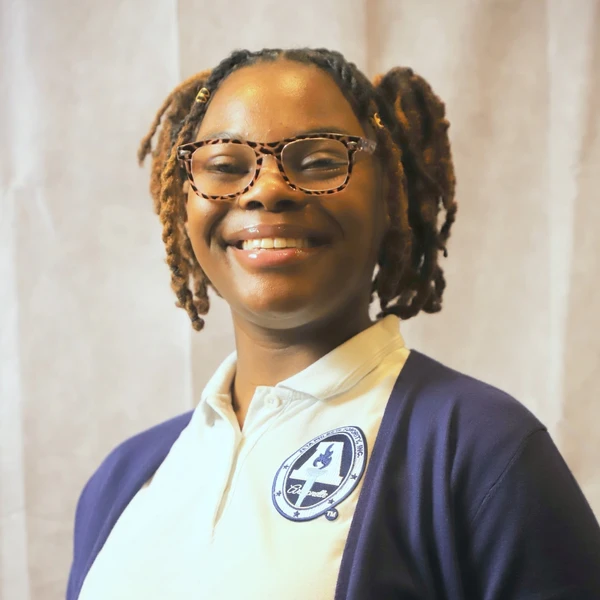
Hi! My name is Mikayla Johnson, and I’m a senior at Jesse C. Carson High School. I’m passionate about social work and advocating for kids and families in my community. I love finding ways to make a difference, create positive change, and help make things right for others.
I’m dedicated to giving back and standing up for people who need support. Helping others isn’t just something I do—it’s part of who I am. Connecting with people, understanding their experiences, and finding ways to make life better for them is what draws me to social work and advocacy.
Outside of school and volunteering, I’m a creative spirit! I love singing, painting, and exploring new hobbies. I’m learning Korean, dabbling in Pig Latin for fun, and excited to pick up crocheting soon. I’m also a proud cat lover.
I’ve spent time giving back to my community through Salisbury Youth Council, Amiette, Achronette, and freelance volunteering, and I’ve been recognized for my commitment to helping others and striving for excellence. As I finish high school, I’m excited to continue learning, growing, and making meaningful change in the world around me.
Education
Jesse C Carson High School
High SchoolMiscellaneous
Desired degree level:
Bachelor's degree program
Majors of interest:
- Criminology
- Psychology, General
- Social Work
- Criminal Justice and Corrections, General
Career
Dream career field:
Individual & Family Services
Dream career goals:
Child Forensic Therapist
Theater member
Cinemark2024 – Present2 years
Sports
Weightlifting
Club2024 – 20251 year
Arts
Jesse C Carson High School
ActingA Midsummer Night's Dream2024 – 2024
Public services
Volunteering
Archonettes of the Alpha Alpha Zeta chapter of Zeta Phi Beta Sorority, Inc. — Team leader2022 – Present
Future Interests
Advocacy
Volunteering
Entrepreneurship
Harvest Scholarship for Women Dreamers
My dream sometimes feels huge—almost too big—like one of those clouds that looks close enough to touch until you reach out and whoosh, your hand cuts right through it. I want to open the first Black-owned forensic therapy practice explicitly designed for children and young adults. A place where kids ages three to twenty can walk in feeling unheard and walk out knowing someone finally listened to them. It is a dream that frightens me a little, inspires me a lot, and refuses to let go of me.
It started with something simple: I have always loved helping people. Even as a child, I was the one sitting beside someone crying on the playground, trying to figure out the right words to say. However, as I grew older, I realized something that hit me hard—children, especially those facing challenging situations, often lack someone who truly listens to them. Their feelings are brushed aside, their stories are questioned, and their voices are drowned out by the world's noise. Thud. This realization weighed heavily on me.
It was also when life sciences began to call my name. Psychology, forensic science, and social work—they all felt like different keys to the same door. Not just science for the sake of science, but science that helps uncover the truth, understand emotion, and protect people who cannot always protect themselves. The more I learned, the more I realized that this dream was not just a distant aspiration; it was something I could actively pursue if I were willing to put in the effort.
One moment showed me exactly why this dream was important. My little cousin Jayden is six years old, full of energy, always bouncing, and always talking. But one day, silence. There were no laughs, no humming, and no little feet pattering across the floor. He had gotten into trouble and shut down completely. He stopped talking and eating, as if he had disappeared. I sat with him quietly at first, just letting him know I was not going anywhere. Eventually, his voice cracked through the silence, and he whispered that he felt neglected by his parents. Six years old. Feeling forgotten. No child should ever feel invisible. Sitting with him was like God was tapping me on the shoulder and saying, “This. This is why you’re needed.”
Since then, every step I take has felt like another rung on the ladder toward that cloudy dream. Studying forensic science teaches me how to give evidence a voice when people cannot find theirs. Psychology shows how trauma echoes through the brain—zap, ping, flash—and how healing begins. Social work shows me what advocacy looks like in real life, not just on paper. All three fields shape the kind of professional I am becoming: someone who listens and stands up for kids before their silence becomes permanent.
The path ahead will not be easy. I know I will need years of schooling, clinical hours, certifications, and the courage to build something no one in my community has seen before. I will need mentors, resources, and, honestly, a lot of prayer and perseverance. But I’m committed. I’m creative. I am willing to grow through every challenge and setback.
My pie-in-the-sky dream might be big, but it is not unreachable. One day, I will open a space where young people can say the things they are scared to say out loud—and I will be there to hear them. To believe them. To help them heal. When that day comes, the dream that once felt like a cloud will finally be something real I can stand inside.
Dream BIG, Rise HIGHER Scholarship
The first time I realized how easily a child’s voice could be silenced, I felt my chest tighten as if the air itself had been stolen. My six-year-old cousin, Jayden, sat across from me, small and trembling, like a lone candle flickering in a hurricane. His shoulders sagged under a weight no child should bear, and the adults around him barely noticed. When he whispered, “I feel left out… like nobody cares,” it hit me like lightning. That moment didn’t just break my heart—it ignited a purpose. No child should feel invisible, unheard, or dismissed. And I knew I had to be the one to change that.
This mission is deeply personal. Growing up with emotionally unavailable parents and strict, suffocating rules, I often felt like a ghost in my own home. My feelings were ignored, my questions brushed aside, and speaking up sometimes felt dangerous. I learned to hold my emotions tightly, afraid of showing too much or asking for support. The sense of isolation I experienced left a mark on me, but it also became the foundation of my empathy. I understand what it feels like to be silenced, to feel invisible, and to struggle without guidance. This understanding fuels my determination to ensure that no child or teen feels the same way. Helping kids like Jayden is not just a choice; it is a calling rooted in my own journey to reclaim my voice and help others find theirs. Every tear I’ve held, every frustration I’ve faced, strengthens my resolve to create spaces where young people are seen, heard, and empowered.
Education has been the bridge between my experiences and my goals. It has shaped my sense of direction and taught me that knowledge is more than facts and figures—it is the key to creating meaningful change. Through studying forensic science, psychology, and social work, I have learned how to understand the human mind, uncover hidden truths, and advocate for those who cannot advocate for themselves. Forensic science has taught me to look beyond surface-level actions and uncover the deeper truths that explain human behavior. Psychology has given me the tools to analyze trauma, understand emotional responses, and provide strategies for healing. Social work has provided hands-on approaches to supporting individuals and families in ways that are compassionate, practical, and empowering. These subjects have not only given me academic knowledge but also a sense of purpose and direction. They have shown me that my passion for helping others can become a career dedicated to real-world impact.
While education has opened doors for me, I have also faced challenges that tested my resilience. Growing up in a household with emotionally unavailable parents and strict rules required me to navigate feelings of neglect and isolation on my own. I had to learn how to advocate for myself quietly, often without guidance or encouragement. There were moments when I doubted whether I could pursue my dreams, and times when it felt easier to accept the limitations placed around me. But each challenge strengthened my determination to succeed—not just for myself, but for the children I hope to help. I learned the importance of perseverance, self-advocacy, and the power of empathy. These lessons, combined with the education I have pursued, have given me a clearer understanding of who I am, what I want, and how I can make a difference.
I have already begun taking steps toward my goal of helping children and young adults find their voice. I pay close attention to the subtle shifts in children, mentor younger students, volunteer my time, and study how trauma affects behavior. I have learned how to recognize when someone is struggling, even when they cannot articulate it themselves. Forensic science trains me to uncover truths that might otherwise go unnoticed. Psychology teaches me to analyze emotions, motivations, and thought processes. Social work equips me to provide direct support, advocacy, and guidance. Every action I take brings me closer to opening my own practice, where every child will feel recognized, supported, and empowered to grow.
My long-term goal is to open the first Black-owned forensic therapy practice specifically for children and young adults, ages three to twenty. Through this practice, I plan to provide a safe, nurturing space where children’s experiences are acknowledged and validated, where emotions are explored in a healthy way, and where young people are guided toward healing. I want to ensure that children do not feel invisible, that their voices are heard, and that they have someone who believes in them even when the world does not. Education has given me the tools, knowledge, and confidence to pursue this dream and to create real, lasting change in the lives of young people.
I hope to use my education not just to create a career for myself, but to create a better future for others. I want to mentor students, especially Black youth, who aspire to careers in psychology, forensic science, or social work. I want to open doors, provide guidance, and create opportunities for young people who might otherwise be overlooked. I want to use my experiences, education, and skills to build bridges for those who need support and to show them that they are capable of achieving their dreams. By turning my education into action, I plan to leave a positive impact on the world—one child, one voice, one life at a time.
I refuse to let another child feel invisible. I refuse to let my own experiences of being silenced go unturned into change. Education has given me the knowledge, direction, and confidence to pursue my calling. Through dedication, compassion, and a lifelong commitment to learning, I will use what I have gained to empower young people, advocate for those who cannot advocate for themselves, and create a world where every child’s voice is heard, valued, and respected.
Chris Ford Scholarship
The first time I realized how easily a child’s voice could be silenced, I felt my chest tighten as if the air itself had been stolen. My six-year-old cousin, Jayden, sat across from me, small and trembling, like a lone candle flickering in a hurricane. His shoulders sagged under a weight no child should bear, and the adults around him barely noticed. When he whispered, “I feel left out… like nobody cares,” it hit me like lightning. That moment didn’t just break my heart—it ignited a purpose. No child should feel invisible, unheard, or dismissed. And I knew I had to be the one to change that.
This mission is deeply personal. Growing up with emotionally unavailable parents and strict, suffocating rules, I often felt like a ghost in my own home. My feelings were ignored, my questions brushed aside, and speaking up sometimes felt dangerous. I know the loneliness of being unseen, and I refuse to let any child—or teen—feel the same. Helping kids like Jayden is not just a choice; it is a calling rooted in my own journey to reclaim my voice and guide others toward theirs. Every tear I’ve held, every frustration I’ve felt, fuels my determination to create spaces where young people are seen, heard, and empowered.
The life sciences are my tools to make this vision real. Forensic science, psychology, and social work are not just subjects I study—they are instruments for justice, understanding, and healing. My goal is to open the first Black-owned forensic therapy practice specifically for children and young adults, ages three to twenty. I want to provide a safe harbor where emotions are not ignored or dismissed, but valued and guided toward growth. These sciences teach us more than the mechanics of the mind—they teach us how to transform understanding into meaningful action. Through this future career, I plan to make a positive impact by ensuring that children and teens have someone who will listen, believe, and help them find their voice, even when the world turns away.
I have already begun building the foundation for this dream. I pay attention to subtle shifts in children, mentor, volunteer, and study trauma’s effects on behavior. Forensic science trains me to uncover hidden truths. Psychology shows me how thoughts and feelings intertwine. Social work equips me to advocate, guide, and stand firm for those who cannot stand for themselves. Every step I take brings me closer to opening a practice where every child can feel recognized and supported.
Through this career, I hope to transform my personal experiences of being unheard into a source of hope and empowerment for others. I want to create opportunities, open doors, and guide young people toward paths they might have thought were closed to them. I refuse to let another child feel invisible. I refuse to let my own experiences of being silenced go unturned into change. By dedicating my life to this mission, I aim to leave a positive mark on the world—one child, one voice, one life at a time.
Second Chance Scholarship
The first time I realized how easily a child’s voice could be silenced, I felt my chest tighten as if the air itself had been stolen. My six-year-old cousin, Jayden, sat across from me, small and trembling, like a lone candle flickering in a hurricane. His shoulders sagged under a weight no child should bear, and the adults around him barely noticed. When he whispered, “I feel left out… like nobody cares,” it hit me like lightning. That moment didn’t just break my heart—it ignited a purpose. No child should feel invisible, unheard, or dismissed. And I knew I had to be the one to change that.
This mission is personal. Growing up with emotionally unavailable parents and strict, suffocating rules, I often felt like a ghost in my own home. My feelings were ignored, my questions brushed aside, and speaking up sometimes felt dangerous. I know the loneliness of being unseen, and I refuse to let any child—or teen—feel the same. Helping kids like Jayden is not just a choice; it is a calling rooted in my own journey to reclaim my voice and guide others toward theirs. Every tear I’ve held, every frustration I’ve felt, fuels my determination to create spaces where young people are seen, heard, and empowered.
The life sciences are my tools to make this vision real. Forensic science, psychology, and social work are not just subjects I study—they are instruments for justice, understanding, and healing. My goal is to open the first Black-owned forensic therapy practice specifically for children and young adults, ages three to twenty. I want to provide a safe harbor where emotions are not ignored or dismissed, but valued and guided toward growth. These sciences teach us more than the mechanics of the mind—they teach us how to transform understanding into meaningful action.
I have already begun building the foundation for this dream. I pay attention to subtle shifts in children, mentor, volunteer, and study trauma’s effects on behavior. Forensic science trains me to uncover hidden truths. Psychology shows me how thoughts and feelings intertwine. Social work equips me to advocate, guide, and stand firm for those who cannot stand for themselves. Every step I take brings me closer to opening a practice where every child can feel recognized and supported.
This scholarship is not just financial assistance—it is an investment in a future where children’s voices are amplified rather than ignored. It would allow me to focus fully on my education, gain the skills I need, and move one step closer to transforming my calling into action. In return, I will pay it forward by mentoring students, especially Black youth, who aspire to careers in psychology, forensic science, or social work. I will create opportunities, open doors, and guide others toward paths they might have thought were closed to them.
I refuse to let another child feel invisible. I refuse to let my own experiences of being silenced go unturned into change. By investing in me, you are investing in every young person who deserves to be heard, believed, and valued. I am ready to dedicate my life to this mission, and with your support, I can make sure that no voice goes unnoticed.
Shanique Gravely Scholarship
The spotlight didn’t just find me; it dragged every hidden nerve into the open, daring me to flinch. My heart was pounding so loud I wondered if the front row could feel the bass. I wanted to disappear, to melt into the floor, but then my godmother’s voice sliced through the chaos: You’ve got this. That was the moment everything shifted. Fear didn’t get to write my story—I did.
My godmother isn’t just family; she’s the reason I ever dared to step up as an Amicette or Archonette. She spots sparks in me before I even smell smoke, sometimes nudging, sometimes giving me the not-so-subtle shove I need. I remember freezing before a school presentation, sure my brain would betray me. That fear almost won, but her faith in me flipped the script. Because of her, I started grabbing the mic, stepping up to lead, and reaching out to people who once made me shrink. Every time I hesitated, she was there—steady and absolutely certain of what I could do.
That first speech? Disaster. My voice wobbled, my knees knocked, and my stomach flipped. The mic felt like ice, and the crowd’s chatter faded into a silence daring me to mess up. I almost did, but my godmother’s calm was contagious. She just said, Just start. So I did. Plot twist: fear didn’t disappear; it turned into rocket fuel. Suddenly, I was locked in, even exhilarated. Each new challenge she threw at me made me want more.
She never let me coast. Walking into a room full of strangers? She’d nudge me forward. Speaking my mind when it mattered? She’d raise the bar. What used to terrify me now feels like a chance to level up. Courage isn’t about being fearless; it’s about moving forward anyway. It’s not just about me anymore. I want to honor her belief in me by paying it forward, showing others that fear isn’t a wall, it’s a launchpad. Her impact goes way beyond public speaking. She taught me that leadership is about connection, empathy, and showing up. Not being perfect. I learned to take risks, help others feel seen, and open myself to new friendships. Recently, I spotted a classmate panicking before a presentation; shaky hands, notes trembling. I sat beside them and said, “I’ve been where you are.” We practiced deep breaths, and after their speech, I saw relief and pride light up their face.
If not for her, I wouldn’t even recognize myself. I’m bold now, unapologetically confident, and ready to take on whatever comes next; all because she believed in me when I couldn’t. Her influence shows up every time I speak up, every time I meet someone new, every time I say yes to a challenge that scares me. She taught me to turn fear into fuel, to see obstacles as opportunities, and to lead with both guts and heart. That’s a lesson I’ll never stop being grateful for.
Looking ahead, I see myself stepping onto new stages, using my voice to spark the same kind of change she sparked in me. The future is a wild card, and I’m all in. I want to lead, to build community, and to take on challenges that will keep pushing me to grow. Most importantly, this scholarship would give me the resources and support to keep leveling up as a leader and to help others find their voice, too. Thank you for considering my application and giving students like me the chance to turn gratitude into action.
Crowned to Lead HBCU Scholarship
Being the only Black girl in the room made me visible and responsible for proving daily that I belonged. It wasn’t the lessons that challenged me as much as the quiet judgments at the edges; reminders that I was the only one who looked like me. In class I carried the pressure of representing my whole community. When my hand went up, the room often went quiet; the pause in people’s eyes felt like a question of whether I belonged.
Outside academics I existed between expectations, never fitting the mold either side wanted me to be. At one of my first football games a boy walked up and asked, “How much cotton did you pick today?” His friends laughed. No teacher intervened. No one said it was wrong. It felt like an everyday joke I was supposed to accept. I carried that moment quietly, but it forced me to face a truth: the challenge was not only academic excellence; it was learning to hold my ground where people still questioned if I deserved to be there.
After that I decided to change how I responded.
I started speaking up when I felt overlooked and holding eye contact instead of shrinking away. Those small acts became a quiet resistance; proof not only to others but to myself that I belonged. I focused on building confidence, sought friends whose goals aligned with mine, and began creating my own space. I joined clubs where I was the only person who looked like me and worked to make them more inclusive. I spoke out when stereotypes surfaced, even when my voice shook.
Slowly I stopped seeing my presence as a burden and began to see it as a statement. Living through those experiences taught me that success isn’t only grades or test scores; it’s refusing to shrink in spaces that weren’t built for you. I learned to turn isolation into strength, and I carry that strength into every room I enter.
That strength helped me win second place in a national elevator pitch contest where I argued for equitable medical care. It pushed me to step into leadership as Vice President of the Salisbury Youth Council. There I showed up at city council meetings, staffed recruitment fairs, and encouraged students to speak for themselves and their communities. I mentored younger students, sharing strategies I used: how to assert your voice in class, how to navigate discomfort, and how to find allies. I made it my mission to create the kind of spaces I had once needed.
The moment I realized I was stronger than I thought came not from a single victory but from the accumulation of small choices: choosing to speak despite fear, to hold my ground despite silence, to lead even when I felt alone. Others may have seen a shy girl raising her hand; I saw someone who could become the representation she had lacked. That shift changed how I lead: I lead by example, by lifting others into rooms where they belong and by turning the isolation I felt into collective opportunity.
Now when a girl like me enters a room, I want her to know she belongs before she has to prove it. I work to reshape spaces so the next girl will not ask whether she belongs—she will already know. I continue this work by mentoring, organizing, advocating, and opening doors for others daily.