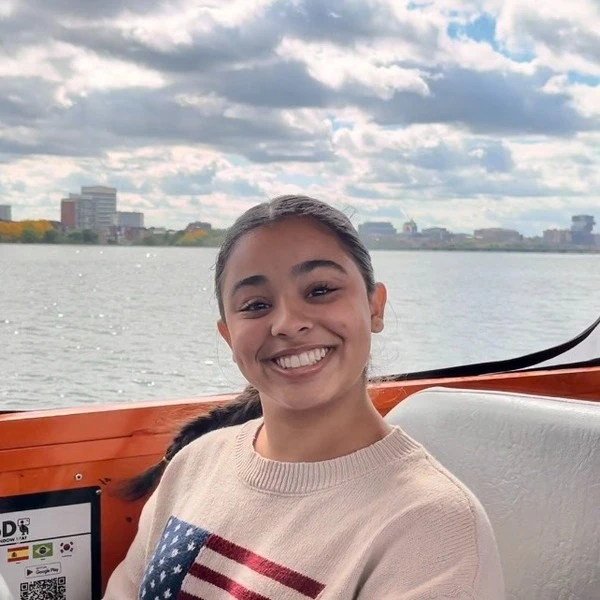
Growing up, I always knew I came from more than one culture, but I did not fully understand what it meant to be Pacific Islander until later in my childhood. My mother's side of my family is Pacific Islander, but it was not until I was around ten years old, when my family moved to Oahu because of my father's military service, that I truly began connecting with that part of my identity. Living in Hawaiʻi until I was fourteen allowed me to experience traditions, values, and a sense of community that had previously been unfamiliar to me. Those four years shaped the person I am today and gave me a deeper appreciation for my family's heritage.
As someone who is both Pacific Islander and Hispanic, I have often found myself navigating two different cultural identities. There were times when I questioned where I fit in. I did not always feel "enough," especially because I had not grown up surrounded by my Pacific Islander family, yet I also knew it was an important part of who I was. At the same time, I was balancing my Hispanic heritage, which has always been a significant part of my life. For a long time, I felt like I was caught between two worlds, wondering if I truly belonged in either. As I've grown older, I've realized that identity is not about proving yourself to others or fitting into one definition. It is about embracing every part of your story and recognizing that each culture has shaped your values, perspective, and the person you are becoming.
Those experiences are one of the biggest reasons I chose to pursue a degree in elementary education. I know what it feels like to question whether you belong, and I never want a child in my classroom to feel that way. Every student deserves to feel seen, valued, and celebrated for exactly who they are. I want to create a classroom where every child—regardless of their culture, language, or background—knows they matter. Living in Hawaiʻi also taught me the importance of community. I saw firsthand how people cared for one another, respected their elders, and took pride in preserving their traditions. Those values continue to guide how I hope to teach: by building relationships, fostering belonging, and helping students see their differences as strengths rather than something to hide.
College has brought both opportunities and challenges. As a first-generation college student, I have had to navigate higher education largely on my own while balancing work and academics. Through perseverance and determination, I have maintained a 4.0 GPA and will be transferring to Appalachian State University this fall to continue pursuing my bachelor's degree in elementary education. Every accomplishment reminds me of the sacrifices my family made and motivates me to become the kind of teacher who leaves a lasting impact on the lives of young children.
Receiving this scholarship would help ease the financial burden of completing my education, but it would also represent recognition of a journey shaped by resilience, cultural discovery, and a commitment to giving back. Being Pacific Islander has taught me the importance of family, community, and embracing my identity, even when I did not always feel like I fully belonged. As a future elementary school teacher, I hope to pass those lessons on to my students by creating a classroom where every child feels accepted, respected, and enough just as they are. If I can help even one child feel the sense of belonging that I once searched for, I will know I have made a meaningful difference.