user profile avatar

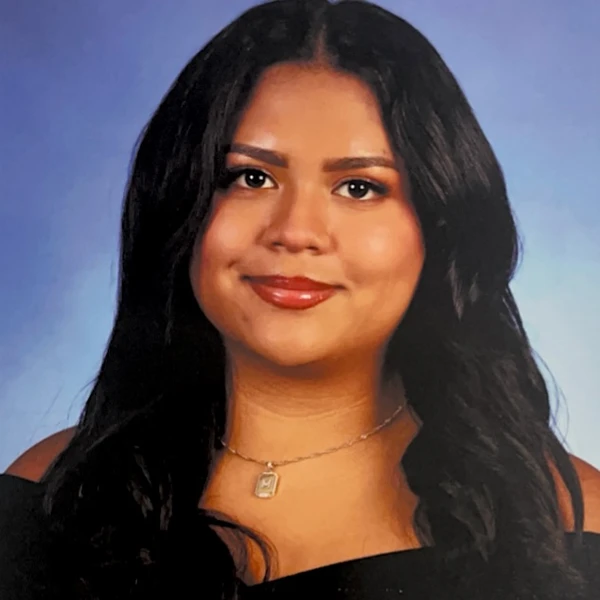
Michelle Mendoza

1x

Finalist

Bio

My name is Michelle Mendoza, and I am a dedicated and enthusiastic student with the ambition to become a veterinarian and a leader in environmental issues. I envision establishing a facility that integrates a veterinary clinic, an animal shelter, and a café to encourage rescue and rehabilitation while nurturing community bonds. I aspire to establish a center that integrates veterinary services, animal rescue efforts, and community involvement to promote healing and education. I am convinced that genuine impact is achieved through exemplary leadership, and I strive to be a catalyst for transformation, enhancing awareness, motivating sustainable practices, and enabling others to safeguard animals and the environment.

Education

Mater Academy Charter High

High School
2019 - 2026
  • GPA:
    4

Miscellaneous

  • Desired degree level:

    Doctoral degree program (PhD, MD, JD, etc.)

  • Majors of interest:

    • Zoology/Animal Biology
    • Veterinary Biomedical and Clinical Sciences
    • Veterinary/Animal Health Technologies/Technicians
    • Biology, General
  • Not planning to go to medical school
  • Test scores:

    • 21
      ACT

    Career

    • Dream career field:

      Veterinary

    • Dream career goals:

      As a veterinarian, my long-term goal is to create a multi-purpose facility that combines a veterinary clinic, animal shelter, and café to promote rescue, rehabilitation, and community connection. I hope to expand this model into underserved areas, raising awareness about animal welfare and environmental sustainability. Through education, outreach, and compassionate care, I aim to be a voice for the voiceless and inspire others to protect both animals and the planet.

      Research

      • Agricultural and Domestic Animal Services

        AP Capstone Program – Mater Academy Charter Middle/High School — Lead Student Researcher — I conducted an individual research report and multimedia presentation analyzing the ethical, scientific, and regulatory dimensions of animal testing in the beauty industry.
        2024 – 2024

      Arts

      • Florida International University (FIU) – Dual Enrollment Program

        Visual Arts
        N/A
        2025 – 2025

      Public services

      • Volunteering

        Clean Miami Beach — Volunteer
        2025 – 2025
      • Volunteering

        Miami Dade Animal Services — Clinic Assistant
        2025 – Present
      • Volunteering

        Miami Dade Animal Services — Dog Walker/ Caretaker
        2025 – Present
      • Volunteering

        Miami-Dade Animal Services Pet Adoption & Protection Center — As a volunteer, I helped feed, clean, and socialize animals, assisted potential adopters, and supported the staff in daily shelter operations to improve the well-being and adoption chances of the animals in care.
        2025 – 2025

      Future Interests

      Advocacy

      Volunteering

      Entrepreneurship

      RodentPro.com® Animal Advocate Scholarship
      I first discovered the depth of animal care when I met Diggy, a small, malnourished bunny, in my hometown in Nicaragua. Growing up without pets, I had never experienced the responsibility of caring for another life, but I immediately accepted the challenge. My cousin planned to travel and leave him without food or water, so I took it upon myself to provide for him. For three weeks, I fed him, cleaned his space, and offered attention he had never known. Watching him grow stronger, more alert, and more comfortable each day taught me patience, empathy, and the profound reward of nurturing a vulnerable life. Saying goodbye was difficult, but Diggy opened a part of my heart I hadn’t known existed and inspired me to dedicate my life to animal care. That small experience was my first step toward understanding the responsibility and commitment required in the field of veterinary medicine and wildlife care. Since then, I have actively sought opportunities to work with and advocate for animals. I began rescuing chickens, cats, fish, and another bunny, ensuring each received proper care and attention. I also volunteer regularly at local shelters, gaining firsthand experience in animal rehabilitation. One of the animals I worked with, Milo, an anxious pitbull mix, required daily walks, consistent interaction, and gentle encouragement to help him gain confidence. Initially shy and withdrawn, Milo gradually revealed his playful and affectionate personality, showing me that attentive care can uncover strengths and traits that others might overlook. When he was adopted, I realized that even small, consistent efforts can profoundly improve an animal’s life and increase their chances of finding a safe, permanent home. These experiences reinforced my commitment to animal welfare and my understanding of the social and emotional responsibilities inherent in animal care. Animal care is not only about individual animals—it plays a critical role in broader conservation efforts. Healthy, well-cared-for animals contribute to the ecosystems they inhabit and support biodiversity. Through my work with animals, I have learned that care, compassion, and proactive intervention are essential components of conservation. Each animal I help represents a small but meaningful contribution to a larger effort to protect species, ecosystems, and the interconnected web of life. As I prepare to pursue a career in veterinary medicine, I am committed to combining hands-on experience with scientific study to make a tangible impact. I plan to specialize in rehabilitation and care for vulnerable or injured wildlife, ensuring that each creature I work with has the opportunity to recover, thrive, and return to its natural environment when possible. I also hope to educate communities about the importance of ethical treatment and responsible stewardship of animals, advocating for practices that protect habitats and preserve species for future generations. By actively participating in rescue efforts, rehabilitation programs, and conservation initiatives, I aim to help shape a world where animals are valued, protected, and given the care they need to survive and flourish. The lessons I have learned from Diggy, Milo, and countless other animals have shaped not only my career aspirations but also my worldview. Animal welfare requires dedication, patience, and compassion, and it has taught me that even small actions—feeding, cleaning, socializing, or simply offering attention—can have lasting effects. By committing myself to this work, I hope to contribute to a future in which all animals are treated with dignity, respect, and care. I am determined to use my passion, skills, and experiences to advance animal welfare, support conservation efforts, and advocate for the lives that cannot speak for themselves.
      Eric W. Larson Memorial STEM Scholarship
      As a Hispanic student from a low-income family, I’ve grown up witnessing the many disadvantages that come with both ethnicity and financial hardship. I’ve always strived to do my best in school—not just for myself, but because of my biggest motivation: my father. The sacrifices he has made for our family are immeasurable. Balancing work, education, and raising children, he became a model of perseverance and strength. His dedication lit a fire in me. I knew I couldn’t waste the opportunity he worked so hard to give me. Financial limitations were a constant part of my life. I never had the newest phone, the trendiest Nikes, or even a new backpack every year. I often reused the same one for two or more years. I learned to be mindful of what we could afford, and though we got by as a family, I grew up with a deep awareness of what we lacked materially—but I also discovered what we could still hold onto: ambition, resilience, and love. As I pushed myself in school, another passion began to grow within me: a love for animals. We were never allowed to have pets because our home was small and crowded. But everything changed when I met a small, malnourished bunny named Diggy. It was December, and I was visiting my hometown in Nicaragua. My cousin brought out a box with a frail black bunny inside. His fur was coarse and patchy, and his eyes looked dull with fear. He was underfed, scared, and alone. I immediately asked if I could care for him while we were there, and to my surprise, my dad said yes. For three weeks, Diggy became my world. I fed him, held him close, cleaned him, and slowly watched him begin to trust again. In those quiet moments, I found a different kind of peace. He didn’t speak, but I could feel the life in him—his need for safety, warmth, and love. Saying goodbye to Diggy was one of the hardest things I’ve ever done. He wasn’t just a pet—he was the first soul I had ever truly connected with on my own. The last time I saw him, he was taken away by someone who later traded him for a bicycle. When I found out, I was heartbroken. But rather than let the pain consume me, I let it inspire me. That experience shifted something inside me. I no longer saw animals as just companions, but as lives worthy of dignity, care, and protection. Since then, I’ve made it my mission to help animals in any way I can. I’ve rescued abandoned chickens, cats, fish, and another bunny named Mocha. I found Mocha in terrible condition—matted fur, sunburnt skin, and clearly malnourished. We brought her to a vet, only to learn she wasn’t even microchipped. No one had ever claimed her. It hurt to see another animal so mistreated, but it only strengthened my resolve. I knew I had found my purpose. That’s why I began volunteering at the Miami-Dade Animal Shelter. I wanted my time to mean something—to be around animals who needed a second chance and to offer them the love they’d been denied. Even though I didn’t have a paying job, I saw this work as more valuable than anything money could buy. Every time I walked into that shelter, I saw a piece of Diggy, a part of Mocha, and a reminder of why I started this journey in the first place. Through these experiences, I’ve learned patience, compassion, and the importance of advocacy. Most importantly, I’ve realized that being a voice for the voiceless isn’t a career choice—it’s a calling. That’s why I’ve chosen to pursue veterinary medicine. Not as a job, but as a lifelong mission rooted in love, empathy, and healing. But my dream goes beyond just becoming a veterinarian. I envision creating a space that is part animal shelter, part veterinary clinic, and part community café—a welcoming place where animals can be cared for and where people can connect, learn, and heal. I want to build a center that reflects the idea that rescuing animals and nurturing the human spirit go hand in hand. Whether someone comes in for a cup of coffee, to adopt a pet, or to seek affordable veterinary care, they’ll walk into a place filled with compassion and community. That’s the kind of world I want to help build. Being from a Hispanic background, I also understand how often mental health, emotional awareness, and even empathy for animals are neglected in our communities. Many immigrant families—mine included—focus on survival. There’s often no time or room for emotional softness. But I want to break that cycle. I want to teach younger generations, including my own siblings, that strength comes from kindness. That caring for others—whether they walk on two legs or four—is not a weakness, but a form of courage. So yes, I may have grown up with limited resources. I may have shared bedrooms, reused school supplies, and gone without many of the things other kids had. But what I gained was far more valuable. I gained the drive to work hard. I gained the heart to care deeply. I gained the strength to stand up for animals who can’t speak for themselves. And I gained a vision—a future in which I can make the world a softer, safer place, one rescue at a time. I carry Diggy with me in everything I do. He was the spark. Mocha was the reminder. And every animal I’ve helped since has only fueled my dream. I’m ready to dedicate my life to this mission, and I know that with the right education, opportunities, and support, I’ll turn this dream into a reality.
      Learner Mental Health Empowerment for Health Students Scholarship
      As a 17-year-old student from a Hispanic immigrant background, I’ve come to understand that one of the most valuable things you can have isn’t money or status—it’s your mental health. Growing up in a household where conditions like PTSD, ADHD, or OCD were dismissed or misunderstood made it hard to talk about emotions, let alone mental struggles. In my community, there’s a deep cultural stigma around mental health. Many parents, including mine, see these topics as taboo or even signs of weakness. They weren’t taught to process emotions—they were taught to survive. I first started noticing the consequences of this mindset not just in my own life, but in the lives of my classmates. I remember watching a boy get scolded repeatedly for not being able to focus, but no one stopped to consider why. Everyone just assumed he wasn’t trying hard enough, that he was lazy or distracted. But I saw myself in him. I’ve struggled with concentration for as long as I can remember. My mind often feels like a waterfall of overthinking, racing thoughts that make it hard to stay present or finish tasks. In class, I used to wonder how everyone else could write so fast, speak so confidently, and stay so focused. I’d look around and see a few other students like me, staring blankly at their papers, overwhelmed and unsure. It made me feel less alone, but also more aware of how invisible mental health struggles are in schools. Mental health matters because it’s the foundation of learning. Without a stable mind, it’s nearly impossible to perform academically. When students feel emotionally drained, anxious, or misunderstood, it creates barriers that can’t be solved by just “trying harder.” Knowing that nothing is “wrong” with you—that your brain might just work differently—can be incredibly empowering. Once I recognized that my mental health needed care, I started learning to work with my mind, not against it. I developed strategies to keep myself grounded, like journaling, taking breaks, and giving myself grace when I couldn’t be perfect. At home, I advocate for mental health by talking openly with my older sister. I encourage her to speak up when she feels overwhelmed and remind her not to internalize our parents’ dismissiveness. I tell her, “Our parents don’t understand, but that doesn’t mean your feelings aren’t real.” I help her name her emotions and model self-respect, showing her that sensitivity isn’t weakness—it’s strength. At school, I try to normalize mental health conversations. I speak with classmates about the importance of rest, boundaries, and self-awareness. I remind them that their worth isn’t tied to productivity. That it’s okay to ask for help. I’ve even had small moments where someone confided in me after I spoke about my struggles, and those moments mean everything to me. They show me that even one voice can make a difference. Mental health is the most powerful tool a student can have. It shapes how we learn, how we grow, and how we relate to others. I may not be able to change my family’s mindset overnight, but I can break the cycle by being a voice for compassion, understanding, and change.
      SnapWell Scholarship
      One morning, I found myself sprinting up the stairs to catch my marine science professor before class started. I wasn’t just running—I was gasping for air, my chest tightening with every step. Dizzy and breathless, I finally reached him, stuttering as I explained that I might have to leave early. Despite how I felt, I still walked into class, trying to steady my breathing and hoping my mom would arrive soon. For the past two days, I have been feeling unwell. I had a persistent cough, fatigue, and shortness of breath, but I told myself to push through. I drank cough syrup and convinced myself it was enough. I didn’t want to miss any material—I wanted to succeed, stay caught up, and not fall behind my classmates. I thought I was being strong. However, the truth was, I was ignoring what my body was trying to tell me. That day, I was diagnosed with bronchitis and had to miss school for three days. Each day, I messaged my classmates—people I considered close friends—asking what I had missed. Most didn't respond. Despite feeling like I was gasping for air, I still tried to complete my work at home. Looking back, this experience became a turning point. It taught me that pushing through pain or illness isn’t strength—it’s neglect. I realized that valuing my health isn’t a weakness or an excuse; it’s essential to my success. Mental, emotional, and physical wellness are not separate from academic or personal growth—they’re the foundation of it. I also learned the importance of boundaries—learning when to say "no" and when to pause. Before this experience, I had the mindset that being productive meant never resting, and that asking for help made me look weak. Now, I understand that asking for help and allowing myself time to heal are not signs of failure—they're signs of maturity and self-respect. More importantly, I gained a deeper sense of empathy. Everyone is carrying something, whether it's physical illness, mental strain, or emotional burden. This experience helped me see others more fully, and it’s motivated me to one day create a space where people—especially animals and individuals in vulnerable situations—can receive the care and attention they need without guilt or fear of judgment. As I prepare for the future, whether in school, work, or life, I carry these lessons with me. I now make my well-being a priority because I’ve learned that when I am balanced and healthy, I am more present, more compassionate, and more capable. This experience didn’t just change how I treat my health—it changed the way I value myself.
      David Foster Memorial Scholarship
      The Loud Board and the Quiet Courage “If Michelle has a question about the lesson, I know she will ask me.” My Algebra 1 teacher, Mrs. Osejo, said those words out loud as my classmates snickered and rolled their eyes at me for asking yet another question during class. To some, it may have sounded like a simple comment. But to me, it was a moment I’ll never forget. It was the first time I truly felt seen—and not just seen, but understood and accepted. I had always been the kind of student who needed things explained clearly, one step at a time. In most classes, this made me feel like a burden. Teachers rushed through lessons, assuming we all just “got it.” When I didn’t, I’d hesitate to ask because I didn’t want to be labeled as slow or annoying. And yet, in math—a subject that already intimidated me—I needed to ask more questions than ever. That’s why Algebra surprised me. It was the first math class I genuinely enjoyed, and the reason was simple: Mrs. Osejo. She had a teaching style that was nothing short of refreshing. She was loud—not in a scary way, but in a bold, passionate way that demanded attention and respect. Her energy filled the room. Instead of handing out worksheets and sitting at her desk, she moved with purpose, using every inch of the whiteboard. She explained every formula and wrote down each step, even the ones most teachers skipped. She used colors, diagrams, real-life examples—whatever it took to make the lesson stick. It didn’t matter how many questions we asked; she always took the time to answer them. And what mattered even more was that she never made me feel ashamed for asking. In her classroom, I felt like my questions had value. My curiosity wasn’t annoying—it was encouraged. I began to realize that needing clarification wasn’t a weakness. It was a strength, a sign that I cared enough to understand things deeply. The more comfortable I became, the more confident I grew—not just in math, but in myself. I remember coming to her after-school tutoring sessions, even when I didn’t need extra help. I showed up because I wanted to support her in the same way she supported us. I wanted more students to fill those seats, to feel what I felt, to be guided by a teacher who genuinely cared. I didn’t want her to be alone in that classroom, because she had never let me feel alone when I was struggling. Looking back, Mrs. Osejo taught me more than algebra. She taught me how to be brave in a room full of doubt. She taught me that seeking help isn’t something to hide from—it’s something to embrace. She showed me that good teaching doesn’t just deliver information; it opens doors to self-belief. Through her, I learned how powerful it is to advocate for yourself, and how asking questions can lead not only to understanding but to growth. Her influence has stayed with me beyond that single year of Algebra. It’s shaped how I approach every challenge in school and life. Now, I don’t shy away from asking questions or taking initiative when something feels unclear. I no longer worry about appearing “difficult” or “too much.” Mrs. Osejo didn’t just help me pass a class. She helped me discover a part of myself I had been too afraid to show. She turned my uncertainty into confidence. And for that, I’ll always be grateful.
      Robert F. Lawson Fund for Careers that Care
      Walking into the shelter, I was overwhelmed by cries, barking, whimpering, and pounding sounds that wrapped around my chest like a tightening knot. The sharp smell of urine, the chaotic noise of distress, and the desperate energy of countless forgotten souls filled the space. Every bark sounded like a plea for love that had never arrived. I wanted to turn back. But then I remembered why I had come —the reason I chose to stay and face the heartbreak. Diggy. It was December in my hometown of Nicaragua when I first met him. My cousin pulled out a box holding a small, black, malnourished bunny. In a place where neglect of animals was often dismissed as normal, my heart broke. Raised in a Hispanic household where pets weren’t allowed, I had never experienced that kind of bond. But something in me immediately connected with that bunny. My cousin was leaving and planned to abandon him without food or water. I begged my father to let me care for him. For the next three weeks, Diggy became my world. I named him, fed him, and nurtured him. For the first time, I felt an overwhelming sense of joy, connection, and responsibility. Saying goodbye was one of the hardest moments of my life. Diggy wasn’t just a bunny—he was my first companion, the first soul I had ever fully cared for. A piece of me stayed behind in Nicaragua. But he opened my heart and my eyes. He showed me that animals are more than companions—they are lives worthy of dignity and love. When I returned home, I began rescuing animals—chickens, cats, fish, even another bunny. Each one reminded me of Diggy and reignited that deep sense of purpose. Without a job yet, I began volunteering at an animal shelter. The environment was intense, but I knew I belonged there. The animals didn’t ask for much—just kindness, safety, and a glimmer of hope. I realized that this is what I wanted for the rest of my life: to be the provider of that hope. Diggy shaped my values—patience, empathy, and commitment—and inspired my dream of becoming a veterinarian. But my vision reaches beyond treating animals. I hope to create a sanctuary that blends veterinary care, rescue operations, and community connection—a space where healing, education, and compassion coexist. I also aim to be a voice in environmental advocacy, promoting recycling, reducing waste, and encouraging policies that protect ecosystems and public health. The well-being of animals, people, and the planet is deeply intertwined, and I want to help build a world where all three can thrive. True impact comes not only from compassion, but also from conscious action. I strive to be a catalyst for change: advocating for rescue, elevating awareness, and inspiring others to adopt sustainable and ethical practices. Through my future career, I hope to help shape a world where animals are protected, nature is preserved, and communities come together to nurture both the Earth and each other. Change begins with a single voice, a single act of care. Through this journey, I hope to be that spark, not only for animals but for the world we share.
      Pet Pals Pack Compassion Award
      Silent Souls, Loud Reflections I walked into the shelter and was met with cries, barking, and pounding—sounds so constant they tied my chest into a knot. The sharp smell of urine and the overwhelming stress in the air surrounded me. Every bark felt like a plea, a hook thrown into the void. I wanted to walk out. But then I remembered Diggy—the soul who taught me animals are more than companions. I stayed because of him, because animals love endlessly, even when their world has never understood them. It was December, and I was in my hometown, Nicaragua. My cousin brought out a box with a small, black, fluffy bunny inside—malnourished and fragile. Growing up in a Hispanic household, I was never allowed pets, but something in me latched onto him. My cousin planned to leave him without food or water. I begged my dad to let me care for him while we stayed, and he agreed. I named him Diggy, and for three weeks, he became my world. I was determined to give him everything he needed. For the first time, I felt a kind of joy that stayed with me. When the time came to leave, I had to say goodbye. It was one of the hardest things I’ve ever done. Diggy wasn’t just a bunny—he was my first companion and the first being I truly cared for on my own. Life moved on, but part of me stayed behind with him. He had opened a part of my heart I didn’t know existed. That experience shaped me. I began to see animals not as pets, but as lives that deserved dignity. I started rescuing animals—chickens, cats, fish, and another bunny. Each one reminded me of Diggy and gave me a sense of purpose. Without a job, I began volunteering at a shelter, wanting to spend time meaningfully. Animals gave me peace. They didn’t ask for much, just kindness and safety. But more than peace, they gave me purpose. That moment in Nicaragua wasn’t just personal—it was a turning point. The pain of leaving Diggy, the sorrow of hearing animals cry out, and the healing I found in helping them were not isolated. They were signs pointing me toward something bigger. Diggy became the core of my values. He taught me patience, responsibility, empathy—and showed me the kind of person I want to be. He inspired my dream of becoming a veterinarian. I want to stand up for the voiceless, to heal the hurt, and give animals the love they deserve. Through him, I learned stewardship: caring for something beyond yourself. And hope—that even in a world where animals are forgotten, one person can make a difference. I’ve seen how animals silently endure pain, waiting for kindness, and how one act of compassion can change everything. That’s why I’m pursuing veterinary medicine—not just as a job, but as a purpose rooted deep in my soul. I want to transform the love I felt for Diggy into lasting care for those who need it most. With his memory rooted in my heart, I’m ready to meet every challenge with compassion, grit, and unwavering resolve. Every creature deserves to be seen, saved, and loved—and I’m ready to be the one who answers that call, again and again, for the rest of my life.
      Sabrina Carpenter Superfan Scholarship
      There’s a certain kind of fire that lives quietly inside you as a kid—a flicker of hope, of ambition, of daydreams about who you’ll be. For me, that spark first caught flame in the soft blue glow of a TV screen at 2 a.m. My sister and I would sit cross-legged on the couch, whispering and giggling through reruns of Girl Meets World, our eyes glued to Maya Hart—bold, sarcastic, vulnerable, and full of life. Played by Sabrina Carpenter, Maya felt like the kind of girl we all secretly wanted to be: unafraid to feel, to speak, to be. At the time, I didn’t know who Sabrina Carpenter was. I just knew how her character made me feel—seen, safe, and a little braver. But as I’ve grown, so has she. Now, at 17, I no longer watch her through fictional storylines but listen to her lyrics late at night through headphones, sometimes driving with the windows down, letting her voice narrate my life. Watching Sabrina evolve from a young actress into a full-fledged musician—someone who writes her music, performs with passion, and navigates the world of fame with both sweetness and strength—has deeply inspired me. She’s never stopped growing, and that has shown me that I don’t have to either. What’s most powerful is how her journey mirrors my own in subtle ways. As I prepare to graduate from high school and take steps toward my dream of becoming a veterinarian, I carry with me the fear that life won’t make it easy. Money is tight, the world feels overwhelming, and doubt creeps in more often than I’d like to admit. But Sabrina reminds me that it’s okay to chase something even when the path is unclear. She teaches me through her career that success doesn’t mean perfection—it means persistence. What I admire most is her authenticity. From her earliest days on screen to her latest albums, Sabrina has never shied away from showing who she is. She doesn’t pretend everything is polished or easy. Her lyrics about heartbreak, identity, and self-worth have become soundtracks to the quiet moments of my life—the lonely nights, the early mornings, the hopeful daydreams. And somehow, even during her challenges, she’s always managed to hold space for joy. Watching her make the transition from Disney stardom to independent artist is like watching someone break free, not for attention, but for truth. It’s not just about her talent—it’s about her courage. Sabrina Carpenter reminds me that you don’t have to let go of who you were to become who you are. I think of those 2 a.m. memories often, especially now that my sister is preparing for PA school and I’m stepping into my unknown. We still listen to Sabrina together, only now the songs are different—grown-up, just like us. They carry the same sense of comfort but also a sense of possibility. Sabrina’s journey has made me want to cling to the beautiful parts of childhood while still walking boldly toward the future. She’s living proof that growth is not just inevitable—it’s empowering. Because of her, I believe in the power of slow, steady transformation, and I believe that I can turn my childhood dream of becoming a veterinarian into reality, no matter how difficult the road may be. Being a fan of Sabrina Carpenter is like holding a mirror up to my past, present, and future—and finding hope in all three reflections.
      Chappell Roan Superfan Scholarship
      There’s a certain spark that ignites deep inside when I hear a song that cuts through the noise—an electric pulse that wakes something raw and real within me. That spark is what Chappell Roan’s music lights every time I press play. Her haunting voice and daring lyrics reach past the surface, stirring emotions I didn’t know I could name, and inviting me to embrace the parts of myself I’ve sometimes tried to hide. Growing up in a small, conservative town where fitting in often meant silencing your true self, her music feels like a secret rebellion whispered just for me. Chappell Roan’s artistry goes far beyond sound. It’s a vivid statement of defiance and acceptance—especially in the way she challenges norms by wearing drag makeup unapologetically, despite the backlash from her hometown. I remember hearing about how her community, who had only started supporting her after she became famous, struggled to accept this bold, fearless version of her. Instead of backing down, she used that tension to fuel her art and amplify her message: that self-expression is not just a choice but a right. Watching her hold her ground stirred something powerful inside me—a reminder that true acceptance begins with embracing your contradictions and complexities. Her music becomes a mirror reflecting not only pain but resilience. Every lyric, every note feels like an invitation to stand tall in the face of judgment, to transform vulnerability into strength. When she sings of battling inner demons or tearing down walls of expectation, it echoes the silent struggles I’ve carried growing up feeling different, misunderstood, or unseen. There’s a raw honesty in her sound that makes loneliness feel less isolating and difference feel less like a curse. The symbolism behind her logo—dark, glamorous, and unflinchingly bold—captures the essence of her journey. It’s an emblem of embracing the shadows as much as the light, of blending beauty with raw truth. It tells a story of fluid identity and fearless selfhood, challenging the boundaries that society often imposes. In her defiance, I find permission to explore my own identity beyond the boxes others want to put me in. Supporting Chappell Roan’s career is more than admiration for a talented artist—it’s standing with a voice that breaks the silence and builds bridges. Sharing her music and story feels like sharing a lifeline for anyone struggling to be seen and accepted for who they are. Her courage inspires me to claim my own story, to face the world with honesty, and to believe in the power of authenticity to change minds and hearts. In a world that often demands conformity, Chappell Roan’s fearless artistry shines like a beacon, reminding me that the fiercest kind of beauty comes from owning every part of yourself, even the parts that others may not understand. That spark she ignites in me is a call to keep pushing forward, to stand proud, and to live fully on my terms.
      Love Island Fan Scholarship
      The golden sun cast long shadows across the villa garden as the Islanders laughed and flirted, unaware that beneath the warmth and laughter, the truest tests of their hearts were yet to come. In "Love Island," love isn’t just about stolen glances or fiery arguments—it’s about the hidden moments, the unspoken feelings, and the choices made when no one is watching. What if the game could peel back those layers and reveal the echoes that truly define connection? Inspired by this idea, I present a new challenge: “Echoes of the Heart.” Imagine stepping into a sensory maze designed to awaken not just the senses, but the soul. Each chamber—sound, touch, sight, smell, and taste—becomes a portal into the Islanders’ inner worlds. Can we really know someone by just seeing their smile? Or does true understanding lie in hearing their whispered fears, feeling their hesitations, or remembering the scent that lingers when they leave? “Echoes of the Heart” dares to ask these questions, turning vulnerability into the ultimate game. In the Sound Chamber, soft whispers carry secrets—some tender, some troubling—casting doubt and sparking intrigue. The power of a whispered truth or a hidden confession can change everything, proving that sometimes the smallest words echo the loudest in our hearts. Here, Islanders confront a choice: to share what they hear and risk their fragile alliances, or keep silence and protect themselves, but lose a chance at deeper connection. Isn’t love, after all, built on courage—the courage to be seen and heard? The Touch Chamber strips away sight, forcing Islanders to feel their way through symbols of love and distance. A cold stone, a gentle feather—each texture tells a story. This tactile journey asks: can we trust our instincts when we can’t rely on what we see? Sometimes, love requires us to reach out blindly, to trust the unknown, and hope for a gentle touch in return. In the Sight Chamber, curated video clips reveal moments too delicate for words. The eyes might be windows to the soul, but what about the glances never shared, the smiles that hid pain? This chamber invites Islanders—and viewers—to see beyond surface appearances and find truth in silence. How often do we miss the story behind a look? The Smell Chamber taps into memory and emotion with scents tied to personal histories—perfume, rain, a home kitchen. The olfactory sense is one of the most powerful gateways to feeling, reminding us that love is layered in the small details we sometimes overlook. What scents linger in your heart when someone leaves? Finally, the Taste Chamber serves up flavors—sweet, bitter, spicy—that represent the complexity of villa life. Love is not just sweet; it can be sharp and unexpected. Choosing a flavor to describe their relationship forces Islanders to acknowledge the messy, beautiful reality of romance. Can they savor the bitter with the sweet and still find fulfillment? But this challenge isn’t just about reflection—it’s about choice and consequence. After each chamber, Islanders decide whether to reveal their truths, keep secrets, or accept tempting rewards that risk stirring drama. In love, as in the game, every decision ripples outward, shaping futures in ways both seen and unseen. “Echoes of the Heart” is more than a challenge—it’s a reminder that love’s true test lies not in grand gestures but in the echoes that linger long after words fade. It invites Islanders to be brave, to listen deeply, and to connect honestly. Because in the end, isn’t that what love is truly about? To listen, to feel, and to trust the echoes that guide us home.
      Charli XCX brat Fan Scholarship
      My Favorite Song on brat — “360” I remember a summer afternoon at the park during Easter, the sun beating down hot and heavy. I was holding my Easter basket in one hand, feeling the warmth of the sun on my skin, while the other hand rested firmly on my hip — a little stance of defiance and sass far beyond my years. That moment, as I looked around at the colorful eggs scattered in the grass and the joyful chaos of children running around, hit me with a sudden rush of déjà vu. It was as if I could see myself, younger yet already bold, spinning in a whirlwind of feelings — stubbornness, joy, and a spark of mischief. That vivid memory perfectly captures the energy I feel when I listen to Charli XCX’s “360” from her album brat. The song reminds me of that fiery attitude I carried as a kid, especially during times that were far from easy. Even when life was challenging, there were moments like that day at the park — bright, sassy, and unapologetically me. Charli’s album, titled brat, feels like an anthem for that boldness I wore like armor. “360” especially echoes the ups and downs of growing up—the constant spinning through emotions, struggles, and victories. The beat pulses like the relentless energy of a child determined to be heard, no matter what. Listening to “360” brings me back to that photo of myself — arms crossed, smirking with a sass that masked deeper feelings. It reminds me that being a “brat” isn’t about being difficult; it’s about embracing your true self in a world that sometimes wants to silence you. The song’s message of resilience and self-expression helped me understand that my struggles, my feelings of being misunderstood, were not unique, but part of a universal story. That moment at the park, standing proud with one hand on my hip, wasn’t just about Easter or the heat. It symbolized a fierce resilience — a refusal to be diminished by hard times. Charli’s “360” captures that spirit perfectly, reminding me that even when life spins you around, you can always come back stronger, centered in who you are. brat taught me that the sass, the stubbornness, and the rollercoaster of emotions are not flaws but strengths that shape who I am. Through Charli’s music, I found a voice that celebrates the chaos and beauty of growing up. “360” will always be my favorite song on the album because it’s more than just a catchy tune — it’s a reminder to hold onto my fire, keep spinning, and never lose sight of myself.
      Team USA Fan Scholarship
      The living room that summer night was more than just a space—it was a stadium of hope. The soft hum of the television filled the room, and my family and I leaned forward, eyes wide, hearts pounding, as Simone Biles stepped onto the Olympic floor. Her presence lit up the screen like sunrise over a quiet sky—brilliant, strong, and impossible to look away from. When she leapt, it felt like we all rose with her. And when she landed, the roar of the world seemed to echo through our cheers at home. That was the first time I saw what greatness looked like. Not just in gold medals, but in the way she carried herself—with poise, grit, and that unforgettable, glowing smile. But it was in her pause, not her performance, that I found something even more powerful. In 2021, when Simone chose to step back from the competition to prioritize her mental health, it sent ripples across the globe. For me, it sent a message straight to my heart: it’s okay to protect your peace. It’s okay to care for yourself. In a world that often praises endless effort over internal well-being, Simone’s decision wasn’t a retreat—it was a revolution. As a 17-year-old navigating the stress of academic expectations, college applications, and the dream of becoming a veterinarian, I’ve had moments where I felt like I was falling behind. I’ve felt the pressure to always push harder, be better, and stay strong. But Simone showed me that strength doesn’t mean never faltering—it means knowing when to stop and listen to your body, your mind, your soul. Her story taught me that success isn’t just about how high you soar, but about how bravely you choose to land when it matters most. In the quiet spaces of my life—when I felt friendless, uncertain, or not “enough”—her example gave me comfort. And in those moments, I discovered something else that would anchor me: my love for animals, for art, for healing. Like Simone found meaning in her boundaries, I found mine in caring for others—furry or human—and in dreaming of a future where I create a space that brings comfort and hope to those who need it. I hope that one day, I can reflect even a fraction of Simone’s resilience. I want to become a woman who lifts others, who speaks openly about mental health, and who chases her dreams without apology. I want to build not just a career, but a legacy that empowers the next generation of young women to be bold enough to put themselves first, and brave enough to rise again. Simone Biles is more than a gymnast. She is a symbol of what it means to be whole, to be real, and to be resilient. Cheering for her is cheering for the part of myself that still believes in hope, in strength, and in the power of choosing yourself, again and again.
      Bear Fan Scholarship
      In my perfect ending to The Bear, it’s not about perfection. It’s about quiet resolution—the kind that comes not from everything being “fixed,” but from knowing the characters are no longer drowning. Carmy, after seasons of grinding, spiraling, and carrying the weight of every kitchen he’s ever stood in, finally steps back—not to abandon the restaurant, but to reclaim his sanity. He opens up—not just to Claire, but to himself. Therapy becomes a regular part of his life, not a punchline. He remains in the kitchen, but no longer lets it consume him. He finds peace in small victories: a successful menu launch, a day without yelling, a meal shared in silence. Sydney becomes the true leader of The Bear. Not just in title, but in presence. She doesn’t mimic Carmy’s chaos—she redefines excellence. She brings community into the kitchen, working with local vendors and youth culinary programs. Her food becomes storytelling. Her father, once skeptical, finally sits at the chef’s counter, tasting the flavors of his daughter’s dreams, and smiles. She doesn’t need his approval anymore, but it still means everything. Richie—sweet, volatile Richie—finally finds solid ground. After his transformative time at Ever, he opens a small wine bar connected to the restaurant. He curates pairings with deep intention, learning not just about hospitality, but about grace. He becomes the guy people go to when they need perspective. He still jokes, still yells sometimes—but there’s a stillness in him now. A purpose. Tina and Ebraim become the heart of the kitchen. Tina mentors young cooks, pouring her experience into them with pride. Ebra, once hesitant about change, finds joy in routine and innovation alike. They are the bridge between tradition and evolution, and they hold the team together without needing applause. Marcus takes a pastry apprenticeship in Copenhagen, honoring the late Chef Luca’s influence. He returns with new techniques, but more importantly, with a sense of clarity. He dedicates his first cookbook to his mother. He bakes not just to impress, but to remember. The restaurant, The Bear, doesn’t become a five-star empire. It becomes something rarer—beloved. A place where people feel seen, where the food is good, and the staff feels like family. The Michelin star doesn’t come, and that’s okay. They’ve redefined success for themselves. And the final scene? It’s the team, gathered after service. The restaurant is closed. They’re eating leftovers at the chef’s table, exhausted but laughing. There’s music playing softly. The lights are low. No dramatic monologues. Just connection. Just being. Just peace. Because sometimes, the best ending is simply knowing they made it out of the fire—together.
      Billie Eilish Fan Scholarship
      The days felt foggy then—not stormy, not tragic, just quietly overcast. The kind of emotional weather that hangs low in your chest and turns laughter into echoes. One moment, I had friends I trusted with every secret. Next, I was brushing past them in hallways like we were strangers. We had fallen out—no explosions, no closure—just distance. And in that strange quiet, I was left to relearn the shape of my world without them in it. I don’t remember when exactly I started listening to Billie Eilish’s ilomilo on repeat, but I remember the way it made me feel seen. Her lyric, “I don’t wanna be lonely,” wasn’t just a line—it was a mirror. It captured that gnawing ache I couldn’t explain to anyone, not even myself. I wasn’t just missing people—I was mourning the version of myself who existed with them. It was in this loneliness that I found a surprising form of comfort, not just in Billie’s music, but in the stillness her songs permitted me to sit with. Listen before I go was one of the first songs that made me feel the weight of vulnerability in a new way. It didn’t try to cheer me up. It didn’t ask me to “stay positive.” It gave sorrow a voice, and in doing so, reminded me that it’s okay to not be okay. In the background of all this pain, something gentle began to grow. I picked up my sketchbook one night—not to make art, but to feel something. A few shaky lines became shapes, and those shapes became reflections of emotions I didn’t know how to name. As Billie’s I love you whispered from my Beats, I felt every lyric settle in my chest. “Maybe I’m the problem.” That line sank, not because it was true, but because it echoed a question I had silently asked myself a hundred times. But over time, I began to realize I wasn’t the problem. I wasn’t alone in feeling alone. The ache of comparison, the desire to be someone else, to look like someone else, to feel enough—those feelings weren’t mine alone. They were stitched into the teenage experience like thread in a worn-out sweater. Billie’s music didn’t just comfort me—it connected me. To myself. To the quiet girls in art class. To the versions of us who hid in bathrooms during lunch, wondering what we did wrong. Her songs taught me that solitude isn’t emptiness—it’s space to rebuild. Now, I still return to her music when I draw. But not out of sadness—out of gratitude. For showing me that even the loneliest feelings are shared. For helping me find comfort not in others, but in creation. And for teaching me that healing is slow, soft, and sometimes sounds like a whisper in the dark.
      GUTS- Olivia Rodrigo Fan Scholarship
      Like shadows cast by a spotlight, my early teenage years were filled with moments where I felt invisible, standing on the sidelines, watching other girls shine brightly with effortless confidence. Olivia Rodrigo’s lyric, “I wanna be like other girls,” from her song GUTS, captures this aching feeling perfectly. It’s more than just a wish to look or act like someone else; it’s a quiet cry from within—a yearning for acceptance in a world that constantly holds up impossible standards. Growing up, I often found myself trapped in a cycle of comparison, measuring my worth against girls who seemed to embody everything I wasn’t. Their hair, their voices, their smiles—everything about them felt like an unattainable ideal. I looked nothing like them, and that made me feel like I didn’t belong. Every glance in the mirror seemed to reflect a list of shortcomings rather than strengths. This silent struggle whispered to me every day, casting doubts and insecurities over my self-perception. But then, hearing Olivia’s words, I realized that I was not alone. That lyric became a mirror, reflecting a universal truth about adolescence: the girl next to you, or the one you admire from afar, is wrestling with her storms. It was a quiet yet powerful one. Understanding this shared experience brought me comfort, like finding a lighthouse in a fog of confusion and self-doubt. Recognizing that this struggle isn’t unique, but rather a thread woven through the fabric of teenage life, helped me cling more fiercely to my adolescent journey instead of rushing to escape it. Adolescence, with all its awkwardness and insecurities, suddenly felt less like a hurdle and more like a passage—a time to grow, to learn, and to discover who I am beneath the surface. This awareness softened the harsh voice of comparison and replaced it with empathy for myself and others. More than that, Olivia’s lyrics inspired me to embrace the complexity of self-perception and to strive toward overcoming the mental battles I faced. It reminded me that growth doesn’t mean erasing the struggles; it means facing them head-on and realizing that they do not define my worth. Through this process, I began to understand that the confidence I admired in others could also be nurtured in me, not by changing who I was, but by accepting myself fully. The universality of this feeling has shaped me into a more compassionate person. It fuels my desire to support others who wrestle with their identities and self-image, reminding them, as I remind myself, that we are all on this journey together. The teenage years are messy, painful, and confusing—but they are also a vital chapter of transformation. Olivia’s “I wanna be like other girls” no longer feels like a cry of despair but a call to unity—a reminder that behind every struggle lies strength, and behind every doubt lies hope. And in truly understanding this, I have learned that I am not alone, and neither is anyone else.
      Wicked Fan Scholarship
      When I was seventeen, my sister and I went to see Wicked at the movie theater—a spontaneous decision on a rainy Saturday that would unexpectedly shape my view of the world. I walked in expecting bright costumes and catchy songs, but I walked out with my heart stirred and my soul cracked open. That night, Wicked wasn’t just a story about witches—it was a mirror. A mirror that showed me what it meant to be misunderstood, to stand apart, and to rise anyway. The cinematic magic—the sweeping music, the intimacy of Elphaba’s struggles, and the raw contrast between how she was seen and who she truly was—moved me to tears. Watching Defying Gravity for the first time felt like a personal awakening. I had always felt like I lived in the shadows of others—quiet, observant, more compassionate than confident. But Elphaba’s flight into the unknown, her refusal to let judgment define her, made me realize something essential: strength doesn’t come from being accepted. It comes from embracing who you are, even when the world pushes back. The imagery stayed with me. Months later, I found myself in Times Square, and there it was—Wicked’s glowing green billboard hovering above me like a memory. I froze. That moment of déjà vu was electric. The lights, the voices, the smell of roasted peanuts on the street—it all came rushing back to that theater seat beside my sister. And I remembered how I had felt: seen. For the first time in a long time, a piece of art had captured my inner world. That’s why I love Wicked. Because it dares to question the narrative. It asks: What if the villain was never really evil? What if people never took the time to understand her? As someone who dreams of becoming a veterinarian and building a healing space for both animals and people—a place where compassion leads the way—I carry those questions with me. I want to build a future where misunderstood beings, whether furry or human, are met with empathy instead of fear. My sister and I still talk about that night. We hum the tunes in the kitchen. We remind each other that “Everyone deserves the chance to fly.” Wicked gave me more than music and story—it gave me a language for my heart, a blueprint for resilience, and a reminder that even when you feel like you don’t belong, you are never truly alone. So why am I a fan of Wicked? Because it taught me that difference is not weakness, that love is not always loud, and that being “wicked” might just mean being brave enough to be yourself. And in a world so quick to judge, that message feels nothing short of magical.
      Charles Bowlus Memorial Scholarship
      Restless nights filled my childhood—my father working tirelessly to balance school, a job, and raising a family, all while trying to build something of himself in this so-called land of opportunity. He had no role model to follow, no guidance to lean on. Yet despite the exhaustion in his eyes and the weight on his shoulders, he gave my family everything he could. I remember complaining about dinner as a child, never fully realizing the sacrifices behind each plate of food. Now I see those moments for what they were: acts of unconditional love. Coming from a low-income, immigrant household has shaped me more than anything else. It has taught me resilience, gratitude, and above all, purpose. My parents left behind everything—family, familiarity, even language—to give me and my sibling a chance at a better life. The courage it took to begin again in a country that wasn’t made for them lights a fire in me every day. Their struggle is the soil from which my dreams grow. As a U.S. citizen, I recognize the privileges I hold—opportunities that many others fight tirelessly for. I’ve learned that if I have access to resources, all I need to do is try. Try to make something of myself. Try to give back. Try to build a life that honors every ounce of effort my parents poured into mine. My ultimate goal is to become a veterinarian—not only to treat animals medically but to be a voice for those who cannot speak for themselves. Beyond clinical care, I aspire to be an innovator and entrepreneur by establishing my own company—one that reflects my commitment to healing, compassion, and sustainable change. I envision creating a multifunctional facility that brings together a veterinary clinic, an animal shelter, and a cozy, welcoming café—all under one roof. This space would not only serve animals in need but also offer the community a place to connect, learn, and participate in the rescue and rehabilitation process. By merging wellness, compassion, and education, I want to encourage a culture where animals are cherished not just as pets, but as sentient beings worthy of dignity and respect. My dream is to build more than just a business; I want to create a movement—an environment where people feel inspired to adopt, to volunteer, to understand, and to care. I believe that true impact happens when compassion meets action, and I am determined to lead by example. Through this vision, I hope to promote healing for both animals and people, foster meaningful community relationships, and provide educational outreach that emphasizes the importance of animal rights and environmental stewardship. I am convinced that genuine change begins with empowered leadership. I strive to be that kind of leader—one who raises awareness, promotes sustainable practices, and encourages others to take part in protecting animals and the world we share. My experience growing up without wealth has never been a limitation. It has been a mirror, reflecting the kind of person I strive to become—resilient, driven, and grounded in empathy. I want to be someone who rewrites the narrative, who takes the pain of struggle and transforms it into something beautiful. Someone who retires her parents not because she has to, but because she can. Someone who reminds the world that every being—human or animal—deserves to be seen, heard, and loved. This path is not easy, but neither was theirs. And if they could carry the weight of uncertainty on their backs for the sake of our future, I can carry the responsibility of turning that sacrifice into something meaningful.
      Snap EmpowHER Scholarship
      Among all beings in this world, I believe women possess a unique capacity for deep and unconditional love. From the very beginning of life, women embody the essence of care and compassion—nurturing not only their children but the communities and lives around them. This love is patient yet fierce, quiet yet unwavering. It comforts the frightened, mends the broken, and stands resilient even when the world feels heavy. My journey toward understanding this love began with Diggy, a tiny, malnourished bunny abandoned in my cousin’s care. Growing up in a Hispanic household where pets were never allowed, I had little experience expressing such care. Yet, holding Diggy, feeding him, and watching him grow awakened something profound within me—a love that transcended words, one that I now recognize mirrors the love many women carry silently in their hearts. Women’s love often goes unnoticed but is never absent. It is the gentle hand that soothes a restless soul, the tireless force that fights for justice, and the steady strength that holds everything together in the face of adversity. I see this love reflected in every story I encounter, especially in how women nurture animals, families, and each other despite daunting challenges. This love transforms pain into hope and hardship into resilience. This realization deepens my passion for animals and fuels my dream of becoming a veterinarian. Like the love women give, the care I aspire to provide is more than healing wounds—it is about honoring life with dignity, empathy, and respect. Diggy’s memory reminds me daily of the patience, responsibility, and compassion that define this love. As a veterinarian, I aim to be an advocate for the voiceless, offering healing and comfort while ensuring every animal receives the kindness they deserve. Beyond my own ambitions, I am committed to empowering women—especially those facing struggles or obstacles—to discover their inner strength and pursue their dreams relentlessly. I firmly believe that every woman carries the power to overcome adversity because where there is determination, a path will always emerge. Through mentorship, community engagement, and sharing my story of resilience and hope, I hope to inspire women to believe in themselves and persevere, even when the journey feels daunting. I want to be a beacon of encouragement for women of all backgrounds, showing them that obstacles are not roadblocks but opportunities for growth. By empowering women to embrace their unique strengths and boldly chase their dreams, I envision a future where no woman feels powerless or alone. Together, we can uplift one another, nurture our passions, and create lasting change—not only for ourselves but for generations to come.
      Stephen "Mike" Flinders Agriculture and Animal Care Scholarship
      The first time I truly understood what it meant to care for another life, I was standing in a small room in my hometown of Nicaragua. My cousin had brought out a box. Inside was a small, fluffy, black bunny—frail, underfed, and clearly neglected. Sadly, this kind of treatment toward animals was common there. I had never been allowed to have pets growing up, so the moment I saw him, my heart latched on. My cousin, preparing to leave for a trip, said the bunny would be left behind with no food or water. I begged my dad to let me take care of him while we stayed. He agreed, and that bunny—Diggy—became my world. Over the next three weeks, I fed him, kept him warm, and gave him the love he’d never known. He responded with gentle curiosity and growing trust. I experienced a kind of happiness that was entirely new. When it came time to say goodbye, I was heartbroken. Diggy wasn’t just a bunny—he was the first life I had truly been responsible for, and he had awakened something powerful in me: a passion for nurturing, protecting, and advocating for animals. That experience didn’t fade. When I returned home, I began rescuing animals—cats, chickens, fish, even another bunny. I found joy and purpose in each act of care. Animals, I realized, give us unconditional love. They ask for so little in return: food, safety, gentleness. And yet, so many are denied even that. I wanted to change that reality. With no job at the time, I found another way to help: volunteering at an animal shelter. On my first day, I walked in and was overwhelmed by the sounds of barking, whimpering, and pounding—dozens of animals longing to be held, to be chosen. I almost turned around. But then I remembered Diggy. I remembered why I had come. Volunteering became more than a way to give back. It became a mission. I’ve seen firsthand how compassion can transform not only an animal’s life but also a community. By offering comfort to animals that have been forgotten, I’ve helped spread awareness and empathy to those around me. I’ve educated others about responsible pet care and the importance of animal welfare. I've learned that small acts—whether it's feeding a malnourished rabbit or calming a scared dog—can make a powerful impact. My passion for caring for animals goes hand in hand with my interest in agriculture, especially when it comes to humane animal husbandry. I believe that animals raised for food, work, or companionship deserve respectful treatment and ethical care. Stewardship of animals—on farms, in shelters, or in homes—requires compassion, patience, and responsibility. These are the values I carry into every interaction with animals. It’s about protecting life, supporting ecosystems, and treating animals as living beings, not commodities. My ultimate goal is to become a veterinarian—a career that will allow me to continue this work on a larger scale. I want to be the person who comforts frightened animals, helps them heal, and ensures they are treated with the dignity they deserve. I also hope to educate and support pet owners, helping them better understand their animals and become more compassionate, responsible caregivers. Most of all, I want to be a voice for the voiceless. Diggy taught me all of this. He opened my heart and gave me a sense of direction. Through him, I learned what it means to be a caregiver and a protector. Somewhere out there, another animal is waiting—to be seen, to be saved, to be loved. I’m ready to be that person.
      Homeward Bound Pets Humane Society Veterinary Assistant Scholarship
      Silent Souls, Loud Reflections I walked into the room and was met with echoes of cries, barking, whimpering, and pounding—sounds so constant they tied my chest into a knot. The sharp smell of urine hung in the air, blending with the noise of stress and desperation from lost hearts searching for a forever home. For a moment, I wanted to leave—to escape the gut-wrenching, overwhelming feeling. Every bark sounded like a plea, a cry for love that might never come. But just as I was about to give in, I remembered why I was there—the reason I chose to stay. That reason was Diggy. The soul who taught me animals are more than companions. I came to the shelter to listen to their stories and offer the care they deserve. Animals love endlessly, even in a world that doesn’t always understand them. It was December in my hometown, Nicaragua. While visiting relatives, my cousin brought out a small box. Inside was a frail, fluffy bunny—malnourished and neglected. Sadly, this wasn’t unusual. I’d never been allowed to have pets growing up, so my heart latched onto the bunny instantly. My cousin was about to leave on a trip, planning to leave the bunny without care. I begged my dad to let me take over while we stayed. He agreed, and the bunny, who I named Diggy, became my world for the next few weeks. I gave him warmth, food, and the love he had been denied. The happiness I felt while caring for him was unlike anything I’d known. Eventually, I had to say goodbye. Letting go of Diggy was heartbreaking. He wasn’t just a bunny—he was my first real companion and the first life I’d been responsible for. When we returned home, life moved on, but a part of me stayed behind. Diggy had opened my heart in ways I didn’t expect. After that, I began to see animals differently—not as pets, but as beings deserving of care and dignity. I started rescuing animals and each one reminded me of Diggy and gave me a sense of purpose. Without a job yet, I chose to volunteer at a local animal shelter. I wanted to spend my time doing something meaningful, something that connected me to what I loved. Being around animals brought me peace. They asked for so little—just safety and kindness. I knew I wanted to spend my life making sure they had both. Volunteering at the shelter has been a meaningful way for me to give back. By offering comfort and care to animals who might otherwise be overlooked, I’ve helped cultivate a deeper sense of compassion within my community. This experience has encouraged others to see the value in every life, no matter how small. It’s shown me that even the smallest acts of kindness can spark powerful change. Pursuing a career as a veterinary assistant feels like the natural continuation of this purpose. It would allow me to support animals at their most vulnerable moments, using the patience, empathy, and dedication I’ve developed through personal experience. This role also gives me the opportunity to educate pet owners and advocate for animal welfare, fostering a culture of informed, responsible care. Through this path, I hope to be a steady presence for the voiceless—a source of healing, understanding, and hope. Diggy taught me the true meaning of love and responsibility, and those lessons continue to shape the person I strive to become. Somewhere out there, another animal is waiting—to be seen, to be saved, to be loved. And I’m ready to be the one who answers that call.
      Dr. Howard Hochman Zoological Scholarship
      I walked into the room and was met with echoes of cries, barking, whimpering, and pounding—sounds so constant they tied my chest into a knot. The sharp smell of urine, the overwhelming noise of stress, and the desperate touch of hundreds of lost hearts searching for a forever home surrounded me. I wanted to leave, to escape the heavy, gut-wrenching feeling. Every bark felt like a plea, a hook thrown into the void, grasping for love that never came. But just as I was about to give in, I remembered why I was there—the reason I stayed and faced the affliction instead of turning back. That reason was Diggy. The soul who taught me animals are more than companions. I came to the shelter to understand each story and provide the care they deserve. Animals love endlessly, even when their world is misunderstood. It was December in my hometown, Nicaragua. My family visited relatives, and my cousin brought out a small, malnourished bunny from a box. Growing up in a Hispanic household, I was never allowed pets, but my heart latched onto that little bunny. My cousin was leaving for a trip and planned to leave the bunny without care, so I begged my dad to let me take care of it. That bunny, Diggy, became my world for three weeks. I felt a joy I’d never known before. Saying goodbye to Diggy on our trip back was one of the hardest things I’ve done. He wasn’t just a bunny—he was my first companion and the first being I truly cared for. Diggy opened a part of my heart I didn’t know existed. From that moment, I saw animals differently—not just pets, but lives deserving love, care, and dignity. I began rescuing animals and volunteering at shelters. Being with animals gave me peace. They asked for little—just kindness and safety. Diggy taught me patience, responsibility, empathy, and inspired my dream of becoming a veterinarian. I want to stand up for the voiceless, heal the hurt, and give animals the love they deserve. My passion for animals grew into a commitment to study zoology or biology. Through this, I plan to gain deep scientific knowledge of animal biology, behavior, and conservation. My goal is to create a facility that combines veterinary care, animal rescue, and community education—helping animals heal while promoting awareness and responsibility. I believe that genuine change happens through leadership, and I want to be a catalyst for transformation, inspiring sustainable practices and protecting animals and the environment. With Diggy’s memory in my heart, I am ready for the challenges ahead. I know another animal somewhere is waiting—to be seen, saved, and loved—and I know that someone will be me.
      Matthew E. Minor Memorial Scholarship
      Some gifts come in shoe boxes. Others are wrapped in dignity. I’ll never forget the way his eyes lit up. A young boy, no older than eight, held up a brand-new pair of sneakers like they were gold bars. He didn’t ask for toys or video games. He asked for shoes—shoes without holes—because he was tired of being mocked at school. Tired of shrinking into the background. That moment during our school’s Adopt a Family event was more than a charity drive. It was a reminder that kindness can be armor, and empathy can be the spark that reignites someone’s self-worth. My name is Michelle Mendoza. I’m a student fueled by compassion and the dream of becoming a veterinarian. I hope to build a facility that combines a veterinary clinic, animal shelter, and community café—where healing isn’t just for animals, but for people too. But my journey has hills to climb. My father is my only guardian and the sole provider for our household. With college on the horizon and limited financial resources, my dream of attending the University of Florida sometimes feels like trying to catch the wind. A scholarship would be the wings I need to turn that gust into lift. Still, I stay grounded in service. During that winter, my classmates and I didn’t just give that little boy shoes. We gave him a sense of belonging. We filled that box with confidence, resilience, and the belief that storms don’t last forever. We reminded him that being different isn’t a weakness—it’s a superpower wrapped in courage. I volunteer at school fundraisers, like our fall festival where I painted faces and raised money for student clubs. We turned paint, laughter, and shared stories into dollars—and I saw firsthand how joy can be a tool for change. Even the smallest acts—a smile, a message, a shared meme—can plant seeds of hope in someone’s day. I also use social media as a safe space, sharing mental health resources, animal rescue content, and checking in on younger students who feel lost in the digital noise. I’ve learned that protecting youth from bullying—online and off—starts with being the person you once needed. In every animal I rescue, every child I uplift, and every story I help rewrite, I see the world I want to build: one where kindness is currency, empathy is power, and no one walks alone—even when they think they do.
      "Most Gen Z Human Alive" Scholarship
      Why am I the most Gen Z person alive? Let’s be honest—if you didn’t have a full-blown Billie Eilish era, were you even really Gen Z? Because I definitely did. I was deep in my emo phase, dyed my hair (mentally—strict parents), wore oversized hoodies in 90-degree weather, and blasted “when the party’s over” like I just went through a divorce at 14. I spent all my birthday money on Billie Eilish merch—posters, socks, anything that screamed “sad girl energy but make it aesthetic.” My room looked like Hot Topic and Tumblr had a baby. But honestly, that era wasn’t just a phase—it was a cultural reset. Crying in the shower like I was in a music video? Normal. Romanticizing emotional damage with strangers online? Healing. Being Gen Z means turning trauma into trending audio and bonding over shared chaos at 2 a.m. It’s about making deep emotional connections over memes, sometimes more meaningful than face-to-face convos. During COVID, social media became both my comfort zone and my communication hub. Making in-person friends again was hard, but TikTok strangers? Soulmates. I found connection through memes, commentary, and unhinged Notes app thoughts that made me feel seen—sometimes more than IRL friends ever did. It was a weird, beautiful kind of therapy. Now, I’m still that person doom-scrolling at 2 a.m., sending TikToks as a love language, and believing the girl on my FYP more than the news. Gen Z isn’t just chronically online—we’re creatively resilient. We’ll protest in frog hats, cry to Phoebe Bridgers, and call out injustice with a filter and a caption. I’m the most Gen Z person alive because I turned sadness into playlists, awkward phases into aesthetics, and my Billie Eilish socks? Still worn proudly. No regrets, zero shame, forever iconic.
      El Jefe Entrepreneurial Scholarship
      My name is Michelle Mendoza, and I am a passionate student, future veterinarian, and aspiring entrepreneur dedicated to making a meaningful impact in the lives of animals and the communities around them. My journey began unexpectedly, in my hometown of Nicaragua, when I met a malnourished bunny I named Diggy. He was tiny, fragile, and forgotten—left in a box with no food or water. I didn’t realize it then, but Diggy would become the heart of my purpose. Caring for him showed me the power of compassion and the deep connections we can form with animals when we open our hearts. Growing up, I wasn’t allowed to have pets, so taking care of Diggy was a completely new experience. I poured my energy into giving him love and stability, and in return, he gave me something greater—a sense of purpose. Saying goodbye to him was heartbreaking, but it planted a seed in me. After returning home, I began rescuing animals, from chickens to cats to fish, even another bunny. I started volunteering at a local animal shelter, where the reality of animal suffering became very clear. The overwhelming cries, the smell of fear and neglect, and the desperate eyes of abandoned animals could have broken me—but instead, they motivated me. They reminded me of Diggy, and I knew I couldn’t turn away. That experience helped me shape my dream—not just to become a veterinarian, but to become an entrepreneur with a mission. I want to create a unique facility that brings together a veterinary clinic, an animal shelter, and a community café. This space would be more than a place for healing—it would be a space where people gather, learn, and engage in acts of kindness. Visitors could enjoy a cup of coffee while learning about animal adoption, volunteer opportunities, and sustainable practices. The shelter would care for rescues, the clinic would provide affordable medical services, and the café would act as the heart of community involvement. Entrepreneurship, to me, isn’t just about creating something profitable—it’s about creating something impactful. I want to build a model that not only helps animals but also educates people, especially younger generations, about empathy, stewardship, and the importance of protecting the voiceless. By combining business with purpose, I aim to encourage others to think differently about how we treat animals and the environment. I believe that by making kindness accessible and visible, we can create ripple effects that inspire change far beyond the walls of a single facility. Diggy taught me that no act of love is ever too small, and that one person can make a difference. Through my entrepreneurship, I hope to prove that compassion can be the foundation for innovation, healing, and growth. I’m not just building a business—I’m building a future where animals are safe, communities are connected, and every being is seen, heard, and loved.