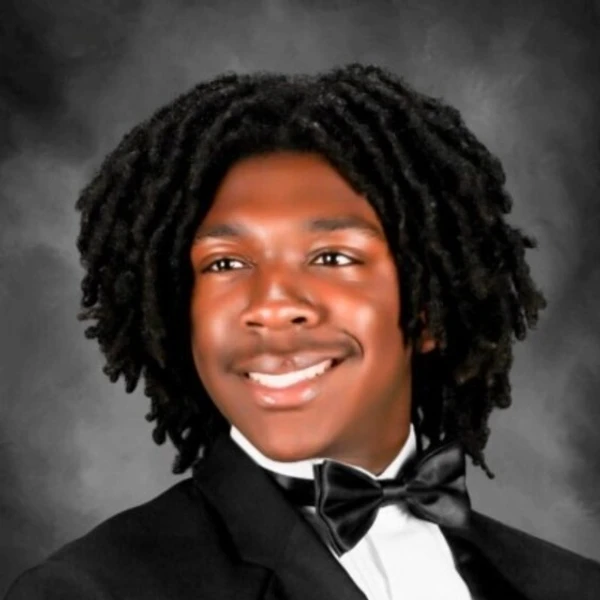
user profile avatar

Michael Johnson

1x

Finalist

Bio

I’m a 20-year-old college student with a passion for technology, creativity, and exploring new places. I enjoy coding and 3D modeling, where I can combine problem-solving with design to build new ideas and projects. Outside of tech, I’m a big fan of reality competition shows like Survivor and Big Brother, which I enjoy for their strategy, social dynamics, and unpredictability. I also love traveling and experiencing different cultures, always looking for new perspectives and inspiration along the way.

Education

Houston Community College

Associate's degree program
2025 - 2027
  • Majors:
    • Computer Science

Westbury High School

High School
2020 - 2024

Miscellaneous

  • Desired degree level:

    Bachelor's degree program

  • Graduate schools of interest:

  • Transfer schools of interest:

  • Majors of interest:

  • Not planning to go to medical school
  • Career

    • Dream career field:

      Computer & Network Security

    • Dream career goals:

    • Sales Associate

      Hibbett
      2025 – Present1 year

    Sports

    Cross-Country Running

    Varsity
    2020 – 20211 year

    Research

    • Criminal Justice and Corrections, General

      Texas Center for Justice and Equity — Youth Ambassador
      2022 – 2023

    Arts

    • Marching Band/Jazz Band

      Performance Art
      2020 – 2025

    Public services

    • Volunteering

      GENTS Youth Club — Food Drive Manager
      2024 – 2024

    Future Interests

    Volunteering

    Entrepreneurship

    Mark A. Jefferson Teaching Scholarship
    My name is Michael Johnson, and I am a 20 year old college student with a strong passion for growth, leadership, and making a difference in my community. Throughout my life, I have tried to stay involved in activities that have helped shape who I am both academically and personally. During high school, I participated in marching band for all four years, competed in track and soccer, and stayed active in student organizations. These experiences taught me discipline, teamwork, and the importance of staying committed to my goals. One of the most meaningful experiences I had was helping organize and run a food bank during my senior year, where we provided groceries to families in need every other Friday. Being part of something that directly helped people in my community showed me the importance of service and leadership. I have also faced personal challenges that have shaped my perspective and strengthened my character. I was diagnosed with focal epilepsy at the age of thirteen after experiencing a seizure in band class. Learning to manage epilepsy while balancing school and extracurricular activities was not easy, and it required me to develop resilience, discipline, and a strong mindset. There were moments of uncertainty and difficulty, but those experiences taught me how to persevere and continue working toward my goals. It also gave me a deeper sense of empathy for others, especially those who may be dealing with challenges that are not always visible. If I pursue a career as an educator, I plan to make a positive impact by creating a supportive and encouraging learning environment where all students feel valued and capable of success. I believe that education is about more than just teaching information; it is about helping students build confidence, develop critical thinking skills, and discover their strengths. I would strive to connect with students on a personal level, understanding that each student has their own background, challenges, and learning style. I also want to make an impact by exposing students to opportunities they may not have considered, especially in areas like technology and computer science. By introducing students to these subjects, I can help open doors to future careers and provide them with valuable skills that can benefit them in many areas of life. In addition, I would emphasize the importance of perseverance and hard work, using my own experiences as an example of how challenges can be overcome. Overall, my goal as an educator would be to inspire and support students while helping them reach their full potential. I want to create a positive environment where students feel motivated to learn and confident in their abilities. By combining my passion for helping others with my experiences and education, I hope to make a lasting impact on the lives of my students and contribute to a better future for my community.
    Dream BIG, Rise HIGHER Scholarship
    Education has played a major role in shaping my goals and giving me a clear sense of direction for my future. It has not only provided me with knowledge, but it has also helped me understand who I am, what I am capable of, and how I can make a difference in the world. Through both my academic experiences and the challenges I have faced, I have developed a strong sense of purpose that continues to guide me as I pursue a degree in Computer Science. One of the most significant challenges that has influenced my educational journey was being diagnosed with focal epilepsy at the age of thirteen. After experiencing a seizure in band class, my life changed in ways I did not fully understand at the time. I had to learn how to manage a medical condition while continuing to stay focused on school and my responsibilities. Living with epilepsy meant dealing with uncertainty, as seizures can happen unexpectedly, and that often created stress and anxiety in my daily life. Despite this, I made a decision early on that I would not let my condition define my future. Balancing my health with academics and extracurricular activities required discipline, resilience, and determination. I stayed actively involved in school, participating in marching band all four years of high school and competing in sports such as track and soccer. These experiences were not always easy while managing epilepsy, but they taught me valuable lessons about perseverance and time management. Education became more than just attending classes—it became a way for me to prove to myself that I could overcome obstacles and continue moving forward. In addition to my personal challenges, my involvement in my community also helped shape my educational goals. During my senior year of high school, I helped organize and run a food bank that provided groceries to families in need every other Friday. This experience had a lasting impact on me because it showed me how important access to resources is and how much of a difference community support can make. It also helped me realize that many systems that serve communities could be improved with better organization and efficiency. This realization played a major role in shaping my decision to pursue computer science. I began to see technology not just as something used for entertainment or communication, but as a powerful tool that can solve real-world problems. Education gave me the foundation to understand how technology works and how it can be applied to improve systems that people rely on every day. It gave me direction by helping me connect my interests in problem solving and service into a meaningful career path. As I continue my education, my goal is to use my degree to create solutions that help others and improve communities. For example, I am interested in developing systems that can help food banks and similar organizations operate more efficiently. Technology could be used to track inventory, coordinate volunteers, and ensure that resources are distributed effectively. These types of improvements can help organizations serve more people and reduce waste, ultimately creating a stronger support system for those in need. I also hope to explore ways technology can be used to improve areas such as transportation and community programs. By creating more efficient and accessible systems, it is possible to make everyday life easier for people while also addressing larger issues such as sustainability and accessibility. Education has shown me that even complex problems can be approached step by step, and that with the right tools and knowledge, meaningful solutions can be created. Beyond career goals, education has also shaped my mindset and values. It has taught me the importance of persistence, curiosity, and continuous growth. Facing challenges like epilepsy has made me more determined to succeed, while my experiences in school and the community have taught me the importance of helping others. Education has given me the confidence to believe that I can overcome obstacles and make a positive impact. Looking toward the future, I see education as the foundation for both personal success and community change. It has given me a sense of direction by helping me understand my strengths and how I can use them to benefit others. My goal is not only to build a successful career, but also to use my knowledge to create opportunities and improve the lives of people in my community and beyond. In conclusion, education has shaped my journey by providing me with purpose, resilience, and a vision for the future. Through overcoming challenges and gaining new experiences, I have developed a strong desire to use my education to create positive change. Whether through technology, community service, or innovation, I am committed to using what I learn to build a better future for myself and for others.
    Sgt. Albert Dono Ware Memorial Scholarship
    The values of service, sacrifice, and bravery reflected in Sgt. Albert Dono Ware’s legacy strongly connect to my own personal journey and the way I approach challenges in my life. These values are not only important in a military context, but also in everyday life, especially when facing adversity and working to uplift others. Throughout my life, I have had to develop resilience and perseverance, particularly after being diagnosed with focal epilepsy at a young age. Learning to manage my condition while staying involved in school, sports, and extracurricular activities required courage and determination. In many ways, that experience taught me what it means to keep moving forward even when circumstances are difficult. Service has also played a major role in shaping who I am. During my senior year of high school, I helped organize and run a food bank that provided groceries to families in need every other Friday. This experience showed me how important it is to give back to your community and support those who may be facing challenges. It also reinforced the idea that leadership is rooted in service, and that real impact comes from consistent effort and dedication. These values align closely with the legacy of service and sacrifice, reminding me that meaningful change often requires putting others before yourself. When thinking about the challenges faced by the African diaspora in the United States, issues such as economic inequality, limited access to resources, and disparities in education and technology stand out. These challenges require both policy changes and community-driven solutions. One of the most critical reforms I believe is needed is improving access to technology and digital education. In today’s world, access to technology is directly connected to opportunities for success. Expanding programs that provide access to computers, internet, and technical training can help close opportunity gaps and empower individuals to pursue careers in growing fields like computer science. Another important area of reform is strengthening community support systems, such as food access programs, mentorship initiatives, and youth development programs. From my own experience running a food bank, I have seen how access to basic resources can directly impact a person’s ability to succeed. Expanding and improving these programs can help address immediate needs while also creating long-term stability within communities. Key stakeholders in driving this change include local and federal government leaders, educators, community organizations, and private sector partners, especially those in the technology industry. Collaboration between these groups is essential to creating sustainable solutions. For example, tech companies can partner with schools and community organizations to provide training and resources, while policymakers can support funding and initiatives that expand access and opportunity. Looking forward, I want to contribute to these efforts by using my education in computer science to help develop solutions that improve access to resources and strengthen communities. Whether through building systems that support community programs or contributing to initiatives that expand access to technology, I hope to carry forward the values of service, sacrifice, and bravery in a way that creates meaningful and lasting impact.
    Candi L. Oree Leadership Scholarship
    My name is Michael Johnson, and I am a 20 year old college student pursuing a degree in Computer Science. One of the most defining experiences in my life has been living with focal epilepsy, which I was diagnosed with at the age of thirteen after having a seizure in band class. Since then, my experience with disability has shaped my beliefs, strengthened my relationships, and influenced both my personal growth and career aspirations. Living with epilepsy has changed the way I view challenges and adversity. I have learned that not all struggles are visible, and because of that, I try to approach others with empathy and understanding. Managing seizures and the uncertainty that comes with them has taught me patience, discipline, and resilience. There were times where I felt limited or unsure of myself, especially in environments like school or sports, but over time I developed a mindset that focuses on growth rather than limitation. I believe that challenges do not define a person—they help shape their strength and perspective. My experience has also had a strong impact on my relationships. It has taught me the importance of having a supportive circle of family, friends, and mentors. There were moments when I had to rely on others for support, and that helped me understand the value of trust and communication. It also encouraged me to be more open and honest with others about what I was going through. Because of this, I strive to be someone others can rely on as well, offering support and understanding when people face their own challenges. In terms of leadership, I have had opportunities to step up and make a difference in my community. During my senior year of high school, I helped organize and run a food bank that provided groceries to families in need every other Friday. This experience required leadership, teamwork, and consistency. I helped coordinate volunteers, organize donations, and ensure that the program ran smoothly. One of the most meaningful outcomes was seeing the food bank continue even after I graduated, becoming a lasting resource for the community. That experience showed me that leadership is not just about leading, but about serving others and creating opportunities that can continue to help people over time. My experience with epilepsy has also influenced my career aspirations. As someone pursuing computer science, I want to use my education to create solutions that help people and improve accessibility. I am especially interested in developing systems that support community programs, such as food banks, by making them more efficient and easier to access. Living with a disability has given me a deeper understanding of the importance of accessibility and support systems, and I want to apply that perspective to my future work. Overall, my experience with disability has shaped me into a more resilient, empathetic, and motivated individual. It has influenced the way I approach challenges, strengthened my relationships, and guided my goals for the future. Through leadership, service, and my education, I hope to continue making a positive impact and helping others overcome their own challenges.
    Stephan L. Daniels Lift As We Climb Scholarship
    I want to pursue a career in STEM, specifically in Computer Science, because I have always been interested in problem solving and creating things that can make a real impact on people’s lives. Technology plays a major role in how we communicate, access information, and solve everyday challenges. I am drawn to computer science because it allows me to take ideas and turn them into real solutions through coding and innovation. I enjoy the process of building something from the ground up and knowing that it can be used to improve efficiency, organization, or accessibility for others. My passion for this field is also influenced by my personal experiences, especially through community service. During my senior year of high school, I helped organize and run a food bank that provided groceries to families in need every other Friday. This experience showed me how many people rely on community programs for basic necessities and how important it is for those programs to be organized and accessible. While the food bank made a meaningful impact, I also noticed areas where improvements could be made, especially in tracking inventory, organizing volunteers, and communicating with the community. That experience inspired me to think about how technology could be used to improve systems like this and help them reach more people. With a degree in Computer Science, I plan to use my skills to uplift my community by creating tools and systems that improve access to important resources. For example, I would like to develop software that helps food banks and similar organizations manage their operations more efficiently. This could include systems that track food supply, schedule volunteers, and notify families about distribution times and locations. By making these processes more organized and efficient, organizations can serve more people and reduce waste. In addition to community service, I am also interested in using technology in areas like sports and youth programs. Technology can help organize teams, manage schedules, and improve communication between players, coaches, and families. It can also be used to track performance and help athletes stay healthy and improve their skills. By combining my interest in sports with my knowledge of technology, I hope to create tools that support both individual growth and community engagement. Overall, my goal in pursuing a STEM career is to use technology as a way to give back and create positive change. I want to build solutions that not only solve problems but also make communities stronger and more connected. By combining my passion for computer science with my commitment to helping others, I hope to make a lasting impact and contribute to a better future.
    Stephan L. Wolley Memorial Scholarship
    My name is Michael Johnson, and I am a 20 year old college student currently pursuing my education with plans to major in Computer Science and minor in Business. I come from a blended family, which has played an important role in shaping who I am today. Growing up in a blended household taught me how to adapt, communicate with different personalities, and appreciate the importance of support and teamwork within a family. It helped me understand that families can come in many forms, and that having people who care about your growth and success can make a huge difference in your life. Throughout my time in school, I always tried to stay active and involved in different activities. During high school, I participated in marching band for all four years, which taught me discipline, teamwork, and commitment. I was also involved in sports, running varsity track during my freshman year before suffering an MCL injury and later playing soccer during my junior and senior years. These experiences helped me learn how to balance academics with extracurricular activities while developing leadership and teamwork skills. Another important part of my high school experience was giving back to my community. During my senior year, I helped organize and run a food bank that provided groceries to families in need every other Friday. Being able to contribute to something that helped people in my local community was incredibly meaningful to me. The experience showed me the value of service and how leadership can create opportunities that positively impact others. One of the most rewarding parts was knowing that the food bank continued even after I graduated, becoming a tradition that future students could carry forward. A major challenge that shaped my life was being diagnosed with focal epilepsy at the age of thirteen after experiencing a seizure in band class. Learning to manage epilepsy while continuing to stay active in school activities required resilience and determination. It taught me how to stay focused on my goals even when facing obstacles. Instead of allowing that diagnosis to limit me, I continued participating in the activities I loved and learned how to balance my health, academics, and personal responsibilities. Looking toward the future, I plan to complete my degree in Computer Science and pursue a career where I can use technology to solve real world problems. I am particularly interested in creating systems that help communities operate more efficiently, whether through improving community programs, organizing resources, or building tools that make everyday systems easier to manage. I also hope to combine my interest in technology with my passion for sports and community service. Overall, my experiences growing up in a blended family, overcoming personal challenges, and staying active in school and community service have shaped the person I am today. They have taught me perseverance, responsibility, and the importance of helping others. As I continue my education, I hope to use the knowledge and skills I gain to create positive change and contribute to the communities around me.
    Jimmy Cardenas Community Leader Scholarship
    One of the most significant obstacles I have had to overcome in my life was being diagnosed with focal epilepsy at the age of thirteen. I experienced my first seizure while in band class, and at the time it was a very confusing and frightening moment. Being diagnosed at such a young age forced me to learn how to manage a medical condition while still trying to live a normal life as a student. Epilepsy can be unpredictable, and knowing that seizures could happen at any time created challenges both physically and mentally. However, instead of allowing that diagnosis to stop me from pursuing the things I cared about, I chose to keep pushing forward. Throughout high school, I remained involved in many activities that required commitment and perseverance. I participated in marching band all four years, which involved long practices, performances, and competitions. Marching band requires focus, endurance, and teamwork, and balancing those responsibilities while managing my health was not always easy. I also stayed involved in athletics, running varsity track during my freshman year before suffering an MCL injury and later playing soccer during my junior and senior years. Participating in sports while managing epilepsy required me to be more disciplined about my health, my schedule, and my mindset. There were moments where it would have been easier to step away from these activities, but I believed that my condition did not define what I was capable of accomplishing. Learning to push through those challenges helped me build resilience and confidence. It taught me that obstacles in life are often temporary barriers that can be overcome with determination, patience, and support from others. That mindset continues to influence how I approach challenges today. In addition to overcoming personal obstacles, I have also had opportunities to demonstrate leadership in my community. During my senior year of high school, I helped organize and run a food bank that provided groceries to families in need every other Friday. Seeing that some members of our community struggled with food access inspired me to help create a program that could provide consistent support. Running the food bank required leadership, organization, and teamwork. I helped coordinate volunteers, organize food donations, and ensure that distribution days ran smoothly. One of the biggest challenges was maintaining a steady supply of food and volunteers, but through communication and teamwork we were able to keep the program running successfully. It was rewarding to see families leave with groceries and know that our efforts were helping make a difference. What made this experience even more meaningful was that the food bank continued after I graduated, becoming a tradition for future students. Knowing that something I helped start continues to serve the community showed me the lasting impact leadership through service can have. Both overcoming my epilepsy diagnosis and leading community service efforts have shaped who I am today. They have taught me perseverance, responsibility, and the importance of helping others. These experiences continue to motivate me to pursue my education and find ways to use my skills to create positive change in the future.
    Lyndsey Scott Coding+ Scholarship
    My computer science goals center around building the skills and knowledge needed to create technology that solves real world problems. As I continue my education, I hope to gain strong experience in programming, software development, data systems, and problem solving. Computer science interests me because it allows people to turn ideas into tools that can improve everyday life. My goal is to become a skilled developer who can build systems that are efficient, reliable, and helpful to others. I am especially interested in technology that can improve transportation, travel systems, and community resources. In the long term, I would like to work in a field where I can design or contribute to software that helps make systems smarter, more connected, and more sustainable. Outside of computer science, I also have goals that focus on personal growth, community impact, and exploring the world. One of my biggest interests outside of academics is traveling. I have been fortunate to visit places such as New York, Jamaica, Mexico, Colorado, and California, and each place has given me a different perspective on culture, geography, and how communities function. Traveling has helped me understand how different parts of the world operate and has inspired me to think about how technology can connect people and places more efficiently. I hope to continue traveling in the future, learning about different environments and cultures while expanding my perspective. Another important non-computer science goal of mine is continuing to serve my community. During my senior year of high school, I helped organize and run a food bank that provided groceries to families in need every other Friday. That experience showed me how meaningful it can be to support others and help create systems that provide resources to those who need them most. I want to continue being involved in community service and eventually help expand programs that address food insecurity and other local challenges. In the future, I hope to combine my computer science goals with my interests in sports and community service. Technology has the potential to improve many programs that support athletes and local communities, especially when it comes to organization, communication, and accessibility. For example, software systems could help manage youth sports leagues by tracking schedules, organizing teams, and making it easier for players and families to stay informed. Technology could also help community programs like food banks run more efficiently by tracking inventory, coordinating volunteers, and helping families locate nearby resources. I would also like to explore ways that technology can support athlete performance, injury prevention, and training. Data analysis and software tools can help coaches and athletes better understand performance, reduce injuries, and improve training methods. By combining my passion for computer science with my interest in sports and community service, I hope to create tools and systems that help communities stay active, organized, and supported.
    Byte into STEM Scholarship
    My name is Michael Johnson, and I am a 20 year old college student pursuing a degree in Computer Science. The person I am today has been shaped by a combination of challenges, experiences, and values that have taught me perseverance, leadership, and the importance of serving others. Throughout my life, I have tried to stay involved in my school and community while continuing to push myself to grow through both successes and obstacles. One of the most significant challenges that shaped who I am today was being diagnosed with focal epilepsy at the age of thirteen after experiencing a seizure in band class. Learning to manage seizures at such a young age forced me to mature quickly and become more aware of my health and responsibilities. Living with epilepsy has not always been easy, especially while balancing school, sports, and everyday life. However, instead of allowing that diagnosis to limit me, I chose to continue participating in the activities that mattered to me. During high school, I was involved in marching band for all four years and participated in sports such as soccer, cross country, and track. These activities taught me discipline, teamwork, and perseverance while also reminding me that challenges can be overcome with determination and the right mindset. Service has also played an important role in shaping my values. During my senior year of high school, I helped organize and run a food bank that provided groceries to families in need every other Friday. Seeing the impact that the program had on the community was incredibly meaningful. Families who were struggling were able to receive consistent support, and the effort helped strengthen connections between students and the surrounding community. One of the most rewarding parts was knowing that the food bank continued even after I graduated, becoming a tradition that future students could carry forward. That experience reinforced my belief that leadership is not just about taking charge but about helping others and creating opportunities that last beyond your own involvement. My passion for computer science comes from my curiosity about how technology works and how it can be used to solve real world problems. I enjoy the process of breaking down complex challenges and building solutions that can improve efficiency and accessibility for people. Technology has the ability to influence nearly every part of society, and I want to be part of using it in ways that benefit communities. The degree I am pursuing will help me develop the technical knowledge and problem-solving skills needed to turn ideas into practical solutions. In the future, I hope to use my education to create systems that improve community resources and make programs like food banks run more efficiently. For example, technology could help track inventory, organize volunteers, and make it easier for families to find nearby food resources. By applying computer science to real community needs, I hope to help organizations serve more people effectively. Ultimately, my goal is to combine the lessons I have learned from overcoming challenges, serving my community, and pursuing education to create a lasting impact. I want to use my skills not only to build technology but to build solutions that uplift others and strengthen the communities around me.
    Emerging Leaders in STEM Scholarship
    I am interested in studying Computer Science because I have always been curious about how technology works and how it can be used to solve real-world problems. Over time, that curiosity turned into a deeper interest in coding, systems, and the way software can improve efficiency and connect people. Computer science allows me to combine creativity with logical thinking to build solutions that can have a meaningful impact on everyday life. Technology continues to shape the world in important ways, and I want to be part of developing tools and systems that help communities operate more effectively and sustainably. One area where I hope to make a positive impact is by using technology to improve community resources and infrastructure. For example, I am interested in developing systems that help organizations like food banks run more efficiently. During my senior year of high school, I helped organize and run a food bank that provided groceries to families in need every other Friday. Seeing how many people relied on that support opened my eyes to how important organization and accessibility are when it comes to community services. With the right technology, food banks could track inventory more effectively, coordinate volunteers, and make it easier for families to locate nearby resources. I hope to apply my computer science education to develop systems that help organizations reach more people and operate more smoothly. I am also interested in using technology to improve transportation and travel systems in ways that reduce environmental impact. Transportation plays a major role in global pollution, and smarter systems could help optimize travel routes, reduce fuel consumption, and make transportation more efficient overall. By combining data analysis, software development, and collaboration across industries, I believe technology can play a major role in creating more sustainable solutions. Throughout my life, I have also faced personal adversities that have shaped my determination and work ethic. When I was thirteen years old, I was diagnosed with focal epilepsy after experiencing a seizure. Learning to manage epilepsy at a young age required maturity, patience, and resilience. I had to balance my health with school, extracurricular activities, and everyday life while navigating the uncertainty that comes with seizures. Despite these challenges, I remained committed to staying active in school and pursuing the activities I enjoyed. I participated in marching band for all four years of high school and played sports including soccer, cross country, and track. Balancing athletics, academics, and my health taught me discipline, perseverance, and how to stay focused even when facing obstacles. These experiences have strengthened my motivation to pursue higher education and build a career where I can make a difference. They have taught me that challenges do not have to limit what someone can achieve. Instead, they can become a source of motivation and growth. By continuing my education in computer science, I hope to develop solutions that support communities, improve efficiency, and create positive change in the world around me.
    Patricia Lindsey Jackson Foundation - Eva Mae Jackson Scholarship of Education
    Faith plays an important role in my life and has helped shape both my personal values and the way I approach my education and future goals. Being part of Bethel's Family Church has given me a strong sense of guidance, community, and motivation. Attending church has encouraged me to stay focused, remain positive, and continue working toward becoming the best version of myself. The messages and teachings I have heard there often emphasize perseverance, faith during difficult moments, and the importance of serving others. These lessons have influenced how I approach challenges in school and in life. Through my experiences at church, I have learned that faith is not only about belief but also about actions. It is about treating others with kindness, helping people when they are in need, and striving to make a positive difference in the world. These values have motivated me to stay involved in my community and to pursue goals that go beyond personal success. For example, during high school I helped run a food bank that provided groceries to families in need every other Friday. Being able to support people in my community reinforced the importance of service and compassion, values that are strongly connected to my faith. Faith has also helped me stay motivated during difficult moments. Life does not always go according to plan, and there have been challenges that tested my determination. During those times, my faith reminded me to stay patient, trust the process, and keep moving forward. It gave me confidence that setbacks are not the end of the journey but simply part of growth and learning. This mindset has helped me stay focused on my academic goals and remain determined to pursue higher education. In addition to my faith, the people around me have played a major role in encouraging me to pursue college. My family has always emphasized the importance of education and personal growth. Their support and encouragement pushed me to work hard in school and to think about the long term opportunities that education can provide. Teachers, mentors, and community members have also helped guide me by encouraging me to challenge myself and pursue opportunities that could help me grow. Because of these influences, I am currently working toward a degree in Computer Science. My goal is to use the skills I learn to create solutions that benefit communities and improve people’s lives. I want to apply technology to solve real world problems and contribute to positive change. My faith continues to motivate me to stay disciplined, work hard, and use my talents to make a difference. By combining the lessons I have learned through faith, family support, and education, I hope to build a future where I can be a positive influence on others and give back to the community that helped shape me.
    Dr. G. Yvette Pegues Disability Scholarship
    Living with epilepsy has shaped many parts of my life and has given me a unique perspective on perseverance, adaptability, and service to others. I was diagnosed with focal epilepsy at a young age after experiencing a seizure in middle school. At the time, I did not fully understand what the diagnosis meant, but I quickly realized that it would require me to learn how to manage my health while continuing to pursue the activities and goals that were important to me. Epilepsy can be unpredictable, and living with the possibility of seizures meant that I had to become more aware of my physical limits, stress levels, and overall well-being. Despite these challenges, I remained determined to stay involved in the activities I loved. Throughout high school, I participated in soccer, cross country, and marching band. Each of these activities came with their own challenges while managing epilepsy. Sports and band practices often involved long hours, physical exertion, and maintaining focus, all while ensuring I was taking care of my health. There were moments where I had to push through uncertainty or adjust to setbacks, but those experiences helped me build resilience and discipline. Instead of allowing my condition to define my limits, I focused on finding ways to continue participating and growing alongside my peers. Living with epilepsy also helped me develop empathy for others who face challenges that may not always be visible. Many people living with disabilities or neurological conditions experience barriers that make everyday tasks more difficult. Because of my own experiences, I have developed a strong desire to support underserved communities and help create systems that make resources more accessible. One way I have already worked toward this goal is through helping organize and run a food bank during my senior year of high school. The program provided groceries to families in need every other Friday and helped create a reliable source of food for people in the local community. Seeing how many families depended on this support opened my eyes to the importance of accessible resources and community-driven solutions. As I continue my education in computer science, I hope to use technology to improve the way community programs like food banks operate. Many food banks struggle with organization, supply management, and coordination of volunteers. With the right technological tools, these systems could become more efficient and reach more people. For example, software systems could help track food inventory, coordinate donation schedules, and make it easier for families to find nearby food distribution locations. By applying problem-solving and technical skills, I hope to help build systems that allow food banks to run more smoothly and serve more communities in need. My experiences navigating life with epilepsy have taught me resilience, patience, and compassion. They have also motivated me to use my education to build solutions that support underserved communities. In the future, I hope to combine my personal experiences and technical knowledge to help create stronger, more accessible support systems that ensure people have access to essential resources like food and community assistance.
    Patricia Lindsey Jackson Foundation-Mary Louise Lindsey Service Scholarship
    One of the most meaningful ways I was able to serve my community was during my senior year of high school when I helped organize and run a food bank for families in need. Food insecurity affects more people than many realize, even within local communities. Seeing that some families struggled to consistently access groceries inspired me to take action and help create a resource that could support them. With the help of volunteers and school support, we created a program that provided food to community members every other Friday. The goal of the food bank was simple: provide groceries and essential items to people who needed them in an accessible and welcoming way. We collected food donations, organized supplies, and coordinated volunteers to help distribute groceries. While the idea seemed straightforward at first, running the program required planning, teamwork, and consistent effort. We had to make sure there were enough supplies, organize volunteers, and ensure that the process ran smoothly for families who came to receive food. One of the challenges we faced was maintaining a steady flow of donations and volunteers. There were times when resources were limited, and we had to find creative ways to encourage participation and gather more supplies. These moments taught me the importance of leadership and persistence. Instead of becoming discouraged, we worked harder to reach out to others, communicate the need, and keep the program running. Through this process, I learned how leadership is often about supporting others, staying organized, and motivating people toward a shared goal. The most rewarding part of this experience was seeing the positive impact it had on families in the community. People were able to leave with groceries that helped them get through the week, and it created a sense of connection between the school and the surrounding community. It reminded me that service is not always about large or complicated actions; sometimes it is simply about showing up consistently and helping where you can. This experience also strengthened my understanding of faith and compassion. Serving others reminded me that many people face challenges that are not always visible, and offering support can make a real difference in their lives. It reinforced the idea that faith is often expressed through actions, kindness, and a willingness to help others when they need it most. Perhaps the most meaningful outcome was that the food bank continued even after I graduated. Knowing that something I helped start became a tradition for future students showed me that service can create lasting change. This experience shaped how I view leadership and community involvement. It taught me that leadership is not about recognition, but about taking initiative, working with others, and committing to helping people in meaningful ways. It also inspired me to continue looking for ways to serve others and use my skills to positively impact my community in the future.
    Simon Strong Scholarship
    Everyone faces adversity at some point in their life, and one of the most defining challenges I faced began when I was thirteen years old. At that age, I was diagnosed with focal epilepsy after experiencing a seizure during band class. Before that moment, my life felt fairly normal and predictable, but the diagnosis introduced uncertainty into my daily routine. I suddenly had to think about my health in ways that most teenagers do not. There were doctor visits, medications, and the constant awareness that a seizure could happen unexpectedly. Along with the physical challenges, there were also emotional ones, including learning how to explain my condition to others and dealing with moments when people did not fully understand what epilepsy was. Despite these challenges, I made a decision early on that my diagnosis would not define what I was capable of accomplishing. I continued to stay active in school and participate in activities that I enjoyed, including marching band and sports. There were moments when I questioned whether I could keep up with everything, but each time I pushed through those doubts I grew more confident in my ability to manage both my health and my responsibilities. Over time, I learned how to balance my condition with my goals, paying attention to my health while still pursuing the opportunities that mattered to me. This experience shaped my perspective on adversity in an important way. I began to see challenges not as barriers, but as obstacles that could be worked through with determination and patience. I often think of adversity like climbing a mountain. The climb may be difficult, the path may not always be smooth, and there will be moments where the journey feels exhausting. However, if you keep moving forward one step at a time, you can eventually reach the top. A good example of this mindset is climbing Guadalupe Peak. It is the highest point in Texas, and reaching the summit requires persistence through steep and sometimes difficult terrain. The journey upward is not easy, but the view from the top makes the effort worthwhile. My experience with epilepsy has been similar. There have been challenges along the way, but each step forward has helped me grow stronger and more resilient. Through this adversity, I developed qualities that continue to guide me today. I learned perseverance, patience, and the importance of maintaining a positive mindset even when circumstances are difficult. These lessons have shaped the way I approach both my education and my future goals. Instead of avoiding challenges, I now see them as opportunities to grow and prove to myself that I can overcome them. If I could advise someone facing similar circumstances, it would be to stay optimistic and surround yourself with positive people. Having supportive friends, family members, teachers, or mentors can make a huge difference during difficult times. It is also important to remember that your circumstances do not define your potential. Progress may sometimes feel slow, but each small step forward matters. My experience with epilepsy taught me that adversity is a part of life, but it does not have to control your future. With determination, resilience, and the support of others, even the most difficult hills can be climbed.
    James Lynn Baker II #BeACoffeeBean Scholarship
    During my time in high school, I looked for ways to make a meaningful impact on my community. One of the most important initiatives I was involved in was helping organize and run a food bank during my senior year. Food insecurity affects many families, even within local communities, and I wanted to contribute to creating a resource that people could rely on. With the help of volunteers and school support, we were able to organize a system that provided groceries and essential food items to community members. The food bank operated every other Friday, giving families a consistent and accessible place to receive food and support. Seeing the direct impact of this effort was incredibly meaningful. Families who needed assistance were able to come by regularly and leave with groceries that helped them get through the week. It created a sense of connection between the school and the surrounding community, and it reminded me how powerful small initiatives can be when people work together. One of the most rewarding outcomes was that the program did not end when I graduated. The food bank continued afterward, becoming a tradition that future students and volunteers could carry on. Knowing that something I helped start is still benefiting people today showed me that even student led initiatives can create lasting change. This experience helped shape the way I think about using my skills to help others. It showed me that meaningful change often begins at the local level, with people who are willing to recognize a need and take action. It also reinforced the importance of collaboration, organization, and persistence when working toward solutions that benefit a community. As I continue my education, I hope to further affect positive change through my degree in Computer Science. Technology has the potential to solve many modern challenges, especially when it comes to improving efficiency and sustainability. One area I am particularly interested in is finding ways to improve travel systems while reducing environmental impact. Transportation is one of the largest contributors to pollution, and better technology could help create smarter systems that reduce unnecessary travel, optimize routes, and lower emissions. Through software development, data analysis, and collaboration with others in technology and environmental fields, I hope to contribute to solutions that make travel more efficient and environmentally responsible. Whether through smarter transportation networks, improved travel planning systems, or data driven tools that reduce fuel consumption, I believe technology can play a major role in reducing pollution while still allowing people to move and explore the world. The work I did helping run a food bank taught me that meaningful change often starts with a simple idea and a willingness to act. In the future, I hope to apply the same mindset to my career by using technology and collaboration to develop solutions that benefit both communities and the environment.
    Kalia D. Davis Memorial Scholarship
    My name is Michael Johnson, and I am a 20 year old college student who is passionate about learning, leadership, and pushing myself to grow through new experiences. Throughout my life I have tried to stay involved in my school and community, and those experiences have shaped the person I am today. During high school, I made it a priority to stay active both academically and socially. I was heavily involved in extracurricular activities and leadership opportunities. One of the experiences I am most proud of was helping organize and run a food bank effort in my community, which allowed me to contribute to helping families who needed support. Giving back to others helped me understand the value of service and community involvement. I was also a member of the marching band for all four years of high school, which taught me discipline, teamwork, and commitment. Marching band requires long hours of practice, collaboration, and perseverance, and it became an important part of my high school experience. Athletics also played a major role in my life. I ran varsity track during my freshman year until I unfortunately sprained my MCL, an injury that forced me to step back temporarily and focus on recovery. While it was disappointing to face an early setback, the experience taught me resilience and patience. I later returned to athletics and played soccer during my junior and senior years, continuing to stay involved in competitive sports and teamwork. These experiences helped shape my ability to balance academics, athletics, and personal responsibilities. One of the most significant challenges in my life began at the age of thirteen when I was diagnosed with focal epilepsy after experiencing a seizure during my band class. Being diagnosed with a neurological condition at a young age was difficult and often unpredictable. I had to learn how to manage my health while continuing to participate in school activities, sports, and everyday life. Navigating epilepsy required maturity and responsibility at an early age, but it also helped me develop resilience, self discipline, and a strong sense of determination. Rather than allowing this challenge to limit my goals, it motivated me to work harder and stay committed to the activities and opportunities that mattered most to me. Outside of school, I have also developed a love for traveling and exploring new places. I have been fortunate enough to visit several places including New York, Jamaica, Mexico, Colorado, and California. Traveling has allowed me to experience different cultures, environments, and perspectives. Each trip has helped me grow as a person by encouraging curiosity, adaptability, and appreciation for the world around me. This scholarship would help me continue pursuing my education by reducing the financial burden of college and allowing me to focus more fully on my academic and career goals. I am currently working toward a degree in Computer Science with the hope of building a career that combines technology, problem solving, and innovation. Receiving this scholarship would not only support my education but also help me continue striving toward a future where I can make a meaningful impact through my skills and experiences.
    Timothy Reyes Stuckman Memorial Scholarship
    At the age of thirteen, I was diagnosed with focal epilepsy, a moment that changed the way I viewed both my health and my future. Before my diagnosis, I was an active kid who enjoyed sports and school activities, but suddenly I was faced with a condition that made everyday life feel unpredictable. Seizures, doctor appointments, medication adjustments, and the uncertainty of when the next episode might occur all became part of my routine. What made this period even more difficult was the lack of understanding from others. Some classmates did not fully understand my condition, and at times I faced bullying or insensitive comments about my health. As a young teenager, it was challenging to process both the physical and emotional impact of living with epilepsy. Despite these obstacles, I made a conscious decision not to let my diagnosis define my limitations. Instead, I focused on continuing to participate in the activities that meant the most to me. I remained active in sports and extracurriculars, including marching band, varsity soccer, and track. These commitments required discipline and balance. Managing epilepsy meant paying close attention to my health, sleep, and stress levels while also meeting the physical and academic demands of my activities. There were moments when I had to push through doubt or fear, especially when returning to the field or the track after experiencing a seizure. However, each challenge strengthened my resilience and determination. Through these experiences, I learned several important lessons. First, I learned the value of perseverance. Living with a medical condition that cannot always be predicted taught me how to adapt and continue moving forward even when circumstances were difficult. Second, I learned empathy and leadership. Being involved in clubs, school organizations, and community activities such as food drives helped me realize how important it is to support others who may also be facing unseen challenges. Finally, I developed strong time management and problem solving skills while balancing schoolwork, athletics, and my health. These lessons have directly influenced my academic and career goals. I plan to pursue a degree in Computer Science with a minor in Business. My long term goal is to apply technology to industries that impact people’s lives, including areas like sports analytics or health related technology. Living with epilepsy has shown me how powerful data, research, and technology can be in improving quality of life. I am particularly interested in how software and data analysis can help create better tools for prediction, monitoring, and decision making. Receiving this scholarship would help me continue pursuing these goals by reducing the financial burden of my education and allowing me to focus more fully on my academic and professional development. More importantly, it would represent support for a student who has worked hard to overcome adversity while remaining committed to growth and achievement. My experiences with epilepsy have not only shaped my resilience but have also strengthened my determination to build a future where challenges become opportunities to innovate and improve the lives of others.