Hobbies and interests
Music
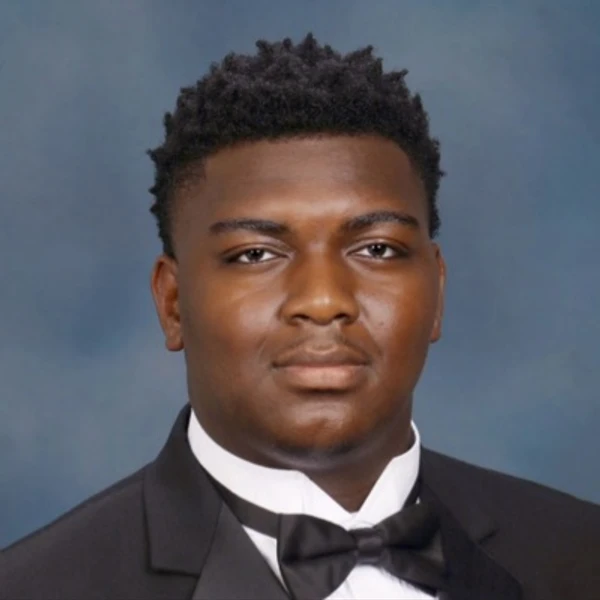
Micah Gaines
1x
Finalist
Micah Gaines
1x
FinalistBio
My name is Micah, and music has been an important part of my life for years. Being in band has taught me discipline, teamwork, leadership, and confidence. Through practices and performances, I have learned how music can bring people together and create strong connections.
One of my biggest passions is marching band, especially show-style bands. Watching talented musicians perform inspired me to take music seriously and think about my future. Over time, I realized I want to become a band director so I can inspire students the same way my directors inspired me.
My goal is to help students grow both musically and personally. I want to create a positive environment where students feel motivated, supported, and proud to be part of the band. I plan to study music education in college so I can gain the skills and experience needed to achieve my dream.
Music has shaped who I am, and I hope to one day make the same impact on future students and musicians.
Education
Timber Creek High
High SchoolMiscellaneous
Desired degree level:
Bachelor's degree program
Majors of interest:
- Music
- Education, Other
- Education, General
Career
Dream career field:
Music
Dream career goals:
Band Director/Music Teacher
Pamela Branchini Memorial Scholarship
Music has taught me that collaboration is more than simply working together. It is about trust, discipline, communication, and unity. In my intended field of music education, collaboration means bringing people together to create something greater than what any individual could accomplish alone. Every section, every instrument, and every musician has an important role. When one person improves, the entire ensemble becomes stronger. That idea has shaped not only the way I approach music, but also the way I approach leadership and relationships.
As a musician, I have experienced firsthand how collaboration can transform a group of individuals into a family. In band, success is never based on one person alone. A performance only works when everyone listens to one another, adjusts, and works toward the same goal. I have learned that even the smallest contributions matter. Whether someone is leading a section rehearsal, helping another student learn music, or encouraging a teammate after a difficult practice, every action affects the group as a whole.
One of the most inspiring collaborative experiences I have had was participating in marching band and music camps. Long rehearsals in the heat taught me the importance of patience, teamwork, and commitment. During those experiences, I watched students from different backgrounds come together through a shared passion for music. We pushed each other to improve daily, and over time we became more than performers. We became a support system for one another. Those moments showed me how music can build confidence, friendships, and a sense of belonging.
Collaboration in music has also taught me how to lead while still remaining open to learning from others. A strong musician is not only focused on personal success, but also on helping the ensemble succeed. I enjoy encouraging others, helping younger musicians, and creating a positive environment where people feel motivated to grow. Seeing someone improve because of support and teamwork is one of the most rewarding parts of being involved in music.
My goal is to become a band director because I want to create the same positive impact that music programs and mentors have had on me. I want students to feel inspired, challenged, and supported every time they walk into the band room. Music has the power to connect people who may have completely different stories and experiences, and collaboration is what makes that connection possible. It teaches responsibility, respect, and the value of working toward something bigger than yourself.
To me, collaboration in music is the foundation of growth, creativity, and community. It is the reason performances become memorable and why music programs leave such a lasting impact on people’s lives. Through every rehearsal, performance, and shared experience, I have learned that the strongest groups are built on unity, encouragement, and a shared passion for excellence. Those lessons are what continue to inspire me to pursue a future in music.
Learner Mental Health Empowerment for Health Students Scholarship
Mental health is important to me as a student because it affects every part of a person’s life. It shapes the way we think, learn, communicate, and handle challenges. Many students carry stress that others cannot see. Some are dealing with pressure from school, family responsibilities, financial struggles, grief, anxiety, or fear about the future. When mental health is ignored, students can begin to feel isolated, overwhelmed, and exhausted. I believe every student deserves to feel supported, understood, and valued no matter what they are facing.
As a student, I have seen how easy it is for people to hide their struggles behind a smile. In school, many students are expected to stay strong at all times, even when they are mentally drained. Because of this, some people suffer in silence because they are afraid of being judged or misunderstood. Mental health matters to me because I know how powerful encouragement and compassion can be. A simple conversation, a kind word, or someone willing to listen can completely change a person’s day and remind them that they are not alone.
I advocate for mental health in my community by creating positive and supportive spaces for others. I try to be someone people can talk to without fear of criticism. Sometimes advocacy is not about giving perfect advice. Sometimes it is simply about listening and showing someone that their feelings matter. I encourage my friends and classmates to check on one another and speak openly about stress and emotional struggles instead of hiding them. I believe normalizing conversations about mental health can help break the stigma that keeps many people silent.
I also advocate for mental health by leading through my actions. I try to encourage balance between academics, activities, and personal well being. As students, we often become so focused on grades and achievements that we forget to take care of ourselves. I remind others that asking for help is not weakness. It takes courage to admit when you are struggling and strength to seek support. I believe schools and communities become stronger when people feel safe enough to speak honestly about their mental health.
In the future, I want to continue making a difference by supporting younger students and helping create environments where mental health is treated with the same importance as physical health. Everyone deserves to feel heard, respected, and supported. No student should feel like they have to carry their burdens alone.
Mental health is important to me because people are important to me. Behind every student is a story that others may never fully understand. That is why kindness, empathy, and support can make such a lasting impact. By continuing to encourage open conversations and support those around me, I hope to help build a community where students feel empowered not only to succeed academically, but also to grow emotionally and mentally.
Treye Knorr Memorial Scholarship
My journey has not always been easy, but every challenge I have faced has helped shape the person I am becoming today. I have learned the importance of perseverance, discipline, and believing in yourself even during difficult moments. Through my experiences in school, music, and personal growth, I have developed a stronger understanding of who I am and who I want to become in the future. I know that success is not simply handed to people. It is earned through hard work, determination, and the willingness to keep moving forward no matter the obstacles.
Education has become one of the most important parts of my life because I see it as a pathway toward opportunity and growth. Throughout high school, I have worked hard to challenge myself academically while also staying committed to the activities and passions that have shaped my character. One of the biggest influences in my life has been music. Being involved in band has taught me lessons that go far beyond performing. It has shown me the value of teamwork, leadership, discipline, and consistency. Music has also given me confidence in myself and helped me discover the importance of dedication. Every rehearsal, performance, and challenge taught me that improvement only comes through patience and effort.
One of my greatest strengths is perseverance. Even when situations become stressful or difficult, I continue pushing myself to improve and reach my goals. I believe that resilience is one of the most valuable qualities a person can have because life will always present challenges. Instead of allowing obstacles to discourage me, I try to use them as motivation to work even harder. I am also someone who genuinely enjoys helping and encouraging others. I believe leadership is not about being the loudest person in the room but about setting a positive example and supporting the people around you.
At the same time, I understand that I still have weaknesses that I continue to work on. Sometimes I put too much pressure on myself because I care deeply about succeeding and making my family proud. I can also be hesitant to ask for help because I often feel responsible for handling things on my own. Over time, I have learned that growth comes from recognizing your weaknesses and using them as opportunities to improve. These experiences have helped me become more mature, self aware, and determined to continue growing into the best version of myself.
My dream is to build a career where I can inspire and positively impact others through music and leadership. I hope to become a band director because music has had such a strong influence on my life, and I want to pass that same inspiration on to future students. I want to help young musicians discover confidence in themselves and understand the value of hard work, discipline, and creativity. I know firsthand how powerful a supportive mentor can be, and I hope to become that kind of role model for others someday.
This scholarship would help me continue pursuing my educational and career goals by easing the financial challenges that come with attending college. Higher education is extremely important to me because it represents an opportunity to grow personally, academically, and professionally. Receiving this scholarship would allow me to focus more on my education, leadership opportunities, and future career preparation instead of worrying constantly about financial stress. More importantly, it would be an investment in someone who is determined to use their education and experiences to make a positive impact on others.
I see my future as one filled with growth, leadership, and purpose. I want to continue developing my talents, achieving my goals, and giving back to the people and communities that have supported me along the way. My journey is still unfolding, but I know that with dedication, faith, and opportunity, I can create a future that allows me to inspire others and leave a meaningful impact on the world around me.
Ojeda Multi-County Youth Scholarship
Growing up in the inner city shaped me into the person I am today. It taught me lessons about strength, responsibility, and perseverance at a young age. While there were many good memories and people who cared about me, there were also many challenges that made life difficult. Living in an environment where crime, financial struggles, and stress were common forced me to mature quickly. Even though these obstacles were hard to face, they motivated me to work harder and push toward a better future.
One of the biggest challenges I faced growing up was dealing with limited opportunities. In my neighborhood, many people struggled financially, and it was common to see families trying to make ends meet. Sometimes it felt like success was far away because there were not always enough resources or support systems available. Schools often lacked funding, and many students felt discouraged about their futures. Seeing these struggles around me could have made me lose motivation, but instead, it inspired me to want more for myself and my family.
Another challenge was being surrounded by negativity. In the inner city, it is easy for young people to get distracted by violence, peer pressure, and bad influences. There were times when I saw people make choices that hurt their futures, and it showed me how important it is to stay focused and disciplined. Avoiding negative influences was not always easy because they were everywhere, but I learned that the decisions I made would shape my life. I understood that if I wanted a better future, I had to stay committed to my goals even when others around me were giving up.
Financial struggles also played a major role in my life. There were times when money was tight, and it created stress for my family. Watching the adults around me work hard just to provide basic necessities taught me the value of determination and sacrifice. It also made me appreciate the things I had instead of focusing only on what I lacked. Those experiences pushed me to work harder in school because I realized education could open doors that were not always available in my environment.
Even though life in the inner city came with many obstacles, I found ways to overcome them. One of the most important things that helped me was staying focused on my goals. I reminded myself that my environment did not have to define my future. I used school, music, and other positive activities as ways to stay motivated and productive. Being involved in activities that kept me busy helped me avoid distractions and gave me confidence in my abilities.
Another thing that helped me overcome challenges was the support of people who believed in me. Family members, teachers, mentors, and friends encouraged me to keep pushing forward even during difficult times. Their advice and support reminded me that I was capable of achieving more than what my surroundings suggested. Having people who cared about my success made a huge difference in my mindset and determination.
Most importantly, I learned resilience. Growing up in the inner city taught me how to adapt, stay strong, and keep moving forward no matter what obstacles came my way. I learned that struggles do not last forever and that hard work can create opportunities. Instead of allowing my circumstances to limit me, I used them as motivation to become stronger and more determined.
Today, I look at my experiences as something that built my character rather than broke it. Growing up in the inner city was not always easy, but it taught me valuable life lessons that will stay with me forever. It showed me the importance of perseverance, discipline, and hope. Those challenges helped shape my dreams and gave me the motivation to create a successful future for myself.
Sandy Jenkins Excellence in Early Childhood Education Scholarship
Ever since I was younger, I have enjoyed helping children learn and grow. I have always admired teachers who are patient, caring, and able to make students feel important. Over time, I realized that I want to become an early childhood teacher because I want to make a positive difference in the lives of young children during one of the most important stages of their development.
Early childhood is when children begin learning basic skills that shape their future. They learn how to communicate, solve problems, work with others, and build confidence in themselves. I believe teachers have the power to create a safe and encouraging environment where children feel comfortable learning new things. I want to be the kind of teacher who inspires students to believe in themselves and enjoy coming to school every day.
One reason I am passionate about this career is because I enjoy helping others. Seeing a child finally understand something after struggling with it is rewarding to me. Small moments, like teaching a student how to read a new word or helping them solve a problem, can have a lasting impact. I want to support children not only academically, but emotionally and socially as well.
Another reason I want to become an early childhood teacher is because I understand how important positive role models are. Young children look up to their teachers, and I want to be someone who encourages kindness, respect, and hard work. I want my students to feel valued and supported no matter their background or abilities. Every child deserves a teacher who believes in them.
I also enjoy being creative, which is an important part of early childhood education. Young children learn best through activities, games, music, and hands on experiences. I look forward to creating fun lessons that help students stay engaged while learning important skills. I want my classroom to be a place where students are excited to explore and ask questions.
Although becoming a teacher will require dedication and hard work, I am willing to put in the effort to achieve my goal. I know there will be challenges, but I also know the rewards of helping children learn and grow will make it worthwhile. My passion for education and helping others motivates me to continue pursuing this career.
In the future, I hope to become an early childhood teacher who makes a lasting impact on students and their families. I want to help children build confidence, develop strong learning habits, and discover their potential. Becoming an early childhood teacher is more than just a career for me. It is an opportunity to inspire young minds and help shape the future one child at a time.
Katherine Vogan Springer Memorial Scholarship
My journey in speech and debate has been much more than a quest for trophies or high scores; it has been a transformative training ground for my walk as a Christian. When I first stepped onto a debate stage, I viewed logic and persuasion merely as tools to win a competitive round. However, as I progressed in my education, I soon realized that these same skills were essential for the most important task I have: sharing the Gospel in a thoughtful, clear, and compassionate way.
A major part of debate is learning how to build a sound argument and defend it under intense pressure. In many ways, this mirrors the practice of Christian apologetics. My time in competition has taught me how to organize my thoughts and explain the reasons behind my beliefs with clarity. Instead of relying solely on my feelings or personal experiences, I can now offer a reasoned defense for the hope I have. This training ensures that when I talk about my faith, I am presenting the Truth in a way that is coherent and respectful of the listener's intellect. It has allowed me to move beyond simple statements and engage in deeper, more meaningful dialogues about the nature of God and the impact of faith on our world.
Beyond the logic, the most valuable lesson I learned from debate was empathy. To be a successful debater, you must research and understand the perspective of your opponent. This requirement did not weaken my own convictions, but it did teach me how to truly listen. By understanding the values and concerns of people who see the world differently, I have become better at building bridges. When I share my faith now, I focus on listening first, which allows me to speak to a person’s specific needs rather than just reciting a prepared speech. This approach reflects the heart of Christian service, meeting people where they are and showing them that their perspective is valued.
The discipline of public speaking has also given me the confidence to be a witness in everyday life. Debate taught me how to think on my feet and remain calm when a conversation takes an unexpected turn. Whether I am speaking in front of a large group or having a quiet conversation with a friend, I have learned to speak with grace and poise. The ability to articulate complex ideas concisely is a gift that I strive to use for the glory of God.
Ultimately, my work in speech and debate has provided me with a voice to serve a higher purpose. It has taught me that the goal of communication is not to "win" a point, but to use the gifts of logic and eloquence to honor God and love my neighbor. I am grateful for the way these experiences have shaped me, allowing me to share my faith with both boldness and humility. As I move into the next chapter of my life, I am committed to using these skills to continue sharing the message of Christ with a world that is in need of both reason and compassion.
Peter and Nan Liubenov Student Scholarship
Music is a language that requires no translation. It is an art form that bypasses the logical mind to speak directly to the soul. For as long as I can remember, sound has been the primary lens through which I view the world. While others might see a landscape or a city street in colors and shapes, I hear them in cadences and textures. This innate sensitivity to sound is ultimately what led me to choose music as my specific art form.
My choice was driven by a need for a medium that could capture the complexity of human emotion. Words often feel finite and restrictive. They have edges that cannot always contain the fluid nature of grief, joy, or longing. Music, however, is boundless. It allows me to express the inexpressible through the tension of a minor chord or the release of a triumphant resolution. My initial curiosity, sparked when I first picked up the tuba nine years ago, turned into a lifelong ambition to master this invisible architecture of sound.
My involvement in music has been profoundly impactful, fundamentally shaping my character and my outlook on life. Ambition, drive, and passion are not just abstract concepts to me; they are the daily requirements of a musician. Spending nearly a decade dedicated to a single instrument requires an immense amount of drive. It is a process defined by repetitive practice and the constant pursuit of a perfection that is always just out of reach. This discipline has taught me that true growth happens in the
quiet, unglamorous hours of persistence.
Moreover, music has provided me with a unique sense of community and leadership. Serving as a section leader has taught me that music requires a level of empathy and listening that few other activities demand. You must be able to anticipate the movements of others, mentor those who are growing, and find a way to make your individual voice contribute to a collective whole. This constant state of active listening and guidance has made me a more observant and compassionate person in my life outside of the band room.
Finally, music is my most reliable source of resilience. In moments of personal struggle or transition, such as preparing for college, the act of creation becomes a sanctuary. It offers a way to process difficult experiences and transform them into something beautiful and shared. The passion I feel for this art form is rooted in its ability to heal both the creator and the listener. It is a pursuit that demands everything from me while giving back even more in return. Music is not just what I do; it is the fundamental way I engage with the world, providing me with the drive to keep creating and the ambition to leave a lasting resonance behind.
Sola Family Scholarship
Growing up in a household led by a single mother has been the most defining influence on my development as an individual. It is an experience that stripped away the luxury of complacency at a young age and replaced it with a profound understanding of sacrifice, resilience, and the power of a strong work ethic. My mother’s ability to manage the complexities of our daily lives while providing unwavering support taught me that strength is not always found in loud declarations. Instead, it is found in the quiet, consistent effort to build a better future.
One of the most significant ways this upbringing shaped me was by instilling a deep sense of responsibility. In our home, there was no room for passive participation. I learned early on that for our family to thrive, I needed to be an active contributor. This realization translated directly into my academic and extracurricular life. Whether I was studying for my Advanced Placement courses or practicing the tuba, I approached every task with the understanding that my effort was a reflection of the values my mother lived by every day. Her drive became my own, pushing me to excel not just for myself, but to honor the opportunities her hard work provided.
Furthermore, my mother’s journey taught me the importance of adaptability. Watching her navigate financial challenges and professional transitions with grace showed me that obstacles are merely problems waiting for a solution. This mindset has been invaluable during my time as a band section leader. When faced with a difficult piece of music or a conflict within the group, I do not see a dead end. I see an opportunity to apply the same resourcefulness I witnessed at home. It has allowed me to lead with a calm perspective, focusing on how we can move forward together rather than dwelling on the difficulty of the moment.
The most lasting impact of being raised by a single mother is the empathy it has cultivated within me. I have a firsthand understanding of the invisible burdens people often carry. This awareness has made me a more compassionate mentor to my peers and a more engaged member of my community. As I prepare for the next chapter of my education at college, I carry with me the lessons of ambition and impact that were modeled for me since childhood. I am not just a student seeking a degree; I am a person shaped by a legacy of perseverance, ready to contribute to society with the same dedication and heart that my mother poured into our home every single day.
Richard Neumann Scholarship
One thing I have created to solve a problem is a simple system for helping people stay organized when life feels overwhelming. I noticed that many students, including myself, often struggle not because they lack ability, but because they are trying to keep track of too many deadlines, responsibilities, and personal tasks at once. When everything feels urgent, it becomes easy to forget important work or fall behind. I wanted to solve that problem by creating a practical planning system that helps people break big responsibilities into smaller, manageable steps.
My idea started with my own experience. There were times when school, family responsibilities, and personal goals all competed for my attention. I realized that I did not need a complicated app or an expensive tool to become more organized. I needed something simple, clear, and realistic. So I created a weekly planning method that divides tasks into categories: school, family, personal, and long-term goals. Then I rank each task by urgency and importance. This helped me see what truly needed my attention instead of feeling pressured by everything at once. By using this system, I became more focused and less stressed.
What makes this creation valuable is that it can help other people too. Students often feel overwhelmed by homework, extracurricular activities, jobs, and family responsibilities. Adults can feel the same way with work, bills, and personal obligations. My planning system is meant to give people structure when life feels scattered. It does not solve every problem, but it helps create control, clarity, and confidence. Sometimes the biggest challenge is not the amount of work itself, but not knowing where to begin. This system helps solve that.
If I had the money and resources to expand this idea, I would create a free digital and physical organization tool designed especially for students and families under stress. It would include a planner, an app, and printable templates that are easy to use for different age groups. The app would allow users to enter assignments, responsibilities, and goals, then automatically organize them into daily and weekly priorities. It would also send reminders, suggest time blocks, and include simple tips for managing stress and building good habits. For people who do not have reliable access to technology, I would also create paper versions that schools and community centers could distribute.
I would want this tool to be available in schools because many students are never formally taught how to organize their time or manage their responsibilities. A resource like this could help them build habits that improve both school performance and mental well-being. It could also be translated into multiple languages so that families from different backgrounds can use it comfortably. My goal would not be to make something flashy, but to make something useful.
Creating this system taught me that solving problems often starts with paying attention to everyday struggles. Not every solution has to be large or complicated to be effective. Sometimes the best ideas come from simple needs that many people share. I am proud that I created something that helped me become more organized, and I hope to continue improving it so it can help others do the same.
I can also rewrite this to sound more personal, more creative, or more focused on a specific thing you actually created.
Vito Martino Memorial Scholarship
My immigrant story has shaped the way I see the world, the value I place on education, and the reason I want to become an educator. Immigration is not just a move to a new place; it is a process of learning, adjusting, and rebuilding life from the ground up. For my family, it meant leaving behind what was familiar and stepping into an environment filled with uncertainty, language barriers, and new expectations. Even with those challenges, my experience taught me resilience, gratitude, and the importance of opportunity. It is because of that journey that I want to become an educator and help other students feel seen, supported, and capable of success.
Growing up in an immigrant family often means carrying responsibility at a young age. There are moments when children have to translate, adapt quickly, or help their families navigate systems that are confusing even for adults. Those experiences can be difficult, but they also build strength and empathy. I learned early that success is not always about having the easiest path. Sometimes it is about persistence, patience, and believing that growth is possible even when the road is hard. Education became more than schoolwork to me. It became a bridge between where my family started and the future we hoped to build.
One reason I want to become an educator is because I understand how powerful it is to have someone who believes in you. Many immigrant students face challenges that others may not notice, such as language differences, cultural adjustment, or pressure to succeed for their families. A teacher can make a huge difference by offering encouragement, patience, and understanding. I want to be that kind of person for others. I want students to know that their background does not limit them. Instead, it can be a source of strength, identity, and perspective.
I also want to become an educator because I believe education has the power to create change beyond the classroom. A good educator does more than teach lessons. They help shape confidence, curiosity, and character. They can open doors for students who may not see those doors for themselves yet. For immigrant children especially, a supportive educator can help turn fear into confidence and uncertainty into motivation. I want to be part of that change by creating a learning environment where students feel respected and inspired to reach their goals.
My immigrant experience has also taught me the value of hard work and sacrifice. I have seen the effort families make so their children can have better opportunities. That sacrifice motivates me to work hard and to give back in a meaningful way. Becoming an educator is not just a career choice for me; it is a way to honor the struggles and hopes of my family. I want to use my education to help others succeed, especially those who may feel overlooked or underestimated.
In the future, I hope to be the kind of educator who makes students feel welcome from the moment they walk into class. I want to teach with compassion, lead with patience, and encourage students to believe in their own potential. My immigrant story is part of who I am, and it has given me a deep appreciation for the power of learning. Because of that journey, I am determined to become an educator who helps others find opportunity, confidence, and hope.
I can also make this more personal, more emotional, or more specific to your own immigrant story so it sounds uniquely yours.
Corderius M. Webster Memorial Scholarship
Before attending the Florida A&M University summer band camp, music was something I enjoyed and practiced because I loved performing. I liked learning new music, improving on my instrument, and being part of my school band. However, that camp changed the way I viewed music completely. It showed me that music is more than notes on a page or performances in a stadium. Music has the power to bring people together, build confidence, create opportunities, and inspire entire communities. That experience inspired me to pursue music more seriously and helped me realize the kind of impact I want to make through my future career.
Walking onto the campus for the first time was exciting and a little overwhelming. Everywhere I looked, there were talented young musicians practicing, learning, and pushing themselves to improve. The energy was different from anything I had experienced before. The sound of the band rehearsing together was powerful, but what stood out most to me was the sense of family and unity. Everyone came from different places and backgrounds, but music connected us instantly.
As a tuba player, I was especially inspired by the musicians and instructors who pushed us to play with confidence, discipline, and pride. They did not just focus on technical skills. They taught us about leadership, preparation, and representing ourselves with excellence. Watching older musicians perform at such a high level motivated me to work harder and take my own musicianship more seriously. I realized that becoming great at music requires dedication, consistency, and the willingness to grow every day.
The camp also helped me gain confidence in myself. Before attending, I sometimes doubted my abilities and wondered if I was good enough to pursue music at a higher level. Being surrounded by talented musicians could have been intimidating, but instead it motivated me. Every rehearsal and performance pushed me to improve. By the end of camp, I felt more confident in my sound, my work ethic, and my future goals. That confidence carried over into my school band and other parts of my life as well.
One of the biggest lessons I learned from the experience is that music can positively influence people in ways that go beyond entertainment. A strong performance can bring excitement and school spirit to a crowd, but music can also encourage people who may be struggling, create friendships, and give young students something positive to work toward. I want to be part of that impact throughout my career.
In the future, I plan to use music to inspire younger musicians the same way I was inspired at band camp. I want to mentor students, encourage them to believe in themselves, and show them that hard work can open doors to opportunities they never imagined. I also hope to continue performing and representing the tradition and excellence of HBCU band culture. Music has given me discipline, confidence, and motivation, and I want to help pass those lessons on to others.
Attending the FAMU summer band camp was more than just a musical experience for me. It helped shape my goals, strengthen my passion for music, and show me the difference that music can make in people’s lives. That experience inspired me to pursue music with purpose, and I plan to use my career to encourage, inspire, and uplift others through every performance and opportunity I receive.
Lydia Fray Music Scholarship
Being involved in the arts, especially music, has changed my life in many ways. Music has given me confidence, discipline, leadership skills, and a way to express myself. Through band, I learned that the arts are not only about performing. They are also about teamwork, dedication, and creating something meaningful that connects people from different backgrounds. My experiences in music inspired me to continue pursuing this field because I want to keep growing as a musician while inspiring others the same way I have been inspired.
When I first joined band, I mainly wanted to improve my playing skills. Over time, I realized music was much bigger than learning notes and rhythms. Being part of a band taught me responsibility because every member has an important role. If one person is unprepared, the whole group is affected. That lesson pushed me to become more focused and disciplined in everything I do. Whether I was practicing difficult music, memorizing drills, or balancing rehearsals with schoolwork, I learned how to manage my time and stay committed to my goals.
One of the biggest ways music impacted my life was by helping me build confidence. Performing in front of large crowds once felt intimidating, but after years of performances and competitions, I became more comfortable stepping outside of my comfort zone. Music taught me to trust my preparation and believe in my abilities. That confidence has carried over into other areas of my life, including school, leadership opportunities, and communication with others. I learned that growth happens when you challenge yourself, even when you feel nervous or uncertain.
The arts have also given me a strong sense of community. Through band, I met people from different backgrounds who all share the same passion for music. Some of my best memories come from rehearsals, football games, parades, and performances where everyone worked together toward one goal. Music creates connections that go beyond words because everyone contributes their own energy and creativity. Being part of something larger than myself showed me the importance of teamwork and supporting others.
Another reason I continue pursuing music is because of the impact it can have on people. Music can motivate others, bring excitement, and help people through difficult moments. I have experienced how powerful a performance can feel when the audience responds with energy and emotion. Knowing that music can affect people in such a positive way makes me want to continue developing my talent and sharing it with others. I also hope to inspire younger musicians the same way older musicians inspired me when I first started playing.
My passion for music has influenced my future goals as well. I plan to continue my musical journey in college while improving my performance skills and leadership abilities. I know the music industry requires hard work and dedication, but my experiences in the arts have already prepared me for those challenges. Music taught me how to persevere through mistakes, accept criticism, and keep improving even when progress feels slow. Those lessons will continue to help me throughout my education and career.
Overall, being involved in the arts has shaped me into a more confident, disciplined, and determined person. Music has given me opportunities to grow, connect with others, and discover my passion. What motivates me to continue pursuing this industry is not only my love for performing, but also the positive impact music can have on people’s lives. I want to continue using my talent to inspire others, create meaningful experiences, and become the best musician and person I can be.
Elijah's Helping Hand Scholarship Award
Mental health has affected my life in ways I did not fully understand when I was younger. Growing up, I always thought that strength meant staying quiet about problems and handling everything on your own. Over time, I learned that mental health struggles can affect anyone, no matter how strong they appear on the outside. One of the biggest impacts on my life came during my sophomore year of high school, when someone close to me began struggling with severe anxiety and depression. Watching them go through that experience changed the way I view mental health, relationships, and even myself.
At first, I did not recognize the signs. My friend became quieter, stopped participating in activities they once enjoyed, and began isolating themselves from others. Their grades dropped, and they constantly seemed exhausted. I remember thinking they were just stressed from school, sports, and family responsibilities. Eventually, they opened up to me about how overwhelmed they felt every day. Hearing someone I cared about describe how difficult it was just to get through normal routines made me realize how serious mental health challenges can be.
That experience taught me the importance of listening without judgment. Before then, I believed encouragement alone could solve problems. I would say things like “just stay positive” or “things will get better.” While I meant well, I learned that mental health is much more complicated than simply changing your mindset. Sometimes people need support, patience, and professional help instead of quick advice. I began educating myself more about anxiety and depression so I could better understand what my friend was experiencing.
Supporting my friend also affected my own mental health. There were times when I felt pressure to always know the right thing to say or do. I worried constantly about whether they were okay. Balancing school, band, family responsibilities, and emotional stress became difficult. Eventually, I realized that taking care of my own mental health mattered too. I started being more honest about stress instead of hiding it. I became more comfortable talking to trusted adults and friends when I felt overwhelmed. That change helped me develop healthier ways to manage pressure and emotions.
One thing that helped me personally was music. Being involved in band gave me an outlet to express myself and clear my mind during stressful times. Playing music required focus, discipline, and teamwork, which helped me stay grounded. It also showed me how important supportive communities can be. My band directors and classmates created an environment where people encouraged each other instead of pretending everything was perfect. That sense of connection reminded me that nobody should feel alone while struggling with mental health challenges.
Because of these experiences, I now try to create a positive impact on the people around me. I pay more attention to how others are doing emotionally instead of assuming everyone is fine. Sometimes simply checking in on someone or listening to them can make a bigger difference than people realize. I also encourage open conversations about mental health because too many people are afraid of being judged if they speak up.
Mental health challenges changed the way I see strength. I no longer think strength means hiding emotions or pretending everything is okay. Real strength comes from being honest, asking for help when needed, and supporting others through difficult moments. These experiences taught me empathy, patience, and resilience, and they will continue shaping the person I become in college and beyond.
Hines Scholarship
Going to college means more to me than just earning a degree. It represents an opportunity to grow into the person I know I can become, while also building a future that allows me to give back to others. As a senior in high school, I have learned that success is not only about personal achievement, but also about the impact you make on the people around you. College is the next step where I can develop my skills, expand my mindset, and prepare for a meaningful career.
One of the biggest things I am trying to accomplish through college is becoming a music educator. Music has played a huge role in my life, especially through my experience in band. As a section leader, I have had the responsibility of guiding others, setting a standard, and helping my peers improve. That experience showed me that leadership is not just about being in charge, but about serving others and helping them reach their full potential. I want to take that same mindset into my future classroom.
Attending college will allow me to strengthen both my musical ability and my leadership skills. I plan to study music education so I can become a teacher who not only teaches notes and rhythms, but also builds confidence, discipline, and unity in students. Band is more than just playing music. It teaches teamwork, responsibility, and pride. I want to create an environment where students feel motivated and supported, just like I have felt throughout my own journey.
Another goal I have is to represent my school and community in a positive way. Coming from my background, I understand the importance of having role models who look like you and believe in you. By going to college and becoming a teacher, I want to show younger students that their goals are possible if they stay focused and work hard. I also want to give back to programs like the one that helped shape me, so future students can have the same opportunities.
College will also challenge me to step outside of my comfort zone. I know that growth comes from facing new situations and pushing myself to improve. Whether it is performing at a higher level, taking difficult classes, or meeting new people, I am ready to embrace those challenges. Each experience will help prepare me for my career and for life beyond school.
Receiving this scholarship would help me stay focused on my education and goals without the constant stress of financial pressure. It would allow me to invest more time into my studies, my music, and my development as a future educator. Most importantly, it would bring me one step closer to achieving my dream of becoming a teacher who makes a lasting impact.
In the end, going to college means building a future where I can combine my passion for music with my desire to lead and inspire others. I am not just trying to earn a degree. I am working toward a purpose. Through hard work, dedication, and the opportunities college provides, I am determined to make a difference in the lives of others, just as music has made a difference in mine.
Nick Lindblad Memorial Scholarship
Music has played one of the most meaningful roles in shaping my high school experience. What started as simply joining band in sixth grade eventually became something much more important to me. When I first picked up the tuba, I did not realize how much it would influence my character, my leadership, and the goals I have for my future. Over the years, music has taught me discipline, confidence, and the importance of supporting others.
Learning to play the tuba required patience and persistence. Improvement did not happen overnight. There were many moments where mastering a passage or improving my sound took more effort than I expected. Those challenges taught me that progress comes through consistent effort. Long rehearsals, early morning practices, and preparation for concerts and football games all pushed me to stay committed. Music showed me that success is not about instant results but about continuing to work even when something is difficult.
Band also gave me a strong sense of community. In an ensemble, every musician matters. Each section contributes to the overall sound, and when one group improves, the entire band benefits. This environment taught me how to work with others toward a common goal. I learned how to listen carefully, adjust my playing, and support my teammates. Being surrounded by people who share the same passion for music created a sense of belonging that made my high school experience more meaningful.
One of the most important moments in my musical journey was becoming a section leader. Stepping into that role allowed me to guide younger musicians who were once in the same position I had been in. I remember what it felt like to be new and unsure of myself, and I wanted to be someone who could help others grow in confidence and skill. As a section leader, I make sure my section is prepared, organized, and motivated. I answer questions, help with difficult music, and encourage my teammates to keep improving.
Being a section leader also taught me what true leadership looks like. Leadership is not just about being in charge. It is about setting a positive example and helping others succeed. I try to show my section the importance of dedication, responsibility, and teamwork. Seeing younger musicians develop their skills and confidence over time has been one of the most rewarding experiences of my time in band.
Performing has also helped me grow as a person. Playing in front of large crowds at football games and concerts can feel intimidating at first. Over time, those experiences helped me become more confident and comfortable under pressure. Each performance reminded me to trust my preparation and focus on doing my best. The confidence I gained from performing has helped me in many other areas of my life, including school and leadership opportunities.
Looking back on my high school years, music has been far more than an extracurricular activity. It has been a foundation for personal growth. Through band, I learned how to work hard, lead others, and stay committed to something bigger than myself. The lessons I gained from music will continue to guide me as I pursue my education and future goals.
Neil Margeson Sound Scholarship
Music has played a defining role in shaping both my education and the person I am becoming. My journey began in sixth grade when I first picked up the tuba. At the time, it was simply an opportunity to try something new, but it quickly became something much greater. Over the past seven years, music has grown from a class I enjoyed into a passion that has shaped my discipline, my leadership, and my goals for the future.
Learning the tuba taught me early that growth requires patience and persistence. Unlike many instruments, the tuba carries the responsibility of supporting the entire band’s sound. A strong low brass section provides the foundation that allows the rest of the ensemble to perform with confidence. Realizing this made me understand that every role in a group matters, even if it is not always the most visible one. Improving my tone, range, and endurance took countless hours of practice, repetition, and focus. There were moments when progress felt slow, but those challenges taught me to keep working and trust the process.
The discipline I developed through music has carried over into my academic life. Preparing for concerts, rehearsals, and performances requires strong time management and dedication. Balancing band with my other responsibilities has taught me how to stay organized, focused, and committed to long-term goals. Music gave me a reason to push myself not only as a musician but also as a student who strives for continuous improvement.
Band has also shown me the importance of teamwork and leadership. A successful performance is never the result of just one individual. It requires every member of the ensemble to listen, adapt, and support one another. As I gained more experience, I found myself helping younger musicians learn their music, understand fundamentals, and build confidence in their playing. Being able to guide and encourage others reminded me that music is not just about personal achievement. It is about creating an environment where people grow together.
Beyond the technical skills and discipline it has taught me, music has given me a sense of purpose and belonging. Performing alongside other musicians creates a powerful connection that cannot easily be replicated elsewhere. Every rehearsal and performance reinforces the idea that when people work together toward a shared goal, they can create something meaningful. That experience has been one of the most valuable parts of my educational journey.
Looking toward the future, I plan to continue pursuing music while earning my college degree. I hope to perform in a collegiate band program where I can continue developing as a musician and contribute to a strong musical community. I also want to continue mentoring younger musicians and sharing the lessons that music has taught me. My long term goal is to build a career where I can make a positive impact while remaining connected to music and the opportunities it creates.
Music has shaped how I approach challenges, how I work with others, and how I strive for excellence. What began as picking up an instrument in sixth grade has become a journey that continues to influence my education and my future. As I move forward, I carry with me the discipline, leadership, and passion that music has instilled in me.
Sunshine Legall Scholarship
Many of my academic and professional goals have been shaped by my journey in music. Through seven years in band, I have learned that growth requires discipline, leadership, and service, and those lessons now guide the future I hope to build. Music has not only shaped my character but also clarified the kind of impact I want to have. I plan to pursue a college education that challenges me academically while preparing me for a career where I can make a meaningful difference. Whether my path remains connected to music or leads me into another field, I want my work to positively influence others.
One of my primary academic goals is to continue challenging myself through rigorous coursework and intellectual growth. Band taught me that progress comes from consistent effort. Learning the tuba required patience and focus. Improvement did not happen overnight. Long hours of practice, preparation for auditions, and performing under pressure taught me how to manage my time and stay composed when expectations were high. I carry that same determination into the classroom. When I encounter a difficult subject or assignment, I approach it the same way I approach a challenging piece of music: break it down, practice deliberately, and refuse to quit.
Beyond academics, music has shown me the true meaning of community. In band, every individual plays a vital role. If one person is unprepared, the entire group feels it. That understanding of shared responsibility has shaped how I give back. As a section leader, I have mentored younger musicians, helping them strengthen their fundamentals and build confidence. I have stayed after rehearsals to answer questions and offer encouragement to those who doubted themselves. Seeing their improvement and confidence grow has been one of the most rewarding parts of my high school experience.
Performing at football games, school events, and community functions has also shown me how music brings people together. A single performance can energize a crowd and create a shared moment of pride and excitement. Being part of those experiences reminded me that using your talents to serve others can have a real impact. Giving back does not always require something extraordinary. Often, it means showing up consistently, giving your best effort, and supporting the people around you.
These experiences have inspired me to pursue a future centered on leadership and service. I want a career where I can mentor others, contribute to my community, and create opportunities for growth. Music has taught me that small, consistent actions lead to meaningful results. The same principle applies to making a difference in the world.
After seven years in band, I understand that success is not defined only by awards or recognition. It is defined by growth, dedication, and the impact you have on others. Music has given me confidence, discipline, and a deep respect for teamwork. Most importantly, it has given me direction. I will continue striving for academic excellence and professional achievement, not only for personal success but for the opportunity to serve and uplift others.
Tawkify Meaningful Connections Scholarship
Option 2: The Future of Human Connection
In a world increasingly driven by technology, authentic human connection can feel like it is slipping through our fingers. We wake up to notifications. We measure our days in screen time. We share moments through filters instead of face to face. Technology has made it easier than ever to reach one another, yet many people feel more isolated than before. The issue is not the devices themselves, but how easily they replace the patience, vulnerability, and depth that real connection requires. If we want to preserve, strengthen, and reimagine authentic human connection, we must be intentional about how we live with technology instead of letting it quietly shape us.
To preserve real connection, we must protect presence. Being physically near someone is not the same as being mentally present. It is easy to sit with friends while scrolling or to text during family dinners without thinking twice. But when our attention is divided, our relationships are divided too. Genuine connection begins with attention. When you put your phone away during a conversation, you send a clear message that the person in front of you matters. Eye contact, active listening, and simple silence build trust in ways constant multitasking never will. Preserving connection means creating boundaries. Phone free meals. Study sessions without distractions. Time with friends where notifications can wait. These habits may seem small, but they protect the quality of our relationships.
To strengthen connection, we must go beyond convenience. Technology encourages quick reactions and short responses. A like replaces a conversation. A comment replaces a call. While these gestures can show support, they often lack depth. Strong relationships grow through meaningful dialogue. Hearing someone’s voice when they are excited or stressed communicates emotion in a way text cannot. Even when distance separates people, choosing a phone call or video chat instead of a brief message makes a difference. It takes more effort, but effort is part of what makes relationships strong. Vulnerability also deepens connection. It is easy to present a perfect image online. It is harder to admit fear or disappointment. Yet those honest moments are what make others feel safe enough to share their own struggles. Real connection grows when people move beyond performance and choose honesty.
Community also plays an essential role. Human beings are not meant to exist in isolation. We thrive in shared spaces where we work toward common goals. Sports teams, music ensembles, clubs, volunteer organizations, and faith groups create opportunities for authentic interaction. In these spaces, people learn to collaborate, resolve conflict, and celebrate success together. Technology can help organize these communities, but it cannot replace the energy of practicing, competing, or serving side by side. Shared experiences create stories. Stories create bonds. When we invest in real world communities, we strengthen the ties that keep us grounded.
At the same time, we should not pretend that the digital age has only weakened connection. Technology has also expanded our ability to understand one another. People can connect across countries and cultures in seconds. Someone who feels alone in their interests can find others who relate to their experiences. Online platforms can spark conversations and bring attention to voices that once went unheard. Reimagining connection means using technology as a bridge rather than a barrier. Instead of passively consuming content, we can engage thoughtfully. Instead of arguing to win, we can ask questions and listen. When used with purpose, technology can widen our perspective and deepen empathy.
Education and self awareness are important as well. Many young people grow up with technology as a constant presence. Learning how it influences attention and self image is essential. Digital platforms are designed to hold our focus. Recognizing this allows us to set healthier limits. Families and schools can model balance by encouraging outdoor activities, creative hobbies, and in person discussion. When people understand the impact of their digital habits, they can make more thoughtful choices about when to disconnect.
Ultimately, authentic human connection depends on values. If we value speed over substance, relationships remain shallow. If we value empathy, patience, and presence, our connections grow stronger even in a digital world. Technology will continue to evolve, but the human need to be seen, heard, and understood will remain the same. When we choose to be fully present and genuinely open with one another, we prove that even in a world filled with screens, the most meaningful connections still happen face to face.