user profile avatar

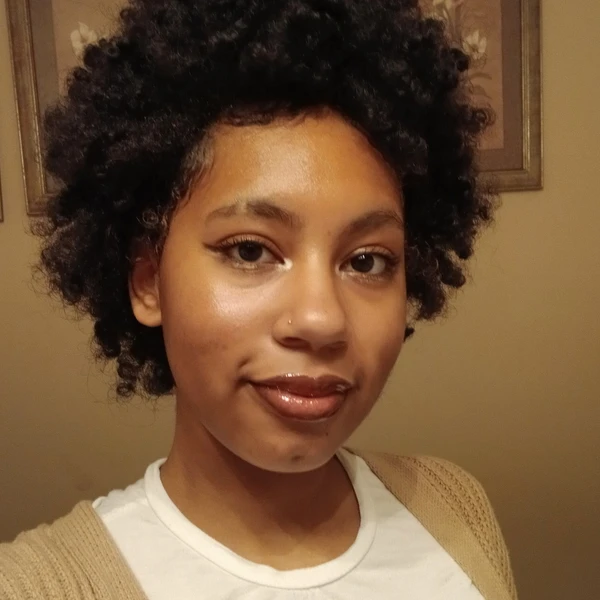
Mia Lopez

1x

Finalist

Bio

Mia is passionate about art, medicine, and cultural awareness. Her goal is to attend medical school and become the first surgeon in her family. With that as her aspiration, she has chosen to attend Valdosta State University and major in Biology with a minor in Art. She believes in authenticity and strength, and that STEM and the Arts are interconnected especially in the medical field. Creative design and the ability to think outside the box is what has propelled many of our world’s most innovative scientific and medical discoveries. She also believes that understanding those around her and choosing to put her heart first is what makes an excellent healthcare provider.

Education

Valdosta State University

Bachelor's degree program
2024 - 2028
  • Majors:
    • Biology, General
  • Minors:
    • Classics and Classical Languages, Literatures, and Linguistics, General
    • Fine and Studio Arts
  • GPA:
    3.9

Lowndes High School

High School
2023 - 2024
  • GPA:
    3.4

Miscellaneous

  • Desired degree level:

    Doctoral degree program (PhD, MD, JD, etc.)

  • Graduate schools of interest:

  • Transfer schools of interest:

  • Majors of interest:

    • Medicine
    • Human Biology
    • Cell/Cellular Biology and Anatomical Sciences
    • Biochemistry, Biophysics and Molecular Biology
  • Planning to go to medical school
  • Career

    • Dream career field:

      • Medical Practice
    • Dream career goals:

    • Volunteer

      South Georgia Medical Center
      2026 – 2026

    Research

    • Classics and Classical Languages, Literatures, and Linguistics, General

      Valdosta State University - Inquiry Expo — Presenter
      2025 – 2025
    • Classics and Classical Languages, Literatures, and Linguistics, General

      Valdosta State University — Presenter
      2026 – 2026

    Public services

    • Volunteering

      SGMC Health — Volunteer
      2026 – 2026

    Future Interests

    Advocacy

    Volunteering

    Philanthropy

    TOMORROW X TOGETHER (TXT) MOA Scholarship
    My name is Mia Lopez, and I am currently a third-year undergraduate at Valdosta State University. I am majoring in Biology and want to use my degree to enter medical school. I’m fascinated by the human body, but I also value learning about all living beings. I believe that anyone interested in healthcare should treasure the sanctity of life on Earth. All life has its purpose, and it’s our responsibility to apply that to every decision we make. I’ve never attended a TXT concert because ticket prices were too high. Currently I am paying for school with the Pell Grant and Georgia’s HOPE Scholarship. During my first two years I lived off campus, so it was enough to pay for my classes and textbooks. This year I am living in the dorms of my university, and without any extra aid I won’t be able to cover the cost of my dorm and meal plan. I became a MOA in 2021 when their album The Chaos Chapter: FREEZE came out. The first song I heard was Anti-Romantic, mainly because it was all over TikTok. It's such a beautiful track, so I ended up searching for a live performance on YouTube. I had been listening to K-Pop casually for a few years and mostly gravitated towards girl groups. I was convinced boy groups weren’t my style, but the moment I watched them perform it felt like magic. TXT’s chemistry as a group was undeniable. Their vocals were amazing, and each member’s voices complimented the other. After that I listened to the entire album and became hooked. I felt like I had found a group I could genuinely stan. I grew to love all the members, but Yeonjun is my ultimate bias in all of K-Pop. Beyond his gorgeous face, Yeonjun entrapped me in his sincerity and boundless empathy. It’s incredibly touching how he always supports MOA on Weverse, not hesitating for a second when telling a MOA that they can “share the pain together.” To me, that was what locked me into becoming a permanent MOA. The group’s efforts to shed light on the reality of mental health made me feel less alone. TXT speaks about mental health earnestly despite its stigma. Kai even mentioned that since TXT has gone through that struggle, he hopes their music can comfort everyone else who feels the same way. With their collaboration with UNICEF, I have felt as though this group truly cares about uplifting not only their fanbase but the world as well. Since MOA means “Moments of Alwaysness”, one characteristic a MOA should have is prioritizing their community whether it's through volunteering or just helping someone when they’re going through a bad day. My favorite TXT song of all time is Ghosting. I love how the track is upbeat, but their voices are melancholic. Soobin’s high notes in the pre-chorus and Yeonjun’s soft vocals during the chorus tickle my ears in just the right way. Their concept for the repackaged version of The Chaos Chapter is something I always run back to. I adore how creative the different concept photos for Fight and Escape were, but Escape’s concept was my favorite. The bright, oversaturated colors of their clothes and the set were electrifying. Looking at it now feels so nostalgic to me because it reminds me of when I wanted to dress indie in 2020. TXT’s influence reached me in more ways than one when I found out about their dedication to charity. My soul was touched the most when Yeonjun donated to Good Neighbors and the Hallym Burn Foundation. Yeonjun’s donations pushed me to learn about how poverty in my own country has been manufactured against women and people of color, and how certain stigmas and policies make them more likely to be dismissed. It also made me value reform of America’s hospital system to make it more fair, accessible, and higher quality for both patients and providers. Because of the pride I feel being a MOA, I am thoroughly committed to using my education to advocate for cultural competency training and trauma-informed care to be centered in all hospitals no matter where they are. (First TXT video!)
    Women in Healthcare Scholarship
    Quality healthcare is a right for every person across the globe. The reason I chose to pursue healthcare is an honest one — I have a genuine interest in the human body. Aside from my love for learning about procedures and treatments, I want to bring light to my patients through my work. Although I have no desire to become a politician, there are certain things I can advocate for as a woman in this field. Primarily, I would like to aid in popularizing Behavioral Emergency Response Teams in hospitals across the country. Behavioral Emergency Response Teams (also known as BERT) are teams that consist of interdisciplinary and diverse members who specialize in their own role and often include a team leader. The goal of creating that team is to prevent behavioral crises in patients before they start, which reduces injury to both patients and healthcare providers. There are several proven benefits to creating a BERT. Two common benefits are that providers report experience less burnout and that it cuts costs for hospitals. When injuries are reduced, the hospital can use the funds that were previously used to cover workplace injuries to implement more training and preventative measures. BERT is a huge benefit for patients as well. Many Behavioral Emergency Response Teams center trauma-informed care and encourage having at least one person who specializes in psychiatry on the team. Most current professionals are not fully prepared to help a patient who is going through moderate to severe distress. They do not have a system they can rely upon to help the patient. This can lead to injury not only to the provider but also to the patient. One horrific experience can break the trust a person has in the healthcare system and create a potentially life-long trauma associated with hospitals. My goal is to center attention towards cultural competency training and trauma-informed care through implementing Behavioral Emergency Response Teams. The mental health of providers is crucial for providing quality care. When providers are overworked and unsupported, they can lose their passion for nursing people back to health. If I push more funds into training and create a system where healthcare providers are never truly alone when caring for a patient, I can increase the overall job satisfaction rates in our field. People will remember why they got the degree they spent years studying for; they will remember the joy they felt when they first entered this profession. As a woman in healthcare, I want to create a space where patients feel heard and respected, especially during moments of emotional vulnerability. While I pursue my dreams and interests, my fascination with the human body is only a supporting element. I am committed to reforming and improving care inside hospitals across the country. As I go through my educational journey, I will never forget the importance of valuing equity, safety, and quality in healthcare. Through advocating for the implementation of BERT, I can center cultural competency and trauma-informed care to create environments where both patients and healthcare providers feel protected. I want to contribute to a field where our system chooses to uplift its workers and bring compassionate, excellent care to every individual who depends on us.
    Trees for Tuition Scholarship Fund
    Becoming the first woman in my immediate and extended family to attend college right after high school made me realize how education truly is a privilege. Yes, it is expected for 17–18-year-olds to have a list of colleges lined up, but for the women in my family it simply was not an option. My mother, aunties, and grandmother had to put their children first before their education. It took years for them to finally be able to have access to higher education due to the cost of childcare, living, and schooling for their children. My grandmother graduated in 2000 at the age of 35, and my mother graduated this past May at the age of 41. These two women have shown me perseverance in ways no other person could have. Growing up, I witnessed my mother going to school on and off again because of her extenuating life circumstances. She had me and my older brother, and she could not enroll in college until both of us were old enough to attend elementary school. Then she married my stepdad, who is now a veteran, when I was nine years old. Due to him being in the army up until I was in 12th grade, the constant moving around made it extremely difficult for her to commit to a single college. All she could do was work and be a loving matriarch. Education is a privilege, but not everyone is able to access it equally. That is something I want to change in my community after college. After college, I want to create a renewable grant for parents who show financial need. The cost of childcare in Georgia varies between age groups but as of 2026, the average cost for one toddler is $18,580 annually for both family childcare and childcare center costs according to Tootris News and Education Center. The median household income in Georgia is $77,353. That would mean that childcare costs of a single toddler would take up around 24% of a household's annual income on average. Even without considering childcare center costs, it still takes up 10% annually. It is no wonder why parents often wait until their children are grown up. It is impossible to attend school and manage a household. The goal of my grant is to provide parents in the state of Georgia with a reliable source of financial aid that they can use to cover expenses such as daycare, food, clothing, school, and other necessities. If they can prove that they are attending school and that they have at least one child under the age of 18 in their home, my grant will help cover any cost. The awarded money will be $20,000 annually, which I believe will be more than enough for parents who are trying their best to better their lives for themselves and their children. I believe that education should be an unalienable right, and my grant makes sure that every parent will be able to achieve their dreams no matter what stands in their way.
    Philippe Forton Scholarship
    The death of a loved one can bring a lot of pain and grief. It's not something that you can easily "move on" from, but instead, you learn to live with the loss and cherish their memory in your heart. I know this feeling all too well because I lost my grandmother in 2021. She caught COVID-19, and the virus severely affected her lungs, causing her to develop ARDS (acute respiratory distress syndrome). She passed away, and it was hard for me to accept that I didn't get to spend much time with her. I didn't call her enough. We only spoke when she called my mother and asked to see me, my brothers, and my cousins. It was tough being on the other side of the country because I couldn't be there physically for her, and now, I'll never have the chance. But now, in 2024, I've learned to accept her passing and have developed compassion for others who have gone through the same ordeal. My current AP Lit teacher, Mrs. B, shared her story with me. Her father, who is a Type 1 diabetic, had been experiencing kidney complications for a while. He didn't seek medical attention because he was afraid of what might happen. Eventually, he went into kidney failure, and it's been a difficult time for Mrs. B and her family. He was comatose for a few days until his eventual passing. When she came back to school, my entire class could see the weight she had the bear. Her usual quirky demeanor was replaced with a reserved and desolate one. She was quiet and to herself and only spoke when necessary. Her classroom is always dim but the calm and relaxing atmosphere we were accustomed to switched to a dampened, depressing atmosphere. My classmates and I knew that something had to be done for Mrs. B so we could show our love and support toward her. We were well aware that for her it was almost impossible to even feel neutral during this stage in her life. So, we all quietly gathered a surprise for her which was a simple but meaningful best wishes card. We all wrote little notes detailing how strong she was, and that we were there to support her even when she felt utterly alone. Even though it was a simple, quiet, and modest gesture, the feelings that went into our gift were genuine. When the card was given to her, her tears and emotional gratitude were enough to know that our efforts to reach her succeeded. Through this experience, I became aware of how even a little compassion can not only support others but create more confidence in yourself. Compassionate interactions help manifest inner growth thus making it much easier to pass on love and support to others. I realized that as I show compassion, I am taking steps toward being a better person and being self-aware of how my pain can be turned into a strength. Although I still miss and grieve my grandmother every day, I now know that her strength has been passed on to me to help others find the strength that's within themselves.
    Trees for Tuition Scholarship Fund
    As medical professionals, doctors and nurses are responsible for providing the best possible care to their patients. Unfortunately, some healthcare providers fail to live up to this duty. Every day, people face serious health crises and deserve a care provider who is reliable, compassionate, and empathetic. Healthcare professionals work long hours to ensure their patient's well-being, but this job requires an exceptional degree of selflessness and patience that not everyone possesses. Those who choose to work in the healthcare system must have good emotional regulation skills and be patient and selfless to excel in their workplace environment. When we talk about excelling in the healthcare system, it's not just about working efficiently, but also having a sense of conscientiousness. Conscientiousness includes empathy and sets it apart from efficiency. An efficient worker may put their emotions aside to focus on the task at hand, relying on logical reasoning to accomplish their goals. They prioritize work above all else and consider everything else as secondary. On the other hand, a conscientious worker is committed to doing their job well in all aspects, including teamwork, efficiency, and empathy towards their patients. They understand that their patient's emotional well-being is just as important as their physical health and strive to provide compassionate care while working efficiently. Unfortunately, many healthcare providers lack these traits, which has caused a major problem. Patients feel trapped in an unsafe space where they cannot freely express their concerns regarding their health. The healthcare community often disregards their pain, and providers are more focused on how much time they have left on their shift than the patient seeking information, support, and a solution. This is turning the public against a system that was created to help them whenever they need it. As a nurse, I plan to create a space where I stand up for my patient's health and consider their thoughts, opinions, and emotions regarding their state. By listening to them, I am creating a pathway for them where their word can be carried, and a solution can reach them faster. Not only will I support my patients, but I will also keep my colleagues in check when I see them disregarding other viewpoints. Creating a work community where everyone checks in on each other and makes sure everyone is at the top of their game reflects onto our patients. With a whole team of providers respecting and validating their pain, the hospital environment becomes trustworthy and accepting. This is especially important for groups of people who are more likely to experience discrimination or neglect in the healthcare system, and as a person who strives for both equality and equity, I plan to create awareness in my community of their unfair treatment. It will be through social media, workplace encouragement, and pulling my weight during shifts at work. The medical field has a long way to go before they can create an environment where all patients feel safe, but by taking small steps at a time it can create large footprints that last a lifetime. Utilizing empathy as a main component in everyday health practices can make the public feel more positive and grateful towards the healthcare provider community. Listening, validating, and helping our patients with true compassion and dedication is crucial for every provider to benefit our society. By speaking out and encouraging others to do so, our state and even our country can help society reach a level of comradery that never wavers.