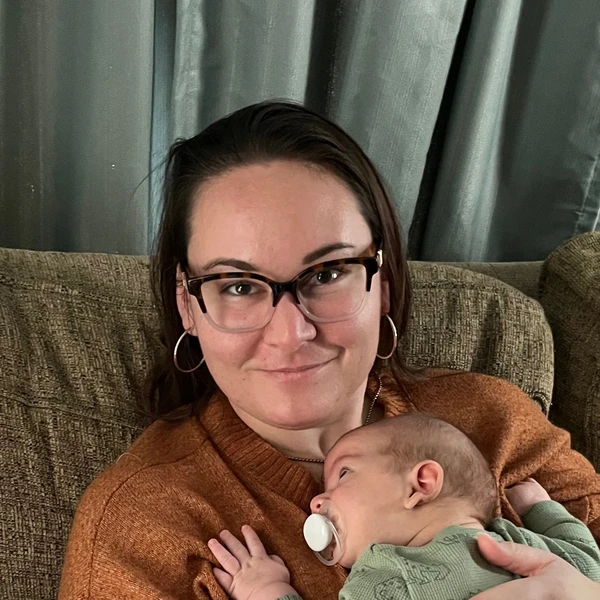
Hello, my name is Melissa Watson, and I’d like to share a bit about my journey.
My childhood was marked by challenges that shaped who I am today. I grew up with a single mother and three younger sisters. My father was largely absent, struggling with drug and alcohol addiction. When I was 17, my mother passed away from colon cancer at the age of 42, leaving me to care for my sisters—twins who were just 5 and my middle sister who was 12. During her illness, I took on a caretaker role, making sure they were fed, taken to school, and helping them navigate the tough times. After my mother’s death, we were fortunate enough to stay with my aunt, which kept us out of the foster system.
In the aftermath, I battled deep depression and debilitating panic attacks that made it difficult to even leave my house. I experienced episodes of derealization to where it felt like I was losing my mind. These struggles caused me to drop out of high school, though I later earned my GED. During this time, I also discovered a calling for nursing, which led me to pursue a Practical Nurse diploma. After years of hard work, I became an LPN and worked in the field for several years.
While I continue to manage my depression and anxiety, I find meaning in helping others, and medication has been a critical part of my healing. When the COVID-19 pandemic hit, my anxiety escalated, and I became overwhelmed by the fear of contracting the virus or passing it to my family. Yet, through all of these challenges, I have learned resilience and the importance of supporting others along the way.
During the COVID-19 pandemic, I discovered a new passion for public health. I want to advocate for vulnerable populations as well as healthcare workers, understanding firsthand the challenges we faced on the frontlines and the obstacles we had to overcome.
This experience deepened my desire to contribute to systemic change and support those who are often overlooked. I saw how essential it is to not only care for patients but also to address the needs of healthcare workers, who are vital to the system. Public health, particularly in the realm of mental health, offers a unique opportunity to make a broader impact by advocating for policies and providing resources that can improve the well-being of individuals and communities. Mental health, which is often neglected, became even more apparent during the pandemic as many people, including healthcare workers, faced unprecedented stress and isolation. I’m committed to using my experiences to help create a healthier, more supportive environment for both mental and physical well-being, especially for those who need it most.
In addition to advocating for vulnerable populations, I want to be a voice for mental health awareness and the importance of accessible care. The pandemic highlighted just how critical mental health support is for everyone, particularly frontline workers and underserved communities who may not have the resources or support they need. By addressing mental health alongside physical health, we can create more comprehensive, compassionate care systems that recognize the interconnectedness of mind and body. My goal is to work toward breaking down the stigma surrounding mental health and ensuring that everyone has access to the care and support they deserve.