Hobbies and interests
Camping
Reading
Cooking
Reading
Romance
Fantasy
Thriller
Self-Help
Education
Horror
Mystery
Speculative Fiction
I read books multiple times per week
Melinda Morales
1x
Finalist
Melinda Morales
1x
FinalistBio
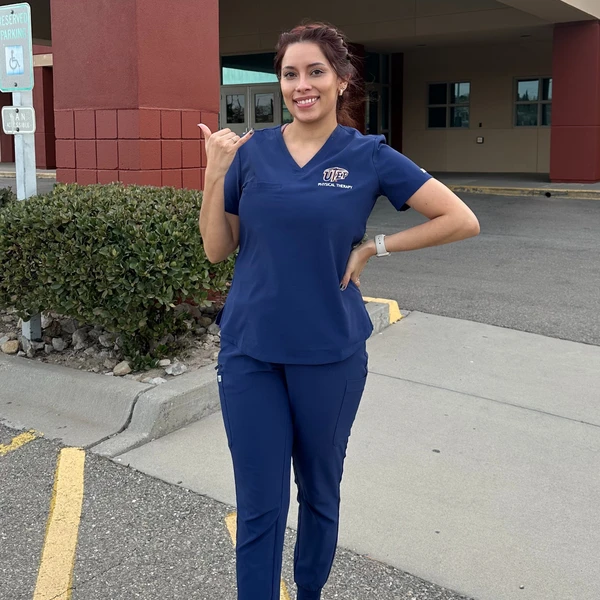
My name is Melinda, and I’m from El Paso, Texas—a warm, border town that’s always felt like home. I come from a family of all girls, a middle child in fact, where being empathetic and involved was natural for me. From as early as I can remember, I’ve loved helping people. Whether it was lending a hand or just being someone others could count on, it always gave me a sense of purpose. That desire to serve became even more personal when my younger sister was born with fibular hemimelia. Watching her go through surgeries, post op care and seeing my family struggle to access the care she needed, left a deep impression on me. It opened my eyes to the barriers so many families face and made me want to be someone who could help change that. Becoming a physical therapist isn’t just a career goal—it’s a calling. I want to be the kind of provider who listens, advocates, and bridges gaps, especially in communities like the one that raised me. As a bilingual Latina, I’m proud of my roots and passionate about inclusivity, education, and making the world not just healthier, but kinder too.
Education
The University of Texas at El Paso
Doctoral degree program (PhD, MD, JD, etc.)Majors:
- Physical Sciences, Other
The University of Texas at El Paso
Bachelor's degree programMajors:
- Rehabilitation and Therapeutic Professions, General
Career
Dream career field:
Doctor of Physical Therapy
Dream career goals:
PT Tech
The Hospitals of Providence2020 – 20244 years
Sports
Basketball
Junior Varsity2010 – 20122 years
Awards
- N/A
Research
Biological and Physical Sciences
University of Texas at El Paso — Researcher2025 – Present
Arts
Socorro Bulldogs Band Organization
Dance2012 – 2015
Public services
Volunteering
GiGi's Playhouse — Teach Kitchen Kids and aid in GiGi Fit Adult2023 – Present
Bulkthreads.com's "Let's Aim Higher" Scholarship
One thing I hope to build in the future is a pelvic floor physical therapy clinic along with an online platform that helps educate and empower people about pelvic health. Pelvic floor dysfunction affects individuals of all ages and backgrounds, yet it remains one of the most misunderstood and stigmatized areas of healthcare. Many people suffer in silence with symptoms such as pain, incontinence, pregnancy-related concerns, and sexual health issues because they feel embarrassed to talk about them or do not know that treatment options exist. I want to help change that.
As a future physical therapist, I have seen how education can transform a person's understanding of their health and improve their quality of life. My goal is to create a clinic that provides evidence-based, compassionate care while also serving as a safe space where patients feel heard and supported. Beyond treating symptoms, I want to help people regain confidence, return to activities they enjoy, and improve their overall well-being.
In addition to a clinic, I hope to build an online brand that makes pelvic health education more accessible. Social media and digital platforms have become powerful tools for sharing health information, yet there is still a lack of accurate and approachable content related to pelvic floor physical therapy. Through educational videos, patient resources, and community outreach, I hope to normalize conversations surrounding pelvic health and reduce the stigma that often prevents people from seeking care.
Building this future will require a long-term commitment to my education, professional development, and the patients I serve. As a Doctor of Physical Therapy student, I recognize that becoming a knowledgeable clinician means continuously learning, staying current with research, and developing strong clinical skills. It also requires empathy, communication, and a genuine dedication to advocacy.
The impact of this work extends beyond individual patients. By increasing awareness and access to pelvic health services, I hope to contribute to a healthier and more informed community. If even one person feels less alone, receives the care they need, or gains confidence in discussing their health concerns, then I will have helped create meaningful change. Through my clinic and online presence, I hope to build not only a successful career, but also a lasting resource that empowers others to take control of their health without shame or fear.
James B. McKillip Scholarship for Physical Therapy
Physical therapy is important to me because it gives people their sense of control back. Pain and dysfunction do not only affect the body. They change how a person moves through the world, how they see themselves, and how safe they feel in their own body. I am drawn to physical therapy because it allows for healing that is personal, empowering, and rooted in trust. It is a profession built on listening, movement, and connection, and those values strongly align with who I am.
Growing up in a border community, I witnessed how many individuals learn to live with pain because care feels inaccessible or misunderstood. Injuries were often ignored until they became severe, and sensitive concerns, especially those related to pelvic health, were rarely discussed. Cultural stigma, limited access to specialized care, and fear of being dismissed kept many people from seeking help. These early observations shaped my understanding of how culture and access influence health, and they continue to motivate my commitment to becoming a physical therapist who meets patients where they are.
Throughout my education, I developed a strong interest in orthopedics and pelvic health, particularly in treating pelvic pain among athletes. Athletic populations are frequently encouraged to push through discomfort and normalize symptoms in the name of performance. Pelvic pain, incontinence, and core dysfunction are often minimized or misunderstood, leaving athletes feeling isolated or unsure of where to turn. Physical therapy has the ability to change this experience by recognizing the pelvic region as essential to movement, stability, and performance rather than something separate or taboo.
What makes physical therapy meaningful to me is its holistic approach to care. Pelvic pain rarely exists in isolation. It is influenced by biomechanics, neuromuscular control, training demands, stress, and emotional well being. The opportunity to integrate orthopedic principles with pelvic health allows for thoughtful and individualized treatment. I value the hands on nature of physical therapy and the relationships built through consistent care, education, and shared goals.
As part of the profession, I hope to contribute as a clinician who is deeply committed to lifelong learning. I do not view graduation as the end of my education but as the beginning of a career rooted in growth. I plan to pursue continuing education, mentorship, and advanced training in pelvic health and sports orthopedics so I can provide high quality and current care to diverse athletic populations. Remaining curious and informed is essential to honoring the trust patients place in their providers.
I also hope to contribute by creating clinical spaces where difficult conversations feel safe and respected. In border and underserved communities, physical therapists can play a powerful role in normalizing discussions around pelvic health through empathy, education, and advocacy. I want my patients to feel seen, heard, and confident in their bodies.
Physical therapy matters to me because it aligns with my values of compassion, service, and empowerment. I want to help people move without fear, return to what they love, and rebuild trust in their bodies. Through thoughtful care and continued learning, I hope to contribute to a profession that restores not only movement, but dignity and confidence as well.
Viaje de Esperanza Scholarship
Growing up in El Paso, Texas, a lively border town—I’ve seen firsthand how mental health is often overlooked or stigmatized within the Latinx community. I come from a family of strong, determined women, but even in a home full of love, the unspoken emotional toll of chronic stress, healthcare barriers, and cultural pressure was always present. These experiences planted the seed for my passion: to support healing not just of the body, but also of the mind.
As someone pursuing a career in physical therapy, I’ve learned that recovery is about so much more than muscles and movement—it’s about trust, safety, and emotional readiness. Especially in the Latinx community, where trauma can stem from generational poverty, domestic abuse, immigration, systemic inequities, or deeply personal struggles, physical pain is often tied to emotional wounds. My younger sister’s experience with fibular hemimelia opened my eyes to these layers of pain. Watching my family navigate her care—struggling to find providers who spoke our language or understood our values—made me realize that culturally informed, trauma-sensitive care is not a luxury; it’s a necessity.
That’s why I’m deeply motivated to contribute to mental health care as part of my role as a future Doctor of Physical Therapy. I believe in an integrative approach to wellness—one that treats the person as a whole. I’ve seen how unprocessed trauma can manifest in the body and how a person’s emotional state can either block or unlock their physical progress. In the future, I plan to enroll in courses focused on trauma-informed physical therapy so I can better serve patients with a history of emotional, physical, or psychological trauma. Whether they are survivors of violence, immigrants fleeing unsafe conditions, or individuals coping with grief or abuse, I want to be someone they feel safe with—someone who sees beyond the injury.
What drives me most is the desire to break the cycle of silence around mental health in Latinx communities. I want to help dismantle the stigma, to be part of a generation of providers who normalize conversations about emotional well-being alongside physical health. I want my patients—especially those who look like me, speak like me, and come from communities like mine—to feel seen, respected, and supported in every aspect of their healing journey.
Ultimately, my mission is to be a provider who doesn’t just fix injuries, but who also honors the lived experiences behind them. I believe that mental health and physical health are deeply connected, and I’m committed to building a career that reflects that truth—one patient, one conversation, and one act of care at a time
DEI&B Bridging the Gap Scholarship
As a proud Latina woman from El Paso, Texas, I consider myself part of several underrepresented groups in the physical therapy profession. I was raised in a family of all girls, right in the middle, in a city shaped by culture, resilience, and deep community ties. Growing up along the U.S.-Mexico border taught me to value connection, empathy, and service—qualities that are at the heart of who I am and why I want to become a physical therapist.
I’ve always been the one who wanted to help, even before I had the words for it. Whether it was caring for a friend, supporting my sisters, or stepping in when someone needed guidance, being of service has always made me feel grounded. But my passion for physical therapy became something deeper when my younger sister was born with fibular hemimelia. Watching her go through surgeries, long recoveries, and physical therapy at such a young age made a lasting impression on me. What stood out most was how hard it was for my family to get her the care she needed. My parents didn’t just struggle to find certified orthopedic surgeons and specialists—they struggled to find ones who spoke our language, understood our culture, or could clearly explain what was happening. It was frustrating and overwhelming, and I remember thinking, “There has to be a better way.”
That’s where I see myself making a difference. As a bilingual and bicultural woman, I want to be the person families like mine can turn to—someone who gets it. Someone who can not only provide excellent care, but who can explain things in a way that feels accessible and respectful. In El Paso and other underserved areas, there’s such a need for healthcare providers who reflect the communities they serve. I want to be one of them. Not just because I speak the language, but because I understand the stories, the struggles, and the values behind the people sitting in front of me.
Being from an underrepresented group is part of my strength. It gives me a lens that allows me to connect with patients in a way that goes beyond charts and symptoms. It’s about listening, meeting people where they are, and helping them feel seen—not just as patients, but as people. I believe that the physical therapy profession needs more voices like mine—not only to improve outcomes, but to build trust and understanding in spaces where those things have often been lacking.
Looking ahead, I see myself working in border communities and underserved areas, providing care that’s rooted in cultural humility and compassion. I want to create educational spaces where patients feel empowered in their healing. I want to be a mentor to future students who don’t always see themselves represented in this field. And most of all, I want to give back to the very community that raised me.
My story isn’t perfect, but it’s real—and it’s one that has fueled my desire to make a difference. As a future physical therapist, I hope to bring my whole self into every room I enter: my language, my culture, my heart, and my commitment to creating a more inclusive, kind, and accessible healthcare world.