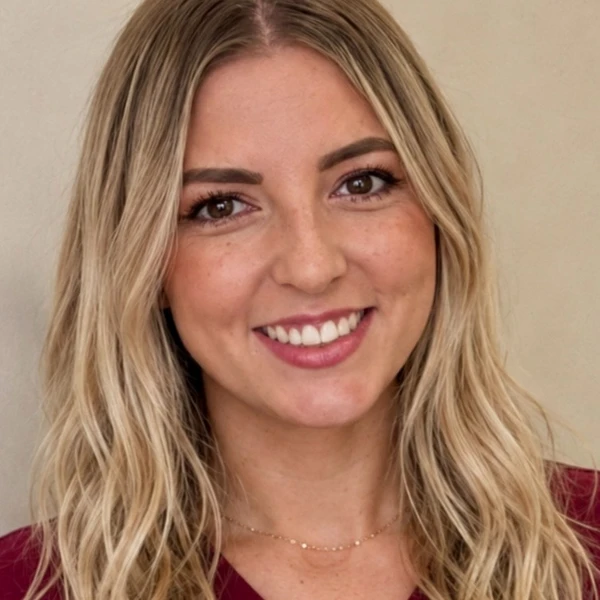
user profile avatar

Melanie Chorzelewski

1x

Finalist

1x

Winner

Bio

I am a nontraditional student pursuing a Bachelor of Science in Medical Studies at Arizona State University while working full-time as an anesthesia technician at MedStar Georgetown University Hospital. Before transitioning into human healthcare, I spent over 15 years in veterinary medicine, where I developed a deep appreciation for compassionate patient care, critical thinking, and teamwork. My experiences caring for critically ill patients, conducting quality improvement initiatives, and navigating personal challenges have strengthened my commitment to improving healthcare through clinical practice and research. I plan to pursue graduate education and ultimately build a career caring for patients while contributing to biomedical research that improves outcomes and expands access to high-quality care. I believe resilience, curiosity, and a lifelong commitment to learning are the foundation of meaningful service. My goal is not only to become an excellent clinician but also to advocate for innovation, evidence-based medicine, and compassionate care for every patient.

Education

Arizona State University-Downtown Phoenix

Bachelor's degree program
2023 - 2026
  • Majors:
    • Biology, General

Arizona State University-Downtown Phoenix

Bachelor's degree program
2023 - 2026
  • Majors:
    • Medicine

Miscellaneous

  • Desired degree level:

    Master's degree program

  • Graduate schools of interest:

  • Transfer schools of interest:

  • Majors of interest:

  • Not planning to go to medical school
  • Career

    • Dream career field:

      • Medicine
    • Dream career goals:

      Sports

      Track & Field

      2008 – 20124 years

      Research

      • Medicine

        Medstar — Quality Improvement
        2024 – Present
      Learner Mental Health Empowerment for Health Students Scholarship
      Mental health became important to me as a student when I learned that determination alone cannot always overcome what the mind and body are experiencing. I have always been someone who works hard and keeps moving. I spent years balancing employment with my undergraduate education, including working full-time in a hospital while completing demanding science courses online. I believed that if I organized my schedule carefully enough and pushed myself hard enough, I could manage every responsibility. However, living with anxiety and post-traumatic stress taught me that mental health does not disappear simply because an assignment is due or because other people depend on you. There have been periods when concentrating, sleeping, retaining information, and completing ordinary tasks required far more effort than anyone around me could see. At times, I interpreted those struggles as personal failures. I compared myself to students whose circumstances I did not know and wondered why I could not simply be more disciplined. Learning to seek support, adjust my expectations, and make responsible changes to my academic plan helped me understand that protecting my health was not abandoning my goals. It was necessary to continue pursuing them. That lesson now shapes how I advocate for mental health in my community. My advocacy is often personal rather than public. I speak honestly about the fact that capable, hardworking people can struggle. When friends, classmates, or coworkers are overwhelmed, I try not to respond with empty advice or tell them to remain positive. I listen, check in again later, offer practical help, and encourage them to use professional and institutional resources when they need more support than one person can provide. I also try to challenge the belief that someone must reach a crisis before asking for help. In healthcare environments, people are often praised for working through exhaustion, grief, and emotional distress without allowing it to affect their performance. Although resilience is valuable, silence should not be mistaken for strength. Healthcare workers and students need permission to acknowledge when they are struggling before their well-being, education, or ability to care for others deteriorates. My goal is to become a Certified Anesthesiologist Assistant. Anesthesia requires scientific knowledge, preparation, clear communication, and the ability to remain calm when patients are frightened and vulnerable. My experiences with mental health will make me a more compassionate provider because they have taught me that distress is not always visible. I want patients, colleagues, and future students I mentor to feel that they can speak honestly without being judged as weak or incapable. This scholarship would help me continue my undergraduate education while working and rebuilding a healthier, more sustainable academic foundation. Mental health support does not reduce ambition. It gives students the stability needed to turn ambition into a future.
      Working Student Scholarship
      For much of my undergraduate education, I have measured time in small, carefully protected blocks. I worked full-time as an anesthesia technician at MedStar Georgetown University Hospital, beginning my shift at 7:00 a.m. and finishing at 3:30 p.m. After work, I changed from scrubs into the role of an Arizona State University student, completing lectures, assignments, laboratory work, and exam preparation in the evenings and on weekends. I am pursuing a bachelor’s degree in Medical Studies and currently maintain a GPA above 3.5. During the upcoming academic year, I plan to remain enrolled as a full-time undergraduate while working at least ten hours per week. I have chosen to complete my remaining coursework over the next year so I can continue earning an income, strengthen my academic record, and prepare for graduate training in anesthesia. Working while studying is financially necessary, but it is also directly connected to my professional goals. My hospital experience has allowed me to learn from anesthesiologists, residents, and anesthesiologist assistants while supporting patient care in a fast-paced operating room. One of the most challenging periods occurred when I was balancing my hospital schedule with intensive organic chemistry coursework and other science requirements. My workday began before many of my classmates were awake. By the time I returned home, I was often mentally and physically tired, but assignments and examinations still had fixed deadlines. There were evenings when I wanted nothing more than to sleep, yet I still needed to review reaction mechanisms, complete laboratory work, or prepare for an exam. I overcame that period by becoming much more deliberate with my time. At the beginning of each week, I reviewed every assignment, work obligation, examination, and personal responsibility. I divided large assignments into smaller tasks and scheduled them around my hospital shifts. I used lunch breaks for flashcards and brief reviews, reserved evenings for lectures and assignments, and protected longer weekend blocks for difficult material. I also learned to begin projects early rather than relying on the energy I hoped I would have after a demanding shift. Most importantly, I learned to adjust without abandoning my goals. When a schedule became unsustainable, I reconsidered my course load, sought support, and focused on making steady progress rather than forcing myself to follow someone else’s timeline. Extending my undergraduate plan is not a retreat from my ambition. It is a thoughtful decision that allows me to continue working, reduce additional debt, and give my coursework the attention it deserves. Balancing employment and education has required sacrifices. I have had less time for rest, social activities, and extracurricular opportunities than many students. However, it has also made me resilient, organized, and deeply appreciative of my education. Every shift helps finance my future, and every course brings me closer to becoming a Certified Anesthesiologist Assistant. This scholarship would reduce the financial pressure of working through school and allow me to devote more focused time to completing my degree successfully.