Las Vegas, NV
Gender
Female
Ethnicity
Black/African
Religion
Christian
Church
Catholic
Hobbies and interests
Community Service And Volunteering
Student Council or Student Government
Reading
Health
Christianity
Historical
Humanities
Leadership
Academic
Social Issues
History
Philosophy
Science
Self-Help
Gardening
Education
Cultural
Social Science
I read books multiple times per week
US CITIZENSHIP
US Citizen
LOW INCOME STUDENT
Yes
Mekelit Fiseha
1x
FinalistMekelit Fiseha
1x
FinalistBio
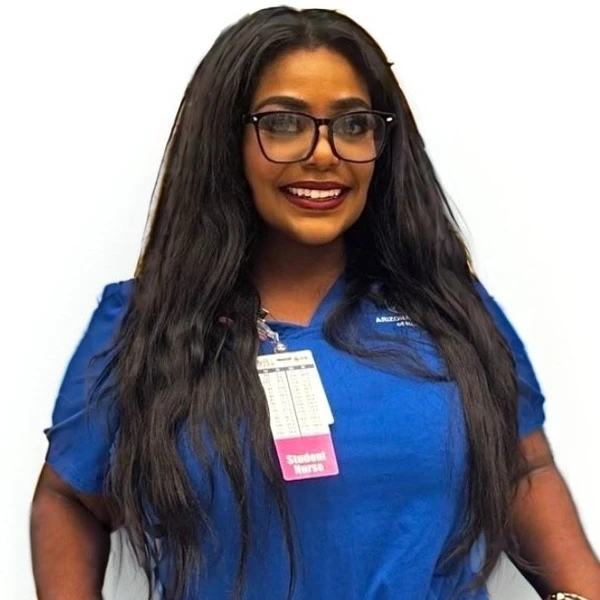
I’m a BSN student at Arizona College of Nursing in Las Vegas. I’m involved on campus as a 6th-semester representative and serve on the Student Nurses Association board, where I help support students, volunteer in the community, and keep our cohort connected. Being part of SNA and working with my classmates has helped me grow a lot in leadership and communication. In my clinical rotations, I’ve become really interested in mental health, patient advocacy, and caring for people in underserved communities. My goal is to become the kind of nurse who listens, advocates, and makes a real difference for the people I care for!
Education
Arizona College of Nursing
Bachelor's degree programMajors:
- Registered Nursing, Nursing Administration, Nursing Research and Clinical Nursing
GPA:
3.8
Miscellaneous
Desired degree level:
Bachelor's degree program
Graduate schools of interest:
Transfer schools of interest:
Majors of interest:
Career
Dream career field:
certified registered nurse anesthetist
Dream career goals:
Sports
Dancing
Club2010 – 20133 years
Public services
Volunteering
Nurse-Family Partnership — Student Nurse2026 – Present
Future Interests
Advocacy
Politics
Volunteering
Entrepreneurship
Sgt. Albert Dono Ware Memorial Scholarship
When I think about Sgt. Albert Dono Ware, I picture a man who stood strong even when the world did not protect him the way it should have. His life makes me reflect on my own family and how strength is often built quietly through sacrifice, difficult choices, and determination. As a first-generation Ethiopian woman pursuing a Bachelor of Science in Nursing, I grew up watching my parents leave everything familiar to start over in a country that did not always welcome them. I saw how much they gave up so I could have opportunities they never had. Ware’s legacy reminds me that bravery is not only shown in combat, but in everyday life when people choose to care for others, stand up for what is right, and remain committed to their community. That is the kind of courage I carry with me as I work toward becoming a nurse.
My personal journey has been shaped by seeing how difficult healthcare can be for African and African American families, especially in urban communities. I have watched loved ones delay care because of cost, transportation barriers, language difficulties, or fear that they would not be taken seriously. These experiences are what led me to nursing. I do not simply want to treat patients. I want to listen to them, believe their concerns, and advocate for them when the system falls short.
My long-term dream is to establish a nonprofit organization that provides health education, connects families to resources, and helps cover the cost of medications, preventive care, and vaccinations for those who need support. Many families do not avoid healthcare because they do not care about their health; they avoid it because the system makes access too difficult. Through my future nonprofit, I hope to remove those barriers so people can seek care without fear or financial hardship. This mission is deeply personal to me because I experienced housing instability, lived in shelters at a young age, and continue to face similar challenges today as a college student.
I am also deeply committed to working in urban and underserved communities where African American patients face significant health inequities upon completing my education. As a woman of African heritage with a darker complexion, I bring a perspective that is often missing in healthcare. Many medical conditions look different on darker skin, yet most training materials focus primarily on lighter skin tones. As a result, rashes, infections, bruising, or circulation problems can be overlooked or misdiagnosed in darker skin patients. I want to be a nurse who recognizes these differences, speaks up when something looks wrong, and educates other healthcare workers so patients of color receive accurate and timely care.
In addition, I am aware that African American nurses represent only a small percentage of the nursing workforce in the United States. This underrepresentation has significant implications for patient care, communication, and trust within the healthcare system. Evidence and lived experience show that patients are more likely to feel respected, understood, and comfortable when they are cared for by providers who share similar cultural backgrounds and experiences. For me, becoming a nurse is not only about providing individual patient care, but also about increasing representation so future generations of Black and African diaspora patients and students can see themselves reflected in the profession. I aim to serve both as a caregiver and as a role model for young women who may not yet envision themselves in healthcare.
Expanding scholarships, mentorship programs, and recruitment initiatives for Black and African diaspora students in nursing is therefore just as critical as clinical reform. Diversifying the nursing workforce is not simply a matter of equity; it is essential for improving patient outcomes, reducing mistrust, and creating a more culturally responsive healthcare system.
To address the challenges faced by the African diaspora in the United States, I believe meaningful change must occur at both the community and policy levels. One essential reform is requiring nursing and medical schools to teach how diseases appear across all skin tones, not just lighter ones. Another is increasing funding for community health clinics in urban neighborhoods so families have reliable access to care close to home. There also needs to be stronger support for affordable medications, particularly for chronic conditions like diabetes, hypertension, and asthma that disproportionately affect Black communities. In addition, greater investment is needed in community-based health education programs led by trusted leaders such as nurses, church leaders, and community advocates who truly understand the culture and needs of the people they serve.
Achieving this change will require collaboration among many key stakeholders. Local and state health departments must prioritize funding for underserved communities. Hospitals and nursing schools must improve their training to better serve diverse populations. Community organizations and churches must play an active role because they are trusted spaces for families. Public health leaders and policymakers must create laws that expand access to care rather than limit it. At the same time, nurses and physicians must take responsibility for advocating for their patients and pushing for more equitable practices within their institutions.
Sgt. Ware’s legacy reminds me that true service means showing up even when the work is difficult. His life inspires me to pursue nursing not just as a career, but as a way to uplift my community. Through my future nonprofit, my nursing practice, and my advocacy, I hope to build a healthcare system where African and African American communities are treated with respect, dignity, and fairness. I want our people to be seen, heard, and cared for in ways they have not always been.
Mighty Memorial Scholarship
The night before my first clinical, I sat on my bed in my small apartment, my uniform folded beside me, wondering how I was going to afford the next semester. Tuition was due, my books were expensive, my bank account was nearly empty, and I had no one to call for financial help. I was exhausted, scared, and still determined. That moment captures why I chose nursing.
I did not grow up surrounded by stability or safety nets. I have faced housing instability, financial hardship, and the constant pressure of trying to survive while pursuing an education that demands everything from you. Nursing school has tested me in every way possible. Between tuition, fees, transportation, clinical supplies, and daily living costs, staying enrolled often feels like its own full-time job. Still, I keep going because I know why I started.
I chose nursing because I have always been drawn to people in their most vulnerable moments. As an African American woman, I have seen how deeply healthcare experiences affect families and communities, especially when patients feel unheard or misunderstood. In my future practice, I want to be the nurse who stands beside African American women and helps be their voice. I want to advocate for their concerns, educate them on their health needs, and ensure they feel confident and supported in their care. I am especially passionate about recognizing clinical manifestations that may go unnoticed because certain infections and diseases can appear differently on darker skin tones. By being attentive, informed, and willing to speak up, I hope to help close those gaps and improve outcomes for women who too often fall through them.
What truly inspired me was realizing that I could take everything I have survived and turn it into something that helps others. My journey through anxiety, ADHD, depression, financial stress, and housing instability has given me a kind of empathy that cannot be taught in a textbook. When I stand beside a patient, I do not just see their chart. I see their fear, their exhaustion, their hope. Nursing gives me the chance to meet people in that space and remind them that they are not alone.
If I had the opportunity to create something fun to make the world a better place, I would create a mobile wellness and education bus for underserved communities. It would travel to neighborhoods where access to healthcare and education is limited and provide free health screenings, mental health resources, tutoring for students, and workshops on nutrition, self-care, and preventive care. There would be art, music, and community events so that people do not just receive services, but also feel connected and valued. I believe healing happens when people feel seen, supported, and included.
Mighty’s story deeply resonates with me. His generosity and belief in his daughter’s dream reflect the kind of support every nursing student deserves. I do not have someone helping me with tuition or books, and each semester is a financial battle. This scholarship would not only ease that burden, but also remind me that my efforts matter.
I am pursuing nursing not just as a career, but as a promise to myself and my community. I will keep going, no matter how difficult it becomes, because I know that one day I will stand on the other side of this journey, caring for others with the same strength that carried me through.
Ella's Gift
Mental health has shaped my life in ways I never expected. I have been diagnosed with Generalized Anxiety Disorder and ADHD, and I have also experienced depression twice during periods when I felt deeply alone and overwhelmed. Those experiences were some of the hardest moments I have faced, but they taught me how to take care of myself and helped shape the person I am becoming as both a student and a future nurse.
Living with anxiety means my mind rarely feels quiet, even when everything around me is calm. Nursing school intensified that. The pressure of exams, the responsibility of patient care, and the fear of making mistakes pushed my anxiety to its limits. Clinical days were especially difficult at first. Walking into the hospital, introducing myself to patients, and performing skills while being observed made my heart race and my hands shake. At the same time, my ADHD made staying focused and organized more difficult, which only added to the stress. I now manage my ADHD with medication, which has helped me perform at the level I know I am capable of.
Depression had the deepest impact on me. During those periods, I lost interest in everything that once mattered and felt disconnected from the world, from others, and from myself. Simple tasks became overwhelming, my motivation disappeared, and I began questioning my future. It was one of the darkest times of my life. I sought help through antidepressants and DBT therapy, which gave me tools I still rely on today. Those supports helped me survive and slowly rebuild.
Even now, depression is something I live with carefully. I still have moments of negative thoughts and fear that it could return as strongly as it once did. That fear stays with me because I remember how much it took from me. I remember feeling trapped inside my own mind. That experience changed me. It made me more patient with myself and more aware of what others may be carrying silently.
Personal growth for me has meant choosing not to let fear control my life. Nursing school forced me to face my anxiety almost every day. At first, even basic patient care felt terrifying. Over time, by showing up and doing the work even when I was scared, I realized I am stronger than I thought. Each small success built my confidence. I am no longer afraid of my anxiety, and I no longer believe my depression defines me.
My goal is to become a nurse who not only provides good medical care but also truly supports patients emotionally. I want to be the nurse who understands what it feels like to struggle and who treats people with patience and respect. My own mental health journey has made me deeply aware of how emotional well-being affects healing.
My plan for continuing recovery is simple and steady. I remain consistent with my medication, use the coping skills I learned in therapy, make time for rest, and surround myself with people who support me. I check in with myself often and address problems early instead of ignoring them.
Just like Ella, I have learned that strength is not about being untouched by hardship! It is about continuing forward even when things feel heavy. My journey with anxiety, ADHD, and depression has not broken me. It has made me stronger, more understanding, and more ready to care for others.
ADHDAdvisor Scholarship for Health Students
Mental health advocacy has become a central part of who I am, shaped by both personal experience and my journey as a nursing student. As an African American woman living with ADHD, I grew up feeling overlooked by medical professionals and misunderstood at home. My parents were not educated about ADHD and often believed that my difficulty paying attention or staying focused was simply a matter of choice. As a result, my symptoms were not taken seriously for many years, and I struggled academically throughout much of my childhood and teenage years.
This misunderstanding affected my confidence, my performance in school, and the way I viewed myself. I often felt frustrated and discouraged, believing that I was not capable of succeeding, when in reality I was never given the tools or support I needed. Everything began to change when I learned how to advocate for myself. Seeking proper evaluation, treatment, and guidance allowed me to better manage my ADHD and finally see my academic potential reflected in my performance. That transformation showed me how powerful awareness, education, and early intervention can be.
Throughout nursing school, I have become someone my peers often turn to when they feel overwhelmed, anxious, or unsure of where to seek help. I listen without judgment, help them organize their thoughts, encourage them to reach out for professional support, and remind them that their struggles do not define their worth. I have learned that sometimes the most meaningful support is simply being present and creating a space where someone feels safe enough to speak.
As a student nurse, I am committed to bringing greater awareness of mental health to my community. I want to help change the narrative surrounding conditions like ADHD by educating families, supporting teens and children, and advocating for adults who may have gone years without proper care. Within African American communities especially, mental health is often misunderstood or stigmatized, leaving many individuals without the support they deserve. In my future nursing career, I plan to prioritize emotional well-being alongside physical health and work to ensure that patients and families feel informed, empowered, and supported.
My experiences have taught me that mental health is not a weakness. It is a vital part of overall health, and everyone deserves to be seen, heard, and supported. I am determined to use my education, voice, and compassion to help others receive the care I once lacked.
Rev. and Mrs. E B Dunbar Scholarship
Achieving my dream of becoming a nurse has required far more than academic effort. It has required resilience, perseverance, and the courage to continue moving forward even when life presented serious obstacles. As an African American undergraduate student, my journey toward higher education has been shaped by financial hardship and the challenge of navigating academic spaces where I am often one of the few students who look like me. These experiences tested me deeply, but they also strengthened my commitment to succeed.
Throughout my education, financial barriers have been constant. Even with financial aid, I continue to face significant out-of-pocket expenses each term, making every semester a careful balancing act between tuition, housing, transportation, and basic living costs. At one point in my journey, financial strain disrupted my sense of security and forced me to confront uncertainty while trying to remain focused on school. Continuing under those conditions required discipline, emotional strength, and an unshakable belief in my future.
Rather than allowing these circumstances to define me, I used them as motivation. I worked tirelessly to maintain strong academic performance while managing work, school, and personal responsibilities. These challenges taught me adaptability, self-advocacy, and the importance of perseverance. They also shaped the kind of nurse I am becoming: one who understands struggle, recognizes the impact of social and economic barriers on health, and leads with compassion.
I am currently pursuing my undergraduate degree in nursing, driven by a desire to serve communities that face the same obstacles I have lived. As an African American woman and future nurse, I am especially committed to advocating for African American women whose voices are too often overlooked in healthcare settings. I want to help ensure their concerns are heard, especially in situations where clinical symptoms or diseases may appear differently on darker skin tones and risk being misunderstood or missed. By providing culturally competent care, patient education, and strong advocacy, I hope to help close these gaps and improve health outcomes within my community.
In the future, I plan to work in women’s health, promote preventive care, encourage routine screenings, and provide education that empowers patients to take control of their well-being. I also hope to serve as a role model for young people who look like me and are unsure whether higher education is within their reach. By sharing my story and my success, I want to show them that their circumstances do not determine their potential.
The Rev. and Mrs. E B Dunbar Scholarship would ease a significant financial burden and allow me to remain focused on completing my education and preparing for a career dedicated to service. My obstacles have not weakened me, they have prepared me to uplift others. Being nominated for this scholarship would truly change my life, and I am incredibly grateful for the opportunity to apply.
Kim Moon Bae Underrepresented Students Scholarship
My path to higher education has been shaped by much more than academics. As an African American student and member of an underrepresented minority population, my identity has influenced every part of my journey, from the challenges I have faced to the purpose that continues to guide me forward. Despite the barriers of financial hardship, limited resources, and the pressure of being one of few in academic spaces, I remained committed to my education and worked hard to maintain strong academic performance. That determination reflects both my resilience and my belief that education is the foundation for long-term change.
Throughout my educational experience, I have encountered both visible and invisible barriers. Financial hardship has been a constant reality, and there were moments when even basic stability, including housing, became uncertain. Navigating college while carrying those burdens required resilience far beyond the classroom. At the same time, I have often been one of the few people of color in academic and clinical environments, where isolation and self-doubt can quietly grow. These experiences forced me to develop strength, confidence, and the ability to advocate for myself in spaces where my voice sometimes felt unheard.
Rather than allowing these challenges to limit me, they have shaped my ambition. I am currently an African American student nurse pursuing my undergraduate degree, driven by a deep desire to serve my community, especially individuals from low-income and underserved backgrounds who face the same struggles I have lived. My experiences have given me firsthand insight into how financial instability, limited access to resources, and lack of representation in healthcare directly affect outcomes. I am also deeply aware that clinical manifestations of illness often appear differently in BIPOC patients, especially on darker skin tones, and that these differences can be overlooked, leading to delayed diagnosis and care. This awareness strengthens my commitment to becoming a nurse who recognizes that these variations, advocates for accurate assessment, and ensures that no patient’s symptoms are dismissed or misunderstood.
My identity will continue to influence my future in meaningful ways. As I move forward in my education and career, I plan to focus on women’s health and work closely with minority populations, including African American women and other women of color. I want to provide education on preventive care, promote routine health screenings, and help patients understand their risks and options so they can make informed decisions. Through advocacy, education, and compassionate care, I hope to improve health outcomes for the communities I serve. I also hope that my journey will inspire young people who look like me to believe that they, too, belong in higher education and in healthcare, and that they are capable of achieving their dreams despite the barriers they may face.
The challenges I have faced as a minority student have taught me resilience, adaptability, and the importance of community. They have shaped my leadership, my empathy, and my drive to make a difference. This scholarship would be truly life changing for me. With tuition not fully covered after financial aid, I continue to face significant out-of-pocket expenses each term, and this support would provide the financial stability I need to remain in school, stay focused on my education, and continue progressing toward my goal of becoming the nurse my community needs.
I am determined to transform every barrier I have encountered into a foundation for growth, service, and impact. My identity as an underrepresented minority has not limited my path; rather, it has reinforced my commitment to becoming a registered nurse in a profession where minorities continue to be substantially underrepresented.
Women in Healthcare Scholarship
The decision to pursue a degree in healthcare has been shaped by the meaningful human connections I have formed throughout nursing school and by the growing awareness of how deeply women’s health outcomes are influenced by advocacy, education, and access to care. As an African American student nurse, I am preparing for a career in which I can provide direct patient care while actively working to improve the experiences of women, including African American women and other minority women of color, within the healthcare system.
Throughout my life and education, I have observed how differently women navigate healthcare, especially in settings related to reproductive and maternal health. Many African American women and minority women of color continue to face disparities in diagnosis, treatment, and overall quality of care. Important clinical indicators may present differently on darker skin, and patient concerns are too often minimized or misunderstood. These realities have remained central to my motivation for entering healthcare and have shaped my aspiration to work in women’s health, including in an OB-GYN setting, where I can advocate for comprehensive, respectful, and culturally responsive care.
My own journey toward nursing has not been without hardship. Financial instability and a period of housing insecurity during my education tested my resilience and reinforced my understanding of how social determinants directly affect health. These experiences strengthened my empathy and deepened my commitment to serving women who face similar challenges. These experiences have prepared me to approach patient care with sensitivity and patience, while also giving me insight into available community and governmental resources and a genuine understanding of the many obstacles women must overcome simply to access healthcare.
As a future nurse, I hope to make a meaningful impact by promoting preventive care, encouraging routine screenings, and providing education that empowers women to make informed decisions about their health. In an OB-GYN environment, I aspire to support women through some of the most significant moments of their lives by ensuring they feel heard, respected, and involved in every aspect of their care. I also aim to educate women on the importance of regular health screenings and diagnostic testing, helping them understand potential health risks and empowering them to make informed decisions that promote wellness within their communities. Overall, I am deeply committed to advocating for African American women and minority women of color, helping to close gaps in maternal health outcomes and address disparities that continue to affect these communities.
I believe lasting change begins with individual interactions. When a woman feels safe asking questions, understood by her provider, and confident in the care she receives, the impact extends far beyond the clinical setting. These moments build trust, strengthen families, and contribute to healthier communities.
Although the financial demands of nursing school remain substantial, with tuition costs persisting beyond available financial aid, I remain dedicated to completing my education. This scholarship would provide vital support as I continue my training and prepare for a career devoted to advancing women’s health. I am committed to using my education, voice, and lived experiences to help create a healthcare system in which African American women, minority women of color, and all women receive equitable, compassionate, and high-quality care.
Special Delivery of Dreams Scholarship
One of the greatest challenges I have had to overcome in my life has been financial instability while pursuing my nursing degree. As a low-income student, I have worked extremely hard to balance the demands of a rigorous academic program, long clinical hours, and the constant pressure of paying for school and basic living expenses. Despite receiving financial aid through FAFSA and other assistance, the cost of my education continues to leave me with significant out-of-pocket expenses each term. There was even a period of time when financial hardship affected my housing stability, creating uncertainty during an already demanding stage of my education. That experience forced me to grow stronger, more resilient, and more determined to continue pursuing my goals no matter the obstacles.
Through that challenge, I learned the value of perseverance, careful planning, and asking for support when it is needed. Rather than allowing those circumstances to derail my education, I used them as motivation to remain focused on my long-term goal of becoming a nurse who serves her community with compassion and integrity. Overcoming that period of my life has shaped the way I view hardship, not as something that defines me, but as something that prepares me to better understand and support others who are struggling.
This scholarship would have a direct and meaningful impact on my ability to give back to the community. By easing the financial burden of tuition and living expenses, it would allow me to dedicate more time and energy to my studies, clinical training, and community involvement. As a future nurse, I am committed to serving underserved populations, especially minority communities and African American women whose voices are too often overlooked in healthcare settings. I plan to advocate for routine health screenings, preventive care, and patient education, while ensuring that individuals feel heard, respected, and supported throughout their healthcare experiences. This scholarship would not only help me complete my degree, but it would also strengthen my ability to uplift others and contribute to healthier, more informed communities.
Stamp collecting has played a meaningful role in shaping who I am today. What began as a simple hobby became something much deeper for me. Collecting stamps has helped calm my anxiety and given me a creative outlet where I can build something that feels truly unique. It is my escape from daily obligations and academic pressure, and it provides me with a sense of peace and focus. I find genuine joy in organizing my collection and sharing it with family members and friends, watching their curiosity grow as they learn the stories behind each piece.
Collecting stamps from different countries I have visited, including Ethiopia, has reminded me how connected the world truly is and how much I hope to one day give back on a global level. These stamps serve as a personal reminder of my goal to volunteer abroad after I graduate as a nurse and contribute my skills to communities that need access to care the most. Through stamp collecting, I have developed patience, attention to detail, and an appreciation for the journeys and voices of others. I believe that when students are supported in pursuing their dreams, they are empowered to create meaningful change. This scholarship represents an opportunity for me to continue my journey, overcome barriers, and give back in ways that extend far beyond myself.
Community Health Ambassador Scholarship for Nursing Students
Nursing is more than just a career choice for me, it is a calling that has grown stronger with every class, every clinical shift, and every patient interaction. I chose to pursue nursing because I am deeply motivated by the opportunity to care for people during some of the most vulnerable moments of their lives. I am drawn to the balance of science, compassion, critical thinking, and advocacy that the profession requires. Through my education and clinical experiences at Arizona College of Nursing, I have seen firsthand how a nurse’s presence, words, and actions can truly shape a patient’s healing experience. Those moments continue to confirm that this is the profession I am meant to pursue.
As a future nurse, I hope to make a meaningful impact in my community by serving minority populations, especially African American women whose voices are too often unheard or overlooked within the healthcare system. I am passionate about advocating for equitable care by encouraging routine health screenings and testing, educating patients on preventive measures, and helping them understand the importance of healthy lifestyle choices. Many individuals in underserved communities face barriers related to poverty, limited access to healthcare, and lack of health education. I want to help bridge that gap by empowering patients with knowledge, supporting them in making informed decisions, and standing up for their concerns when they need someone in their corner.
I truly believe that even one nurse can create powerful change at the individual level. Whether it is helping someone receive early screening that prevents serious illness, teaching families how to protect their health, or simply making sure a patient feels seen, heard, and respected, these moments have the ability to change lives. Over time, these individual impacts help build stronger and healthier communities.
The cost of my nursing education is significant, and despite receiving financial aid through FAFSA and other assistance, I continue to face large out-of-pocket expenses each term. As a low-income student, balancing these financial responsibilities while working and managing the demanding academic and clinical requirements of nursing school has been extremely challenging. There was even a period of time when financial strain affected my housing stability, which made continuing my education even more difficult. However, those experiences only strengthened my determination and reinforced why this profession and my education matter so deeply to me. This scholarship would relieve a substantial financial burden and allow me to remain focused on becoming the kind of nurse my community needs.
I am committed to using my nursing degree to uplift others, advocate for vulnerable populations, and contribute to a healthcare system rooted in compassion, justice, and quality care. This scholarship would not only support my education, but it would also support the future patients and communities I will serve.
SLL Scholarship
I chose to attend the Arizona College of Nursing because it offers a supportive, student-centered environment where students are truly seen and valued. When I first enrolled at Arizona College of Nursing in 2017, I was drawn to the smaller class sizes and the strong sense of community. Unlike larger institutions, where it’s easy to feel like just another number, Arizona College of Nursing also offered a learning environment where faculty knew me by name, encouraged my growth, and genuinely cared about my progress. That connection made learning more meaningful and created a sense of belonging in the classroom.
However, during that time, I was not yet ready to fully commit to nursing. I lacked the focus and maturity to succeed, and I did not fully appreciate the profound impact a nurse can have on patients lives. I struggled academically and left school before completing my program. Despite this, my early experience at Arizona College of Nursing left a lasting impression on me. It planted the idea that I would one day return, fully prepared to dedicate myself to both nursing education and the profession.
Over the next few years, my perspective and sense of purpose evolved. I became more empathetic and reflective, and during the COVID-19 pandemic, I had the opportunity to consider what I truly wanted from my career. Observing nurses work tirelessly to care for patients, often at great personal risk, showed me that nursing is not just a job; it is a way to make a meaningful difference in people’s lives. Also, my mother, who is a registered nurse, has also influenced my decision to pursue this path. I have witnessed her come home from her shifts exhausted yet proud, sharing stories about the patients she cared for and the impact she had on their lives. Even under pressure, she remained dedicated and compassionate. Her example demonstrated clearly to me that nursing requires not only skills but also integrity, perseverance, and empathy; qualities I strive to emulate.
In 2023, I re-enrolled at Arizona College of Nursing with renewed determination. I returned as a more mature student, fully aware of the responsibility and honor that come with becoming a nurse. I discovered that my passion as a student nurse is not only to provide compassionate care but also to advocate for patients who cannot speak for themselves and to positively impact the lives of those I serve.
Receiving this scholarship would make a tremendous difference for me. As a low-income student with no financial support, I rely entirely on financial aid, which does not cover all of my tuition. It would relieve a significant portion of my financial stress, giving me the ability to focus fully on my studies and save money to fix my car, which has no air conditioning. Also, having the time and ability to focus on my coursework allowed me to experience a pivotal moment at the beginning of my nursing education in my math and science classes, subjects that have always been challenging for me. By fully dedicating myself to studying, I was able to understand the material, succeed in the class, and gain real confidence in my abilities. That experience showed me what I am capable of when I commit fully and inspired me to approach nursing school with the same focus and determination. With this scholarship, I could devote myself completely to nursing school, succeed academically, and grow into a skilled, confident, and compassionate nurse while alleviating financial stress and reaching my full potential as a healthcare professional.