Gender
Female
Ethnicity
Asian, Caucasian
Religion
Christian
Church
Nondenominational
megan harmon
1x
Finalist
megan harmon
1x
FinalistBio
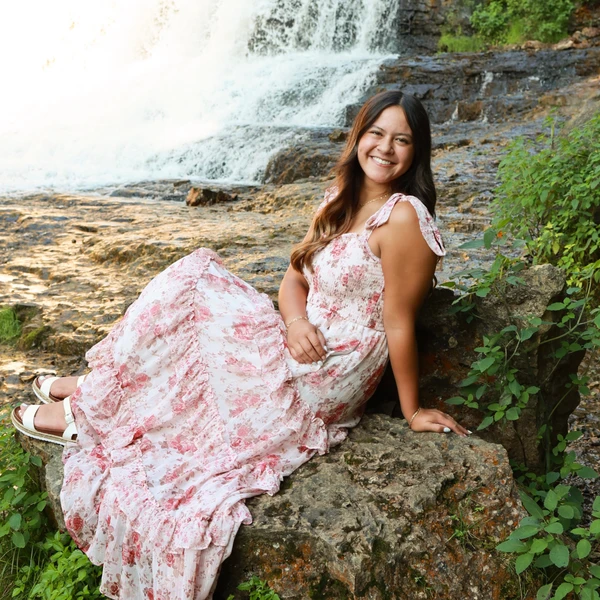
Hi, my name is Megan Harmon. I am a senior in high school and I am looking to major in nursing at the university of Northwestern St. Paul.
Education
Grantsburg High
High SchoolGPA:
4
Miscellaneous
Desired degree level:
Bachelor's degree program
Majors of interest:
- Registered Nursing, Nursing Administration, Nursing Research and Clinical Nursing
Career
Dream career field:
nursing
Dream career goals:
Sports
Artistic Gymnastics
Varsity2019 – 20267 years
Track & Field
Varsity2022 – 20242 years
Volleyball
Varsity2013 – 202613 years
De Los Santos Family Scholarship
One of the most significant challenges I have faced has been managing an ongoing health condition while trying to maintain both academic excellence and personal stability. Beginning in sixth grade, I experienced frequent dizziness and near-fainting episodes that affected many parts of my daily life. I often struggled to understand what was happening, and because I appeared physically healthy, my symptoms were sometimes dismissed or misunderstood. This created frustration and emotional isolation, especially in middle school when I began to feel like I was exaggerating my experiences. Over time, I stopped trying to fully explain what I was going through, which made it even more difficult to seek help.
Despite these challenges, I have maintained a 4.0 GPA throughout high school. However, balancing academics, activities, and my health required constant adjustment. There were times I had to step away from sports or limit participation because my symptoms made it unsafe. One important step I took was learning to advocate for myself, even when it felt uncomfortable. With encouragement from a coach who believed something deeper was going on, I pursued medical evaluation and was eventually diagnosed with postural orthostatic tachycardia syndrome. Receiving this diagnosis brought clarity to years of uncertainty and allowed me to begin managing my condition rather than silently struggling.
This challenge has shaped my academic achievement in meaningful ways. While there were moments of physical limitation, I developed strong discipline, time management, and resilience. Instead of allowing setbacks to define my performance, I learned how to adapt and persist. Maintaining a 4.0 GPA while managing an unpredictable health condition has taught me that success is not only about ability, but also about perseverance and consistency in difficulty.
My Filipino-American identity has also played a central role in shaping my purpose in life. I am biracial, with a Filipino mother and an American father, and my identity has been shaped through both sides of my family. My mother has had a strong influence on my development, especially through her emphasis on discipline, responsibility, and high expectations. While challenging at times, those expectations helped me develop a strong work ethic and encouraged me to explore many interests and hobbies.
My connection to my Filipino heritage became more meaningful when I visited the Philippines. Although I was not raised there, experiencing the country firsthand helped me better understand my mother’s background. Seeing the contrast between life there and in the United States was eye-opening. It made me more aware of privileges I often took for granted and deepened my appreciation for my family’s sacrifices. That experience strengthened my desire to live with purpose and use my opportunities meaningfully.
Being Filipino-American has taught me the importance of family, community, and perseverance. My identity, shaped by both cultures, influences how I define success—not only through achievement, but also through gratitude and responsibility to others.
Ultimately, both my health journey and my Filipino-American identity have shaped who I am today. They have taught me that challenges build resilience and perspective. Moving forward, I hope to pursue a career in nursing, where I can use my experiences to care for others with empathy and understanding. Having experienced what it feels like to be dismissed and later heard, I want to be the kind of nurse who listens, advocates for patients, and helps people feel seen in vulnerable moments. I will continue striving for academic success while staying grounded in empathy and service to others.
Philippe Forton Scholarship
One of the most meaningful experiences I have had involving compassion came through the support of my high school track coach during a long and difficult health journey. Beginning in sixth grade, I experienced frequent dizziness and episodes of near-fainting that I could not explain or understand. When it first started in middle school, I often begged my parents to let me quit sports, but I could not clearly explain what was wrong. Because I appeared physically healthy, I was not believed, and I began to internalize the idea that I must be exaggerating or “faking it.” Over time, I stopped trying to explain my symptoms altogether. I would simply say I “didn’t feel good,” because describing what I was experiencing was emotionally overwhelming and often brought me to tears. It became a topic I avoided, which created distance and misunderstanding in my relationship with my parents and led to isolation. I often felt frustrated and alone, as if I was struggling with something I could not prove or fully express.
The turning point came when I joined track in high school and during my first race, a 200-meter dash, I blacked out at the end of the event. Although I tried to downplay what had happened, my track coach responded with genuine concern. Instead of dismissing it or assuming it was minor, she took the time to listen and asked thoughtful questions about what I had been experiencing. For the first time, I felt like someone truly believed me.
She encouraged me to seek medical evaluation, which I eventually did. However, initial testing did not reveal a clear cause, which made it easy to feel discouraged and return to ignoring the issue, as it proved my parents right. Despite this, my coach continued to check in and gently encourage me to pursue further answers, even when I hesitated to bring it up again at home. Her consistency made me feel like my experience mattered, even when I did not yet have proof that something was wrong.
Over time, I found the courage to ask my parents to continue pursuing medical care. I was eventually referred to a cardiologist, and after additional testing, I was diagnosed with postural orthostatic tachycardia syndrome. That diagnosis finally gave language to years of confusing and isolating symptoms and helped explain experiences I had long been unable to articulate.
Looking back, my coach’s compassion had a profound impact on me. Her willingness to listen without judgment and persist in advocating for my health helped me feel seen during a time when I often felt invisible. Although I ultimately had to step away from both track and gymnastics because of the demands of my condition, I gained a deeper understanding of what compassion truly looks like. It is not only empathy in the moment, but also consistent support that helps someone feel believed long enough to find answers. I also learned how deeply mental and emotional strain can come from feeling misunderstood for an extended period of time.
Becoming a nurse will allow me to serve others in a meaningful way while also providing the kind of reassurance and presence that makes patients feel seen and understood. My experience has taught me how powerful it is when someone takes the time to listen and believe what another person is going through, especially when their symptoms are invisible or difficult to explain. I want to carry that same compassion into my future career in healthcare, where I can advocate for patients not only medically, but emotionally as well.
Wisconsin Gymnastics Scholarship
The greatest lesson I have learned as a leader in high school sports is that true leadership is not measured by performance alone, but by the ability to build community, encourage others, and endure through challenges with resilience. My experience in gymnastics has shaped this understanding in a way that no other activity could.
I first began gymnastics as a young child, but my early experience in the sport was difficult. The environment I trained in focused heavily on pressure and expectations rather than support, and I often felt like mistakes defined my worth as an athlete. Eventually, I stepped away from the sport altogether, unsure if I truly belonged in it.
When I returned to gymnastics in high school, I entered a completely different environment. My coaches emphasized growth, encouragement, and teamwork over perfection. One of the first things I noticed was how differently I was spoken to, not through criticism, but through guidance and patience. That shift changed everything for me. The gym became a place where I felt safe, supported, and valued, and over time it became a true community.
In my junior year, I was honored to serve as team captain. In that role, I intentionally focused on building connection and confidence within the team. I wrote personal notes for each teammate, often including encouraging Bible verses tailored to what they were going through. Before every meet, I led the team in prayer, asking for peace, unity, and confidence regardless of the outcome. I also created a consistent pre-meet routine designed to help everyone feel grounded and mentally prepared. These small actions helped shape a team culture that felt unified, supportive, and intentional. I was especially happy when my teammates would come ask me for prayer, as I was grateful to be someone who was approachable and willing to help.
One of the most meaningful moments of my season came after months of struggling with mental blocks on uneven bars. I had difficulty connecting my skills consistently, and it became a mental and emotional challenge as much as a physical one. At our final meet of the season, everything finally came together: I connected my entire routine, including a new skill I had been working on all year. When I landed my dismount, my coaches ran toward me and hugged me in celebration. In that moment, I understood not only the value of being encouraged, but also the responsibility of being someone who encourages others through their own struggles.
Throughout high school, I also faced ongoing health challenges that began in middle school and were not fully understood until my senior year, when I was diagnosed with postural orthostatic tachycardia syndrome. Over time, it became increasingly difficult to safely and consistently participate in gymnastics, and I ultimately made the decision to step away for my health. I didn't want to misrepresent my values if I could not be mentally present. While that decision was hard, it taught me the importance of listening to my body and valuing long-term well-being. My coaches responded with compassion and understanding, reinforcing the importance of empathy in leadership.
Ultimately, gymnastics taught me that leadership is rooted in community, empathy, and resilience. The most meaningful impact I had was not in scores or achievements, but in the encouragement I gave others and the sense of belonging I helped build. These lessons continue to shape how I lead and support others beyond the gym, especially in moments where strength looks like perseverance, connection, and knowing when to step back for your health.
Arthur and Elana Panos Scholarship
Faith has played an important role in shaping who I am and how I view challenges in my life. My relationship with God has not always been simple or easy, but moments of doubt and growth have ultimately strengthened my faith and helped guide my future.
When I was in sixth grade, I went through a time when I felt extremely isolated and struggled physically in ways I did not yet understand. I often felt so unwell that even walking down the school hallway made me anxious because I felt like I might pass out. It was frightening, especially because no one around me fully understood what I was feeling. Many people believed I was exaggerating or trying to avoid school. Even my parents struggled to understand at the time, and they held me to a high standard. I have always been a straight-A student and have been heavily involved in music and sports, so when I said I did not feel well, it sometimes came across as excuses rather than genuine fear.
During that time, I prayed to God every night asking for things to get better. When my prayers did not seem to be answered the way I had hoped, I began to question my faith. I felt discouraged and wondered why God seemed silent when I felt like I needed Him most. Eventually, that doubt caused me to drift away from my faith.
Looking back now, I realize that God was still present in my life even when I did not recognize it. When I was at one of my lowest points, God worked through the people around me. Through the support and encouragement of my friends and coaches, I slowly began to rediscover my faith. Their kindness reminded me that I was not alone and that God often answers prayers in ways we do not immediately see.
This year, I was diagnosed with Postural Orthostatic Tachycardia Syndrome (POTS). Receiving that diagnosis brought both answers and challenges. I finally understood why I had felt the way I did for so long, but it also meant adjusting parts of my life. I made the difficult decision to step away from gymnastics and track, activities that had been important to me for years. Although letting go of those sports was difficult, it allowed me to refocus my time and strengthen my relationship with God.
My experiences with illness have also helped shape my future goals. I plan to pursue a career in nursing, where I hope to care for others facing confusing or frightening health situations. Living with a chronic and invisible condition has given me a deeper sense of empathy for patients who may feel unheard or misunderstood. My faith reminds me that every person deserves compassion, patience, and dignity.
As a nurse, I hope to reflect my faith through the way I treat others. Even when I cannot change someone’s circumstances, I want to be a source of comfort and encouragement. My faith encourages me to serve others selflessly and approach my work with kindness and purpose.
My journey with faith has included doubt, struggle, and renewal, but those experiences have strengthened my relationship with God. As I pursue a career in nursing, I trust that my faith will continue to guide me in serving others with compassion and hope.
Doing Hard Things My Way: Adaptive Athlete Scholarship
I began gymnastics when I was around three years old and started dance at about the same time. By six, I was playing volleyball, and around twelve I added basketball and cross country. Freshman year of high school, I joined track. Sports were always a huge part of my life and shaped who I was from a very young age.
Everything changed at a basketball camp in sixth grade. I suddenly felt extremely dizzy and almost “out of my body.” At first, I thought it was a one-time thing, but it kept happening. Eventually, I was scared just to walk down school hallways because I worried I would get dizzy and pass out. Along with the dizziness came intense headaches, confusion, and constant fear. I was also running cross country at the time, and my coaches thought I was faking it. Over time, my parents began to think the same.
When I finally went to the doctor, my symptoms were brushed off as anxiety. I left feeling embarrassed and unheard. My mom told me there was nothing they could do and that it was embarrassing to keep complaining if nothing was wrong. I begged to quit basketball, avoided going into stores because bright lights made my symptoms worse, and missed out on many opportunities. The hardest part wasn’t just the physical challenges, it was having no one to talk to and feeling like I had to suffer quietly.
Freshman year, I joined track and was placed in the 200-meter dash. I was nervous to run, but by now I had been coping for around 3 years without anything terrible happening. I blacked out right after crossing the finish line at one meet. My track coach, who was also my gymnastics coach, insisted this wasn’t normal when I told her I had felt this way for years. I went back to the doctor and was referred to a cardiologist, though at first my parents and I put off the appointment. Despite everything, I ran at state in the 4x100 relay my freshman year, and we broke the school record.
Sophomore year was even harder. I had to compete for my relay spot while feeling worse than ever. What had once been difficult, running a 200, became nearly impossible. Even running a 100 was a struggle. I worked relentlessly and earned my spot, but at sectionals we dropped the baton. I was devastated, not just by the outcome, but by how much effort it took just to compete.
When I finally saw a cardiologist, I got answers. I was diagnosed with postural orthostatic tachycardia syndrome (POTS), a form of dysautonomia. My autonomic nervous system struggles to regulate heart rate and blood pressure. It puts me in a vulnerable place when I experience symptoms others can't see. Bright lights, standing too long, showering, walking, or standing up too quickly can trigger symptoms. While it isn’t life-threatening, it is emotionally and physically exhausting and affects nearly every part of my life.
Being an adaptive athlete means learning how to work with my body instead of against it. It means adjusting training, listening to my limits, and redefining success. Sports have shaped my mindset by teaching me resilience, discipline, and perseverance. My confidence now comes not just from performance, but from knowing what I have overcome to keep showing up. There is no definite cure for POTS, but to regulate it I have to have 5 grams of salt a day and a lot of water to go with it. In college, I am determined to continue proving that challenges do not set my limits.