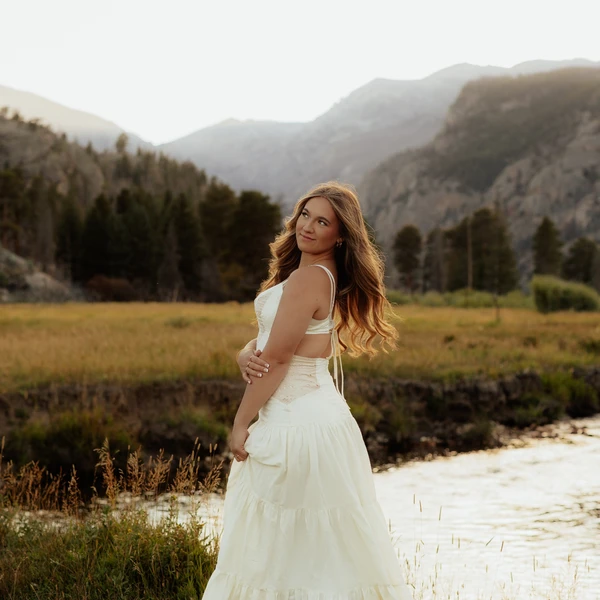
Hobbies and interests
Volleyball
Anatomy
Athletic Training
Biochemistry
Biology
Bodybuilding
Botany
Kickboxing
Chemistry
Animals
Archery
Astronomy
Art
Astrology
ATV Riding
Baking
Beach
Biomedical Sciences
Biotechnology
Boxing
Calisthenics
Ceramics And Pottery
Church
Cleaning
Clinical Psychology
Community Service And Volunteering
Coffee
Concerts
Cooking
Crafting
Data Science
Dirtbiking
Driving
Environmental Science and Sustainability
Exercise And Fitness
Fitness
Forensics
Gaming
Gardening
Genetics
Health Sciences
Journaling
Journalism
Kinesiology
Legos
Makeup and Beauty
Marine Biology
Medicine
Motorcycles
Music
National Honor Society (NHS)
Nursing
Neuroscience
Nutrition and Health
Pilates
Polish
Psychology
Reading
Research
Science
Volunteering
Weightlifting
Reading
Action
Adult Fiction
Art
Classics
Cookbooks
Drama
Epic
Fantasy
Horror
Mystery
Novels
Young Adult
Tragedy
Thriller
Adventure
Social Science
Romance
I read books daily
US CITIZENSHIP
US Citizen
Matylda Podlesny
1x
Finalist
Matylda Podlesny
1x
FinalistBio
My name is Matylda, I want to study and go into Orthopedic surgery, and have a major in Kinesiology. I want to go to College in California and I love the beach.
Education
Front Range Community College
Trade SchoolMajors:
- Sports, Kinesiology, and Physical Education/Fitness
Minors:
- Medicine
GPA:
4
Jefferson Academy High School
High SchoolGPA:
4
Miscellaneous
Desired degree level:
Master's degree program
Graduate schools of interest:
Transfer schools of interest:
Majors of interest:
- Biomedical/Medical Engineering
- Biochemical Engineering
- Sports, Kinesiology, and Physical Education/Fitness
- Cell/Cellular Biology and Anatomical Sciences
- Medicine
- Molecular Medicine
Career
Dream career field:
Medical Devices
Dream career goals:
To make a more compassionate, available, and understanding medical field, as well as start my own firm. And start many donation opportunities for the less fortunate.
Arcade attendant
Geemu Geemu2026 – Present5 monthsIntern
Intermountain Health Hospital2025 – Present1 yearFront of House
Chick-Fil-A2025 – 20261 year
Sports
Volleyball
Junior Varsity2023 – 20263 years
Volleyball
Club2023 – 20241 year
Research
Biological and Physical Sciences
My own organization it was a personal study and my own research — Main everything2026 – Present
Arts
School
Ceramicsyes2025 – 2026
Public services
Volunteering
Intermountain Health Hospital — Shadower2025 – Present
Future Interests
Advocacy
Politics
Volunteering
Philanthropy
Entrepreneurship
Harry & Mary Sheaffer Scholarship
As a first-generation college student, I understand what it feels like to enter spaces that were not designed with people like me in mind. Pursuing higher education has required me to navigate uncertainty, financial stress, and pressure without having a roadmap to follow. However, those experiences have also shaped the way I see other people and the kind of impact I want to make in the world.
One of the most important skills I have developed through my experiences is empathy. Growing up, I learned that many people carry struggles silently, such as financial hardship, family responsibilities, mental health challenges, discrimination, or fear about the future. Because of this, I try to approach people with understanding rather than judgment. I believe empathy is one of the most powerful tools we have for creating stronger communities because people are more likely to feel valued, supported, and understood when someone truly listens to them.
I plan to use my education, communication skills, and experiences to help build a more compassionate and understanding global community. Through volunteering, leadership opportunities, and my interactions with others, I have learned how important it is to make people feel heard. Sometimes the smallest acts of support can completely change someone’s perspective or give them hope during difficult moments. I want to continue being someone who uplifts others and creates environments where people feel respected, regardless of their background or circumstances.
My goal of becoming an orthopedic surgeon is deeply connected to this desire to help people. Medicine is not only about treating physical conditions; it is about caring for people during some of the most vulnerable moments of their lives. I want to become a doctor who treats patients with compassion and dignity, especially individuals who may feel overlooked because of financial barriers or lack of access to healthcare. I hope to advocate for more affordable and accessible medical care while also contributing to research on rare bone diseases that often receive little attention or funding.
I also believe my background as a first-generation student gives me a unique perspective. I understand how difficult it can feel to pursue goals while lacking financial security or guidance. Because of this, I hope to mentor younger students in the future, especially those from underrepresented or low-income backgrounds, so they feel less alone in navigating education and their futures. Representation and support matter, and I want to become the kind of person who helps others realize their potential even when they doubt themselves.
Additionally, I have learned the importance of communication through experiences such as speech and debate. Those opportunities taught me how to advocate for ideas thoughtfully, listen to different perspectives, and engage in meaningful conversations with people whose experiences differ from my own. In a world where division and misunderstanding are increasingly common, I believe the ability to communicate with empathy and respect is essential.
Building a more empathetic global community begins with the way we treat people every day. It begins with listening, helping, educating, and choosing compassion even when it is easier to remain indifferent. My experiences have taught me resilience, but they have also taught me humanity.
As I continue my education, I want to use my skills, voice, and future career to create positive change by helping people feel seen, cared for, and understood. To me, success is not only measured by personal achievement but by the impact we leave on the lives of others.
Our Destiny Our Future Scholarship
The impact I hope to make on the world begins with helping people who feel overlooked, unheard, or unable to access the care they deserve. My goal is to become an orthopedic surgeon, not only to treat injuries and bone conditions, but also to make healthcare more accessible and compassionate for people who cannot easily afford it.
I have always been drawn toward medicine because I understand how deeply health affects every aspect of a person’s life. When someone is in constant pain or struggling with a medical condition, it impacts not only their body but also their confidence, mental health, relationships, and ability to live normally. What especially interests me about orthopedics is the ability to help restore movement, independence, and quality of life. Helping someone walk again, recover from an injury, or live without severe pain is more than just a medical procedure; it is giving someone a part of their life back.
However, one of the biggest issues I have noticed within healthcare is accessibility. Too many people delay treatment because they cannot afford it, fear medical bills, or lack access to proper specialists. I want to help change that. In the future, I hope to work in underserved communities and advocate for more affordable healthcare so people are not forced to choose between their health and financial stability. I believe healthcare should be centered around helping people, not just those who can afford the highest level of treatment.
I am also passionate about researching rare bone diseases and disorders. Many people suffering from rare conditions feel invisible because there is limited research, limited funding, and often very few treatment options available to them. I want to contribute to medical research that improves understanding, treatment, and quality of life for patients living with these conditions. Even if I am only able to help a small number of people directly through research or treatment, I believe that impact still matters deeply.
Beyond medicine itself, I want to make an impact through compassion. One thing I have learned through volunteering and helping others is that people remember how you make them feel, especially during vulnerable moments in their lives. I want to become the kind of doctor who listens to patients, treats them with dignity, and genuinely cares about their well-being. In healthcare, empathy can be just as important as medical knowledge.
My experiences volunteering have shown me how many individuals silently struggle with financial hardship, stress, and a lack of support. Those experiences strengthened my desire to pursue a career where I can directly improve lives. They also taught me that making a positive impact does not always require huge actions; sometimes it begins with showing consistency, kindness, and a willingness to help when someone needs it most.
Pursuing medicine will require years of hard work, sacrifice, and dedication, but I am willing to commit to that journey because I know the difference compassionate healthcare can make. I want my future career to be about more than professional success. I want it to be about creating change, helping people feel hopeful during difficult moments, and contributing to a future where healthcare and medical advancements are more accessible to everyone.
To me, making an impact means leaving people better than I found them. Through medicine, research, and service, I hope to spend my life doing exactly that.
Road Home Exteriors Scholarship
The motto “Do What Is Expected, Then Do More” resonates with me because it reflects the mindset I have carried throughout my life. Growing up, I learned that success is not built by doing the bare minimum. It comes from consistency, effort, and the willingness to push beyond what is required, even when no one is watching.
As a student, I have always tried to approach my responsibilities with that mindset. Completing assignments and maintaining good grades are expectations, but I believe true growth comes from going further. Whether it means staying after class to better understand material, helping classmates who are struggling, or balancing extracurricular activities and volunteering alongside academics, I try to challenge myself to give more than what is simply asked of me.
One example of this mindset was during a group project where several students stopped contributing because they were overwhelmed with other responsibilities. I could have completed only my assigned portion and accepted whatever outcome followed, but I knew the project would fail if someone did not step up. I spent extra hours organizing the work, communicating with group members, and helping complete unfinished sections to ensure the project succeeded. It was stressful, and at times frustrating, but it taught me an important lesson: leadership often means doing more than your share because you care about the outcome and the people depending on you.
I also try to live out this motto outside the classroom. Through volunteering and helping within my community, I have learned that small extra efforts can make a significant difference. Sometimes “doing more” means taking time to encourage someone who feels discouraged, offering help without being asked, or staying committed even when recognition is not guaranteed. I believe character is revealed most clearly through the things people choose to do when there is no reward attached.
Growing up in a low-income environment also shaped my understanding of hard work and perseverance. I watched the people around me constantly sacrifice to create opportunities for their families. Seeing that taught me never to take opportunities for granted. Because of those experiences, I approach education with determination and gratitude. I understand that pursuing higher education is not only about achieving personal success, but also about creating a future where I can support others and give back to my community.
There have been moments where balancing academics, responsibilities, and personal challenges felt overwhelming. However, those moments pushed me to become more disciplined and resilient. I learned that doing more does not always mean being perfect; sometimes it means continuing to push forward despite exhaustion, setbacks, or self-doubt.
In the future, I plan to continue living by this motto in both my education and career. I want to be someone who exceeds expectations, not for recognition, but because I believe effort, integrity, and compassion matter. Whether through leadership, service, or my future profession, I want my actions to reflect someone who consistently gives their best and looks for ways to uplift others along the way.
To me, “Do What Is Expected, Then Do More” is more than a motto. It is a mindset that has shaped the way I approach challenges, opportunities, and the person I hope to become.
“I Matter” Scholarship
One of the most meaningful times I helped someone in need was not through a grand gesture, but through simply being there for someone when they felt completely alone.
A close friend of mine was going through an incredibly difficult time emotionally and academically. From the outside, most people would not have noticed anything was wrong. They still came to school and tried to act normal, but I could tell they were struggling. Over time, they began isolating themselves, falling behind in classes, and losing confidence in themselves. I remember one day after school when they finally broke down and admitted they felt overwhelmed by problems at home, stress about the future, and the pressure of trying to hold everything together alone.
At that moment, I realized how easy it is for people to silently suffer while everyone around them assumes they are okay. Instead of giving quick advice or pretending I understood everything they were feeling, I focused on listening. Sometimes people do not need someone to “fix” their problems immediately; they need someone who reminds them they are not facing them alone.
I started checking in on them consistently, helping them with schoolwork when they were falling behind, and encouraging them not to give up on themselves. There were days when they felt unmotivated to even come to school, so I would remind them of their goals and the future they still deserved to have. I stayed patient even when progress was slow because I understood that healing and growth take time.
What impacted me most was realizing how much small acts of support can matter to someone who feels lost. Eventually, I saw changes in them. They became more engaged in school again, started opening up more, and slowly regained confidence in themselves. One day, they told me, “Thank you for not giving up on me when I was giving up on myself.” That sentence stayed with me because it showed me the power of simply caring for another person consistently and genuinely.
Growing up in a low-income environment and witnessing struggles within my own community has made me especially sensitive to the challenges people carry privately. Many people are fighting battles others know nothing about, such as financial stress, family problems, mental health struggles, or fear about their future. Because of this, I have always tried to lead with compassion and understanding rather than judgment.
This experience taught me that helping others does not always require money or perfect solutions. Sometimes helping someone means offering your time, encouragement, patience, and support when they need it most. It also showed me the kind of person I want to become in the future: someone who uplifts others and uses their experiences to create positive change.
As I pursue higher education, I want to continue making an impact on people around me, especially those who feel unheard or unsupported. I understand how much one person’s kindness can change someone’s mindset, confidence, and future because I have seen it firsthand.
Helping my friend through one of the hardest periods of their life reminded me that success is not only measured by personal achievements, but also by the way we show up for others when they need us most.
Goobie-Ramlal Education Scholarship
Being the child of immigrants has shaped every part of how I view education, sacrifice, and success. My family came to the United States carrying more hope than certainty. Like many immigrant families, they left behind familiarity, comfort, and stability in pursuit of better opportunities for future generations. They arrived with little except determination, resilience, and the belief that hard work could create a different life for their children.
Growing up, I watched my family work tirelessly to build stability from the ground up. There were sacrifices they made that often went unnoticed. Long hours, financial struggles, language barriers, and the emotional weight of trying to adapt to a completely different country while still holding onto the culture and values they came from. Even during difficult times, they never stopped emphasizing the importance of education. To them, education was not simply about earning a degree; it was a pathway toward opportunity, security, and freedom.
As a first-generation college-bound student, I carry both pride and pressure. There is pride in knowing that I am pursuing opportunities my family worked so hard to make possible. But there is also pressure in being the first to navigate a path none of us fully understand. There is no blueprint for college applications, financial aid, or higher education within my household. Much of the process has required me to learn independently while balancing academics, responsibilities, and uncertainty about the future.
At times, that responsibility has felt overwhelming. I have questioned whether I was capable enough or whether the financial burden of college would make my goals unrealistic. However, whenever I felt discouraged, I thought about the sacrifices my family had already made for me to have opportunities they never had themselves. Their resilience became my motivation to continue pushing forward.
My experiences have also inspired my commitment to helping others. Through volunteering, I have seen how important support and guidance can be for people who feel overlooked or underserved. Being part of an immigrant family has made me deeply aware of how many individuals struggle silently with barriers related to language, finances, or lack of access to resources. Because of this, I want to use my education not only to improve my own life, but also to create opportunities for others.
I hope to make a positive impact by becoming someone who advocates for underserved communities and helps others feel seen, supported, and empowered. I want to use the education I receive to create stability for my family while also giving back to communities that face challenges similar to the ones my family experienced. Whether through mentorship, community involvement, or my future career, I want my success to become something larger than myself.
The story of Rhia Ramlal Wagner and her family resonates deeply with me because it reflects the same values I have grown up witnessing in my own family: sacrifice, perseverance, and the belief that education can change generations. Like Rhia’s grandparents, my family worked hard not only for themselves, but for the future of those who came after them.
This scholarship would represent more than financial assistance. It would represent recognition of the sacrifices immigrant families make and belief in students like me who are striving to honor those sacrifices through education. I want my future to reflect the resilience of the people who came before me and prove that their hard work was not in vain.
Scorenavigator Financial Literacy Scholarship
Growing up in a low-income household completely changed the way I view money. For my family, finances were never something we could ignore or take for granted. I learned early that every dollar mattered. There were moments when I watched my family stress over bills, unexpected expenses, and sacrifices that had to be made just to stay afloat. While other students talked about shopping trips or vacations, I became aware of things like budgeting, overdue payments, and the emotional weight financial insecurity can place on a family.
One of the hardest parts about financial struggles is how invisible they can be. From the outside, people may not realize how much stress comes from constantly worrying about whether there will be enough money for necessities. I remember seeing my family put their own needs aside so I could have opportunities they never had. Watching that made me determined to create a different future for myself.
Unfortunately, financial literacy is not something everyone is taught. Many young people, especially those from low-income backgrounds, enter adulthood without understanding credit, debt, budgeting, or how to build financial stability. I realized how important financial education was when I began learning how easily poor financial decisions can affect someone’s future for years. Instead of seeing money as something to fear, I started seeing financial literacy as a tool for independence and security.
As I learned more about budgeting, saving, and credit, I became more conscious of the decisions I make now and how they will affect my future later. I have started thinking carefully about college expenses, student loans, and how to avoid financial mistakes that could create long-term setbacks. Financial education has shown me that success is not only about earning money, but also about knowing how to manage it responsibly.
My experiences have made me ambitious because I know firsthand how life-changing financial stability can be. Pursuing higher education is important to me because I want to build a future where financial stress does not control my life or my family’s life. I want the ability to support myself, help my loved ones, and eventually give back to others who come from backgrounds similar to mine.
In the future, I plan to continue expanding my financial knowledge so I can make smart decisions regarding savings, credit, investing, and long-term planning. I want to break cycles of financial insecurity instead of repeating them. Beyond helping myself, I also hope to share what I learn with others, especially younger students who may not have access to financial education at home. I understand how easy it is for people to fall into financial traps simply because no one taught them differently.
My financial experiences have taught me resilience, discipline, and the importance of preparation. They have also motivated me to work harder academically because I understand the opportunities education can create. This scholarship would not only help lessen the financial burden of college, but it would also support my goal of creating a more stable future through education and financial responsibility.
I may not have grown up with financial security, but I have grown up with determination. That determination is what continues to push me toward a future where I can turn the struggles I witnessed into motivation for success.
Dan Leahy Scholarship Fund
The person I admire most is my mom. Not because her life was easy, but because it wasn’t.
Growing up, I watched her carry responsibilities that most people would have collapsed under. She worked through exhaustion, stress, and uncertainty while still finding ways to support the people around her. Even during difficult times, she never allowed herself to stop moving forward. There were nights when I could tell she was overwhelmed, yet she still asked about my schoolwork, my goals, and the future she believed I could have. She constantly reminded me that education was something nobody could ever take away from me.
Watching her sacrifice so much changed the way I viewed higher education. To me, college is not just the next step after high school; it is an opportunity to build stability, create new possibilities, and honor the sacrifices my family made for me to get here. Whenever I doubted myself or questioned whether I was capable of succeeding, my mom was the person who reminded me that my circumstances did not define my potential.
Her resilience also inspired me to find my own voice, which is what ultimately led me to speech and debate and mock trial.
When I first joined, I was intimidated. Speaking in front of people felt terrifying, and I constantly worried about saying the wrong thing or embarrassing myself. But over time, speech and debate became more than an extracurricular activity. It became the place where I learned how to think critically, speak with confidence, and advocate for ideas I believed in. Mock trial challenged me differently. It taught me how to stay composed under pressure, analyze situations carefully, and defend arguments with evidence and purpose.
More importantly, these activities helped me grow as a person. I learned that having a voice means more than simply speaking loudly; it means being informed, prepared, and willing to stand up for others even when it feels uncomfortable. Through speech, debate, and mock trial, I developed confidence not only in public speaking, but also in myself.
There were moments where balancing academics, extracurriculars, and personal challenges felt overwhelming, but these experiences pushed me to become more disciplined and resilient. Every competition, every practice, and every late-night argument reminded me why I wanted to continue my education. I realized that I want a future where I can use my voice to make an impact, whether that is through leadership, advocacy, or helping others feel heard.
Dan Leahy’s belief that students should have access to opportunities that shape them into articulate speakers and critical thinkers strongly resonates with me because I have experienced firsthand how transformative these programs can be. Speech and debate gave me confidence I did not know I was capable of having. They taught me skills that extend far beyond competition and into everyday life.
This scholarship would not only support my educational goals, but it would also represent an investment in the person I am, continuing to become someone who has learned the importance of perseverance, education, and using their voice with purpose. The lessons I have learned from my mom and from speech and debate will stay with me long after high school, continuing to guide me toward the future I am working hard to achieve.
Prince Justice Memorial Scholarship
Watching someone you love live with Sickle Cell Disease changes the way you see the world. For me, it meant growing up understanding pain long before I truly understood life itself.
One of my family members has lived with Sickle Cell Disease for as long as I can remember, and witnessing their journey has deeply shaped who I am today. I have seen the physical pain that can arrive without warning and completely interrupt everyday life. I have watched hospital visits become routine, birthdays and holidays get interrupted, and moments of joy suddenly turn into moments of fear. Some of my earliest memories are of sitting in waiting rooms, hearing doctors explain complications I was too young to fully understand, and wishing there was something I could do to take their pain away.
What impacted me most was not only the disease itself, but the emotional toll it carried. I saw how exhausting it was to constantly push through pain while trying to live a normal life. There were days when my family member looked completely fine on the outside while silently battling intense discomfort and fatigue. Watching that taught me how invisible suffering can be and how important compassion truly is.
At times, Sickle Cell Disease affected my entire family emotionally and financially. Plans would change suddenly because of hospitalizations or health complications. There was always uncertainty surrounding whether a “good day” could quickly become a painful one. Seeing someone I love go through that made me feel helpless at times, but it also gave me perspective and strength. It taught me not to take health, education, or opportunities for granted.
Despite everything, the person I watched fight this disease never gave up on life. Even during difficult moments, they continued working toward their goals, showing love to others, and finding reasons to keep moving forward. Their resilience became one of the greatest sources of inspiration in my life. They showed me that strength is not pretending pain does not exist; it is choosing to continue despite it.
Because of them, I approach my own goals with determination and gratitude. Education means more to me than simply earning a degree. It represents stability, opportunity, and the ability to create a future where I can support both myself and the people I love. Watching someone battle Sickle Cell Disease has motivated me to work harder, stay focused, and appreciate every opportunity I am given because I know how quickly life can change.
Prince Justice Williams’ story resonates deeply with me because it reflects the same courage and perseverance I have witnessed within my own family. His determination to pursue his passions despite the challenges of Sickle Cell Disease is incredibly inspiring. Stories like his remind me that a person’s condition does not define their dreams or their potential.
This scholarship would mean more than financial support for my education. It would represent hope, resilience, and the belief that struggles do not have to stop someone from building a meaningful future. Although I do not personally live with Sickle Cell Disease, witnessing its impact on someone I love has shaped my character, my perspective, and my motivation to succeed.
Their fight became part of my story too, and it continues to inspire the person I am becoming every day.
Evan T. Wissing Memorial Scholarship
For a long time, I believed survival and success were two completely different things. Survival meant making it through the day without falling apart. Success was something I watched other people achieve while I focused on simply getting by.
There were struggles in my life that most people never saw. From the outside, I looked like a normal student. I showed up to school, completed assignments, and acted like everything was fine. But internally, I was carrying emotional weight that made even simple things feel overwhelming. There were nights I stayed awake worrying about my future and questioning whether my circumstances would always hold me back.
The hardest part about struggling is how invisible it can be. People see grades, attendance, or accomplishments, but they do not see the effort it takes for someone to keep going when they feel exhausted mentally and emotionally. I became good at hiding pain and convincing myself that asking for help was a weakness. Instead, I tried to handle everything alone.
Over time, that mindset isolated me. I began doubting myself and my ability to build a future I could truly be proud of. There were moments when it felt easier to give up than continue fighting for goals that seemed far away. But eventually, I realized that hardship does not have to define a person forever.
What changed me was understanding that rising above struggles is not one dramatic moment where life suddenly becomes perfect. It is choosing, every single day, to keep moving forward despite fear, disappointment, or pain. It is waking up and deciding that your past will not decide your future.
Education became my fresh start.
I started viewing school as more than just something I had to do. It became my opportunity to create a different life for myself. Every assignment completed, every late night studying, and every challenge I pushed through became proof that I was capable of more than I once believed. Even when things felt difficult, I kept going because I knew I wanted something better for myself and for my future.
That is why Evan Wissing’s story resonates with me so deeply. Everyone deserves the chance to grow beyond their mistakes, struggles, or circumstances. Sometimes people simply need hope, support, and an opportunity to rebuild. Education gives people that opportunity. It gives them a chance to create a future rather than remain trapped by the past.
I am still working to rise above the challenges I have faced, and I know growth does not happen overnight. But I am proud of the resilience I have developed through those experiences. The struggles I have endured have made me stronger, more compassionate, and more determined to succeed.
This scholarship would mean more to me than financial support. It would represent the belief that people can overcome difficult situations and the belief that fresh starts are possible. My struggles are part of my story, but they are not the end of it. I want my future to be defined not by what I went through, but by the strength it took to rise above it.
Sarah Eber Child Life Scholarship
Adversity doesn’t always arrive as a single, dramatic moment. Sometimes it builds slowly, reshaping the way you see yourself before you even realize it’s happening. For me, that challenge came during a period when my mental health began to decline in a way I couldn’t easily explain or control. What made it especially difficult was not just the struggle itself, but its invisible nature, trying to function in school, maintain relationships, and meet expectations while feeling overwhelmed inside.
At first, I viewed this experience as a personal failure. I thought that if I were stronger or more disciplined, I would be able to “fix” it on my own. That mindset only deepened the problem, as I became increasingly isolated and hesitant to reach out for help. Over time, however, I began to recognize that adversity is not always something to overcome through force. Sometimes, it requires understanding, patience, and a willingness to change your approach.
My plan of action started with small but meaningful steps. I sought support from trusted adults and professionals, even though it felt uncomfortable at first. I also began to educate myself about mental health, which helped me put language to what I was experiencing. Instead of fighting against my emotions, I worked on managing them, developing healthier routines, setting realistic goals, and allowing myself space to recover without guilt. This shift from resistance to acceptance was not immediate, but it was transformative.
As I gained more stability, I noticed a change not only in how I handled my own challenges, but in how I related to others. I became more attentive, more empathetic, and more aware of the struggles people carry quietly. It made me realize how critical support systems are, especially for individuals, particularly children, who may not yet have the tools to advocate for themselves. That realization has directly influenced my desire to pursue a career in a health- or family-services-related field.
This experience reshaped my perception of life in a lasting way. I no longer see adversity as something purely negative or something to be avoided at all costs. Instead, I see it as an opportunity for growth, perspective, and connection. It taught me that strength is not defined by independence alone, but by the courage to seek help and the determination to keep moving forward, even when progress feels slow.
Sarah Eber’s story reflects a powerful commitment to turning personal hardship into compassion for others. While I was not able to choose the challenges I faced, I have chosen how to respond to them. I carry forward the understanding that even difficult experiences can inspire meaningful purpose, and I am committed to using mine to support and advocate for children who are navigating their own hardships.
Taylor Swift Fan Scholarship
The most moving Taylor Swift performance isn’t defined by spectacle, but by vulnerability. And for me, that moment is her 2021 Grammy Awards performance of “cardigan,” “august,” and “willow.” Stripped of the towering stadium lights and roaring crowds that often define her career, Swift stepped into a quiet, almost storybook-like setting. Sitting barefoot in a moss-covered cabin, she transformed the stage into something intimate, as if the audience had been invited into the inner workings of her imagination.
What makes this performance so powerful is how it redefines what it means to be “in the spotlight.” Swift, an artist often associated with massive tours and highly choreographed productions, instead leaned into stillness and storytelling. The performance wasn’t about commanding attention; it was about earning it through subtlety. Her voice carried a softness that felt intentional, as if each lyric was being shared rather than performed. In doing so, she blurred the line between artist and narrator, guiding listeners through the emotional landscapes of folklore and evermore.
The transition between songs is particularly striking. “Cardigan” flows into “august” and then into “willow” seamlessly, mirroring the interconnected narratives of her albums. It’s not just a medley; it was like a journey. Watching it feels like moving through different rooms of the same memory, each one colored by longing, nostalgia, or quiet acceptance. This cohesion reflects Swift’s evolution as an artist: no longer focused solely on individual hits, but on crafting entire worlds.
What resonated most with me, though, was the sense of control Swift demonstrated, not over the audience, but over her own narrative. In an industry that often demands constant reinvention, she chose introspection. She embraced a quieter version of herself and trusted that it would be enough. That decision feels deeply aligned with the idea behind “The Life of a Showgirl”, the recognition that a life in the spotlight isn’t just about performance, but about the courage to reveal who you are when the performance fades.
In that Grammy moment, Swift wasn’t just entertaining; she was inviting reflection. And in doing so, she reminded me that the most moving performances aren’t always the loudest. They’re the ones who feel the most honest.
Robert F. Lawson Fund for Careers that Care
I have always been a competitive person, but one moment in my life changed what that competitiveness meant to me.
A few years ago, someone close to me began struggling with severe bone pain that didn’t seem normal. At first, she and I brushed it off as something temporary. Probably from volleyball, but over time, it worsened and became much more serious. Watching her go through doctor visits, uncertainty, and constant discomfort was frustrating, not only for her but for me as well. I've been wanting to go into the medical field and just seeing how much pain they were in and how long it took to get answers made me annoyed as well. I remember feeling helpless, sitting in waiting rooms with her and realizing how complicated and slow the healthcare system can be, especially when the condition is rare or not well understood.
That experience stayed with me. It made me realize that behind every diagnosis is a person whose life is being affected in so many ways that most people don’t recognize. It also made me ask a bigger question: Why are some conditions still so difficult to treat, and why aren’t there better, more accessible solutions?
Since then, my competitiveness has shifted. Instead of just wanting to succeed for myself, I want to push myself to solve problems that actually matter. This is what led me to pursue a future in healthcare, specifically in orthopedic surgery. I am especially interested in researching rare bone conditions and finding ways to improve treatments like bone marrow transplants so they are not as difficult, expensive, or inaccessible for patients.
I want to be part of a future where people don’t have to wait in uncertainty or struggle just to receive care. My goal is to contribute to research that accelerates treatment development, improves effectiveness, and makes treatments more widely available, especially to those who might not have the financial means to access specialized care. No one should feel helpless when it comes to their health.
As a low-income student, I understand what it feels like to face barriers that others may not have to think about. I have had to stay focused and determined, even when resources were limited. That has built my resilience and made me more driven to succeed. For myself and for the people like my best friend.
I don’t just want to be a doctor who treats patients. I want to be someone who contributes to lasting change in medicine. Someone who helps create solutions that improve lives on a larger scale. Whether that is through research, innovation, or patient care, my goal is to make sure fewer people have to go through the kind of uncertainty and pain that inspired me to pursue this path.
My competitiveness pushes me to keep going, even when things are difficult. But more importantly, it pushes me to aim higher. And to not settle for existing solutions when better ones can be created. Through my career, I hope to turn that drive into meaningful impact and help build a world where healthcare is not just advanced, but also accessible and compassionate.
Ethel Hayes Destigmatization of Mental Health Scholarship
Despite living in one of the most educated and compassionate periods in history, there are still millions of people who struggle with mental illness because they are ashamed of it. I am one of those people. My own journey with mental health, specifically borderline personality disorder, has shaped my goals, relationships, and understanding of the world in profound ways. I have ultimately chosen to go towards a future in orthopedic surgery, where I hope to care for someone's entire being and not just their physical condition.
Living with borderline personality disorder has deeply influenced how I experience emotions, relationships, and my self-identity. My emotions often feel so intense and overwhelming that daily situations are more challenging for me than for anybody else. For a long time, I believed this intensity was me just overreacting and being just a woman, and that I should just stop. So I tried to hide it. But once I got diagnosed, it felt like even more something to hide. I suppressed my feelings, afraid of being judged or misunderstood. The more I bottled my emotions up, the more I would spiral and go into manic episodes. Which deepened my sense of isolation. I learned how easily pain can go unnoticed when it is invisible.
I bottled up my diagnosis and never told any of my close friends about it. But I would later realize I shouldn't be scared of it. My diagnosis gave me a reason for why I do what I do, and what I once thought were personal failures were explained by it. Seeing my diagnosis through this lense allowed me to approach my mental health with understanding rather than shame. Through therapy, self-reflection, and education, I began to recognize that mental illness requires the same seriousness, patience, and long-term care as any physical condition. This realization reshaped how I view healthcare as a whole.
My experiences with mental health have significantly shaped how I approach relationships. I have learned the importance of communication, accountability, and empathy. These skills being essential not only in personal relationships, but also in medicine. Navigating intense emotions has forced me to develop emotional awareness and resilience. Which helps me understand how vulnerable it can feel to place trust in someone else. As a future physician, I want to be the person patients feel safe opening up to, especially when they feel unheard or overwhelmed.
These lessons are central to why I am drawn to orthopedic surgery. While orthopedics is often viewed as a physically focused specialty, many patients face emotional and psychological challenges alongside their injuries or chronic conditions. It is so mentally straining for a patient to go through multiple surgeries, rehabilitation, and physical therapy. This usually takes years for a patient to fully recover. Not to mention a lot of patients with rare bone disorders, disabilities, or long-term orthopedic conditions often experience frustration, loss of independence, and emotional distress that mirrors the invisibility I have felt in my own mental health journey. I want to practice orthopedic surgery in a way that acknowledges both the physical and emotional impact of musculoskeletal conditions.
My understanding of mental health has also made me deeply aware of stigma. Both in society and within healthcare systems. Too often, patients are rushed, reduced to diagnoses, or expected to “push through” pain without acknowledgment of their own emotional experience. This is especially true for individuals with rare conditions or disabilities. I aspire to be an orthopedic surgeon who challenges this approach by creating an inclusive, patient-centered environment where individuals feel heard and respected.
Beyond direct patient care, my experiences have shaped my long-term goals in medicine. I hope to advocate for integrated care models that recognize the connection between physical recovery and mental well-being. Orthopedic injuries and surgeries often require long rehabilitation periods, during which mental health support is critical to recovery. By promoting collaboration between orthopedic care, physical therapy, and mental health resources, I aim to improve patient outcomes and overall quality of life.
Living with BPD has taught me resilience, humility, and the importance of continual self-improvement. I understand that healing is rarely linear, whether physical or emotional. This perspective has strengthened my commitment to lifelong learning and compassionate care, values that will guide me throughout my medical training and career.
In honoring the mission of the Ethel Hayes Destigmatization of Mental Health Scholarship, I carry forward the belief that bringing darkness into the light allows it to fade. By openly acknowledging my mental health journey and using it to inform my pursuit of orthopedic surgery, I hope to help reduce stigma within healthcare and beyond. Through empathy, advocacy, and patient-centered medicine, I aspire to be a physician who not only repairs bones but also restores dignity, trust, and hope.
Sabrina Carpenter Superfan Scholarship
Sabrina Carpenter has been a huge influence in my life; I have loved her from day one! Watching her play Maya Hart on Girl Meets World allowed me to connect with someone who was smart, strong and relatable. Her character used her comedic side to disguise her vulnerabilities and showed that it is not only acceptable to be complicated and flawed but also to have room for growth. The way that Maya handled the obstacles she faced and the relationships she built helped me grow more resilient towards my own struggles and to have more self-awareness. In addition to acting, Sabrina's music creates a sense of emotional connection and empowerment within me through her lyrics, such as "Please, Please, Please" and "Espresso." Most of these songs are exceptionally catchy, but I am also moved by the genuine vulnerability of the messages in each song, which remind me to be true to myself and embrace all the parts of me that I may try to hide.
Sabrina inspires me through her voice and talents as well as by positively using them to motivate others. She represents the belief that dream chasing should not come at the expense of being kind, honest, or authentic. The way she approaches challenges, relationships, and expressing herself impacts my perspective of those same areas. Listening to her music or thinking about her body of work gives me confidence and reminds me to keep working hard and to always be myself whenever I am feeling doubtful or defeated.
I am a fan of Sabrina Carpenter for more than just her talent. I appreciate her as an individual who is courageous and inspiring to her fans to celebrate their uniqueness. Sabrina has shown me that creativity and self-expression can be used as tools to grow personally and connect with others. Her influence on the way I view my life, the way I deal with challenges, and the importance I place on pursuing dreams while remaining genuine has forever altered my perspective of life. I will be forever grateful for how much Sabrina Carpenter has entertained and inspired me to embrace both my current self and the person I wish to become.
Love Island Fan Scholarship
For my challenge, I decided to do a fun game about testing the couples through drama. The name of the challenge is Heartstrings Tug-of-Love.
The Objective:
To test the emotional bonds, communication, and trust between couples while adding drama and excitement to the villa.
For the Setup:
The challenge would take place on a giant inflatable platform in the villa’s pool. There would be two parallel lanes on the platform. Each lane would have a “heart ring” suspended on a post. And each couple would receive a long rope, with a large heart-shaped flag attached to the center of the rope. And the couple would start at the opposite end of the lane from their heart ring.
For the Rules:
1. Each couple must work together to move their heart flag from their starting point to the heart ring at the other end. The rope must remain tight at all times.
2. If the flag touches the water or the rope slackens too much, the couple must return to the start.
3. Only physical coordination between the couple is allowed.
4. No outside interference.
5. The first couple to successfully place their heart flag in the ring wins the challenge.
For the Twist/Drama Element:
Midway through the challenge, a “Couple Switch” twist would be introduced. Where the islanders must briefly swap partners with another couple for a brief 30 seconds. And then they would attempt to move the rope with a new partner, testing communication, chemistry, and adaptability. After the 30 seconds, they would return to their original partner to finish the challenge.
As for the excitement Factor:
It would be the physical humor and awkwardness. Especially with the slippery inflatable platform and the pool beneath, it would ensure plenty of comedic falls, splashes, and dramatic tension.
Emotional stakes: The twist tests trust and adaptability in romantic relationships, giving both the islanders and viewers insight into the strength of each connection.
For Viewer engagement, Fans will be talking about how certain couples handle the partner swap. Like, will they remain calm, or will jealousy and miscommunication erupt?
For the reward:
The couple that wins would receive a private romantic date in the villa with extra luxury perks such as champagne, a spa setup, or even a sunset dinner to heighten viewer envy and villa competition.
Why I think it fits Love Island:
The challenge combines physical challenge, humor, and romance, which are all signature elements of the show. And I think that it would encourage interaction between couples, creating potential for new drama and alliances. It would also test not just physical skill, but emotional intelligence, trust, and adaptability for couples. Which are key ingredients in the villa’s social dynamics.
Grace In Action Scholarship
I learned early in life that silence can be just as powerful as words. Not because it is chosen, but because it is forced. For my parents, immigrants from Poland, language barriers often turned simple conversations into overwhelming obstacles. Watching them struggle to be understood shaped my understanding of resilience, access, and the true value of education. And it helped me become more caring because I became the translator for my parents, since I could speak fluent Polish and English. Education has always represented more than academic achievement to me. In my opinion, it represents opportunity, stability, and the ability to create meaningful change.
From navigating school systems to communicating in professional and medical settings, my parents often struggled to be understood. These challenges deeply influenced my perspective growing up. I became aware and more professional at a young age because I had to take up the responsibility to advocate for my parents. From then, I believe that language is something many people take for granted. And it can determine the quality of care and opportunities someone receives. Watching my parents persevere despite their language obstacles instilled in me a strong work ethic, resilience, and a desire to help others who face similar barriers.
Faith has been a central pillar in my life and my family’s journey. I was raised in the Catholic Church and baptized at a young age, and since then, my involvement has continued throughout my life. I actively participate in a youth group and regularly volunteer at church events, especially during holidays. Through these activities, I have learned the importance of service, compassion, and community engagement. The church has taught me that helping others is not optional; it was an honor and a privilege to be able to help.
My involvement in the church has strengthened my character and reinforced my commitment to serving others, especially those who may feel overlooked or underserved. Although I am not the child of a pastor, my faith has guided my values just as strongly, shaping my desire to pursue a career centered on service and healing.
I aspire to become an orthopedic surgeon, beginning my academic journey by majoring in kinesiology. I am deeply interested in the human body, movement, and recovery. But what I am truly passionate about is making healthcare more accessible and compassionate. I want to work toward a healthcare system where patients are treated with dignity, regardless of their financial situation or language proficiency.
All because growing up, I saw how intimidating the healthcare system could be for my own parents, who didn't speak fluent English or understand complex medical terminology. When I was a little kid had to step up for them and be the advocate. My goal is to help bridge that gap. As a future physician, I hope to advocate for patients who feel unheard, take the time to ensure they fully understand their diagnoses and treatment options, and provide care that considers the whole person and their life. not just the condition. Because I want my patients to feel supported, respected, and safe, especially those who face the same language and financial barriers my parents once did.
Receiving this scholarship would significantly impact my ability to pursue higher education without placing additional financial strain on my family. As a first-generation student from an immigrant household, the cost of tuition, textbooks, and other educational expenses presents a real challenge. Especially because I want to go into the medical field. This scholarship would not only ease the burden from my parents but also affirm that students like me, driven by purpose, faith, and service, belong in higher education.
I am ambitious because I have seen what sacrifice looks like. I am driven because I understand what is at stake. And I am committed to making an impact by using my education to serve others with compassion and integrity. And I want to thank my parents for everything they've done for me, by introducing me to my faith and how to be a kind, compassionate person. Through my future career in medicine, I hope to honor my parents’ journey, my faith, and the opportunities this country has given me by giving back to those who need it most.
Women in Healthcare Scholarship
My desire to pursue a degree in healthcare began long before I understood what the field truly involved. When I was young, I was always getting into reckless accidents because I wanted to break a bone. All because I wanted to go to the hospital and be treated and talk to the amazing healthcare workers. And since then, my love for medicine has grown, and I continue to pursue it every day. My recklessness has taught me throughout the ages that healthcare is not just about treating illnesses and problems, but it's about being there for people at their most vulnerable. That realization sparked my interest even more than I already was, and it has grown into my biggest passion that continues to guide me today.
My interest deepened in high school when I began volunteering at local clinics and shadowing at Intermountain Health Hospital in Brighton, Colorado. I witnessed firsthand how demanding yet meaningful this field is. There were long shifts, from 2 to 9, where tough decisions and emotional conversations were made, but there was also joy, relief, and gratitude. One moment that truly touched my heart was when I was shadowing a nurse who had to patiently calm a frightened child who needed a major surgery on his heart because it wasn't working. The nurse didn’t just provide medical care; she provided reassurance, empathy, and truly such care that every healthcare worker should aspire to work towards. That interaction showed me the power of healthcare professionals not only as caregivers but as sources of hope.
As a woman pursuing a career in healthcare, I hope to contribute in ways that go beyond clinical skills. Women make up a large portion of the healthcare workforce, yet many leadership positions are still underrepresented by women. I want to be part of changing that. My goal is to combine medical knowledge with strong communication, compassion, and advocacy to make a meaningful impact on my patients and the field as a whole by being one of the best Orthopedic Surgeons in the field. I hope to serve as a role model to younger girls who doubt whether they belong in science or medicine. Because representation matters, and I want to show that women can lead, innovate, and transform healthcare systems. I want to be that woman that girls want to be, just like Callie Torres from Grey's Anatomy was to me.
I also hope to make a positive impact by focusing on equity. Throughout my volunteer experiences, I have seen how many families face barriers to receiving care, such as language obstacles, financial limitations, or lack of access to reliable information. Which truly hurt me because there was nothing I could do at the time. But I want to change that. Before I get my medical degree, I plan on starting a donation foundation to help advocate and provide money and care for the patients who can't. After I get my medical degree, I plan to continue helping the less fortunate, whether through community outreach, patient education, or working in underserved areas.
Ultimately, I chose healthcare because it allows me to combine my strengths with my dream. I am motivated by science, driven by hard work, and inspired by the belief that every patient deserves dignity and quality care. This field would allow me to uplift others, support families in crisis, and contribute to a healthier and more equitable future. As a woman in healthcare, I hope to lead, break barriers, and help create a system where every patient feels seen, heard, and valued.
CapCut Meme Master Scholarship
Bold.org x Forever 21 Scholarship + Giveaway
@maattyldaa