user profile avatar

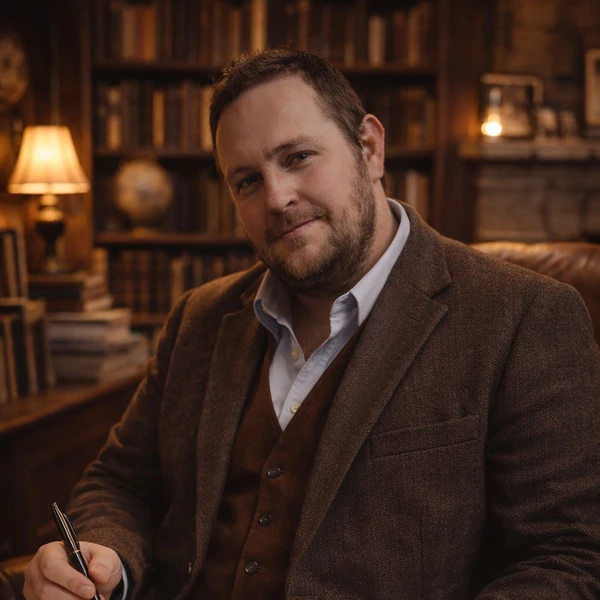
Matthew Larkin

1x

Finalist

Bio

I am a devoted husband and father of seven wonderful children, originally from New Orleans, Louisiana, now calling Phoenix, Arizona home. Balancing family life with full-time studies, I am pursuing a degree in Christian counseling with a specialization in substance abuse disorders. My passion is to help individuals battling addiction find true healing and freedom through evidence-based therapy integrated with biblical truth, grace, and a restored relationship with God. After graduation, I plan to become a licensed Christian counselor and, in the long term, establish a non-profit homeless shelter that provides not only safe housing and basic needs but also faith-based recovery programs, counseling, and community support for those experiencing homelessness and addiction. This scholarship will enable me to focus on my education, support my large family, and move closer to serving others as an instrument of hope and redemption.

Education

Grand Canyon University

Master's degree program
2025 - 2027
  • Majors:
    • Pastoral Counseling and Specialized Ministries
University of New Orleans

Bachelor's degree program
2001 - 2006
  • Majors:
    • Liberal Arts and Sciences, General Studies and Humanities
  • Not planning to go to medical school
  • Career

    • Dream career field:

      Psychology

    • Dream career goals:

    • Producer

      KGBT 4 News
      2006 – 20126 years

    Sports

    Ice Hockey

    Club
    2001 – 20076 years

    Research

    • Religion/Religious Studies

      Walking In Truth Ministry — Evangelism
      2021 – 2026

    Arts

    • Northwestern State University

      Acting
      Lines in the Sand
      2001 – 2003

    Public services

    • Volunteering

      East Valley Men's Shelter — Food Service
      2022 – Present
    Sabrina Carpenter Superfan Scholarship
    I'm a big fan of Sabrina Carpenter because she embodies this perfect blend of sharp wit, unapologetic confidence, and genuine vulnerability that feels refreshingly real in pop music right now. Her journey from a Disney Channel star—where she charmed everyone as Maya Hart in Girl Meets World—to a two-time Grammy winner with massive hits like "Espresso" and "Please Please Please" is inspiring. It's not an overnight success story; she's been grinding for over a decade, releasing music that evolved from sweet teen pop to clever, sexy, humorous takes on relationships and self-empowerment. That perseverance hits home—watching someone stick to their vision through label changes, public scrutiny, and slow builds reminds me that growth takes time and authenticity wins out. What draws me in most is her songwriting. Tracks from Emails I Can't Send (like "Because I Liked a Boy") feel like diary entries turned anthems, processing heartbreak and rumors with humor instead of bitterness. Then Short n' Sweet exploded in 2024 with its playful, biting energy—songs that roast bad dates while owning desire without shame. Lines like the cheeky innuendos in "Espresso" or the bold confidence in "Taste" make her feel empowering, especially for women navigating modern dating. She's "for the girls" in the best way: reclaiming sexuality, flipping narratives, and keeping things fun and flirty without apology. Her live performances amplify that—full of personality, stage presence honed from years of experience, and real connection with fans. On a personal level, her career has impacted me by boosting my own sense of self-assurance. In a world that often pressures people (especially women) to dim their shine or play it safe, Sabrina's refusal to do that is motivating. Her music has been the soundtrack for moments when I've needed to laugh off a bad situation or remind myself it's okay to be bold and silly. During tougher times, songs like those from Short n' Sweet provided catharsis—turning frustration into something catchy and empowering. It's helped me embrace quirks, speak up more, and not take everything so seriously. Plus, seeing her open for Taylor Swift on the Eras Tour and then headline her own massive shows shows that hard work and staying true pay off, which is encouraging in any creative or personal pursuit. She's also built this warm community with fans—acknowledging the longtime supporters who grew up alongside her. That mutual appreciation creates a sense of belonging. Overall, Sabrina represents joyful, intelligent pop that doesn't take itself too seriously but still says something meaningful. She's made me smile more, feel seen in my messier emotions, and believe in evolving without losing who you are. In short, she's fun, fierce, and profoundly talented—and that's why I'm hooked.
    Taylor Swift Fan Scholarship
    One of the most moving performances in Taylor Swift's career, for me, is her emotional rendition of "Bigger Than the Whole Sky" during the Eras Tour in Brazil in November 2022, following the tragic death of fan Ana Clara Benevides Machado at her Rio de Janeiro show. This moment stands out because it captured Taylor at her most vulnerable and human. After the devastating news broke—Ana Clara fell ill and passed away during the concert amid extreme heat—Taylor postponed the next show out of respect and grief. When she returned to the stage days later, she dedicated a heartfelt, stripped-down performance of the Midnights track to her. The song, already a poignant meditation on loss and unimaginable grief ("Good riddance to the things that break your heart / No, I didn't mean to make you cry"), took on devastating new weight. Taylor's voice cracked with raw emotion as she sang, visibly holding back tears, and the crowd's silence and then overwhelming support amplified the intimacy. It wasn't a grand spectacle; it was quiet, intimate, and profoundly respectful—a rare glimpse of the superstar processing real-time tragedy while still honoring her audience and the fan's memory. What makes it so powerful is how it embodied the theme of her ongoing spotlight life: the show must go on, but the personal cost is immense. Taylor has always woven vulnerability into her art, but here it wasn't performative—it was genuine mourning. She later spoke about the incident with deep sorrow, emphasizing how fans are part of her extended family. This performance felt like a quiet act of love and solidarity amid chaos, reminding everyone that behind the glamour of stadiums and spotlights is a person who feels loss acutely. In the context of her twelfth album, The Life of a Showgirl—which reflects on the highs, lows, and endurance required to live publicly as a performer—this moment resonates even more. It highlights the emotional toll of being "on" constantly, yet choosing empathy over detachment. Many fans and critics point to similar raw instances (like her tearful final Eras Tour group hug with her crew in Vancouver in late 2024, or acoustic surprises like "Holy Ground" on BBC), but this one edges out for its unfiltered humanity. It showed Taylor not just as a showgirl, but as someone who carries the weight of her world's adoration and its pain.
    Love Island Fan Scholarship
    Love Island: Mormon Edition The Islanders gather around the fire pit, where the host announces that today’s challenge will test faith, flirtation, and fasting discipline. The villa has been transformed into the Temple of Temptation—a suspiciously clean, beige obstacle course decorated with inspirational wall quotes, fake potted plants, and a very aggressive amount of soft lighting. There is absolutely no music louder than a modest background piano. The goal of the challenge is simple: couples must prove they are emotionally compatible, spiritually aligned, and physically restrained. Points are earned for teamwork, obedience to rules, and maintaining eye contact for no longer than three seconds. Round One: The Modesty Relay Each couple begins at the starting line, where they are handed a large laundry basket filled with clothing items: knee-length shorts, cardigans, undershirts, and at least one pair of dad sneakers. One partner must sprint (no running—sprinting feels competitive) to the changing station, where they must layer at least four modesty-approved items onto a mannequin already dressed in a tank top and shorts. The winner is whoever has the most modestly dressed mannequin. Points are deducted for exposed shoulders. Round Two: Scripture Speed Dating Next, Islanders rotate through mini one-on-one chats, but instead of flirting, they must interpret scripture together. Each pair receives a random verse printed on a heart-shaped card. They have 90 seconds to: Read the verse out loud, explain what it means for their future family, and casually imply marriage without saying the word “marriage.” Disagreeing on interpretation results in a very awkward silence and immediate rotation. Round Three: The Chastity Obstacle Course Couples must navigate a series of physical challenges without violating personal boundaries. Obstacles include: The Side Hug Slalom, where partners must weave through cones while maintaining a perfectly upright, waist-only hug. The Eye Contact Tunnel, where they crawl through a tunnel while holding eye contact but not making it intense. The Temptation Couch, where they must sit together for 30 seconds with a Book of Mormon placed firmly between them. Judges (three older married couples who met in college) award points for posture, restraint, and visible discomfort. Round Four: Eternal Compatibility Quiz Finally, couples sit back-to-back and answer compatibility questions by holding up wooden paddles marked YES, NO, or “I’ll Ask My Bishop.” Questions include: “Would you wake up at 6 a.m. on vacation for church?” “Is caffeine a dealbreaker or a character flaw?” “How many kids is ‘the right number’… spiritually?” Matching answers earn points. The Prize The winning couple receives an exclusive reward: a supervised date in the villa’s Family History Room, complete with genealogy charts, lukewarm herbal tea, and permission to sit slightly closer than usual. The challenge ends with the host reminding everyone: love is temporary, but eternity is forever. The Islanders nod solemnly, side-hug their partners, and immediately overanalyze everything that just happened.
    Learner Math Lover Scholarship
    I love math because it reveals order and beauty in a world that often feels chaotic and unpredictable. Growing up amid abuse, loss, addiction, and grief, life seemed random and merciless—full of pain without reason or resolution. Math offered the opposite: clear rules, logical progression, and certainty. A problem has one correct answer (or a finite set of solutions), and the steps to reach it are reliable. No matter how broken I felt, 2 + 2 always equaled 4. That consistency was profoundly comforting—a small anchor when everything else was adrift. Beyond stability, math is elegant and creative. There’s poetry in the way patterns emerge: the golden ratio in nature, fractals repeating infinitely, the symmetry of a parabola, or how prime numbers distribute with mysterious rhythm. Solving a tough equation feels like uncovering hidden truth—almost like prayer in its quiet revelation. When I struggled with depression and suicidal thoughts, working through proofs or calculus problems gave my mind a safe place to focus. The mental discipline required mirrored the spiritual discipline I later found in faith: persistence, humility before something greater, and joy in discovery. Math also teaches resilience. I’ve failed countless problems—stared at a page for hours, made mistakes, hit dead ends. Each failure wasn’t defeat; it was data. Adjust the approach, try again, learn. That mindset carried me through rock bottom in a jail cell and into recovery. Math showed me that struggle isn’t proof of worthlessness; it’s part of the process toward understanding. Most of all, math reminds me of a Creator who designed the universe with intention. The elegance of Euler’s identity (e^(iπ) + 1 = 0), linking five fundamental constants in one equation, feels like a whisper of divine order. In a life once defined by chaos, math points me to a God who holds all things together with perfect logic and infinite creativity.
    Ethel Hayes Destigmatization of Mental Health Scholarship
    My experience with mental health has been the crucible that forged my goals, reshaped my relationships, and fundamentally altered my understanding of the world. It has taken me from the depths of despair to a place of purpose, compassion, and hope—proving that even the darkest seasons can produce light when met with grace. My mental health struggles began early. Growing up in New Orleans, I endured persistent mental and emotional abuse from my father. His words and actions drilled into me a core belief that I was worthless, defective, and unlovable. These messages became the lens through which I viewed myself and every interaction. By adulthood, the internalized shame and fear had compounded into chronic depression and recurring suicidal ideation. I felt perpetually disconnected—like I was watching life through a thick glass wall, unable to truly belong or matter. In my first marriage to Cindee, the pain intensified. We loved deeply, but external stressors and my unresolved trauma strained our relationship. When Cindee was diagnosed with acute myeloid leukemia, the emotional weight became unbearable for both of us. Watching her endure aggressive chemotherapy, infections, and the terror of mortality triggered profound helplessness in me. To cope, Cindee turned to drugs for relief from physical pain and existential dread; the addiction spiraled, ultimately claiming her life through overdose and organ failure after nearly three years of fighting both cancer and substance use. Her death shattered what remained of my emotional foundation. Grief, guilt (for not saving her), anger (at God, the medical system, myself), and overwhelming loneliness plunged me into the deepest depression I had ever known. Suicidal thoughts became constant companions—I planned ways to end the pain, convinced the world was better without me. To numb everything, I turned to drugs myself, spiraling into full addiction that cost me everything until arrest landed me in a jail cell. In that cell, stripped of distractions, I confronted the full wreckage: broken identity, lost love, self-destruction. Rock bottom became the turning point. In utter surrender, I encountered Jesus Christ—not as abstract doctrine, but as living grace. He met me in my shame and despair, offering forgiveness, healing, and the radical truth that my worth was inherent as God’s child, not earned or lost through failure or others’ actions. That encounter began a slow, steady transformation: freedom from addiction, restoration of hope, and a new identity rooted in love rather than condemnation. This mental health journey has profoundly shaped my goals. I now pursue a master’s degree in mental health counseling, specializing in Christian approaches to substance abuse disorders, because I know firsthand the isolating power of trauma, depression, addiction, and grief—and the transformative potential of integrated care that addresses mind, body, and spirit. My goal is licensure followed by establishing a non-profit homeless shelter in Phoenix that combines emergency housing with trauma-informed Christian counseling, recovery programs, spiritual discipleship, job training, and family support. I want to create spaces where people meet practical help and the same grace that rescued me—especially in a city where the 2025 Point-in-Time Count recorded a record 9,734 people experiencing homelessness, many with co-occurring mental health and substance use issues. Faith-based models show proven impact: reduced relapse, significant taxpayer savings (often thousands per participant annually), and lasting stability. My mental health experiences fuel this vision; I understand the shame that keeps people silent and the hope that changes everything. My relationships have been transformed as well. Once guarded and fearful of rejection due to early abuse and later loss, I now prioritize vulnerability and presence. In my remarriage to a loving, supportive wife, we practice open communication, shared prayer, and mutual support—building a partnership grounded in grace rather than perfection. With our seven children, I model emotional honesty: we talk about feelings, normalize seeking help, and create safe spaces for expression. I no longer hide struggles; I share age-appropriate parts of my story to show that pain is part of life but not the end. This openness fosters deeper bonds and teaches my children resilience and empathy. My understanding of the world has shifted from cynicism to cautious, redemptive hope. I once saw people as threats or judgments—shaped by abuse and betrayal. Now I see every person as bearing God’s image, worthy of dignity regardless of their brokenness. Mental health struggles revealed the universality of suffering: depression doesn’t discriminate by status, addiction isn’t moral failure alone, grief isn’t weakness. The world is full of hidden pain, yet also full of redemptive possibility. I believe healing is holistic—professional therapy, community, and spiritual renewal work together. Stigma around mental health is harmful; silence isolates. Faith and science are allies, not enemies—evidence shows spirituality boosts recovery outcomes significantly. Today, I live with practices that protect my mental health: daily Scripture and prayer, journaling to process emotions, boundaries to prevent burnout, and community accountability. These habits keep me grounded amid graduate studies and family life. Ultimately, my mental health journey taught me that brokenness is not the final word. Scars remain, but they become sources of strength and compassion. I am no longer defined by what was done to me or what I did in pain; I am defined by grace that redeems. This truth drives my goals to counsel the hurting, build refuges for the homeless and addicted, and love my family well. The world is darker and heavier than many admit—but it is also more redeemable than we often dare to hope. Because of my experiences, I choose to live as proof of that hope, extending to others the same mercy that saved me.
    Enders Scholarship
    My story is marked by profound loss, redemption, and a calling to help others heal. While this prompt asks about the passing of a parent, I am applying because my deepest grief came from losing my first wife, Cindee, to drugs and the impact of that loss has shaped my life. Cindee and I met young and married with dreams of a shared life filled with love. She was warm, resilient, and deeply compassionate—the kind of person who made others feel truly seen. Early in our marriage, we faced a leukemia diagnosis. What started as unexplained fatigue and bruising revealed acute myeloid leukemia, an aggressive cancer that demanded immediate, grueling treatment: intensive chemotherapy, prolonged hospital stays, infections, bone marrow procedures, and the emotional rollercoaster of hope and relapse. The physical toll was devastating, but the emotional and psychological burden was equally crushing. To cope with the overwhelming trauma, exhaustion, and despair of facing her own mortality, Cindee turned to drugs—prescription painkillers at first, then escalating to illicit substances as the cancer treatments and emotional weight became unbearable. What began as a way to numb physical agony spiraled into addiction. The drugs provided fleeting relief but accelerated her decline, compounding the leukemia’s damage. Despite our prayers, medical interventions, and desperate efforts to get her help, she ultimately died from complications tied to the substance use disorder—overdose and organ failure—after nearly three years of fighting both cancer and addiction. Her death shattered me. Grief hit in relentless waves: shock, guilt for not stopping the drugs sooner, anger, profound loneliness, and a hollow fear that life without her was meaningless. I spiraled deeper into my own depression. Suicidal thoughts returned, whispering that I had failed her and deserved nothing better. Rock bottom came in a jail cell after an arrest linked to substances. In that isolation, I surrendered—and God met me with radical grace through Jesus Christ. He offered forgiveness, healing from trauma and addiction, and the assurance that my worth was secure in Him, not lost with Cindee. This loss taught me I am capable of enduring unimaginable pain and still choosing love and purpose. It revealed my deep capacity for empathy—I now recognize the subtle signs of despair, grief, and addiction in others because I lived them. It stripped away illusions of control and taught me to cherish presence, vulnerability, and the sacredness of every human life. I learned that suffering, when met with grace, can become a source of strength and compassion rather than destruction. Journaling was my lifeline in the early months of grief. I wrote raw, unfiltered emotions—anger, memories, regrets—without judgment. It helped me process chaos, track grief’s patterns, and notice tiny glimmers of hope. I still journal regularly, reflecting on Scripture, gratitude, and growth to stay grounded. I have also practiced contemplative prayer and faith-based mindfulness—sitting in silence with God, breathing through Scripture—to quiet racing thoughts and invite peace. These practices released guilt and anger, replacing them with acceptance and trust. I want to continue my education—pursuing a master’s in mental health counseling with a focus on substance abuse disorders. Cindee’s death showed me the urgent need for holistic care that addresses trauma, addiction, and grief. I aim to become a licensed counselor who integrates evidence-based therapy with biblical hope, helping others avoid or escape the cycles that claimed her. Losing Cindee broke me open, but God used that brokenness to rebuild me with deeper compassion and purpose. Her legacy drives me to turn personal grief into communal healing—counseling the hurting, building spaces of refuge, and reminding others that even in the deepest loss, redemption is possible.
    Tawkify Meaningful Connections Scholarship
    In a world increasingly driven by technology, preserving, strengthening, or reimagining authentic human connection requires intentional effort to prioritize depth over convenience, presence over pixels, and empathy over algorithms. As of 2026, technology—social media, AI companions, and constant connectivity—has amplified both connection and isolation. The World Health Organization's 2025 report highlights that 1 in 6 people worldwide experiences loneliness, linked to over 871,000 deaths annually (equivalent to 100 deaths per hour), with excessive screen time and negative online interactions contributing significantly, especially among young people. Studies show nearly half of Americans report frequent loneliness, and trends indicate rising reliance on AI for emotional support, with some research finding short-term relief from AI companions but warning that heavy use correlates with increased loneliness by displacing real human interactions. Technology's double-edged nature is clear. Platforms promise global reach, yet passive scrolling, curated personas, and algorithmic echo chambers often foster comparison, polarization, and superficial exchanges rather than vulnerability and understanding. AI chatbots and digital companions can alleviate immediate feelings of isolation—studies show they reduce short-term loneliness by providing attentive, empathetic responses—but over-reliance erodes social skills, empathy, and the irreplaceable nuances of in-person presence, such as nonverbal cues, shared energy, and mutual accountability. In workplaces and dating, AI enhances efficiency and suggestions but risks diminishing trust and genuine rapport when it replaces human judgment. To preserve authentic connection, we must intentionally reclaim balance. First, set firm digital boundaries: designate screen-free zones (e.g., meals, bedrooms), turn off non-essential notifications, and schedule "analog time" for reflection or unmediated presence. This combats compulsive use, which research links to higher loneliness. Second, prioritize quality, in-person interactions: carve out regular face-to-face time—family dinners without devices, walks with friends, or community events. Evidence shows in-person socialization reduces loneliness odds by 16–30% for middle-aged and older adults, while richer modes like phone calls or texting help bridge gaps when physical meetings aren't possible. For younger groups, virtual contacts can decrease loneliness when they facilitate meaningful dialogue rather than passive consumption. Third, practice active listening and authenticity: in conversations (online or offline), put away distractions, make eye contact, ask open questions, and share vulnerably. Authenticity counters curated online personas and builds trust. Community involvement—volunteering, hobby groups, sports teams, or faith communities—fosters belonging and shared purpose, countering isolation. To strengthen connections, reimagine technology as a facilitator, not a replacement. Use video calls for deeper check-ins with distant loved ones, join interest-based online groups that lead to real-world meetups, or leverage AI ethically (e.g., for scheduling or safety in dating) while ensuring human choice drives relationships. Hybrid models—AI-assisted matching paired with in-person events—show promise in reducing harm and increasing access. To reimagine connection for the future, cultivate "offline renaissance" trends: phone-free events, running clubs, or local gatherings emphasize real-world flexes over digital validation. In professional and social spheres, emphasize empathy, emotional intelligence, and human oversight alongside AI tools. As AI advances in 2026—powering more companions and agents—human differentiation lies in judgment, creativity, and relational depth that machines can't replicate. Ultimately, authentic human connection thrives when we choose presence, vulnerability, and community over convenience. Technology can connect us globally, but only intentional, embodied relationships heal loneliness and foster flourishing. By guarding our time, nurturing empathy, and blending tools with humanity, we build a future where connection remains the core of what makes us human—resilient, compassionate, and deeply alive.
    Second Chance Scholarship
    I want to make a change in my life because I have seen firsthand the devastating cycle of pain, addiction, trauma, and despair—and I refuse to let it define my future or the futures of others. After enduring childhood mental and emotional abuse from my father, physical and emotional abuse in my first marriage, the heartbreaking loss of my first wife Sarah to leukemia, and my own spiral into severe depression, suicidal ideation, and drug addiction, I hit rock bottom in a jail cell. There, God met me with radical grace through Jesus Christ, offering forgiveness, healing, and freedom I never thought possible. That encounter transformed me from hopeless and broken to redeemed and purposeful. Now happily remarried and raising seven wonderful children in Phoenix, Arizona, I live with peace and joy—but I know countless others remain trapped in similar darkness. My change is driven by gratitude for redemption and a calling to extend that same hope: becoming a licensed Christian counselor specializing in substance abuse disorders so I can help people find holistic healing—mind, body, and spirit—while building a non-profit homeless shelter to provide safe refuge and recovery support in a community facing acute need. The steps I have taken thus far demonstrate my commitment and progress toward this goal. I returned to education later in life, completing undergraduate studies with strong performance despite family and financial demands. I am now actively pursuing my master’s degree in mental health counseling, excelling in coursework on trauma-informed care, addiction models, ethics, and faith integration. I volunteer in church recovery ministries, facilitating support groups, sharing my testimony to reduce stigma, and offering peer encouragement. I participate in street outreach, connecting with people experiencing homelessness and addiction. At home, I model healthy boundaries, daily spiritual disciplines, and open emotional communication for my children. These actions build empathy, practical skills, and momentum toward licensure and service. This scholarship would be transformative in helping me achieve these goals. Raising seven children creates significant financial pressure—tuition, books, supplies, and basic living expenses strain our resources while I balance rigorous studies and family responsibilities. The award would directly cover educational costs and ease family burdens, reducing the need for excessive part-time work that risks burnout or academic compromise. It would allow focused progress: deeper engagement in clinical practicums, research on effective faith-based interventions, and timely graduation. By alleviating financial stress, it enables me to prioritize excellence, maintain family presence, and enter the field sooner—ready to counsel, advocate, and launch shelter initiatives. To pay it forward, I plan to multiply the investment through service and legacy-building. Once licensed, I will provide pro bono or low-cost faith-integrated counseling in churches and underserved communities, mentoring aspiring counselors from similar backgrounds. Through the future non-profit homeless shelter, I will create opportunities for residents to volunteer, gain skills, and eventually support others—fostering a cycle of redemption. I will share my story openly in recovery groups, churches, and online platforms to inspire hope and reduce isolation. My children will witness faith in action, learning compassion and service as core values. In Phoenix, where the 2025 Point-in-Time Count recorded a record 9,734 people experiencing homelessness (with a 28% increase in unsheltered individuals and many facing addiction), faith-based approaches prove effective—studies show religious involvement reduces substance abuse risk significantly, and such programs deliver substantial societal savings through lower relapse and service use. By paying it forward, I aim to create ripples: transformed lives, healed families, and a community where brokenness meets grace and practical help. This scholarship isn’t just support for me—it’s seed for widespread restoration.
    Eden Alaine Memorial Scholarship
    My first wife, Cindee, was the person I lost to leukemia, and her death remains the single most defining and shattering experience of my life. We met young, fell deeply in love, and married with dreams of building a family together. She was vibrant, kind-hearted, fiercely faithful, and the kind of person who made everyone around her feel seen and valued. She had a quiet strength that carried us through early challenges, including my own struggles with depression and the lingering effects of childhood abuse. When we learned she had leukemia, everything changed overnight. The diagnosis came after months of unexplained fatigue, bruising, and fevers that doctors initially dismissed. Acute myeloid leukemia—an aggressive form—hit hard and fast. Treatment began immediately: intensive chemotherapy, hospital stays that stretched into weeks, bone marrow biopsies, infections that threatened her life multiple times, and the crushing hope of remission followed by devastating relapses. I became her full-time caregiver, learning to administer medications, manage pain, navigate insurance battles, and hold space for her fear while trying to keep our home stable. We prayed constantly, clinging to Scripture and believing for healing. Friends and church members rallied around us with meals, prayers, and support, but nothing could stop the disease’s progression. Cindee fought with incredible courage for nearly three years. In her final months, she was often too weak to leave the bed, yet she still smiled, still encouraged me, still spoke of the future she knew she might not see. She passed away at home, surrounded by love. I held her in my arms as her breathing slowed and stopped. The silence that followed was deafening. Grief swallowed me whole—anger at God for unanswered prayers, profound loneliness, and a fear that I would never feel whole again. This loss reshaped every part of my life. It stripped away illusions of control and forced me to confront mortality, suffering, and the fragility of those we love. It deepened my empathy for anyone walking through bereavement. I learned what true companionship looks like in the darkest seasons—Cindee’s grace under suffering taught me patience, tenderness, and the power of presence over words. Her death also accelerated my own spiral into addiction as I tried to numb the unbearable pain. In that brokenness, God met me, offering healing. Cindee’s memory now fuels my purpose. Raising our children became my way of honoring her legacy of love and faith. Her loss taught me that life is precious and unpredictable, so I prioritize being present—family dinners, bedtime prayers, listening without distraction. It also ignited my calling to become a licensed Christian counselor. I understand grief’s isolating power, the way loss can fracture identity and drive self-destructive coping. I want to walk alongside others in their darkest valleys—offering evidence-based support integrated with the hope of Christ that sustained Sarah and ultimately rescued me. Cindee’s battle and passing showed me that suffering is not meaningless when surrendered to God. She didn’t get physical healing, but her life and death planted seeds of redemption in mine and in others who knew her. Today, I live with gratitude for the years we had, sorrow that will always linger, and a fierce determination to help others find meaning amid pain. Her love continues to shape me: teaching me compassion, resilience, and the truth that even in loss, God can weave beauty from ashes (Isaiah 61:3). Because of Cindee, I am committed to a life of service—counseling the broken, building spaces of refuge, and reminding people they are never alone in their grief.
    Elijah's Helping Hand Scholarship Award
    I have been profoundly impacted by mental health experiences—specifically, a long battle with severe depression, suicidal ideation, trauma-induced shame, and addiction—that nearly ended my life but ultimately redirected it toward purpose and service. Growing up in New Orleans, I endured persistent mental and emotional abuse from my father. His words and actions convinced me early that I was worthless, unlovable, and destined to fail. These messages became internalized beliefs that shaped how I saw myself and the world. During my first marriage, the abuse escalated to include physical violence alongside emotional cruelty. The cumulative trauma shattered any remaining sense of self-worth. I felt trapped, hopeless, and convinced that life held no value for someone like me. Depression settled in deeply—constant fatigue, numbness, loss of interest in everything, and an overwhelming sense that I was a burden to everyone around me. To cope with the unbearable emotional pain, I turned to drugs. The substances provided temporary numbness but deepened the despair. Suicidal ideation became a near-constant companion. I vividly remember nights lying awake, planning ways to end the pain permanently, believing death would be a relief to myself and others. I felt utterly alone, convinced no one could understand or help. The crisis peaked when addiction led to an arrest. Sitting in a jail cell, stripped of distractions and illusions of control, I confronted the full wreckage of my life—broken relationships, lost opportunities, self-loathing, and the very real possibility that I would die young without ever knowing peace. In that moment of absolute brokenness, something shifted. I cried out in desperation, and God met me there. Through an encounter with the grace of Jesus Christ, I experienced forgiveness, unconditional love, and the truth that my worth was not defined by my past or others’ actions but by being a child of God. He began healing the deep wounds of abuse, lifting the heavy fog of depression, and freeing me from addiction’s grip. It was not an instant fix—recovery has been a steady, ongoing process—but it was the beginning of true mental and spiritual restoration. These experiences have reshaped every part of my life. They taught me empathy born from shared suffering; I now recognize the subtle signs of despair in others because I lived them. They instilled a fierce belief in the sacred worth of every person—no matter how broken they appear—and the power of grace to heal what seems permanent. They fuel my pursuit of a master’s degree in mental health counseling, specializing in substance abuse disorders. I want to offer others the holistic help I received: evidence-based therapy integrated with biblical hope, addressing trauma, addiction, and mental health without stigma or separation of spirit from mind. Today, as a husband remarried to a loving wife and father raising seven children in Phoenix, I live with a peace I once thought impossible. I practice proactive mental health habits—daily Scripture and prayer, boundaries, community support, and professional check-ins when needed—to protect the gains God has given me. My past has not been erased, but it has been redeemed. The scars remain as reminders of where I’ve been and testaments to God’s transforming power. These mental health struggles have given me a mission: to walk alongside the hopeless, the addicted, the traumatized, and the suicidal, offering professional care and the same message of redemption that saved me. No one should believe they are beyond help or unworthy of life. My journey proves that even in the darkest mental health valleys, light and healing are possible through Christ’s love—and I am committed to helping others find that same path to freedom.
    Pastor Thomas Rorie Jr. Christian Values Scholarship
    My journey into Christianity was not a gradual drift but a dramatic encounter born from utter desperation and divine intervention. Raised in New Orleans under the heavy shadow of mental and emotional abuse from my father, I carried deep wounds of worthlessness from childhood. These scars intensified in adulthood during my first marriage, where I endured both physical and emotional abuse. The pain became unbearable—depression settled in like a fog, suicidal ideation whispered constantly, and to numb it all, I turned to drugs. What began as escape quickly became addiction, pulling me deeper into chaos and self-destruction. I believed the lie that I was irredeemable, that my life held no value. The turning point came when I hit absolute rock bottom. Arrested and confined to a jail cell, I sat in stillness for the first time in years, stripped of distractions and defenses. My life was unmanageable—broken relationships, lost potential, overwhelming shame. In that isolation, I cried out in surrender. It was there, in the quiet of despair, that God met me. I encountered the reality of Jesus Christ—not as a distant figure, but as a living Savior who came not to condemn but to rescue (John 3:17). I realized I could not fix myself; I needed grace beyond my strength. Surrendering my life to Him, I accepted His forgiveness, healing, and love. Jesus lifted the weight of condemnation, healed the trauma of abuse, freed me from addiction's chains, and restored my identity as a beloved child of God. Leaving behind a high-demand religious background (Mormonism), with its rigid structures and consequences for departure, further clarified the difference between control and true freedom in Christ. Since that moment, transformation has been steady: I am now happily remarried to a wonderful woman, raising seven incredible children in Phoenix, Arizona, and living with genuine peace, purpose, and joy that only comes from redemption. This encounter with the Lord profoundly shapes my career aspirations and goals. I am pursuing a master’s degree in mental health counseling, specializing in Christian counseling for substance abuse disorders. My aspiration is to become a licensed professional who integrates evidence-based therapeutic techniques—such as cognitive-behavioral therapy, trauma-informed care, and motivational interviewing—with biblical principles of grace, forgiveness, and spiritual renewal. I want to help individuals trapped in addiction, trauma, depression, and hopelessness experience the same holistic healing I received: addressing mind, body, and spirit. Research supports this approach; studies show that faith reduces alcohol abuse risk in nearly 90% of cases and drug abuse risk in 84%, while faith-based programs contribute significantly to long-term recovery and provide substantial economic savings through reduced relapse and service use. My future plans build on this foundation. After graduation and licensure, I will offer faith-integrated counseling in churches, community recovery programs, and clinics, serving underserved populations in Phoenix. Long-term, I plan to establish a non-profit homeless shelter that combines emergency housing with comprehensive support: trauma-informed Christian counseling, substance abuse recovery groups, spiritual discipleship, job skills training, family reunification, and mentorship. This holistic model addresses root causes in a city where homelessness remains a crisis. The 2025 Maricopa County Point-in-Time Count recorded 9,734 people experiencing homelessness—an all-time high—with a 28% increase in unsheltered individuals from the previous year and many struggling with addiction and mental health issues. Faith-based initiatives like those at Phoenix Rescue Mission demonstrate powerful impact, bridging gaps in resources and fostering lasting transformation through Gospel-centered care. Receiving this scholarship would directly support my academic endeavors in several vital ways. Raising seven children while pursuing graduate studies creates immense financial demands—basic family expenses add up quickly. The scholarship would alleviate this pressure, reducing the need for excessive part-time work that could compromise my academic performance or family time. It would allow me to focus fully on rigorous coursework, clinical practicums, and research into effective faith-based interventions. By easing financial strain, it enables me to maintain balance—prioritizing spiritual disciplines, family presence, and self-care—so I avoid burnout and emerge prepared to serve ethically and effectively. Ultimately, this support accelerates my ability to achieve these plans. Graduating sooner means entering the field faster to provide counseling and build the shelter initiative. It positions me to make tangible impact in Phoenix: breaking cycles of addiction and homelessness, offering hope to the broken, and demonstrating that no one is beyond God's reach. My journey from despair to redemption compels me to extend that same grace—scholarship assistance would empower me to turn personal healing into widespread restoration, multiplying stories of freedom and purpose in our community.
    Christian Fitness Association General Scholarship
    Why should we consider you for this scholarship? Please write about your academic accomplishments, extracurricular activities, and anything else you would consider noteworthy to us. I believe I am a compelling candidate for this scholarship due to my demonstrated resilience, academic dedication, deep community involvement, and a transformative personal journey that has fueled an unwavering commitment to serving others—particularly those facing substance abuse, trauma, and homelessness. As a husband and father of seven children living in Phoenix, Arizona, I am pursuing a master’s degree in mental health counseling with a Christian focus on substance abuse disorders. This path is not merely professional; it is a calling born from profound redemption, equipping me to provide holistic, faith-integrated support in a city grappling with escalating homelessness and addiction crises. Academically, I have shown consistent excellence under challenging circumstances. Returning to education later in life after overcoming addiction and trauma, I completed my undergraduate studies with a strong GPA while managing family responsibilities and part-time employment. Now in graduate school, I excel in demanding coursework covering advanced counseling theories, trauma-informed practices, addiction recovery models, group facilitation, ethics, and the integration of biblical principles into therapeutic interventions. I actively contribute to class discussions, often drawing on research about spirituality's role in reducing relapse rates and enhancing long-term sobriety. I seek out additional learning opportunities, such as workshops on co-occurring disorders and supervision sessions to hone my clinical skills. My academic performance reflects not just intellectual capability but discipline and perseverance—qualities essential for ethical counseling practice and leadership in recovery programs. Extracurricularly, I am deeply engaged in service that builds empathy, leadership, and practical skills. In my church community, I volunteer regularly in recovery ministries, facilitating support groups, sharing my testimony to destigmatize addiction and mental health struggles, and providing one-on-one encouragement to participants. These efforts help individuals feel seen and valued, mirroring the grace I received. I participate in street outreach, distributing meals, hygiene items, and resources while building relationships with people experiencing homelessness—often those battling substance use and isolation. At home, I lead family spiritual practices, model emotional openness, and teach my children about compassion and mental health awareness, fostering a supportive household environment despite a rigorous schedule. These activities strengthen my communication, active listening, and crisis intervention abilities—core competencies for counseling. What truly distinguishes me is my lived experience and the radical transformation it produced. Raised in New Orleans under severe mental and emotional abuse from my father, I later endured physical and emotional abuse in my first marriage, leading to crippling depression, suicidal ideation, and drug addiction as a means of escape. I believed I was worthless and irredeemable. Rock bottom arrived during an arrest, landing me in a jail cell where, in utter brokenness, I encountered Jesus Christ. Surrendering to Him brought forgiveness, healing from deep wounds, freedom from addiction, and a restored sense of worth as God's beloved child. Leaving a high-demand religious background (Mormonism)—with its parallels to strict control and social consequences—further deepened my understanding of isolation's pain and authentic faith's liberating power. Now happily remarried and raising seven children in Phoenix, I live with genuine peace, purpose, and gratitude. This journey compels me to offer counseling that addresses the whole person—mind, body, and spirit—integrating evidence-based techniques with biblical truth, as research supports spirituality's role in boosting recovery outcomes. My vision extends far beyond personal success: after licensure, I will deliver faith-based counseling in churches, recovery centers, and community clinics. Long-term, I aim to establish a non-profit homeless shelter in Phoenix that provides emergency housing combined with comprehensive services—trauma-informed Christian counseling, substance abuse recovery programs, spiritual discipleship, job training, family reunification, and mentorship. This holistic approach targets root causes in a community where homelessness remains acute. The 2025 Maricopa County Point-in-Time Count reported a record 9,734 people experiencing homelessness—an all-time high—with 53% unsheltered (up 28% from the prior year) and many facing addiction and mental health challenges. Faith-based models prove highly effective: studies show residential recovery programs for homeless individuals with addiction generate significant taxpayer savings—often $14,263 per participant annually in reduced criminal justice, healthcare, and emergency costs—while fostering sobriety, employment, and stability. Organizations like Phoenix Rescue Mission exemplify this impact, with high program completion rates and lasting transformations. This scholarship would be instrumental in helping me achieve these goals. Supporting a family of nine while pursuing graduate studies creates substantial financial pressure. The award would cover tuition, textbooks, and essential expenses, reducing the need for excessive outside work, preventing burnout, and allowing me to maintain strong academic performance and family presence. Graduating sooner means entering the field faster to serve Phoenix's underserved—breaking addiction cycles, restoring dignity, and demonstrating Christ's redemptive love. In essence, my academic diligence, extracurricular service, powerful testimony of redemption, and concrete plan to build healing infrastructure make me a worthy recipient. I am committed to honoring this investment by providing compassionate, effective care that multiplies hope in our community—one transformed life at a time.
    Lost Dreams Awaken Scholarship
    To me, recovery is far more than sobriety or symptom management—it is the complete restoration of a life that addiction once shattered. It is the journey from brokenness to wholeness, from feeling worthless to knowing deep in my soul that I am loved, redeemed, and purposed by God. Recovery began for me in a jail cell, where rock bottom stripped away every illusion of control. There, amid the weight of years of abuse, depression, and drug addiction, I surrendered to Jesus Christ. He didn’t just remove the substances; He healed the root wounds—the shame from my father’s mental abuse, the pain of physical and emotional harm in my first marriage, the lie that I didn’t matter. Recovery meant exchanging condemnation for grace, isolation for belonging, and self-hatred for identity as a beloved child of God. Today, recovery looks like steady transformation: raising seven children, pursuing my master’s in mental health counseling, and living with peace that surpasses understanding. It’s freedom from chains I once thought permanent. For those I hope to serve as a Christian counselor specializing in substance abuse, recovery means the same holistic healing: addressing mind, body, and spirit through evidence-based tools and biblical truth. It means breaking cycles of addiction and trauma, rebuilding relationships, and stepping into the abundant life Jesus promises. Ultimately, recovery is redemption made real—proof that no one is too far gone for God’s love to reach. It is not a finish line but a lifelong walk of grace, gratitude, and growing freedom.
    Bulkthreads.com's "Let's Aim Higher" Scholarship
    One thing I deeply want to build is a non-profit homeless shelter in Phoenix, Arizona, that serves as a holistic haven for individuals experiencing homelessness, particularly those battling substance abuse disorders and trauma. This isn’t just a building with beds—it’s a transformative space where people can find immediate safety, practical support, and lasting hope through integrated faith-based recovery. My vision is a facility offering emergency housing alongside comprehensive programs: trauma-informed Christian counseling, evidence-based substance abuse treatment, spiritual discipleship, job skills training, family reunification services, and ongoing mentorship. Drawing inspiration from successful local models like Phoenix Rescue Mission and Church on the Street—which provide Christ-centered solutions for addiction, homelessness, and poverty—I aim to create an environment that addresses root causes rather than symptoms alone. Residents would encounter God’s grace in a non-judgmental way, paired with professional tools to foster sobriety, mental health stability, and self-sufficiency. This dream stems from my own redemption story. Once trapped in addiction, depression, suicidal ideation, and the aftermath of abuse, I hit rock bottom in a jail cell. There, God met me with forgiveness and healing through Jesus Christ. He restored my life, leading to a loving marriage, raising seven children, and a calling to help others. Leaving a high-demand faith background (Mormonism) further taught me the pain of isolation and the power of authentic community. Building this shelter is my way of paying forward that grace—meeting people in their despair as God met me. The positive impact would be profound. For me personally, it fulfills a God-given purpose, channeling past pain into meaningful service. My children would see faith in action: compassion, resilience, and the belief that no one is beyond hope. Professionally, it aligns with my goal of becoming a licensed Christian counselor specializing in substance abuse, allowing me to lead counseling and recovery efforts directly. For the community, especially Phoenix’s underserved populations, the impact could be life-changing. Maricopa County’s 2025 Point-in-Time count recorded 9,734 people experiencing homelessness—a record high—with over half unsheltered and many struggling with addiction and mental health issues. Faith-based programs have proven effective: studies show they generate significant taxpayer savings (e.g., $14,263 per participant annually) by reducing relapse, emergency service use, and recidivism while fostering long-term stability. By offering holistic support—housing, counseling, spiritual encouragement—this shelter would help break cycles of despair, reduce strain on public resources, and multiply stories of transformation in a city where homelessness continues to rise. To build this, I’m pursuing my master’s in mental health counseling for expertise and licensure, seeking partnerships with churches and organizations, and fundraising through grants and community support. It starts small—completing my degree, gaining experience in recovery ministries—but grows through faithful steps and God’s provision. Ultimately, this shelter represents the future I envision: a life of purpose where personal healing fuels communal restoration. By building a place of refuge and redemption, I hope to demonstrate that with safe shelter, compassionate care, and Christ’s love, broken lives can be rebuilt stronger than before—creating ripples of hope across Phoenix and beyond.
    Learner Mental Health Empowerment for Health Students Scholarship
    Mental health is profoundly important to me as a student because my own journey through severe mental health struggles has shown me its foundational role in every aspect of life—academic success, family relationships, spiritual growth, and personal purpose. As a graduate student pursuing a master’s in mental health counseling with a Christian focus on substance abuse disorders, I recognize that untreated mental health issues can derail even the most determined paths. My past experiences with depression, suicidal ideation, abuse-induced trauma, and addiction taught me that mental health is not a luxury but a necessity for thriving. Without addressing it, the weight of past wounds and current demands—like balancing rigorous coursework, raising seven children, and supporting my family—could overwhelm me. Prioritizing my mental well-being allows me to stay resilient, focused, and present, modeling healthy coping for my children while equipping me to better serve others. As someone training to become a counselor, maintaining my own mental health ensures ethical practice: I cannot guide others toward healing if I neglect my own. I advocate for mental health in my communities through personal example, open conversation, and intentional actions at home, in my church, and in my academic environment. At home, I foster a safe space where my seven children can express emotions without judgment. We practice daily family prayers, discuss feelings openly during meals, and normalize seeking help—whether through talking to me, a trusted adult, or professional resources. I model self-care by setting boundaries, taking breaks for rest and Scripture, and sharing age-appropriate parts of my story to show that struggles are part of life but redemption and recovery are possible through Christ. In my church community, I actively reduce stigma by sharing my testimony in small groups and recovery ministries. I emphasize that faith and mental health care are complementary—Jesus heals holistically, and professional counseling can be a tool of His grace. I encourage congregants facing addiction, trauma, or depression to seek licensed help alongside spiritual support, connecting them to resources and reminding them they are not alone or condemned. As a student, I advocate by participating in class discussions on mental health integration in counseling, supporting peers who seem overwhelmed, and promoting campus wellness resources. I practice self-advocacy by utilizing university counseling services when needed, maintaining regular check-ins with mentors, and prioritizing sleep, exercise, and prayer amid deadlines. Looking ahead, this advocacy will expand through my future work. After licensure, I will provide faith-based counseling in churches and community settings, educating on mental health in faith contexts to bridge gaps where stigma persists. Ultimately, founding a non-profit homeless shelter in Phoenix will integrate trauma-informed Christian counseling, recovery programs, and spiritual support—creating a model where mental health care meets immediate needs and points to lasting hope in Christ. This commitment stems from gratitude: God met me in my brokenness, healing wounds I once thought permanent. Advocating for mental health honors that redemption, ensuring others—especially the underserved—experience the same freedom.
    New Light: Illuminating Your Future Scholarship
    Focusing on the future and the life I envision for myself, I hold both big and small personal goals rooted in redemption, family, faith, service, and healing others as I have been healed. I am not a former Jehovah’s Witness, but I am a former Mormon (a member of The Church of Jesus Christ of Latter-day Saints), which is widely regarded as a high-demand religion with many parallels to Jehovah’s Witnesses. Like JWs, Mormonism emphasized strict obedience, extensive missionary work, limited association with outsiders, heavy time commitments to church duties, doctrinal control over personal life, and significant social and familial consequences for leaving—including shunning or strained relationships. Growing up in and eventually leaving that environment shaped my journey of breaking free from rigid structures to embrace authentic faith in Christ. My exit involved profound personal cost but led to true freedom, a deeper relationship with Jesus, and the conviction that no one should suffer isolation or loss of identity due to leaving a controlling faith system. My big goals center on becoming a licensed Christian counselor specializing in substance abuse disorders and trauma recovery. I envision establishing a non-profit homeless shelter in Phoenix that provides emergency housing, integrated faith-based recovery programs, trauma-informed counseling, spiritual discipleship, job training, and family support—creating a holistic space where broken individuals encounter God’s grace and practical help, just as I did in my darkest hour. Smaller, everyday goals include being a present, loving husband and father to my seven children—prioritizing family dinners, bedtime prayers, school involvement, and creating joyful memories amid busy schedules. I aim to maintain daily spiritual disciplines: Scripture reading, prayer, worship, and Sabbath rest to stay grounded. Professionally, I want to complete my master’s degree with excellence, gain licensure, build a counseling practice in churches and community settings, and continuously learn through supervision and ongoing education. To meet these goals, I rely on disciplined time management—balancing studies with family by setting firm boundaries, delegating household tasks, and leaning on my supportive wife. I seek mentorship from church leaders and counselors for accountability. Financially, scholarships like this one are crucial to reduce work hours, cover tuition/books, and ease strain on our large family, allowing focused progress toward graduation and licensure. Spiritually, I surrender outcomes to God, trusting His provision (Matthew 6:33) while taking faithful steps. Through my education and future work, I plan to make a positive impact by serving underserved communities in Phoenix—those facing addiction, homelessness, trauma, and spiritual disconnection. My lived experience equips me with empathy: I understand the shame of addiction, the despair of abuse, the loneliness after leaving a high-demand faith, and the transformative power of grace. I will offer hope that recovery and redemption are possible, integrating evidence-based therapy with biblical truth to address the whole person. Ultimately, I envision a life of purpose: a stable, faith-filled home; professional service that multiplies healing stories; and a legacy where my children see their father living out Christ’s call to love the broken. My journey from Mormonism to freedom in Christ taught me resilience, compassion, and the value of authentic community—qualities I will pour into every goal, big and small.
    Debra S. Jackson New Horizons Scholarship
    My life journey has been one of deep brokenness transformed by divine grace, leading me to pursue higher education later in life as a direct response to God’s redemptive call. Born and raised in New Orleans, I grew up enduring severe mental and emotional abuse from my father, which planted seeds of worthlessness and shame early on. These wounds deepened in adulthood during my first marriage, where I suffered both physical and emotional abuse. Overwhelmed by depression and suicidal ideation, I turned to drugs to numb the unrelenting pain, spiraling into full addiction. I believed the lie that I was worthless, hopeless, and beyond saving. Rock bottom came in a jail cell following an arrest. In that stark isolation, stripped of distractions, I confronted the chaos I had created. Empty and desperate, I cried out—and God met me there. Encountering the unconditional love and forgiveness of Jesus Christ, I surrendered my life to Him. He didn’t condemn; He rescued and began healing the deep trauma, freeing me from addiction and restoring my identity as His beloved child. Today, I am happily remarried to a loving wife, raising seven incredible children in Phoenix, Arizona, and living with genuine peace, purpose, and gratitude for redemption. These experiences have profoundly shaped my core values: the sacred worth of every human life as image-bearers of God, the power of grace over judgment, empathy born from shared suffering, resilience through surrender, and the necessity of holistic healing—mind, body, and spirit. They fuel my career aspiration to become a licensed Christian counselor specializing in substance abuse disorders. I am compelled to integrate evidence-based counseling techniques with biblical principles, offering hope and practical tools for recovery where secular approaches may fall short. My commitment to community service flows from profound thankfulness; having been met in despair, I am called to meet others there. Pursuing a master’s degree in mental health counseling at this stage equips me to serve effectively. Upon graduation and licensure, I will provide faith-integrated counseling in churches, recovery programs, and community clinics, helping individuals overcome addiction, trauma, and mental health struggles. Long-term, I plan to found a non-profit homeless shelter in Phoenix that combines emergency housing with comprehensive support: trauma-informed Christian counseling, substance abuse recovery groups, spiritual discipleship, job skills training, family reunification services, and ongoing mentorship. This holistic model will address root causes, foster lasting transformation, and demonstrate Christ’s love in action to underserved populations facing homelessness and addiction. This scholarship is vital to realizing these goals. Raising seven children while pursuing graduate studies creates significant financial demands. The award will directly support tuition, textbooks, and essential family expenses, alleviating pressure and reducing the need for excessive part-time work. This enables me to maintain academic excellence, remain actively involved as a husband and father, avoid burnout, and graduate prepared to serve sooner. By investing in my education, the scholarship empowers me to turn personal pain into communal healing, extending redemption to those who feel forgotten. In this season, higher education is not merely career advancement—it is obedience to a calling forged in fire. My journey has taught me that no one is beyond God’s reach, and every scar can become a source of strength for others. With this support, I am positioned to make tangible, faith-driven impact in Phoenix, helping break cycles of despair and multiplying stories of hope and wholeness.
    Jackanow Suicide Awareness Scholarship
    My lived experiences with profound mental health challenges, addiction, suicidal ideation, and the devastating impact of abuse have profoundly shaped my decision to pursue a master’s degree in mental health counseling, with a focus on becoming a licensed Christian counselor specializing in substance abuse disorders. Growing up, I endured severe mental and emotional abuse from my father, which eroded my sense of self-worth from an early age. Later, in my first marriage, I faced both physical and emotional abuse, reinforcing the destructive belief that I was worthless and unlovable. These traumas led to deep depression and suicidal ideation—I often felt that life was not worth living and that I didn’t matter. To escape the overwhelming pain, I turned to drugs, which quickly spiraled into full addiction. The numbness provided temporary relief but only deepened my despair, pushing me closer to the edge. Rock bottom came when I was arrested and confined to a jail cell. In that moment of utter brokenness and isolation, I confronted the unmanageable chaos of my life. Empty and hopeless, I cried out—and God met me there. Through encountering the grace of Jesus Christ, I surrendered my life to Him. I realized that true healing and redemption come not from my own strength, but from His forgiveness and love. Christ rescued me from condemnation, healed my wounds, and restored my identity as a beloved child of God. Since accepting Jesus, I have experienced steady transformation: I am now happily remarried, raising seven children, and living with peace, purpose, and the assurance that my worth is secure in Him. These experiences directly influenced my pursuit of a master’s degree in mental health. I want to integrate evidence-based counseling with biblical truth to offer holistic healing—addressing mind, body, and spirit—for those battling addiction, trauma, depression, and suicidal thoughts. My own journey shows that faith can be a powerful catalyst for recovery, providing hope where secular approaches sometimes fall short. In daily life, I practice self-advocacy by setting healthy boundaries, seeking ongoing support through community and counseling when needed, and openly sharing my story to reduce stigma around mental health and addiction. I approach suicide awareness and prevention by actively listening without judgment, encouraging those in pain to seek help, and reminding them of their inherent value in God’s eyes. I educate myself and others on warning signs and resources, and I commit to being a safe, compassionate presence. Looking ahead, I plan to serve underrepresented communities—particularly those experiencing homelessness, addiction, and trauma in underserved urban areas—through faith-based counseling and, ultimately, by establishing a non-profit homeless shelter. This shelter will provide safe housing alongside integrated recovery programs, trauma-informed Christian counseling, and spiritual support to foster lasting transformation. My goal is to meet people where they are, just as God met me in my darkest hour, offering practical help, hope, and the message of redemption. Through this work, I aim to break cycles of despair, empower individuals to reclaim their lives, and demonstrate that no one is beyond healing when met with grace and professional care.
    Dr. DeNinno’s Scholarship for Mental Health Professionals
    My lived experiences with profound mental health challenges, addiction, suicidal ideation, and the devastating impact of abuse have profoundly shaped my decision to pursue a master’s degree in mental health counseling, with a focus on becoming a licensed Christian counselor specializing in substance abuse disorders. Growing up, I endured severe mental and emotional abuse from my father, which eroded my sense of self-worth from an early age. Later, in my first marriage, I faced both physical and emotional abuse, reinforcing the destructive belief that I was worthless and unlovable. These traumas led to deep depression and suicidal ideation—I often felt that life was not worth living and that I didn’t matter. To escape the overwhelming pain, I turned to drugs, which quickly spiraled into full addiction. The numbness provided temporary relief but only deepened my despair, pushing me closer to the edge. Rock bottom came when I was arrested and confined to a jail cell. In that moment of utter brokenness and isolation, I confronted the unmanageable chaos of my life. Empty and hopeless, I cried out—and God met me there. Through encountering the grace of Jesus Christ, I surrendered my life to Him. I realized that true healing and redemption come not from my own strength, but from His forgiveness and love. Christ rescued me from condemnation, healed my wounds, and restored my identity as a beloved child of God. Since accepting Jesus, I have experienced steady transformation: I am now happily remarried, raising seven children, and living with peace, purpose, and the assurance that my worth is secure in Him. These experiences directly influenced my pursuit of a master’s degree in mental health. I want to integrate evidence-based counseling with biblical truth to offer holistic healing—addressing mind, body, and spirit—for those battling addiction, trauma, depression, and suicidal thoughts. My own journey shows that faith can be a powerful catalyst for recovery, providing hope where secular approaches sometimes fall short. In daily life, I practice self-advocacy by setting healthy boundaries, seeking ongoing support through community and counseling when needed, and openly sharing my story to reduce stigma around mental health and addiction. I approach suicide awareness and prevention by actively listening without judgment, encouraging those in pain to seek help, and reminding them of their inherent value in God’s eyes. I educate myself and others on warning signs and resources, and I commit to being a safe, compassionate presence. Looking ahead, I plan to serve underrepresented communities—particularly those experiencing homelessness, addiction, and trauma in underserved urban areas—through faith-based counseling and, ultimately, by establishing a non-profit homeless shelter. This shelter will provide safe housing alongside integrated recovery programs, trauma-informed Christian counseling, and spiritual support to foster lasting transformation. My goal is to meet people where they are, just as God met me in my darkest hour, offering practical help, hope, and the message of redemption. Through this work, I aim to break cycles of despair, empower individuals to reclaim their lives, and demonstrate that no one is beyond healing when met with grace and professional care.
    Joshua’s Light: Suicide Awareness & Resilience Scholarship by Solace Mind®
    My lived experiences with profound mental health challenges, addiction, suicidal ideation, and the devastating impact of abuse have profoundly shaped my decision to pursue a master’s degree in mental health counseling, with a focus on becoming a licensed Christian counselor specializing in substance abuse disorders. Growing up, I endured severe mental and emotional abuse from my father, which eroded my sense of self-worth from an early age. Later, in my first marriage, I faced both physical and emotional abuse, reinforcing the destructive belief that I was worthless and unlovable. These traumas led to deep depression and suicidal ideation—I often felt that life was not worth living and that I didn’t matter. To escape the overwhelming pain, I turned to drugs, which quickly spiraled into full addiction. The numbness provided temporary relief but only deepened my despair, pushing me closer to the edge. Rock bottom came when I was arrested and confined to a jail cell. In that moment of utter brokenness and isolation, I confronted the unmanageable chaos of my life. Empty and hopeless, I cried out—and God met me there. Through encountering the grace of Jesus Christ, I surrendered my life to Him. I realized that true healing and redemption come not from my own strength, but from His forgiveness and love. Christ rescued me from condemnation, healed my wounds, and restored my identity as a beloved child of God. Since accepting Jesus, I have experienced steady transformation: I am now happily remarried, raising seven children, and living with peace, purpose, and the assurance that my worth is secure in Him. These experiences directly influenced my pursuit of a master’s degree in mental health. I want to integrate evidence-based counseling with biblical truth to offer holistic healing—addressing mind, body, and spirit—for those battling addiction, trauma, depression, and suicidal thoughts. My own journey shows that faith can be a powerful catalyst for recovery, providing hope where secular approaches sometimes fall short. In daily life, I practice self-advocacy by setting healthy boundaries, seeking ongoing support through community and counseling when needed, and openly sharing my story to reduce stigma around mental health and addiction. I approach suicide awareness and prevention by actively listening without judgment, encouraging those in pain to seek help, and reminding them of their inherent value in God’s eyes. I educate myself and others on warning signs and resources, and I commit to being a safe, compassionate presence. Looking ahead, I plan to serve underrepresented communities—particularly those experiencing homelessness, addiction, and trauma in underserved urban areas—through faith-based counseling and, ultimately, by establishing a non-profit homeless shelter. This shelter will provide safe housing alongside integrated recovery programs, trauma-informed Christian counseling, and spiritual support to foster lasting transformation. My goal is to meet people where they are, just as God met me in my darkest hour, offering practical help, hope, and the message of redemption. Through this work, I aim to break cycles of despair, empower individuals to reclaim their lives, and demonstrate that no one is beyond healing.