Hobbies and interests
Arabic
Basketball
Biking And Cycling
Bodybuilding
Boxing
Bible Study
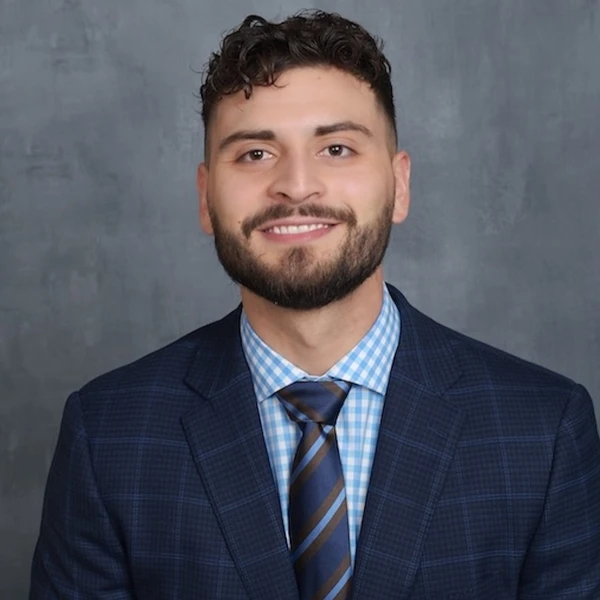
Matthew Hernandez
1x
FinalistMatthew Hernandez
1x
FinalistEducation
Oklahoma State University Center for Health Sciences
Doctoral degree program (PhD, MD, JD, etc.)Majors:
- Medicine
Texas Tech University Health Sciences Center
Master's degree programMajors:
- Health/Medical Preparatory Programs
- Medicine
Texas Tech University
Bachelor's degree programMajors:
- Microbiological Sciences and Immunology
Minors:
- Health Professions and Related Clinical Sciences, Other
- Chemistry
South Plains College
Associate's degree programMajors:
- Biological and Physical Sciences
Slaton H S
High SchoolMiscellaneous
Desired degree level:
Doctoral degree program (PhD, MD, JD, etc.)
Graduate schools of interest:
Transfer schools of interest:
Majors of interest:
Career
Dream career field:
Medicine
Dream career goals:
STEAM Generator Scholarship
Entering higher education as a first-generation Mexican American has been a journey of perseverance. Without any guidance, I struggled to navigate the system, facing financial hardships and cultural barriers that made college feel out of reach. My parents valued hard work but saw immediate employment as the best path forward. As a result, I pursued a vocational career as an electrician while attending Texas Tech University, unsure if higher education was truly an option for me.
My perspective changed after an unexpected injury—a fractured metacarpal—that introduced me to Dr. Melissa Henry, a family medicine physician. She not only treated my injury but also took the time to listen to my story. When she invited me to shadow her, I saw firsthand the profound impact a physician can have. Witnessing her ability to heal, reassure, and guide patients inspired me to pursue medicine, even though I lacked a clear roadmap.
Despite my passion, financial struggles forced me to withdraw from school and return to working night shifts in the sand mines. I vividly remember receiving my first paycheck, expecting relief but instead feeling emptiness and regret. The turning point came when my fiancée and I learned we were expecting our first child. Determined to provide a better future for my family, I re-entered the medical field by enrolling in a Cardiac Sonography program in Houston, earning my Certified Cardiographic Technician license. However, the COVID-19 pandemic disrupted my studies, leading me to return to Lubbock and resume my undergraduate education with renewed focus.
Determined to succeed, I immersed myself in opportunities to strengthen my medical knowledge. I volunteered in a surgical intensive care unit, administered COVID-19 vaccines, and shadowed emergency medicine physicians. I also conducted research in Dr. Lawrence’s lab, studying potential links between Alzheimer’s disease, vitamin A deficiency, and potassium channel mutations. These experiences reinforced my passion for medicine and gave me a deeper appreciation for how research drives medical advancements.
Despite these achievements, I often felt like an outsider in higher education. Unlike my peers, I had no family to guide me through applications or provide a financial safety net. Instead, I relied on my own perseverance and sought mentorship wherever I could. To further prepare for medical school, I joined the Graduate Medical Education Sciences program at Texas Tech University Health Sciences Center, where I experienced a first-year medical school curriculum and tutored students in the next cohort. This experience strengthened my academic confidence and affirmed that I belonged in the medical field.
Being a first-generation student has shaped my future goals in profound ways. I understand the struggles of those who feel lost navigating complex systems—whether it be education or healthcare. Because of this, I aspire to become a physician who serves underprivileged communities, ensuring that language barriers, financial concerns, or lack of trust in the system do not prevent individuals from receiving quality care. Just as I had to learn to navigate higher education on my own, many patients struggle to navigate their healthcare journeys. I want to be a physician who not only treats but also educates and empowers.
Receiving this scholarship would alleviate financial burdens, allowing me to focus entirely on my studies and professional development. It would enable me to engage in meaningful clinical experiences, research, and community service without the weight of economic constraints. More than financial support, this scholarship represents validation—that first-generation students like me belong in higher education and are worthy of success. With this opportunity, I can continue breaking barriers, not just for myself, but for future students and the patients I will one day serve.
Pay It Forward Scholarship
My journey toward a medical career has been shaped by perseverance in the face of adversity. As a first-generation Mexican American, I encountered significant barriers to higher education. My family’s opposition and financial constraints initially led me to pursue a vocational career as an electrician while attending Texas Tech University. However, a fractured metacarpal changed my trajectory. Under the care of Dr. Melissa Henry, a family medicine physician, I experienced firsthand the impact a doctor can have on a patient’s life. Inspired by her compassion and skill, I shadowed her and saw the profound influence physicians have in treating, guiding, and reassuring patients. That experience solidified my desire to pursue medicine.
Despite my passion, economic hardships forced me to withdraw from school and return to working night shifts in the sand mines. I vividly recall receiving my first paycheck, feeling an overwhelming sense of emptiness and regret. My perspective changed when my fiancée and I learned we were expecting our first child. Determined to build a better future for my family, I refocused on medicine. In 2019, I was accepted into a Cardiac Sonography program in Houston, earning my Certified Cardiographic Technician license. However, the COVID-19 pandemic disrupted my studies, leading me to return to Lubbock to resume my undergraduate education with renewed dedication.
Understanding the need for both academic excellence and real-world experience, I immersed myself in opportunities that strengthened my commitment to medicine. I volunteered in a surgical intensive care unit, assisted in administering COVID-19 vaccines, and shadowed emergency medicine physicians. Additionally, I contributed to research in Dr. Lawrence’s lab (at Texas Tech University Health Sciences Center), examining potential links between Alzheimer’s disease, vitamin A deficiency, and potassium channel mutations. These experiences not only reinforced my passion for medicine but also deepened my understanding of how research drives medical advancements.
To further prepare for medical school, I joined the Graduate Medical Education Sciences program at Texas Tech University Health Sciences Center. This rigorous program allowed me to experience a first-year medical school curriculum while tutoring the next cohort. I also had the opportunity to volunteer at a local free clinic, providing hands-on patient care. These experiences strengthened my clinical skills and affirmed my desire to serve as a physician.
Medicine is more than a career to me—it is a calling. My experiences have prepared me for the challenges of medical school, the demands of scientific research, and the realities of patient care. Most importantly, my journey has instilled in me a deep sense of compassion and resilience. With my medical degree, I hope to serve as a physician who not only diagnoses and treats but also understands and uplifts patients from all walks of life.