
Hobbies and interests
Photography and Photo Editing
Anatomy
Volleyball
Sports
Community Service And Volunteering
Reading
Academic
Matthew Forbes
1x
Finalist
Matthew Forbes
1x
FinalistBio
My life goals include attending a university that suits me, pursuing the career that works with my life schedule, all while still being connected to my faith. I am most passionate about photography and seeing every oppunitunity as an inspiration to take pictures.
Education
Marist High School
High SchoolMiscellaneous
Desired degree level:
Doctoral degree program (PhD, MD, JD, etc.)
Majors of interest:
- Registered Nursing, Nursing Administration, Nursing Research and Clinical Nursing
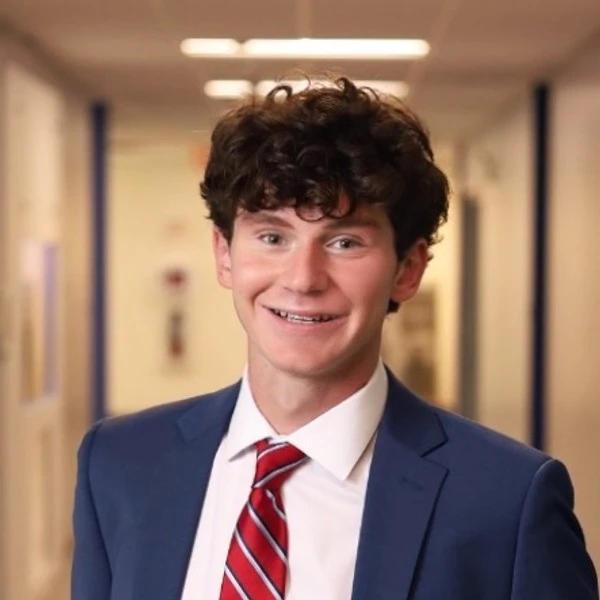
Career
Dream career field:
Medical Practice
Dream career goals:
Successful
Manager
St. Michael School2022 – Present4 years
Sports
Cross-Country Running
Varsity2022 – Present4 years
Volleyball
Club2023 – Present3 years
Awards
- captain
Public services
Volunteering
Habit for Humanity — To contribute my talents2023 – Present
Future Interests
Advocacy
Volunteering
Valerie Rabb Academic Scholarship
Shazam! Suddenly, I am teleported to the 1950s. Normally, a dementia patient at Peace Village Nursing Home, where I volunteer, Diane is now my tour guide, taking me through her childhood home as if no time has passed. After I ask her to show me around her house, she does not miss a detail, from the braided rug that her grandmother gave her to the small crack in her bedroom window.
While others perceive “care” as actions to fix, solve, and treat, in this moment, I am reminded that one of the highest forms of care can be stepping into someone else’s story to make them feel comforted, loved, and seen. For Diane and other Peace Village residents, they find security in knowing that someone is honoring their reality.
And yet, stepping into someone else’s world is not limited to time-traveling dementia patients. I am renowned for my signature gift baskets, which are only possible when I step inside the recipient’s reality. Every single touch is personalized, taking into account their wants and needs. The “Essential Nurse Basket” I gifted my mom during Nurses’ Week was stocked with small notepads for her endless to-do lists and her favorite Bundt cake at the end of a tough day. Every word in my handwritten notes is chosen with intention; every detail is intentional, and the fonts match the person's life.
The greatest form of care in life is knowing another person. While others notice, I observe. When others just hear, I listen. You can learn a great deal about a person if you simply pay attention to their body language, tone, and even their eye contact. I often think about Maya Angelou’s quote: “People will forget what you said, people will forget what you did, but people will never forget how you made them feel.” These words set the standard for the person I strive to be in my life, and the key is deeply understanding and connecting with others
This feeling did not come from thin air. I admire my mom, a hospitalist nurse practitioner who instilled in me the power of caring for people, and not just through her job or assisting our sickly neighbors daily through hospice. She brings home stories from the hospital, not about procedures, but about how healing begins with human connection, just by listening or even holding a scared patient’s hand.
It is no wonder that I dream about becoming a nurse myself. Researching social determinants of health through the lenses of culture, politics, ethics, economics, and environment for a year-long research project in AP English, I learned the key roles that nurses play in addressing health inequities in individuals and communities. During summer nursing programs, I witnessed nurses advocate for their patients by ensuring their voices are heard, their needs are met, and their care is personalized, which speaks to my deep emotional intelligence and empathy.
Most of all, I am reminded of this every time I volunteer at Peace Village or shadow nurses on the Medical-Surgical Unit of Palos Hospital. Learning firsthand about cultural sensitivity, empathy, and advocacy showed me how much these nurses care about their patients. Most meaningfully, the greatest outlet for my care will be observing their bedside manner, and always putting the patient first through steadfast attentiveness.
Every interaction, from opening a door to remembering a name to noticing a detail, is an invitation to step into someone’s story. Today, I see myself as someone who chooses to enter other people’s worlds not because I have to, but because there is no greater drive and desire inside of me.
Tawkify Meaningful Connections Scholarship
Shazam! Suddenly, I am teleported to the 1950s. Normally, a dementia patient at Peace Village Nursing Home, where I volunteer, Diane is now my tour guide, taking me through her childhood home as if no time has passed. After I ask her to show me around her house, she does not miss a detail, from the braided rug that her grandmother gave her to the small crack in her bedroom window.
While others perceive “care” as actions to fix, solve, and treat, in this moment, I am reminded that one of the highest forms of care can be stepping into someone else’s story to make them feel comforted, loved, and seen. For Diane and other Peace Village residents, they find security in knowing that someone is honoring their reality.
And yet, stepping into someone else’s world is not limited to time-traveling dementia patients. I am renowned for my signature gift baskets, which are only possible when I step inside the recipient’s reality. Every single touch is personalized, taking into account their wants and needs. The “Essential Nurse Basket” I gifted my mom during Nurses’ Week was stocked with small notepads for her endless to-do lists and her favorite Bundt cake at the end of a tough day. Every word in my handwritten notes is chosen with intention; every detail is intentional, and the fonts match the person's life.
The greatest form of care in life is knowing another person. While others notice, I observe. When others just hear, I listen. You can learn a great deal about a person if you simply pay attention to their body language, tone, and even their eye contact. I often think about Maya Angelou’s quote: “People will forget what you said, people will forget what you did, but people will never forget how you made them feel.” These words set the standard for the person I strive to be in my life, and the key is deeply understanding and connecting with others on a personal level.
This feeling did not come from thin air. I admire my mom, a hospitalist nurse practitioner who instilled in me the power of caring for people, and not just through her job or assisting our sickly neighbors daily through hospice. She brings home stories from the hospital, not about procedures, but about how healing begins with human connection, just by listening or even holding a scared patient’s hand when words are not enough.
It is no wonder that I dream about becoming a nurse myself. Researching social determinants of health through the lenses of culture, politics, ethics, economics, and environment for a year-long research project in AP English, I learned the key roles that nurses play in addressing health inequities in individuals and communities. During summer nursing programs, I witnessed nurses advocate for their patients by ensuring their voices are heard, their needs are met, and their care is personalized, which speaks to my deep emotional intelligence and empathy.
Most of all, I am reminded of this every time I volunteer at Peace Village or shadow nurses on the Medical-Surgical Unit of Palos Hospital. Learning firsthand about cultural sensitivity, empathy, and advocacy showed me how much these nurses care about their patients. Most meaningfully, the greatest outlet for my care will be observing their bedside manner, and always putting the patient first through steadfast attentiveness.
Every interaction, from opening a door to remembering a name to noticing a detail, is an invitation to step into someone’s story. These small gestures and conversations are the first steps to truly caring for someone else. Today, I see myself as someone who chooses to enter other people’s worlds not because I have to, but because there is no greater drive and desire inside of me. By providing the most holistic care to body, mind, spirit, and soul as a nurse, I know I will fulfill my life’s calling.
Losinger Nursing Scholarship
Shazam! Suddenly, I am teleported to the 1950s. Normally, a dementia patient at Peace Village Nursing Home, where I volunteer, Diane is now my tour guide, taking me through her childhood home as if no time has passed. After I ask her to show me around her house, she does not miss a detail, from the braided rug that her grandmother gave her to the small crack in her bedroom window.
While others perceive “care” as actions to fix, solve, and treat, in this moment, I am reminded that one of the highest forms of care can be stepping into someone else’s story to make them feel comforted, loved, and seen. For Diane and other Peace Village residents, they find security in knowing that someone is honoring their reality.
And yet, stepping into someone else’s world is not limited to time-traveling dementia patients. I am renowned for my signature gift baskets, which are only possible when I step inside the recipient’s reality. Every single touch is personalized, taking into account their wants and needs. The “Essential Nurse Basket” I gifted my mom during Nurses’ Week was stocked with small notepads for her endless to-do lists and her favorite Bundt cake at the end of a tough day. Every word in my handwritten notes is chosen with intention; every detail is intentional, and the fonts match the person's life.
The greatest form of care in life is knowing another person. While others notice, I observe. When others just hear, I listen. You can learn a great deal about a person if you simply pay attention to their body language, tone, and even their eye contact. I often think about Maya Angelou’s quote: “People will forget what you said, people will forget what you did, but people will never forget how you made them feel.” These words set the standard for the person I strive to be in my life, and the key is deeply understanding and connecting with others on a personal level.
This feeling did not come from thin air. I admire my mom, a hospitalist nurse practitioner who instilled in me the power of caring for people, and not just through her job or assisting our sickly neighbors daily through hospice. She brings home stories from the hospital, not about procedures, but about how healing begins with human connection, just by listening or even holding a scared patient’s hand when words are not enough.
It is no wonder that I dream about becoming a nurse myself. Researching social determinants of health through the lenses of culture, politics, ethics, economics, and environment for a year-long research project in AP English, I learned the key roles that nurses play in addressing health inequities in individuals and communities. During summer nursing programs, I witnessed nurses advocate for their patients by ensuring their voices are heard, their needs are met, and their care is personalized, which speaks to my deep emotional intelligence and empathy.
Most of all, I am reminded of this every time I volunteer at Peace Village or shadow nurses on the Medical-Surgical Unit of Palos Hospital. Learning firsthand about cultural sensitivity, empathy, and advocacy showed me how much these nurses care about their patients. Most meaningfully, the greatest outlet for my care will be observing their bedside manner, and always putting the patient first through steadfast attentiveness.
Every interaction, from opening a door to remembering a name to noticing a detail, is an invitation to step into someone’s story. These small gestures and conversations are the first steps to truly caring for someone else. Today, I see myself as someone who chooses to enter other people’s worlds not because I have to, but because there is no greater drive and desire inside of me. By providing the most holistic care to body, mind, spirit, and soul as a nurse, I know I will fulfill my life’s calling.
Maxwell Tuan Nguyen Memorial Scholarship
Shazam! Suddenly, I am teleported to the 1950s. Normally, a dementia patient at Peace Village Nursing Home, where I volunteer, Diane is now my tour guide, taking me through her childhood home as if no time has passed. After I ask her to show me around her house, she does not miss a detail, from the braided rug that her grandmother gave her to the small crack in her bedroom window.
While others perceive “care” as actions to fix, solve, and treat, in this moment, I am reminded that one of the highest forms of care can be stepping into someone else’s story to make them feel comforted, loved, and seen. For Diane and other Peace Village residents, they find security in knowing that someone is honoring their reality.
And yet, stepping into someone else’s world is not limited to time-traveling dementia patients. I am renowned for my signature gift baskets, which are only possible when I step inside the recipient’s reality. Every single touch is personalized, taking into account their wants and needs. The “Essential Nurse Basket” I gifted my mom during Nurses’ Week was stocked with small notepads for her endless to-do lists and her favorite Bundt cake at the end of a tough day. Every word in my handwritten notes is chosen with intention; every detail is intentional, and the fonts match the person's life.
The greatest form of care in life is knowing another person. While others notice, I observe. When others just hear, I listen. You can learn a great deal about a person if you simply pay attention to their body language, tone, and even their eye contact. I often think about Maya Angelou’s quote: “People will forget what you said, people will forget what you did, but people will never forget how you made them feel.” These words set the standard for the person I strive to be in my life, and the key is deeply understanding and connecting with others on a personal level.
This feeling did not come from thin air. I admire my mom, a hospitalist nurse practitioner who instilled in me the power of caring for people, and not just through her job or assisting our sickly neighbors daily through hospice. She brings home stories from the hospital, not about procedures, but about how healing begins with human connection, just by listening or even holding a scared patient’s hand when words are not enough.
It is no wonder that I dream about becoming a nurse myself. Researching social determinants of health through the lenses of culture, politics, ethics, economics, and environment for a year-long research project in AP English, I learned the key roles that nurses play in addressing health inequities in individuals and communities. During summer nursing programs, I witnessed nurses advocate for their patients by ensuring their voices are heard, their needs are met, and their care is personalized, which speaks to my deep emotional intelligence and empathy.
Most of all, I am reminded of this every time I volunteer at Peace Village or shadow nurses on the Medical-Surgical Unit of Palos Hospital. Learning firsthand about cultural sensitivity, empathy, and advocacy showed me how much these nurses care about their patients. Most meaningfully, the greatest outlet for my care will be observing their bedside manner, and always putting the patient first through steadfast attentiveness.
Every interaction, from opening a door to remembering a name to noticing a detail, is an invitation to step into someone’s story. These small gestures and conversations are the first steps to truly caring for someone else.
Evan James Vaillancourt Memorial Scholarship
One of the first times I said I wanted to be a nurse, I was at a family gathering two years ago. My cousin looked at me lovingly and said, “You will make a great doctor!”
I laughed and explained that I did not want to be a doctor; I wanted to be a nurse. She smiled…with confusion.
That moment illustrates the dangers of a single story. Many people cannot picture men in nursing, only in white coats, never in scrubs.
With only 12% of nurses being male, society still stereotypes nurses as female with persistent misconceptions surrounding males. I have personally witnessed these gender gaps first-hand while shadowing at hospitals and attending nursing camps.
In these settings, it’s easy for males to feel invisible. One male student told me he was constantly assumed to be there for physical tasks like moving patients, rather than providing compassionate care. A male nurse shared how patients sometimes express surprise or discomfort upon meeting him, as if caring and empathy are unexpected from a man.
Hearing this is frustrating, but it also motivates me to challenge those assumptions. I believe the best way to do this is to show what care really looks like. At the hospital, I found myself drawn to quieter moments, taking time to talk with each patient and get to know them. In the future, I intend to show up every day as myself with empathy and patience and let my actions speak louder than any label.
The biggest lesson I have learned from confronting this single story is that breaking gender inequalities in healthcare is not just about opening doors for myself, but opening them for others. This is why nursing feels like the right career for me. The focus on cura personalis, the care of the whole person, directly aligns with my beliefs about healthcare. Nursing fosters leadership within the community through social change models, and that is something I actively want to take part in. Furthermore, programs like the American Association for men in nursing will enable me to serve people whose stories often go unheard.
Nursing is more than a job, but a career where I can continue to break down the single story assumption, broaden perspectives, and build a future where care and respect are truly inclusive, regardless of your gender. Challenging these steotypes about men in nursing is something that needs to be done in today's day in age and I am ready to advocate for men who see nursing as a career but do not feel they belong. Until I change that.
Beverly J. Patterson Scholarship
One of the first times I said I wanted to be a nurse, I was at a family gathering two years ago. My cousin looked at me lovingly and said, “You will make a great doctor!”
I laughed and explained that I did not want to be a doctor; I wanted to be a nurse. She smiled…with confusion.
That moment illustrates the dangers of a single story. Many people cannot picture men in nursing, only in white coats, never in scrubs.
With only 12% of nurses being male, society still stereotypes nurses as female with persistent misconceptions surrounding males. I have personally witnessed these gender gaps first-hand while shadowing at hospitals and attending nursing camps.
In these settings, it’s easy for males to feel invisible. One male student told me he was constantly assumed to be there for physical tasks like moving patients, rather than providing compassionate care. A male nurse shared how patients sometimes express surprise or discomfort upon meeting him, as if caring and empathy are unexpected from a man.
Hearing this is frustrating, but it also motivates me to challenge those assumptions. I believe the best way to do this is to show what care really looks like. At the hospital, I found myself drawn to quieter moments, taking time to talk with each patient and get to know them. In the future, I intend to show up every day as myself with empathy and patience and let my actions speak louder than any label.
The biggest lesson I have learned from confronting this single story is that breaking gender inequalities in healthcare is not just about opening doors for myself, but opening them for others. This is why nursing feels like the right career for me. The focus on cura personalis, the care of the whole person, directly aligns with my beliefs about healthcare. Nursing fosters leadership within the community through social change, and advocacy something I actively want to take part in. Furthermore, programs like American association for men in nursing will enable me to serve people whose stories often go unheard.
Nursing is more than a job, but a career where I can continue to break down the single story assumption, broaden perspectives, and build a future where care and respect are truly inclusive, regardless of your gender. After completing undergraduate school I will attend CRNA school and become a pioneer within that field continuing my efforts to make men heard and seen. Working direct as a CRNA I will provide direct patient care and knowing that this career requires increased leadership and communication. A role that I am ready to take on!
Community Health Ambassador Scholarship for Nursing Students
Shazam! Suddenly, I am teleported to the 1950s. Normally, a dementia patient at Peace Village Nursing Home, where I volunteer, Diane is now my tour guide, taking me through her childhood home as if no time has passed. After I ask her to show me around her house, she does not miss a detail, from the braided rug that her grandmother gave her to the small crack in her bedroom window.
While others perceive “care” as actions to fix, solve, and treat, in this moment, I am reminded that one of the highest forms of care can be stepping into someone else’s story to make them feel comforted, loved, and seen. For Diane and other Peace Village residents, they find security in knowing that someone is honoring their reality.
And yet, stepping into someone else’s world is not limited to time-traveling dementia patients. I am renowned for my signature gift baskets, which are only possible when I step inside the recipient’s reality. Every single touch is personalized, taking into account their wants and needs. The “Essential Nurse Basket” I gifted my mom during Nurses’ Week was stocked with small notepads for her endless to-do lists and her favorite Bundt cake at the end of a tough day. Every word in my handwritten notes is chosen with intention; every detail is intentional, and the fonts match the person's life.
The greatest form of care in life is knowing another person. While others notice, I observe. When others just hear, I listen. You can learn a great deal about a person if you simply pay attention to their body language, tone, and even their eye contact. I often think about Maya Angelou’s quote: “People will forget what you said, people will forget what you did, but people will never forget how you made them feel.” These words set the standard for the person I strive to be in my life, and the key is deeply understanding and connecting with others on a personal level.
One of the first times I said I wanted to be a nurse, I was at a family gathering two years ago. My cousin looked at me lovingly and said, “You will make a great doctor!”
I laughed and explained that I did not want to be a doctor; I wanted to be a nurse. She smiled…with confusion.
That moment illustrates the dangers of a single story. Many people cannot picture men in nursing, only in white coats, never in scrubs.
With only 12% of nurses being male, society still stereotypes nurses as female with persistent misconceptions surrounding males. I have personally witnessed these gender gaps first-hand while shadowing at hospitals and attending nursing camps.
In these settings, it’s easy for males to feel invisible. One male student told me he was constantly assumed to be there for physical tasks like moving patients, rather than providing compassionate care. A male nurse shared how patients sometimes express surprise or discomfort upon meeting him, as if caring and empathy are unexpected from a man.
Hearing this is frustrating, but it also motivates me to challenge those assumptions. I believe the best way to do this is to show what care really looks like. At the hospital, I found myself drawn to quieter moments, taking time to talk with each patient and get to know them. In the future, I intend to show up every day as myself with empathy and patience and let my actions speak louder than any label.
Mary Alice Kramer Aspiring Nurse Scholarship
One of the first times I said I wanted to be a nurse, I was at a family gathering two years ago. My cousin looked at me lovingly and said, “You will make a great doctor!”
I laughed and explained that I did not want to be a doctor; I wanted to be a nurse. She smiled…with confusion.
That moment illustrates the dangers of a single story. Many people cannot picture men in nursing, only in white coats, never in scrubs.
With only 12% of nurses being male, society still stereotypes nurses as female with persistent misconceptions surrounding males. I have personally witnessed these gender gaps first-hand while shadowing at hospitals and attending nursing camps.
In these settings, it’s easy for males to feel invisible. One male student told me he was constantly assumed to be there for physical tasks like moving patients, rather than providing compassionate care. A male nurse shared how patients sometimes express surprise or discomfort upon meeting him, as if caring and empathy are unexpected from a man.
Hearing this is frustrating, but it also motivates me to challenge those assumptions. I believe the best way to do this is to show what care really looks like. At the hospital, I found myself drawn to quieter moments, taking time to talk with each patient and get to know them. In the future, I intend to show up every day as myself with empathy and patience and let my actions speak louder than any label.
The biggest lesson I have learned from confronting this single story is that breaking gender inequalities in healthcare is not just about opening doors for myself, but opening them for others who are as passionate as myself. This is why Nurisng feels like the right place for me. The focus on cura personalis, the care of the whole person, directly aligns with my beliefs that everyone deserves care regardless of where they come from. Through nursing leadership and advocacy I can really make a difference for men and promote awreness within in the field through social media initiatives and conferences. Furthermore, programs like American assoication for men in nursing will enable me to serve people whose stories often go unheard.
Nursing is more than a job, but a job where I can continue to break down the single story assumption, broaden perspectives, and build a future where care and respect are truly inclusive, regardless of your gender.