Hobbies and interests
Baseball
Wrestling
Community Service And Volunteering
Conservation
Environmental Science and Sustainability
Animals
Reading
Biography
I read books multiple times per week
Mateo Santiago
1x
Finalist1x
WinnerMateo Santiago
1x
Finalist1x
WinnerBio
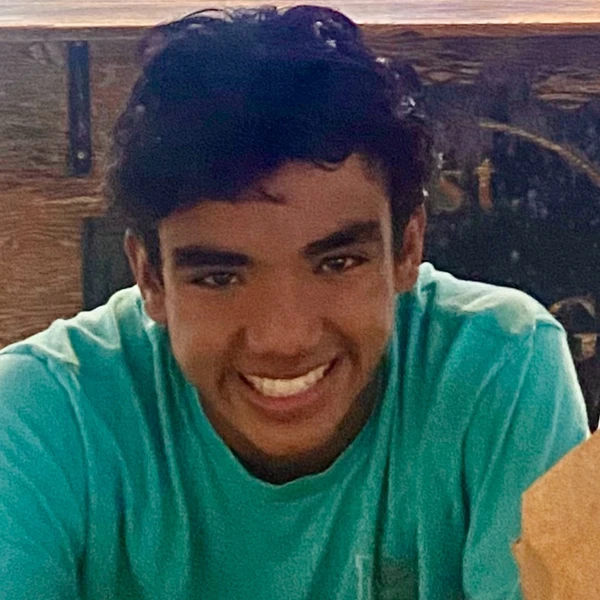
My name is Mateo Santiago, and I’m currently a Senior at Lakeland Senior High School, set to graduate with the Class of 2026. I have a strong interest in science research and a lifelong passion for animal welfare and advocacy. My goal is to pursue a career in environmental conservation, animal science, or veterinary medicine—fields where I can use both knowledge and compassion to make a real difference.
When I was eighteen months old, I was diagnosed with Sensory Integration Dysfunction (SID), which delayed my speech development. With the help of speech and occupational therapy, I found my voice by the time I entered kindergarten. Since then, I’ve carried a promise with me: “I have a voice, and I want to be heard.”
That mindset has guided me in and out of the classroom. I’ve served on the District Youth Council since middle school, representing students and working directly with the Board of Education and Superintendent. Advocacy, empathy, and leadership have become central to who I am—especially when it comes to helping animals, who often struggle to be understood just as I once did.
In 2022, I began volunteering at the Greenburgh Nature Center, caring for injured and rehabilitating animals, and helping to educate visitors on how to protect them. I was also honored to be selected for the Teatown Environmental Science Academy (TESA), where I conducted independent research and presented my findings at a public symposium. These experiences deepened my commitment to blending science, advocacy, and compassion.
Education
Lakeland High School
High SchoolMiscellaneous
Desired degree level:
Bachelor's degree program
Majors of interest:
- Biological and Biomedical Sciences, Other
- Environmental/Environmental Health Engineering
- Zoology/Animal Biology
- Geography and Environmental Studies
- Historic Preservation and Conservation
- Natural Resources Conservation and Research
Career
Dream career field:
Environmental Services
Dream career goals:
PHD in Environmental Studies
Sports
Wrestling
Varsity2022 – Present4 years
Awards
- Divisional 1
Baseball
Varsity2024 – Present2 years
Research
Environmental/Environmental Health Engineering
Tea Town Conservation — Junior Researcher2024 – 2024Biological and Biomedical Sciences, Other
Lakeland High School & Tea Town Nature Reservation — Junior reseacher2024 – Present
Public services
Volunteering
TESA - Teatown Environmental Science Academy — Summer Intern Reseacher2024 – 2024Volunteering
Greenburgh Nature Center — volunteer2021 – Present
Future Interests
Advocacy
Volunteering
Philanthropy
HeySunday Green Minds Scholarship
I grew up not being able to speak. While my twin brother found words easily, I couldn't get them out. Sensory Integration Dysfunction, the doctors called it. What it felt like was frustration — having thoughts, feelings, whole worlds inside me and no way to let them out. Years of speech therapy later, I finally found my voice. And I made myself a promise: now that I have it, I'm going to use it.
What I didn't know then was that using my voice would eventually mean speaking up for things that literally cannot speak for themselves.
I started volunteering at the Greenburgh Nature Center in January 2022. My twin brother came with me. We were thirteen — younger than any volunteer they'd ever accepted. The director made an exception after our orientation because she could tell we weren't just there to check a box. I wasn't. I kept coming back every weekend, every school break, because somewhere between feeding a red-tailed hawk and cleaning a turtle enclosure, I realized these animals had become my people. Most of them were there because of something a human did — a window collision, a destroyed habitat, a plastic bag in the wrong place. I'd clean their spaces, feed them, introduce them to visitors, and tell their stories. That last part felt the most important.
Then in 2024, my Science Research teacher nominated me for the Teatown Environmental Science Academy. I got to work with real tools, real data, real conservation problems — and present my findings at a public symposium. Standing up there, I kept thinking: this is exactly what I was made for. Not just the science, but the translating. Taking something complicated and urgent and making people actually feel it.
Here's what I want to do with my life: I want to work in the space where science and people meet. Environmental conservation, animal science, veterinary medicine — I'm still figuring out exactly which door I'll walk through, but I know what's on the other side. I want to restore habitats. I want to rehabilitate animals. I want to do research that actually changes policy. And I want to stand in front of rooms full of people — students, lawmakers, neighbors — and make them understand why it matters before it's too late.
I think about the animals at the GNC a lot. They can't explain what happened to them. They can't ask for help or argue for their own protection. Someone has to do that. I've been that someone in small ways already, and I want to spend my life getting better at it — with more knowledge, more tools, and more reach.
I was once the kid who couldn't get his words out. Now I can't imagine staying quiet.
Gregory Flowers Memorial Scholarship
"Mateo, give your brother a chance to speak. Mateo, I understand you want and have something to say. Wait your turn, and then you can tell your story." This was my mom giving me direction when I found my voice.
When I was just eighteen months old, my mother noticed I wasn’t developing speech as quickly as my twin brother. I struggled to form words and express my thoughts. I was soon diagnosed with Sensory Integration Dysfunction (SID), effecting speech development. The early years of my life were shaped by intensive speech and occupational therapy. Thanks to perseverance and support from my family, I found my voice by the time I started kindergarten. From that moment on, I made myself a promise: “I have a voice, and I want to be heard.”
I’ve carried that promise with me throughout my academic journey. Back in middle school, it meant so much to be trusted by my teachers and classmates to represent my middle School on the District Youth Council; a space where students, the Board of Education, and the Superintendent come together to share ideas and concerns. That experience showed me how important it is for every voice to be heard, and it’s a role I’ve been proud to continue in high school. Over the years, I’ve become not just a representative, but an advocate; someone who listens, speaks up, and makes sure others feel safe and encouraged to do the same. It’s a responsibility I carry with pride, because helping others find their voice matters deeply to me.
These values: advocacy, empathy, and leadership—also guide how I engage with the world beyond the classroom, especially when it comes to animals. From a young age, I’ve felt a deep connection to animals: creatures who, like I once did, struggle to be understood. This empathy led me to the National Junior Honor Society, where I reflected on how I could serve the most vulnerable and voiceless among us. It became clear to me: animals need allies.
In January 2022, I began volunteering at the Greenburgh Nature Center (GNC) in Scarsdale, New York. My twin brother and I are the youngest volunteers there; typically, only high school students are accepted. But after asking thoughtful questions during orientation and demonstrating a strong understanding of animal care, the director made an exception. Since then, I’ve spent weekends and school breaks caring for injured and rehabilitating animals; many harmed by human actions. I help feed them, clean their habitats, and introduce them to visitors, sharing their stories and educating others on how we can do better.
In 2024, I was nominated by my Science Research teacher to participate in the Teatown Environmental Science Academy an immersive program where students engage with the tools, theories, and techniques used to study today’s most urgent conservation issues. I conducted an independent research project and presented my findings at a public symposium. It was an incredible experience that deepened my commitment to blending scientific inquiry with environmental advocacy.
My long-term goal is to pursue a career in environmental conservation, animal science, or veterinary medicine. Fields where I can make a lasting difference, I believe my personal journey, and future aspirations align closely with your school.Your acceptance would mean so much to me as I embark on this journey of discovery and growth.
Valerie Rabb Academic Scholarship
"Mateo, give your brother a chance to speak. Mateo, I understand you want and have something to say. Wait your turn, and then you can tell your story." This was my mom giving me direction when I found my voice.
When I was just eighteen months old, my mother noticed I wasn’t developing speech as quickly as my twin brother. I struggled to form words and express my thoughts. I was soon diagnosed with Sensory Integration Dysfunction (SID), effecting speech development. The early years of my life were shaped by intensive speech and occupational therapy. Thanks to perseverance and support from my family, I found my voice by the time I started kindergarten. From that moment on, I made myself a promise: “I have a voice, and I want to be heard.”
I’ve carried that promise with me throughout my academic journey. Back in middle school, it meant so much to be trusted by my teachers and classmates to represent my middle School on the District Youth Council; a space where students, the Board of Education, and the Superintendent come together to share ideas and concerns. That experience showed me how important it is for every voice to be heard, and it’s a role I’ve been proud to continue in high school. Over the years, I’ve become not just a representative, but an advocate; someone who listens, speaks up, and makes sure others feel safe and encouraged to do the same. It’s a responsibility I carry with pride, because helping others find their voice matters deeply to me.
These values: advocacy, empathy, and leadership—also guide how I engage with the world beyond the classroom, especially when it comes to animals. From a young age, I’ve felt a deep connection to animals: creatures who, like I once did, struggle to be understood. This empathy led me to the National Junior Honor Society, where I reflected on how I could serve the most vulnerable and voiceless among us. It became clear to me: animals need allies.
In January 2022, I began volunteering at the Greenburgh Nature Center (GNC) in Scarsdale, New York. My twin brother and I are the youngest volunteers there; typically, only high school students are accepted. But after asking thoughtful questions during orientation and demonstrating a strong understanding of animal care, the director made an exception. Since then, I’ve spent weekends and school breaks caring for injured and rehabilitating animals; many harmed by human actions. I help feed them, clean their habitats, and introduce them to visitors, sharing their stories and educating others on how we can do better.
In 2024, I was nominated by my Science Research teacher to participate in the Teatown Environmental Science Academy an immersive program where students engage with the tools, theories, and techniques used to study today’s most urgent conservation issues. I conducted an independent research project and presented my findings at a public symposium. It was an incredible experience that deepened my commitment to blending scientific inquiry with environmental advocacy.
My long-term goal is to pursue a career in environmental conservation, animal science, or veterinary medicine. Fields where I can make a lasting difference, I believe my personal journey, and future aspirations align closely with your school.Your acceptance would mean so much to me as I embark on this journey of discovery and growth.
John F. Rowe, Jr. Memorial Scholarship
"Mateo, give your brother a chance to speak. Mateo, I understand you want and have something to say. Wait your turn, and then you can tell your story." This was my mom giving me direction when I found my voice.
When I was just eighteen months old, my mother noticed I wasn't developing speech as quickly as my twin brother. I struggled to form words and express my thoughts. I was soon diagnosed with Sensory Integration Dysfunction (SID), affecting speech development. The early years of my life were shaped by intensive speech and occupational therapy. Thanks to perseverance and support from my family, I found my voice by the time I started kindergarten. From that moment on, I made myself a promise: I have a voice, and I want to be heard.
I've carried that promise throughout my academic journey. In middle school, my teachers and classmates trusted me to represent my school on the District Youth Council — a space where students, the Board of Education, and the Superintendent come together to share ideas and concerns. That experience showed me how vital it is for every voice to be heard, and it's a role I've been proud to continue in high school. Over the years, I've become not just a representative, but an advocate — someone who listens, speaks up, and makes sure others feel safe doing the same.
These values — advocacy, empathy, and leadership — also shape how I engage with the world beyond the classroom, especially when it comes to animals. From a young age, I've felt a deep connection to creatures who, like I once did, struggle to be understood. This empathy led me to reflect through the National Junior Honor Society on how I could serve the most vulnerable and voiceless among us. The answer was clear: animals need allies.
In January 2022, I began volunteering at the Greenburgh Nature Center (GNC) in Scarsdale, New York. My twin brother and I are the youngest volunteers there; typically only high school students are accepted. But after asking thoughtful questions during orientation and demonstrating a strong understanding of animal care, the director made an exception. Since then, I've spent weekends and school breaks caring for injured and rehabilitating animals — many harmed by human actions — feeding them, cleaning their habitats, and educating visitors on how we can do better.
In 2024, I was nominated by my Science Research teacher to participate in the Teatown Environmental Science Academy, an immersive program where students engage with the tools and techniques used to study today's most urgent conservation issues. I conducted an independent research project and presented my findings at a public symposium — an experience that deepened my commitment to blending scientific inquiry with environmental advocacy.
My goal is to pursue a career in environmental conservation, animal science, or veterinary medicine — fields where science, empathy, and advocacy intersect. My journey from a child who struggled to speak, to a student who now speaks for others and for animals, has prepared me for exactly the kind of purposeful, discovery-driven community your school fosters. I would be honored to bring that voice to your campus.
Dr. Howard Hochman Zoological Scholarship
"Mateo, give your brother a chance to speak. Mateo, I understand you want and have something to say. Wait your turn, and then you can tell your story." This was my mom giving me direction when I found my voice.
When I was just eighteen months old, my mother noticed I wasn't developing speech as quickly as my twin brother. I struggled to form words and express my thoughts. I was soon diagnosed with Sensory Integration Dysfunction (SID), affecting speech development. The early years of my life were shaped by intensive speech and occupational therapy. Thanks to perseverance and support from my family, I found my voice by the time I started kindergarten. From that moment on, I made myself a promise: I have a voice, and I want to be heard.
I've carried that promise throughout my academic journey. In middle school, my teachers and classmates trusted me to represent my school on the District Youth Council — a space where students, the Board of Education, and the Superintendent come together to share ideas and concerns. That experience showed me how vital it is for every voice to be heard, and it's a role I've been proud to continue in high school. Over the years, I've become not just a representative, but an advocate — someone who listens, speaks up, and makes sure others feel safe doing the same.
These values — advocacy, empathy, and leadership — also shape how I engage with the world beyond the classroom, especially when it comes to animals. From a young age, I've felt a deep connection to creatures who, like I once did, struggle to be understood. This empathy led me to reflect through the National Junior Honor Society on how I could serve the most vulnerable and voiceless among us. The answer was clear: animals need allies.
In January 2022, I began volunteering at the Greenburgh Nature Center (GNC) in Scarsdale, New York. My twin brother and I are the youngest volunteers there; typically only high school students are accepted. But after asking thoughtful questions during orientation and demonstrating a strong understanding of animal care, the director made an exception. Since then, I've spent weekends and school breaks caring for injured and rehabilitating animals — many harmed by human actions — feeding them, cleaning their habitats, and educating visitors on how we can do better.
In 2024, I was nominated by my Science Research teacher to participate in the Teatown Environmental Science Academy, an immersive program where students engage with the tools and techniques used to study today's most urgent conservation issues. I conducted an independent research project and presented my findings at a public symposium — an experience that deepened my commitment to blending scientific inquiry with environmental advocacy.
My goal is to pursue a career in environmental conservation, animal science, or veterinary medicine — fields where science, empathy, and advocacy intersect. My journey from a child who struggled to speak, to a student who now speaks for others and for animals, has prepared me for exactly the kind of purposeful, discovery-driven community your school fosters. I would be honored to bring that voice to your campus.
Environmental Stewardship Award
The animals I care for at the Greenburgh Nature Center didn’t end up injured by accident. Many were harmed by pollution, habitat destruction, and the slow consequences of a warming planet. Working beside them every weekend has taught me something urgent: inaction is not neutrality. When we fail to act on climate change, real lives are lost, human and animal alike.
Climate change does not recognize borders. A wildfire in California affects air quality across continents. Melting Arctic ice reshapes coastlines in Bangladesh. This is precisely why mandatory recycling and sustainability policies must be paired with genuine international cooperation. No single nation can solve this alone. Agreements like the Paris Accord represent the kind of collective commitment we need: shared goals, shared accountability, and shared urgency. When countries invest in renewable energy, reduce emissions together, and hold one another to measurable standards, the compounding effect is far greater than any one government acting in isolation.
Still, global policy begins with individual action. At the Teatown Environmental Science Academy, I learned that the most pressing conservation issues are also the most local: a polluted stream, a disrupted migration path, a landfill creeping toward a wetland. Mandatory recycling matters because it builds the habit of accountability into everyday life. It tells communities: your choices have consequences, and your contribution counts. I believe that. Every habitat I help clean, every visitor I educate at the Nature Center, is a small act of resistance against the idea that one person cannot make a difference.
I found my voice as a child when the world couldn’t hear me. I intend to use it now for those who have none. A sustainable future is not built by governments alone; it is built by people who refuse to stay silent when the planet is asking for help.
Future Green Leaders Scholarship
When I was eighteen months old, my mother noticed I wasn’t developing speech as quickly as my twin brother. I struggled to express my thoughts and was diagnosed with Sensory Integration Dysfunction (SID), which affected my speech development. My early years were shaped by intensive speech and occupational therapy, and with the support of my family, I found my voice by the time I started kindergarten. From that moment on, I made myself a promise: I have a voice, and I want to be heard.
I have carried that promise throughout my academic journey. In middle school, I was trusted to represent my peers on the District Youth Council, where students collaborate with the Board of Education and Superintendent to share ideas and concerns. This experience taught me that meaningful change begins when people listen. Today, I continue this work in high school as an advocate who speaks thoughtfully, encourages others to engage, and helps turn shared concerns into action.
These values of advocacy, empathy, and leadership have shaped my passion for wildlife management and environmental sustainability. Sustainability must be a priority in wildlife management because the survival of wildlife is inseparable from the health of ecosystems. Without sustainable practices, habitat destruction, pollution, and climate change continue to threaten biodiversity, making conservation efforts reactive rather than preventative. Wildlife management that is not sustainable may address immediate problems, but it fails to protect species and ecosystems in the long term.
My commitment to sustainability is grounded in hands-on experience. In January 2022, I began volunteering at the Greenburgh Nature Center in Scarsdale, New York. My twin brother and I are the youngest volunteers there, as the program typically accepts only high school students. After demonstrating my understanding of animal care, I was given the opportunity to assist with rehabilitating injured wildlife—many harmed directly by human actions. I help feed animals, maintain habitats, and educate visitors about how everyday choices affect wildlife. Through this work, I learned that sustainable animal care means ethical treatment, responsible use of resources, habitat preservation, and public education focused on reducing future harm.
In 2024, I was nominated by my Science Research teacher to participate in the Teatown Environmental Science Academy, where students study real-world conservation challenges. Conducting independent research and presenting my findings at a public symposium reinforced my belief that science-based decision-making is essential to sustainability. Research allows wildlife managers to reduce environmental impact through data-driven conservation, habitat restoration, and long-term planning.
In the future, I plan to pursue a career in wildlife management focused on conservation, habitat restoration, and environmental education. Through sustainable animal care practices, conservation research, and community outreach, I aim to reduce human impact on ecosystems while protecting wildlife populations. I am proud to have been accepted into the Wildlife Management program at SUNY Cobleskill Ag & Tech, where I am attending in the fall and preparing to become a leader who turns sustainability into lasting environmental action.
Thank you
Mateo Santiago
RodentPro.com® Animal Advocate Scholarship
“Mateo, give your brother a chance to speak. Mateo, I understand you want and have something to say. Wait your turn, and then you can tell your story.” This was my mom reminding me to slow down as I learned how to use my voice.
When I was just eighteen months old, my mother noticed that I wasn’t developing speech as quickly as my twin brother. I struggled to express my thoughts and was later diagnosed with Sensory Integration Dysfunction, which affected my speech development. My early years were shaped by intensive speech and occupational therapy, along with unwavering support from my family. By the time I entered kindergarten, I had found my voice—and with it, a promise I still live by today: I have a voice, and I want to be heard.
That promise has guided my academic and personal journey. In middle school, it meant representing my peers on the District Youth Council, where students collaborate with the Board of Education and Superintendent to share concerns and ideas. Being trusted with that responsibility taught me how powerful advocacy can be. Over time, I grew into a leader who not only speaks up, but listens closely to others—making sure every voice is valued. Helping people feel heard has become one of my greatest motivations.
Those same values—empathy, advocacy, and leadership—extend beyond the classroom, especially in my connection to animals. From a young age, I felt drawn to animals because, like I once did, they often struggle to be understood. This realization helped me see animals as the most vulnerable voices of all. In January 2022, I began volunteering at the Greenburgh Nature Center in Scarsdale, New York. Although I was younger than most volunteers, my curiosity and commitment to animal care earned me a place. Since then, I’ve spent countless weekends caring for injured and rehabilitating animals—many harmed by human actions. Feeding them, cleaning their habitats, and educating visitors has shown me firsthand that conservation begins with compassionate animal care.
Animal care and welfare are essential to conservation because protecting ecosystems starts with protecting individual lives. Humane treatment, ethical rehabilitation, and responsible wildlife management allow animals not just to survive, but to thrive. Through my acceptance into the Wildlife Management program at SUNY Cobleskill, I am eager to deepen my scientific knowledge and hands-on experience in the field. I envision a career where I can blend conservation science with ethical animal care, advocate for responsible human-wildlife interactions, and educate others on how empathy strengthens environmental stewardship.
In 2024, I further developed these goals through the Teatown Environmental Science Academy, where I conducted independent research and presented my findings at a public symposium. That experience reinforced my desire to pursue a future in environmental conservation, animal science, or veterinary medicine. Just as I once worked to find my own voice, I now strive to speak for those who cannot—ensuring that animal welfare remains at the heart of conservation efforts. Your scholarship will help me help them.
Environmental Kindness Scholarship
Finding my voice is what led me to care so deeply about protecting the environment. As a child, I struggled with speech due to Sensory Integration Dysfunction and spent years in speech and occupational therapy learning how to communicate. By the time I reached kindergarten, I had finally found my voice. I promised myself then that I would use it with purpose—not just for myself, but for those who cannot speak for themselves. That promise is what fuels my passion for environmental and animal conservation today.
My interest in advocacy grew as I got older. In middle school, I was chosen to represent my school on the District Youth Council, where students met with the Board of Education and Superintendent to share concerns and ideas. Being trusted with that responsibility showed me how powerful it is when people feel heard. I learned how to listen, speak up thoughtfully, and stand up for others—skills that continue to shape who I am. Over time, I realized that advocacy doesn’t only apply to people. It also applies to the natural world.
I have always felt a strong connection to animals. They rely on us for protection, yet they are often the first to suffer from climate change, pollution, and habitat loss. In 2022, I began volunteering at the Greenburgh Nature Center in Scarsdale, New York. While caring for injured and rehabilitating animals, I saw how environmental damage directly affects wildlife. Many of these animals were harmed by human actions—whether through pollution, deforestation, or climate-related changes. Feeding them, cleaning habitats, and educating visitors made the issue personal for me. Climate change stopped being something I read about in textbooks; it became something I could see and feel.
My academic experiences have helped me understand how to turn passion into action. I was nominated by my science research teacher to join the Teatown Environmental Science Academy, where I conducted an independent research project and presented my findings at a public symposium. Through this program, I learned how scientific research can guide conservation efforts and influence real-world solutions. It confirmed my desire to study environmental science and animal conservation so I can actively contribute to combating climate change.
I also believe meaningful change starts at home. I encourage my family and friends to reduce their carbon footprint by making small, thoughtful choices—using reusable products, conserving energy and water, reducing waste, and being more mindful of how daily habits affect the planet. I remind them that no action is too small when enough people commit to it.
Protecting the environment matters to me because it is about responsibility, empathy, and action. By combining my passion for animals, my education, and my voice as an advocate, I hope to help protect the planet we all depend on. This scholarship would allow me to continue that journey and work toward a future where both people and the environment can thrive.
Stewart Family Legacy Scholarship
My story begins at eighteen months old, when my mother noticed I wasn’t developing speech as quickly as my twin brother. I was diagnosed with Sensory Integration Dysfunction (SID) and spent years in speech and occupational therapy. By kindergarten, I found my voice—and made a promise:
“I have a voice, and I want to be heard.”
That promise has shaped who I am. I’ve served on the District Youth Council since middle school, representing student voices to the Board of Education and Superintendent. Advocacy, empathy, and leadership continue to guide me, especially in my work with animals. Like I once did, they often struggle to be understood.
In January 2022, I began volunteering at the Greenburgh Nature Center. My twin brother and I are the youngest volunteers, accepted after demonstrating strong knowledge and passion. I care for injured animals, clean habitats, and educate visitors about protecting wildlife. I’ve seen how awareness leads to action—and change.
Athletics have also shaped me. Baseball taught teamwork and resilience. Wrestling demanded mental toughness and discipline. Both taught me to push through challenges—skills I bring to advocacy and academics.
My interest in science deepened when I attended the Teatown Environmental Science Academy (TESA), a four-week program focused on conservation. I conducted independent research and presented at a public symposium, gaining insight into how data drives change.
These experiences taught me that leadership and science are essential to shaping our future. Leadership gives us the courage to speak up for others. Science gives us the tools to understand and solve the world’s most pressing problems. Together, they empower us to create lasting impact.
Currently, I’m continuing science research while enrolled in Advanced Placement courses. I hope to pursue a career in environmental conservation, animal science, or veterinary medicine—fields where I can be a voice for the voiceless.
Receiving this scholarship would help me grow as both a scientist and a leader. Thank you for supporting students committed to creating a better world.
Sincerely,
Mateo Santiago
Kalia D. Davis Memorial Scholarship
I am writing to express my sincere interest in your scholarship program. With a passion for science research and a lifelong dedication to animal welfare and advocacy, my personal journey and future aspirations align closely with the mission and values your scholarship represents.
My story begins at eighteen months old, when my mother noticed I wasn’t developing speech as quickly as my twin brother. I was diagnosed with Sensory Integration Dysfunction (SID) and spent the early years of my life in intensive speech and occupational therapy. Through perseverance, I found my voice by kindergarten—and with it, a promise to myself:
“I have a voice, and I want to be heard.”
That promise has guided me throughout my academic and personal life. In middle school, I was honored to be selected by my teachers and peers to serve on the District Youth Council—a role I proudly continue in high school. As a liaison between students, the Board of Education, and the Superintendent, I’ve worked to make sure all voices in our school community are heard, especially those who might otherwise go unnoticed.
My values—advocacy, empathy, and leadership—also guide how I engage with the world outside of school, particularly with animals. From a young age, I’ve felt a deep connection to creatures who, like I once did, struggle to be understood. This empathy led me to the National Junior Honor Society and sparked a personal mission: to serve the most vulnerable and voiceless among us.
In January 2022, I began volunteering at the Greenburgh Nature Center in Scarsdale, New York. My twin brother and I are the youngest volunteers—typically, only high schoolers are accepted. But after asking insightful questions during orientation and demonstrating a strong understanding of animal care, the director made an exception. Since then, I’ve spent weekends and school breaks caring for injured and rehabilitating animals—many harmed by human actions. I feed them, clean their habitats, and educate visitors on how we can better protect wildlife. I’ve seen firsthand how compassion and awareness can spark meaningful change.
Athletics have also played a critical role in shaping who I am. Baseball taught me how to work as part of a team and how to bounce back from failure with grace. Wrestling, on the other hand, challenged me in deeply personal ways. It demanded physical and mental resilience, discipline, and the ability to push beyond my perceived limits. The lessons I’ve learned on the field and the mat have made me stronger, more focused, and more determined—qualities I now apply to every area of my life, from academics to advocacy.
My passion for science and advocacy deepened when I was nominated to attend the Teatown Environmental Science Academy (TESA)—a four-week immersive program that introduces students to today’s most pressing conservation challenges. There, I conducted independent research, presented my findings at a public symposium, and witnessed the powerful connection between data and action.
Currently, I’m continuing my concentration in science research while enrolled in Advanced Placement courses. My long-term goal is to pursue a career in environmental conservation, animal science, or veterinary medicine—fields where I can amplify the voices of those who cannot speak for themselves.
Receiving this scholarship would not only support my pursuit of higher education, but it would also empower me to expand my advocacy and leadership on a broader scale. Thank you for considering my application and for supporting students who are committed to using their voices for good.
Sincerely,
Mateo Santiago
Somebody Cares About Science - Robert Stockwell Memorial Scholarship
I am writing to express my sincere interest in your scholarship program. With a passion for science research and a lifelong dedication to animal welfare and advocacy, my personal journey and future aspirations align closely with the mission and values your scholarship represents.
My story begins at eighteen months old, when my mother noticed I wasn’t developing speech as quickly as my twin brother. I was diagnosed with Sensory Integration Dysfunction (SID) and spent the early years of my life in intensive speech and occupational therapy. Through perseverance, I found my voice by kindergarten—and with it, a promise to myself:
“I have a voice, and I want to be heard.”
That promise has guided me throughout my academic and personal life. In middle school, I was honored to be selected by my teachers and peers to serve on the District Youth Council—a role I proudly continue in high school. As a liaison between students, the Board of Education, and the Superintendent, I’ve worked to make sure all voices in our school community are heard, especially those who might otherwise go unnoticed.
My values—advocacy, empathy, and leadership—also guide how I engage with the world outside of school, particularly with animals. From a young age, I’ve felt a deep connection to creatures who, like I once did, struggle to be understood. This empathy led me to the National Junior Honor Society and sparked a personal mission: to serve the most vulnerable and voiceless among us.
In January 2022, I began volunteering at the Greenburgh Nature Center in Scarsdale, New York. My twin brother and I are the youngest volunteers—typically, only high schoolers are accepted. But after asking insightful questions during orientation and demonstrating a strong understanding of animal care, the director made an exception. Since then, I’ve spent weekends and school breaks caring for injured and rehabilitating animals—many harmed by human actions. I feed them, clean their habitats, and educate visitors on how we can better protect wildlife. I’ve seen firsthand how compassion and awareness can spark meaningful change.
Athletics have also played a critical role in shaping who I am. Baseball taught me how to work as part of a team and how to bounce back from failure with grace. Wrestling, on the other hand, challenged me in deeply personal ways. It demanded physical and mental resilience, discipline, and the ability to push beyond my perceived limits. The lessons I’ve learned on the field and the mat have made me stronger, more focused, and more determined—qualities I now apply to every area of my life, from academics to advocacy.
My passion for science and advocacy deepened when I was nominated to attend the Teatown Environmental Science Academy (TESA)—a four-week immersive program that introduces students to today’s most pressing conservation challenges. There, I conducted independent research, presented my findings at a public symposium, and witnessed the powerful connection between data and action.
Currently, I’m continuing my concentration in science research while enrolled in Advanced Placement courses. My long-term goal is to pursue a career in environmental conservation, animal science, or veterinary medicine—fields where I can amplify the voices of those who cannot speak for themselves.
Receiving this scholarship would not only support my pursuit of higher education, but it would also empower me to expand my advocacy and leadership on a broader scale. Thank you for considering my application and for supporting students who are committed to using their voices for good.
Sincerely,
Mateo Santiago
Pet Pals Pack Compassion Award
When I was eighteen months old, I was diagnosed with Sensory Integration Dysfunction (SID), which delayed my ability to speak. Through years of therapy and determination, I found my voice by the time I entered kindergarten. That journey taught me the power of communication and the importance of being an advocate—not just for myself, but for others who struggle to be heard.
That lesson has stayed with me. Today, I’m a junior at Lakeland Senior High School, pursuing science research and preparing for graduation with the Class of 2026. I’ve had the honor of representing my school on the District Youth Council since middle school, serving as a student voice to the Board of Education and Superintendent. But while I’ve found ways to speak up for my peers, my deepest passion lies in advocating for those who cannot speak at all: animals.
From a young age, I’ve felt a strong connection to animals. I see in them what I once experienced—being misunderstood, overlooked, and in need of care. That empathy led me to begin volunteering at the Greenburgh Nature Center in 2022, where I care for injured and rehabilitating animals, educate visitors, and help raise awareness about wildlife protection. These hands-on experiences showed me the emotional and scientific dedication required to care for animals—and I loved every minute of it.
In 2024, I was nominated to participate in the Teatown Environmental Science Academy, an immersive program where I conducted independent environmental research and presented my findings publicly. This experience deepened my interest in science and conservation and helped me see how veterinary medicine combines biology, advocacy, and real-world problem-solving. I continue to work on said project to present in senior year 206.
As I continue my studies in AP science courses and work toward my long-term academic goals, I know that becoming a veterinarian would allow me to blend my personal journey, my passion for animal welfare, and my academic strengths. I want to be a voice for animals the way others once were a voice for me. Whether treating injuries, educating communities, or helping shape a more compassionate future, I believe veterinary medicine is where I can make the most meaningful impact.
Receiving this scholarship would support my pursuit of higher education and allow me to expand my ability to drive meaningful change. Thank you for considering my application and for supporting students who are passionate about using their voices to advocate for others.
Sincerely,
Mateo Santiago