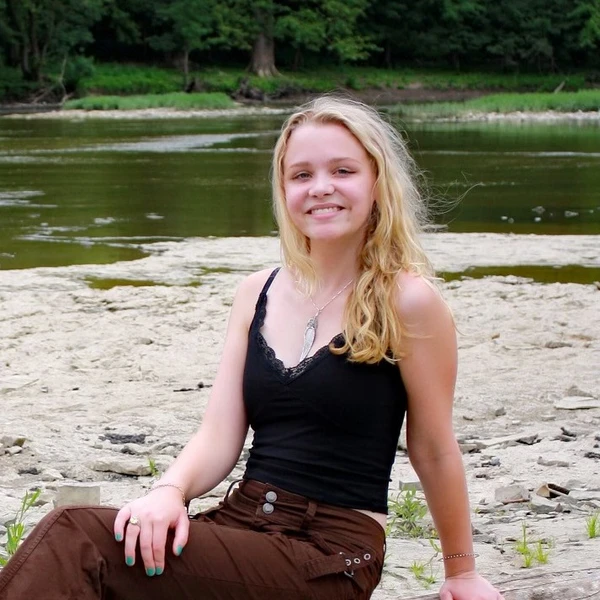
In the nuances of life, identity rules all. People drop hints at who they truly are in sideways glances, cryptic jokes, and in those brief moments before they can mask their true reactions. Being a queer individual, I am on high alert for all of these things. In today's world, not everywhere is safe. I sense who is safe, who is not, and who is like me. I came out at thirteen, but I've known I was queer since I learned what the word "gay" meant. I am fortunate enough to be white and cisgender(ish), but I see the way the rest of my community struggles and know that my struggles cannot compare with queer people of color. I do not fit the stereotypes associated with queer women, so in many spaces, I pass for a straight woman as well. I am very fortunate. I do not face outward homophobia from people I have not come out to. I do, however, see and feel the nuanced homophobia much more than straight people. I feel like an undercover agent at family gatherings with my incredibly conservative extended (and immediate) family.
I experimented with my gender identity and pronouns when I was a younger teenager. I came out to my mom as non-binary and asked her if she could use they/them pronouns for me. We fought for hours. It ended with me sobbing hysterically and her angry beyond reason. Our relationship was different from that point forward. She searched my phone constantly, kept me from hanging out with my queer friends, and even sent me to a religious counselor. It took years to earn her trust back. Now, almost five years later, she's gotten better. She respects my transgender friends' pronouns and has stopped trying to force religion on me, but it can't be how it would have been if I had kept my mouth shut. I love my mother and I am proud of who I am, but it still hurts to wonder if my own mother, along with several other family members, would come for dinner at my future home if there is another woman living in it.
I am passionate about writing because I am passionate about reading. Queer literature has provided solace for me; I knew there were other people like me with similar struggles, and I knew that, eventually, their struggles became manageable. I write because I want other queer youth to feel the same community and belonging that I felt. I want queer youth to know that there is nothing wrong with them and that that there is a group of people who will respect them for who they are, not convince them to change. Eventually, I hope that queer individuals will realize that their sexuality or gender identity is the least interesting thing about them. Literature, both fiction and nonfiction, is the easiest way to share stories of remarkable queer individuals and vibrant queer culture. Queer literature is a unique media in this way because it is the most discrete way to provide a lifeline for struggling queer youth. A book will go unnoticed by strict parents, unlike a social media platform. I write because I hope that my writing and my experiences reach someone who desperately needs to know that they are not alone. By sharing experiences, stories, and pain, writing becomes a universal connection across the queer community.