Hobbies and interests
Singing
Reading
Christianity
I read books multiple times per week
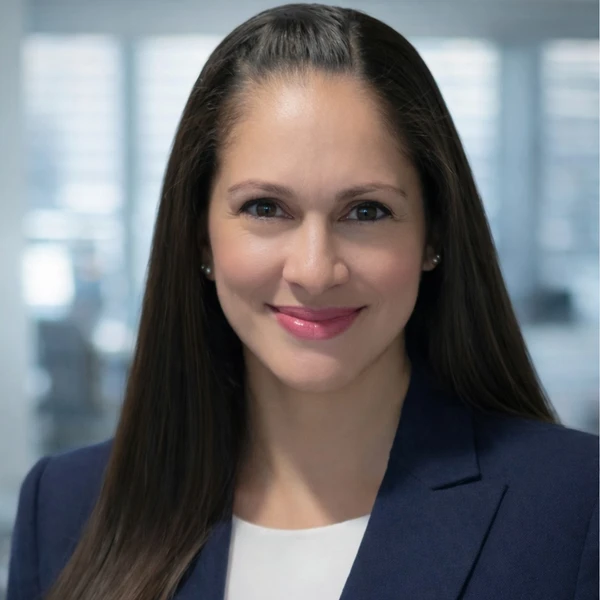
Marlene Ortiz
1x
Finalist
Marlene Ortiz
1x
FinalistBio
Marlene Ortiz is an educator and guardian who brings dedication, empathy, and leadership to every learning environment she serves. With extensive experience in ESOL and literacy instruction, she is committed to advocating for equitable learning opportunities for all students. She is earning her M.Ed. in Curriculum & Instruction to advance into roles that allow her to mentor teachers and lead meaningful instructional change.
Education
Western Governors University
Master's degree programMajors:
- Curriculum and Instruction
Colorado Technical University
Bachelor's degree programMajors:
- Criminology
Miscellaneous
Desired degree level:
Master's degree program
Graduate schools of interest:
Transfer schools of interest:
Majors of interest:
- Curriculum and Instruction
Career
Dream career field:
Education
Dream career goals:
Educator
Palm Beach School District2018 – Present8 years
Research
Education, General
Palm Beach School District — Educator2018 – Present
Public services
Volunteering
Christ Fellowship Church — Youth Leader2022 – Present
Tawkify Meaningful Connections Scholarship
Relationships—romantic, familial, and spiritual—have shaped my life in ways that continue to influence my long‑term goals, both personally and professionally. I have learned through experience that the people we allow into our lives can either drain us or strengthen us, limit us or lift us. For me, relationships have become a source of clarity, purpose, and motivation. They have taught me what kind of woman I want to be, what kind of mother and grandmother I strive to become, and what kind of educator I feel called to be.
As a single mother, my most defining relationships have been with my son and my grandson. They are the reason I push forward, even when life feels overwhelming. Raising a child with ADHD and on the autism spectrum taught me patience, advocacy, and unconditional love. Becoming the guardian of my grandson taught me resilience, responsibility, and the importance of building a stable future. These relationships have shaped my long‑term goals by grounding me in purpose. Everything I do—from pursuing my education to strengthening my faith—is connected to my desire to uplift my family and break generational cycles. I want my grandson to grow up seeing a woman who fought for her dreams, who didn’t give up, and who built a life rooted in faith and perseverance.
Romantic relationships have also played a role in shaping my goals, though not always in the ways I expected. I have experienced relationships that drained me emotionally, relationships that made me question my worth, and relationships that taught me the importance of boundaries and self‑respect. But I have also experienced love that supported me, encouraged me, and reminded me that partnership should feel like peace, not pressure. These experiences helped me understand that my long‑term goals require alignment—someone who supports my education, my healing, my faith, and my desire to serve others. I now know that the relationships I choose must strengthen my purpose, not distract me from it.
My faith has been the most transformative relationship of all. When I went through my accident, surgery, and the painful pause from volunteering at church, I felt disconnected from the parts of myself that brought me joy. But God used that season to rebuild me. He reminded me that my identity is not tied to what I do, but who I am in Him. That relationship has shaped my long‑term goals more than anything else. It has taught me to trust the process, even when I don’t understand it. It has taught me that purpose often grows out of pain. And it has taught me that the relationships God removes are just as important as the ones He brings into my life.
Professionally, relationships have shaped my desire to become an educator. Working with students—whether in church, in the classroom, or in the community—has shown me how powerful connection can be. Students thrive when they feel seen, understood, and supported. My own experiences with mental health, motherhood, and advocacy have given me a unique ability to connect with students who feel overwhelmed or misunderstood. I want to build relationships that help students believe in themselves, develop confidence, and discover their strengths. My long‑term professional goal is to create learning environments where every child feels valued, especially those who struggle silently.
Relationships have also taught me the importance of community. I want to use my education to uplift not only my family, but the families I serve. I want to build bridges between teachers and parents, especially those who feel unheard or unsure of how to advocate for their children. My personal experiences have shown me how isolating it can feel when you don’t know where to turn. I want to be the person who helps others navigate those moments with compassion and clarity.
In the end, relationships have shaped my goals by teaching me what truly matters: faith, family, purpose, and service. They have shown me that I am strongest when I am connected to people who believe in me and to a God who guides me. As I continue my education, I carry these relationships with me—not as burdens, but as blessings that push me toward the future I am building.
Ella's Gift
My journey with mental health and substance use has been one of the hardest battles of my life, but it has also been the place where God has shown me the most grace, strength, and purpose. Living with depression, anxiety, and bipolar disorder has brought seasons of darkness that felt impossible to climb out of. There were moments when I felt overwhelmed by emotions I couldn’t control, and moments when I reached for unhealthy coping mechanisms simply because I didn’t yet know how to face the pain. But through every struggle, God kept pulling me back to my purpose—my family, my calling, and the future He was shaping for me.
As a mother, my mental‑health challenges were especially heavy. I wanted to be strong, stable, and present for my son, and later for my grandson. But there were days when depression made it hard to get out of bed, when anxiety made me question every decision, and when bipolar disorder made my emotions feel like a storm I couldn’t calm. I often felt guilty for struggling, but motherhood also became one of my greatest motivators. I wanted to break cycles, not repeat them. I wanted my son and grandson to see a woman who fought her way back to herself, who chose healing, and who trusted God even when the path was unclear.
My faith became the anchor that held me together. In the moments when I felt lost, I prayed. When I felt ashamed, I reminded myself that God’s grace is bigger than my mistakes. When I felt weak, I leaned on the promise that His strength is made perfect in weakness. My recovery didn’t begin with perfection—it began with surrender. I had to admit that I needed help, that I couldn’t carry everything alone, and that healing would require honesty, humility, and support from professionals, loved ones, and God Himself.
Through this process, I experienced profound personal growth. I learned to recognize my triggers, to set boundaries, and to ask for help without shame. I learned that healing is not linear, and that setbacks do not erase progress. I learned to extend compassion to myself, the same compassion I freely give to others. And I learned that my story—my struggles, my victories, my faith—could one day help someone else.
These experiences are a major part of why I am pursuing my education. I want to become an educator who understands what it feels like to struggle internally while trying to function externally. I want to support students who feel unseen, overwhelmed, or misunderstood. My mental‑health journey has given me a deep well of empathy, patience, and resilience—qualities that are essential in education. I know what it means to fight for stability, to rebuild your life, and to keep going even when it’s hard. I want to bring that strength into the classroom and into the lives of the students and families I serve.
My plan for continuing my recovery is rooted in consistency, faith, and support. I stay connected to mental‑health professionals who help me manage my conditions safely. I maintain routines that keep me grounded—prayer, journaling, rest, and healthy boundaries. I pay attention to early signs of emotional imbalance and seek help when I need it. I lean on my faith, my family, and the purpose God has placed in my heart. Recovery is not something I take lightly; it is something I protect and nurture every day.
My journey has been painful, but it has also been transformative. It has shaped my goals, strengthened my faith, and deepened my commitment to becoming the woman, mother, and educator God created me to be. Pursuing my education is part of my healing, part of my purpose, and part of the legacy I want to leave for my family. This scholarship would help me continue that journey with stability and focus, allowing me to move forward with courage, faith, and determination.
Ethel Hayes Destigmatization of Mental Health Scholarship
Living with depression, anxiety, and bipolar disorder has shaped every part of my life—my goals, my relationships, and the way I understand the world. These conditions have brought challenges that I never expected to face, but they have also given me a depth of empathy, resilience, and purpose that I might not have discovered otherwise. My mental‑health journey has not been easy, but it has been transformative, and it continues to guide the person I am becoming.
Depression has taught me what it feels like to move through life carrying a weight that others cannot see. Anxiety has shown me how exhausting it can be to battle thoughts that race faster than reality. Bipolar disorder has brought moments of instability that forced me to slow down, reflect, and learn how to navigate my emotions with intention. These experiences have shaped my goals by pushing me toward a life rooted in meaning, stability, and service. They have made me determined to build a future where I can support others, especially students and families who may be facing their own invisible battles.
My relationships have also been shaped by my mental‑health journey. I have learned the importance of communication, honesty, and boundaries. I have learned to value the people who stay, who listen, and who try to understand even when they cannot fully relate. My experiences have made me more compassionate toward others, because I know how powerful it is when someone offers patience instead of judgment. They have also taught me to extend that same compassion to myself—something that took time, but has become essential to my growth.
Perhaps the biggest shift has been in how I understand the world. Living with mental‑health challenges has shown me that strength does not always look like confidence or perfection. Sometimes strength is simply getting up, trying again, and choosing hope even when it feels far away. It has taught me that people carry stories we may never know, and that kindness can change someone’s entire day. It has also taught me that healing is not linear, and that setbacks do not erase progress.
These lessons are part of why I am pursuing my education. I want to uplift myself and my family by building a stable, meaningful career, but I also want to use my experiences to support others. My mental‑health journey has given me a unique ability to connect with students who feel misunderstood, overwhelmed, or discouraged. I understand what it feels like to struggle internally while trying to function externally. I understand the importance of having someone who believes in you, even on the days you don’t believe in yourself. My goal is to be that person for my students.
My experiences with depression, anxiety, and bipolar disorder have shaped me in profound ways. They have challenged me, strengthened me, and taught me to see the world with compassion and purpose. They continue to guide my goals and my desire to make a positive impact—one student, one family, and one moment at a time.
Nabi Nicole Grant Memorial Scholarship
The moment my accident happened, my entire world shifted. One day I was serving in my church—teaching students, singing during worship, and feeling completely aligned with the purpose God had placed on my life. The next day, I was facing injuries that required surgery, months of recovery, and a painful pause on everything that made me feel connected to Him and to my calling. Losing the ability to volunteer with the students I loved and stepping away from singing—my way of worshiping and pouring out my heart to God—felt like a spiritual blow. It was as if the very things that anchored me had been taken away. In that season, the only thing I could cling to was my faith.
In the quiet moments after my surgery, when the pain was heavy and the days felt long, I wrestled with God. I asked Him why this happened, why I had been pulled away from ministry, and what purpose could possibly come from so much loss. I felt broken—not just physically, but spiritually. But it was in that brokenness that God met me. When I could not stand, He carried me. When I could not sing, He reminded me that worship is not just a song—it is a posture of the heart. When I could not serve, He whispered that my identity was not in what I did for Him, but in who I was in Him.
My faith became my lifeline. I prayed through tears, through frustration, through silence. I opened my Bible not because I felt strong, but because I was desperate for strength. Scriptures I had read for years suddenly became alive in a new way. “My grace is sufficient for you, for My power is made perfect in weakness.” I had never understood that verse so deeply until I had no choice but to lean on His strength instead of my own.
Slowly, God began to show me that this season was not a setback—it was a setup. He was stripping away everything I thought defined me so He could rebuild me with a deeper purpose. Being unable to serve students made me realize how much I missed guiding young people, advocating for them, and being a steady presence in their lives. Being unable to sing made me realize how much worship had shaped my spirit. And being forced to slow down made me realize how much I had been relying on my own strength instead of God’s.
Through this painful chapter, God planted a new calling in my heart: to become an educator. The same compassion, patience, and love I poured into ministry were the same qualities He was now shaping for the classroom. My accident didn’t end my purpose—it redirected it. What I thought was a loss became the doorway to a new assignment.
Today, as I pursue my education and prepare to serve students in a new capacity, I see clearly what I could not see then: God was never taking something away from me. He was preparing me for more. My faith didn’t just help me overcome the challenge—it transformed me, strengthened me, and positioned me for the purpose He always had for my life.
RonranGlee Special Needs Teacher Literary Scholarship
My passion for the special education profession began long before I ever imagined becoming a teacher. It began the moment I realized my son needed someone to understand him, advocate for him, and see him for who he truly was. When he was diagnosed with ADHD and placed on the autism spectrum, I entered a world filled with evaluations, meetings, and decisions that would shape his future. I quickly learned that children with learning differences do not simply need instruction—they need presence, patience, and someone who believes in their potential. That journey awakened something in me that has never left. It is the reason I am committed to becoming a special education teacher today.
Harold Bloom wrote, “The purpose of teaching is to bring the student to his or her sense of his or her own presence.” To me, this means helping students recognize their own identity, value, and capability. It means guiding them toward an awareness that they matter, that their voice has weight, and that they belong in every space they enter. For special education students—who are often misunderstood, underestimated, or overlooked—this sense of presence is not just important; it is transformative.
To bring a student to a sense of their own presence is to help them see themselves not through the lens of their challenges, but through the truth of their strengths. It is helping them understand that their differences are not deficits, but unique ways of experiencing and interacting with the world. It is teaching them to advocate for themselves, to trust their abilities, and to feel confident in who they are.
My mission as a special education teacher is rooted in this belief. I want every student I work with to feel seen, valued, and capable. I want them to walk into my classroom knowing they are safe, supported, and understood. I want to create an environment where they can explore their strengths, express their emotions, and grow academically and socially at their own pace. My goal is not simply to teach content, but to build confidence, independence, and self‑awareness.
I plan to accomplish this by focusing on three core practices:
1. Building authentic relationships.
Students thrive when they feel connected to the adults around them. I want to know their interests, fears, strengths, and dreams. When students feel understood, they begin to understand themselves.
2. Creating individualized pathways to success.
Special education is not one‑size‑fits‑all. I will use data, observation, and collaboration with families to design instruction that meets each student where they are. When students experience success—no matter how small—they begin to recognize their own presence and potential.
3. Teaching self‑advocacy and emotional awareness.
Students must learn to express their needs, identify their feelings, and understand how they learn best. These skills empower them far beyond the classroom.
My son taught me that every child deserves someone who refuses to give up on them. He taught me that behavior is communication, that progress is not always linear, and that every child has a spark waiting to be nurtured. He is the reason I have the patience, empathy, and determination needed in special education. He is the reason I believe so strongly in helping students discover their own presence.
Fairy Tale:
Once upon a time, in a quiet village surrounded by tall oak trees, there lived a woman named Marlene. She was known for her warm heart and her ability to hear what others could not—the quiet hopes hidden inside every child. One day, she met a young boy whose light flickered softly, dimmed by misunderstanding and doubt. The villagers whispered that he was “too different,” but Marlene saw something else: a spark waiting to shine.
Determined to help him, she set out on a journey to the Forest of Learning, where the ancient Tree of Presence was said to grow. The path was long and filled with challenges, but Marlene walked with courage, guided by love and purpose. When she reached the tree, she asked for the wisdom to help children see their own light.
The tree whispered, “Show them who they are, not who the world says they should be.”
Marlene returned to the village with new strength. She became a teacher, using her gifts to help every child discover their own presence. The boy’s spark grew into a steady flame, and soon other children came to her, each one finding their own light through her guidance.
And so, Marlene became known not just as a teacher, but as a guardian of presence—a heroine who helped every child believe in themselves.
Susie Green Scholarship for Women Pursuing Education
The courage to go back to school at this stage in my life did not come from a single moment—it grew from years of lived experience, personal challenges, and the deep desire to create a better future for my family and my community. My journey has been shaped by motherhood, advocacy, and resilience, and each chapter has pushed me toward the realization that education is not just a goal for me—it is a calling.
One of the greatest sources of my courage has been my son. When he was diagnosed with ADHD and placed on the autism spectrum, I had to learn how to navigate an education system that often did not understand him. I became his advocate, his voice, and his support. I attended meetings, researched interventions, and fought for services that would allow him to thrive. Through that process, I discovered strengths in myself that I didn’t know I had—patience, determination, and the ability to stand firm even when the path was difficult. Advocating for him taught me that I could handle more than I ever imagined, and it planted the seed that I could use these skills to help other children as well.
Another source of courage came from becoming the guardian of my grandson. Taking on that responsibility required emotional strength, financial sacrifice, and a complete shift in my daily life. But it also reminded me of the importance of stability, opportunity, and generational growth. I want my grandson to see that it is never too late to pursue your dreams, and that education is a powerful tool for changing your life. Going back to school is not just for me—it is for him, so he grows up watching someone who keeps pushing forward no matter the obstacles.
My professional experiences also gave me the confidence to return to school. Working in education, especially with ESOL and elementary students, showed me how much impact a dedicated teacher can have. I realized that I wanted to deepen my skills, expand my knowledge, and step into roles where I could support not only students, but also teachers and families. Pursuing higher education allows me to grow into the leader I know I can be—someone who advocates for inclusive practices, strengthens literacy instruction, and helps schools better serve diverse learners.
These experiences have shaped my values: empathy, perseverance, and service. They have taught me that every challenge carries a lesson, and every setback can become a source of strength. They have also shaped my career aspirations. I want to use my degree to support multilingual learners, guide teachers, and create learning environments where every child feels capable and valued. I want to be the educator I once needed for my own child.
This scholarship would give me the financial stability to continue my education while supporting my family. It would allow me to focus on my coursework, complete my program, and move into positions where I can make a meaningful difference. The courage to return to school came from my life experiences, but the opportunity to succeed will come from support like this.
Debra S. Jackson New Horizons Scholarship
My decision to pursue higher education at this stage in my life is the result of a long, personal journey shaped by motherhood, advocacy, and a deep commitment to helping others. The turning point came when my son was diagnosed with ADHD and placed on the autism spectrum. Navigating school with him required me to learn how to advocate fiercely, communicate effectively with educators, and understand the complexities of individualized learning. What began as a mother fighting for her child’s needs slowly transformed into a calling. Through every meeting, evaluation, and challenge, I discovered a passion for education and a desire to support not only my son, but other children and families facing similar struggles.
These experiences shaped my core values: empathy, perseverance, and equity. I learned that every child deserves to be seen for their strengths, not defined by their challenges. I learned that families need educators who listen, collaborate, and genuinely care. And I learned that advocacy is not just about speaking up—it is about creating environments where students feel safe, capable, and understood. These values have guided my work as an educator and continue to motivate me to grow professionally.
Pursuing my degree now is a reflection of both personal growth and professional clarity. I have reached a point in my life where I understand exactly why I want to be in this field and the impact I hope to make. My goal is to specialize in curriculum and instruction so I can support teachers, strengthen literacy practices, and help schools better serve multilingual learners and students with diverse needs. My lived experience gives me a unique perspective—one that blends compassion with practical understanding—and I want to use that to influence instructional decisions, mentor educators, and advocate for inclusive practices.
Community service has always been a natural extension of my values. Whether supporting families, volunteering in children’s ministry, or helping students outside the classroom, I believe in giving back to the community that shaped me. With advanced training, I plan to expand this work by offering workshops for parents, supporting early literacy initiatives, and collaborating with local schools to improve outcomes for students who often fall through the cracks. My goal is to be a resource not only inside the classroom, but throughout the community.
This scholarship would play a crucial role in helping me achieve these goals. As a guardian raising my grandson while continuing my education, financial support would ease the burden and allow me to focus fully on my coursework and fieldwork. It would also bring me one step closer to becoming the kind of educator and leader I once needed for my own child—someone who understands, advocates, and believes deeply in the potential of every student.
My journey has taught me that purpose often grows from personal experience. I am pursuing higher education now because I am ready to turn everything I have learned—through motherhood, advocacy, and service—into meaningful impact. With this scholarship, I will be able to continue that journey and use my education to uplift students, families, and my community.
Dr. Connie M. Reece Future Teacher Scholarship
The person who inspired me most to become a teacher is my son. Long before I ever stepped into a classroom as an educator, I stepped into countless meetings, evaluations, and conversations as a mother trying to understand how to support a child with ADHD who was also on the autism spectrum. His early school years were filled with challenges—some academic, some behavioral, and many emotional. But they were also filled with moments of growth, resilience, and breakthroughs that shaped not only his life, but my purpose.
When my son was young, I quickly realized that navigating the education system as a parent of a neurodivergent child required strength, persistence, and a willingness to advocate fiercely. I learned how to read evaluations, how to request services, how to communicate effectively with teachers, and how to push for accommodations that would allow him to learn in ways that honored his strengths instead of focusing only on his struggles. I became his voice in spaces where he was misunderstood, overlooked, or underestimated. Through that process, I discovered something important: advocacy is not just a responsibility—it is a calling.
As I fought for my son, I began to see the broader picture. I saw other children who needed the same kind of support, understanding, and patience. I saw parents who felt overwhelmed, confused, or unheard. I saw teachers who wanted to help but lacked the training or resources to fully meet the needs of students with learning differences. And I saw how powerful it was when even one educator took the time to truly see a child for who they were, not just how they behaved or how they performed on paper.
Those experiences lit a fire in me. I realized that everything I was learning—every strategy, every conversation, every challenge—was preparing me for something bigger. I wasn’t just advocating for my son; I was being shaped into the kind of educator I wished he had from the very beginning. Becoming a teacher was not a career decision for me. It was a deeply personal mission rooted in love, lived experience, and a desire to make sure no child feels invisible and no parent feels alone.
My son taught me that every child learns differently, and that differences are not deficits. He taught me patience, creativity, and the importance of celebrating small victories. He taught me that behavior is communication, and that children thrive when adults take the time to understand the “why” behind their actions. Most importantly, he taught me that every child deserves someone who believes in them—even on the days when they struggle to believe in themselves.
As a teacher, I plan to use these experiences to inspire others in several meaningful ways. First, I want to create classrooms where students feel safe, valued, and understood. I want to build learning environments where neurodivergent students are not seen as problems to manage, but as individuals with unique strengths and perspectives. My goal is to use my personal insight to help students develop confidence, self‑advocacy skills, and a sense of belonging.
Second, I want to support families the way I once needed support. I understand the fear, frustration, and uncertainty that parents feel when their child is struggling. I also understand the relief and hope that come when a teacher truly listens. I plan to build strong partnerships with families, communicate openly, and empower them with knowledge and resources. I want parents to feel that they have an ally—someone who sees their child’s potential and is committed to helping them succeed.
Third, I want to inspire other educators. Many teachers want to help but may not feel equipped to support students with ADHD, autism, or other learning differences. Through collaboration, modeling, and sharing strategies, I hope to contribute to a school culture that embraces inclusive practices. My lived experience gives me a perspective that can help bridge gaps between theory and reality, and I want to use that to uplift my colleagues and strengthen our collective impact.
Finally, I want my journey to show students that challenges do not define them. My son’s story—and my own—demonstrates that growth is possible, that support matters, and that every child deserves someone who refuses to give up on them. I want my students to know that they are capable, that their differences are valuable, and that their voices matter.
In the end, my son is the reason I became a teacher, but my purpose extends far beyond him. He opened my eyes to the needs of so many children who simply need someone to understand them. He taught me that advocacy can change lives. And he inspired me to become the kind of educator who leads with empathy, teaches with intention, and believes wholeheartedly in the potential of every student. Through my experiences, I hope to inspire others—students, families, and fellow educators—to see the beauty in every learner and to create a world where all children can thrive.