user profile avatar

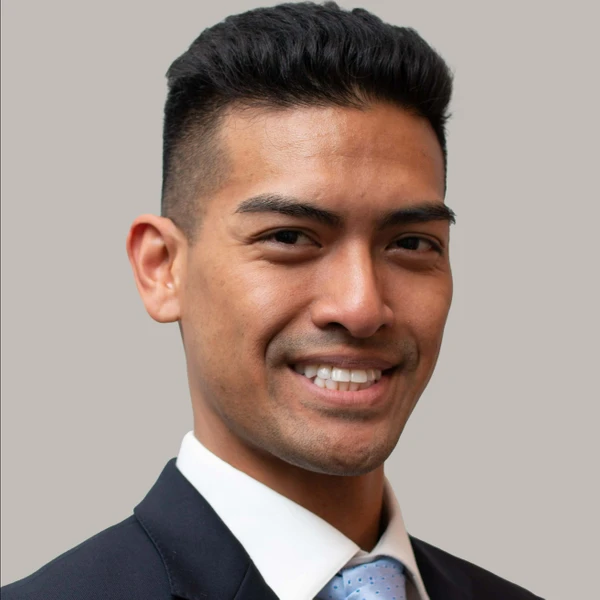
Markara So

1x

Finalist

1x

Winner

Bio

I am a first-generation Cambodian American and the middle child of five siblings. As the first member of my family to attend college, I take great pride in pursuing higher education and creating opportunities for future generations. I am currently enrolled in the Dental Hygiene Program at PIMA Medical Institute, where I maintain a 3.7 GPA. My dedication to academic excellence reflects my commitment to lifelong learning and providing exceptional patient care throughout my career. I actively volunteer at Shifa Clinic, a nonprofit dental clinic serving underserved populations. I assist with treatment room preparation, radiographs, sterilization procedures, and clinic operations while helping create a welcoming and respectful environment for patients. These experiences have reinforced my belief that quality healthcare requires not only clinical skills but also compassion, empathy, and effective communication. I have also volunteered with Texas Mission of Mercy, Smile at Kids, and Dental Veteran Smile Day. Serving diverse patient populations has strengthened my passion for community service and deepened my understanding of the barriers many individuals face in accessing healthcare. Outside of academics and volunteer service, I enjoy sports, music (heavy metal, rnb, and kpop as - BigBang and 2pm), Formula 1, anime, and visiting art and science museums. These interests foster curiosity, creativity, and personal growth, qualities that I carry into both my professional and personal life.

Education

Pima Medical Institute-Houston

Associate's degree program
2025 - 2027
  • Majors:
    • Dental Support Services and Allied Professions
    • Dentistry
  • Minors:
    • Dental Support Services and Allied Professions

Miscellaneous

  • Desired degree level:

    Associate's degree program

  • Graduate schools of interest:

  • Transfer schools of interest:

  • Majors of interest:

    • Dentistry
  • Not planning to go to medical school
  • Career

    • Dream career field:

      Dentistry

    • Dream career goals:

      Healthcare & Community Services Board of Directors

    • Dental Assistant

      2011 – Present15 years

    Sports

    Football

    Intramural
    2014 – 20173 years

    Research

    • Biological and Biomedical Sciences, Other

      Research Professor - Dr. Warner — Research Intern
      2019 – 2019

    Public services

    • Volunteering

      Texas Cambodian Buddhist Temple - Texas Cambodian Buddhist Temple — Community Volunteer
      2023 – 2025
    • Volunteering

      Texas Mission of Mercy — Dental Assist doctors chair side during treatment
      2013 – Present
    • Volunteering

      Texas Mission of Mercy — Dental Assist doctors chair side during treatment
      2010 – Present
    • Volunteering

      Shifa Community Clinic — Lead Dental Assistant
      2017 – Present

    Future Interests

    Advocacy

    Politics

    Volunteering

    Philanthropy

    Entrepreneurship

    Ethel Hayes Destigmatization of Mental Health Scholarship
    My understanding of mental health began not through a textbook or classroom lesson, but through my mother. My mother is a survivor of the Cambodian genocide, one of the darkest chapters in human history. For most of my childhood, I knew she had experienced hardship, but I did not fully understand the depth of her trauma. What I did understand were the nights when I would hear her screaming in her sleep. As a student, I often stayed up late studying for exams, completing assignments, or preparing for school. During those quiet nights, I would suddenly hear my mother's cries from another room. The sound was startling and heartbreaking. I would rush to wake her, only to find her trapped in a nightmare. As she slowly opened her eyes, confused and frightened, I would sit beside her, comfort her, and remind her that she was safe. Even as a child, I knew she was reliving something painful, though I did not yet understand what. As I grew older, my mother began sharing pieces of what she survived during the Cambodian genocide. She told me about the forced labor camps, the constant hunger, the effects of severe malnutrition, and witnessing violence and death at an age when most children should have been playing with friends. For years, these stories felt distant to me. Then I began connecting them to the nightmares that woke her in the middle of the night and the fear that still lingered decades later. I realized that while the genocide had ended long before I was born, its impact had never truly left her. Watching my mother live with post-traumatic stress disorder (PTSD) transformed my understanding of mental health. I learned that trauma does not simply disappear with time. Mental health challenges are not always visible, and some people carry emotional wounds for decades while appearing strong on the outside. My mother's experiences taught me that surviving a traumatic event and healing from it are often two very different journeys. At the same time, I witnessed incredible resilience. Despite enduring unimaginable suffering, my mother built a life for our family. She worked tirelessly to provide opportunities for her children, taught us the importance of education, and passed down values of perseverance, humility, and gratitude. While PTSD remained a part of her life, it never defined her. Her strength showed me that resilience is not the absence of pain but the ability to continue moving forward despite it. These experiences have profoundly shaped my relationships. Growing up, I became more aware of the struggles people carry beneath the surface. I learned not to judge others based solely on what I can see because everyone has a story that may be invisible to the outside world. Whether interacting with friends, family members, classmates, or patients, I strive to listen with empathy and offer support without judgment. Witnessing my mother's struggles taught me the importance of compassion and the power of simply being present for someone during difficult moments. My experiences have also shaped my goals. Working as a dental assistant has shown me that healthcare extends beyond treating physical conditions. Many patients walk into a clinic carrying anxiety, trauma, fear, grief, or personal hardships that may not be immediately visible. Some are nervous about treatment, while others may be dealing with challenges unrelated to their dental health. These experiences have reinforced my desire to pursue a career in healthcare where I can provide compassionate care that recognizes both the physical and emotional needs of patients. Most importantly, my mother's journey has shaped my understanding of the world. It has taught me that mental health is deeply connected to our experiences, histories, and relationships. Trauma can affect not only individuals but entire families and generations. Yet I have also learned that resilience, love, and hope can be passed down as well. My mother's survival story is not only one of tragedy; it is also one of strength, determination, and perseverance. Watching my mother live with PTSD has shown me both the challenges of mental illness and the remarkable strength of the human spirit. Her experiences have made me more compassionate, strengthened my commitment to helping others, and inspired me to approach the world with greater empathy and understanding. Through her example, I have learned that mental health deserves the same care and attention as physical health, and that healing often begins when we choose to listen, support, and stand beside one another. Those lessons will guide me throughout my life and future career.
    Charles B. Brazelton Memorial Scholarship
    One thing that makes me stand out is my love for Cambodian traditional dance. Most people are surprised when I tell them this because traditional dance is not something many young people my age participate in, especially men. While others may spend their free time playing sports or following popular trends, I find joy in learning and performing dances that have been passed down through generations of Cambodian culture. One of my favorite dances is Neary Chea Chour, a dance traditionally performed by women. What draws me to this dance is not only its beauty, but also the incredible amount of skill it requires. To an audience, the movements may appear effortless, graceful, and flowing. However, behind every gesture is tremendous physical and mental discipline. The dance demands balance, flexibility, body control, concentration, and attention to detail. Every movement of the hands, feet, and posture must work together to tell a story and create a sense of elegance. When I first became involved in Cambodian dance, I faced criticism and judgment from others. Some people questioned why a young man would choose to participate in something they considered feminine. Their comments made me self-conscious at times, but I refused to let other people's expectations define who I was or what I was passionate about. As people began to see the dedication and effort I put into learning the art, their perspective started to change. They saw the countless hours of practice, the discipline required to perfect each movement, and the pride I took in representing my culture. Many of the same people who once questioned me became some of my biggest supporters. That experience taught me that when you are passionate about something and commit yourself wholeheartedly, people often learn to respect it, even if they do not initially understand it. Beyond the physical challenge, Cambodian traditional dance allows me to connect with my heritage in a meaningful way. Through dance, I learn the stories, values, and traditions that have shaped Cambodian culture for centuries. This connection is especially important because much of Cambodia's rich cultural heritage was threatened during the Cambodian genocide. During the Cambodian genocide, nearly a third of Cambodia's population was killed. Among those lost were artists, musicians, dancers, and cultural leaders, placing centuries of Cambodian cultural traditions at risk of disappearing forever. The survival of Cambodian classical dance is a testament to the resilience of those who endured unimaginable hardship and refused to let their culture disappear. As the child of Cambodian immigrants, I view learning and performing these dances as more than a hobby—it is both a responsibility and a privilege. Every performance honors those who fought to preserve our traditions despite attempts to destroy them. In many ways, I am a product of that resilience. The fact that I can stand on a stage today, proudly performing dances that were once at risk of being lost reflects the strength of my ancestors and the perseverance of the Cambodian people. In the future, I hope to pass this knowledge on to my own children and others in my community. I want future generations to experience the same sense of pride and belonging that Cambodian dance has given me. While it may not be the most common hobby for a young man, it has taught me confidence, perseverance, and the importance of staying true to myself despite outside opinions. Through Cambodian dance, I am not only honoring my heritage—I am helping carry it forward.
    Hazel Joy Memorial Scholarship
    Mental health is often called an invisible struggle because the deepest wounds are the ones no one can see. I learned this heartbreaking reality through the loss of my cousin. Growing up, he was someone I admired. He was intelligent, funny, and had a way of making everyone around him laugh. At family gatherings, he could light up a room with his personality. To those around him, he seemed happy and successful. None of us realized how much pain he was carrying beneath the surface. When I learned that my cousin Gabriel, had taken his own life, I was devastated. The shock and grief were overwhelming. In the weeks that followed, I replayed countless memories and conversations in my mind, searching for signs I may have missed. I found myself asking questions that many families ask after losing a loved one to suicide: Did he feel alone? Did he want someone to notice his pain? Could a simple conversation have made a difference? The reality that I may never know those answers is one of the hardest parts of losing him. His death left a void in our family that can never be filled, but it also changed the way I view mental health. I realized that many people suffer in silence because they fear judgment or believe asking for help is a sign of weakness. My cousin's story taught me how dangerous that silence can be. Since his passing, I have become a stronger advocate for mental health awareness. I make a conscious effort to check in on friends, classmates, coworkers, and family members, not just by asking how they are doing, but by truly listening. I have learned that sometimes people do not need advice or solutions; they simply need to know that someone cares enough to hear them. His loss also strengthened my belief in the importance of professional mental health care. Therapy is often surrounded by stigma, but I see it as a sign of strength. Just as we seek treatment for physical illnesses, we should feel empowered to seek support when we are struggling emotionally. By speaking openly about mental health and encouraging others to access available resources, I hope to help reduce the barriers that prevent people from reaching out for help. As I pursue a career in healthcare, these lessons will remain at the center of who I am. Working as a dental assistant has shown me that caring for patients extends far beyond treating physical conditions. Many people walk into a clinic carrying anxiety, fear, financial hardship, or personal struggles that are invisible to those around them. I have learned that compassion, patience, and empathy can be just as important as clinical skills. In my future career, I want every patient to feel heard, respected, and supported. Although I cannot change what happened to my cousin, I can honor his memory through the way I serve others. His life taught me that kindness matters, listening matters, and mental health matters. By promoting mental health awareness, encouraging access to care, and creating safe spaces for honest conversations, I hope to help build a future where fewer people suffer in silence and where everyone knows they are not alone.
    Learner Mental Health Empowerment for Health Students Scholarship
    Mental health is often an invisible struggle. Many people carry burdens that the world cannot see, and because those struggles are hidden, they are too often overlooked, misunderstood, or dismissed. I learned this painful reality through the loss of my cousin. Growing up, my cousin was someone I admired. He was kind, intelligent, and always seemed to bring laughter to those around him. From the outside, he appeared to be doing well, but beneath the surface he was battling challenges that many of us did not fully understand. His mental health struggles eventually led to his suicide, leaving our family devastated and searching for answers. Losing him was one of the most heartbreaking experiences of my life. In the aftermath of his passing, I found myself asking questions that many families ask after losing a loved one to suicide. Could someone have recognized the signs? Could he have felt more comfortable reaching out for help? Could a simple conversation have made a difference? While I may never know the answers, his loss taught me an important lesson: mental health deserves the same attention, compassion, and support as physical health. My cousin's story inspired me to become an advocate for mental health awareness. I began encouraging open conversations about emotional well-being among friends, family members, and classmates. I believe that one of the most powerful things we can offer another person is a safe space to be heard without judgment. Sometimes people are not looking for solutions; they simply need someone willing to listen. I also became a strong supporter of seeking professional help when needed. Therapy is often surrounded by misconceptions, but I view it as a sign of strength rather than weakness. Just as we seek medical care when we are physically injured, we should feel empowered to seek support when we are struggling emotionally. By speaking openly about the benefits of therapy and mental health resources, I hope to help reduce the stigma that prevents many people from reaching out for assistance. As I pursue a career in healthcare, I plan to carry these lessons with me every day. Whether I am treating patients, working alongside healthcare professionals, or serving my community, I want to create an environment where people feel respected, supported, and heard. Healthcare is not only about treating physical conditions; it is also about recognizing the emotional and psychological challenges that patients may be facing. My cousin's life and loss have profoundly shaped the person I am today. While I cannot change what happened, I can honor his memory by helping others feel less alone in their struggles. I want to be someone who listens, advocates, and encourages people to seek the help they need. By promoting mental health awareness, supporting access to therapy, and creating safe spaces for honest conversations, I hope to make a positive difference in the lives of others and contribute to a world where no one feels that they have to face their battles alone.
    Our Destiny Our Future Scholarship
    One of the most meaningful experiences that shaped my vision for making a positive impact on the world occurred while volunteering at Shifa Community Clinic. As a dental assistant, I have the opportunity to help patients who often face barriers to receiving healthcare. One patient in particular reminded me why compassion and service can change someone's life. A man came into the clinic suffering from severe dental pain. As I spoke with him, I learned that he had lost his job months earlier and had been unable to find steady work. Without insurance or the financial resources to seek treatment, he had been living with constant pain from a severely infected tooth. He shared how the pain affected his ability to eat, sleep, and focus on rebuilding his life. More than anything, he felt hopeless because he did not know where to turn for help. Instead of seeing him as just another patient, I took the time to listen to his story. I wanted him to know that someone cared about what he was going through. After gathering his information, I quickly worked with our team to take diagnostic radiographs and present the findings to the doctor. Together, we coordinated treatment, prepared the operatory, and moved efficiently to provide the care he desperately needed. The doctor confirmed that the infected tooth needed to be extracted. During the procedure, I assisted closely and helped ensure the patient remained comfortable throughout treatment. When the extraction was complete, the source of his pain was finally gone. What I remember most was what happened afterward. The patient became emotional and had tears in his eyes. He repeatedly thanked our team for helping him. He was overwhelmed with gratitude because, after months of suffering, someone had finally listened to him and relieved his pain. That experience reinforced my belief that healthcare is about much more than clinical procedures. It is about treating people with dignity, empathy, and respect. Sometimes the greatest impact comes from taking the time to listen and understand someone's struggles. For this patient, we did more than remove a tooth—we restored comfort, hope, and the feeling that he mattered. As I pursue a career as a dental hygienist, I plan to make a positive impact by serving patients with the same compassion and dedication. I want to be an advocate for individuals who may not have access to dental care and to help bridge gaps in healthcare within underserved communities. Oral health affects a person's overall well-being, confidence, and quality of life, and I believe everyone deserves access to compassionate care regardless of their financial circumstances. My goal is to use my education and skills to improve lives one patient at a time. Whether it is relieving pain, educating patients about preventive care, or simply listening to someone who feels unheard, I want every person I encounter to leave knowing they were treated with kindness and respect. Through service, compassion, and patient-centered care, I hope to create a lasting positive impact on the world.
    STLF Memorial Pay It Forward Scholarship
    One of the most meaningful ways I plan to make a positive impact on the world is by improving access to oral healthcare for underserved populations. Throughout my oral health career, I have witnessed firsthand how untreated dental disease can affect a person's health, confidence, comfort, and quality of life. These experiences have strengthened my commitment to serving communities that often face barriers to receiving dental care. One experience that exemplifies this commitment was helping organize and participate in a Give Kids A Smile event through Shifa Community Clinic. For months leading up to the event, our team worked diligently to prepare for a day dedicated to providing free dental examinations, cleanings, oral health education, and preventive care for underserved children in our community. The planning process required collaboration among students, faculty, volunteers, and clinic staff to ensure every child received quality care in a welcoming environment. On the day of the event, I served as the lead dental assistant, a role that required me to help manage the overall flow of patient care while ensuring that providers had the support needed to deliver treatment efficiently. I coordinated between doctors, volunteers, and clinic staff, prepared operatories, organized instruments and supplies, assisted with radiographs, and helped facilitate direct patient care. By maintaining communication among team members and monitoring the pace of the clinic, I helped create an organized environment that allowed us to serve as many children as possible while minimizing wait times for families. What made the experience especially rewarding was seeing the impact on both the children and their families. Many of the children who attended had limited access to dental care, and for some, it was their first positive experience in a dental setting. Parents expressed gratitude for receiving services they otherwise could not afford, while children left with healthier smiles and a better understanding of how to care for their oral health. The event demonstrated how community outreach can address immediate healthcare needs while also promoting long-term wellness through education and prevention. In addition to community outreach events, I have had the opportunity to help patients at Shifa Community Clinic who were suffering from significant dental pain and lacked the financial resources to seek treatment elsewhere. One patient had been living with severe pain from an infected tooth after being out of work for several months. After listening to his story, obtaining radiographs, presenting his case to the doctor, and helping prepare the operatory for treatment, our team was able to remove the source of his pain. Seeing his relief and gratitude after months of suffering reinforced why I chose a career in dental hygiene. Moments like these remind me that oral healthcare is not just about treating teeth—it is about restoring comfort, dignity, and quality of life. As I continue my education and future career as a dental hygienist, I plan to expand my involvement in community-based care, oral health education, preventive services, and outreach programs that serve vulnerable populations. I hope to use my clinical skills, compassion, and leadership abilities to reduce oral health disparities and ensure that more individuals have access to the care they deserve. Through service, education, and advocacy, I hope to make a lasting difference—one patient, one family, and one community at a time.
    Sangha Support Scholarship
    My relationship with Buddhism has been one of the most meaningful influences in my life and has shaped both my personal values and future goals. In Buddhism, practitioners take refuge in the Three Jewels: the Buddha, the Dhamma (Dharma), and the Sangha. The Buddha is the enlightened teacher whose example inspires compassion and wisdom. The Dhamma represents his teachings and the path toward understanding reality and alleviating suffering. The Sangha is the community of practitioners who support one another in living according to these teachings. Together, the Three Jewels have provided me with guidance, purpose, and a strong sense of belonging throughout my life. To deepen my understanding of both my faith and Cambodian heritage, I became a Cambodian monk at Wat Buddharangsey, my local Buddhist temple. This experience allowed me to immerse myself in Buddhist teachings and Cambodian traditions in a much deeper way than I had ever experienced before. During my time as a monk, I practiced the Ten Precepts, which taught me discipline, mindfulness, humility, and compassion. Living according to these principles strengthened my connection to the Buddha's teachings and challenged me to reflect on how I could better serve others. My spiritual journey inspired me to become more active in my temple community. I helped prepare for Pchum Ben, one of the most important Cambodian Buddhist observances, during which families honor their ancestors and make offerings to the temple. Through this experience, I witnessed the power of community, gratitude, and service. What began as an opportunity to learn more about my culture and religion became a lasting commitment to volunteerism. After completing my time as a monk, I continued volunteering at Wat Buddharangsey every Sunday. Despite living 45 minutes away, I made the drive each week, even during the scorching Texas summer heat, because I found purpose in serving my temple and community. Whether assisting with events, supporting temple activities, or helping wherever I was needed, I experienced firsthand the joy that comes from selfless service. These experiences reinforced the Buddhist values of generosity, compassion, and dedication that continue to guide my life. Although I have had to temporarily step away from volunteering while completing an accelerated dental hygiene program, my commitment to service remains strong. Buddhism has significantly influenced my future goals by teaching me that meaningful work should benefit others and help reduce suffering. As a future dental hygienist, I hope to use my education and skills to improve access to oral healthcare for underserved populations. Many individuals face barriers to receiving preventive dental care, and I want to be part of the solution by providing compassionate, patient-centered care. After graduation, I plan to return to volunteering at Wat Buddharangsey and continue serving the community that has played such an important role in my spiritual growth. I also hope to participate in community outreach programs that provide direct oral healthcare services and education to underserved populations. In addition, I aspire to travel to Cambodia and take part in service initiatives that bring oral health education and preventive dental care to communities with limited access to treatment. By combining my professional skills with the Buddhist values I have learned through the Buddha, the Dhamma, and the Sangha, I hope to make a meaningful difference in the lives of others and continue a lifelong commitment to compassion, service, and community.
    Dental Hygiene Basics Scholarship
    My passion for dental hygiene has been shaped by more than a decade of hands-on experience, community service, and a strong foundation in science and research. Over the past 10 years, I have been actively involved in the dental field, where I discovered that oral health is not only about clinical care but also about education, prevention, and advocacy. Through volunteer work with Texas Mission of Mercy, Give Kids A Smile, and Dental Veterans Smile Day, I witnessed firsthand the barriers many individuals face in accessing dental care. These experiences strengthened my commitment to serving underserved communities. As a lead dental assistant at Shifa Community Clinic, I have provided quality care while developing leadership skills and a deeper understanding of patient-centered treatment. Dental hygiene stands out to me because it allows for direct patient care and the opportunity to build meaningful, lasting relationships. As a future dental hygienist, I will not only perform preventive and therapeutic procedures but also guide individuals toward healthier smiles through education, trust, and consistency. By teaching proper oral hygiene practices and emphasizing prevention, I can empower patients to take control of their health. A healthy smile is not just aesthetic—it plays a critical role in overall well-being, as oral health is closely linked to systemic conditions such as heart disease and diabetes. Being able to positively impact a patient’s total health through everyday care is what drives my passion for this profession. My academic journey reflects my dedication to excellence and lifelong learning. I currently maintain a 3.7 GPA in dental hygiene school while balancing rigorous coursework and clinical responsibilities. Additionally, I contributed to a published research study titled Retinal and Optic Nerve Degeneration in Liver X Receptor β Knockout Mice, which strengthened my understanding of the connection between science and healthcare and reinforced the importance of evidence-based practice. Beyond clinical care, I have also advocated for the dental profession by traveling to Austin, Texas, alongside dental professionals to support policies that improve access to oral healthcare. I plan to remain active in community outreach and advocacy efforts throughout my career. Financial preparedness is essential to achieving my goals. The demands of dental hygiene school limit my ability to work, creating financial challenges. Receiving this scholarship would ease that burden, allowing me to focus on my education and continue serving my community. My goal is to become a dental hygienist who not only provides exceptional care but also empowers patients to improve their overall health—one smile at a time.
    Lone Star Dental Hygiene Society Leadership Scholarship
    Winner
    I was a Team leader in my Dental Organization ASDA. We work as a team not only to provide resources to our members through volunteering and shadowing experiences, but also to instill the human aspect of oral care: that their patients' health is being cared for. I grew up in a low-income neighborhood with limited educational and economic opportunities. My parents survived the Cambodian genocide that happened in the 70’s, lived in refugee camps, and started a new life in America with only the clothes on their backs. I was taught from a young age that hard work is the key to success, but through this lens and my challenges, I developed a space to hear other stories. I volunteer at Shifa Community Clinic as a lead dental assistant on weekends to provide for the underserved population, and have attended legislation day with a doctor advocating in Austin, TX to advocate for the dental field. Once I graduate from hygiene school, I plan to return to my community clinic to educate patients and provide high-quality cleaning to improve their quality of life. I plan to advocate for my dental field to expand access to growth opportunities that will not only benefit me but also my peers, thereby improving patient care.
    Leading Through Humanity & Heart Scholarship
    1) I am a person who has a heart to serve others. I didn't grow up with a silver spoon in my ) mouth, so I faced a lot of adversity and limited access to quality health care. My upbringing inspired me to make a difference in my community by donating my time and providing dental-quality care to underserved areas. Attending a plethora of community services, such as Texas Mission of Mercy, Give Kids a Smile, Dentistry from the Heart, and Dental Veteran Smile Day, not only allowed me to make a direct impact on those in need but also nourished my desire to serve others. 2) I value many things, but one value that sticks out is empathy. My parents survived the Cambodian genocide that happened in the 70’s, lived in refugee camps, and started a new life in America with only the clothes on their backs. I was taught from a young age that hard work is the key to success, but through this lens and my challenges, I developed a space to hear other stories. I reminisce about a volunteer experience at Shifa Community Clinic as a dental assistant that sticks with me to this day. I greeted a new patient, welcomed him into the x-ray room, and asked for the reason for his visit. He informed me of an infected tooth that has been causing him severe pain for the last several weeks. I comforted him, knowing his quality of life had been negatively impacted by this issue, and assured him, “We’ll do the best we can to take care of you.” As I was prepping for his X-rays, he said, “Mark, thank you” with tears in his eyes. I stood there and took in that moment, opening my ears and heart to his struggle to find a job and feeling overwhelmed by the pain he was experiencing. He had been living with tooth pain, paying for multiple dental office visits to find the best combination of treatment and cost, but could not afford any of the treatment plans presented to him. This was a heartfelt moment that stayed with me. I comforted him and allowed him the space to be vulnerable and let his feelings out while validating his struggles and pain for so long. We transitioned the patient to the operating room. We took his vitals, went over his medical history, and had the dentist analyze the X-rays. The dentist expressed hope, saying, “I’ll be able to extract this tooth today.” We quickly set up treatment and successfully removed the infected tooth. Tears came from his eyes once again, and he thanked the whole staff as he made his exit. We were able to treat him with compassion and the dignity he deserved. Everyone has their own story and challenges. Providing a space to acknowledge someone's emotions and experiences is something I value. Many people have reasons for not visiting a dental office, whether that’s financial barriers, limited access to appropriate dental care, fear, or a lack of trust. Intentionally amplifying their experience, providing reassurance about their care, building rapport, and delivering quality care are things I look forward to. Being able to imbue the values I carry, shaped by the experiences I’ve had, will allow me to continue helping patients improve their oral health and quality of life.