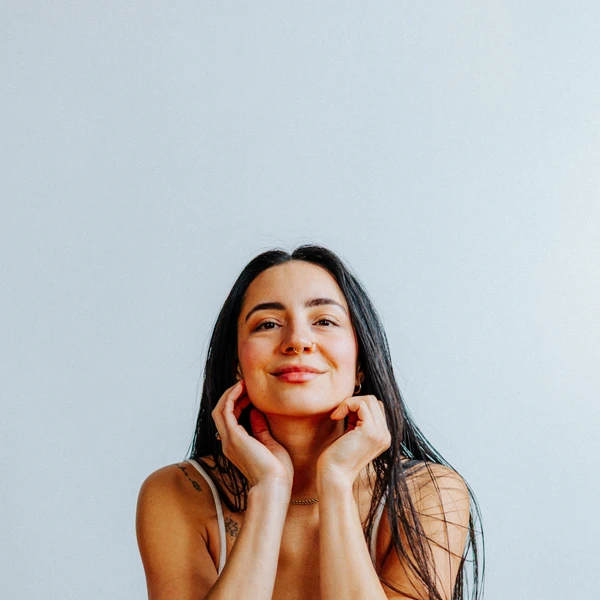
user profile avatar

Mariah Contreras

1x

Finalist

General information

Hobbies & Interests

  • Yoga
  • Meditation and Mindfulness
  • Nutrition and Health
  • Mental Health
  • Public Health
  • Birdwatching

Reading

  • Health
  • Women's Fiction

I read books multiple times a week.

Bio

Rooted in connection and guided by a deep respect for the human experience. I bring a grounded, compassionate, and intuitive presence to the spaces I enter. My background in healthcare shaped the way I understand care, advocacy, and the importance of crafting spaces where others feel safe, seen, and supported. I am magnetized to supporting women through moments of transition, vulnerability, and transformation, and I hold a strong commitment to creating spaces that are both emotionally safe and intentionally restorative. As a first- generation college student, yoga guide, mentor, doula in-training, and space-holder I offer more than support ~ I offer steadiness, presence, and attunement. My work is centered on helping others reconnect with themselves, their bodies, and natural rhythms that support healing and growth. My unique gift lies in my ability invite balance in holding space with both softness and strength, allowing people to feel deeply cared for while also encouraging to step into their own power. I am someone who listens closely, notices what is unsaid, and approaches each person with sincerity, discernment, and respect. My offerings intersect healthcare and devotion to women’s wellness. My keen ability to create trust in intimate, emotionally layered environments is where I feel in reciprocity. Consistently providing abstract care and committed to be embodied, responsive, and deeply human. My presence is grounded, my intentions are clear, and my work is shaped by a genuine desire to support others in feeling more connected, informed, and whole.

Education

Arizona School of Integrative Studies

Master's degree program

2026 – 2026

Majors:
  • Social Work
  • Psychology, General

Saint Mary's College

Bachelor's degree program

2018 – 2023

Majors:
  • Psychology, General
Minors:
  • Business, Management, Marketing, and Related Support Services, Other

Miscellaneous

Desired degree level:
Doctoral degree program (PhD, MD, JD, etc.)
Graduate schools of interest:
Naropa University
Majors of interest:
Clinical, Counseling and Applied Psychology, Public Health, Health Professions and Related Clinical Sciences, Other, Mental and Social Health Services and Allied Professions, Health Professions Education, Ethics, and Humanities, Somatic Bodywork and Related Therapeutic Services, Movement and Mind-Body Therapies and Education
Desired degree modality:
Hybrid
Medical school interest:
Yes

Career

  • Yoga instructor

    Health, Wellness, and Fitness

    Jan 2023 – Present

Miscellaneous

Dream career field:
Mental Health Care
Dream career goals:
Create a safe space for women to learn the depth in womanhood
Work experience:
2 years
Has nursing license:
No

Future Interests

  • Advocacy
  • Volunteering
  • Philanthropy
  • Entrepreneurship
Bulkthreads.com's "Let's Aim Higher" Scholarship
I want to build a life and career rooted in care, education, and community healing. More specifically, I want to build safe, supportive spaces for women and families where people feel seen, informed, and empowered to care for themselves and one another. A large part of what I want to build is a future in which women feel less alone in the transitions that shape their lives. I aim to help create spaces where young girls entering womanhood, mothers navigating pregnancy and postpartum, and women experiencing changes later in life can receive compassionate guidance without shame or fear. I have seen how often women are expected to carry pain silently, and I want to build something that replaces silence with support. Through my future work in healthcare and therapy, I hope to become a source of stability, education, and emotional care for the people who need it most. I also want to build a stronger relationship between health, prevention, and daily life. My own experiences have shown me that the choices we make now can shape our future in powerful ways. Because of that, I want to continue learning how nutrition, wellness, and emotional health work together. I hope to build a practice that encourages people to make informed, nourishing choices for themselves and their families. I want to be part of a community that values fresh food, mindful living, and long-term wellness, especially for mothers and fathers raising the next generation. On a personal level, I want to build resilience, discipline, and purpose. Life has taught me that people are deeply affected by trauma, caregiving, loss, and uncertainty, and it has also shown me that optimization is possible. I want to build a future where the challenges I have lived through become part of the strength I offer others. My hope is that my work will help people feel less burdened, more understood, and capable of moving toward a healthier life. I aim to build a legacy of care, compassion, and generational change where the people around me feel the impact of my presence in a real and lasting way. A place where women feel safer, families to feel more supported, and children to grow up in homes where health and healing are spoken about with openness instead of fear. There is something deeply powerful to me about turning pain into purpose and using my experiences to create comfort for someone else. That is the future I am working toward: one where my growth becomes a gift to others, and where the work I do helps build stronger, healthier, and more hopeful communities. For me, building this future means creating a career that reflects my values and gives meaning to my experiences. For my community, it means more access to care, more emotional support, and more encouragement to live with intention and dignity. I want to build something lasting: a life of service, compassion, and healing that helps others grow while helping me continue to grow as well.
Marsha Cottrell Memorial Scholarship for Future Art Therapists
I chose art therapy because creativity has been one of the most meaningful sources of healing in my life. As someone who witnessed my mother survive a domestic violence situation and also experienced childhood abuse, I understand how trauma can shape a person’s sense of safety, identity, and self-expression. For much of my childhood, I felt heavily controlled and unable to fully express myself. My mother, however, always supported my individuality in the ways she could, putting me in dance and cheer so I could have a healthy outlet for movement, expression, and joy. Those experiences taught me early that healing does not always begin with words. Sometimes, it begins with movement, color, rhythm, and creation. As I got older, I discovered ceramics and developed a deep love for it. I have worked with clay inconsistently since I was 16, but even when I stepped away from it, I always felt drawn back to it. There is something deeply grounding about creating with my hands and allowing something to take shape slowly and intentionally. Recently, I moved to Arizona and was excited to realize there is a ceramics studio just down the street from where I live. That felt like a sign to me that this path is still calling me. I believe creativity is not only a form of expression, but also a way of making peace with uncertainty. When I create, I feel joy. I feel present. I feel more connected to myself and to the process of life. My work with adults in treatment and recovery has strengthened this belief. I have introduced ceramics and dance movement therapy to the people I support, and I have witnessed the light these arts can bring into their lives. I have seen how creating something with their hands or moving their bodies in a safe, intentional way can open space for hope, reflection, and healing. I have also witnessed that same transformation in myself. These practices have reminded me that healing is not linear and that growth often happens through process rather than perfection. What draws me to art therapy is the way it honors that process. Art allows people to express what may feel too painful, complicated, or private to put into words. It creates space for emotion without demanding explanation. That is powerful, especially for individuals who have experienced trauma, loss, or abuse. I hope to use art therapy to help others reconnect with themselves, find relief from what they carry, and discover new ways of understanding their own stories. I believe the process of healing is similar to the process of art. You do not always know exactly what the final result will be, but you trust that something meaningful is emerging. Art leads with unpredictability, but that unpredictability can also be beautiful. It allows room for surprise, growth, and transformation. My hope is to help others experience that same sense of possibility. I want to offer a space where people feel safe enough to create, explore, and heal in their own time. Through art therapy, I hope to help others find the same light, joy, and sense of self that art has given me. I aim to support healing not by forcing outcomes, but by honoring the process and trusting that what emerges can be powerful, restorative, and miraculous.
Ethel Hayes Destigmatization of Mental Health Scholarship
My experience with mental health has shaped me in ways I am still learning to fully understand. Growing up, I was surrounded by pain that I did not yet have the words for. My father’s mother struggled with substance use, and the relationship around her felt unstable and chaotic at times. Even as a child, I could feel that something was deeply hurting the people I loved, though I did not fully understand it then. What I did understand was the love my grandmother carried for her children and grandchildren, including me. I was too young to see the full depth of her pain, but I knew she loved us deeply. One of the most painful turning points in my family was when my uncle, who was in the military, was hit by a semi and passed away. That loss changed everything. My grandmother became more distressed, and we later learned that she was living with bipolar disorder. That realization helped explain so much, but it did not make the pain any easier to carry. I loved being around my grandma, so being told I could no longer be around her for my own safety was heartbreaking. It was hard to understand why someone I adored could suddenly say such cruel things to me. As a child, I took those words personally and cried endlessly, not yet knowing how to separate her suffering from my own worth. As I have grown older and faced depression in my own life, I have begun to see those experiences through a softer and more compassionate lens. I understand now that my grandmother was battling wounds that ran deep, and that her pain was not about me. That understanding has changed me. It has made me gentler with others, and also gentler with myself. It has taught me that so many people are carrying invisible battles, and that the way we respond to one another can either deepen pain or begin healing. I currently work with adults who are learning how to live healthier lives. Many of them have dealt with substance abuse and mental illness, and I serve as a mentor as they navigate life in a healthier way. I feel deeply honored to sit beside them in their most raw moments and guide them toward seeing their own light. That work has reinforced my belief that healing is not linear and that every person deserves compassion, patience, and support. These experiences have given me a deep desire to hold space for others, especially women. I relate most closely to women’s experiences because I understand what it feels like to be hurt, overwhelmed, and unseen. I also understand what it means to be told you are strong when, inside, you once felt small and powerless. That is part of why I feel so called to support women through every phase of life, from adolescence to older adulthood. I want to be someone who listens with compassion, leads with empathy, and makes others feel safe enough to be honest about what they are carrying. Even now, I still call my grandma. I do this because I have empathy for the woman she has been, the pain she has survived, and the love she has shown in the midst of it all. My experience with mental health has shaped my goals, my relationships, and my understanding of the world by teaching me that people are often far more wounded than they appear, and far more worthy of care than they are given. It has made me want to be part of a world where people are met with compassion instead of judgment, and where healing is held with patience and humanity.
Annie Pringle Memorial Scholarship
Breast health education is deeply important to me because it sits at the intersection of women’s health, maternal care, and the earliest foundations of life. It is an area that affects not only mothers, but also babies, families, and the long-term well-being of communities. I believe that education in this field can make a profound difference because so many women enter motherhood without the resources, guidance, or support they need to feel confident in their choices. That lack of support can create unnecessary stress during one of the most vulnerable and meaningful seasons of life. My personal connection to this work began with my mother. She had me when she was 17 and was trying to figure things out for herself with very limited resources. She was determined to be a breastfeeding mom, but like many young mothers, she did not have the education or support system that would have made that journey easier. One of the stories my family still laughs about is that I was such a distressed breastfeeding baby that I actually bit off part of her nipple. While the story is funny now, it also reminds me of how real, intense, and unfiltered motherhood can be. It taught me early on that breastfeeding is not always simple, and that mothers often need patience, guidance, and support more than anything else. I honor my mother and all mothers for being the lifeline in a baby’s formative years, often while carrying their own emotional, physical, and financial challenges at the same time. That experience shaped the way I view motherhood and breast health. I have a deep respect for women who pour into their babies while learning how to care for themselves. I also understand that mothers come from all kinds of backgrounds and circumstances. Some are supported, some are isolated, some are experienced, and some are figuring it out for the first time. What they all deserve is education that is compassionate, accessible, and free of judgment. Breast health should not be treated as a topic reserved only for crisis or complication. It should be an ongoing part of women’s care, because it affects nourishment, confidence, body autonomy, and the connection between mother and child. This is why I hope to become a doula and offer lactation services to mothers of all kinds. I want to be a source of calm, support, and practical guidance during a time that can feel overwhelming. Whether a mother plans to breastfeed, pump, combination feed, or simply wants to understand her options, I want to help her feel informed and empowered. I know that no two mothers are the same, and no two feeding journeys are the same either. My goal is to meet women where they are, honor their choices, and support them without shame or pressure. I am especially drawn to this work because I believe mothers deserve to feel cared for as much as they care for their children. Too often, the focus is entirely on the baby, while the mother’s emotional, physical, and educational needs are overlooked. I want to help change that by creating spaces where women feel seen, supported, and respected. I want to help mothers trust their bodies, ask questions freely, and feel confident that they are not alone in the process. At the heart of this goal is my genuine belief that I am destined to support moms. My own life has shown me how much care, education, and advocacy can shape a woman’s experience. I have seen the strength it takes to mother without enough support, and I have seen how powerful it is when a woman is given the knowledge and encouragement she needs. Through my future work in doula care and lactation services, I hope to be part of that support system for others. I want to help mothers feel confident, valued, and equipped, because when mothers are supported, babies and families are supported too.
Catrina Celestine Aquilino Memorial Scholarship
I am someone who has always been deeply aware of the importance of care, connection, and advocacy. My experiences have shaped me into a person who values not only knowledge, but also compassion, integrity, and the ability to make others feel seen and supported. From a young age, I became familiar with the emotional challenges that can come with growing into womanhood, especially when those experiences are met with silence, confusion, or shame. Those early moments had a lasting impact on me and helped shape my passion for working in healthcare. As I got older, I began to recognize how common it is for women to navigate major life transitions without enough education or support. In my own family, I saw generational patterns of young pregnancy and limited access to information, which made me understand how deeply education can influence a person’s future. I have worked hard to break those cycles in my own life, and that experience has given me a strong sense of purpose. I believe that when people are given knowledge, support, and dignity, they are better equipped to make empowered choices for themselves and their communities. My interest in healthcare also comes from the belief that true care is both practical and human. I have already had the opportunity to witness the power of advocacy while working alongside a doula supporting a young mother with autism. In that space, I was able to help advocate for her when she did not feel safe speaking up for herself. That experience reinforced for me how important it is to create environments where people feel protected, respected, and heard. It also showed me that even small acts of support can have a meaningful impact on someone’s experience and confidence. Through my future career in healthcare, I plan to make a positive impact by serving women and families with compassion, education, and intentional care. I want to help create spaces where people feel safe asking questions, expressing concerns, and receiving information that is both accessible and empowering. I am especially passionate about supporting women through different stages of life, including puberty, pregnancy, motherhood, and menopause, because these transitions are often overlooked or misunderstood. My goal is to provide care that not only addresses physical needs, but also honors emotional and personal experiences. I hope to use my degree to become a thoughtful, grounded, and effective advocate for others. I want my work to help close gaps in education, reduce fear and shame, and support healthier, more informed communities. More than anything, I want to contribute to a world where people feel less alone in their struggles and more confident in their ability to care for themselves and each other.
Pay It Forward Scholarship
I chose to pursue healthcare because of the deeply personal experiences that shaped my understanding of how much women need compassionate, informed, and accessible care. My passion for this field began when I was a young girl going through puberty and felt alone, afraid, uneducated, and ashamed. What should have been a natural transition into womanhood instead felt confusing and isolating. That early experience stayed with me and became the foundation of my desire to support others through similar moments in a more informed and empowering way. As I grew older, I began to recognize that my experience was not isolated. I witnessed many women around me carrying similar feelings of discomfort, silence, and shame around their bodies and their health. In my own family, I saw a generational pattern of young pregnancy, limited education, and lack of support. My mother, grandmother, and great-grandmother were all pregnant at 16, and for much of my life, I did not have the language or resources to understand how deeply cycles like these are tied to education, access, and support. Being the first woman in several generations, to my knowledge, to break that cycle gave me a deeper sense of purpose. It showed me that knowledge can change outcomes, and that access to support can shape a woman’s entire future. My desire to work in healthcare was also strengthened by the moments when I saw how powerful advocacy can be. I had the opportunity to work alongside a doula supporting a young mother with autism, and I was able to help advocate for her when she did not feel safe doing so herself. That experience was meaningful to me because it showed me how important it is to create spaces where women feel protected, heard, and supported. It confirmed that healthcare is not only about treatment, but also about trust, dignity, and human connection. In the future, I want to use my degree to serve women across different stages of life, especially those who are often overlooked or underserved. I hope to provide accurate, holistic, and accessible education to young girls transitioning into womanhood, young mothers who lack support, and women navigating life stages such as menopause. I want to help break cycles of misinformation, fear, and silence by creating safe spaces where women can ask questions, gain knowledge, and feel confident in their bodies and decisions. Ultimately, I want my work in healthcare to be rooted in advocacy, education, and empowerment. My personal experiences have made me resilient, compassionate, and deeply committed to this path. I know that I am meant to work in spaces where women feel safe, seen, and supported, and I hope to use my degree to help create a future in which more women have access to the care and information they deserve.
Mariah Contreras Student Profile | Bold.org