Age
23
Gender
Female
Ethnicity
Black/African
Religion
Muslim
Hobbies and interests
African American Studies
Anime
Cleaning
Ethnic Studies
Anatomy
Board Games And Puzzles
Dance
STEM
Reading
Adult Fiction
Biography
Cultural
Psychology
Religion
Social Issues
Health
Historical
History
I read books daily
Credit score
US CITIZENSHIP
US Citizen
LOW INCOME STUDENT
Yes
FIRST GENERATION STUDENT
Yes
Maria Ali
2x
Nominee2x
FinalistMaria Ali
2x
Nominee2x
FinalistBio
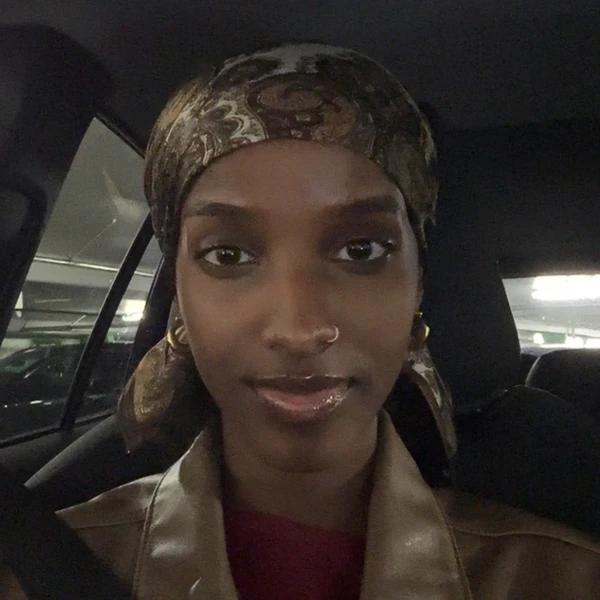
Hello! My name is Maria Ali, and I am a Dental Hygiene major recently accepted to New York University.
My passion lies in promoting preventive oral health and expanding access to compassionate dental care for underserved communities. My goal is to work as a dental hygienist in public health clinics, where many patients face financial, cultural, and systemic barriers to care.
I believe everyone deserves care that is respectful, affordable, and rooted in dignity.
I am a proud first-generation Somali American woman and the first in my family to pursue a college degree. I stay connected to my culture by participating in cultural dances within my community, which have been a source of healing, resilience, and belonging. These experiences have strengthened my commitment to giving back to the communities that raised and supported me.
My educational journey has not been traditional. During my senior year of high school, my family experienced homelessness. Despite this instability, I remained determined to graduate high school and continue my education. After high school, I worked full-time as a dental assistant while taking night classes, where I discovered my passion for dentistry and public health service.
I am currently funding my education independently. Receiving a scholarship would ease the financial burden of my education and allow me to remain focused on my studies, continue serving underserved communities, and pursue a career in public health dentistry with long-term impact.
Education
New York University
Bachelor's degree programMajors:
- Health Professions Education, Ethics, and Humanities
- Dental Support Services and Allied Professions
Minors:
- Public Health
Seattle Central College
Associate's degree programMajors:
- Dental Support Services and Allied Professions
Tyee High School
High SchoolMiscellaneous
Desired degree level:
Bachelor's degree program
Graduate schools of interest:
Transfer schools of interest:
Majors of interest:
- Dentistry
- Health Professions and Related Clinical Sciences, Other
- Dental Support Services and Allied Professions
- Microbiological Sciences and Immunology
- Health Professions Education, Ethics, and Humanities
- Education, Other
- Human Biology
Career
Dream career field:
Dentistry
Dream career goals:
Dental Hygienist
Sales Associate
Old Navy2018 – 20213 yearsSecurity Guard
Allied Universal2020 – 20211 yearPreschool Teacher
Explore Growth and Learning2021 – 20221 yearDental Assistant
Snoqualmie Ridge Family Dental2022 – Present4 years
Sports
Tennis
Junior Varsity2019 – 20212 years
Research
Foods, Nutrition, and Related Services
FEEST — Campaign member2018 – 2021
Arts
Somali Community Services Coalition
Dance2015 – Present
Public services
Advocacy
HPV Vaccine Campaign (at Tyee High School) — Campaign member2018 – 2021Advocacy
Somali Community Services Coalition — Youth Leadership Coordinator2021 – PresentAdvocacy
FEEST — Campaign member2018 – 2021Volunteering
King County Dental Mobile Clinic — Dental Assistant2024 – Present
Future Interests
Advocacy
Politics
Volunteering
Philanthropy
Dental Hygiene Basics Scholarship
Three days before my high school graduation, I was not thinking about college. I was trying to figure out where my family and I would sleep.
During my senior year, a fire broke out in a unit above ours, and our apartment building was declared unlivable. As a Somali American and the child of immigrants, my family and I had always relied on each other, with no extended support system to fall back on. We spent weeks living in motels and in our car. For the first time, I experienced homelessness. Three days before graduation, I secured housing for my family, and we moved in the day after.
That moment changed how I saw everything. I realized how quickly stability can disappear and how important it is to build something that cannot be taken away. I knew I needed a career that would give me financial security, not just for myself, but for my family.
After graduating, I became a dental assistant because I needed a steady job, but I stayed because I found purpose in the work. I assist with hygiene appointments by taking X-rays, performing coronal polishing, and providing oral hygiene education. I have seen how preventive care can improve confidence, and I have also seen what happens when care is delayed or out of reach. In those moments, I realized that dentistry is not just about treating teeth, but about restoring dignity, confidence, and access to care.
Volunteering with the King County Dental Mobile Clinic deepened this understanding. I worked with patients who reminded me of my own community, many of whom had not seen a dentist in years. I focused on creating a sense of comfort and trust, especially for those who arrived anxious or unsure. I learned that care is not only clinical, but also about making people feel seen and heard.
I have been accepted into the New York University Dental Hygiene program, an opportunity that reflects years of persistence and dedication. However, it also comes with significant financial responsibility.
As a future dental hygienist, I want to expand access to preventive care in underserved communities. I plan to continue working in mobile clinics and community spaces to provide education and early intervention. In the long term, I hope to pursue a master’s degree and contribute as both a clinician and an educator focused on oral health equity.
Financial preparedness is essential in achieving these goals. As a low-income student, the cost of tuition and living expenses can be overwhelming. This scholarship would reduce that burden and allow me to focus on my education without the constant stress of financial instability.
Dental hygiene represents both stability and service in my life. I am not just pursuing this career for financial security, but to turn care into access and knowledge into empowerment. My goal is to ensure that no one has to navigate their health feeling unheard or left behind.
Hearts on Sleeves, Minds in College Scholarship
“Why do you always have an attitude?”
That question followed throughout middle school. Although I never knew why I was constantly being asked that. It was never my intention to be rude or aggressive; I was simply talking in my normal voice. Yet over and over again, I was told that difficult and intimidating. During that time, I began to question not what I was saying, but who I was allowed to be when I said it.
One of the most defining challenges in my life has been learning to use my voice without the fear of being misunderstood. Growing up, I never struggled with what to say, but rather how my words were being perceived. Over time, I changed the way I spoke because I was afraid people would assume I had an attitude, even when it was never my intention.
In middle school, I was accused by non-black students and teachers of having an attitude problem. I remember feeling confused and frustrated because I was speaking in my usual voice. I was not trying to be rude or disrespectful, yet I was treated as if I were. There were even times when I was sent out of my class because of how I spoke.
By the eighth grade, I had become more reclusive. I began speaking less to my classmates and teachers, so I would not be misunderstood. And when I did speak, my voice barely went above a whisper. In addition, when I worked my customer service jobs in high school, I would speak in a “sweeter” tone. I did all of this to sound more acceptable and avoid being judged. Years later, I found out what I was doing was called code-switching. While this helped me navigate certain environments, it took a toll on my confidence because I began to question whether my natural voice was something that needed to be fixed.
As I grew older, I began to understand that what I experienced was not just random. It was something deeper that many Black women face. I was being labeled and judged before I even had the chance to fully express myself. Realizing this was both validating and painful. It made me reflect on how often I had been misunderstood, not because of what I said, but because of how others chose to see me.
What affected me most was recognizing the difference in how others were treated. When non-Black students spoke in similar tones or expressed themselves in the same way, they were not labeled as disrespectful or intimidating. They were given the benefit of the doubt, while I was not. That realization stayed with me and shaped the way I viewed my voice and my place in different spaces.
These experiences continue to influence how I show up today. As a dental assistant, I have seen how important it is for patients to feel heard, respected, and understood. Many patients come into the clinic feeling anxious, and the way we communicate can either ease that fear or make it worse. Because I know what it feels like to be misunderstood, I am intentional about how I speak to patients and how I listen. I take the time to explain procedures clearly, check for understanding, and create a space where patients feel comfortable asking questions without fear of judgment.
As a future dental hygienist, I want to use my voice to advocate for patients, especially those who may feel overlooked or dismissed. I want to be someone who creates a space where people feel safe being themselves without feeling like they have to change who they are to be respected. At the same time, I am learning to reclaim my own voice. I no longer want to feel like I have to shrink or soften myself to be accepted. I want to speak with confidence, authenticity, and purpose.
Conscious Consumer No-Essay Scholarship
RELEVANCE Scholarship
Sometimes I wonder what life would be like if my father were in the picture. However, after meeting my father for the first time at 12, I have realized his absence protected us more than his presence would. My mother, who was a minor when she married my father in Somalia, fled to the United States during the Somali Civil War. A few years later, she fled to the Pacific Northwest from an abusive marriage, with little English and no family.
For as long as I can remember, I have been the second adult in my family. From helping my younger siblings with their homework to cooking meals. In addition, I helped make appointments over the phone and became a translator for my mother. These responsibilities taught me early on how stress, trauma, and systemic barriers affect health. My mother was especially hesitant to seek dental care. Her fear stemmed from past trauma, language barriers, and negative experiences with providers who failed to explain procedures or create a sense of safety. As a result, dental visits were delayed until pain was unavoidable.
These early experiences shaped my understanding of how dental anxiety and lack of access can lead to preventable oral health issues. During my senior year of high school, I was homeless and worked multiple jobs to survive. Despite these obstacles, I continued to take community college classes because I believed that education is the key to financial stability.
After my family and I found some stability, I stopped working multiple jobs and found one that paid slightly more than the minimum wage. I found a job as a dental assistant. I did a 3-month training; afterwards, I worked at a dental clinic 5 minutes away from my house. Although I began this career path for financial reasons, I stayed for the purpose of seeing how simple education can change someone's confidence, as well as the consequences of delayed or inaccessible care. That was when I really started to understand how much oral health depends on who has access to care and who does not. In addition, volunteering with the King County Dental Mobile Clinic further reinforced my commitment to helping underserved communities.
I have been accepted into New York University's dental hygiene program for the fall of 2026. I chose this program because it matches the type of provider I want to be. It allows me to work alongside dental students and rotate through public health specialties and clinics. I value that the program encourages students to get involved in the community early on. This hands-on learning experience allows me to serve and form meaningful connections with the community.
My educational expenses are entirely covered by me, so I've had to save money and seek outside help. This grant will help reduce the cost of attendance. I intend to work part-time while in New York, but I am aware that my hours will be limited due to the program's rigorous workload. As a result, I want to be able to focus on school without worrying about money. Although I know it's unrealistic, any assistance I can get will be greatly appreciated.
As a future dental hygienist, my goal is to create a safe and welcoming environment in which patients feel heard, informed, and empowered. By emphasizing preventive care, clear communication, and cultural sensitivity, I hope to reduce dental fear and improve access to care in communities like the one where I was raised.
Nabi Nicole Grant Memorial Scholarship
It is May of 2021. I had just passed my knowledge test for my driver’s license and went to the mall to celebrate with my best friend while shopping for dresses for our high school graduation. Life felt hopeful. Then I received a text message from my younger brother that would change the rest of my life.
“Hey… Our apartment complex is on fire. But you do not have to worry. It is on the eighth floor.”
Since my family and I lived on the second floor, I did not panic. However, once I arrived home, we were told to evacuate immediately. That was when everything began to sink in. With help from the Red Cross, my family was placed in a motel while the fire was investigated. Soon after, we received a call informing us that our apartment was no longer safe to return to and that we needed to find housing on our own.
Unlike some of our neighbors, my family had no relatives or friends we could stay with. In that moment, we lost not only our home but also our sense of stability. That was how my family experienced homelessness for the first time.
We received temporary support from the Red Cross for a few more days. However, conflict within my family caused us to lose that shelter as well. During this time, I cried every day, waiting for the nightmare to end. I noticed that my tears were making my younger siblings anxious, and I knew I had to be strong for them, even though I was still a teenager myself.
At that point in my life, I was not deeply religious. Still, I had no one left to turn to besides Allah. My mother was working long hours, my eldest brother was struggling, and I was sitting in our family car helping my younger siblings complete their homework. I had never felt so alone.
One night, while my siblings watched television, I raised my hands and prayed to Allah with complete desperation. I asked Him to protect my family, to give my siblings a bed to sleep in, and to allow me to graduate high school. Most of all, I asked Him to provide us with shelter.
As I prayed silently, my mind became calm and clear. Instead of fear, I felt focus. I began searching for housing on my own and found an opportunity within an hour. I called my mother, and she trusted me. That night, while everyone slept, I stayed awake filling out paperwork, guided by faith and determination.
I was sleep deprived at the time because I was working in retail, caring for my siblings, and assisting my family in finding housing. Later, I learned I was at risk of failing my math class. After explaining my situation to my teacher, he showed compassion and allowed me to pass. I was relieved that I would not lose one more thing: my graduation.
The fear of homelessness stayed with me long after. Because of it, I worked full time in multiple jobs to protect my family from instability. During this time, I unexpectedly became a dental assistant. What began as a job slowly became a calling. I realized that true financial stability comes from education.
That experience reshaped my faith and ambition. I learned that faith is not just belief but action, patience, and trust. Today, I pursue higher education, knowing it is the foundation for stability, service, and a future beyond survival.
Audra Dominguez "Be Brave" Scholarship
COURAGE.
That was something I needed to survive.
Six weeks before my high school graduation, my family lost our home. Earlier that day, I was shopping for a graduation dress and thinking about photos, music, and having a small party with the people I loved. A few hours later, a fire in our apartment building forced everyone to leave. What I expected to be a temporary situation turned into weeks of not knowing where we would sleep.
We moved between motels, living out of bags. My mother worked long hours, and I took on responsibilities I was not ready for. I filled out housing paperwork, made phone calls, and tried to keep everything together while falling behind in school. At night, I cried alone in bathrooms, overwhelmed by fear and exhaustion. I was scared I would not graduate. I was scared I would lose the one thing I felt I was close to achieving.
Three days before graduation, things became worse. After a conflict involving my older brother, we were told we could no longer stay where we were. With little money left over, my family slept in our car in a grocery store parking lot. I remember lying awake in the backseat, scrolling through social media and seeing my classmates' posts about graduation parties, dresses, and celebrations. I had always envisioned throwing my own party. Instead, I was counting the hours until morning, wondering what would happen next.
Bravery was quiet in that moment. It was deciding not to give up.
From the car, I filled out housing paperwork and emailed leasing offices to see if we could move in earlier than planned. I had no idea if anyone would help, so I asked anyway. They said yes. We moved into a new apartment the day after my graduation. I walked across the stage carrying exhaustion, sadness, and pride all at once. Although there was no party or celebration, I survived.
That experience affected me deeply, both mentally and emotionally. I learned that continuing toward my career meant taking care of my mental health, not ignoring it. I reached out for therapy, focused on self-care, and gave myself time to heal while still moving forward. I found full-time work and returned to school part-time, rebuilding stability one step at a time.
Today, I am still pursuing my education, even though it has taken me longer than many of my peers from high school. I used to feel ashamed of that. Now, I see it differently. My dream is to walk across the stage one day without stress, without fear, and without survival mode. I want to graduate knowing my family is safe, my mind is at peace, and I can finally celebrate. I want that graduation party not just as a moment of joy, but as proof of how far I have come.
When faced with adversity, I continue by focusing on what I can control, asking for help when needed, and taking steady steps forward. These lessons guide me as I work toward becoming a dental hygienist and building a future rooted in stability and service.
In honoring Audra Dominguez, I choose courage every day, even when moving forward is the hardest thing to do.
Learner Tutoring Innovators of Color in STEM Scholarship
Looking back now, I realize I did not choose STEM. STEM chose me.
For most of my life, I never imagined myself pursuing a degree in science. Science felt intimidating and far out of reach, something meant for intelligent people, not someone like me. While I enjoyed math growing up, science was always a struggle, and over time I internalized the belief that STEM simply was not for me. I saw it as a space reserved for others, not for a Somali girl from an underrepresented community.
Growing up in the Somali community shaped how I understood healthcare, education, and access. For families like mine, healthcare was never about prevention or long-term wellness. It was accessed only when absolutely necessary, often through public health clinics, and usually after problems had already become serious. I always knew I wanted to work for communities like my own, communities that are underserved, overlooked, and often misunderstood.
What I did not know was that this path would require me to step into STEM, the very space I had spent years avoiding.
My entry into STEM was unplanned and practical. I became a dental assistant because I needed a job that paid more than minimum wage. At the time, it was about survival, not passion. But through hands-on experience, something shifted. I was introduced to the scientific foundation behind oral health, including anatomy, pathology, infection control, and evidence-based preventive care. Science stopped being abstract and intimidating. It became real. I could see it working directly in people’s lives.
More importantly, I saw how oral health is deeply connected to systemic health, confidence, and dignity. I witnessed how early intervention and patient education could prevent long-term health issues, especially for individuals facing financial and systemic barriers. STEM, for me, was no longer about theories or numbers. It became a tool for problem solving, one that aligned perfectly with my life’s purpose: helping others.
As a Somali American woman, my identity has deeply shaped my experience in STEM and my motivation to persist. In Washington State and beyond, I rarely see healthcare providers who share my background. I see how language barriers, cultural misunderstandings, and lack of representation affect patient trust. Volunteering with the King County Dental Mobile Clinic reinforced this truth. When patients saw me, especially other Africans and people of color, there was an immediate sense of familiarity and comfort. Trust formed faster because they saw themselves in me.
That moment changed everything. I realized I was not pursuing STEM just for myself or my future. I was doing it for my community, for Somali families here, and for Somali women back home who were never given access to education or healthcare. I am pursuing STEM so that science can reach the people it has historically excluded.
I chose STEM because it allows me to apply knowledge with purpose. As a woman of color and a Somali American, I do not see my role as simply participating in dentistry but helping reshape it. Through dental hygiene, public service, and education, I hope to be part of a future where STEM is not distant or exclusive but accessible, compassionate, and reflective of the communities it is meant to serve.
Mikey Taylor Memorial Scholarship
At a moment when anxiety, depression, and isolation had taken over my life and my struggles were dismissed within my Somali community, I unexpectedly found healing in dentistry. Although it was never part of my plan, dentistry became a space where my mental health was finally acknowledged and supported.
My experience with mental health has not always been easy. For as long as I can remember, I lived with underlying anxiety and depression, but I did not feel comfortable opening up about it. I often kept everything to myself and isolated, unsure of how to explain what I was feeling. Mental health is often dismissed in the Somali community. Many times, struggles with anxiety or depression are dismissed as a lack of faith, and people are encouraged to simply pray more or turn back to God. While my faith is important to me and something I deeply value, I came to understand that prayer alone was not stopping my anxiety or my depression. That realization was difficult and often left me feeling misunderstood and alone.
My mental health challenges became much worse during the COVID-19 pandemic. During this time, my family also experienced homelessness, which added fear, instability, and uncertainty to an already overwhelming situation. I felt disconnected from others and emotionally exhausted, and my anxiety made it difficult to ask for help or express what I was going through. I withdrew even more, believing I had to handle everything on my own.
Unexpectedly, dentistry became a turning point in my life. I did not find it intentionally, but working in a dental office slowly pulled me out of isolation. Dentistry gave me structure, purpose, and daily human connection when my mental health was at its lowest. Being around patients and coworkers pushed me outside of my comfort zone, forcing me to confront my anxiety rather than avoid it. Overtime, this sense of responsibility and connection helped ease both my depression and my anxiety, reminding me that I was capable of showing up even on difficult days.
Now, as a dental assistant and future dental hygienist, I can see how mental and dental health are interconnected. Anxiety and depression can make dental visits intimidating and daily oral hygiene difficult to maintain. Due to my personal experiences, I approach patients with patience, empathy, and understanding. Rather than forcing perfection, I try to meet them where they are and encourage them to progress.
Although my anxiety and depression have not completely gone away, I have learned that healing does not need perfection. Dentistry is my field, and I hope to use my experiences to help patients feel seen, respected, and safe, especially those who suffer from dental anxiety.
Kristinspiration Scholarship
Education has always meant much more than a degree. For me, education represents stability, opportunity, and the ability to change the course for my family's future. As a first-generation Somali American woman and the first in my family to pursue higher education, I carry not only my own dreams but also the hopes of Somali women who came before me and those back home who continue to be denied the opportunity to learn.
My mother did not have access to a formal education. Her life has been defined by labor since she was a child, growing up in a poor village in Somalia. When the Somali Civil War forced her to flee, she had to start over in the United States, doing the same work to support her family. Watching her rebuild her life from the ground up taught me that education is the only way out. It is not simply given. It is earned through sacrifice, resilience, and belief in a future I cannot yet see. That belief, however, was tested during my senior year of high school.
During my senior year of high school, my family lost our home. We moved from place to place, searching for stability while I balanced school and uncertainty. I remember finishing homework in the car, using the dim light from my phone because we had nowhere else to go. I was exhausted, scared, and unsure of what the future held, but I refused to let that moment define me. Those nights taught me resilience and patience, as well as the importance of quiet strength.
After high school, I worked multiple jobs to help support my family and younger siblings. Eventually, I started working full-time as a dental assistant and attending night classes. What started as a way to survive became a calling and a gateway into the STEM side of healthcare, where science, prevention, and hands-on care come together to improve lives.
Just like other first-generation students, I entered college without guidance and mentorship from family members who had navigated higher education. I taught myself how to apply for financial aid, enroll in classes, etc. After graduating from high school, I worked full-time and attended night classes to support myself and my family. Eventually I began working as a dental assistant, which was where I found my passion for healthcare and public service.
Through my work, I saw how access to preventive dental care can restore confidence, dignity, and health, especially in underserved communities like my own. These experiences shaped my decision to pursue a career in dental hygiene. I want to serve patients who face financial, cultural, and systemic barriers to care, because I understand those barriers myself.
The legacy I hope to leave is rooted in access, guidance, and service. I want to be someone that my younger siblings and others in my community can look to for guidance and encouragement. Aside from my family, I hope that my journey demonstrates what is possible for women whose lives have been shaped by labor rather than opportunity. While I cannot change global inequalities on my own, I can honor those who came before me by using my education with intent and purpose.
Education is important to me because it transformed my life from one defined by survival into one guided by responsibility. By me pursuing higher education, I will build a legacy that extends beyond myself, one that honors my mom's sacrifices, one that carries forward the hopes of Somali women everywhere, and one that creates pathways for future generations to choose education not as an escape, but as a right.
Jim Maxwell Memorial Scholarship
My faith became the compass that guided me forward when everything else felt uncertain. Growing up, I had no idea who I wanted to be, what I wanted to do with my life, or which path would lead there. The only thing I knew was that I wanted a life rooted in helping others, and it was my faith that showed me the way.
I am a first-generation Somali-American woman whose family fled civil war in Somalia in search of safety and stability. From a young age, Islam shaped how I understood responsibility, discipline, and service to others. One of the core teachings of my faith is Zakat, the obligation to give back and support those in need. Zakat is not simply charity. It is a reminder that our success is never individual and that we have a responsibility to uplift our communities. These values stayed with me long before I ever chose a career.
My upbringing came with significant challenges. During my senior year of high school, my family experienced homelessness, which brought fear, instability, and uncertainty into our lives. In these moments, my faith taught me sabr (patience) and tawakkul (trust in God). I learned that hardship does not mean failure and that perseverance, paired with effort, can lead to growth. Prayer did not remove my struggles, but it grounded me and gave me the strength to keep moving forward when giving up felt easier.
Faith also played a protective role in my life. During periods of anxiety and isolation, my beliefs helped keep me from falling into unhealthy habits by reminding me that boundaries exist for a reason. I came to understand that guidance, even when it feels restrictive, is rooted in care and wisdom. I also believe that the people who enter our lives come either as blessings or lessons, both meant to teach us something meaningful. This perspective helped me grow through hardship rather than become discouraged by it.
As I moved forward, I found my way into healthcare not because I had a detailed plan, but because it aligned with my desire to serve. Working as a dental assistant became a gateway into the STEM side of healthcare and showed me how science, compassion, and service can come together to improve lives. The principles behind Zakat, caring for others, easing hardship, and giving with intention directly influence my desire to serve underserved communities, especially because I come from those communities myself.
Looking ahead, I plan to continue using my faith as a guiding force as I reach greater heights. I aim to move forward with integrity, humility, and gratitude, trusting God’s timing while putting forth my best effort. My faith, at its core, emphasizes values common to many traditions: service, generosity, resilience, and caring for others. This opportunity is meaningful to me because it reflects those shared values and affirms my commitment to building a future rooted not only in personal success but also in lifting others along the way.
Dr. Samuel Attoh Legacy Scholarship
When you grow up watching your mother rebuild her life from the ground up, you quickly realize that education is not something that comes easily. It is something you fight for. My mother fled Somalia’s civil war with only hope and determination. She arrived in the United States barely speaking English and worked long hours cleaning homes to build a better life. After five years in this country, she became a single mother of five. I watched her leave before sunrise and return after dark, all to keep food on the table. She often told me, in Somali, “Education is something no one can ever take away from you.” Those words became the foundation of my life.
As a first-generation Somali American woman, I entered higher education without a map. I had to teach myself how to apply for financial aid, enroll in classes, and understand credits and prerequisites. I learned through trial, error, and persistence, often filling out college forms in quiet library corners and translating them for my mother. Each step felt unfamiliar, but giving up was never an option. Not after everything my mother had sacrificed for me to stand where I am.
During my senior year of high school, my family lost our home. We moved from place to place, searching for stability while I balanced school and uncertainty. I remember finishing homework in the car, using the dim light from my phone because we had nowhere else to go. I was exhausted, scared, and unsure of what the future held, but I refused to let that moment define me. Those nights taught me resilience and patience and showed me that true strength is often built quietly.
After high school, I worked multiple jobs to help support my family and younger siblings. Eventually, I began working full time as a dental assistant while taking night classes. What started as a way to survive became a calling and a gateway into the STEM side of healthcare, where science, prevention, and hands-on care come together to improve lives.
Because my office does not have a hygienist, I assist with both preventive and restorative care. I value the moments when patients smile again, not just because their teeth are healthier, but because they feel respected and cared for. These experiences opened my eyes to how deeply oral health impacts confidence, dignity, and overall well-being, especially in underserved communities.
I hope to become a dental hygienist who serves families like mine, families who may not always have access to preventive care but deserve to feel seen and supported. I also hope to guide my younger siblings through college using the knowledge I had to learn on my own. Although the financial strain of higher education still weighs heavily on me, I carry my mother’s strength with me.
I am no longer the little girl doing homework in a car. I am a young woman determined to break generational cycles of instability and limited access to education. The legacy I am building is one rooted in resilience, service, and opportunity. By pursuing higher education and a career in healthcare, I am transforming my family’s story from survival into stability, and from sacrifice into lasting impact. Education is not just my goal. It is how I honor the past while creating a stronger future for those who come after me.
Elizabeth Schalk Memorial Scholarship
At a moment when anxiety, depression, and isolation had taken over my life and my struggles were dismissed within my Somali community, I unexpectedly found healing in dentistry. Although it was never part of my plan, dentistry became a space where my mental health was finally acknowledged and supported.
My experience with mental health has not always been easy. For as long as I can remember, I lived with underlying anxiety and depression, but I did not feel comfortable opening up about it. I often kept everything to myself and isolated, unsure of how to explain what I was feeling. Mental health is often dismissed in the Somali community. Many times, struggles with anxiety or depression are dismissed as a lack of faith, and people are encouraged to simply pray more or turn back to God. While my faith is important to me and something I deeply value, I came to understand that prayer alone was not stopping my anxiety or my depression. That realization was difficult and often left me feeling misunderstood and alone.
My mental health challenges became much worse during the COVID-19 pandemic. During this time, my family also experienced homelessness, which added fear, instability, and uncertainty to an already overwhelming situation. I felt disconnected from others and emotionally exhausted, and my anxiety made it difficult to ask for help or express what I was going through. I withdrew even more, believing I had to handle everything on my own.
Unexpectedly, dentistry became a turning point in my life. I did not find it intentionally, but working in a dental office slowly pulled me out of isolation. Dentistry gave me structure, purpose, and daily human connection when my mental health was at its lowest. Being around patients and coworkers pushed me outside of my comfort zone, forcing me to confront my anxiety rather than avoid it. Overtime, this sense of responsibility and connection helped ease both my depression and my anxiety, reminding me that I was capable of showing up even on difficult days.
Now, as a dental assistant and future dental hygienist, I can see how mental and dental health are interconnected. Anxiety and depression can make dental visits intimidating and daily oral hygiene difficult to maintain. Due to my personal experiences, I approach patients with patience, empathy, and understanding. Rather than forcing perfection, I try to meet them where they are and encourage them to progress.
Although my anxiety and depression have not completely gone away, I have learned that healing does not need perfection. Dentistry is my field, and I hope to use my experiences to help patients feel seen, respected, and safe, especially those who suffer from dental anxiety.
Ethel Hayes Destigmatization of Mental Health Scholarship
At a moment when anxiety, depression, and isolation had taken over my life and my struggles were dismissed within my Somali community, I unexpectedly found healing in dentistry. Although it was never part of my plan, dentistry became a space where my mental health was finally acknowledged and supported.
My experience with mental health was not always easy. For as long as I can remember, I lived with underlying anxiety and depression, but I did not feel comfortable opening up about it. I often kept everything to myself and isolated, partly because mental health was not taken seriously in my Somali community. Many times, I was told that my struggles meant I was not religious enough and that I needed to turn back to God. While my faith is important to me and something I deeply value, I realized that praying alone was not stopping my anxiety or depression.
My mental health became much worse during the COVID-19 pandemic, especially when my family experienced homelessness. The fear, uncertainty, and instability during that time added weight to an already overwhelming situation. I felt disconnected, unsure of myself, and emotionally exhausted.
Unexpectedly, dentistry became a turning point in my life. I did not find it intentionally, but working in a dental office slowly pulled me out of isolation. Dentistry gave me structure, purpose, and daily human connection when my mental health was at its lowest. Being around patients and coworkers pushed me to step out of my comfort zone and face my anxiety instead of retreating from it. Over time, this helped ease both my anxiety and depression.
Now, as a dental assistant and future dental hygienist, I see how closely mental health and dental health are connected. Anxiety and depression can make dental visits intimidating and daily oral care difficult. Because of my own experiences, I approach patients with patience and understanding. I focus on meeting them where they are and encouraging progress rather than perfection.
My anxiety and depression have not completely disappeared, but I have learned that healing does not require perfection. Dentistry is the field for me, and I hope to use my experiences to support patients, especially those who struggle with dental anxiety, by helping them feel seen, safe, and respected.
ADHDAdvisor Scholarship for Health Students
As a future dental hygienist and current dental assistant, I have discovered the close relationship between mental and emotional health and oral health. Many patients struggle with their oral hygiene not because they do not care, but because anxiety, ADHD, depression, or past experiences make dental care feel overwhelming. These experiences have shaped the kind of provider I hope to become.
In my dental office, I assist with both general dentistry and hygiene appointments. Through this role, I work closely with patients who experience dental anxiety or have difficulty maintaining consistent oral care routines. I have learned that pressure and judgment often make these struggles worse. Instead, I focus on patience, reassurance, and setting realistic goals that feel manageable. I remind patients that any effort forward matters.
This approach is personal to me. As someone who has struggled with mental health and dental anxiety myself, I understand the fear and shame that can come with dental visits. Growing up, I was constantly afraid of being judged for my oral hygiene rather than supported. Those experiences stayed with me and motivated me to be a provider who creates a calm, safe space where patients feel comfortable showing up as they are.
Dental anxiety is common, but it is frequently minimized or dismissed as "just fear" in dental settings. When this anxiety is not addressed, patients might avoid receiving care entirely. I believe that acknowledging fear and responding with compassion can change how patients experience dentistry. When patients feel respected and understood, they are more likely to return for care and build healthier habits over time.
As a future dental hygienist, I hope to work in public health and community clinics where mental health awareness is valued and integrated into patient care. I want to support patients and colleagues by helping create environments rooted in understanding, patience, and trust. Receiving the ADHD Advisor Scholarship would support my education and allow me to continue advocating for compassionate, patient-centered dental care.
Emma Jane Hastie Scholarship
I still remember the first time I handed a patient a mirror after showing her how to floss correctly. She looked at her teeth, smiled, and said, “Thank you for making that easier than I expected.”
That was the moment I discovered my passion: dental hygiene. It taught me that the essence of dentistry is not only taking care of teeth, but also making oral hygiene more accessible to patients while making them feel safe, understood, and supported.
My journey toward dental hygiene has not been easy. Before discovering this path, my family became homeless during my senior year of high school. There were nights when we slept in our car, and the light from my phone was all I had to complete my homework. I studied with hunger in my stomach and fear in my chest, but I refused to let those emotions control my future.
My mother's story influenced mine. She fled the Somali Civil War with courage and faith, raised five children on her own, and built a life from almost nothing. I learned from watching her that resilience can be quiet, steady, and patient, rather than loud. Sometimes all you have to do is choose to keep going.
As the eldest daughter, I looked after my siblings, balanced school with multiple jobs, and later took night classes to stay on track. These responsibilities taught me discipline, strength, and what it means to be present for others even when life seems overwhelming.
While attending classes, I worked as a dental assistant. Since my office does not have a hygienist, I often take X-rays, perform perio-charting and coronal polishing, and teach patients how to care for their teeth. I love watching fear fade into trust and seeing patients leave more relaxed than when they arrived. These moments remind me that oral health is not only clinical work. It is compassion, connection, and healing.
My volunteer work with the King County Dental Mobile Clinic strengthened this calling. Many of the patients we serve have gone years without access to care. They walk in nervous or ashamed and leave with genuine relief. This experience showed me how deeply oral health affects confidence and well-being. It confirmed my desire to work with underserved communities.
Being accepted into New York University’s Dental Hygiene program feels like stepping into the future my mother once prayed for. It marks the moment when I stop putting my life on hold and begin building the future I have worked so hard for.
This scholarship would lift a burden I have carried for years and allow me to focus fully on my education. Dental hygiene is my way to continue that work. It is my way of helping patients feel cared for while improving their oral health.
Education is also my chance to break cycles of struggle and move my family toward stability and a better future.
Thank you for providing students like me with the opportunity to progress.
Bright Lights Scholarship
I still remember the first time I handed a patient a mirror after showing her how to floss correctly. She looked at her teeth, smiled, and said, “Thank you for making that easier than I expected.”
That was the moment I discovered my passion: dental hygiene. It helped me realize that the core of dentistry is not just taking care of teeth but also making oral hygiene more accessible to patients while also making them feel safe, understood, and supported.
My journey toward dental hygiene has not been easy. Before discovering this path, my family became homeless during my senior year of high school. There were nights when we slept in our car, and the glow of my phone was the only light I had to finish my homework. I studied with hunger in my stomach and fear in my chest, but I refused to let those emotions control my future.
My mother's story influenced mine. She fled the Somali Civil War with courage and faith, raised five children on her own, and built a life from almost nothing. I learned from watching her that resilience can be quiet, steady, and patient, rather than loud. Sometimes all you have to do is choose to keep going.
As the eldest daughter, I looked after my siblings, balanced school with multiple jobs, and later took night classes to stay on track. These responsibilities taught me discipline, strength, and what it means to be present for others even when life seems overwhelming.
While attending classes, I worked as a dental assistant. Since my office does not have a hygienist, I often take X-rays, perform perio-charting and coronal polishing, and teach patients how to care for their teeth. I love watching fear fade into trust and seeing patients leave more relaxed than when they arrived. These moments remind me that oral health is not only clinical work. It is compassion, connection, and healing.
My volunteer work with the King County Dental Mobile Clinic strengthened this calling. Many of the patients we serve have gone years without access to care. They walk in nervous or ashamed and leave with genuine relief. This experience showed me how deeply oral health affects confidence and well-being. It confirmed my desire to work with underserved communities.
Being accepted into New York University’s Dental Hygiene program feels like stepping into the future my mother once prayed for. It marks the moment when I stop putting my life on hold and begin building the future I have worked so hard for.
This scholarship would lift a burden I have carried for years and allow me to focus fully on my education. Dental hygiene is my way to continue that work. It is my way of helping patients feel cared for while improving their oral health.
Education is also my chance to break cycles of struggle and move my family toward stability and a better future.
Thank you for giving students like me the chance to keep moving forward.
College Connect Resilience Award
For most of high school, I thought I was just lazy. I could never keep up with my classmates, and I was always tired no matter how much I slept. I often felt dizzy, lightheaded, and weak. There were times when I even fainted, but I convinced myself it was from stress or skipping meals. It was not until my therapist encouraged me to get blood work that I finally learned the truth.
I was severely anemic. My iron levels were so low that I needed a blood transfusion. I remember being at the hospital feeling both relieved and afraid. Relieved to finally know what was wrong with me, and afraid because I realized how close I had come to harming my health without even knowing it.
Afterward, I promised myself to never ignore my body again. I began tracking my iron levels and learning how to eat better. But coming from a low-income household made it difficult. My mother, a single mom of five, worked multiple jobs to provide for us. Healthy, iron-rich foods like meat and leafy greens were often too expensive. I tried to make do with what we had, but it was not always enough.
Even now, as a college student and full-time dental assistant, managing my anemia is an ongoing challenge. Between ten-hour shifts, night classes, and studying, I sometimes forget to take my supplements or eat properly. My iron levels fluctuate depending on how busy life gets. There have been days when I felt so weak that I fainted again because I was so focused on helping others that I forgot to take care of myself.
Resilience, to me, means choosing to show up even when your body feels heavy. It means learning to rest without quitting and slowing down without giving up. My condition has taught me patience, self-awareness, and empathy for those who are silently suffering.
As a future dental hygienist, I hope to use my empathy to help low-income and immigrant families who, like mine, work hard to survive but frequently neglect their own health. I know what it's like to push through pain in search of a better life.
My anemia is not what defines me. I am defined by how I rise each time it attempts to hold me down. My story is about endurance rather than weakness.
STEAM Generator Scholarship
When you grow up watching your mother rebuild her life from the ground up, you quickly realize that education is not something that comes easily. It's something you fight for. My mother fled Somalia's civil war with only hope and determination. She arrived in America as a young woman who barely spoke English, working long hours cleaning homes to build a better life. After five years in the United States, she was a single mother of five. I watched her work multiple jobs, leaving before sunrise and returning after dark, all to keep food on the table. She used to tell me, "Education is something no one can ever take away from you." These words became the foundation of my life.
As a first-generation Somali American woman, I entered higher education without a map. I had to teach myself how to apply for financial aid, enroll in courses, and understand what credits and prerequisites meant. I learned through trial, error, and persistence. I filled out college forms in quiet library corners, sometimes translating them for my mother. Each step felt like walking into the unknown, but giving up was never an option. Not when my mother had already given everything for me to stand where I am.
During my senior year of high school, my family lost our home. We moved from place to place, trying to find stability while I balanced schoolwork and uncertainty. I remember finishing homework in the car, using the dim light from my phone because we had nowhere else to go. I was exhausted, hungry, and scared, but I refused to let that darkness define me. Those nights taught me resilience and patience. They showed me that true strength is built quietly, in moments of struggle and faith.
After high school, I followed in my mother’s footsteps and worked multiple jobs to help her with the bills and support my younger siblings. There were days when exhaustion felt unbearable, but every paycheck reminded me that I was helping my family stand a little taller. Eventually, I began working full-time as a dental assistant while taking night classes. What began as a way to survive turned into a calling that gave my life direction.
Since my office does not have a hygienist, I assist with both preventive and restorative care. I love being part of the moments when patients smile again, not only because their teeth are clean but because they feel cared for and respected. Those experiences opened my eyes to the deeper power of dentistry. Oral health is often overlooked in underserved communities, yet it affects confidence, self-worth, and overall health. I want to become a dental hygienist who serves families like mine, families who may not always have access to preventive care but deserve to feel seen and supported.
I hope that earning my bachelor’s degree will bring my family the stability we have always dreamed of. I hope to guide my younger siblings through college with the knowledge I had to learn alone. Yet I also fear the heavy financial strain that comes with higher education. But whenever doubt creeps in, I think of my mother’s hands, tired, calloused, and strong, and I remember why I started.
I am no longer the little girl doing homework in a car. I am a young woman determined to break generational barriers and turn pain into purpose.
Education is not just my goal. It is my redemption, my voice, and my legacy. It is how I will transform my family’s story from survival to success.
Leading Through Humanity & Heart Scholarship
1. My name is Maria Ali, and I am a first-generation Somali American woman who took a different path toward education. During my senior year of high school, my family became homeless. Even as I moved from place to place, I remained focused on finishing high school. That experience taught me strength and the value of stability. It also gave me a deep desire to help others feel comforted and cared for in times of uncertainty.
After high school, I worked full-time while taking night classes. I originally studied to become a librarian but later discovered dentistry while looking for stable work. Becoming a dental assistant completely changed my life. I found my passion in preventive care and in helping patients feel comfortable during their visits.
Many of my patients come in anxious or ashamed of their teeth. When I reassure them, listen with empathy, and celebrate their small improvements, I see how much kindness can help to alleviate fear. My values of perseverance, compassion, and service were shaped by my struggles and by the people who once showed me care when I needed it most. Now, I want to improve people's health and lives by providing preventive oral care.
2. Like it was mentioned previously, my journey into the dental field was not a traditional one. The challenges I faced shaped my understanding of empathy and taught me how powerful it can be in health care. To me, empathy means more than understanding another person’s pain. It means feeling it alongside them and responding with kindness and respect.
When I was in high school, my family became homeless. I learned patience and the value of being seen and cared for during that unstable time. It also shaped my belief that health care, particularly preventive care, should be accessible to everyone.
Years later, while working as a dental assistant, I discovered how empathy can transform a patient's entire dental experience. Many patients come in fearful, embarrassed, or in pain. Some people have avoided dental care for years due to financial concerns or shame. I discovered that a gentle approach, such as taking the time to clearly explain procedures and offering encouragement, can help them feel respected rather than judged. Those small acts remind me that empathy can be as simple as treating people with the same patience I once needed.
Empathy is essential in dental hygiene because it links science and humanity. A hygienist's responsibilities extend beyond tooth cleaning. They cultivate relationships, educate patients, and direct them toward lifelong habits that improve overall well-being. Without empathy, those efforts can feel cold or robotic. With empathy, every interaction becomes a compassionate act that benefits both physical and emotional health.
Practicing through a human-centered lens entails viewing each patient as more than just a mouth to treat. It means understanding their background, fears, and barriers to care. In my office, I make sure patients feel safe by explaining every step, offering comfort breaks, and recognizing their effort for showing up. Genuine care fosters trust, which leads to long-lasting change.
I intend to carry this same mindset into my future as a dental hygienist. I want to work in community clinics that serve low-income families, immigrants, and refugees, who frequently have limited access to dental services. My goal is to provide preventive education in a way that respects cultural differences and treats each patient with dignity and understanding.
Empathy, for me, is not just a quality but a part of who I am. It is shaped by my own difficult experiences and motivated by a desire to make others feel seen. Every patient I assist reminds me of compassion's ability to heal both body and spirit. That is why I will always start with empathy in everything I do.
Rev. and Mrs. E B Dunbar Scholarship
My name is Maria Ali, and I am a first-generation Somali American woman who took a different path toward education. During my senior year of high school, my family became homeless. We moved from place to place while I still tried to keep up with my classes and stay focused on graduating. There were times when I would be too exhausted to complete my homework due to being unsure of where we would be sleeping that night. But I refused to give up. That experience taught me strength, patience, and the value of stability. Most of all, however, it gave me a deep desire to build a better future for myself and to help others find comfort and care when they need it the most.
Right after high school in 2021, I began taking classes to become a librarian because I wanted something stable and safe. At the time, I had no idea who I was or what I wanted to do in the future. Later, while looking for a steady job to support my family, I discovered dentistry. I never planned on going into the dental field, but it ended up changing my life. I discovered my real passion for helping others through preventative care in dentistry.
My path has been anything but traditional. I have had to work full-time as a dental assistant while taking night classes. There were many times that I came home. Weak and exhausted, but I was still determined to keep going. I did not go straight from high school to a four-year university. Instead, I took my time, worked hard, and learned what kind of person I wanted to be. Being a nontraditional student has taught me that success is not about how quickly you achieve something. It is about how much effort and heart went into the journey.
I was recently accepted into New York University’s Dental Hygiene program, where I plan to earn my bachelor’s degree. NYU's emphasis on clinical care and community service aligns perfectly with my goals. I want to work as a dental hygienist in both private practice and community clinics, where I can provide low-income families, immigrants, and refugees with affordable preventive care and oral health education.
My story is not perfect, and it definitely has not been easy, but it is mine. Surviving homelessness and discovering my purpose in dentistry taught me that no matter where you start, you can create something meaningful. I want to keep moving forward in the same spirit, being kind, working hard, and helping others along the way. That is, in my opinion, the definition of true success.
Phoenix Opportunity Award
Being a first-generation college student means stepping into something completely new. It means figuring out things on your own and carrying the dreams of your family with you. My parents came to this country, escaping the Somali Civil War, hoping for a better life. But as the oldest daughter, I quickly learned that I would be the one to guide my family through a system none of us knew. There was no one to tell me how to apply for college or how to fill out financial aid forms. I had to learn everything by asking questions, making mistakes, and never giving up.
My mom raised me and my siblings by herself after coming from Somalia. She has always been strong and giving. Even when money was tight, she still sent money back home to help family members who needed it. Because of that, she could not save for my education, but she always told me to keep chasing my dreams. Watching her sacrifice so much taught me that real success means helping others while working toward your goals.
Balancing work and school has been one of my hardest challenges. I work full-time as a dental assistant and take classes at night. Some days I feel tired, but I remind myself that I am building a future that will make my mom proud. Getting accepted into New York University’s Dental Hygiene program was one of the best moments of my life. It made me realize that every long day and late night was worth it.
My dream is to become a dental hygienist who helps people feel comfortable at the dentist. I want to focus on prevention and education, especially for people who do not get regular care. I also want to give back to my community by volunteering at mobile dental clinics and teaching families about oral health in ways that are simple and easy to understand.
This scholarship would mean more than just money. It would give me the chance to focus on school without worrying about how to afford it. It would also honor my mom’s hard work and the values she taught me.
Being a first-generation student means being brave even when things are hard. It means choosing to believe in yourself and taking steps your family never got to take. That is what drives me every day; that is the future I am working toward.
A Man Helping Women Helping Women Scholarship
My name is Maria Ali, and I am a first-generation Somali American woman who is working toward a career in dental hygiene. My journey into this field has been filled with lessons about patience, hard work, and learning to put myself first. I currently work full-time as a registered dental assistant while taking night classes to finish my prerequisites. Balancing work and school has been challenging, but it reminds me that dedication can create real change in your life.
After graduating high school in 2021, I was completing my prerequisites to become a librarian. I have always loved learning and helping others, but I wanted a stable job that could also help me support my family. That is how I found dentistry, almost by accident. I became a registered dental assistant in 2022, and that decision completely changed my direction. For the first time, I decided to be a little more selfish and choose a path that was truly mine.
Working in the dental field has opened my eyes to how much care and empathy can change a person’s experience. Many people come to the dentist feeling nervous or afraid, and I have learned how important it is to make their visit as comfortable and positive as possible. My office does not have a dental hygienist, so I often assist with both restorative and preventive care. I love being able to explain procedures, reassure patients, and see them leave feeling more relaxed than when they arrived. It is those small moments of trust that remind me why I chose this career.
Volunteering at the King County Mobile Dental Clinic has also shaped my goals. I have met many people who go years without dental care because they cannot afford it or do not know where to go. Seeing how thankful they are for even a simple cleaning or checkup inspires me to keep moving forward. One day, I hope to open a community-based dental clinic that provides affordable and preventive care to low-income families, immigrants, and refugees. I want everyone, no matter their background, to feel respected and cared for when they visit.
Recently, I was accepted into New York University’s Dental Hygiene program, where I plan to earn my bachelor’s degree. NYU’s focus on community service and clinical experience matches my goals perfectly. I want to use what I learn there to continue helping patients feel safe and understood during their visits.
As the oldest daughter in my family, I have spent much of my life taking care of others. But pursuing this dream has taught me that choosing your own path is also a way to help others. By following my passion for dental hygiene, I can make a difference in people’s daily lives through compassion and care. My goal is simple: to make every dental visit a little easier, kinder, and more welcoming for everyone who sits in the cha
Bick First Generation Scholarship
Being a first-generation college student means stepping into something completely new. It means figuring out things on your own and carrying the dreams of your family with you. My parents came to this country, escaping the Somali Civil War, hoping for a better life. But as the oldest daughter, I quickly learned that I would be the one to guide my family through a system none of us knew. There was no one to tell me how to apply for college or how to fill out financial aid forms. I had to learn everything by asking questions, making mistakes, and never giving up.
My mom raised me and my siblings by herself after coming from Somalia. She has always been strong and giving. Even when money was tight, she still sent money back home to help family members who needed it. Because of that, she could not save for my education, but she always told me to keep chasing my dreams. Watching her sacrifice so much taught me that real success means helping others while working toward your goals.
Balancing work and school has been one of my hardest challenges. I work full-time as a dental assistant and take classes at night. Some days I feel tired, but I remind myself that I am building a future that will make my mom proud. Getting accepted into New York University’s Dental Hygiene program was one of the best moments of my life. It made me realize that every long day and late night was worth it.
My dream is to become a dental hygienist who helps people feel comfortable at the dentist. I want to focus on prevention and education, especially for people who do not get regular care. I also want to give back to my community by volunteering at mobile dental clinics and teaching families about oral health in ways that are simple and easy to understand.
This scholarship would mean more than just money. It would give me the chance to focus on school without worrying about how to afford it. It would also honor my mom’s hard work and the values she taught me.
Being a first-generation student means being brave even when things are hard. It means choosing to believe in yourself and taking steps your family never got to take. That is what drives me every day, and that is the future I am working toward.
Healing Self and Community Scholarship
I believe mental health care should be accessible to everyone, no matter their income or background. Growing up in a Somali immigrant family, I saw how cultural stigma and financial struggles often kept people from seeking help. Many were taught to stay strong in silence, even when they were hurting inside.
If I could make a difference, I would create community programs that combine education, emotional support, and free counseling resources. As a future dental hygienist, I also plan to bring more mental health awareness into patient care by listening, showing patience, and creating a calm environment for those with dental anxiety.
My goal is to help people feel safe to speak about what they are going through and remind them that seeking help is not a weakness. Everyone deserves understanding, care, and access to support that helps them heal.
Equity Elevate Scholarship
Growing up as the eldest daughter in a Somali immigrant family has shaped who I am in every way. My mom raised me and my siblings on her own, and watching her work hard every day taught me strength, patience, and independence. There were times when things were really tough, but she never gave up on us. She always reminded me that no matter what we go through, we must stay grateful and keep moving forward.
My mom has always been a giving person. Even when money was tight, she would still send what she could back home to Somalia to help our relatives. Because of that, she was never able to save or invest in my education the way she wanted to. I never blamed her for it because I understood that her heart was always in the right place. But it also made me realize how much I wanted to change that cycle, to work hard, get an education, and one day be able to help both my family here and the ones back home without having to struggle like she did.
Being raised by a single mother taught me responsibility early. I helped my younger siblings with homework, cooked meals, and translated for my mom when she needed help with bills or appointments. It was not always easy, but it taught me how to stay calm under pressure and care for others. Those lessons have helped me so much in my work as a dental assistant.
At first, I took the job because it was stable, but I quickly found my passion for helping people. I learned that dental care is not just about cleaning teeth, it is about making patients feel comfortable and safe. My favorite part of my job is showing patients how to floss correctly and explaining how to take care of their teeth at home. When they tell me their visit was easier than they expected, I feel proud knowing I made their experience better.
Volunteering with the King County Dental Mobile Clinic also showed me the importance of giving back. I help provide free dental care to people in my own community, many of whom have not seen a dentist in years. Some come in scared or embarrassed, but by the time they leave, they are smiling. That experience made me realize that I want to focus my career on prevention, education, and compassion, helping people who often go without care feel seen and supported.
Getting accepted into New York University’s Dental Hygiene program was one of the happiest moments of my life. It felt like all my late nights and my mom’s sacrifices finally paid off. As a first-generation college student, it means everything to me to keep going and make her proud. Going away for school will give me the chance to fully focus on my education and reach my goals.
My dream is to become a dental hygienist who helps people feel calm and cared for. My life has taught me to stay strong and to never forget where I came from. I want to use everything I have been through to make a difference in people’s lives, one smile at a time.
Dental Hygiene Basics Scholarship
I still remember the first time I handed a patient a mirror after showing her how to floss correctly. She looked at her teeth, smiled, and said, “Thank you for making that easier than I expected.” That moment stayed with me. I realized what I loved most about dentistry is not just taking care of teeth but helping people feel calm and cared for in a place that often makes them nervous.
As the eldest daughter of an immigrant family, I have always carried a lot of responsibility. I help at home while working full-time and taking night classes. It has taught me how to be patient and strong, but it also means I rarely get quiet time at home to focus on myself. When I got accepted into New York University’s Dental Hygiene program, it felt like a new beginning. Going away for school will finally give me the space to concentrate on my education without the constant responsibilities waiting for me at home.
Working as a dental assistant has given me valuable experience. Since my office does not have a hygienist, I help with hygiene appointments by taking X-rays, doing Perio charting, doing coronal polishing, and teaching patients how to floss correctly. I like showing patients how to move the floss gently and explaining how it helps their gums stay healthy. Many people come in nervous or embarrassed, but when they understand what is happening, they relax. My favorite part is seeing them leave feeling comfortable and cared for.
Volunteering with the King County Dental Mobile Clinic has also been one of the most meaningful parts of my journey. I get to give back to the same community that I grew up in. Many of the patients we see have not had access to dental care for years because of fear or financial struggles. When I sit beside them, explain each step, or help them feel calm, I know I am making a difference in my own neighborhood. That experience reminded me that dental hygiene is not just a job, it is a form of service.
This scholarship would help lift a huge financial weight off my shoulders. Balancing work, school, and family duties has not been easy, and paying for tuition on my own has been a challenge. With this support, I can focus more on my studies and my long-term goal of serving communities that often get overlooked.
For me, dental hygiene is more than a career. It is a way to care for people, to make them feel comfortable, and to give back to the community that raised me.