user profile avatar

Malajia Wilson

1x

Finalist

Bio

I am a UCLA graduate and low-income student currently pursuing advanced training through a Master of Science in Biomedical Sciences as I prepare for medical school. My journey has required resilience, discipline, and a deep commitment to my goals. Through hands-on experience in patient care, I have developed a passion for compassionate, high-quality healthcare. I aspire to become a physician who serves underserved communities and addresses health disparities through both clinical practice and advocacy, working to create a more equitable healthcare system.

Education

Charles R Drew University of Medicine and Science

Master's degree program
2026 - 2027
  • Majors:
    • Public Health
    • Medicine
    • Health/Medical Preparatory Programs
    • Biological and Biomedical Sciences, Other
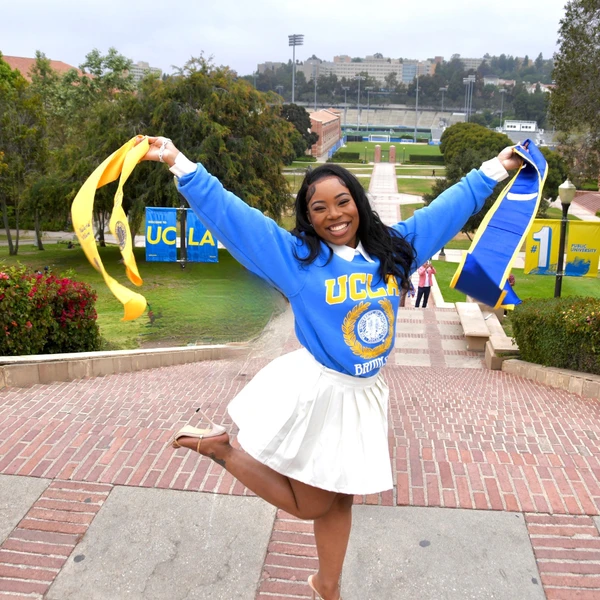
University of California-Los Angeles

Bachelor's degree program
2020 - 2023
  • Majors:
    • Medicine
    • Psychology, General

Long Beach City College

Associate's degree program
2017 - 2020
  • Majors:
    • Medicine
    • Sociology
    • Biology, General
    • Psychology, General

Miscellaneous

  • Desired degree level:

    Doctoral degree program (PhD, MD, JD, etc.)

  • Graduate schools of interest:

  • Transfer schools of interest:

  • Majors of interest:

  • Not planning to go to medical school
  • Career

    • Dream career field:

      Medicine

    • Dream career goals:

      My long-term career goal is to become an Obsterics-Gynecologist focused on improving maternal and infant health outcomes, especially in underserved communities. I want to provide compassionate, patient-centered care while addressing disparities that disproportionately affect women of color, including higher rates of maternal and infant mortality. Alongside clinical practice, I plan to engage in research on the social and systemic factors that impact maternal health. In 2021, I presented research at UCLA on infant mortality rates among African American communities, which strengthened my commitment to using data to drive awareness and change. I also hope to advocate for health equity within the healthcare system by helping improve access, quality of care, and patient outcomes. Through a combination of medicine, research, and advocacy, my goal is to help reduce healthcare disparities and ensure all women receive the quality care they deserve.

      Research

      • Public Health

        UCLA — Literature Review
        2021 – Present
      • Public Health

        UCLA — Researcher
        2021 – 2021

      Future Interests

      Advocacy

      Volunteering

      Entrepreneurship

      Finestida Scholarship for Women
      What excites me most about natural science is its ability to transform lives through discovery, compassion, and innovation. Science is more than facts and experiments to me, it is a way to understand people’s experiences, improve healthcare outcomes, and create opportunities for communities that have historically been overlooked. My passion for biomedical science comes from both my personal background and my long-term goal of becoming a physician-scientist focused on women’s health, particularly in underserved minority communities. Growing up in a low-income household with a single mother taught me resilience early in life. I witnessed firsthand how difficult it could be for families to access quality healthcare, reliable medical information, and preventative care. Those experiences made me curious about the human body and motivated me to pursue a future where I could help close healthcare disparities through medicine and research. I became fascinated with how biological systems work and how scientific discoveries can directly improve patient outcomes, especially for women whose concerns are often dismissed or underrepresented in medicine. That curiosity led me to pursue higher education with determination. I graduated with honors from both high school and community college before earning my degree from University of California, Los Angeles. Now, I am preparing to pursue my master’s degree in biomedical science at Charles R. Drew University of Medicine and Science. Every step of my academic journey has strengthened my passion for science and reinforced my belief that representation in healthcare and research matters. Biomedical science excites me because it sits at the intersection of research and patient care. I am especially interested in studying conditions that disproportionately affect women and minority populations, including maternal health disparities and reproductive health outcomes. As a future OB-GYN and researcher, I want to contribute to medical advancements while also providing compassionate care to patients who may feel unheard within the healthcare system. I am inspired by the idea that scientific research can lead to earlier diagnoses, better treatments, and improved quality of life for entire communities. What I love most about science is that it constantly evolves. There is always another question to ask, another discovery to make, and another opportunity to improve lives. Whether I am learning about cellular biology, disease mechanisms, or emerging medical technologies, I feel motivated by the possibility of contributing to something greater than myself. Science challenges me to think critically, remain curious, and continue growing both academically and personally. As a woman pursuing a career in biomedical science, I also hope to inspire younger girls, especially Black girls and students from low-income backgrounds to believe they belong in STEM fields. Representation is powerful. I want others to see that success in science is possible regardless of where you come from. My experiences have shaped me into someone who values perseverance, education, and service, and I plan to use my future career to advocate for equity in healthcare and research. Natural science excites me because it gives me the opportunity to combine knowledge with purpose. Through biomedical science, I hope to make meaningful contributions that improve lives, advance healthcare, and create lasting change for future generations.
      Tawkify Meaningful Connections Scholarship
      Option 1: A meaningful relationship that has shaped who I am today is the one I have with my mother. She has always been my foundation, someone who taught me resilience not through lectures, but through how she lived. However, our relationship deepened and transformed in a profound way after she was diagnosed with breast cancer in 2025. Her diagnosis began with something that seemed uncertain but manageable, a lump she discovered and chose to get checked “just in case.” We all held onto hope that it would be benign. But after the biopsy results came back, we learned the mass was malignant. That moment shifted everything in our family dynamic. My mother, who had always been the one caring for others, suddenly became the one needing care. Watching her go through that transition changed how I understand strength. Strength was no longer just about being independent or pushing through challenges silently. It became about vulnerability, endurance, and allowing others to support you even when it feels uncomfortable. As she began chemotherapy, I saw both her physical strength tested and her emotional strength revealed in ways I had never witnessed before. Our relationship became more intentional. I started paying closer attention, not just to what she said, but how she felt when she said it. I learned to sit with her during difficult moments without trying to fix everything, something that was difficult for me at first. I wanted to solve her pain, but I came to understand that presence itself is sometimes the most powerful form of support. Whether it was sitting with her after treatments, helping her through fatigue, or simply being available when she needed silence instead of conversation, I learned how to show up differently. This experience has shaped the way I build connections with others, especially in healthcare settings. I currently work as a Behavioral Health Technician in a 24-hour psychiatric hospital, and I often encounter patients who are in vulnerable, unstable, or emotionally intense situations. My relationship with my mother has taught me to approach these moments with patience and empathy rather than urgency or judgment. I understand now that healing is not only clinical, it is relational. People respond not just to treatment, but to how they are treated. This perspective also extends to my earlier experiences. I have worked as an EMT, a behavioral technician for children with autism and other developmental disorders, and an in-home caregiver. Across all of these roles, one truth has remained consistent people are more than their conditions, and meaningful care requires understanding the person behind the situation. My relationship with my mother reinforced this belief on a deeply personal level, making it more than a professional principle, it became a lived value. Beyond healthcare, this experience has also changed how I approach relationships in my personal life. I am more intentional about listening without interrupting, supporting without trying to control outcomes, and recognizing that everyone carries struggles that are not always visible. It has taught me humility, an understanding that I do not always need to have answers to be impactful in someone’s life. My mother’s cancer journey has ultimately reshaped how I understand connection. It has shown me that relationships are not defined by how easy or joyful they are, but by how present we are in moments of difficulty. It has also strengthened my commitment to becoming an OBGYN, where I will continue building relationships with patients during some of the most vulnerable moments of their lives. At its core, this relationship has taught me that connection is not passive, it is intentional. It requires presence, empathy, and the willingness to meet people where they are. That is the kind of physician, daughter, and person I am continuing to become.
      Ruthie Brown Scholarship
      As a first-generation, BIPOC student, financial responsibility has been a constant part of my academic journey. I graduated from UCLA debt-free through a combination of determination, careful planning, and support systems I worked hard to seek out and maintain. That achievement is something I am proud of, especially given the financial barriers I have faced. However, as I continue my education, I am now entering a stage where the financial landscape looks very different. I am currently pursuing a Master’s degree in Biomedical Sciences, and unlike my undergraduate experience, I have not received scholarships or full financial support for this next step. As a result, I am preparing to take out loans to cover my graduate education. In addition, I plan to pursue medical school in the future, which will significantly increase my long-term student debt burden. Because of this, I have become very intentional about how I approach my finances and my education simultaneously. I am actively working to reduce the amount of debt I will need to take on by applying for scholarships, maintaining employment in healthcare-related roles, and continuing to build my professional experience. I currently work in the medical field, and I plan to continue working part-time or in flexible roles throughout my graduate and medical education to help offset living expenses and reduce reliance on loans whenever possible. At the same time, I view student debt not just as a financial challenge, but as a motivator to make the most of every opportunity I am given. I am committed to ensuring that every dollar I invest in my education leads to meaningful impact, both in my academic development and in my ability to serve patients in the future. My goal is to become an OBGYN serving underserved communities, and I see my education as a direct pathway toward that mission. I am also mindful of how student debt disproportionately affects first-generation and BIPOC students, often shaping career choices and limiting long-term financial stability. Because of this, I am especially intentional about pursuing scholarships, grants, and opportunities that help lessen that burden. I want to be able to build a career based on service and purpose, not one constrained by overwhelming financial pressure. Ultimately, I am working to address my current and future student debt through a combination of scholarships, continued employment in healthcare, and strategic financial planning. More importantly, I am committed to turning my educational investment into long-term impact by becoming a physician who serves communities that have historically been underserved and overlooked. My goal is not only to manage debt responsibly, but to ensure that my education ultimately contributes to improving health outcomes and creating access for others.
      Sharra Rainbolt Memorial Scholarship
      Cancer entered my family in a way I was not prepared for, even though I knew what the word meant. In 2025, my mother was diagnosed with breast cancer. It began as something that seemed small and uncertain, a lump she noticed and decided to get checked “just in case.” We all hoped it would be nothing serious. But after the biopsy, we were told the mass was malignant. That word changed everything. I remember the shift in our home after that diagnosis. Conversations became more careful. Silence filled spaces where casual updates used to be. My mother, who had always been strong in a way that felt steady and unshakable, suddenly had to step into a fight she never asked for. Watching her process the diagnosis while still trying to comfort everyone else around her was one of the hardest things I have ever experienced. When she began chemotherapy, reality set in even more deeply. The treatments that were meant to help her also took a visible toll on her body and energy. There were days when she was exhausted in a way rest could not fix, and days when she pushed herself to smile through discomfort so we wouldn’t worry as much. Seeing someone you love endure that kind of physical and emotional weight changes the way you understand strength. It is no longer just about being unaffected by hardship it becomes about continuing forward in spite of it. As her oldest and only daughter, I learned how to show up in a new way. I became more attentive to the small things: helping her when she needed support, listening without trying to fix everything, and learning how to sit with uncertainty without letting it turn into fear. I also learned that support is not always loud or dramatic. Sometimes it is simply being present, making sure someone does not feel alone in what they are facing. This experience has also reshaped how I view healthcare. Before my mother’s diagnosis, I understood medicine academically and professionally through my work and studies. But experiencing cancer in my own family showed me the emotional reality behind every chart, scan, and treatment plan. It is not just a clinical process it is a deeply human one that affects entire families, not just patients. My mother’s strength throughout chemotherapy has taught me resilience in its most honest form. It has also deepened my empathy for patients and families navigating serious illness. I now understand more clearly that healing is not only about curing disease, but also about supporting people through fear, uncertainty, and change. This journey has reinforced my commitment to pursuing a career in healthcare. I want to be the kind of provider who recognizes the weight families carry, who communicates with compassion, and who never forgets that behind every diagnosis is a life that has been disrupted. My mother’s experience with cancer has not only affected our family, it has shaped how I will show up for others for the rest of my life.
      Josh Gibson MD Grant
      Finance Your Education No-Essay Scholarship
      Women in STEM Scholarship
      I chose to pursue STEM because I’ve always been drawn to understanding how the human body and mind work, and how science can be used to directly improve someone’s quality of life. For me, STEM is not just about equations, diagnoses, or systems, it is about applying knowledge to solve real problems that affect real people. That connection between science and service is what ultimately guided me toward healthcare and continues to motivate my academic and professional journey. My path into STEM has been shaped by both education and hands-on experience. I earned my Bachelor of Science in Psychology from the University of California, Los Angeles as a pre-medical student, after beginning my academic journey at Long Beach City College, where I graduated with honors. As a first-generation college student from a low-income background, entering STEM required resilience and self-direction. I often had to figure things out without a roadmap, but that process taught me how to think critically, stay disciplined, and push forward even when the path was unclear. Beyond the classroom, my clinical and caregiving experiences have deeply shaped how I understand STEM in practice. As an EMT, I’ve responded to emergencies where every second mattered, learning how to assess situations quickly, remain calm under pressure, and apply medical knowledge in real time. As a Behavioral Technician working with children with autism and other developmental disorders, I learned patience, consistency, and the importance of individualized care. No two children communicated or responded the same way, and success often depended on meeting them where they were, not where a system expected them to be. As an in-home caregiver, I’ve also supported patients in their daily lives, helping with both medical and personal needs while witnessing firsthand how illness, aging, and disability impact families beyond clinical settings. These experiences have shown me that STEM is most powerful when it is human-centered. Data and science are essential, but they must be paired with empathy, communication, and cultural understanding. That perspective is what drives my desire to become an OB-GYN, a field where biology, psychology, and social factors all intersect. I am especially passionate about maternal health and addressing disparities that impact women in underserved communities, particularly women of color. As a woman in STEM, I hope to make a difference by bridging the gap between clinical knowledge and compassionate care. I want to be a physician who not only understands the science behind health conditions but also recognizes the lived experiences that shape how patients access and respond to care. I also hope to contribute to reducing disparities in maternal and mental health outcomes through both patient care and research that centers equity and inclusion. Equally important, I want to represent what is possible for women in STEM, especially those from backgrounds similar to mine. There is power in visibility, and I want to be part of a generation of women who not only enter science and healthcare fields but also lead, innovate, and advocate within them. Ultimately, my pursuit of STEM is rooted in service. Every role I have held from EMT to behavioral technician to caregiver has reinforced my commitment to using science as a tool for healing, advocacy, and change. I am determined to continue building a career where I can combine clinical expertise with compassion to create meaningful, lasting impact in the lives of others.
      Women in Healthcare Scholarship
      I chose to pursue a degree in healthcare because I’ve always been drawn to understanding people in their most vulnerable moments and to being someone who can make those moments feel less frightening and more supported. That purpose became clearer over time, shaped by both personal experiences and my growing awareness of how deeply health is influenced by more than just biology. It is shaped by environment, access, trauma, and whether or not someone feels seen and heard. My academic path began at Long Beach City College, where I graduated with honors, and continued at the University of California, Los Angeles, where I earned my Bachelor of Science in Psychology as a pre-medical student. As a first-generation college student from a low-income background, I didn’t have a blueprint to follow. I had to learn how to navigate systems on my own, how to advocate for myself, how to persist when things felt overwhelming, and how to stay focused on a future that sometimes felt far away. Those experiences didn’t discourage me from healthcare; they strengthened my commitment to it. I understood firsthand how easily people can fall through gaps in support, and I wanted to be part of changing that. My decision to specialize in obstetrics and gynecology comes from a deep interest in women’s health and the unique intersection of physical, emotional, and social factors that shape it. I am especially passionate about maternal health and addressing disparities in outcomes for women in underserved communities. I’ve seen how often women, particularly women of color and those from low-income backgrounds are dismissed, under-informed, or under-supported in healthcare settings. That reality motivates me to become a physician who listens differently, advocates more strongly, and treats patients with the dignity they deserve. To prepare for this path, I plan to attend Charles R. Drew University of Medicine and Science for a Master’s in Biomedical Sciences, followed by the Bridgeway program to complete a Master of Public Health. These programs will not only strengthen my academic foundation for medical school but also deepen my understanding of how systemic factors like housing, income, education, and stress directly impact health outcomes. I want to be a physician who understands patients beyond their symptoms, someone who recognizes the full context of their lives. Currently, I work as a Behavioral Health Technician in a 24-hour psychiatric hospital, where I support patients during some of their most critical moments. This role has reinforced the importance of patience, empathy, and presence in healthcare. It has also shown me how powerful it is when a provider treats a patient as a whole person rather than a diagnosis. I carry that lesson into every interaction and will continue to carry it into my future practice. As a woman entering healthcare, I hope to make a positive impact by creating space for voices that are often overlooked by both patients and professionals. I want to challenge the idea that women must choose between being compassionate and being authoritative in medical spaces. I aim to embody both. I also want to contribute to reducing maternal and infant health disparities through clinical care, research, and advocacy, ensuring that women in underserved communities receive not only access to care but quality care that respects their lived experiences. Ultimately, my pursuit of healthcare is rooted in purpose. It is about service, equity, and the belief that where you come from should never determine the quality of care you receive. I am committed to becoming a physician who not only treats illness but also works to transform the systems that allow it to persist.
      Love Island Fan Scholarship
      Challenge Name: “Heart vs. Head: The Truth Market” Core Concept: Islanders must “invest” in each other using limited emotional currency while hidden truths, public perception, and strategic risk all collide. Setup * Each Islander is given 100 “Heart Coins” (representing trust, attraction, and belief in others). * Around the villa are “Truth Stations”—each tied to a different category: * Loyalty * Attraction * Long-Term Potential * Honesty * Game Strategy * Each Islander also secretly answers deep, revealing questions beforehand (e.g., “Who are you least attracted to?”, “Who are you playing it safe with?”, “Would you switch partners if given the chance?”). Phase 1: The Investment Round * Islanders must distribute their 100 Heart Coins across other contestants based on how strongly they believe in them romantically or emotionally. * BUT here’s the twist: They must publicly justify at least one large investment in front of everyone. This creates immediate tension people will question if words match actions. Phase 2: The Truth Market Opens * Islanders can now spend coins to unlock anonymous truths from the pre-answered questions. * Example: * Spend 10 coins → reveal one anonymous truth about “Attraction” * Spend 25 coins → reveal a specific person’s answer This turns the villa into a psychological marketplace: * Do you protect your coins or expose someone? * Do you risk hurting your partner to learn the truth? Phase 3: The Shock Reveal * The host reveals: 1. Top 3 most invested-in Islanders (who everyone believes in) 2. Bottom 3 least invested-in Islanders (big ego hit) 3. The biggest mismatch: * Someone who received many coins but secretly answered negatively about others * Or someone undervalued who gave the most genuine answers This exposes fake connections instantly. Phase 4: Heart vs. Head Decision * Each Islander must choose: * Heart : Stay loyal to their current partner * Head : Switch to someone they now believe is a better match * BUT: * If both partners choose “Heart” → they gain immunity * If one chooses Head and the other Heart → the “Heart” partner is left vulnerable * If both choose Head → chaos recoupling Final Twist: The Coin Consequence * Remaining Heart Coins convert into power: * Highest coin holders get to save one Islander * Lowest coin holders are automatically at risk of dumping
      Bold.org No-Essay Top Friend Scholarship
      $25,000 "Be Bold" No-Essay Scholarship
      K-POP Fan No-Essay Scholarship
      Ethel Hayes Destigmatization of Mental Health Scholarship
      Watching someone you love slowly become unfamiliar to themselves is a kind of grief that doesn’t get talked about enough. I first experienced that when I was 14, shortly after my grandfather passed away. My cousin, someone I grew up laughing with, confiding in, and feeling safe around was diagnosed with schizophrenia. At the time, I didn’t have the language to understand what was happening, only the confusion and fear of watching his personality shift in ways I couldn’t make sense of. What I did understand was how quickly people around him began to treat him differently. That change stayed with me. His diagnosis became the starting point of my journey into understanding mental health not just clinically, but humanly. I began asking questions, researching symptoms, and trying to piece together what schizophrenia meant beyond the stereotypes I had absorbed from society. I realized how often mental illness is reduced to labels, while the person underneath gets overlooked. That realization reshaped how I saw the world. I became more aware of how stigma isolates people, how misunderstanding creates distance, and how silence can be just as harmful as the illness itself. This experience directly influenced my decision to pursue a Bachelor’s degree in Psychology. I wanted to move beyond being a confused teenager into someone equipped with knowledge and compassion. Through my studies, I learned not only about disorders and treatments, but about the systemic barriers individuals with mental illness face lack of access to care, cultural stigma, and the emotional toll on families. It made my cousin’s experience feel less like an isolated tragedy and more like part of a larger, urgent issue that needs attention. Now, as a Behavioral Health Technician in a 24-hour psychiatric hospital, I see reflections of my cousin in many of the patients I work with. That connection grounds me. It reminds me that behind every chart and diagnosis is a person who deserves dignity, patience, and understanding. My role allows me to be part of someone’s most vulnerable moments, whether it’s de-escalating a crisis, offering reassurance, or simply listening. These interactions have deepened my empathy and strengthened my commitment to mental health advocacy. On a personal level, my experience has shaped my relationships by teaching me to lead with compassion instead of judgment. I’ve learned to listen more intentionally and to be mindful that people often carry struggles that aren’t immediately visible. It has also taught me resilience and how to navigate uncertainty, how to support others without losing myself, and how to find meaning in difficult experiences. Looking forward, my goal is to continue building on this foundation as I pursue a career in medicine, specifically as an Obsteric-gynecologist who understands the critical intersection between mental and physical health. Mental health does not exist in isolation, and I want to be a physician who recognizes the full scope of a patient’s well-being. Whether it’s addressing postpartum depression, anxiety, or the psychological impacts of reproductive health challenges, I am committed to providing care that is both clinically competent and deeply compassionate. My cousin’s diagnosis changed the trajectory of my life. It pushed me to seek understanding where there was once fear, and purpose where there was once confusion. Most importantly, it taught me that mental health deserves to be approached with empathy, not stigma and that is a lesson I will carry into every space I enter.
      Miley Cyrus Fan No-Essay Scholarship
      Post Malone Fan No-Essay Scholarship
      Dorothy Walker Dearon Scholarship
      My academic and career goals are rooted in both personal experience and a clear sense of purpose: to become a physician specializing in obstetrics and gynecology while also addressing healthcare disparities through public health and research. Every step of my academic journey has been intentional, building toward a career where I can provide compassionate care and create meaningful change in underserved communities. I began my higher education journey at Long Beach City College, where I graduated with honors, before transferring to the University of California, Los Angeles and earning my Bachelor of Science in Psychology as a pre-medical student. As a first-generation college student raised in a low-income household, navigating higher education required resilience, independence, and determination. Without a traditional roadmap, I learned to advocate for myself, seek out resources, and remain focused on my long-term goals despite financial and personal challenges. My next academic step is to attend Charles R. Drew University of Medicine and Science, where I will pursue a Master’s in Biomedical Sciences, followed by the Bridgeway program to earn a Master of Public Health. These programs will strengthen my academic foundation for medical school while also equipping me with the knowledge to understand healthcare beyond the clinical level. I am particularly interested in how social determinants of health impact patient outcomes, especially in maternal and infant health. My long-term career goal is to become an OB-GYN who not only provides high-quality, patient-centered care but also advocates for women in underserved communities. I am deeply passionate about maternal health and reducing infant mortality rates, particularly among low-income populations and communities of color. In my future career, I plan to combine clinical practice with research to address these disparities. I want to contribute to studies that examine the root causes of poor maternal and infant outcomes and help develop interventions that are both accessible and effective. In addition to patient care and research, I aspire to be a leader and advocate within the healthcare system. I want to use my voice to promote equitable healthcare policies and ensure that underserved populations are not overlooked. My experiences growing up with limited access to resources have given me a unique perspective that I will carry into my career, allowing me to connect with patients on a deeper level and provide care that is both empathetic and impactful. Ultimately, my academic and career goals are not just about personal achievement, they are about purpose. I am committed to using my education to uplift communities, reduce health disparities, and create a future where quality healthcare is accessible to all. Every challenge I have faced has strengthened my determination, and I am prepared to continue this journey with focus, resilience, and a deep commitment to service.
      Pay It Forward Scholarship
      I didn’t choose healthcare from a distance, I chose it from the life I lived. I grew up in a low-income household, raised by a single mother who did everything she could to provide for us. There were moments when going to the doctor felt like a privilege instead of a right, when appointments were delayed, questions went unanswered, and you could feel that the quality of care depended on more than just your symptoms. As a child, I didn’t have the words for it, but I understood one thing clearly: not everyone is given the same chance to be healthy. Being the oldest sibling, I learned early what responsibility looked like. I watched my mom push through obstacles without ever giving up, and she made me believe that I could achieve anything, even things she never had the opportunity to pursue. At the same time, I was quietly battling my own challenge: a speech impediment that made me hesitant to speak up in class or fully express myself. For a long time, I felt unheard in more ways than one. Over time, I found my voice and with it, my purpose. As I grew older and began learning about maternal health, everything clicked. I saw how deeply the same inequities I experienced growing up affected women during pregnancy and childbirth, especially in low-income communities and among women of color. Higher maternal complications. Higher infant mortality rates. Preventable outcomes. These weren’t just statistics to me they felt personal. That is why I am pursuing a career as an Obstetrics-Gynecologist. I want to be present in one of the most vulnerable and life-changing moments in a person’s life and make sure they feel safe, heard, and cared for. I want to be the doctor who listens when others don’t, who advocates when it matters most, and who provides quality care regardless of a patient’s background. In the future, I plan to use my degree not only to treat patients, but to go beyond the exam room. I am deeply interested in maternal health research, specifically addressing the root causes of infant mortality in underserved communities. I want to help develop solutions that tackle both medical and systemic barriers because real change requires both. My journey into healthcare is not just about becoming a doctor. It’s about turning everything I’ve overcome into purpose. It’s about making sure that the next generation of mothers and children don’t have to experience the same gaps in care.
      ACHE Southern California LIFT Scholarship
      My long-term goal is to become a physician who not only provides clinical care but also improves healthcare access and outcomes in underserved communities. I will be attending Charles R. Drew University of Medicine and Science to pursue a Master’s in Biomedical Sciences, followed by the Bridgeway program to earn a Master of Public Health, as I prepare for medical school. This award would help alleviate financial barriers, allowing me to focus on academic excellence and gaining meaningful clinical and community health experience. My academic journey reflects resilience, discipline, and commitment. I graduated high school with honors, continued on to Long Beach City College where I also graduated with honors, and earned my Bachelor of Science in Psychology from University of California, Los Angeles as a pre-medical student. As a first-generation college student from a low-income background, I navigated higher education independently while overcoming financial challenges and a speech impediment that once limited my confidence. In terms of leadership and service, I have taken on the responsibility of being a role model as the oldest sibling, demonstrating perseverance and the value of education. My experiences have strengthened my communication, adaptability, and determination, qualities essential to both medicine and healthcare leadership. These accomplishments and challenges have shaped my ability to lead with empathy and purpose, reinforcing my commitment to advancing equitable healthcare. My career goals strongly align with the mission of American College of Healthcare Executives and ACHE of Southern California to advance healthcare leadership and improve the quality and accessibility of care. As an aspiring physician pursuing both biomedical sciences and public health training, I am committed to addressing health disparities and strengthening healthcare systems that serve diverse and underserved populations. Growing up in a low-income household, I witnessed firsthand the barriers many communities face in accessing quality healthcare. These experiences shaped my passion for not only practicing medicine but also understanding healthcare systems at a broader level. By pursuing a Master of Public Health, I aim to integrate clinical practice with population health strategies, aligning with ACHE’s emphasis on leadership, service, and professional development in healthcare management. ACHE’s focus on ethical leadership, education, and community impact resonates deeply with my values. I strive to become a healthcare professional who advocates for equitable care, leads with integrity, and contributes to system-level improvements. Through mentorship, continuous learning, and community engagement, I plan to embody the principles promoted by ACHE. Ultimately, my goal is to bridge the gap between clinical care and healthcare leadership, ensuring that all individuals, regardless of socioeconomic background receive high-quality, accessible care. This vision directly reflects ACHE of Southern California’s commitment to developing leaders who drive meaningful change in healthcare.
      William A. Lewis Scholarship
      One of the most significant obstacles I have faced in my pursuit of higher education has been navigating a path without guidance as a first-generation college student. Raised in a low-income household by a single mother, I grew up on government assistance with limited access to academic resources or mentorship. Higher education felt unfamiliar and, at times, unattainable. However, I was determined to create a different future for myself and break the cycle of financial hardship. I graduated high school with honors in 2017, but entering college presented new challenges. At Long Beach City College, I balanced my academic responsibilities with financial stress and the pressure of figuring out each step on my own. Without parental guidance on navigating college systems, I had to independently learn how to apply for financial aid, choose courses, and plan my academic path. Despite these obstacles, I remained focused and graduated with honors in 2020, proving my ability to succeed even in the face of uncertainty. In addition to financial and academic barriers, I faced a personal challenge that impacted my confidence for many years, a speech impediment. As a child and young adult, this made classroom participation and public speaking intimidating. I often felt self-conscious, which affected my willingness to fully engage academically. Through years of speech therapy and personal determination, I gradually overcame this obstacle. More importantly, I learned to embrace my voice. This experience transformed my confidence and strengthened my ability to advocate for myself and others. Transferring to University of California, Los Angeles as a Psychology major on the pre-medical track marked a pivotal moment in my journey. While I was proud to attend such a prestigious institution, I also experienced imposter syndrome and the pressure of competing in a rigorous academic environment. There were moments when I questioned whether I belonged. However, I reminded myself of how far I had come and used those feelings as motivation to push forward. I successfully earned my Bachelor of Science in Psychology, reinforcing my commitment to a career in medicine. Today, I am continuing my journey by preparing to attend Charles R. Drew University of Medicine and Science, where I will pursue a Master’s in Biomedical Sciences, followed by the Bridgeway program to obtain a Master of Public Health. These programs represent more than academic advancement, they are stepping stones toward my ultimate goal of becoming a physician dedicated to serving underserved communities. The person who has helped me overcome these obstacles is my mother. Although she did not attend college, she instilled in me a powerful belief: that I am capable of achieving anything I set my mind to. Her resilience, sacrifices, and unwavering support have been my foundation. As the oldest sibling, I have also been motivated to set an example for my family, showing that higher education is possible regardless of background. Overcoming financial hardship, self-doubt, and personal challenges has shaped me into a resilient and determined individual. My journey reflects perseverance, growth, and purpose. Each obstacle has strengthened my commitment to higher education and to becoming a physician who advocates for and uplifts communities like the one that raised me.
      Malajia Wilson Student Profile | Bold.org