
Hobbies and interests
Business And Entrepreneurship
African American Studies
Baking
Movies And Film
Art
STEM
Volunteering
Biology
Comics
Tutoring
Reading
Science Fiction
Historical
Action
I read books multiple times per month
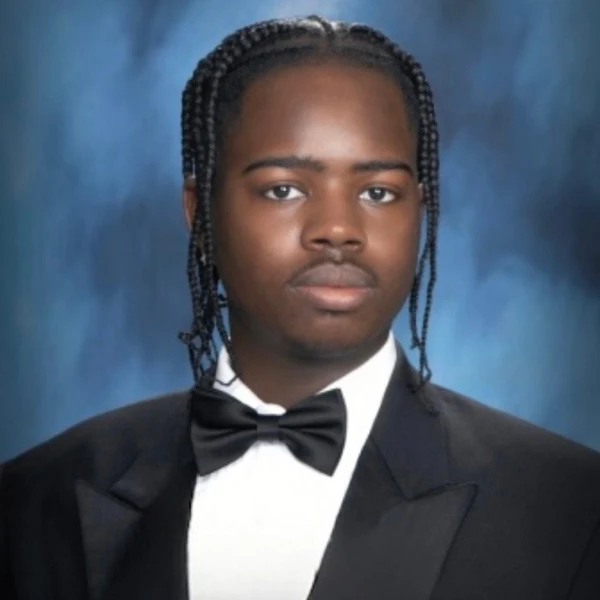
Mahki McCray
1x
Finalist1x
Winner
Mahki McCray
1x
Finalist1x
WinnerBio
My name is Mahki McCray, and I am a dedicated first-generation college student and Class of 2026 senior at Mid-Carolina High School, where I was also enrolled in the Middle College program through Piedmont Technical College. Through dual enrollment, I have received both my high school diploma and an Associate of Arts degree while maintaining a strong academic record.
My career goal is to become a physician who combines compassionate patient care with advocacy for underserved communities. As a first-generation college student, I have seen how limited access to education, healthcare, and financial resources can affect families and their opportunities. Those experiences have inspired me to pursue a career in medicine where I can make a meaningful difference in people's lives.
I plan to earn a master's degree in bioengineering while completing the prerequisites for medical school, continue gaining clinical and research experience, and ultimately become a doctor who serves communities with limited access to quality healthcare. Beyond treating patients, I hope to educate families about preventive care and mentor young students who dream of careers in healthcare but may not have the guidance or resources to pursue them.
As I prepare for college, I am committed to continuing my education, embracing leadership opportunities, and giving back to my community. Scholarships like this one help make those goals possible by reducing financial barriers and allowing me to focus on achieving academic success and creating positive change for those around me.
Education
Clemson University
Master's degree programMajors:
- Health/Medical Preparatory Programs
- Biological and Biomedical Sciences, Other
Minors:
- Biological and Physical Sciences
Piedmont Technical College
Associate's degree programMajors:
- Education, General
Mid-carolina High
High SchoolMiscellaneous
Desired degree level:
Master's degree program
Graduate schools of interest:
Transfer schools of interest:
Majors of interest:
- Business, Management, Marketing, and Related Support Services, Other
- Biochemical Engineering
- Biomedical/Medical Engineering
- Medicine
- Health Professions and Related Clinical Sciences, Other
Career
Dream career field:
Biotechnology
Dream career goals:
Biomedical Engineer
Crew Member
Mcdonald's2024 – 20251 yearSales Associate
Dollar General2026 – Present6 monthsCrew Member
Laila's Place2024 – 20262 years
Sports
Track & Field
Junior Varsity2023 – 20241 year
Research
Biological and Biomedical Sciences, Other
Piedmont Technical College & Independent Academic Research — Student Researcher2024 – Present
Arts
Mid-Carolina High School & Independent Creative Work
Visual ArtsAcrylic Paintings Mixed Media Artwork Digital Art Projects School Art Exhibitions2022 – 2024
Public services
Volunteering
Independent Tutoring & Community Support — Student Tutor & Mentor2022 – Present
Future Interests
Advocacy
Politics
Volunteering
Philanthropy
Entrepreneurship
Our Destiny Our Future Scholarship
My commitment to making a difference in the world starts with the people closest to me. Through my experiences, I have learned that even the smallest acts of kindness can generate significant differences in peoples' lives.
For example, when I assist younger students with their school assignments; help older people in my neighborhood; or support family members during times of crisis, I see how much compassion and service can enhance someone's quality of life. My observations of this type of behavior have motivated me to develop a career focused on supporting others at a much larger level. During my upbringing, I encountered many obstacles that provided lessons about developing resiliency and empathy. Seeing those whom I care about suffer from addiction, poverty, and other personal struggles demonstrated to me how crucial it is for individuals to receive support during periods of struggle. These experiences have also encouraged me to become a person who can offer encouragement, direction and optimism to others. Instead of allowing my struggles to define my future; I used them as motivation to pursue higher education and a career where I can assist others.
Currently, as a student; I have worked diligently toward that objective. As a first-generation college student; I have already graduate with both a high school diploma and an Associate Degree. Balancing my studies with my responsibilities has shown me the value of discipline, persistence and giving my all.
However, while doing so; I have remained dedicated to providing assistance to others through tutoring and community involvement. It has been particularly rewarding to help younger students comprehend difficult concepts since it enables me to empower others via education. After graduating; I intend to create a positive impact through a career in healthcare.
In addition to treating patients; my ultimate goal is to support people who struggle with addiction and other life obstacles. Far too frequently; people who face these issues feel judged or ignored. I wish to be an advocate for these individuals so they can access resources; improve their health; and restore their self-esteem. Using medical knowledge combined with compassion; I envision creating positive changes in peoples' lives; while enhancing communities.
After completing my career; I intend to continue volunteering and mentoring others. I am convinced that building a better future depends upon people being willing to invest their time and effort into assisting those surrounding them. Whether through community outreach programs; educational initiatives; or healthcare services; I intend to contribute to solutions that provide greater opportunity for all. The tradition of service that this scholarship represents illustrates the values that I strive to incorporate into my daily life. By utilizing education; service; and dedication to assisting people overcome obstacles; I intend to create lasting positive change in the lives of individuals; and in the communities that I serve.
Ultimately; I believe that my destiny is to assist people create brighter futures; and through that endeavor; I believe I can make a meaningful contribution to society.
Love Island Fan Scholarship
I believe one of my favorite parts about Love Island is seeing how the challenges allow us to see who people really are, how the challenges help couples connect more, and how the challenges sometimes bring about unexpected drama. If I were able to develop a new challenge for the show, I would call it **"The Trust Timeline."** Each couple will be separated and placed in different areas of the villa. Before the start of the challenge, all of the Islanders will answer a number of personal questions about themselves, their aspirations, their relationships, and their past experiences.
While many of the questions will be simple, such as their ideal vacation spot or their favorite childhood memory, others will be more serious and will help us learn about their values or beliefs. There will be three rounds in this challenge. During the first round, each member of a couple will be given several statements and will have to correctly identify which statement belongs to his/her partner. Each time he/she identifies correctly, the couple will receive points. During the second round, each member of a couple will be given a timeline of important events from his/her partner's life; however, some events will be intentionally mixed up. He/she will have to put these events in the proper chronological order. This will demonstrate how well each member of a couple has paid attention to his/her partner throughout his/her time in the villa. The last round is where things get interesting. Each member of a couple will be shown predictions that his/her partner made regarding the future of their relationship (e.g., where they thought they would take their first trip together, what qualities they admire most in their partner). Each member of a couple will have to guess what their partner said. Once everyone has locked in their guesses, the couples will regroup and watch the reveal of who guessed correctly. The winning couple will receive a special date outside of the villa and will be immune from being voted off during the next public vote.
On the other hand, the couple with the lowest score will have to complete a fun villa-wide challenge selected by the other Islanders -- thus adding another layer of entertainment and potential for hilarity. "The Trust Timeline" differs from other challenges because it incorporates multiple elements including romance, communication, strategy and drama. Rather than focusing solely on physical attraction, it rewards couples who have taken the time to truly get to know one another.
Additionally, unexpected incorrect responses could potentially create conversations between couples, highlight miscommunications and provide memorable TV moments. This challenge would enable viewers to gain greater insight into each couple's relationship while providing the entertainment and surprise that make Love Island such a popular cultural phenomenon.
RonranGlee Literary Scholarship
Selected Paragraph
"Until philosophers rule as kings or those who are now called kings and leading men genuinely and adequately philosophize, there will be no rest from evils for cities, nor, I think, for the human race. Political power and philosophy must come together, while the many natures who now pursue one exclusively and the other exclusively are prevented from doing so. Only then can a just society come into existence. Until that time, societies will continue to struggle with injustice and disorder."
— Plato, The Republic
The Union of Wisdom and Power
The combination of wisdom and power In The Republic passage provided, Plato states that societies fail due to their separation of wisdom and power. What Plato is stating is that justice will only occur when individuals in positions of authority use their wisdom to guide them. Plato is providing a bigger philosophical idea about leadership, accountability and the reason for education. Plato is stating that the biggest threat to society is not the lack of competent leaders, but the presence of leaders who lack wisdom and self-awareness. The most important sentence in the passage is "political power and philosophy must come together." It seems like this could be an argument for philosophers to become government officials.
However, Plato's definition of philosophy is larger than academic debate and intellectual discussion. Philosophy to Plato means seeking out truth and questioning assumptions and having the discipline to make decisions based on what is right rather than what is popular or profitable.
Therefore, when Plato combines philosophy with political power he is suggesting that leaders should be guided by principles rather than by personal ambitions. Plato also provides an indirect criticism of human nature in the passage. Plato says that there are many people that pursue either power or knowledge but rarely pursue both. People that pursue power usually focus on wealth, status, or influence. People that pursue wisdom tend to stay away from public life and do not take positions where they can provide positive change. Plato feels that these two types of people create a dangerous imbalance. Without wisdom, power becomes reckless; without influence, wisdom becomes useless. Through this comparison, Plato is showing that leadership requires more than just authority. Leadership requires understanding the consequences of one's actions and making decisions for the benefit of all. The purpose of education is another underlying theme in the passage. Education should not be used solely for personal gain. Education should provide individuals with the skills needed to contribute positively to society and help others. Knowledge comes with responsibility. The true educated individual is not only someone who gathers knowledge but also someone who uses that knowledge to improve the lives of others. This interpretation changes the passage from being a discussion on governance to a statement on civic duty and moral character. Plato's argument is still relevant today because modern societies still struggle with the same issues Plato discussed over 2000 years ago. Many communities continue to discuss whether their leaders possess enough expertise, judgment, and integrity to make decisions that affect others. The passage challenges readers to think about what characteristics make a leader. According to Plato, intellectual capacity alone is not enough, nor is authority alone enough. Successful leadership requires wisdom, ethical judgment, and a desire to serve a greater cause than oneself. As a first-generation college student working toward earning a high school diploma and an associate degree at the same time, I see Plato's message as particularly important. Education has opened up many doors for me that were previously unavailable to earlier generations of my family.
However, education has also taught me that achieving success brings with it great responsibility. My academic success is important to me because of what I am able to do for myself, however it is equally important to me because of how I can apply my knowledge to positively impact my community through either leadership, service, or future employment.
Ultimately, Plato's underlying message is that a just society is dependent upon the character of those leading it. Plato believes that wisdom and power are not mutually exclusive concepts, but rather complementary concepts that must work together. With Plato's emphasis on combining knowledge with morality and leadership, he gives us a timeless lesson about the responsibilities that come along with both education and influence. His words continue to resonate today because they encourage individuals to not only pursue success but also pursue the wisdom required to use that success responsibly.
Future Green Leaders Scholarship
Sustainability is often discussed as an environmental issue, but to me, it is ultimately about people. Every day, communities around the world are affected by pollution, resource shortages, and environmental changes that impact health, economic opportunity, and quality of life. As someone interested in engineering and healthcare, I believe sustainability should be a priority because the decisions we make today will directly affect future generations.
Growing up in South Carolina, I have seen how important natural resources are to local communities. Clean water, reliable energy, and healthy environments are things many people take for granted until they are threatened. These experiences have shown me that sustainability is not just about protecting nature—it is about creating systems that allow people to live healthier and more productive lives.
In the field of engineering, sustainability should be a priority because engineers design many of the systems that society depends on. From transportation networks to buildings and energy infrastructure, engineering solutions have the power to either reduce or increase environmental impact. Sustainable engineering focuses on efficiency, innovation, and responsible resource use. By designing systems that consume less energy, produce less waste, and rely on renewable resources, engineers can help address some of the world's most pressing environmental challenges.
As I continue my education, I hope to develop the skills necessary to contribute to these solutions. I see myself working on projects that improve energy efficiency, expand access to renewable energy, or create technologies that reduce environmental harm while improving quality of life. I am especially interested in how engineering can be used to support healthcare systems and public health initiatives. Hospitals and healthcare facilities consume large amounts of energy and resources, and sustainable innovations can help reduce costs while improving patient care.
Beyond my future career, I also believe sustainability requires leadership and community involvement. Small actions can create meaningful change when individuals work together toward a common goal. Whether through education, volunteer efforts, or advocacy, I hope to encourage others to think critically about how their choices affect the environment. Lasting progress happens when people recognize that sustainability is a shared responsibility.
The challenges facing our planet are complex, but they also present opportunities for innovation and growth. Sustainability should be a priority in every field because environmental responsibility and human progress are interconnected. By pursuing a career that combines technical knowledge, problem-solving, and service to others, I hope to help create solutions that reduce environmental impact while improving lives. Receiving this scholarship would help me continue my education and prepare me to become a leader who contributes to a more sustainable and healthier future.
Reach Higher Scholarship
The first book that truly changed the way I viewed success wasn't about becoming rich or famous—it was about becoming someone who leaves a positive impact on others. Since then, I've learned that books are more than stories or information; they are opportunities to see the world through different perspectives, challenge my thinking, and imagine a future beyond my current circumstances. Reading has strengthened my determination to pursue higher education and use it to create meaningful change in my community.
As a first-generation college student, I've had to navigate many unfamiliar paths without a roadmap. My family has always encouraged me to work hard, but much of the college process has required me to seek knowledge independently. Through books, research, and the guidance of mentors, I've developed resilience and confidence in my ability to succeed. My academic journey has led me to earn recognition for my achievements while pursuing college coursework alongside high school, proving to myself that persistence can overcome obstacles.
One of the biggest lessons I've learned came from failure. Early in high school, I believed that working harder always meant doing everything alone. Trying to manage academics, extracurricular activities, and responsibilities without asking for help left me overwhelmed and unable to perform at my best. That experience taught me that seeking guidance is a strength, not a weakness. Learning to ask questions, accept advice, and rely on others has made me a stronger student and a better leader.
Mentorship has had a tremendous impact on my life. Teachers, counselors, and supportive adults have encouraged me to believe in my abilities and challenge myself academically. Their investment in my success has inspired me to give back by helping younger students and family members with their schoolwork and by serving my community through volunteer efforts. I want others to feel supported in the same way I have been.
What makes me unique is my commitment to using every opportunity to uplift others. Whether through tutoring, community service, or even my small baking business, I've learned that success is most meaningful when it creates opportunities for someone else. My long-term goal is to earn a college degree and build a career that allows me to improve lives while serving communities that often lack access to the resources they deserve.
I believe education is one of the most powerful tools for change. By continuing to learn, serve, and mentor others, I hope to inspire the next generation to believe that their circumstances do not define their future—they simply shape the strength they develop along the way.
Bulkthreads.com's "Let's Aim Higher" Scholarship
What I want to build is a future where people who are struggling with addiction have access to support, compassion, and opportunities to rebuild their lives. I know that education is one of the strongest foundations for creating lasting change, and I want to use mine to make a meaningful difference in both individual lives and my community.
As a first-generation college student, I've learned that success often means creating opportunities where none seem to exist. Throughout high school and my dual-enrollment experience, I have worked hard to maintain strong academic performance, earn recognition for my achievements, and prepare myself for the challenges ahead. Those experiences have taught me resilience, discipline, and the importance of serving others.
My long-term goal is to build programs and resources that help people overcome addiction and regain stability. I want to contribute to a healthcare system that treats people with dignity while also addressing the underlying causes of substance abuse. Beyond medical care, I hope to create partnerships with schools, community organizations, and local leaders to provide education, prevention programs, and support services that strengthen families before crises begin.
I also want to build a legacy of mentorship. Growing up, I saw how guidance and encouragement can change someone's direction in life. As I continue my education, I hope to mentor younger students—especially first-generation and underserved students—showing them that their circumstances do not define their future. By sharing my experiences and supporting others, I can help create a cycle of opportunity that extends far beyond my own success.
Receiving this scholarship would be an investment in more than my education; it would be an investment in the people I hope to serve. Every class I take and every opportunity I receive brings me one step closer to building stronger communities, healthier families, and brighter futures for those who need them most. I want my education to become a tool for lasting impact, creating opportunities and hope that will continue to grow long after I graduate.
Gladys Ruth Legacy “Service“ Memorial Scholarship
I used to think that being different meant trying to fit in anyway. As I've grown, I've realized that my greatest strength is embracing exactly who I am and using my experiences to encourage others to do the same.
As a first-generation college student, I've often had to figure things out without a roadmap. Instead of letting that discourage me, I've turned it into motivation. I've challenged myself academically, earned recognition for my hard work, and continued pushing toward goals that once seemed unreachable. At the same time, I've never believed success should only benefit me. If I've learned something, I want to share it with someone else.
One of the ways I express my individuality is through my creativity and willingness to serve. I started a small baking business not just because I enjoy baking, but because it allows me to create something meaningful for others while learning responsibility and entrepreneurship. I also spend time helping younger family members with math and science, encouraging them to believe they are capable of more than they think. Sometimes the greatest impact comes from simply being patient enough to explain a problem or reminding someone not to give up.
I've also learned that kindness has a ripple effect. A younger student watching me stay focused on school, manage responsibilities, or help someone else may never tell me they noticed, but they might choose to work harder because they saw someone like them doing it. That's the kind of influence I will have—not through recognition, but through consistency and example.
My uniqueness also comes from refusing to let my circumstances limit my expectations for myself. I have learned resilience through challenges that could have easily discouraged me, but instead they strengthened my determination to build a better future. Whether I'm helping a classmate understand a difficult concept, volunteering my time, or simply offering encouragement to someone who needs it, I try to leave every person better than I found them. Those everyday actions may seem small, but they create lasting impressions and inspire others to pay kindness forward in their own lives.
Being unapologetically myself means embracing my background, my interests, my ambitions, and even my challenges. It means refusing to let circumstances define my future while remaining willing to lift others as I climb. My uniqueness isn't about standing apart from everyone else; it's about using my own story to make someone else's journey a little easier.
If someone I've never met decides to pursue their education, believe in themselves, or help another person because of something they saw me do, then I've made the kind of difference that truly matters.
“I Matter” Scholarship
One of the most meaningful times I helped someone in need wasn't through a grand gesture but through consistent support when it mattered most. A classmate at my school was struggling academically and was on the verge of failing several assignments after missing classes because of family responsibilities. They were overwhelmed, embarrassed to ask for help, and worried they would fall too far behind to recover.
I offered to meet with them after school and during lunch to review class material, organize missing assignments, and create a manageable plan to catch up. Instead of simply giving them answers, I explained concepts, shared my notes, and helped them break large tasks into smaller, achievable goals. Some days we only made a little progress, but we kept showing up.
As the weeks went on, I watched their confidence grow. They started participating more in class, turning in assignments on time, and believing they could succeed. Seeing that transformation reminded me that sometimes the most valuable thing you can give someone is your time and your belief in their potential.
The experience also changed me. It taught me that leadership is rooted in service and that helping others doesn't require wealth or extraordinary resources. It requires empathy, patience, and a willingness to invest in another person's success.
As a first-generation college-bound student from a background where financial resources are limited, I understand what it feels like to face obstacles that others may not see. I've had to work hard to find opportunities, navigate the college process, and pursue scholarships to make my educational goals possible. Those experiences have made me more aware of the challenges other people face and more willing to step in when I can make a difference.
My goal is to pursue a career in medicine, where helping people will become part of my life's work. Whether it's supporting a classmate, mentoring younger students, or one day caring for patients, I want to use my knowledge and skills to improve the lives of others.
That experience with my classmate reinforced a lesson I'll carry with me forever: meaningful impact isn't measured by the size of the gesture but by the difference it makes in someone's life. Even a few hours of encouragement and guidance can help someone regain confidence and create opportunities they didn't think were possible. It's a lesson that continues to shape the way I serve my community and the kind of person I hope to become.
Dinakara Rao Memorial Scholarship
As a first-generation college student, pursuing higher education has never felt like a guaranteed path—it has always been a responsibility and an opportunity. Every milestone I've reached has been driven by the understanding that I'm not only building a future for myself but also creating possibilities for my family and those who will come after me.
Growing up, I learned that success requires persistence, discipline, and the willingness to keep moving forward even when the path isn't clearly laid out. Without a family history of navigating college or professional careers, I've had to seek out information on my own, ask questions, and advocate for myself in ways that many students may take for granted. Those experiences have strengthened my independence and reinforced my belief that education is one of the most powerful tools for changing lives.
My long-term goal is to become a physician. That dream is rooted in a desire to make quality healthcare more accessible while serving communities that have historically faced barriers to medical care. I'm fascinated by science and medicine, but even more importantly, I'm motivated by the opportunity to provide compassion, knowledge, and hope during some of the most difficult moments in people's lives.
Throughout high school, I've challenged myself academically while preparing for the next stage of my education. I've worked to improve my skills, sought scholarship opportunities, and invested significant time in planning for a future that once seemed distant. Every application, exam, and obstacle has reinforced my determination rather than discouraged it.
Being first-generation has taught me that success is not an individual achievement alone. It creates a ripple effect. When one person gains access to education and opportunity, they become a resource and an example for others. I hope to mentor younger students, encourage others who may doubt their potential, and give back to the communities that have supported me along the way.
The story of Dinakara Rao resonates deeply with me because it reflects the transformative power of perseverance and education. Like him, I believe that determination can overcome difficult circumstances and that success carries with it a responsibility to uplift others. My ambition extends beyond earning a degree or building a career—I want to create lasting impact through service, leadership, and a commitment to helping others reach their own potential.
As I continue my educational journey, I carry with me the values of resilience, hard work, and community. This scholarship would not only help me pursue my goals but would also strengthen my ability to one day pay that opportunity forward to countless others.
Ethel Hayes Destigmatization of Mental Health Scholarship
Mental health has shaped the way I understand myself, others, and the world around me in ways that continue to grow as I mature. It has taught me that strength is not about ignoring emotions or pushing through everything alone, but about recognizing what you are feeling, seeking support when needed, and learning how to move forward with honesty and self-awareness.
In my personal journey, I have learned that mental health challenges do not always appear in obvious ways. Sometimes they show up as stress, overwhelm, or pressure to meet expectations in school, family responsibilities, and future planning. There have been moments when balancing academics, extracurricular activities, and personal life felt heavy, and I had to learn how to manage that weight in healthier ways. Over time, I realized that acknowledging stress and taking intentional steps to cope with it—such as organizing my time, setting realistic goals, and allowing myself rest—was essential for maintaining balance.
My experience with mental health has also shaped my relationships. It has made me more understanding and patient with others because I recognize that everyone is dealing with things that are not always visible. I have become more intentional about listening without judgment and offering support when someone is struggling. At the same time, I have learned the importance of surrounding myself with people who are positive influences and who encourage growth rather than added pressure.
One of the most important lessons I have learned is that silence can make struggles feel heavier. Because of this, I value open communication more than ever. Whether it is talking with family, friends, or mentors, I have come to understand that expressing emotions and experiences is not a weakness, but a necessary part of healing and growth. This understanding has helped me build stronger connections and a healthier mindset overall.
Academically, my experiences with mental health have influenced how I approach my goals. I now focus not only on achievement, but also on sustainability—making sure I do not burn myself out while striving for success. I have learned to set priorities, stay organized, and remind myself that progress is more important than perfection. This mindset has helped me remain committed to my education while also protecting my well-being.
Looking toward the future, my experiences have inspired me to be more compassionate and supportive in whatever career path I pursue. I want to be someone who contributes to environments where people feel seen, heard, and valued. I also hope to encourage open conversations about mental health, especially in communities where it is often overlooked or misunderstood.
Overall, my journey with mental health has taught me resilience, empathy, and self-awareness. It has shaped how I approach challenges, how I connect with others, and how I define success. Most importantly, it has shown me that growth is not just about achievement, but about learning how to take care of yourself while continuing to move forward in life.
Stephan L. Daniels Lift As We Climb Scholarship
Pursuing a career in STEM represents more than an academic path for me—it represents an opportunity to solve real problems, create innovation, and contribute meaningfully to my community. I have always been drawn to subjects that require critical thinking, logic, and creativity, especially math and science. What excites me most about STEM is that it is constantly evolving, and every new discovery has the potential to improve lives in meaningful ways.
My interest in STEM comes from both curiosity and purpose. I enjoy understanding how systems work, whether it is mathematical models, technology, or scientific processes. In math especially, I have learned that every problem has a structure and a method for finding solutions, even if it is not immediately visible. That mindset has encouraged me to pursue fields where problem-solving and innovation are essential. I want to be part of a field that does not just explain the world, but actively improves it.
As an African American student, I am also aware of the underrepresentation of Black professionals in STEM fields. Knowing that Black students earn a small percentage of STEM degrees motivates me rather than discourages me. It pushes me to work harder and pursue opportunities that will allow me to contribute to increasing that representation. I want to be part of a generation that changes those statistics and shows younger students that they belong in STEM spaces.
My goal is to use my STEM degree to uplift my community by creating access, opportunity, and solutions. Many communities face challenges related to technology gaps, educational resources, and access to quality STEM exposure. I want to help bridge those gaps by working in ways that make STEM more accessible and inclusive. Whether through engineering solutions, technological development, or data-driven problem solving, I hope to contribute to systems that improve everyday life.
In addition to creating solutions, I also want to focus on representation and mentorship. I understand how powerful it is for younger students to see someone who looks like them succeeding in STEM. I hope to mentor and encourage students who may not initially see STEM as a path for them. By sharing my experiences and supporting others, I want to help build confidence and interest in STEM careers within my community.
Education has always been a tool for opportunity, and STEM provides some of the most powerful tools for change. I plan to use my degree not only for personal success, but to contribute to innovation that benefits others. My long-term vision is to be involved in work that improves infrastructure, expands access to technology, and creates solutions that address real-world problems affecting underserved communities.
Ultimately, I want my career in STEM to reflect both excellence and service. I am motivated by the belief that knowledge should be used to uplift others. Through persistence, education, and commitment, I hope to help build a future where innovation is inclusive and where every community has access to the opportunities that STEM can provide.
Patricia Lindsey Jackson Foundation - Eva Mae Jackson Scholarship of Education
Faith plays a steady and grounding role in my life. It influences how I approach challenges, how I treat others, and how I set goals for my future. At its core, my faith reminds me to move with integrity, stay humble in success, and remain resilient during difficult times. It is not just something I practice in moments of difficulty, but a foundation that shapes how I view my purpose in education and in life.
Academically, my faith has taught me discipline and perseverance. There have been times when school has felt overwhelming, whether due to workload, personal responsibilities, or uncertainty about the future. In those moments, my faith has encouraged me to keep going instead of giving up. It reminds me that growth often comes through challenges and that setbacks are not the end of the journey, but part of it. This mindset has helped me stay committed to my academic goals, even when the process is not easy.
My faith also influences how I define success. Rather than focusing only on personal achievement, I try to think about how my education can be used to serve others. I believe that knowledge and opportunity come with responsibility. Because of that, I strive to be someone who uplifts others, contributes positively to my community, and leads with honesty and compassion. Whether I am working on school assignments, participating in extracurricular activities, or volunteering, I try to carry myself in a way that reflects those values.
In addition to faith, my family has played a major role in pushing me toward higher education. Watching the sacrifices made by those closest to me has shown me the importance of building a strong future. Their encouragement has helped me understand that education is not only a personal goal, but also a pathway to creating better opportunities and stability. I want to make their efforts meaningful by continuing my education and using what I learn to give back in the future.
Teachers, mentors, and academic experiences such as speech and debate have also influenced my decision to pursue higher education. Through these experiences, I have developed stronger communication, critical thinking, and leadership skills. More importantly, I have learned the value of using my voice effectively and confidently. These activities have shown me that education is not limited to textbooks, but is also about learning how to think, speak, and engage with the world around me.
My motivation to pursue higher education is deeply connected to both my personal values and my long-term goals. I want to be in a position where I can support my community, encourage younger students, and contribute to meaningful change. I understand that higher education will challenge me, but I also see it as an opportunity to grow into the person I am meant to become.
Overall, faith has shaped my character, strengthened my determination, and guided my decisions. Combined with the influence of my family, mentors, and educational experiences, it has pushed me to pursue higher education with purpose and commitment. I am not only working toward a degree, but toward becoming someone who leads with integrity, serves others, and makes a lasting positive impact.
Social Media:
Snapchat: thesnackboy
Instagram: kithecookiemonster
Sabrina Carpenter Superfan Scholarship
I have been a fan of Sabrina Carpenter because of the way she has grown fearlessly as both an artist and a person. Watching her journey from Disney Channel star to successful singer, songwriter, and actress has been inspiring because she has never been afraid to evolve, take risks, and stay true to herself. Her career shows that growth does not happen overnight—it takes confidence, hard work, and resilience.
I first became familiar with Sabrina through her role as Maya Hart on Girl Meets World. Maya was funny, confident, and emotionally complex, and Sabrina brought so much personality to the role that many young viewers, including me, connected with her instantly. As I grew older, I started following her music career more closely and admired how she transformed herself into a versatile artist with her own unique voice and style.
What makes Sabrina stand out to me is her authenticity. Through songs like Espresso and Please Please Please, she combines humor, confidence, vulnerability, and creativity in a way that feels genuine. Her music is fun and entertaining, but it also reflects self-expression and individuality. She reminds her fans that it is okay to grow, change, and embrace who you are without apologizing for it.
Sabrina’s career has impacted me by encouraging me to be more confident in myself and my goals. Seeing how she handled criticism, competition, and the pressure of being in the public eye taught me the importance of perseverance. She continued working hard even when people underestimated her, and now she is recognized for her talent across music, television, and film. That mindset motivates me in my own life, especially as I pursue higher education and work toward my future career goals.
I also admire how dedicated she is to her craft. Whether she is performing on stage, acting in films, or writing music, she gives her best effort and continues improving. That dedication inspires me to approach my own passions with the same level of commitment and ambition.
Being a fan of Sabrina Carpenter is about more than enjoying her music or shows—it is about admiring the confidence, resilience, and creativity she represents. Her journey has shown me that success comes from staying authentic, believing in yourself, and continuing to grow no matter where you start.
Larry Darnell Green Scholarship
Growing up in a single-parent household has shaped nearly every part of my educational journey. Watching my parent work tirelessly to provide for our family taught me the value of sacrifice, perseverance, and determination at an early age. While there were challenges that came with having one parent carry so many responsibilities, those experiences motivated me to take my education seriously and strive for a future filled with greater opportunities.
As the child of a single parent, I learned quickly that success requires discipline and resilience. There were moments when finances were stressful, time was limited, and balancing responsibilities felt overwhelming. I watched my parent work hard to make sure I had what I needed, even when it meant putting their own needs aside. Seeing that level of dedication inspired me to push myself academically because I understood that education could open doors not only for me, but also for my family’s future.
Coming from a single-parent household also taught me independence. I learned how to manage my time, stay organized, and remain focused on my goals even during difficult circumstances. Instead of allowing challenges to discourage me, I used them as motivation to work harder. Whether preparing for exams, participating in extracurricular activities, or applying for scholarships, I have always carried the mindset that every opportunity matters. My parent’s sacrifices remind me daily that I should never take my education for granted.
In addition, my experiences have made me more empathetic toward others. I understand that many students face obstacles outside the classroom that others may never see. Because of this, I have always tried to support my peers, contribute positively to my school community, and encourage others who may feel discouraged about their future. Volunteering and helping others have become important to me because I know how meaningful support and encouragement can be during difficult times.
In the future, I plan to give back to my community by using my education and experiences to help others succeed. I want to become someone younger students can look up to, especially those who come from backgrounds similar to mine. Whether through mentorship, community service, or career opportunities, I hope to encourage students to believe that their circumstances do not define their potential.
I also want to give back by supporting programs that provide educational resources and opportunities for underserved communities. Too many students feel limited by financial struggles or personal hardships, and I want to help create pathways for them to succeed. I believe education is one of the most powerful tools for creating change, and I hope to use my future career to positively impact the lives of others.
Although growing up in a single-parent household came with challenges, it also gave me strength, perspective, and motivation. It taught me the importance of hard work, resilience, and compassion. Most importantly, it inspired me to pursue higher education not only for myself, but so I can one day give back to the community that helped shape who I am today.
Dan Leahy Scholarship Fund
Growing up, one of the people I have admired most is my mother. She has always carried the weight of responsibility with strength and determination, even during difficult times. Watching her work tirelessly to support our family taught me that education is more than earning a degree—it is a pathway to opportunity, stability, and the ability to create change for yourself and others. Even when life became stressful, she constantly reminded me that knowledge is something no one can take away from me. Her encouragement shaped the way I view my future and inspired me to pursue higher education with purpose and ambition.
My mother showed me the importance of perseverance through her actions rather than just her words. There were moments when finances, responsibilities, and uncertainty could have made it easy to settle for less, but she always pushed forward. Seeing her sacrifices motivated me to take my education seriously because I understood that success would not only impact me, but also my family and community. I want to attend college so I can build a future where I can give back, create opportunities for others, and prove that hard work can break barriers.
That same desire for growth and confidence led me to participate in speech and debate and mock trial activities. At first, the idea of speaking in front of others was intimidating. I worried about saying the wrong thing or not sounding confident enough. However, I quickly realized that speech and debate were about far more than competition—they were about finding my voice. Through researching topics, building arguments, and defending my ideas, I learned how to think critically, communicate effectively, and advocate for what I believe in.
Speech and debate taught me skills that extend beyond the classroom. I became more confident expressing my opinions, listening to opposing perspectives, and responding thoughtfully under pressure. Mock trial especially strengthened my ability to analyze situations from multiple angles and present ideas clearly and persuasively. These experiences helped me grow into a stronger student and leader, while also preparing me for future academic and professional opportunities.
Most importantly, participating in these activities showed me the power words can have. A strong argument, a meaningful speech, or an informed discussion can inspire people, challenge assumptions, and create change within communities. That realization motivated me to continue pursuing higher education because I want to use my education and communication skills to make a difference in the lives of others.
The person I admire most inspired me to believe in the value of education, while speech and debate gave me the confidence to use my voice. Together, those experiences shaped my goals and strengthened my determination to continue learning, growing, and advocating for others throughout my future.
Learner Math Lover Scholarship
From balancing equations to analyzing statistics, math has always felt like more than just numbers to me. I love math because it teaches me how to think, not just how to solve problems. Every equation is like a puzzle that challenges me to stay patient, focused, and creative until I find the answer.
What I enjoy most about math is that there is always a reason behind everything. Unlike some subjects where answers can feel opinion-based, math relies on logic and proof. I find satisfaction in breaking down difficult problems step by step and finally reaching a solution that makes sense. Even when I struggle, math pushes me to persevere and think differently.
Math also connects to the real world in powerful ways. It is the foundation of engineering, technology, business, medicine, and even music. As someone interested in fields that create solutions and improve lives, I see math as a tool that can help shape the future. Whether people are building bridges, developing new technology, or predicting economic trends, math makes those achievements possible.
Beyond academics, math has helped me grow personally. It has strengthened my discipline, critical thinking, and confidence. Solving a difficult problem reminds me that challenges can be overcome with effort and persistence. That mindset is something I carry into every part of my life.
Most importantly, I love math because it constantly challenges me to improve. There is always another concept to learn, another strategy to try, and another problem to solve. Math inspires curiosity, and that is why it continues to be one of my favorite subjects.
Tawkify Meaningful Connections Scholarship
Some of the most meaningful relationships in my life were built during difficult seasons. Growing up in a single-parent household while also watching my family struggle through addiction taught me early that relationships are not defined by perfection, but by perseverance, honesty, and support. Those experiences shaped the way I connect with others and taught me the importance of empathy, communication, and understanding.
One of the relationships that has shaped me most is the relationship I have with my mother. For much of my childhood, our relationship was strained because of her struggles with drug and alcohol addiction. As a child, it was difficult to understand why someone you love could seem distant or emotionally unavailable at times. There were moments of frustration, confusion, and hurt that affected both of us. However, as I grew older, I began to see her struggles through a different lens. I realized that addiction is not simply a personal failure; it is something that deeply affects families, relationships, and mental health.
Over time, I watched my mother begin to fight for a different life. Through therapy, sobriety, and the support of family, she slowly started rebuilding herself. Seeing her growth changed the way I understood human connection. I learned that relationships are not only about being present during good moments, but also about offering grace, patience, and support when people are trying to heal. Watching her recovery taught me the value of second chances and the importance of not defining people solely by their lowest moments.
That relationship has heavily influenced the way I build connections with others today. I try to approach people with empathy because I understand that everyone carries struggles that may not be visible on the surface. I have learned how important it is to listen without judgment and to create spaces where people feel supported rather than criticized. Whether through friendships, teamwork, volunteering, or family relationships, I value honesty, communication, and encouragement because I know how transformative those things can be.
Growing up in a single-parent household also taught me the importance of community. My family became deeply interconnected during difficult times, and their support helped me stay focused on my education and future goals. Because of them, I learned that strong relationships can provide stability even when circumstances feel uncertain. Their encouragement motivated me to work hard academically and pursue higher education despite obstacles that could have discouraged me.
These experiences have also shaped my future goals. I plan to pursue a career in healthcare, where human connection plays a critical role in helping people heal physically and emotionally. I want to work with individuals and families who are struggling with addiction, mental health challenges, or difficult life circumstances. My experiences have given me compassion and emotional awareness that I believe will help me connect with patients in a meaningful way. I want people to feel seen, heard, and respected during vulnerable moments in their lives.
In a world that can sometimes feel disconnected, I believe authentic relationships remain one of the most powerful forces for change. The support, forgiveness, and resilience I experienced within my own family taught me that human connection can help people rebuild their confidence, heal from pain, and rediscover hope. Those lessons continue to shape who I am, how I treat others, and the impact I hope to make in the future.
Curtis Holloway Memorial Scholarship
After my parents separated, I quickly learned how much strength it takes to raise a child in a single-parent household. While my family faced financial and personal challenges, the people who supported me most throughout my educational journey were my family members who refused to let my circumstances define my future. Their encouragement, sacrifices, and belief in me became the foundation for the goals I pursue today.
One of the biggest influences in my life has been watching the adults around me continue moving forward despite hardship. Growing up, I saw struggles with addiction, financial instability, and emotional challenges affect my family. There were times when life felt uncertain, and as a child, it was difficult to fully understand everything happening around me. However, even during difficult periods, my family continued to support me, remind me of my potential, and encourage me to stay focused on school and my future.
Their support shaped me by teaching me resilience and determination. I realized early on that education could become a pathway toward stability and opportunity, not just for myself but also for the people I hope to help in the future. Seeing the sacrifices my family made motivated me to work harder academically and remain committed to graduating high school and pursuing higher education. I understood that every achievement I earned represented not only my effort, but also the support and belief others had poured into me.
As someone raised in a single-parent household, I learned independence at a young age. I often had to mature quickly, manage emotions quietly, and stay focused even when circumstances around me were difficult. While those experiences were challenging, they strengthened my work ethic and taught me how to persevere through adversity. Instead of allowing hardship to discourage me, I used it as motivation to build a better future.
I honor the people who supported me by striving to succeed in everything I do. Their sacrifices push me to stay disciplined, pursue my goals, and continue working toward a career where I can positively impact others. I plan to pursue a future in healthcare, where I hope to help individuals and families facing challenges similar to those I witnessed growing up. My experiences have given me empathy, compassion, and a desire to create meaningful change in my community.
I also hope to honor my family’s support by becoming an example for younger students who may feel limited by their circumstances. Growing up in a single-parent household can sometimes make students feel like they are starting behind others, but I want to show that difficult beginnings do not determine where someone can end up. Through education, hard work, and perseverance, it is possible to overcome obstacles and create new opportunities.
The support I received has been instrumental because it gave me stability, encouragement, and hope during moments when life felt uncertain. Having people who believed in me helped me believe in myself. Their support became the reason I continued pushing forward even during difficult times. As I work toward my goals, I carry their lessons, sacrifices, and encouragement with me every day, and I hope to make them proud through the life and career I build.
Max Bungard Memorial Scholarship
Growing up, I was deeply affected by addiction, not through my own use, but through watching someone I love struggle with it. My mother has battled drug and heavy alcohol abuse since she was seventeen years old. For much of my childhood, addiction shaped the environment I lived in and the relationship I had with her. It created distance, confusion, and emotional strain at an age when I was still trying to understand life itself.
As I got older, I began to understand the reality of her situation more clearly. Instead of allowing her struggles to define my future negatively, I made a decision early on that I would use my circumstances as motivation. One of the strongest influences in my life became the desire to graduate from high school and pursue higher education, especially knowing that my mother had not been able to finish school. Education became more than an expectation—it became a personal goal tied to breaking cycles and building a different future.
The relationship between my mother and me was strained for years. Addiction made it difficult to fully connect, trust, and communicate. However, over time, I began to see changes in her life that gave me hope. Through therapy, personal effort, and support, she began to improve and eventually reached sobriety. She was able to move into her own place and take meaningful steps toward rebuilding her life. At the same time, I was supported by a strong and interconnected family who helped guide me through difficult moments and reminded me that I was not alone in what I was experiencing.
Seeing my mother’s progress taught me a powerful lesson about growth and recovery. I learned that people are capable of change, and that even after years of struggle, it is possible to begin again. Recovery showed me that individuals deserve a second chance at life and support rather than judgment. Without opportunities for healing and improvement, many people would remain stuck in the circumstances they are trying to escape.
These experiences have shaped my future goals in a meaningful way. I plan to pursue a career in healthcare, with a specific interest in helping individuals who are struggling with addiction. I want to be part of a system that supports recovery, provides resources, and treats people with dignity during some of the hardest moments of their lives. My personal experience has given me empathy and understanding that I believe will allow me to connect with patients in a genuine way.
Moving forward, I want to use my education not only to build a stable career, but also to create a positive impact in the lives of others. I understand that addiction affects families, not just individuals, and I hope to contribute to solutions that promote healing and long-term recovery. My goal is to combine compassion with knowledge so that I can help others rebuild their lives, just as I witnessed my mother begin to rebuild hers.
In many ways, my experiences have taught me resilience, patience, and hope. They have shown me that while addiction can deeply affect lives, it does not have to define them. I plan to carry that lesson with me into my education, my career, and the impact I hope to make in the world.
TOMORROW X TOGETHER (TXT) MOA Scholarship
1. I found TXT around 2020 when I started getting deeper into K-pop. I first saw them through a performance video that popped up online, and what stood out was how synchronized they were and how different each member’s vibe felt. After that, I started watching more of their content and slowly got into their music.
2. One of the most important characteristics of a MOA is supportiveness. MOAs don’t just support TXT, they also support each other. It feels like a community where people encourage each other, share positivity, and help each other through tough times. That kind of environment is something I really appreciate.
3. My TXT bias is Yeonjun. I chose him because of his confidence and performance skills. He stands out on stage, but he also seems very caring toward the other members. I respect how much effort he puts into everything he does.
4. My ult bias is Jungkook. I admire his work ethic and how much he has grown over the years. He seems very disciplined and focused, and that motivates me to keep improving myself in my own goals.
5. My favorite TXT song is 0X1=LOVESONG (I Know I Love You). I like it because it feels very emotional and real. The vocals and lyrics connect with feelings of struggle and love, and it’s a song I can listen to in different moods depending on what I’m going through.
6. I have not seen TXT live in concert yet, but it’s something I really hope to experience one day. From videos, it looks like their concerts are full of energy and emotion, and I think it would be amazing to see that in person.
7. My favorite album concept is The Chaos Chapter: FREEZE. I liked how it showed a mix of emotions and storytelling, especially around feeling stuck and trying to break out of difficult situations. The visuals and music together made it really impactful.
8. I am currently paying for school through a mix of financial aid, scholarships, and help from my family. Even with that, there are still many expenses like textbooks, supplies, and other school costs that add up over time.
9. This scholarship would help reduce a lot of financial stress. It would help me cover school-related expenses like books, supplies, transportation, and other basic needs that come up during the semester. Right now, even small costs can add up quickly and create pressure, so having extra support would make a big difference. It would allow me to focus more on my classes and doing well academically instead of constantly worrying about money. It would also give me more stability and peace of mind while I work toward my degree and future career goals.
10. TXT has influenced me in a positive way by helping me stay motivated and reflective about my own growth. Their music often talks about challenges, self-discovery, and pushing through hard times, which feels relatable as a student. They remind me that it’s okay to struggle but important to keep moving forward and not give up on yourself.
11. I plan to use my education to make a positive impact by entering a field where I can help others and give back to my community. I want my career to not just be about personal success, but also about creating opportunities and support for people who need it. I hope to use what I learn to contribute in a meaningful way and make a real difference in people’s lives.
Sgt. Albert Dono Ware Memorial Scholarship
Growing up, I learned early that service is not always loud or recognized. Sometimes it looks like staying late to help a classmate understand an assignment, volunteering in your community when no one is watching, or stepping up for your family during difficult moments. The legacy of Sgt. Albert Dono Ware represents a much greater version of those same values: sacrifice, courage, and commitment to something larger than yourself. His life reminds me that true leadership is measured not by personal success alone, but by how much you are willing to give back to others.
As an African American student preparing for a future in engineering and healthcare-related innovation, I have come to understand that ambition must be connected to purpose. My personal journey has been shaped by watching the challenges many people in my community face every day. I have seen students with incredible potential struggle because they lacked access to resources, mentorship, transportation, technology, or quality healthcare. I have also seen how easily young people can become discouraged when they feel invisible or unsupported.
Rather than allowing those realities to make me hopeless, they have motivated me to serve. Through community involvement, academic leadership, and mentoring younger students, I try to encourage others to believe that their circumstances do not define their future. Service has taught me that impact does not always begin with major political power; it often begins with ordinary people deciding to care for one another consistently.
Sgt. Ware’s sacrifice also inspires me to think beyond my individual goals and consider the broader challenges facing the African diaspora in the United States. One of the most urgent issues today is unequal access to opportunity. Many African American communities continue to face disparities in education, healthcare, housing, and economic mobility. These challenges are connected to generations of systemic inequality, but they are also reinforced by modern barriers such as underfunded schools, rising college costs, limited mental health support, and lack of representation in leadership positions.
I believe one of the most critical reforms needed is increased investment in education and mentorship programs within underserved communities. Education creates opportunity, but many students are not given the same starting point. Schools in low-income areas often lack advanced courses, updated technology, college preparation resources, and career guidance. Students who could become engineers, doctors, educators, or entrepreneurs sometimes never receive the support needed to fully develop their talents.
Community-based mentorship programs are equally important because representation matters. Young people need to see leaders who look like them and understand their experiences. Mentors can provide guidance, accountability, and encouragement that changes the direction of a student’s life. I believe partnerships between schools, colleges, churches, nonprofits, and local businesses could help create stronger support systems for students across the African diaspora.
Healthcare reform is another critical area. Mental health struggles, chronic illness, and unequal healthcare access continue to disproportionately affect African American communities. The stigma surrounding mental health often prevents people from seeking help, especially young Black men who may feel pressure to appear strong at all times. Expanding affordable healthcare services, increasing diversity among healthcare professionals, and improving mental health education would create healthier and stronger communities.
The stakeholders responsible for driving change must include both institutions and everyday citizens. Government leaders must invest in equitable policies and resources. Schools and universities must actively support diversity, inclusion, and student success initiatives. Businesses should create pathways for internships, mentorships, and workforce development in underserved communities. Faith organizations and community leaders must continue providing safe spaces for guidance and support. Most importantly, young people themselves must be included in these conversations because they understand the realities their generation faces.
My vision for the future is rooted in empowerment. I want to use my education and career to create solutions that improve lives, especially for communities that are often overlooked. Whether through engineering innovations, healthcare advocacy, mentorship, or community outreach, I hope to build a career centered on service. Sgt. Albert Dono Ware’s legacy reminds me that courage is not only shown on the battlefield. Courage is also shown through persistence, compassion, and the willingness to fight for a better future for others.
His story challenges me to lead with purpose, serve with humility, and never forget that real impact comes from helping people rise alongside you.
Ruthie Brown Scholarship
Paying for college is one of the biggest challenges I will face as I pursue my education and future career. As a first-generation college student preparing to study engineering, I understand that student loan debt is a serious responsibility, not something to ignore or delay thinking about. Because of this, I have already started creating a plan to reduce the amount I borrow, manage my expenses carefully, and prepare myself financially for the future.
One of the main ways I am addressing future student loan debt is through scholarships and grants. I have dedicated a significant amount of time to applying for scholarships because I know every dollar earned now is money I will not have to repay later. Rather than depending completely on loans, I am actively searching for opportunities that reward academic achievement, leadership, community involvement, and commitment to STEM. Receiving scholarship support would allow me to focus more on my education and less on financial stress.
In addition to scholarships, I plan to work while in college when possible. I understand the importance of balancing academics with financial responsibility. Whether through internships, part-time jobs, research opportunities, or work-study programs, I want to contribute toward my educational expenses and reduce how much I need to borrow each semester. Engineering is a field that offers valuable internship experiences, and I hope to gain hands-on experience while also earning income that can help cover tuition, books, and living expenses.
Another important part of my plan is budgeting and financial discipline. I have learned that managing debt begins with making smart decisions early. I plan to live within my means, avoid unnecessary spending, and focus my money on essentials such as tuition, housing, transportation, and educational materials. Small financial choices today can create major long-term impacts, so I want to develop habits that will help me remain financially stable throughout college and after graduation.
Looking toward the future, I also plan to approach loan repayment strategically after earning my degree. Engineering offers strong career opportunities, and I intend to use my education to secure stable employment that will allow me to repay loans responsibly and efficiently. My goal is not only to earn a successful career but also to build financial independence. I want to avoid carrying debt for decades by making consistent payments and prioritizing repayment early in my career.
Most importantly, my motivation to manage student loan debt comes from my family and the opportunities education can create. I want to graduate with the freedom to focus on building my future, supporting my family, and giving back to my community rather than being overwhelmed by financial burdens. College is an investment in my future, and I believe responsible planning, hard work, and persistence will help me make the most of that investment while minimizing debt as much as possible.
WCEJ Thornton Foundation Low-Income Scholarship
Growing up, I learned early that opportunities are not always distributed equally. I have watched people in my community work long hours, sacrifice sleep, and put their own dreams aside just to provide for their families. My family has faced financial challenges as well, and there have been moments when college felt more like a risk than a possibility. Despite those struggles, I never stopped believing that education could create a different future for me and for the people around me.
Higher education represents more than a degree to me. It is a pathway to stability, growth, and service. By attending college, I will gain the knowledge and skills necessary to build a meaningful career in STEM and healthcare while also creating opportunities for others who come from backgrounds similar to mine. I want to become someone younger students can look at and believe, “If he did it, maybe I can too.”
Throughout high school, I challenged myself academically while also balancing responsibilities outside the classroom. I have volunteered in my community and worked to stay involved in activities that allowed me to support and encourage others. Those experiences taught me discipline, perseverance, and the importance of giving back. They also showed me how many talented students feel discouraged from pursuing higher education because of financial limitations. Too often, students believe their dreams are unrealistic simply because they lack resources or representation.
Attending college will help me break that cycle. I plan to pursue opportunities in engineering and healthcare-related fields where I can combine problem-solving, innovation, and compassion to improve people’s lives. I am especially interested in creating solutions that make healthcare and technology more accessible to underserved communities. Many low-income communities struggle with barriers such as limited healthcare access, lack of educational resources, and underrepresentation in STEM careers. I want to use my education to help close those gaps.
In addition to building a successful career, I want to create a positive impact through mentorship and community involvement. Representation matters, and I understand how powerful it can be to see someone from a similar background succeed. As I continue my education, I hope to mentor younger students, especially those who may doubt their abilities because of financial hardship. I want to encourage them to pursue scholarships, challenge themselves academically, and believe that their circumstances do not define their future.
My experiences have taught me resilience. Financial hardship has never reduced my ambition; instead, it has strengthened my determination to succeed. I know that earning a degree will require sacrifice, persistence, and hard work, but I am prepared for those challenges because I have already learned how to keep moving forward even when circumstances are difficult.
The WCEJ Thornton Foundation Low-Income Scholarship would not only help relieve financial stress but also allow me to focus more fully on my education and future goals. More importantly, it would serve as a reminder that students from low-income backgrounds deserve investment and support. I plan to honor that investment by using my education to uplift others, contribute positively to my community, and create opportunities for future generations.
Higher education will give me the tools to transform both my own life and the lives of others. My goal is not simply to achieve personal success, but to create lasting impact through service, leadership, and perseverance.
Elijah's Helping Hand Scholarship Award
Mental health plays a major role in how students experience school, relationships, and personal growth, even when it is not always visible on the outside. For me, understanding mental health has been an important part of learning how to handle stress, support others, and stay grounded through challenges. Like many students, I have experienced moments where academic pressure, personal expectations, and everyday responsibilities can feel overwhelming at times. Those experiences have taught me that perseverance is not just about pushing through difficulty, but also about learning how to take care of yourself and those around you.
One of the most important lessons I have learned is that everyone carries struggles that are not always obvious. In school, it is easy to assume that others are doing fine simply because they appear confident or put together. However, I have come to realize that many people silently deal with stress, anxiety, or personal challenges while still trying to keep up with their responsibilities. Because of this, I try to be more understanding and supportive toward others. Whether it is checking in on a classmate, offering help with schoolwork, or simply listening when someone needs to talk, I believe small acts of support can make a meaningful difference.
I have also learned the importance of managing my own mental well-being. As a student with goals of pursuing a challenging field like engineering, there are times when the workload and expectations can feel intense. During those moments, I have had to learn how to stay focused while also recognizing when I need to step back, reset, and refocus. This has taught me that strength is not about ignoring stress, but about finding healthy ways to work through it and continuing to move forward even when things feel difficult.
Experiences like these have also made me more aware of how important it is for people to feel supported and seen. Too often, individuals may struggle silently because they feel like they have to handle everything on their own. I believe that creating an environment where people feel comfortable reaching out for help is extremely important. Whether in school, at home, or in the community, kindness and understanding can help others feel less alone in what they are going through.
These lessons have shaped how I view perseverance. To me, perseverance means continuing to grow even when life is difficult, but also recognizing that it is okay to ask for help and lean on others when needed. It means showing compassion not only to others but also to yourself. As I continue my education, I want to carry these values with me and contribute to spaces where students feel supported, understood, and encouraged to keep going.
Overall, my experiences have taught me that mental health is an essential part of personal success and well-being. By staying aware of my own mental health and being supportive of others, I hope to create a positive impact in the spaces I am part of.
Peter and Nan Liubenov Student Scholarship
I see myself as a positive force in society because I try to use my experiences, education, and goals to uplift people around me rather than focus only on my own success. Growing up, I faced challenges that could have easily pushed me toward anger, hopelessness, or giving up. Instead, those experiences motivated me to become someone who can create stability, encouragement, and opportunity for others. I have learned that being a positive influence is not always about doing something huge or public; often, it is shown through consistency, compassion, and perseverance in everyday life.
Right now, I try to positively impact others through academics, leadership, and mentorship. As a student balancing high school and college courses, I work hard not only for myself but also to set an example for younger students and people in my community who may not believe higher education is possible for them. I often help tutor younger family members and classmates in subjects like math and science because I understand how powerful encouragement can be. Sometimes people only need someone to believe in them before they begin believing in themselves. I also try to remain involved in opportunities connected to STEM, leadership, and service because I want to represent students from underrepresented backgrounds in spaces where people like me are often overlooked.
In the future, I hope to make an even greater impact through a career in medicine and engineering. My goal is to become a physician who not only treats patients but also advocates for communities that often lack access to quality healthcare. I am especially interested in fields like neurology and cardiology because I want to help improve and save lives through both innovation and compassion. I believe my background gives me a deeper understanding of struggle, resilience, and empathy, which are qualities that can make me a better doctor, researcher, and leader. I want people to see someone who overcame obstacles and used those experiences to help others rise as well.
Current social norms strongly shape the way I think about my role in society. Today’s world places a major emphasis on success, independence, and achievement, but it can also create pressure to focus only on personal gain. Social media, competition, and public expectations sometimes make it seem like value is measured by money, popularity, or status. However, my experiences have taught me that true success is measured by impact. Because of the challenges I witnessed growing up, I value empathy, education, and service more deeply than external recognition.
At the same time, modern social norms have also encouraged greater conversations about mental health, representation, equity, and opportunity. Seeing more discussions about overcoming adversity and creating change has strengthened my belief that people from difficult backgrounds deserve support and visibility. As a Black student pursuing STEM and medicine, I understand the importance of representation in spaces where diversity has historically been limited. That awareness motivates me to keep pushing forward, not only for myself but for those who may follow behind me.
Ultimately, I believe being a positive force in society means using personal struggles as motivation to create hope and opportunity for others. My experiences shaped me into someone who values resilience, education, and compassion, and those values will continue guiding how I contribute to society both now and in the future.
Maria's Legacy: Alicia's Scholarship
For as long as I can remember, education has represented more than just earning good grades or receiving a diploma. To me, education represents opportunity, stability, and the ability to create a better future not only for myself, but for my family and future generations. As a first-generation college student pursuing engineering, earning a college degree will completely change the direction of my life by opening doors that previous generations in my family never had the chance to access.
Growing up, I learned the value of hard work and perseverance from my family. They taught me that education is one of the most powerful tools a person can have because it creates opportunities that can impact generations. Although my family has always supported my goals, pursuing higher education comes with financial challenges and uncertainty. Because of this, attending college is not something I take for granted. I understand that earning a degree means breaking barriers and setting a new example for younger members of my family who will look at my journey and realize that they can achieve the same success.
A college degree would mean everything to me personally because it represents years of sacrifice, discipline, and determination. It would symbolize the long nights spent studying, the pressure of balancing responsibilities, and the belief that my future can be greater than my circumstances. More importantly, it would prove that hard work can create opportunities that once felt out of reach. I want my degree to serve as a reminder to my family that dreams are achievable with persistence and faith in yourself.
I am especially passionate about engineering and STEM because I enjoy solving problems, thinking creatively, and learning how innovation can improve people’s lives. Engineering inspires me because it combines critical thinking with real-world impact. I want to use my future career to help create solutions that positively affect communities while also increasing representation for underrepresented students in STEM fields. Too often, Black students do not see enough people who look like them in engineering careers, and I want to help change that by becoming an example for others.
To pursue my passion, I have challenged myself academically through rigorous coursework in math and science while continuing to improve my skills and prepare for college. I have spent time helping classmates understand difficult concepts because I believe knowledge should be shared, not kept to yourself. I have also worked to strengthen my academic performance and prepare for my future through leadership, discipline, and perseverance. Every obstacle I have faced has motivated me to work harder toward my goals.
In the future, I hope my college degree will allow me to create financial stability for my family, inspire younger generations to pursue higher education, and make meaningful contributions through my career in engineering. I want future members of my family to grow up believing college is not just a dream, but an expectation. Earning my degree would not only change my life; it would help create a legacy of opportunity, education, and ambition for generations to come.
Charles B. Brazelton Memorial Scholarship
Most people notice confidence before they notice insecurity, but growing up, one thing that always made me feel different was how quiet and focused I could be compared to everyone around me. While a lot of people naturally enjoyed being loud, outgoing, and constantly social, I was usually the person observing everything first. Some people interpreted that as me being “too serious” or reserved, and I used to think something was wrong with me because of it.
I remember being in group settings at school where everyone else seemed comfortable talking nonstop while I was the one carefully thinking before speaking. People would joke that I was “the calm one” or ask why I was always so focused on school and my future. At first, I felt awkward about standing out in that way because it seemed like being quieter made me different from everyone else around me.
Over time, though, I realized that what once felt awkward actually became one of my greatest strengths. Being observant taught me how to listen carefully, stay disciplined, and understand people better. Instead of getting distracted easily, I became someone teachers, classmates, and family members could rely on. When friends needed help with assignments or advice during stressful situations, I was often the person they came to because they knew I would genuinely listen and try to help.
Another thing that makes me stand out is my love for engineering and STEM. Growing up, not many people around me talked about engineering careers or showed interest in advanced math and science. Sometimes it felt unusual to be excited about solving difficult problems or spending extra time trying to understand concepts that others avoided. But I learned to embrace that passion because it reflects who I am. I enjoy challenging myself, learning new things, and finding solutions to problems, which is a major reason I want to pursue engineering in college.
I think everyone has something about themselves that feels awkward at first. For some people it is their height, voice, hobbies, or personality. For me, it was learning that being quieter and more focused did not make me less capable of connecting with others. In fact, it helped shape me into someone dependable, hardworking, and determined.
Now, instead of trying to change those parts of myself, I appreciate them. They have helped me grow academically, build meaningful relationships, and stay focused on my goals. I have learned that the qualities that make us feel different are often the same qualities that make us memorable.
Michael Rudometkin Memorial Scholarship
Selflessness is more than simply helping others when it is convenient. To me, it means being willing to give your time, energy, and support to people who need it, even when there is no recognition or reward involved. I try to embody selflessness through the way I support my family, encourage my peers, and use my goals and future career aspirations to positively impact others around me.
One of the biggest ways I demonstrate selflessness is through helping classmates who struggle academically. Throughout high school, I have often been the person friends and classmates come to when they need help understanding assignments, especially in math and science courses. There have been times when I stayed after class, used my lunch period, or spent extra time outside of school explaining problems step-by-step to help someone prepare for a test or complete an assignment. I know how discouraging it can feel to struggle academically, so I try to be patient and encouraging when helping others. Even when I had my own work to complete, I believed it was important to help others succeed because sometimes a little support can completely change someone’s confidence.
I also embody selflessness through my role within my family. I understand the importance of being dependable and helping whenever I can. Whether it is assisting younger family members with homework, helping with responsibilities at home, or simply being someone my family can rely on, I have learned that selflessness often starts with the people closest to you. There have been moments when family members were overwhelmed or stressed, and I stepped in to help lighten the burden however possible. Those experiences taught me responsibility, empathy, and the importance of supporting others without expecting anything in return.
In addition, I try to encourage people emotionally when they are struggling. Many students face stress, self-doubt, or pressure about their future, and sometimes people simply need someone who will listen and motivate them not to give up. I always try to be positive and supportive because I understand that words of encouragement can have a lasting effect on someone’s mindset. I believe being selfless is not only about physical acts of service, but also about being emotionally available for others during difficult times.
My future goals also reflect my commitment to helping others. I plan to pursue engineering because I want to create solutions that improve people’s lives while also inspiring younger students from underrepresented communities to pursue careers in STEM. As a Black student entering a field where diversity is still limited, I want to help show others that they belong in those spaces too. In the future, I hope to mentor younger students, participate in outreach programs, and encourage others to believe in their abilities.
Overall, selflessness is about consistently choosing to uplift and support others. Through helping classmates, supporting my family, encouraging peers, and pursuing a career focused on creating positive change, I strive to embody selflessness every day. I believe that even small acts of kindness and support can make a meaningful difference in someone’s life, and that is the type of impact I hope to continue making in the future.
7023 Minority Scholarship
Growing up in South Carolina, I learned early that success is not only about talent, but also about perseverance, discipline, and the willingness to keep moving forward even when circumstances are difficult. My name is Mahki McCray, and I plan to major in engineering because I want to use innovation and problem-solving to improve people’s lives while helping create a more diverse future in STEM. Engineering appeals to me because it combines creativity, mathematics, and real-world impact. I enjoy challenging myself academically, especially in math and science, because I know these subjects have the power to shape the future through technology, infrastructure, and discovery.
As a Black student pursuing engineering, I understand the importance of representation in STEM fields. Too often, young students grow up without seeing people who look like them in careers involving science, technology, or engineering. I want to help change that. My goal is not only to succeed personally, but also to inspire other students from underrepresented communities to believe they belong in these spaces as well. I hope to mentor younger students, participate in outreach programs, and encourage future generations to pursue careers they may have once thought were out of reach.
One cause that is especially important to me is increasing access to educational opportunities for students from underserved communities. Education can completely change the direction of someone’s life, yet many students face financial barriers, lack of resources, or limited guidance about college and career pathways. Because of this, I try to support and encourage others whenever possible, whether through sharing academic advice, helping classmates, or simply motivating people around me to stay focused on their goals. I believe that when students are given support and opportunity, they gain the confidence to reach their full potential.
If awarded this scholarship, it would help me continue pursuing my educational goals with less financial stress. College is an important investment in my future, but the cost of tuition, books, housing, and other expenses can create challenges for many students and families. This scholarship would allow me to focus more of my energy on academics, leadership opportunities, and professional development experiences that will prepare me for a successful engineering career. It would also bring me one step closer to earning my degree and making a meaningful impact through my work.
In the future, I hope to use my engineering degree to contribute to projects that improve communities and solve real-world problems. Whether through designing innovative systems, advancing technology, or helping develop sustainable solutions, I want my work to leave a positive and lasting impact. Most importantly, I want to show others that determination, education, and hard work can open doors to opportunities that once seemed impossible.
Anderson Engineering Scholarship
Growing up in South Carolina, I learned early that success often comes from perseverance, adaptability, and the willingness to create opportunities where few exist. As a first-generation college student and a Black student pursuing engineering, I see engineering not just as a career path, but as a way to solve real-world problems, improve lives, and represent communities that are often underrepresented in STEM fields. Engineering combines everything I enjoy most—problem-solving, mathematics, science, innovation, and creativity—while also giving me the chance to make a lasting impact on others.
My passion for engineering developed through my strong interest in science and mathematics throughout high school. Courses such as AP Biology, AP Calculus AB, and dual-enrollment college math and science courses challenged me to think critically and analytically. Rather than simply memorizing information, I became fascinated by understanding how systems work and how solutions can be designed to improve efficiency and human health. This passion eventually led me toward bioengineering and biomedical engineering because I want to combine technology and medicine to help people facing neurological or cardiovascular conditions.
What excites me most about engineering is the opportunity to create meaningful change through innovation. I plan to attend Clemson University in the fall, where I intend to pursue engineering while preparing for medical school at Medical University of South Carolina. My long-term goal is to become a physician who understands both medicine and engineering, allowing me to contribute to the development of medical devices, technologies, and treatments that can improve patient outcomes.
Although I have not yet participated in a formal co-op engineering program, I have gained valuable hands-on experience through both academics and personal responsibilities. One of the most impactful experiences has been tutoring younger students and family members in math and science. Teaching others forced me to break down complex concepts into understandable steps, strengthening my own analytical thinking and problem-solving abilities. In addition, I have balanced rigorous coursework with maintaining a small baking business that I started in middle school. Running a business taught me practical skills such as precision, organization, time management, creativity, and adapting through trial and error—all skills that directly connect to engineering design and innovation.
I have also explored engineering concepts through STEM-related activities, independent research, and technology-based learning opportunities. Whether working through advanced calculus problems, studying biological systems, or learning how scientific principles can be applied to healthcare technologies, I constantly look for opportunities to strengthen my technical skills and expand my knowledge. These experiences have reinforced my belief that engineering is the right path for me because I genuinely enjoy the process of solving problems and improving systems.
As someone from an underrepresented background in engineering, I understand the importance of visibility and representation in STEM. I want younger students who look like me to see that they can succeed in engineering, medicine, and other technical fields. Receiving the Anderson Engineering Scholarship would not only help support my educational journey financially, but it would also motivate me to continue striving toward excellence in engineering and using my future career to create opportunities and positive change for others.
Byte into STEM Scholarship
Growing up, I learned early that resilience is not a choice—it is a necessity. Some of the biggest challenges in my life came from instability at home, including my mother’s struggles with drug and alcohol abuse and the absence of a father figure. There were moments when I felt overwhelmed by circumstances that were completely outside of my control, but those experiences shaped me into someone determined to build a different future. Instead of allowing hardship to define me, I chose to let it motivate me. I became focused on education, leadership, and creating opportunities not only for myself, but for others who may feel unseen or unsupported.
Today, I am a high school senior and dual-enrollment student at Piedmont Technical College, where I will graduate with both my high school diploma and an Associate of Arts degree. I rank in the top 10% of my class and have challenged myself through AP and college-level STEM courses, including AP Biology, AP Calculus AB, statistics, biology, and trigonometry. I plan to pursue bioengineering and eventually attend medical school, with the goal of becoming a physician specializing in neurology or cardiology. My passion for STEM comes from my desire to combine innovation, science, and compassion to improve people’s lives. I am fascinated by how engineering and medicine can work together to solve problems, develop life-saving technologies, and increase access to healthcare in underserved communities.
As a Black student pursuing STEM, I understand how important representation is. Too often, students of color do not see themselves reflected in these fields, which can make success feel distant or unattainable. That reality motivates me to push forward even more. I want younger Black students to see someone who came from difficult circumstances and still succeeded through hard work, discipline, and faith. I want them to know they belong in STEM spaces too.
Leadership and service have also played major roles in shaping my character. I have tutored younger students in math and science, helping them build confidence in subjects they once struggled with. Watching students begin to believe in themselves after finally understanding a concept has been incredibly rewarding. I have also balanced academics with work responsibilities at Dollar General, which taught me time management, responsibility, and perseverance. In addition, I run a small baking business that I started in middle school. Managing orders, budgeting, marketing products, and communicating with customers has strengthened my leadership and entrepreneurial skills while teaching me the importance of consistency and community support.
The degree I am pursuing will help me transform my goals into action. Through bioengineering and medicine, I hope to contribute to advancements in healthcare technology while advocating for greater equity in medical access and STEM education. I want to mentor underrepresented students, support outreach programs, and eventually create initiatives that encourage Black students to explore careers in science, technology, engineering, and mathematics. My education will not simply be a personal achievement—it will be a tool to uplift others.
Ultimately, my story is not just about overcoming adversity. It is about turning pain into purpose. Every challenge I have faced has strengthened my determination to create a meaningful impact in the world. STEM is more than a career path for me; it is a way to serve others, inspire future generations, and prove that where someone starts does not determine how far they can go.
Rev. Ethel K. Grinkley Memorial Scholarship
My name is Mahki McCray, and I am a high school senior and dual-enrollment student from South Carolina who plans to pursue a future in STEM and medicine. I will graduate with both my high school diploma and an Associate’s Degree in Arts before attending college to study bioengineering and continue on the path toward medical school. While academics have been a major part of my journey, the experiences that shaped me most came outside the classroom.
Growing up, I faced challenges within my family that forced me to mature early and learn resilience. There were moments in my life when instability, uncertainty, and difficult circumstances could have discouraged me from believing in myself. Instead, those experiences motivated me to work harder and create a better future, not only for myself but for the people around me. They taught me the importance of compassion, perseverance, and faith during difficult times.
The principles of love, faith, and community service guide the way I approach both my goals and my relationships with others. To me, love means showing kindness and support even when people feel overlooked or discouraged. I try to live this out by helping younger family members and classmates with schoolwork, encouraging others to pursue their goals, and being someone others can depend on. Small acts of encouragement can have a lasting impact, especially for someone who may not hear positive words often.
Faith has also played a major role in my life. During difficult moments, faith gave me hope that my circumstances would not define my future. It taught me to keep moving forward even when success seemed far away. Faith has also reminded me to stay humble and grateful for every opportunity I have received. Rather than allowing challenges to make me bitter, I have tried to let them strengthen my character and deepen my empathy for others.
Community service is important to me because I believe success means very little if it only benefits yourself. In the future, I plan to use my education and career in medicine to serve communities that often lack access to quality healthcare and resources. I want to become a physician who not only treats illnesses but also builds trust, advocates for underserved populations, and inspires younger students from backgrounds similar to mine. Representation matters, and I hope to show other young people that their circumstances do not limit their potential.
Beyond medicine, I also want to continue mentoring and encouraging students interested in STEM fields, especially students from underrepresented communities. I understand how powerful it can be to see someone who looks like you succeeding in spaces where diversity is limited. By combining my passion for science with a commitment to service, I hope to create opportunities, hope, and support for others.
Ultimately, I want my life to reflect the values of love, faith, and service through the way I treat people and the impact I leave on my community. My goal is not simply to achieve personal success, but to use every opportunity I receive to uplift others and create meaningful change in the lives of those around me.
Julia Elizabeth Legacy Scholarship
WinnerDiverse representation in STEM careers is important because innovation is strongest when people from different backgrounds, cultures, experiences, and perspectives work together to solve problems. Science, technology, engineering, and mathematics affect every part of society, so the people creating solutions in these fields should reflect the diversity of the world around them. When STEM fields lack representation, important perspectives and ideas can be overlooked, which limits creativity, progress, and equity.
One reason diversity in STEM matters is because different life experiences lead to different ways of thinking. People who come from different communities often notice problems or challenges that others may not recognize. For example, engineers designing medical devices, software, or public technology may create more effective and accessible solutions when they understand the needs of a wide variety of people. Diverse teams are often better at innovation because they bring multiple viewpoints into discussions, leading to stronger ideas and better problem-solving.
Representation is also important because it inspires future generations. When students see scientists, doctors, engineers, and technology leaders who look like them or share similar backgrounds, they are more likely to believe they can succeed in those careers as well. For many underrepresented students, especially Black and Hispanic students or students from low-income and rural communities, seeing diversity in STEM creates a sense of belonging in spaces where they may not always feel represented. Mentorship and visibility can motivate students to pursue opportunities they may have once believed were out of reach.
Additionally, diverse representation helps address inequalities that still exist in STEM fields today. Historically, many groups have faced barriers to accessing higher education, research opportunities, and professional careers in science and technology. Increasing diversity helps create fairer opportunities and ensures that talent is not overlooked simply because of someone’s race, gender, background, or financial situation. STEM fields benefit when opportunities are based on potential, hard work, and creativity rather than limited access.
As a Black student pursuing bioengineering and medicine, diverse representation in STEM is personally meaningful to me. Growing up, I did not always see many people who looked like me in advanced STEM careers. However, seeing successful minority scientists, engineers, and doctors showed me that those goals were possible. It also motivated me to work harder academically and pursue opportunities that could allow me to create positive change in healthcare and technology. In the future, I hope not only to succeed in STEM but also to encourage younger students from underrepresented communities to believe in their own abilities.
Diversity in STEM also improves society as a whole. Technology, medicine, and scientific discoveries impact people globally, so the teams developing those advancements should understand the communities they serve. Whether it is improving healthcare outcomes, designing safer technology, or advancing scientific research, diverse representation leads to more thoughtful and inclusive solutions.
Overall, diverse representation in STEM careers is important because it encourages innovation, creates opportunity, inspires future generations, and helps ensure that scientific progress benefits everyone. STEM fields become stronger when people from all backgrounds are given the chance to contribute their ideas, experiences, and talents to shaping the future.
Mikey Taylor Memorial Scholarship
Mental health has influenced the way I view strength, relationships, and my future more than almost any other experience in my life. Growing up around instability, including my mother’s struggles with drug and alcohol abuse and the absence of a consistent father figure, forced me to mature quickly. There were times when I carried stress, anxiety, and emotional pressure quietly while still trying to succeed academically and remain focused on my goals. Those experiences taught me that mental health is not something separate from everyday life—it affects how people think, communicate, learn, and survive difficult situations.
One of the biggest ways mental health shaped my beliefs is by teaching me the importance of empathy. As a child, it was easy to feel confused or frustrated by the situations happening around me. However, as I grew older, I began to understand that many people are fighting battles that others cannot see. Mental health challenges, addiction, stress, and trauma often impact entire families, not just one individual. That realization changed the way I interact with others. Instead of immediately judging people for their behavior, I try to approach situations with patience and understanding because I know how deeply emotional struggles can affect someone’s life.
My experiences also changed the way I value relationships. I learned that healthy relationships require communication, support, and emotional honesty. Because I grew up seeing instability at times, I now appreciate consistency, trust, and encouragement much more deeply. Teachers, mentors, friends, and family members who supported me during difficult moments showed me how important it is to have people who genuinely care about your well-being. Their encouragement helped me realize that even small acts of kindness or guidance can have a lasting impact on someone who may be struggling silently.
Mental health experiences have also influenced my career aspirations in a meaningful way. I plan to pursue a career in bioengineering and eventually attend medical school because I want to help improve people’s quality of life through science and healthcare. My personal experiences taught me that health is not only physical; emotional and mental well-being are equally important. In the future, I hope to work in a field where I can combine innovation, compassion, and patient care to make a difference in people’s lives. Whether through medicine, medical technology, or patient advocacy, I want to contribute to solutions that help people feel seen, supported, and cared for.
Additionally, my experiences taught me resilience. There were moments when balancing school, work, family stress, and personal emotions felt overwhelming, but I continued pushing myself forward. Maintaining strong grades, taking college-level courses, and preparing for my future despite challenges showed me that perseverance is possible even during difficult circumstances. Those experiences strengthened my confidence and reminded me that struggles do not have to define a person’s future.
Overall, my experiences with mental health have shaped me into someone who values empathy, emotional awareness, perseverance, and meaningful human connection. They influenced the way I treat others, the goals I have for my future, and the type of person I hope to become. Most importantly, they taught me that healing and growth are ongoing processes, and that using difficult experiences to help others can create purpose out of pain.
Ken Bolick Memorial Scholarship
Growing up, I learned early that success is not always determined by where you come from, but by how willing you are to keep moving forward despite difficult circumstances. My life has been shaped by challenges, responsibility, hard work, and the support of mentors who believed in me even during moments when life felt uncertain. Those experiences have helped me develop resilience, maturity, and a strong desire to create a better future for myself and others.
One of the biggest lessons I learned came from watching my mother struggle with drug and alcohol abuse while also growing up without a consistent father figure in my life. There were moments when I felt overwhelmed by instability and uncertainty, but those experiences taught me independence at a young age. Instead of allowing those circumstances to define me negatively, I used them as motivation to push myself academically and personally. I realized that education would become my pathway toward stability, opportunity, and purpose.
Currently, I work at Dollar General while balancing high school, dual enrollment college courses, scholarships, and extracurricular responsibilities. Working while managing a demanding academic schedule has taught me discipline, time management, and accountability. Some days require me to move directly from school assignments and studying into long work shifts, but the experience has strengthened my work ethic and taught me how to remain dependable under pressure. Through customer service, I have also learned patience, communication skills, and the importance of treating people with kindness, even during stressful situations.
In addition to work, I have volunteered and served others through tutoring younger family members and helping classmates whenever possible. Education has always been important to me, and I enjoy helping others understand subjects like math and science because I know how powerful encouragement can be. Sometimes a small amount of guidance can completely change someone’s confidence. Those experiences showed me that leadership is not always about holding a title; often, it is about being willing to help others grow.
Throughout my life, mentors and educators have played an important role in shaping who I am becoming. Teachers, counselors, and school administrators encouraged me to aim higher than the limitations surrounding me. They taught me lessons that went beyond academics. Some taught me how to stay disciplined, others taught me how to speak up for myself, and many reminded me that my current circumstances do not determine my future. One lesson that has stayed with me is that consistency matters more than perfection. Even during difficult times, continuing to show up and give effort creates progress over time.
As I continue growing, I hope to accomplish goals that not only improve my own life but also allow me to positively impact others. I plan to pursue a career in bioengineering and eventually attend medical school, with interests in neurology or cardiology. I want to combine science, technology, and medicine to help improve healthcare and create solutions that save lives. Beyond career success, I also hope to become someone younger students can look up to—especially students who may feel limited by their circumstances the way I once did.
Over time, I want to continue growing into a more confident, compassionate, and impactful person. I want to strengthen my leadership abilities, continue learning from every experience, and remain committed to helping others whenever I can. Looking back at my life so far, I realize that every challenge, responsibility, and mentor has helped shape my perspective. Those experiences taught me perseverance, empathy, and determination, and they continue to motivate me to build a future defined not by hardship, but by purpose and growth.
Learner Calculus Scholarship
Calculus is one of the most important subjects in the STEM field because it helps people understand change, motion, patterns, and problem-solving at a deeper level. STEM careers are built around innovation and discovery, and calculus provides the mathematical foundation needed to make those discoveries possible. From engineering and medicine to computer science and physics, calculus allows professionals to analyze complex systems and create solutions that improve everyday life.
One reason calculus is so important is because it helps explain how things change over time. In science and engineering, change happens constantly. Engineers use calculus to calculate velocity, acceleration, and force when designing cars, airplanes, bridges, and medical devices. Physicists use it to study gravity, energy, and motion. In biology and medicine, calculus can help model the spread of diseases, understand population growth, and even analyze heart function and blood flow. Without calculus, many of the technologies and medical advancements we rely on today would not exist.
Calculus is also essential because it strengthens critical thinking and problem-solving skills. STEM fields require people to think logically, analyze data, and approach challenges from multiple perspectives. Calculus teaches students how to break down difficult problems into smaller parts and solve them step by step. This mindset is valuable not only in academics but also in real-world careers where innovation depends on finding efficient and accurate solutions.
As someone interested in bioengineering and medicine, I believe calculus plays a major role in helping me achieve my future goals. Biomedical engineers use calculus to design prosthetics, medical imaging technology, artificial organs, and other life-saving devices. Doctors and researchers also rely on mathematical models to better understand the human body and improve treatments for patients. Since I hope to one day work in the medical field, learning calculus will help prepare me to solve complex problems that could positively impact people’s lives.
Calculus is also important in technology and computer science. Many modern technologies, including artificial intelligence, machine learning, and video game design, rely on concepts from calculus. Algorithms used in AI systems often depend on optimization, which is a major concept in calculus. As technology continues to advance, calculus will remain an important tool for innovation and progress.
Overall, calculus is important in STEM because it allows people to better understand the world and create solutions to real problems. It connects mathematics to science, technology, engineering, and medicine in ways that drive innovation and improve society. Beyond formulas and equations, calculus teaches persistence, analytical thinking, and creativity. These skills are essential for anyone pursuing a future in STEM and making a meaningful impact on the world
Marie J. Lamerique Scholarship for Aspiring Scholars
I still remember nights when I would lie awake listening for the sound of my mother coming home, unsure of what condition she would be in. Some nights were quiet, but other nights were filled with arguments, confusion, and unpredictability caused by her drug and alcohol abuse. As a child, I learned very early that home was not always a place of peace or stability. At the same time, I grew up without a father figure in my life, which left me feeling like I had to figure out many things on my own. While many children were focused on sports, cartoons, or spending time with family, I was learning how to deal with disappointment, uncertainty, and emotional stress long before I was ready.
One specific moment that changed me happened during my early teenage years. I remember looking around at my life and realizing that I had two choices: I could allow my circumstances to control my future, or I could use my struggles as motivation to create a different path for myself. That realization became a turning point in my life. Instead of allowing anger, sadness, or hopelessness to consume me, I began focusing on education and self-improvement. School became more than just a place to learn—it became my safe space, my stability, and my opportunity to break cycles that had affected my family for generations.
I poured my energy into academics because I understood that education could give me opportunities that my environment could not. I challenged myself by taking advanced and college-level courses, even when balancing school with personal struggles felt overwhelming. There were days when it was difficult to focus because of stress at home, but I refused to let those circumstances become excuses. Every assignment I completed, every test I passed, and every academic achievement I earned became proof to myself that I was capable of more than the situation I was born into.
Growing up in an unstable environment also forced me to mature early. Without consistent guidance from parents, I learned how to become independent and responsible. I became someone younger family members could rely on for help with schoolwork, advice, or encouragement. Those experiences taught me the value of being present for others, especially for people who may feel unsupported or overlooked. Because I know what it feels like to struggle silently, I have developed empathy for others facing challenges that people may not always see on the surface.
The absence of a father figure also shaped me in many ways. There were moments when I felt angry or questioned why I had to grow up without that support in my life. However, over time, I realized that my situation motivated me to become stronger and more determined. It taught me how to seek mentorship from teachers, coaches, and other positive role models who encouraged me to believe in my potential. Their support reminded me that family is not always limited to blood relationships; sometimes, the people who inspire and guide you become just as important.
These experiences have deeply shaped the way I approach my future. They taught me resilience, perseverance, and discipline. Most importantly, they taught me that adversity does not have to define a person’s outcome. My upbringing gave me a strong sense of purpose because I want to build a life defined by stability, success, and impact rather than by the struggles I witnessed growing up.
Today, my goals extend beyond personal achievement. I want to use my education and future career to inspire others who may feel trapped by their circumstances. I want younger students who come from unstable homes to see that difficult beginnings do not have to determine where someone ends up. Every accomplishment I achieve represents more than success for myself—it represents breaking cycles and proving that resilience can overcome hardship.
Although my childhood was filled with challenges, it also shaped me into the person I am today. It taught me how to keep moving forward even when life feels uncertain. It showed me the importance of perseverance, education, and hope. Most importantly, it gave me the determination to create a future that looks completely different from my past.
AROC AI/ML Scholarship
From the moment I first saw how technology could solve problems in seconds that would take humans hours, I knew I wanted to be part of building the future rather than simply watching it happen. What started as curiosity quickly became a passion for artificial intelligence, engineering, and innovation. As I explored coding, automation, and AI-assisted tools, I realized that machine learning is more than just technology—it is a powerful force that can improve lives, expand opportunities, and transform industries such as healthcare, education, and business.
My hands-on experience with AI and machine learning has come through independent learning, experimentation, and problem-solving. I have spent time exploring coding concepts, automation tools, and AI platforms that strengthen productivity and creativity. Through these experiences, I learned how AI systems analyze patterns, generate solutions, and assist with decision-making. I have experimented with creating organized systems, using AI to streamline workflows, and learning how technology can assist with data analysis and problem-solving. Each experience deepened my understanding of how engineering and computer science intersect to create meaningful innovation.
One of the most impactful experiences that shaped my interest in AI came from running my own small baking business, which I started in middle school. As I balanced school, work, and entrepreneurship, I became interested in how technology could improve efficiency for small businesses. I began thinking about how AI could predict customer demand, track inventory, improve marketing, and personalize customer experiences. This entrepreneurial experience taught me how innovation can solve everyday problems, and it inspired me to think beyond simple business operations toward larger-scale technological solutions.
My long-term goal is to combine artificial intelligence with bioengineering and medicine to create life-changing advancements in healthcare. As a future engineering student on the pre-med track, I am especially interested in how machine learning can assist doctors in diagnosing diseases earlier, analyzing medical data more accurately, and developing personalized treatment plans for patients. In specialties such as cardiology and neurology, AI has the potential to detect patterns humans may miss, leading to faster diagnoses and better outcomes. I hope to contribute to research and technology that makes healthcare more accessible, efficient, and innovative for communities everywhere.
I also hope to make an impact by increasing representation in STEM and AI-related fields. As a Black student pursuing engineering, I understand how important visibility and mentorship are for younger students who may not often see themselves represented in these spaces. I want to inspire others from underrepresented backgrounds to pursue careers in technology, engineering, and medicine with confidence. By combining leadership, innovation, and service, I hope to help create a future where diverse voices play a major role in shaping technological advancement.
Artificial intelligence is rapidly changing the world, and I want to be part of the generation that uses it responsibly and creatively to improve lives. Through continued education, hands-on experience, and dedication, I plan to use AI and machine learning not only to innovate but to create meaningful solutions that leave a lasting impact on society.
Dr. Michal Lomask Memorial Scholarship
STEM education has become deeply important to me because it combines the subjects I enjoy most with my desire to create meaningful change in people’s lives. Ever since I was younger, I have been naturally curious about how things work, especially within science and mathematics. Over time, that curiosity grew into a passion for solving problems, helping others, and pursuing a future in medicine and innovation. STEM is more than just a career path for me—it is an opportunity to make a lasting impact on my community and the world around me.
One reason I am passionate about STEM is because it challenges me to think critically and creatively at the same time. I enjoy being pushed beyond memorization and learning how to analyze problems, interpret data, and develop solutions. Courses such as AP Biology, AP Calculus AB, and college-level mathematics and science classes through Piedmont Technical College have strengthened my problem-solving abilities and shown me how interconnected STEM fields truly are. Whether studying genetics, statistics, or calculus, I have learned that STEM requires persistence, discipline, and innovation—qualities that I continue to develop every day.
My passion for STEM is also connected to my long-term goal of becoming a physician. I plan to attend Clemson University to study bioengineering while following a pre-med pathway before eventually attending Medical University of South Carolina for medical school. I am especially interested in neurology and cardiology because these fields combine advanced science, technology, and patient care. STEM education will allow me to contribute to medical advancements that improve and save lives. I am fascinated by how engineering and medicine work together to create innovations such as prosthetics, medical imaging, and life-saving devices. The ability to use science and technology to directly help others is what inspires me the most.
Additionally, STEM has taught me resilience and confidence. As a first-generation college student from a rural community, I understand the importance of education and opportunity. There have been moments when balancing rigorous coursework, work responsibilities, and extracurricular activities felt overwhelming, but STEM taught me how to persevere through challenges. Through hard work and dedication, I earned recognition from the College Board National Recognition Programs and maintained strong academic performance in both high school and college-level courses. These experiences showed me that success in STEM is not only about intelligence but also about determination and the willingness to continue learning.
Beyond academics, I hope to use STEM to inspire others, especially students from underrepresented communities who may not always see themselves represented in science, technology, engineering, and mathematics fields. I want to prove that students from small towns and first-generation backgrounds can succeed in highly demanding STEM careers. By pursuing my goals, I hope to encourage younger students to believe in their own potential and pursue opportunities that may once have seemed impossible.
Ultimately, my passion for STEM comes from the endless possibilities it creates. STEM drives innovation, improves quality of life, and helps solve some of the world’s greatest challenges. For me, it represents a pathway toward discovery, service, and leadership. I am excited to continue my education in STEM because I know it will equip me with the knowledge and skills necessary to make a meaningful difference in the lives of others.