Hobbies and interests
Art
Business And Entrepreneurship
Fashion
Cosmetology
Drawing And Illustration
Painting and Studio Art
Crocheting
Dance
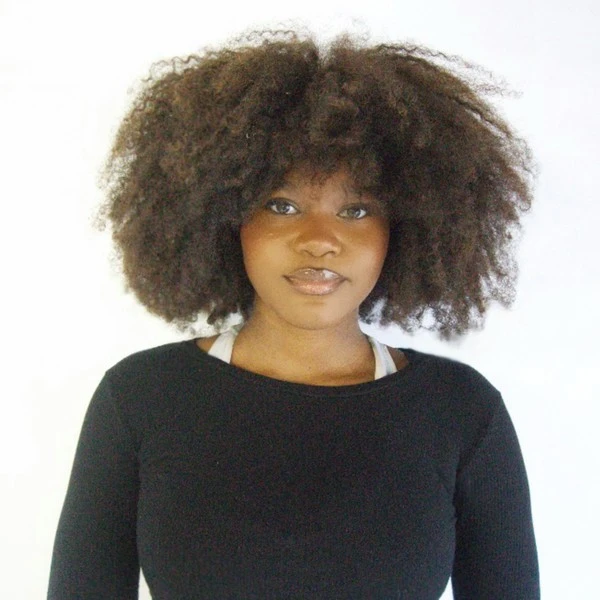
Madison Brown
1x
Finalist1x
Winner
Madison Brown
1x
Finalist1x
WinnerBio
My goal is to make art accessible for everyone. Art being accessible for me has helped me through personal hardship. I plan to make art accessible by putting up murals and doing workshops.
Education
Maynard Jackson High School
High SchoolMiscellaneous
Desired degree level:
Bachelor's degree program
Majors of interest:
- Business, Management, Marketing, and Related Support Services, Other
- Visual and Performing Arts, Other
Career
Dream career field:
Arts
Dream career goals:
Bagel Bouncer/Cashier
Pop-Up Bagels2026 – Present6 monthsIce Cream Scooper/Cashier
Spun Cow Creamery2025 – 20261 year
Grand Oaks Enterprises LLC Scholarship
My journey to this point has been shaped by resilience, reinvention, and a determination to build the kind of stability and opportunity I once lacked. For eight years, I attended online school. What began as flexibility slowly became isolation. Without peers, mentors, or creative spaces, I felt myself shrinking. My world was quiet, disconnected, and stagnant. By the time I transferred to an in‑person school for my junior year, I was desperate for structure, community, and a chance to rediscover who I was.
That transition changed everything. I found teachers who nurtured my creativity and classmates who challenged my perspective. I found spaces that reminded me why I loved learning. But the most defining part of my journey came during my senior year, when my family faced severe financial hardship and temporary displacement. Overnight, I became the primary provider at seventeen. I worked late-night shifts, often clocking out at 1 a.m. and waking up just a few hours later for school. One night, a police officer told me to pack my essential belongings and leave my home indefinitely. I remember standing in the doorway with a trash bag of clothes, feeling the weight of uncertainty settle on my shoulders.
Yet even in that instability, I refused to let my circumstances dictate my future. I maintained my grades, continued leading Art For All, the student-led art club I co‑founded, and kept creating. I completed a Google certificate in marketing and e-commerce and applied those skills through an internship. I learned how to manage money, time, and stress with a level of discipline I didn’t know I had. My senior year didn’t break me; it sharpened me. It taught me that resilience is not just surviving hardship, it is choosing to grow through it.
This journey is why attending an HBCU means so much to me. I want to learn in a space where Black excellence is the norm, not the exception. In many academic environments, even in majority-Black schools, advanced programs often fail to reflect the diversity of the student body. I’ve been in spaces where I felt like the only one, where my intelligence was underestimated, or where I had to shrink parts of myself to fit in. An HBCU represents the opposite: a place where my identity is not questioned or minimized, but celebrated. A place where I can learn from professors who understand the nuances of my experiences and collaborate with peers who share my cultural lens. A place where I can grow without apology.
To attend an HBCU is to step into a legacy built by generations of Black scholars, entrepreneurs, and innovators who created excellence despite barriers. It means joining a community that sees my potential before I even speak. It means belonging to a lineage of leaders who uplift their communities, build businesses, and redefine what success looks like for Black youth. It means being surrounded by people who look like me, dream like me, and push me to become the best version of myself.
My major, Business Administration, is deeply connected to how I plan to make a difference for my family and community. My senior-year hardship taught me the importance of financial literacy, economic stability, and entrepreneurship. I learned how quickly life can change and how essential it is to build systems that protect and empower people. Studying business will give me the tools to create those systems.
After college, I plan to combine business with creativity to build community-centered organizations that expand access to art, mentorship, and economic opportunity. I want to create youth programs, mobile workshops, and community studios that bring resources directly to neighborhoods with limited access. Long-term, I hope to open a community arts and entrepreneurship center that offers low-cost classes, open studio hours, financial literacy workshops, and youth-led exhibitions. I want to teach young artists and creators not only how to express themselves, but how to build sustainable careers, how to price their work, market themselves, and manage their finances.
For my family, I want to create the stability we’ve never consistently had. I want to build a career that allows me to support them financially while breaking generational cycles of instability. For my community, I want to create opportunities that didn’t exist for me, spaces where young people feel seen, supported, and capable of greatness.
My journey has been shaped by hardship, but it has also been shaped by hope. Attending an HBCU is the next step in becoming the business leader, creative thinker, and community builder I am meant to be. I want to use my education not just to sustain my future, but to transform the futures of those who come after me.
Sunshine Legall Scholarship
My academic and professional goals are rooted in the belief that creativity can change lives, because it changed mine. After spending eight years in online school with limited access to art classes, I learned firsthand how deeply a lack of creative resources can affect a young person’s confidence, identity, and sense of possibility. That experience shaped my commitment to building a future where art is accessible, empowering, and sustainable for both myself and the communities I serve.
Academically, I plan to pursue a degree that strengthens my artistic skills while also teaching me the business and leadership tools needed to build a long-term creative career. I want to study digital art, design, and creative direction, while also learning marketing, branding, and entrepreneurship. I’ve already taken steps toward this by completing a Google certificate in marketing and e-commerce and applying those skills through an internship. Understanding how to promote work, build an audience, and manage creative projects is essential for any modern artist, and I plan to continue developing those skills in college.
My community work began with Art For All, a student-led club I co‑founded to expand creative access on my campus. After years of feeling disconnected from artistic opportunities, I wanted to create a space where students of all skill levels could explore their creativity without judgment or barriers. Through Art For All, I helped organize meetings, coordinate projects, and build a welcoming environment for students who often felt overlooked in other spaces. Our biggest initiative, a collaborative mural at Grady, brought together students who might never have interacted otherwise. Watching them share ideas, paint side by side, and see their work displayed publicly showed me how art can transform not just walls, but people.
Giving back through Art For All has shaped my goals in ways I didn’t expect. It taught me that leadership is not about being the center of attention, it’s about creating spaces where others feel safe enough to shine. It showed me that community work doesn’t always require huge resources; sometimes it starts with a paintbrush, a blank wall, and a group of students willing to try something new. Most importantly, it reminded me that creativity is a form of empowerment, especially for young people who feel unseen or unsupported.
After college, I plan to expand this mission on a larger scale. I want to create community studios, youth mentorship programs, and mobile art workshops that bring supplies and instruction directly to neighborhoods with limited resources. My long-term goal is to open a community arts center that offers low-cost classes, open studio hours, and youth-led exhibitions. I also want to teach young artists the financial and professional skills that often go untaught, how to price their work, market themselves, and build sustainable creative careers.
Ultimately, my academic and professional goals are driven by the communities that shaped me. Giving back has shown me the power of creativity to build belonging, confidence, and opportunity. I want to continue using art to make the world more accessible, expressive, and connected for the generations who come after me.
Trees for Tuition Scholarship Fund
WinnerMy commitment to making my community a better place began long before I had the language to describe it. Growing up with limited access to creative opportunities, I learned early how deeply environment shapes a young person’s confidence, identity, and sense of possibility. That understanding drives the work I do now, and the work I plan to continue long after college.
Currently, I serve my community through Art For All, a student-led club I co‑founded to expand creative access on my campus and in surrounding neighborhoods. After spending eight years in online school, where art classes were often too expensive or too far away, I knew what it felt like to want creative outlets and not have them. I wanted to build something that removed those barriers for others. Through Art For All, I help organize meetings, coordinate projects, and create spaces where students of all skill levels feel welcome. Our biggest initiative has been murals, including a collaborative mural at Grady that brings together students who might never have interacted otherwise. Watching them share ideas, paint side by side, and see their work displayed publicly has shown me how art can transform not just walls, but people.
After college, I plan to expand this mission on a larger scale. My goal is to become an artist and creative leader who builds programs that make art accessible to young people who feel overlooked or unsupported. I want to create community studios, youth mentorship programs, and mobile art workshops that bring supplies and instruction directly to neighborhoods with limited resources. Long-term, I hope to open a community arts center that offers low-cost classes, open studio hours, and youth-led exhibitions. I want to build spaces where creativity is treated not as a luxury, but as a tool for healing, confidence, and opportunity.
I also plan to use my education to teach young artists the skills that often go untaught, how to price their work, market themselves, and build sustainable creative careers. Too many talented people give up on art because they don’t know how to navigate the financial or professional side of their passion. I want to change that by sharing the tools I had to learn on my own.
Ultimately, I plan to make my community, and the world, a better place by using art to create belonging, opportunity, and empowerment. I want to build a future where young people don’t have to fight for creative spaces, where their voices are valued, and where their stories shape the world around them.
Angelia Zeigler Gibbs Book Scholarship
For eight years, online school shaped my world. What began as flexibility slowly became confinement. By my sophomore year, learning behind a screen had left me without structure, mentorship, or creative dialogue. I felt myself slipping into stagnation, mentally, academically, and artistically. Without peers to exchange ideas with or teachers to challenge me, my motivation faded. It was the first time I recognized myself not as someone growing, but as someone stuck. That realization was a challenge I couldn’t ignore.
The setback forced me to confront how disconnected I had become from learning and from myself. I missed community. I missed creativity. I missed feeling pushed. Admitting that I needed change felt like a failure at first, as if I should have been able to thrive independently. But it became the turning point that reshaped everything.
Transferring to an in‑person school for my junior year was the moment I chose growth over comfort. Surrounded by teachers who nurtured my artistic development and classmates who expanded my perspective, I rediscovered my voice. Creative spaces became my anchor. That renewed discipline led to earning two Silver Keys in the Scholastic Art & Writing Awards and participating in the National Black Arts Festival, achievements that reminded me what I was capable of when supported.
That transformation sparked a deeper purpose. I co‑founded Art For All, a student-led club dedicated to murals and expanding creative accessibility. Leading the club taught me that art is not just personal expression, it is community work. It is a way to make people feel seen, connected, and empowered, especially those who once felt as isolated as I did.
My senior year brought new challenges, financial hardship, late-night shifts, and temporary displacement, but the lessons I learned from my earlier setback guided me. I had already learned how to rebuild myself, how to seek community, and how to grow through difficulty rather than shrink under it.
The stagnation I faced during online school became one of the most defining challenges of my life. It taught me that growth requires connection, that creativity needs community, and that setbacks can become foundations. That experience didn’t just change how I learn, it changed how I lead, create, and imagine my future.
Scorenavigator Financial Literacy Scholarship
My understanding of finances didn’t come from a classroom, it came from necessity. During my senior year, my family faced severe financial hardship and temporary displacement, and I became the primary provider at seventeen. Overnight, I went from being a student with typical worries to someone responsible for rent, groceries, transportation, and stability. I worked late-night shifts at an ice cream shop, often clocking out at 1 a.m. and waking up just a few hours later for school. Every paycheck mattered. Every dollar had a purpose. I learned to budget, prioritize, and make decisions that balanced immediate needs with long-term survival.
Those months taught me lessons that many people don’t learn until adulthood. I learned how to track expenses, plan ahead, and distinguish between wants and needs. I learned how quickly unexpected costs can derail a plan, and how important it is to build a financial cushion, even if it’s small. I learned that financial stress doesn’t just affect your wallet; it affects your mental health, your energy, and your ability to focus. But I also learned that discipline, organization, and resilience can turn chaos into something manageable.
Because I didn’t have formal financial education, I taught myself. I watched videos, read articles, and used budgeting apps to understand credit, savings, and financial planning. Completing a Google certificate in marketing and e-commerce introduced me to concepts like pricing strategy, digital revenue models, and project budgeting. Through my internship, I applied those skills in real time, managing resources, meeting deadlines, and thinking strategically about how money flows through a business. These experiences helped me understand finances not just personally, but professionally.
My financial journey also shaped my empathy. I know what it feels like to be overwhelmed by bills, to stretch a paycheck, to make sacrifices so your family can get through another week. I know how many young people are thrown into financial responsibility without guidance. That’s why I want to use what I learn to build stability for myself and to help others avoid the confusion and stress I faced.
In the future, I hope to combine my creative work with financial literacy. I want to build programs that teach young artists how to manage money, price their work, and build sustainable creative careers. Too many talented people give up on their passions because they don’t know how to navigate the financial side of their dreams. I want to change that. I want to create spaces where creativity and financial knowledge go hand in hand, where young people learn not only how to express themselves, but how to support themselves.
My experiences taught me that financial education is not just about money; it’s about freedom, stability, and opportunity. I plan to use what I learn to build a future where I am not just surviving, but thriving, and helping others do the same.
S.O.P.H.I.E Scholarship
Over the past two years, the most meaningful way I’ve served my community has been through creating spaces where young people feel seen, supported, and creatively empowered. Much of that work has happened through Art For All, a student-led club I co‑founded to expand access to creative opportunities on our campus and in our surrounding community. After spending eight years in online school with limited access to art classes, most were too far, too expensive, or simply inaccessible, I understood how isolating it feels to want creative outlets and not have them. I wanted to build something that removed those barriers for others.
As a leader of Art For All, I helped organize meetings, coordinate projects, and design a structure that welcomed students of all skill levels. Our biggest initiative has been murals. We’re currently working on a mural at Grady, a project that brings together students who might never have interacted otherwise. Watching them collaborate, sharing brushes, ideas, and stories, reminds me how art can build community in ways that words alone cannot. For many students, this is their first time seeing their creativity reflected publicly, and witnessing that pride is one of the most meaningful parts of the work.
Another important part of my community involvement has been serving as the Creative Director of the IB Collective, a club created as a safe space for minority students within the IB program. Although my school is majority Black, the IB program did not reflect that diversity. Many students of color, including myself, often felt like the minority in advanced classes. There were moments of elitism, subtle racism, and cliquishness that made it clear who was assumed to belong. The IB Collective became a place where we could support one another academically, emotionally, and socially. That experience taught me how powerful it is to create spaces where people can show up fully as themselves.
These activities have shaped my understanding of community work: it’s not just about service, but about building environments where people feel safe, connected, and capable of growth. They’ve also shown me how much potential exists when young people are given the tools and encouragement to express themselves.
Looking ahead, I want to continue expanding creative accessibility in my community. One idea I hope to pursue is developing mobile art workshops, pop‑up studios that travel to schools, shelters, and community centers, bringing supplies and instruction directly to young people who may not have access otherwise. I also want to partner with local artists to create mentorship programs, giving students guidance from people who understand their cultural and personal experiences. Long‑term, I hope to help establish a community arts center that offers free or low‑cost classes, open studio hours, and youth-led exhibitions.
My goal is to help build a future where creativity is not a privilege, but a resource available to everyone. I want future generations to grow up in a community where their ideas are nurtured, their identities are celebrated, and their voices are reflected in the spaces around them. Through art, leadership, and collaboration, I hope to continue shaping a community where young people feel empowered to imagine, and create, the futures they deserve.