user profile avatar

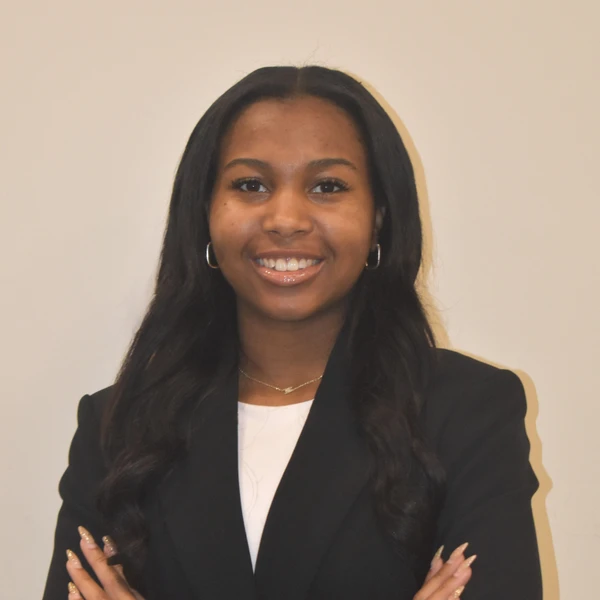
Madeline Littleton

1x

Finalist

Bio

My name is Madeline Littleton, and I’m a freshman Political Science major with plans to double major in Economics. My long-term goal is to attend law school and build a career in the legal field, where I can combine analytical thinking, advocacy, and leadership to make a meaningful impact. I completed my first semester at Howard University with a 3.76 GPA while carrying an 18-credit course load. During my time at Howard, I have actively engaged in campus involvement through organizations such as Howard Cake Club, Black Women in Pre-Law Society, Howard University Future Law Scholars, Volunteer et Veritas, and The Women’s Network. Additionally, I am a member of the College of Arts and Sciences First-Year Associates Program, where I serve as a Vice President’s Associate Intern. I’ve had the opportunity to shadow state judges and participate in several judicial programs—experiences that deepened my passion for law and public service. With over 500 hours of community service, I value giving back and staying engaged with my community. I’m motivated by curiosity, collaboration, and a desire to use my skills in reading, writing, and leadership to make a positive difference—both on campus and in my future legal career.

Education

Howard University

Bachelor's degree program
2025 - 2029
  • Majors:
    • Economics
    • Political Science and Government

Miscellaneous

  • Desired degree level:

    Master's degree program

  • Graduate schools of interest:

  • Transfer schools of interest:

  • Majors of interest:

  • Not planning to go to medical school
  • Career

    • Dream career field:

      Law Practice

    • Dream career goals:

      Sports

      Lacrosse

      Varsity
      2024 – 20251 year

      Awards

      • Defensive MVP

      Public services

      • Volunteering

        Gateway 180 — Food Server/ Soup kitchen section
        2022 – 2025
      Ethel Hayes Destigmatization of Mental Health Scholarship
      My experience with mental health has shaped not only how I understand myself, but also how I view others and the world around me. It has influenced my goals, strengthened my relationships, and given me a deeper awareness of the challenges people face—many of which are not immediately visible. Through both personal experiences and observing those around me, I have come to see mental health as a central part of overall well-being, not something separate from success or achievement. As someone who is driven and goal-oriented, I have experienced the pressure that comes with high expectations. Balancing academics, leadership, and future aspirations has, at times, felt overwhelming. These moments forced me to confront the reality that ambition without balance can lead to burnout. Through that realization, I began to prioritize my mental well-being in a more intentional way. I developed healthier habits, such as managing my time more effectively, recognizing when I needed rest, and allowing myself space to reset without feeling guilty. These experiences reshaped my goals by reminding me that success is not just about achievement, but also about sustainability and well-being. Mental health has also deeply influenced my relationships. It has taught me the importance of empathy and active listening. I have become more aware that people often carry struggles that are not visible on the surface. Because of this, I approach others with more patience and understanding. I try to be someone who creates a safe and supportive environment, whether that means listening without judgment, offering encouragement, or simply being present. These qualities have strengthened my relationships, making them more genuine and meaningful. Additionally, my experiences have shown me the importance of communication. I have learned that expressing how you feel—whether it is stress, frustration, or uncertainty—is not a weakness, but a strength. This has allowed me to build more honest and supportive connections with the people around me. It has also helped me better understand the value of having a strong support system and being part of one for others. My understanding of the world has also changed significantly. I now recognize that mental health plays a role in many larger societal issues, including education, access to resources, and overall quality of life. This awareness has influenced my desire to pursue a career where I can contribute to meaningful change. I am particularly interested in the intersection of mental health, advocacy, and law, where I can help address systemic challenges while also considering the human experiences behind them. Ultimately, my experience with mental health has made me more self-aware, more empathetic, and more intentional in everything I do. It has taught me that challenges are not something to hide, but something to learn from. It has also shown me that growth comes from understanding both your strengths and your limits. As I move forward, I plan to carry these lessons with me—not only in my personal life, but also in my academic and professional pursuits. I want to contribute to a world where mental health is better understood, more openly discussed, and more effectively supported. Through my goals, my relationships, and my actions, I hope to make a positive impact that reflects the lessons I have learned along the way.
      Learner Math Lover Scholarship
      I love math because it feels like putting together a puzzle where every piece has a purpose. At first, a problem can seem confusing or incomplete, like scattered pieces that don’t immediately make sense. But as I begin to work through it—identifying patterns, applying formulas, and testing different approaches—everything starts to connect. Each step builds on the last, and eventually, the solution comes together in a way that feels both logical and rewarding. What draws me to math is that there is always a path forward, even when it’s not obvious at first. Like a puzzle, it requires patience and persistence. You can’t rush the process; you have to take your time, reconsider your approach, and sometimes start over. But that’s what makes it satisfying. When I finally reach the correct answer, it’s not just about being right—it’s about understanding how all the pieces fit together. Math has also taught me how to think in a structured and disciplined way. Every problem has rules, just like a puzzle has edges and boundaries. Learning how to work within those rules while still thinking creatively has helped me grow as a problem solver. It has shown me that challenges are not something to avoid, but something to work through step by step. Beyond the classroom, I see this “puzzle mindset” influencing how I approach other areas of my life. Whether I am balancing responsibilities, working through a difficult decision, or setting long-term goals, I break things down into smaller, manageable parts. I look for patterns, connections, and solutions rather than focusing on the difficulty of the situation as a whole. Ultimately, I love math because it turns complexity into clarity. It takes something that initially seems overwhelming and transforms it into something that makes sense. Like completing a puzzle, there is a sense of accomplishment in knowing that every piece is exactly where it belongs, and that through patience and effort, you were able to see the full picture come together.
      Ella's Gift
      My understanding of mental health has developed through both personal reflection and the experiences of those around me. I have seen how mental health challenges and substance use can affect individuals, families, and entire communities—not always in obvious ways, but often in ways that are deeply impactful. These experiences have shaped my perspective, strengthened my resilience, and influenced both my personal growth and my educational goals. Growing up, I became aware that mental health is something many people struggle with silently. Whether through witnessing the challenges faced by others or navigating periods of stress and pressure in my own life, I learned that mental well-being is not something to take for granted. As a student balancing academics, leadership, and future goals, I have experienced moments where expectations felt overwhelming. During those times, I had to develop healthier ways to cope—learning how to manage stress, maintain balance, and prioritize my well-being without losing sight of my ambitions. Observing how substance use can intersect with mental health further shaped my understanding. I have seen how easily individuals can turn to unhealthy coping mechanisms when they lack support, resources, or safe spaces to express what they are going through. These experiences reinforced the importance of awareness, prevention, and access to support systems. They also made me more intentional about the choices I make and the environments I place myself in. Through these challenges and observations, I have experienced significant personal growth. I have developed a stronger sense of self-awareness, recognizing when I need to step back, reset, and take care of my mental health. I have also become more empathetic, understanding that people’s actions are often influenced by struggles that are not immediately visible. This perspective has changed how I interact with others—I listen more carefully, respond more thoughtfully, and try to create spaces where people feel supported and understood. My educational goals are closely connected to these experiences. I plan to study political science and economics as a foundation for a career in law, with a particular interest in advocacy and systemic change. I want to be in a position where I can address issues that impact mental health and access to resources, especially within underserved communities. Whether through policy, legal representation, or community-based initiatives, I hope to contribute to solutions that prioritize both accountability and compassion. In terms of continuing to manage my own well-being, I have developed a plan centered on consistency, awareness, and support. First, I prioritize maintaining healthy routines, including time management, rest, and balance between work and personal life. I have learned that burnout can be avoided by recognizing limits and making intentional choices about how I spend my time. Second, I focus on building and maintaining strong support systems. Having people I can trust—whether friends, mentors, or family—has been essential, and I will continue to invest in those relationships. I also believe in the importance of ongoing self-reflection. Regularly checking in with myself allows me to recognize stressors early and adjust before they become overwhelming. If needed, I am open to seeking additional support, whether through counseling or other resources. I view this not as a weakness, but as a responsible and proactive step toward maintaining long-term well-being. Additionally, I am committed to avoiding environments and behaviors that could negatively impact my mental health. This includes being mindful of the choices I make and surrounding myself with people and spaces that support my goals and values. Prevention, to me, is just as important as response. Ultimately, my experiences with mental health have shaped me into someone who is more self-aware, empathetic, and driven. They have influenced how I see the world, how I approach challenges, and how I define success. My goal is not only to continue growing personally, but also to use what I have learned to make a positive impact on others. As I move forward, I am committed to maintaining my well-being, pursuing my education with purpose, and contributing to a future where mental health is better understood, supported, and prioritized.
      Bulkthreads.com's "Let's Aim Higher" Scholarship
      I want to build a life that creates opportunity—not just for myself, but for the people and communities around me. While I have specific career goals in law and business, what I am really working to build is something broader: a platform that combines advocacy, leadership, and entrepreneurship to address real gaps in access and equity. For me, “building” starts with education. I am intentionally pursuing knowledge in political science and economics because I want to understand how systems work before trying to change them. I see my education as the foundation of everything I will create in the future. It is what will allow me to think critically, make informed decisions, and approach complex problems with clarity and purpose. Every class, every experience, and every challenge is part of that construction process. Beyond education, I want to build a career that allows me to advocate for others while also creating tangible solutions. In law, I hope to represent individuals who may not have access to strong legal support, while in business, I want to create opportunities that extend beyond profit. I am especially interested in building initiatives or organizations that support underserved communities—whether through mentorship, resources, or access to opportunities that can help people move forward. I am also focused on building strong relationships and a network rooted in trust and shared purpose. I understand that meaningful impact is rarely achieved alone. By surrounding myself with people who are driven, thoughtful, and committed to growth, I can contribute to a community that supports one another and works toward collective success. I want to be someone who not only benefits from those relationships, but also adds value to them. On a personal level, I am building discipline, resilience, and self-awareness. These are not things that happen overnight—they require consistency and effort. I am learning how to stay focused on long-term goals, how to adapt when things do not go as planned, and how to continue growing even when faced with challenges. These qualities will be essential in both my personal and professional life. The impact of what I am building goes beyond my own success. By creating opportunities, supporting others,
      Eden Alaine Memorial Scholarship
      Losing my grandmother was one of the most difficult experiences I have faced, but it is also one that has shaped me in lasting and meaningful ways. She was more than just a family member to me—she was a source of comfort, wisdom, and strength. Her presence in my life was constant, and I did not fully realize how much she influenced me until I had to learn how to live without her. My grandmother had a way of making people feel seen and cared for, no matter the situation. She listened without judgment, gave advice with patience, and always emphasized the importance of staying grounded in who you are. Whether through simple conversations or quiet moments together, she taught me lessons about resilience, kindness, and perseverance. She believed in me in a way that made me believe in myself, and that is something I carry with me every day. When I lost her, it felt like a part of my foundation had been taken away. Grief was not something I had fully understood until that moment. It was not just sadness—it was the absence of someone who had been a steady presence in my life. Adjusting to that absence was difficult, and there were times when I struggled to process it. However, over time, I began to understand that grief is not something you “get over,” but something you learn to grow around. This experience changed the way I see both life and my relationships. I became more intentional about how I spend time with the people I care about, recognizing that nothing is guaranteed. I also developed a deeper sense of empathy. Going through loss made me more aware that others may be carrying pain that is not immediately visible. As a result, I try to approach people with more patience and understanding, knowing how important support can be during difficult times. Losing my grandmother also strengthened my sense of purpose. She always encouraged me to pursue my goals and to make something meaningful out of my life. In many ways, I now see my ambitions as a way of honoring her. Her belief in hard work, integrity, and helping others continues to guide my decisions. When I face challenges, I often think about what she would say or how she would encourage me to keep going. That perspective has helped me stay focused and resilient, even in difficult moments. While losing her was painful, it also taught me the importance of carrying forward the values she instilled in me. I strive to reflect her kindness in the way I treat others, her strength in how I handle challenges, and her compassion in how I support those around me. In this way, her impact on my life has not ended—it has evolved into something that continues to shape who I am becoming. Ultimately, my grandmother’s life and her loss have influenced me in ways that go far beyond grief. They have given me a deeper appreciation for relationships, a stronger sense of empathy, and a clearer understanding of the kind of person I want to be. Although she is no longer physically here, her presence remains in the values I carry and the choices I make every day.
      RonranGlee Literary Scholarship
      Selected Passage (from Plato’s Republic, Book VII – “Allegory of the Cave”): “And now, I said, let me show in a figure how far our nature is enlightened or unenlightened:—Behold! human beings living in an underground den… here they have been from their childhood, and have their legs and necks chained so that they cannot move… and they see only their own shadows, or the shadows of one another… And if they were able to converse with one another, would they not suppose that they were naming what was actually before them?” Essay: Plato’s passage from the Republic is not simply an abstract reflection on ignorance, but a deeper argument that human perception, when left unexamined, becomes a constructed reality that individuals mistake for truth. The underlying meaning of this passage is that ignorance is not merely the absence of knowledge, but the acceptance of a limited perspective as complete reality. Plato is ultimately arguing that intellectual and moral growth require discomfort, self-awareness, and a willingness to question the very foundations of what one believes to be true. The prisoners in the cave are not just physically confined; they are mentally conditioned. Their inability to turn their heads symbolizes more than restriction—it represents a lack of exposure to alternative perspectives. Because they have only ever seen shadows, they do not question them. This suggests that human beings often accept their environment, beliefs, and assumptions without critique, especially when those ideas have been reinforced over time. The shadows are not real objects, yet to the prisoners, they are indistinguishable from reality. Plato is emphasizing that perception is not inherently reliable; it is shaped by limitation. What is particularly significant is that the prisoners are described as having lived this way “from their childhood.” This detail reinforces the idea that early exposure and upbringing play a powerful role in shaping one’s understanding of the world. If individuals are never encouraged to question or explore beyond what is presented to them, their sense of reality becomes fixed. This idea extends beyond the literal cave into social and intellectual contexts—people often inherit beliefs, biases, and assumptions without examining their origins. Plato is suggesting that without deliberate effort, individuals remain confined not by physical chains, but by intellectual ones. The act of “naming what was actually before them” further highlights the illusion of understanding. The prisoners believe they possess knowledge because they can identify and describe the shadows. However, their language is disconnected from truth. This reflects a deeper philosophical claim: the ability to describe something does not mean one truly understands it. Plato is critiquing a superficial form of knowledge—one that is based on appearances rather than deeper reasoning. In this sense, ignorance can coexist with confidence, making it even more difficult to recognize. Plato’s argument also carries an implicit challenge. If individuals are trapped in systems of perception that feel real, then enlightenment requires more than passive learning—it requires disruption. To gain true understanding, one must be willing to question familiar beliefs and confront the discomfort of uncertainty. This process is not easy, as it involves acknowledging that what one has accepted as truth may be incomplete or entirely false. The cave, therefore, is not just a place but a condition—one that can only be escaped through intentional effort and critical thought. This passage remains relevant because it reflects how easily people can become confined by their own perspectives. In modern contexts, this can be seen in the way individuals consume information, form opinions, and interact within social environments that reinforce existing beliefs. Plato’s message is not that people are incapable of understanding truth, but that reaching it requires active engagement and a willingness to move beyond what is comfortable. Ultimately, the deeper meaning of this passage is that true knowledge is transformative, but it demands courage. It requires individuals to recognize the limitations of their own perception and to seek a broader understanding of reality. Plato is not just describing ignorance—he is warning against the danger of mistaking familiarity for truth.
      Learner Mental Health Empowerment for Health Students Scholarship
      Mental health is important to me as a student because it directly affects how I learn, perform, and engage with others. Academic success is often measured through grades, test scores, and achievements, but those outcomes are deeply connected to a student’s mental well-being. I have come to understand that without a healthy mindset, it becomes much more difficult to focus, stay motivated, and manage the pressures that come with school. Recognizing this has changed how I approach both my academics and my daily life. As a student who is driven and goal-oriented, I have experienced the pressure that comes with high expectations—whether they come from myself or from others. Balancing rigorous coursework, leadership roles, and community involvement can be overwhelming at times. Through these experiences, I have learned that taking care of my mental health is not a distraction from success, but a necessary part of it. Prioritizing balance, managing stress, and allowing myself time to reset have helped me maintain both my performance and my well-being. Mental health is also important to me because I see how it impacts those around me. In school environments, many students are dealing with stress, anxiety, or personal challenges that are not always visible. This awareness has shaped how I interact with others. I try to be intentional about creating a supportive and respectful environment, whether that means listening to someone who needs to talk, offering encouragement, or simply being mindful of how my words and actions affect others. I believe that small actions can make a meaningful difference in how people feel on a daily basis. In terms of advocacy, I work to support mental health in ways that are both practical and consistent. Within my school community, I contribute by helping create spaces where people feel comfortable expressing themselves. In group settings, I encourage open communication and make sure that everyone feels included and heard. I also try to lead by example—being honest about challenges, managing stress in healthy ways, and showing that it is okay to not have everything figured out. By doing this, I hope to reduce some of the stigma that often surrounds mental health, especially among students. Outside of school, I carry these same values into my home and broader community. I prioritize being present for the people around me and offering support when it is needed. Advocacy, to me, is not always about formal initiatives or large-scale efforts; it is also about the everyday choices we make to support one another. Whether it is checking in on a friend, encouraging someone to seek help, or simply being a consistent and understanding presence, these actions contribute to a healthier and more supportive environment. I also believe that advocacy involves continuing to educate myself. Understanding mental health on a deeper level allows me to be more effective in how I support others and how I take care of myself. It also prepares me to contribute to larger conversations about mental health in the future, whether in academic, professional, or community settings. Ultimately, mental health is important to me because it influences every part of a student’s experience. By prioritizing it in my own life and advocating for it within my community, I hope to contribute to an environment where students feel supported, understood, and empowered to succeed both academically and personally.
      Autumn Davis Memorial Scholarship
      My understanding of mental health has developed not from a single moment, but through ongoing experiences that have shaped how I see people, relationships, and responsibility. I have come to view mental health as something that affects every aspect of a person’s life—how they think, how they interact with others, and how they navigate challenges. Recognizing this has influenced my beliefs by making me more intentional about how I treat others and how I approach my own personal growth. One of the most important ways mental health has influenced me is through the value I place on empathy. I have learned that people are often carrying challenges that are not immediately visible, and that assumption alone has changed how I communicate and build relationships. I try to lead with understanding rather than judgment, whether I am working with peers, supporting others in my community, or navigating everyday interactions. This perspective has strengthened my relationships by allowing me to be more present, more patient, and more supportive. At the same time, I have learned the importance of balance and self-awareness. Being someone who is driven and goal-oriented, I have experienced moments where pressure and expectations felt overwhelming. Through those experiences, I realized that maintaining mental well-being is just as important as achieving success. This understanding has helped me develop healthier habits, manage stress more effectively, and recognize when to step back and reset. It has also reinforced my belief that conversations around mental health should be normalized and accessible, especially for students and young people who may feel pressure to meet high expectations. These experiences have directly influenced my career aspirations. While I remain committed to pursuing a career in law, I am particularly interested in the intersection between mental health and advocacy. There are many individuals whose mental health challenges are misunderstood or overlooked within legal and institutional systems. I want to be someone who not only understands those complexities, but also advocates for more compassionate and informed approaches. Whether through policy, representation, or community-based work, I hope to contribute to systems that recognize and support mental well-being. In addition, I am interested in using my voice to raise awareness about mental health and reduce stigma. Too often, people hesitate to seek help because of fear, misunderstanding, or lack of resources. I want to be part of changing that by promoting open conversations and supporting initiatives that make mental health care more accessible. I believe that impact does not always require large-scale change; it can begin with creating safe spaces, offering support, and encouraging others to prioritize their well-being. Ultimately, my goal is to integrate my understanding of mental health into the work I do and the impact I create. I want to build a career that not only addresses legal or systemic issues, but also considers the human experiences behind them. By combining advocacy with empathy, I hope to contribute to a future where individuals feel supported, understood, and empowered. Mental health has shaped not only how I see the world, but also how I want to contribute to it. It has taught me that true impact comes from understanding people as a whole, and I am committed to carrying that perspective with me in everything I do.
      Jessie Koci Future Entrepreneurs Scholarship
      I plan to study political science and economics in higher education because I am deeply interested in understanding how systems—legal, governmental, and financial—shape people’s opportunities and outcomes. These fields will give me both the theoretical and practical foundation to analyze policy, interpret laws, and understand the economic forces that influence communities. My long-term goal is to pursue a career in law, and I see political science and economics as essential tools that will allow me to approach legal issues with a broader, more informed perspective. I want to understand not just how laws are written, but how they function in real-world contexts and how they can be improved to better serve society. I have also planned an entrepreneurial path because I value independence, innovation, and the ability to create opportunities rather than wait for them. Entrepreneurship, to me, is not limited to starting a business—it is a mindset centered around initiative, problem-solving, and leadership. I am drawn to the idea of building something that reflects my values while also addressing real needs within communities. Whether that takes the form of a business, a legal practice, or a community-focused initiative, I want to have the ability to make decisions, take risks, and create meaningful impact on my own terms. Additionally, entrepreneurship aligns with my desire to bridge gaps in access and opportunity. In both business and law, there are spaces where certain communities are underserved or overlooked. By pursuing an entrepreneurial path, I can contribute to creating solutions that are both innovative and accessible. I want to be in a position where I can not only advocate for change, but actively build structures that support it. I believe I will be successful in my business endeavors because of my discipline, adaptability, and willingness to learn. I understand that success is not immediate and that many ventures fail due to a lack of persistence, preparation, or the ability to adjust when challenges arise. Throughout my experiences, I have developed a strong work ethic and the ability to stay committed even when situations become difficult or uncertain. I am not discouraged by setbacks; instead, I see them as opportunities to grow and improve. Another factor that sets me apart is my ability to balance confidence with self-awareness. I am willing to take initiative and lead, but I also recognize when I need to learn, ask questions, or seek guidance. This balance allows me to continuously improve while staying grounded. I also prioritize building strong relationships, which is essential in both business and law. Success is rarely achieved alone, and I value collaboration, mentorship, and the exchange of ideas. To me, a successful life is not defined solely by financial achievement or status. While stability and accomplishment are important, true success is about impact, growth, and fulfillment. It means building a career that aligns with my values, contributing positively to my community, and creating opportunities not just for myself, but for others. It also means maintaining integrity, continuing to grow as a person, and staying connected to the purpose behind my goals. Ultimately, I want to live a life where my work has meaning, where I am constantly evolving, and where I am making a difference—both in the lives of individuals and within larger systems. By combining my interests in law, business, and service, I am confident that I can build a path that is both successful and impactful.
      Dream BIG, Rise HIGHER Scholarship
      Education has been one of the most defining forces in shaping both my sense of direction and my long-term goals. More than just a place where I complete assignments and earn grades, it has been an environment where I have learned how to think critically, challenge assumptions, and better understand the world around me. Through my academic experiences, I have developed not only a clearer vision for my future, but also a deeper sense of responsibility to use that future to create meaningful change. As I have grown as a student, I have become increasingly aware that education is not experienced equally by everyone. In classrooms, I began to notice differences in access—some students had access to additional academic support, opportunities, and resources, while others had to work harder to reach the same outcomes. These observations stayed with me. They pushed me to ask questions about why these disparities exist and what systems contribute to them. Instead of accepting these differences as normal, I became motivated to understand them. This curiosity ultimately shaped my interest in pursuing law, where I can address inequities at a structural level and advocate for those who may not have the same access to opportunity. Education has also played a critical role in strengthening my resilience. Balancing rigorous coursework with leadership responsibilities and community involvement has not always been easy. There have been times when I felt overwhelmed by expectations—both from others and from myself. Managing deadlines, maintaining strong academic performance, and staying involved in meaningful activities required me to develop discipline and strong time management skills. I had to learn how to prioritize, how to remain focused under pressure, and how to keep moving forward even when I felt mentally exhausted. One of the most significant challenges I have faced is navigating the pressure to succeed while still trying to define my path. As someone with ambitious goals, I often place high expectations on myself. There were moments when I felt uncertain about whether I was doing enough or making the “right” choices for my future. This pressure could have easily led to burnout or self-doubt, but instead, it became a turning point. Through my educational experiences, I learned that growth does not come from having everything figured out—it comes from being willing to learn, adjust, and continue moving forward despite uncertainty. I began to view challenges not as obstacles, but as opportunities to build resilience and self-confidence. Another challenge I have overcome is learning how to advocate for myself. In academic and leadership environments, I initially focused heavily on doing the work and supporting others, sometimes without ensuring that my own contributions were fully recognized. Over time, I realized that self-advocacy is an important skill—not out of a desire for recognition, but because it ensures fairness and accountability. I learned how to communicate more confidently, express my ideas clearly, and take ownership of my work. This growth has not only strengthened my confidence, but also prepared me for future environments where my voice and perspective will matter. Education has also shaped my ability to lead with both confidence and empathy. Through group projects, leadership roles, and service opportunities, I have learned how to collaborate with diverse groups of people, listen to different perspectives, and work toward shared goals. These experiences have shown me that leadership is not about authority, but about influence, responsibility, and the ability to support others. This understanding will be essential as I continue my academic journey and eventually enter the legal field. Looking ahead, I plan to use my education as a tool for both personal advancement and broader impact. By studying political science and economics, I hope to gain a deeper understanding of how laws, policies, and economic systems shape people’s lives. I want to use that knowledge to pursue a career in law where I can advocate for fairness, equity, and access to justice. My goal is not only to succeed within the legal profession, but to use that success to create opportunities for others and contribute to systemic change. In addition to my professional aspirations, I am committed to using my education to give back to my community. I plan to stay involved in mentorship, outreach programs, and initiatives that support underserved populations. I believe that education is one of the most powerful tools for empowerment, and I want to help ensure that others have access to the same opportunities that have shaped me. Whether through mentoring younger students, participating in community service, or advocating for educational equity, I want my impact to extend beyond my own achievements. Ultimately, education has given me both direction and purpose. It has helped me understand not only what I want to do, but why it matters. The challenges I have faced—whether academic pressure, self-doubt, or learning to advocate for myself—have strengthened my resilience and shaped my character. I now approach my goals with a clearer sense of intention and a stronger belief in my ability to achieve them. As I continue my journey, I remain committed to using my education as a foundation for creating a better future—not just for myself, but for others. I want to be someone who uses knowledge to drive change, who advocates for those who are underrepresented, and who contributes to building a more equitable and just society. Education has given me the tools to pursue that vision, and I am determined to use them to their fullest potential.
      Our Destiny Our Future Scholarship
      I plan to make a positive impact on the world by combining my passion for law, my commitment to service, and my ability to lead with both purpose and empathy. For me, impact is not defined by one moment or achievement, but by a pattern of consistent actions that contribute to meaningful change over time. My long-term goal is to pursue a career in law, where I can advocate for fairness, equity, and access to justice. I am especially interested in areas where legal systems directly affect marginalized or underrepresented communities. Too often, people face barriers not because of a lack of ability, but because of a lack of access—whether that be access to resources, representation, or information. I want to be part of addressing those gaps by using the law as a tool to empower others and create more equitable outcomes. However, my commitment to making an impact is not limited to my future career. I believe that change begins long before reaching a professional title. Throughout my experiences, I have made it a priority to be actively involved in my community through service, leadership, and mentorship. I value being present and engaged, whether that means contributing to community initiatives, supporting my peers, or taking on responsibilities that allow me to help others succeed. These smaller, consistent efforts are just as important as larger goals because they directly affect the people around me. Education is another key part of how I plan to create impact. I want to continue learning about the social, political, and economic systems that shape our society so that I can approach challenges with both knowledge and intention. By pursuing studies in political science and economics, I aim to better understand the root causes of inequality and use that understanding to inform my work in law and beyond. I believe that meaningful change requires both awareness and action, and I am committed to developing both. In addition, I hope to use my voice to advocate for issues that matter. Whether through public speaking, writing, or community involvement, I want to raise awareness and encourage others to engage with important topics. Advocacy is not just about speaking for others, but also about creating space for others to be heard. I want to contribute to environments where people feel empowered to share their experiences and perspectives. What drives me most is the belief that everyone has a role to play in creating a better world. I do not expect to solve complex issues on my own, but I am committed to being part of the effort. By staying consistent in my values—integrity, empathy, accountability, and service—I aim to approach every opportunity with the intention of making a difference. Ultimately, the impact I hope to make is one that is both meaningful and lasting. I want to contribute to a world where individuals are supported, communities are strengthened, and opportunities are more accessible to all. Through my work, my actions, and my dedication to growth, I plan to be someone who not only recognizes the need for change, but actively works toward it.
      Manuela Calles Scholarship for Women
      My values are rooted in integrity, empathy, accountability, and service. These principles shape how I approach my goals, how I interact with others, and how I define success—not just by outcomes, but by impact. Integrity is the foundation of everything I do. I believe in being honest, consistent, and principled, even when it is not the easiest path. Whether in academic settings, leadership roles, or community work, I hold myself to a standard of doing what is right rather than what is convenient. This value will be especially important in both mental health and business, where trust is essential. In mental health spaces, individuals must feel safe and respected; in business, ethical decision-making builds credibility and long-term success. I want my work to reflect a commitment to fairness and transparency in all situations. Empathy is another core value that guides me. I make a genuine effort to understand people’s perspectives, experiences, and challenges. In mental health, empathy is critical—it allows you to connect with individuals on a human level, rather than just addressing problems on the surface. It ensures that people feel heard, validated, and supported. In business, empathy is equally important, even if it is not always emphasized. Understanding clients, colleagues, and communities leads to better decision-making, stronger relationships, and more inclusive environments. I want to be someone who not only listens but also responds in ways that are thoughtful and impactful. Accountability is a value that influences both my personal and professional growth. I take responsibility for my actions, my work, and my commitments. I do not shift blame or avoid challenges; instead, I focus on solutions and improvement. In mental health work, accountability means recognizing the responsibility you have when supporting others and ensuring that your actions truly serve their well-being. In business, it means being dependable, following through on commitments, and making decisions that consider both short-term and long-term consequences. This value ensures that I remain reliable and trustworthy in any environment. Service is at the center of my long-term goals. I am driven by the desire to contribute to something larger than myself and to create meaningful change within my community. Whether through advocacy, mentorship, or professional work, I want my efforts to positively impact others. In mental health, this could mean helping reduce stigma and increasing access to resources. In business, it could involve creating opportunities, supporting underserved communities, or leading initiatives that prioritize social responsibility alongside success. Together, these values will guide the way I approach my work and the decisions I make. They ensure that I remain grounded in purpose, regardless of the path I take. I do not view mental health and business as separate from these values, but as areas where they can be actively applied to create environments that are ethical, compassionate, and impactful. Ultimately, my goal is to build a career that reflects not only my ambitions, but also my character. By leading with integrity, empathy, accountability, and service, I hope to contribute to spaces that support growth, well-being, and opportunity for others.
      Strong Leaders of Tomorrow Scholarship
      Leadership, to me, is not defined by a title but by consistent action, accountability, and the ability to positively influence others. What makes me a leader is my willingness to step forward when something needs to be done, my commitment to uplifting those around me, and my ability to balance confidence with empathy. Throughout my experiences, I have naturally taken on roles where I help organize, guide, and support others. In group settings, I am often the person ensuring that everyone’s voice is heard while also keeping the team focused and productive. I do not believe leadership means controlling every aspect of a situation; instead, it means creating an environment where others feel valued and motivated to contribute. I make a conscious effort to listen actively, understand different perspectives, and bring people together around a shared goal. One of my strongest leadership qualities is accountability. I hold myself to high standards and take responsibility not only for my own work but also for the success of the team. When challenges arise, I do not avoid them—I address them directly and work toward solutions. This reliability builds trust, and I have found that people are more willing to collaborate and perform at their best when they know they can depend on someone to follow through. At the same time, I lead with empathy. I understand that everyone brings different experiences, strengths, and challenges into any environment. By being approachable and supportive, I aim to create spaces where others feel comfortable asking questions, sharing ideas, and growing. Whether through mentoring, community service, or collaboration, I try to lead in a way that empowers others rather than overshadows them. My leadership is also shaped by initiative. I do not wait for direction when I see an opportunity to improve something or help others. Instead, I take action—whether that means starting a new idea, stepping into a gap, or taking on additional responsibility to ensure a goal is met. This proactive mindset has allowed me to contribute meaningfully in both academic and community settings. Importantly, I recognize that leadership is an ongoing process of growth. I am constantly reflecting on how I can improve—whether that means communicating more effectively, being more inclusive, or learning from setbacks. I am not afraid to acknowledge when I can do better, and I view challenges as opportunities to strengthen my leadership. Ultimately, what makes me a leader is not just what I accomplish, but how I approach others in the process. I lead with integrity, consistency, and a genuine desire to make a positive impact. I strive to be someone who not only achieves goals but also inspires others to believe in their own ability to do the same.
      Michele L. Durant Scholarship
      From an early age, I have been drawn to understanding how systems—legal, social, and economic—shape the lives of individuals and communities. Growing up, I began to notice patterns: who had access to opportunities, who did not, and how decisions made in courtrooms, classrooms, and government offices could ripple outward to affect entire communities. These observations sparked not only my interest in law, but also a deeper commitment to advocacy, service, and leadership. Throughout high school, I have intentionally sought out opportunities that allow me to engage with my community in meaningful ways. Whether through community service initiatives, leadership roles, or academic programs focused on civic engagement, I have worked to position myself as both a learner and a contributor. I value being in spaces where I can listen to others’ experiences while also taking initiative to address challenges. These experiences have strengthened my ability to communicate effectively, think critically, and lead with empathy—skills I know will be essential in my future career. My aspiration to become a lawyer is rooted in a desire to serve as a voice for those who are often unheard. I am particularly interested in areas of law that intersect with social justice, where legal advocacy can directly improve people’s quality of life. In pursuing a degree in political science and economics, I hope to better understand the structural factors that contribute to inequality, and to use that knowledge to inform my work in law. Ultimately, I plan to attend law school and build a career that allows me to advocate for fairness, equity, and access to justice. Beyond my long-term career goals, I am committed to making an impact in the communities I am part of at every stage of my journey. In college, I plan to continue engaging in service-based organizations, mentorship programs, and initiatives that support underrepresented groups. I believe that impact is not only measured in large-scale change, but also in the everyday actions that uplift others—whether that means mentoring younger students, organizing community efforts, or simply being a reliable and compassionate presence. What motivates me most is the belief that meaningful change often begins with individuals who are willing to step forward and take responsibility. I do not expect to solve systemic issues overnight, but I am committed to being part of the solution through consistent effort, education, and advocacy. By combining my passion for law with my dedication to service, I aim to contribute to a more equitable society—one where individuals are empowered, communities are supported, and justice is accessible to all. As I continue to grow academically and personally, I remain focused on using every opportunity as a stepping stone toward creating lasting, positive impact.
      STLF Memorial Pay It Forward Scholarship
      During my time at Howard University, I had the opportunity to organize and lead a community volunteering event that focused on mentorship and academic support for local high school students. Recognizing the challenges that many students face in under-resourced communities, I designed a program that combined tutoring sessions, college readiness workshops, and skill-building activities. My goal was not only to provide immediate academic assistance but also to empower students with the confidence, guidance, and tools necessary to pursue higher education and personal growth. As the organizer, I coordinated logistics, recruited volunteers, and developed lesson plans that were both engaging and educational. I collaborated with faculty, student organizations, and local schools to ensure the event reached students who would benefit most. During the event, I personally facilitated tutoring sessions, guided students through college application exercises, and provided mentorship through one-on-one discussions about setting goals, managing time, and developing resilience. This hands-on approach allowed me to connect meaningfully with participants and address their specific needs while fostering a supportive and encouraging environment. Through this experience, I learned that volunteering is not just about giving time or resources—it is about creating lasting impact. The feedback from students and parents highlighted the value of guidance and mentorship, reinforcing the idea that even small contributions of time and knowledge can significantly influence a young person’s trajectory. I also witnessed the power of collaboration, as volunteers and community partners worked together toward a shared goal, demonstrating that meaningful change is often the result of collective effort. Leadership through service has been a central lesson from this experience. True leadership is not measured by titles or recognition but by the ability to inspire others, create opportunities, and empower individuals to reach their potential. By taking initiative, organizing resources, and actively participating in the event, I was able to lead by example, showing that leadership is most effective when it prioritizes the needs of the community over personal gain. This experience has reinforced my commitment to service as a core value, shaping the way I approach my academic and extracurricular pursuits. It has taught me that meaningful leadership requires empathy, dedication, and action, and that investing in the growth of others is one of the most powerful ways to strengthen a community. As I continue my journey at Howard University, I am motivated to leverage my skills, education, and passion for mentorship to organize initiatives that foster opportunity, growth, and empowerment for the communities I serve.
      Simon Strong Scholarship
      Adversity has been a defining force in shaping who I am today, teaching me resilience, courage, and the importance of using my voice even in the most difficult circumstances. One of the most challenging experiences I faced occurred during my senior year of high school, when I was the target of a hate crime. This moment was not only terrifying but also deeply isolating, shaking my sense of safety and making me confront the harsh reality of prejudice and intolerance. The incident left me feeling vulnerable and uncertain. Initially, I struggled with fear and anger, questioning why something so unjust had happened to me. However, over time, I realized that my response to this adversity would define my personal growth. I drew strength from my faith, my family, and supportive friends, who reminded me that I was not alone and that I could transform this painful experience into a catalyst for positive action. By seeking support from counselors, community mentors, and school administrators, I learned the importance of advocating for myself while also promoting awareness and understanding within my school community. Rather than allowing the incident to silence me, I used it as motivation to educate others about the realities of bias, discrimination, and hate crimes. I became involved in programs and initiatives aimed at fostering inclusivity and promoting dialogue around diversity and equity. This experience strengthened my resilience, teaching me that courage is not the absence of fear but the decision to act in spite of it. It also deepened my empathy, motivating me to support others who have faced injustice, no matter how big or small their struggles may seem. Facing this adversity has shaped my personal and academic journey by instilling a sense of purpose and determination. It reinforced my commitment to leadership, service, and advocacy, and it has influenced the way I approach challenges, both personally and professionally. I have learned to confront obstacles with a clear mind, a strong sense of ethics, and a willingness to seek solutions rather than dwell on setbacks. To anyone facing similar circumstances, my advice is to acknowledge the pain, but do not let it define you. Seek out support systems, speak up when you feel safe to do so, and use your experience as a tool to empower yourself and others. Adversity is not a reflection of your worth, but an opportunity to cultivate resilience, compassion, and courage. By transforming hardship into action, you can create a lasting impact not only in your own life but also in the lives of others.
      Sgt. Albert Dono Ware Memorial Scholarship
      Sgt. Albert Dono Ware’s legacy of service, sacrifice, and bravery resonates deeply with me because these values are not only hallmarks of heroism but also guiding principles for how I navigate my personal and professional journey. Growing up, I have witnessed how dedication to others, even in the face of personal challenges, can create meaningful and lasting impact. Sgt. Ware’s commitment to service inspires me to engage fully in my community, advocate for justice, and act courageously when confronting systemic inequities that affect the African diaspora in the United States. Service, for me, has been a central theme throughout my academic and extracurricular pursuits. As a Political Science major at Howard University, I have sought opportunities to mentor younger students, volunteer with community initiatives, and participate in programs that amplify underrepresented voices. Service is about more than participation; it is about investing time, energy, and skill into initiatives that create tangible improvements in the lives of others. Sgt. Ware’s example encourages me to approach these responsibilities with intentionality, resilience, and a commitment to outcomes rather than recognition. Sacrifice is also a value that has shaped my journey. Whether it is dedicating extra hours to research projects, taking on leadership roles in student organizations, or balancing rigorous coursework with community engagement, I have learned that meaningful impact often requires putting the needs of others alongside—or even ahead of—my own immediate comfort. This principle informs my vision for addressing challenges faced by the African diaspora, including inequities in education, healthcare access, economic opportunity, and representation in governance. Understanding that systemic change requires sustained effort and personal investment helps me remain committed to long-term solutions rather than temporary fixes. Bravery, in the context of advocacy, means confronting uncomfortable truths, challenging entrenched power structures, and speaking out on behalf of those whose voices are marginalized. It means leveraging my education and platform to influence policy and foster community dialogue, even when doing so is met with resistance. For the African diaspora, bravery is essential in demanding accountability, equity, and representation in institutions that have historically overlooked or underserved our communities. To create meaningful change, I believe policy and community reforms must be pursued simultaneously. Critical reforms include improving educational access and quality in underserved communities, expanding equitable healthcare initiatives, and promoting economic policies that address wealth disparities. These efforts require collaboration among key stakeholders, including local and federal government leaders, educational institutions, community organizations, business leaders, and faith-based groups. Each stakeholder brings unique perspectives and resources, and coordinated action is essential to ensure that reforms are comprehensive, culturally responsive, and sustainable. Sgt. Albert Dono Ware’s legacy reminds me that service, sacrifice, and bravery are not abstract ideals but actionable values that guide decisions and shape futures. By embodying these principles in my academic, community, and professional pursuits, I aim to advocate for policies and initiatives that uplift the African diaspora, foster equitable opportunity, and promote justice. Through strategic collaboration with stakeholders, unwavering dedication to service, and the courage to confront systemic challenges, I hope to carry forward a legacy of meaningful change, honoring the example set by Sgt. Ware while creating a more just and empowered future for our communities.
      Future Green Leaders Scholarship
      Sustainability should be a priority in the field of political science because public policy shapes nearly every aspect of how society interacts with the environment. Decisions regarding energy, transportation, urban planning, agriculture, and resource management all have long-term impacts on ecosystems, human health, and global climate. As a future policymaker and advocate, I recognize that addressing environmental challenges is not optional—it is an ethical responsibility. Sustainable policies protect not only the planet but also the communities that rely on it, particularly those that are historically marginalized or disproportionately affected by climate change. Integrating sustainability into political decision-making ensures that economic growth, social equity, and environmental protection are pursued simultaneously, creating systems that benefit current and future generations. In my future career, I see myself actively working to reduce environmental impact by influencing policy at both the local and national levels. Through research, advocacy, and legislative engagement, I plan to promote policies that prioritize clean energy, conservation, and responsible resource management. For example, supporting incentives for renewable energy adoption, advocating for sustainable urban development, and advancing educational programs that raise awareness of environmental issues are all ways that I can help create tangible change. My academic training in political science equips me with the analytical skills to evaluate policy proposals, assess their social and environmental consequences, and recommend solutions that are both effective and equitable. Beyond formal policy work, I plan to leverage community engagement as a tool for sustainability. Educating communities about sustainable practices, organizing initiatives that reduce waste, and promoting local environmental stewardship are critical steps in creating a culture of responsibility and care for the planet. I am committed to bridging the gap between policy and practice, ensuring that decisions made at the legislative level translate into meaningful action on the ground. Sustainability also aligns with my broader commitment to social justice. Environmental degradation disproportionately affects low-income communities and communities of color, who often face higher exposure to pollution, limited access to clean water, and fewer resources to adapt to climate impacts. By prioritizing sustainability, I am advocating not only for the environment but also for equitable conditions that allow all communities to thrive. Ultimately, I see sustainability as an essential lens through which to view my future work in political science. By combining policy expertise, community engagement, and a commitment to equity, I aim to develop solutions that minimize environmental impact while promoting justice and opportunity. My goal is to create a future where communities and ecosystems can coexist in balance, demonstrating that responsible governance can protect both people and the planet for generations to come.
      Natalie Joy Poremski Scholarship
      My faith is the foundation of my daily life, guiding my decisions, actions, and interactions with others. I actively live out my beliefs through intentional service, compassion, and advocacy, seeking to reflect the values of dignity, respect, and love for all people. As someone committed to the Pro-Life movement, my faith shapes not only my perspective on life but also how I engage with my community to promote and protect the inherent value of every human being, from conception to natural death. On a daily basis, I live out my faith by fostering a culture of respect and empathy. Whether in classroom discussions, volunteer work, or peer mentorship, I approach others with care, actively listening to their experiences and offering support where it is needed. I engage in conversations about the sanctity of life with humility and compassion, striving to educate and encourage understanding rather than impose judgment. My faith motivates me to advocate for policies, programs, and initiatives that provide support for mothers, families, and children, ensuring that every life is nurtured and valued. Faith has profoundly influenced my future goals and career path. I am pursuing a degree in Political Science with the intent of combining my academic training with my moral convictions to influence policy and public discourse in ways that protect life. I aspire to work in public service, law, or advocacy organizations where I can champion the rights and dignity of the most vulnerable. My vision is to shape a society where choices are supported by resources, education, and compassionate care rather than limited by circumstances or systemic barriers. Through my education, I plan to enact meaningful change by creating and promoting initiatives that support all stages of life. This includes advocating for accessible healthcare for mothers and children, supporting mentorship programs for young families, and influencing policy that empowers communities to care for life in every form. My coursework in political science equips me with the tools to understand legislative processes, craft policy proposals, and engage in civic advocacy, while my faith ensures that these efforts are guided by moral clarity and a commitment to human dignity. Ultimately, living out my faith and supporting the Pro-Life cause is not limited to isolated actions; it is a daily commitment to aligning my decisions and goals with the principles of compassion, justice, and respect for life. My faith inspires me to take concrete steps toward creating a society that honors every individual, and I am determined to use the education I am receiving at Howard University to make a lasting impact. By integrating faith, scholarship, and service, I aim to advocate effectively, educate thoughtfully, and protect the sanctity of life in all its stages.
      Jeannine Schroeder Women in Public Service Memorial Scholarship
      One of the most important social issues I am actively working to address is educational inequity. Growing up, I witnessed firsthand how access to resources, mentorship, and opportunities could shape a young person’s trajectory. Many talented students in under-resourced communities lack the support and guidance necessary to pursue higher education or professional goals. I have made it my mission to help bridge this gap through direct mentorship, advocacy, and community engagement. At Howard University, I have sought out opportunities that allow me to create tangible change in this area. I am involved in programs that provide mentorship to younger students, helping them navigate academic challenges, explore college pathways, and develop confidence in their abilities. By offering guidance on study strategies, leadership development, and personal growth, I aim to empower these students to recognize their potential and take actionable steps toward achieving it. I also organize workshops that focus on skill-building and goal-setting, ensuring that students have practical tools to succeed academically and personally. Beyond direct mentorship, I engage in advocacy work focused on increasing awareness of systemic barriers in education. I participate in campus initiatives and volunteer efforts that address issues such as underfunded schools, limited access to advanced coursework, and inequities in college preparedness programs. By collaborating with peers, faculty, and community organizations, I help amplify the voices of students who are often overlooked and work toward structural solutions that promote fairness and opportunity. I also leverage my academic interests in political science to understand and address the policy dimensions of educational inequity. I explore how legislation, funding structures, and government programs impact students’ access to quality education. This perspective allows me to approach social change not only at the community level but also through informed advocacy that can influence policy decisions. I am committed to using research, dialogue, and civic engagement to identify effective strategies for addressing these disparities. Ultimately, my work to combat educational inequity reflects a broader commitment to social justice. I believe that every student, regardless of background, deserves the resources, mentorship, and encouragement necessary to succeed. By mentoring young students, participating in advocacy initiatives, and studying the policy frameworks that shape educational outcomes, I am actively contributing to a more equitable society. This scholarship would significantly enhance my ability to continue this work by providing the financial support and flexibility to expand my mentorship programs, participate in leadership and advocacy workshops, and further develop initiatives that address the systemic barriers students face. With this support, I can strengthen my impact, ensuring that more students have the guidance, resources, and opportunities they need to thrive academically and personally.
      Kalia D. Davis Memorial Scholarship
      My name is Madeline Littleton, and I am a freshman majoring in Political Science at Howard University. I am deeply committed to personal growth, community service, and leadership, and I strive to translate these values into tangible action both on campus and in my broader community. From an early age, I have been motivated by a desire to create meaningful change, which has shaped my academic, extracurricular, and professional pursuits. Academically, I have pursued opportunities that align with my interest in social justice, policy, and advocacy. My rigorous coursework in political science has provided me with a strong foundation in understanding government systems, policy analysis, and civic engagement. I am particularly passionate about studying the intersection of policy and social equity, exploring ways to address systemic challenges in education, healthcare, and economic opportunity. This scholarship would allow me to focus more fully on my studies, providing the financial flexibility to engage in internships and research opportunities that will equip me with the practical skills necessary to become an effective advocate and leader in my field. Beyond the classroom, I have consistently sought leadership roles and avenues to serve my community. I have been actively involved in student organizations, volunteering initiatives, and mentorship programs, all of which have taught me the value of collaboration, empathy, and resilience. Through these experiences, I have developed strong organizational and communication skills, honed my ability to work under pressure, and cultivated a mindset that prioritizes solutions over obstacles. I take pride in creating spaces where peers feel supported, motivated, and empowered to reach their potential. Receiving this scholarship would enable me to expand these efforts, allowing me to participate in community-focused projects, leadership workshops, and networking opportunities that would otherwise be financially inaccessible. Additionally, this scholarship represents more than financial support; it symbolizes an investment in my potential and the impact I hope to make. By easing the financial burden of higher education, it would allow me to dedicate more time to my studies, research, and advocacy initiatives, ensuring that I graduate equipped with the knowledge, skills, and experience to make a meaningful difference in my community and beyond. I am particularly motivated to leverage this support to continue exploring policy development, public service, and social equity initiatives that align with Howard University’s legacy of leadership and empowerment. Ultimately, I am driven by a commitment to excellence, a dedication to service, and a passion for creating positive change. This scholarship would not only provide crucial financial assistance but also validate and amplify my efforts to make a lasting impact. It would empower me to fully engage in my academic journey, develop as a leader, and contribute to the communities I care about most. With this support, I will continue striving toward my goal of using political science and advocacy to promote equity, opportunity, and meaningful change for those around me.
      Grand Oaks Enterprises LLC Scholarship
      My journey to this point has been shaped by legacy, leadership, discipline, and an evolving understanding of responsibility. I am a third-generation Howard University student, and education has always been central to my family’s story. Growing up, I heard about Howard not just as a university, but as a transformative space—one that cultivated confidence, sharpened intellect, and built lifelong community. Those stories instilled in me a sense of pride, but also purpose. I did not want to attend Howard simply because it was part of my family’s history; I wanted to continue that legacy while creating my own path of impact and excellence. Throughout high school, I worked intentionally to prepare myself for that next chapter. I pursued academic rigor, maintained strong grades, and immersed myself in leadership and service opportunities that pushed me beyond my comfort zone. Serving in executive leadership roles taught me how to organize, communicate effectively, and represent others with integrity. Volunteering consistently in my community showed me that service is not about recognition—it is about responsibility. Through hands-on civic engagement programs and early exposure to the court system, I developed a deep interest in how laws are created, interpreted, and applied. I became fascinated by the connection between policy decisions and everyday life—how a single ruling or statute can expand opportunity or reinforce inequity. That realization clarified my direction: I want to pursue law and public policy to help build systems that function more fairly and equitably. Attending an HBCU, particularly Howard University, means far more to me than simply enrolling in classes. It means being educated in a space where Black excellence is not the exception—it is the expectation. At Howard, I am surrounded by ambitious, driven peers who challenge me intellectually and inspire me daily. Classroom discussions are layered with cultural awareness and historical context. We do not study political systems in isolation; we examine them through the lens of justice, power, and lived experience. This environment affirms my identity while pushing me to think critically and globally. It reinforces that I belong in rooms of influence and that my voice carries value. Being at an HBCU also carries a profound sense of responsibility. Howard has produced leaders, attorneys, activists, and policymakers who have shaped national and global conversations. Walking the same campus as those changemakers reminds me that my education is not solely for personal gain. It is preparation for contribution. There is a collective understanding that we are expected to excel—and to give back. Through my studies in political science and economics, I am building the analytical tools necessary to understand structural inequality and economic disparity. Political science equips me to analyze governance, constitutional frameworks, and public institutions. Economics allows me to evaluate how resources are allocated and how policy choices impact communities differently. Together, these disciplines prepare me to pursue a legal career focused on expanding access to justice and advancing equitable policy reform. For my family, making a difference means honoring the sacrifices and investments that paved the way for me. It means upholding the standard of excellence they established while extending that legacy forward. For my community, it means remaining present and engaged. I plan to continue mentoring young Black students, encouraging them to see higher education—and HBCUs in particular—as accessible and transformative options. Representation matters. When young students see someone who looks like them pursuing law, leadership, and advocacy, it reshapes what feels possible. Ultimately, my journey is grounded in gratitude and fueled by ambition. Howard University is not simply where I study—it is where my purpose is being refined. I am committed to using my education as a tool for service, ensuring that my success contributes to something larger than myself. My goal is to build a career that advances justice, expands opportunity, and creates pathways for others, just as Howard has done fo
      Shining Star Scholarship
      I want to answer this honestly and respectfully while also being clear: I have not personally struggled with substance abuse, nor have I experienced the loss of a sibling due to substance abuse. However, I understand the profound impact addiction can have on individuals, families, and entire communities. Because this topic is deeply personal and often connected to trauma, I believe it is important to approach it with sincerity rather than attempting to create an experience that is not my own. Although I do not have a direct personal history with substance abuse, I have witnessed how addiction affects communities—particularly underserved communities where access to mental health care, treatment programs, and preventative education is limited. Through community service and engagement, I have seen how substance abuse often intersects with systemic inequities such as poverty, lack of healthcare access, and limited educational resources. These experiences have shaped my understanding of addiction not as a moral failure, but as a complex public health issue that requires compassion, structural reform, and community-based solutions. My motivation in addressing issues related to substance abuse comes from a commitment to service and justice. As a student pursuing political science and economics with aspirations in law and public policy, I am interested in how legislation and community programming can expand access to treatment, reduce stigma, and prioritize rehabilitation over punishment. Too often, addiction is criminalized rather than treated. I am motivated to be part of conversations and reforms that support restorative approaches—ones that recognize the humanity of individuals struggling with substance use. I also recognize the importance of prevention through mentorship and education. Encouraging young people to pursue healthy coping mechanisms, higher education, and supportive peer networks can serve as protective factors against substance misuse. By mentoring students and remaining active in community spaces, I hope to contribute to environments where young people feel supported, valued, and informed. While I cannot speak from personal loss or recovery, I can speak from a place of empathy and responsibility. Substance abuse is not an isolated issue—it is tied to mental health, economic opportunity, and systemic inequality. My motivation lies in using my education to advocate for policies and programs that treat addiction as a public health priority and ensure that individuals and families have access to the resources they need to heal and rebuild.I am committed to being part of solutions that replace stigma with support, isolation with community, and punishment with pathways toward recovery, stability, and renewed purpose.
      Women of Impact Education Scholarship
      I decided to pursue political science and economics because I have always been drawn to understanding how systems shape people’s lives. Growing up, I became increasingly aware that access to opportunity—whether in education, housing, healthcare, or legal protection—is often determined by policy decisions made far from the communities they affect. I did not just want to observe those systems; I wanted to understand them deeply enough to influence them. Studying political science allows me to examine the structure of government, constitutional principles, and the balance of power, while economics equips me to analyze how resources are distributed and how policy decisions produce real-world consequences. Together, these fields provide both the moral and analytical framework I need to pursue a career in law and public policy. My interest in law was strengthened through early exposure to the judicial system and leadership programs centered on civic engagement. Seeing firsthand how courtrooms operate and how legal interpretation can directly impact families and communities solidified my desire to advocate within that space. I realized that the law is not simply about rules—it is about people. It can either reinforce inequities or serve as a tool for justice. I want to be part of the latter. I intend to positively impact society by working to expand access to justice and promote equitable policy solutions. Through a legal career, I hope to advocate for communities that are often underrepresented in decision-making spaces. Whether that means shaping legislation, practicing public interest law, or contributing to policy reform, my goal is to ensure that systems function more fairly and transparently. I also plan to continue mentoring and encouraging young Black students to see themselves in professional fields like law and policy, because representation creates possibility. Ultimately, I chose this field because I believe structural change requires informed, principled leadership. My education is preparing me not only to understand complex systems, but to challenge and improve them. Through dedication, integrity, and service, I intend to build a career that uplifts communities and advances justice on both a local and national level.In addition to policy reform, I am deeply interested in the power of education and mentorship as tools for long-term societal change. Laws and policies can open doors, but knowledge and guidance help people walk through them. Throughout my journey, I have seen how exposure—to courtrooms, to leadership spaces, to higher education—can completely shift a young person’s sense of possibility. As I build my career, I intend to remain actively involved in mentoring students, particularly young Black students, who may not yet see themselves in legal or governmental spaces. I want my career to reflect not only professional success, but accessibility and example. I also recognize that meaningful impact requires integrity and empathy. Policy is not effective if it ignores lived experience. As I continue my education, I am committed to listening, learning, and approaching leadership with humility. My goal is to become an attorney and advocate who bridges gaps between communities and institutions—someone who understands both the technical language of the law and the human realities behind it. By combining rigorous academic preparation with a genuine commitment to service, I plan to build a career that advances justice, expands opportunity, and contributes to a more equitable society.
      Forever90 Scholarship
      A life of service, to me, means using my time, education, and leadership to create tangible impact in the communities that shaped me. Service is not something I participate in occasionally—it is a consistent thread throughout my academic, professional, and personal journey. For over four years, I have served as a Lead Volunteer with the RCC Food Bank and Campus Kitchen in St. Louis, where I help pick up donations, sort and package food, and serve meals directly to underserved families. This experience has shown me that service is about dignity as much as it is about assistance. Providing food is not simply about meeting an immediate need; it is about showing people they are seen and valued. My commitment to service is reflected in earning the Jack and Jill Graduation Service Award for completing over 500 verified hours of community service. Those hours represent early mornings, long afternoons, and a genuine desire to give back. Leadership has also been central to how I embody service. As Chapter Teen President and Vice President of Jack and Jill of America, I oversaw 38 teens, led meetings, and organized impactful programming. I learned that service is not only direct action—it is empowering others to act. Encouraging collaboration, communication, and accountability allowed me to serve not just through my own efforts, but through collective impact. My education at Howard University is equipping me to elevate this commitment to service on a broader scale. As a Political Science and Economics major with a 3.76 GPA, I am developing the analytical tools to understand systemic inequities and the structural barriers that affect marginalized communities. Through my internship with the Missouri 22nd Judicial Court, where I study under Judge Nicole Colbert-Botchway, I have gained firsthand insight into how the legal system shapes people’s lives. These experiences have strengthened my aspiration to pursue law and public policy, not simply as a career, but as a platform for advocacy. Service, for me, is both immediate and long-term. In the present, it looks like volunteering, mentoring, and leading. In the future, it will look like advocating for equitable policies, expanding access to justice, and ensuring that communities like my own have representation within decision-making spaces. My education is not solely for personal advancement—it is preparation to serve with greater knowledge, strategy, and impact.Additionally, serving as a Vice Presidential Intern and Executive Board Associate within Howard University’s College of Arts and Sciences has expanded my understanding of service through leadership. Working closely with college administration and assisting in planning initiatives that support student development has shown me that service can also take the form of strengthening institutions from within. Leadership is not only about visibility—it is about responsibility, preparation, and ensuring that systems operate in ways that benefit those they are meant to serve. This experience has refined my professionalism, discretion, and ability to think strategically about long-term impact. Ultimately, I embody a life of service by consistently aligning my ambitions with community advancement. Whether mentoring younger students, encouraging Black youth to consider attending HBCUs, or deepening my understanding of the judicial system through hands-on learning experiences, I approach each opportunity with intentionality. My education at Howard is sharpening my analytical skills, strengthening my voice, and preparing me to advocate effectively. I plan to use my legal and policy education not only to build a successful career, but to expand access to justice, promote equity, and create meaningful opportunities for the communities that invested in me.
      Erin Lanae's HBCU Excellence Scholarship
      I chose to attend Howard University not only because of its legacy of excellence, but because I am a proud third-generation Howard student. Growing up, I heard stories about the impact Howard had on my family—the confidence it instilled, the doors it opened, and the lifelong community it created. From a young age, I understood that Howard was more than a university; it was a foundation. Continuing that legacy was deeply important to me. I wanted to make my family proud while also setting myself up for long-term success. As a political science major with aspirations of pursuing law and public policy, I knew Howard would challenge me intellectually while grounding me culturally. Here, Black excellence is the standard. In my classes, we analyze political systems through the lens of justice, equity, and lived experience. Professors expect rigor, confidence, and critical thought, and that environment has strengthened both my academic discipline and my voice. Being a third-generation legacy adds meaning to every step I take on campus. I walk the same paths my family once did, but I also recognize that my journey is my own. Howard has allowed me to honor my family’s history while building my own future. This experience represents responsibility, pride, and preparation. It reminds me that I carry both legacy and potential—and that I am capable of creating impact that extends beyond myself.
      Maverick Scholarship
      Attending Howard University is more than an academic choice for me—it is a commitment to legacy, leadership, and impact. Howard’s foundation as a premier HBCU is rooted in producing graduates who not only excel professionally but also uplift their communities. As a political science major, my education at Howard is preparing me to make a meaningful difference by grounding me in critical analysis, cultural awareness, and a deep understanding of systemic structures that shape our society. Howard challenges me to think beyond theory. In my political science courses, I study constitutional law, public policy, and political movements, but these subjects are not abstract. They are directly connected to the lived experiences of marginalized communities. The classroom environment encourages discussion that centers Black voices, global perspectives, and justice-oriented solutions. This academic rigor strengthens my ability to analyze inequities and design informed, strategic approaches to change. It prepares me for a future in law and public service where I can advocate for policies that create equitable opportunities. Beyond academics, Howard’s culture of excellence pushes me to lead with confidence and purpose. Being surrounded by driven, talented Black scholars reinforces the expectation that we are capable of shaping industries, influencing legislation, and redefining leadership. Howard does not simply prepare students to enter existing systems—it prepares us to transform them. That mindset will guide me as I pursue a career focused on advocacy and structural reform. I have already begun demonstrating that change is possible through consistent community engagement at home. During school breaks, I dedicate time to community service initiatives that support local families and youth. Whether volunteering at community drives, mentoring younger students, or assisting with neighborhood outreach programs, I believe impact begins with presence. Showing up consistently sends the message that success is not about leaving your community behind—it is about reinvesting in it. In addition, I actively encourage young Black students to consider attending an HBCU. Representation and exposure matter. I speak to younger students about my experience at Howard, explaining how transformative it is to learn in an environment that affirms your identity while challenging you academically. Many students in my community are unaware of the breadth of opportunities available at HBCUs, from research and internships to national leadership networks. By sharing my journey, I aim to expand their vision of what is possible. Encouraging them to see themselves at institutions like Howard is one small but powerful way to shift narratives about access and achievement. Howard University is equipping me with the intellectual tools, cultural grounding, and leadership mindset necessary to create sustainable change. At the same time, my commitment to service and mentorship demonstrates that I do not wait for a title to begin making an impact. Change begins with intentional action, and through both my education and my community involvement, I am actively working to uplift and empower those around me.
      Christian Fitness Association General Scholarship
      One of the most significant challenges I have faced during school has been learning how to balance high academic expectations with leadership involvement while protecting my mental and physical well-being. As a freshman political science major at Howard University, I entered college determined to excel. I set ambitious goals for myself academically, sought out extracurricular involvement, and pushed myself to take advantage of every opportunity. However, I quickly realized that ambition without structure can become overwhelming. Coming from a competitive academic background, I was used to succeeding through hard work alone. In my first semester, I carried that same mindset into college—overcommitting to organizations, saying yes to every opportunity, and holding myself to extremely high standards in my coursework. Political science requires strong analytical reading, writing, and critical thinking skills, and I wanted to prove that I belonged in every room I entered. At the same time, I pursued leadership opportunities and campus engagement because I believe growth happens beyond the classroom. Within weeks, I felt stretched thin. The volume of reading, policy analysis papers, and group commitments was significantly greater than I had anticipated. I began sacrificing sleep and personal time in order to keep up. Although I was still performing well, I realized that I was operating in survival mode rather than in a sustainable rhythm of excellence. The challenge was not a lack of ability—it was learning how to manage pressure without losing balance. Instead of allowing myself to burn out, I made a conscious decision to adjust. First, I reevaluated my priorities. I asked myself what truly aligned with my long-term goals in law and public service. Rather than participating in everything, I focused on opportunities that strengthened my academic foundation and leadership development. I learned that discipline is not only about working harder—it is about working intentionally. Second, I developed structured systems. I began scheduling dedicated reading blocks for my political theory and constitutional law coursework, breaking larger assignments into smaller, manageable tasks. I used weekly planning to anticipate busy periods rather than react to them. By approaching my workload strategically, I regained control over my time. Most importantly, I shifted my mindset. I learned that resilience is not about pushing through exhaustion; it is about adapting. I allowed myself to seek guidance from professors and mentors, attend office hours, and ask questions without feeling that it diminished my independence. This strengthened both my academic performance and my confidence. Instead of trying to prove myself constantly, I focused on growth. Through this challenge, I developed time management skills, self-awareness, and emotional discipline—qualities that will serve me throughout my career in law and policy. Public service requires the ability to manage complexity, remain composed under pressure, and think clearly even when demands are high. Learning how to balance academics, leadership, and personal well-being has prepared me to do exactly that. Today, I approach challenges differently. I no longer equate overextension with dedication. I measure success by impact, sustainability, and intentional growth. My academic accomplishments reflect this shift: strong analytical writing, active classroom engagement, and a commitment to intellectual rigor. My extracurricular involvement reflects thoughtful leadership rather than scattered participation. This experience strengthened me not only as a student but as a future advocate. It taught me that excellence is not achieved by doing everything at once, but by committing fully to what matters most. Overcoming this challenge has positioned me to continue pursuing academic distinction while maintaining the resilience and balance necessary for long-term success.Additionally, this experience deepened my understanding of leadership. I learned that being effective in academic and extracurricular spaces is not about being the loudest voice or the busiest person in the room—it is about being prepared, reliable, and intentional. By refining my time management and focusing my commitments, I was able to contribute more meaningfully to the organizations and discussions I was part of. My contributions became more thoughtful, my writing more precise, and my engagement more strategic. Rather than simply participating, I began leading with clarity and purpose. Ultimately, overcoming this challenge reinforced my long-term commitment to a career in law and public policy. The ability to analyze complex material, manage competing responsibilities, and remain composed under pressure mirrors the demands of the legal profession. This period of growth transformed the way I approach obstacles: I now see them as opportunities to build discipline and character. The lessons I gained—resilience, intentionality, and self-awareness—continue to shape my academic journey and will guide me as I pursue a future centered on advocacy, leadership, and service.
      G.A. Johnston Memorial Scholarship
      Watercolor painting has become one of the most meaningful forms of expression in my life. What draws me to watercolor specifically is its balance between control and surrender. Unlike other mediums, watercolor forces you to embrace unpredictability—the way pigment blooms into water, the way colors softly blend at their edges, the way light is preserved rather than painted over. It has taught me patience, intention, and trust in the process. I love how watercolor captures emotion through subtlety; a single wash can communicate softness, nostalgia, or stillness in a way that feels almost effortless, yet requires careful discipline. As a political science major at Howard University, my intended career path is rooted in public service and advocacy. I aspire to pursue a career in law and policy, focusing on equitable systems and community empowerment. While law and watercolor may seem unrelated, both require careful observation, thoughtful composition, and an understanding of balance. In painting, I consider contrast, structure, and negative space. In policy and advocacy, I consider competing perspectives, social impact, and the spaces where voices are often missing. Watercolor has strengthened my ability to slow down, analyze details, and approach complex problems with both structure and creativity—skills that directly support my professional aspirations. The two watercolor samples I submitted were inspired by themes of identity and resilience. The first piece reflects quiet strength. I used layered washes and soft gradients to represent emotional depth beneath a calm exterior. I was inspired by the experience of navigating academic and personal growth while maintaining composure. The fluid blending symbolizes adaptability—the ability to adjust without losing core identity. The second piece was inspired by movement and transformation. I intentionally allowed certain pigments to flow freely beyond their initial outlines. This decision represented growth beyond boundaries and the courage to expand past limitations. The contrast between defined lines and organic washes mirrors the tension between structure and freedom that I experience both as an artist and as a student preparing for a career in law. Watercolor is more than a hobby for me; it is a grounding practice that sharpens my perspective and fuels my creativity. It reminds me that progress—whether on paper or in society—often requires patience, intention, and the courage to let color move beyond the lines.