user profile avatar

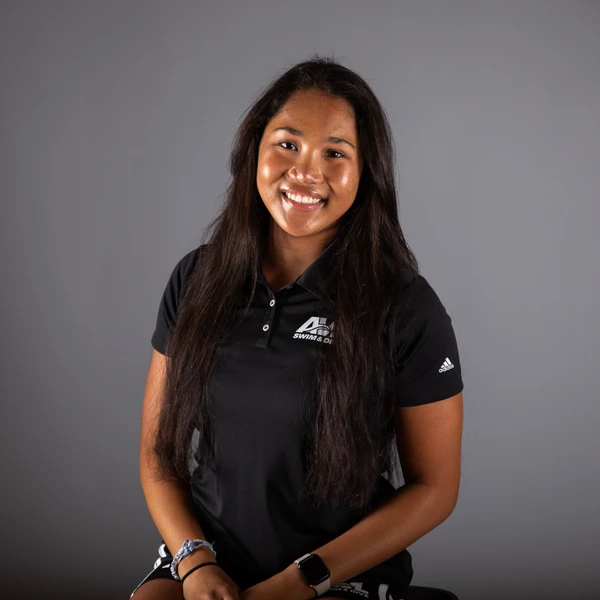
Madden Weir

1x

Finalist

Bio

I want to go into a career where I can help people, more specifically athletes, stay healthy, recover from injuries and prevent injuries, which is why I am interested in exercise science and maybe becoming a sports chiropractor. Being a swimmer has really affected this goal because I have dealt with injuries, soreness and just the pressure that comes with competing, so I understand how important it is to have the right support. I am most passionate about getting better and growing, both in sports and life in general. Swimming has taught me so much about discipline and pushing through when things aren't going the way I want them to. I have learned to be patient with my progress and learn how to push through hard challenges, which has really helped me become more confident in myself. I think that I am a great candidate because I am very hardworking and put in consistent effort, even when things get hard. I care about what I do and I try my hardest every day. I also like to support the people around me, whether that is in school, swim, my community, or just being there for others.

Education

University of North Carolina at Asheville

Bachelor's degree program
2025 - 2026
  • Majors:
    • Health Professions and Related Clinical Sciences, Other
  • Minors:
    • Psychology, General

Carlton J Kell High School

High School
2021 - 2025

Miscellaneous

  • Desired degree level:

    Bachelor's degree program

  • Graduate schools of interest:

  • Transfer schools of interest:

  • Majors of interest:

    • Sports, Kinesiology, and Physical Education/Fitness
  • Not planning to go to medical school
  • Career

    • Dream career field:

      • Health, Wellness, and Fitness
    • Dream career goals:

    • Coach elementary school aged kids in swimming

      Stingrays Swimming
      2022 – 20231 year
    • Lifeguard

      University of North Carolina at Asheville
      2025 – Present1 year
    • Lifeguard + Swim Instructor

      Cobb County Parks and Recreation
      2022 – Present4 years

    Sports

    Swimming

    Club
    2016 – Present10 years

    Awards

    • Coaches Award

    Swimming

    Varsity
    2021 – 20254 years

    Awards

    • MVP x3
    • Most Points

    Public services

    • Volunteering

      University of North Carolina at Asheville — Help with set up, running and break down of track meet
      2025 – 2026
    • Volunteering

      University of North Carolina at Asheville — Helped run and support a community event by assisting with activities, engaging with families, and promoting UNC Asheville Athletics programs and opportunities.
      2025 – 2026
    • Volunteering

      Breast Cancer Awareness — Create pink ribbons
      2025 – 2026
    • Volunteering

      Red Cross — Front Desk
      2025 – Present
    Speed League Swimming: Rising Stars Scholarship
    I think I am the athlete that Speed League Swimming was made for because of my journey with swimming and how it hasn't been smooth or fast, but I have stayed with it anyway. I have had to be very patient with this sport and it doesn’t always reward patience right away. I had been stuck in the same group for years when I saw other swimmers move up ad I had to think whether I was going to keep on going or let that define me and I decided to keep on going. Swimming has never been something that came easily to me. I have had to work hard for every single improvement, every time I drop and just every opportunity. There were multiple changes in coaches in a short period of time, which made it very hard to feel noticed or stable. It got to the point where it felt like no matter how hard I worked, nothing was changing. That was honestly one of the hardest parts of my swimming career and lots of people don’t talk about that. You could be doing everything right and still feel like you are stuck. What has shaped me the most was when I finally got moved up to the higher training group after waiting for so long. That moment meant more to me than probably any race because it showed that consistency does actually pay off, even if it takes longer than you expect. It changed the way that I see myself as an athlete. I stopped feeling like I was behind and started feeling like I actually belonged. My ambition in swimming is to keep pushing myself at a high level and to see how far I can go when I am in the right place. I want to continue competing at the collegiate level and get faster, where I am not just participating but actually making an impact on the team. I don't think that I have reached my full potential yet and that just motivates me even more. I am not done improving. Being in the current swimming system, I have seen the good and not-so-good parts. The structure and coaching can be really good and swimming does teach discipline in ways that a lot of sports don't. But at the same time, there are a lot of swimmers who get overlooked. If you aren’t the fastest early on or you aren’t on the right path, it is easy to feel like you are invisible. Progress isn’t always straight and easy, but the swimming system does tend to reward the people who get fast quickly and overlook the swimmers who take longer to break through. There is also not a lot of excitement around the sports besides the major meets. Most swimmers train all year round and put in hours every day and then they only get a few moments of recognition. It can feel like there is a gap in how much athletes put into the sport and what they get back, like opportunity and visibility. I think the future of swimming could look a little different. There should be more opportunities to compete in ways that are more engaging, fast paces and actually bring attention to all athletes. Meets could be organized in a way that highlights close races, make more high-energy environment for the spectators and makes swimming easier for people outside of the sport to understand and follow. I also think that swimmers should have more platforms to build their identity, more than just their times. There are a lot of athletes with big personalities, stories and work ethics that don’t get seen. Giving swimmers more visibility wouldn’t only help individual athletes but also help grow the sport as a whole. Speed League Swimming feels like it is a step in that kind of direction. It makes it a space where swimming can be treated more like a professional sport, where athletes are seen, promoted and it gives them opportunities to compete in a way that can actually match the level of effort that they put in. A league like this could change the direction of swimming by making it more exciting and more accessible to a wider audience. For me personally, being a part of something like the Speed League Swimming would allow me to compete at an even higher level. It would give me the opportunity to think bigger about what my career in swimming could look like. It isn’t just about times anymore, but it is about being a part of something that is growing and evolving. I also think that I could contribute to Speed League Swimming as someone who can represent athletes who had to take the longer road. Not everyone is a breakout swimmer early on, but that doesn’t mean that they don’t have potential. I bring persistence, work ethic and the ability to keep on going even when things aren’t going my way. That mindset is important in a league that is trying to redefine swimming. Financially, continuing to swim at a high level while still continuing my education is a commitment. There are costs that come with training, travel and school and with scholarships like this, it can make a real difference in being able to stay focused on school and swim. I am still looking for support where I can and this opportunity would be able to help me continue reaching towards my goals without having to take a step back from the sport. At the end of the day, I am still growing as an athlete. I am not done and I don't want to finish anytime soon. That is why I like the idea behind Speed League Swimming. It is for athletes who are still chasing for more.
    Women in Healthcare Scholarship
    I chose to pursue a degree in healthcare because of my experiences as an athlete and how much I have seen the impact of injuries, recovery and proper care. As a swimmer, I have dealt with minor injuries, soreness and the pressure to keep pushing through physically and mentally. That made me realize how important it is to have people working in healthcare who actually understand what athletes and patients are actually going through, not just physically, but also emotionally. It pushed me to want to do a career where I can help people feel supported while they get better and recover. I am more specifically interested in exercise science and becoming a sports chiropractor because I want to work more closely with athletes. I have personally seen how frustrating it can be to feel held back by pain or injury and I want to be the person who can help people get back into doing what they love. But at the same time, I want to focus on preventing injuries and educating athletes so they can take better care of their bodies before the injuries happen or get worse. Being in that kind of role would allow me to build trust with patients and help them feel confident in their recovery process. As a woman going into healthcare, I want to go into a field that is still growing in diversity and representation. I think that it is important for patients to feel understood and comfortable with whoever is treating them. Women bring different strengths and perspectives into healthcare, like when it comes to empathy, communication and patient care. I want to be part of a generation that continues to break barriers and become a leader in this type of field. I also hope that I can make a positive impact by connecting with people on a more personal level. Through my volunteering experiences, like working with communities and helping with the Red Cross, I have learned that even the smallest interactions are important. Listening to others, explaining things clearly and making someone feel comfortable can completely change their experience when getting treated. I want to continue this idea into my future career by helping patients and treating them as individuals and not just cases. I am pursuing a career in healthcare because I genuinely want to help people feel better and more confident in their own bodies. My experience in sports and other life events has shaped that goal of mine and has shown me the kind of impact I could have. As a woman in healthcare, I want to be more inclusive and supportive and make a real difference in people's lives.
    Stephan L. Daniels Lift As We Climb Scholarship
    I want to pursue a career in the STEM field because I have seen how much the human body goes through, especially as an athlete, and I want to be able to help people take care of that. As a swimmer, I have dealt with injuries, soreness and the pressure of always training and competing. Those experiences have made me interested in health science, more specifically exercise science and sports medicine, because I started to realize how important recovery, prevention and proper care are. I don’t just want to understand how the body works, but I want to use that knowledge to help people feel stronger and more confident in their everyday lives. Being a part of the Black community also plays a big role in why I am choosing this pathway. There is a clear gap in representation in STEM fields, especially in areas like healthcare and sports medicine. Growing up, I did not always see people who looked like me in those spaces, which can make it harder to picture yourself there. I want to be someone who can help change that. Representation is so important because it builds trust and makes people feel more comfortable seeking help and asking questions and it also shows children of color that they can achieve anything they put their minds to because they see someone who looks like them doing these things. I plan to use my degree to give back to my community by making health and wellness more accessible and understandable. A lot of people don’t have access to proper sports training, recovery tools, or even just basic information about how to take care of their bodies. This can lead to injuries not being addressed or being treated the wrong way. I want to work in places where I can educate people, especially younger athletes, on how to prevent injuries and how to take care of themselves before an injury can happen. Even with small things like stretching correctly, understanding the importance of rest and listening to your body can make a big difference. I am also interested in working with underserved communities where access to healthcare resources is limited. A lot of the time, people aren't getting the help they need just because of the cost or availability. With a background in STEM, I want to be a part of improving this by working with communities, schools and local programs. I have already seen how important community involvement is with my experience in volunteering, where I helped run events, support athletic programs, or working with organizations like the Red Cross. These experiences have shown me that change usually starts with local communities and with people who are willing to show up and help. Pursuing a STEM degree isn’t just about building a career for myself. It is about using what I will learn to make a real impact on the people around me. I want to be someone who can help other people stay active, recover properly, and feel more supported with their health. At the same time, I want to contribute to increasing representation in the STEM field, so that future generations can see more possibilities for themselves.
    Henry Respert Alzheimer's and Dementia Awareness Scholarship
    Alzheimer's and dementia have always felt like something in the background of my life, but as I have gotten older, I have started to understand how deeply they affect people and their families. On both sides of my family, I have seen how these diseases slowly change someone. My great-grandpa on my mom’s side had alzheimers and now my grandma on my dad’s side is going through it. Watching her experience has made everything feel a lot more real. One of the hardest parts has been seeing the small moments where things feel off and watching them slowly regress. There have been times when my grandma forgets who I am or mistakes me for her daughter. It is a strange feeling because I know who she is, but in that moment, she doesn’t fully know who I am, even though she used to. It isn't something dramatic every time, but those little moments add up and they end up sticking with you. It makes me realize how much memory shapes relationships and identity. It has also changed the way I think about my time with my family. I have learned that you can't assume that people will always be the same or that you will always have the same relationship with them. Because of that, I have tried to be more present when I am with my family. Even in just simple conversations or visiting them feel a lot more important now. I have also seen how it affects people around my grandma, especially my dad and grandpa, who take on the responsibility of caring for her. It takes a lot of patience and emotional strength in a way that is hard to understand until you see it up close and personal. Seeing this has made me more interested in healthcare, especially in areas related to the body, recovery and long-term health. While I am right now interested in health science and becoming a sports chiropractor, experiences like this have made me a lot more aware of how much we still don’t understand about the brain and diseases like Alzheimer's. It is frustrating to know that something so life-changing still doesn’t have a clear and definite cure and that families have to adapt to it and they can’t just stop it. What I have learned most is how important early awareness and research are. Alzheimer's doesn’t just affect one person, but it affects entire families and communities. The earlier people understand it, the better they can prepare, support and maybe help slow the effects. I have also learned that care isn’t just medical. Having emotional support, patience and consistency are just as important. In the future, I want to be a part of a field where I can help people keep their health and quality of life as good as possible. Even if my career isn’t directly related to Alzheimer's research, I still want to help a larger system of care that supports people through different stages of health and recovery. I also want to continue to learn more about conditions like dementia, especially because it runs in my family and it can affect future generations like my future children or me. This experience has affected how I see both my future and my role in helping other people. It has shown me that health isn’t something to take for granted and that research and awareness can make a real difference over time.
    Stephan L. Wolley Memorial Scholarship
    I am a student athlete in an undergraduate program and most of my identity has been shaped through swimming, school and the responsibilities that have come with balancing both. Being an athlete has taught me so much about discipline and consistency, but it has also shown me how much my character matters outside of my performance. I come from a family that values hard work. My parents have always stressed the importance of doing things the right way and sticking to my commitments, even when it gets hard. My family is so supportive, but they are also realistic. They expect me to put effort into everything I do and to take responsibility for my choices. That mindset has gone into how I approach school and swimming. I have learned to manage my time, stay organized and to keep going even in times when I feel tired or overwhelmed. School has always been a constant in my life. I have taken my education very seriously, especially while balancing my training schedules and travels for swimming. Being a student-athlete has meant learning how to adjust quickly. There were multiple days a week where I had practice early in the morning and school right afterward and then practice again right after school, so I had to learn to stay focused even when I am physically drained. I got better over time with handling the pressure and staying consistent with my work. Swimming has been a huge influence on my life. I have been in competitive swimming for years and it has shaped how I handle challenges. There have been times when my progress has been slow or when I had to wait longer than I expected to move forward in my training group. Even during those times, I have learned how to stay committed. I have also learned how to support teammates, even though swimming is seen as an individual sport, but being around a team environment has helped me understand how important it is to show up for other people and not just myself. My family dynamic has also taught me a lot about identity and balance. I come from a mixed background with Chinese and Jamaican heritage and growing up with different cultural influences has made me aware of how people's different experiences can be. At times, I felt more Americanized than connected to my roots, but as I have gotten older, I have started to appreciate my background more. It has made me a lot more reflective about who I am and where I come from. In the future, I want to continue my education in exercise science and I want to work in a field where I can help athletes prevent injuries, recover properly and stay healthy in the long run. My experience as a swimmer has made me interested in the physical side of sports byt also the recovery and support that usually goes unseen. I want to be in a position where I can make a difference in how people take care of their bodies. I see myself as someone who is still growing and improving, but I am committed to putting in the effort every day. Being a student-athlete has shaped how I deal with responsibility and it still pushes me toward my goals with both academics and athletics.
    Ethel Hayes Destigmatization of Mental Health Scholarship
    My experience with mental health has really shaped how I see myself, how I relate to other people and how I go through my everyday life. I have dealt with generalized anxiety, but social anxiety has been what has affected me the most. It has affected situations that most people may not think twice about, like meeting new people, speaking up in groups, or putting myself in unfamiliar situations. Growing up in competitive swimming made some of this more noticeable. Being around teammates, coaches and new groups of people all the time consistently put me in social situations that felt uncomfortable at first. There were times when I would overthink the simplest interaction or feel stressed or tense before practice and meets, even when I knew I was doing something familiar. Over time, I started to see that the anxiety was something that wouldn't just disappear if I avoided situations. It was something I had to learn how to live with and still do things that mattered to me. Because of that, I have become a lot more intentional in how I approach relationships. I am not the most outgoing person and it usually takes me time to feel comfortable around new people. But I care a lot about the relationships and connections I make. Some of my closest friendships have come from swimming, where having the shared experiences made it a lot easier to understand each other without it needing to be said out loud. I have also learned that consistency matters more than being immediately comfortable. Showing up regularly, even when I feel nervous, has helped me to build trust with people over time. My mental health has also shown how I think about goals. I used to think that confidence came before what I did, but I experienced the opposite. A lot of my growth has come from doing things even when I was anxious about them. That has affected how I approach school, swim and new opportunities. I don’t always feel fully ready when I start something, but I have learned that waiting until I feel completely ready just means I won't start it at all. In college, this has shown in small ways, like introducing myself to new people, speaking up in class, or going to events, are still things that I have to force myself to do. It is never easy and it doesn’t always feel natural, but I have noticed that the more I practice being in those situations, the more manageable they become over time. I have also learned that it is okay if social situations don’t feel easy for me, the way that they might for other people. My understanding of the world has become more empathetic because of my experiences with anxiety. I am a lot more aware that people often deal with things that you can’t see from the surface. Someone could seem quiet or distant, but there can be a lot of things happening internally that other people can't see. That has made me a lot more patient with people and less quick to assume what someone is experiencing based on how they seem. It has also made me appreciate the environments more where people feel supported. Like in sports, school, or community service, I notice when times feel welcoming and when they don't. I think that awareness will continue to be important in my future goals in exercise science and sports medicine, where I want to help people physically, but it also involves understanding the mental side of athletic performance and recovery. Even though I still deal with anxiety, it has pushed me to grow in ways I didn’t expect. It has influenced how I show up for other people, how I set goals for myself and how I understand what people might be dealing with in there everday lives.
    Sgt. Albert Dono Ware Memorial Scholarship
    Sgt. Albert Dono Ware’s legacy of service, sacrifice and bravery stands out to me because all of those values feel a lot more real when they show up in everyday actions. As a college student and athlete, I have started to understand them through things like responsibility and consistency and how I choose to show up for the people around me. Service, for me, has mostly been with volunteering and being part of events where I need teamwork. I volunteered with the Red Cross, front-desking during a blood drive, where I helped to set up, direct people and just helped support the basic functions of the blood drive. I learned that it is important to stay calm and helpful in places where people are already stressed. I also volunteered with Breast Cancer Awareness by helping make pink ribbons, which reminded me that even the smallest things can contribute to something bigger and can help spread awareness for people affected by breast cancer. I have also helped with setting up, running and breaking down athletics events for/through the University of North Carolina at Asheville. That experience showed me that doing service usually means doing work that keeps things moving, even if it isn’t always noticed. I’ve learned to sacrifice a lot through swimming. I have been a competitive swimmer for years and it has put me through early mornings, long practices and giving up a lot of my free time. I have had points in my swimming career where I didn’t move up as quickly as I wanted or where progress was a lot slower than I expected. There were also times when I heard to push through training while dealing with the frustration and injuries/soreness. Over time, I learned that improving in anything takes time and consistency, even when the results don’t come immediately. This mindset has gone into school and other parts of my life. Bravery, for me, has been more about how I handle situations that make me uncomfortable. I have dealt with anxiety ever since I was young, especially in group situations or when meeting new people. And instead of avoiding these stressful situations, I have tried to keep putting myself in situations where I have to talk and do things that make me uncomfortable. Volunteering at events like athletic events and community service has helped me to build my confidence when I have to interact with other people and put myself in roles where I am expected to help. These values also connect to how I think about challenges facing the African diaspora in the U.S. One challenge is the access to resources that can support people long-term, like education, healthcare and opportunities that can help people build strong foundations. Another challenge is making sure communities are supported where it shows their needs and experiences, especially in areas that have been underserved. From my perspective, one important thing that could be changed is making local community programs stronger and focusing on youth development, mentorship and educational support. Schools and communities can play a bigger role in making consistent support systems for students that are outside of the classroom. I also think that having access to healthcare and preventative care is very important for everyone, especially in communities where they face higher risks for certain conditions and diseases. These improvements would need schools, local organizations, healthcare providers and government leaders who work with funding and policy decisions to all collaborate. Overall Sgt. Ware’s legacy connects with how I try to move through my own life. I am still learning and growing, but I try to show up for school, volunteering and swimming consistently. These values of service, sacrifice and bravery have shaped how I approach responsibility and how I think about contributing to the communities I am a part of now and in the future.