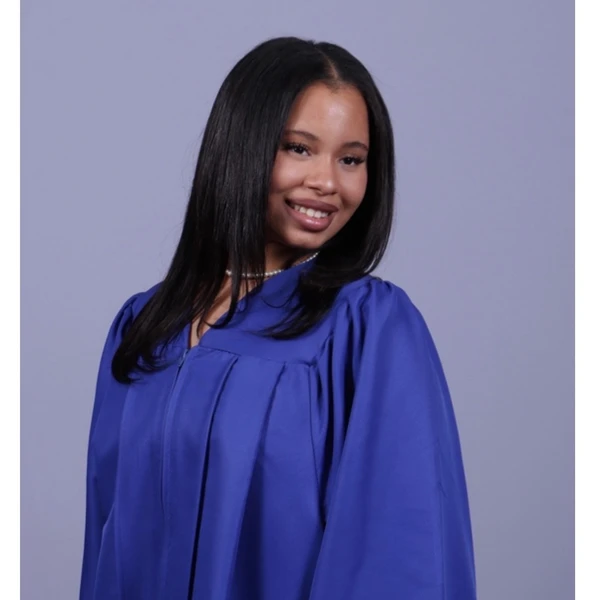
user profile avatar

Maisen Ross

1x

Finalist

1x

Winner

Bio

Hi! I am Maisen McKenzie Ross. I am 18 years old, and it has been about 5 years since I was classified as hard of hearing. I am a shy and quiet person, but I do think of myself as very smart and really observant of my peers.

Education

Dickinson H S

High School
2023 - 2026

Miscellaneous

  • Desired degree level:

    Bachelor's degree program

  • Majors of interest:

    • Biological and Biomedical Sciences, Other
  • Not planning to go to medical school
  • Career

    • Dream career field:

      Hospital & Health Care

    • Dream career goals:

      A Microbiologist

    • Cleaning, feeding dogs

      Dog Sitter
      2023 – 2023

    Sports

    Cheerleading

    Club
    2014 – 20151 year

    Dancing

    Intramural
    2023 – 20252 years

    Arts

    • Dickinson H S Color Guard

      Performance Art
      2025 – 2026

    Public services

    • Volunteering

      Dickinson Blood Drive — volunteer 2x
      2025 – 2026
    • Volunteering

      Dickinson Bayou Trash Bag — volunteer
      2025 – 2025

    Future Interests

    Volunteering

    TRAM Resilience Scholarship
    Losing my hearing, to me at least, was never sudden. I think my family started to notice it when I was in the 4th grade. I know I would always ask my Nana to repeat herself whenever I missed part of our conversations. It got to the point where, instead of repeatedly asking her to repeat what she said, I would make up what I thought they told me to do and get in trouble because that obviously wasn't what they said. During quarantine, when I was in the 7th grade virtually, my Ma said it was time for me to get hearing aids because by then I could barely hear anything. So whenever I was online schooling, I had my headphones at nearly 100% volume. So after I got the hearing aids, everything was louder, but I still couldn't hear clearly; it was like cotton balls in my ears. I still had trouble understanding others, especially when I started going back to school after COVID. I couldn't talk to people at all. There was too much noise to focus on a single person, and I frustrated myself to the point where I gradually pulled away from my friends, and by the time I started high school, I was basically a recluse. I focused only on my schoolwork, kept my grades and GPA high, and just went straight home. I didn't join any extracurricular activities or any big leadership roles because I didn't want to burden or drag anyone down because of my disability. I was like this for three years when I realized that the person I was acting down to was myself. I was a couch potato; I went to school, then did homework, and then slept. I got anxiety just from turning in assignments or a class presentation. I knew I had to better myself for my senior year, so I joined the Dickinson High School Color Guard, where we qualified for the San Antonio Marching Band UIL Championship, and the Literature Club. It felt weird to do these things at first, but I became more confident in myself and made wholesome memories with others. Growing up, I was surrounded by family members who faced serious health issues, including cancer. Watching loved ones go through pain, treatment, and uncertainty made me question what was happening inside their bodies and why. I started to wonder how theses diseases developed and why some treatments fail, and what could be done differently to improve outcomes. These questions were the sparkmy interest in biomedical science and motivated me to pursue a path where I can contribute to finding answers.
    Doing Hard Things My Way: Adaptive Athlete Scholarship
    Losing my hearing, to me at least, was never sudden. I think my family started to notice it when I was in the 4th grade. I know I would always ask my Nana to repeat herself whenever I missed part of our conversations. It got to the point where, instead of repeatedly asking her to repeat what she said, I would make up what I thought they told me to do and get in trouble because that obviously wasn't what they said. During quarantine, when I was in the 7th grade virtually, my Ma said it was time for me to get hearing aids because by then I could barely hear anything. So whenever I was online schooling, I had my headphones at nearly 100% volume. So after I got the hearing aids, everything was louder, but I still couldn't hear clearly; it was like cotton balls in my ears. I still had trouble understanding others, especially when I started going back to school after COVID. I couldn't talk to people at all. There was too much noise to focus on a single person, and I frustrated myself to the point where I gradually pulled away from my friends, and by the time I started high school, I was basically a recluse. I focused only on my schoolwork, kept my grades and GPA high, and just went straight home. I didn't join any extracurricular activities or any big leadership roles because I didn't want to burden or drag anyone down because of my disability. I was like this for three years when I realized that the person I was acting down to was myself. I was a couch potato; I went to school, then did homework, and then slept. I got anxiety just from turning in assignments or a class presentation. I knew I had to better myself for my senior year, so I joined the Dickinson High School Color Guard, where we qualified for the San Antonio Marching Band UIL Championship, and the Literature Club. It felt weird to do these things at first, but I became more confident in myself and made wholesome memories with others. Growing up, I was surrounded by family members who faced serious health issues, including cancer. Watching loved ones go through pain, treatment, and uncertainty made me question what was happening inside their bodies and why. I began to wonder how diseases develop, why some treatments fail, and what could be done differently to improve outcomes. These questions sparked my interest in biomedical science and motivated me to pursue a path where I can contribute to finding answers.
    Williams Foundation Trailblazer Scholarship
    Hi! I am Maisen McKenzie Ross. I am 18 years old, and it has been about 5 years since I was classified as a person who's hard of hearing, but losing my hearing, to me at least, was never sudden. I think my family started to notice it when I was in the 4th grade. I know I would always ask my Nana to repeat herself whenever I missed part of our conversations. It got to the point where, instead of repeatedly asking her to repeat what she said, I would make up what I thought they told me to do and get in trouble because that obviously wasn't what they said. During quarantine, when I was in the 7th grade virtually, my Ma said it was time for me to get hearing aids because by then I could barely hear anything. So whenever I was online schooling, I had my headphones at nearly 100% volume. So after I got the hearing aids, everything was louder, but I still couldn't hear clearly; it was like cotton balls in my ears. I still had trouble understanding others, especially when I started going back to school after COVID. I couldn't talk to people at all. There was too much noise to focus on a single person, and I frustrated myself to the point where I gradually pulled away from my friends, and by the time I started high school, I was basically a recluse. I focused only on my schoolwork, kept my grades and GPA high, and just went straight home. I didn't join any extracurricular activities or any big leadership roles because I didn't want to burden or drag anyone down because of my disability. I was like this for three years when I realized that the person I was acting down to was myself. I was a couch potato; I went to school, then did homework, and then slept. I got anxiety just from turning in assignments or a class presentation. I knew I had to better myself for my senior year, so I joined the Dickinson High School Color Guard, where we qualified for the San Antonio Marching Band UIL Championship, and the Literature Club. It felt weird to do these things at first, but I became more confident in myself and made wholesome memories with others. By studying biomedical science, I hope to be a part of the research that can lead to better treatment and possibly cures for long-term illnesses. Many STEM careers play a vital role in the advancement of healthcare, from developing new medications to improving tools. Through research and experimentation, I plan to contribute to the future discoveries that will reduce suffering and maybe even improve the standard life expectancy. I also want to make an impact through education and awareness. Many communities lack access to clear, reliable health care, which can delay diagnosis and prevent them from seeking help, including people who believe in anti-vaccine. With the number of people who aren't getting their children vaccinated, it can create a lot of outbreaks and problems. For instance, there could be a resurgence of the poliovirus, a virus that causes paralysis in children, a whole different kind that is immune to the vaccine that exists now. I wish that in the future I can use this knowledge to educate others about the importance of getting an early diagnosis, creating a healthy lifestyle, and having medical resources that are available for all. Because to me, everyone deserves the opportunity to live a healthy life, and I want to be part of making that possible.
    Elijah's Helping Hand Scholarship Award
    Losing my hearing was never sudden; I guess it started to go away bit by bit. I think my family started to notice it when I was in the 4th grade. I know I would always ask my Nana to repeat herself whenever I missed part of our conversations. It got to the point where, instead of repeatedly asking her to repeat what she said, I would make up what I thought they told me to do and get in trouble because that obviously wasn't what they said. During quarantine, when I was in the 7th grade virtually, my Ma said it was time for me to get hearing aids because by then I could barely hear anything. So whenever I was online schooling, I had my headphones at nearly 100% volume. So after I got the hearing aids, everything was louder, but I still couldn't hear clearly; it was like cotton balls in my ears. I still had trouble understanding others, especially when I started going back to school after COVID. I couldn't talk to people at all. There was too much noise to focus on a single person, and I frustrated myself to the point where I gradually pulled away from my friends, and by the time I started high school, I was basically a recluse. Now, as a teen who is hard of hearing, I struggled with making friends, especially after an intense bullying situation during my middle school days. It left me struggling to communicate with my peers, and my trust in others diminished, and because of it, I became a recluse. The only things I did were going to school, doing any work that needed to be done, and going home. The bullying had gotten so bad that I would get anxious doing simple things like turning in assignments or a class presentation. I constantly felt sorry for myself that I started to have thoughts of self harm even giving in to the temptation, I started to blame others who were dear to me, and that was when I knew that I had to do better. So for my senior year, I decided to join the Dickinson High School Color Guard and Marching Band, where we qualified for the San Antonio Marching Band UIL Championship, both Varsity and Junior Varsity, and the Literature Club. I was happier and healthier than I've ever been before. Of course it felt weird at first, but I made friends, I became more confident in skin, and I made wholesome memories with friends.
    Dan Leahy Scholarship Fund
    My interest in the medical field comes from the personal experience of losing many of my loved ones to health struggles, and I want to use science to not only understand how the body works but also to create solutions that can save lives. Growing up, I had many family members who suffered from many health issues, the majority of them being a variety of cancers. As a child, I would spend summers, holidays, weekends, school nights, you name it. In the same way, my Nana had severe back pain that got to the point she could barely walk or move out of bed. I hurt my heart to see her in pain, and my cousin and I would help her as best as we could, especially since she had multiple failed surgeries over six years, and just when her last surgery succeeded, she passed away in a car accident. Watching them all go through the pain, treatment, and the many moments where they were way too vulnerable, made me question what is going on in their body. Was their body falling apart? Was it fighting back too hard? Was that why my mom almost had to remove her ovaries? Was that why my granny was so sick? The questions I kept asking myself made me certain of my decision to major in biomedical science because while I do want to know more about the human body, I also want to learn about every living thing and what causes to learn for the future. By studying biomedical science, I hope to be a part of the research that can lead to better treatment and possibly cures for long-term illnesses. Many STEM careers play a vital role in the advancement of healthcare, from developing new medications to improving tools. Through research and experimentation, I plan to contribute to the future discoveries that will reduce suffering and maybe even improve the standard life expectancy. I also want to make an impact through education and awareness. Many communities lack access to clear, reliable health care, which can delay diagnosis and prevent them from seeking help. I wish that in the future I can use this knowledge to educate others about the importance of getting an early diagnosis, creating a healthy lifestyle, and having medical resources that are available for all. Because to me, everyone deserves and should have the opportunity to live a healthy life, and I want to be part of making that possible.
    Julia Elizabeth Legacy Scholarship
    Pursuing a career in STEM will allow me to benefit society by addressing many challenges in the human body that affect families every day. My interest in the medical field comes from the personal experience of losing many of my loved ones to health struggles, and I want to use science to not only understand how the body works but also to create solutions that can save lives. Growing up, I had many family members who suffered from many health issues, the majority of it being a variety of cancers. Watching them go through the pain, treatment, and the many moments where they were way too vulnerable, made me question what is going on in their body. Was their body falling apart? Was it fighting back too hard? Was that why my granny was so sick? Was that why my mom almost had to remove her ovaries? These questions were the cause of my decision to major in biomedical science because while I do want to know more about the human body, I also want to learn about every living thing and what causes to learn for the future. By studying biomedical science, I hope to be a part of the research that can lead to better treatment and possibly cures for long-term illnesses. Many STEM careers play a vital role in the advancement of healthcare, from developing new medications to improving tools. Through research and experimentation, I plan to contribute to the future discoveries that will reduce suffering and maybe even improve the standard life expectancy. I also want to make an impact through education and awareness. Many communities lack access to clear, reliable health care, which can delay diagnosis and prevent them from seeking help, including people who believe in anti-vaccine. With the number of people who aren't getting their children vaccinated, it can create a lot of outbreaks and problems. For instance, there could be a resurgence of the poliovirus, a virus that causes paralysis in children, a whole different kind that is immune to the vaccine that exists now. I wish that in the future I can use this knowledge to educate others about the importance of getting an early diagnosis, creating a healthy lifestyle, and having medical resources that are available for all. Because to me, everyone deserves and should have the opportunity to live a healthy life, and I want to be part of making that possible.
    Curtis Holloway Memorial Scholarship
    Losing my hearing, to me at least, was never sudden. I guess you can say it started to go away bit by bit. I think my family started to notice it when I was in the 4th grade. I know I would always ask my Nana to repeat herself whenever I missed part of our conversations. It got to the point where, instead of repeatedly asking her to repeat what she said, I would make up what I thought they told me to do and get in trouble because that obviously wasn't what they said. Then one day I got SA by someone that was like family to me. I took me months to muster enough courage to speak up but I gave up due to the high emotions and intensity so quarantine, when I was in the 7th grade virtually, my Ma said it was time for me to get hearing aids because by then I could barely hear anything. So whenever I was online schooling, I had my headphones at nearly 100% volume. So after I got the hearing aids, everything was louder, but I still couldn't hear clearly; it was like cotton balls in my ears. I still had trouble understanding others, especially when I started going back to school after COVID. I couldn't talk to people at all. There was too much noise to focus on a single person, and I frustrated myself to the point where I gradually pulled away from my friends, and by the time I started high school, I was basically a recluse. I focused only on my schoolwork, kept my grades and GPA high, and just went straight home. I didn't join any extracurricular activities or any big leadership roles because I didn't want to burden or drag anyone down because of my disability. I was like this for three years when I realized that the person I was acting down to was myself. I was a couch potato; I went to school, then did homework, and then slept. I got anxiety just from turning in assignments or a class presentation. I knew I had to better myself for my senior year, so I joined the Dickinson High School Color Guard, where we qualified for the San Antonio Marching Band UIL Championship, and the Literature Club. It felt weird to do these things at first, but I became more confident in myself and made wholesome memories with others. I was always around my maternal and paternal grandparents growing up. As a child, I would spend summers, holidays, weekends, school nights, you name it. In the same way, my Nana had severe back pain that got to the point she could barely walk or move out of bed. I hurt my heart to see her in pain, and my cousin and I would help her as best as we could, especially since she had multiple failed surgeries over six years, and just when her last surgery succeeded, she passed away in a car accident. Watching them all go through the pain, treatment, and the many moments where they were way too vulnerable, made me question what is going on in their body. Was their body falling apart? Was it fighting back too hard? Was that why my granny was so sick? The questions I kept asking myself were made me certain of my decision to major in biomedical science because while I do want to know more about the human body, I also want to learn about every living thing and what causes to learn for the future.
    Rick Levin Memorial Scholarship
    Losing my hearing, to me at least, was never sudden. I guess you can say it started to go away bit by bit. I think my family started to notice it when I was in the 4th grade. I know I would always ask my Nana to repeat herself whenever I missed part of our conversations. It got to the point where, instead of repeatedly asking her to repeat what she said, I would make up what I thought they told me to do and get in trouble because that obviously wasn't what they said. Then one day I got SA by someone that was like family to me. I took me months to muster enough courage to speak up but I gave up due to the high emotions and intensity so quarantine, when I was in the 7th grade virtually, my Ma said it was time for me to get hearing aids because by then I could barely hear anything. So whenever I was online schooling, I had my headphones at nearly 100% volume. So after I got the hearing aids, everything was louder, but I still couldn't hear clearly; it was like cotton balls in my ears. I still had trouble understanding others, especially when I started going back to school after COVID. I couldn't talk to people at all. There was too much noise to focus on a single person, and I frustrated myself to the point where I gradually pulled away from my friends, and by the time I started high school, I was basically a recluse. I focused only on my schoolwork, kept my grades and GPA high, and just went straight home. I didn't join any extracurricular activities or any big leadership roles because I didn't want to burden or drag anyone down because of my disability. I was like this for three years when I realized that the person I was acting down to was myself. I was a couch potato; I went to school, then did homework, and then slept. I got anxiety just from turning in assignments or a class presentation. I knew I had to better myself for my senior year, so I joined the Dickinson High School Color Guard, where we qualified for the San Antonio Marching Band UIL Championship, and the Literature Club. It felt weird to do these things at first, but I became more confident in myself and made wholesome memories with others. Growing up, I had many family members who suffered from many health issues, the majority of it being a variety of cancers. Watching them go through the pain, treatment, and the many moments where they were way too vulnerable, made me question what is going on in their body. Was their body falling apart? Was it fighting back too hard? Was that why my granny was so sick? Was that why my mom almost had to remove her ovaries? These questions were the cause of my decision to major in biomedical science because while I do want to know more about the human body, I also want to learn about every living thing and what causes to learn for the future. But the reason for my choice to major in general biomedical sciences is my pursuit of knowledge about the human body and how to improve it. I was always around my maternal and paternal grandparents growing up. As a child, I would spend summers, holidays, weekends, school nights, you name it. In the same way, my Nana had severe back pain that got to the point she could barely walk or move out of bed. I hurt my heart to see her in pain, and my cousin and I would help her as best as we could, especially since she had multiple failed surgeries over six years, and just when her last surgery succeeded, she passed away in a car accident. Watching them all go through the pain, treatment, and the many moments where they were way too vulnerable, made me question what is going on in their body. Was their body falling apart? Was it fighting back too hard? Was that why my granny was so sick? The questions I kept asking myself were made me certain of my decision to major in biomedical science because while I do want to know more about the human body, I also want to learn about every living thing and what causes to learn for the future. By studying biomedical science, I hope to be a part of the research that can lead to better treatment and possibly cures for long-term illnesses.
    Maxwell Tuan Nguyen Memorial Scholarship
    Pursuing a career in STEM will allow me to benefit society by addressing many challenges in the human body that affect families every day. My interest in the medical field comes from the personal experience of losing many of my loved ones to health struggles, and I want to use science to not only understand how the body works but also to create solutions that can save lives. Growing up, I had many family members who suffered from many health issues, the majority of it being a variety of cancers. Watching them go through the pain, treatment, and the many moments where they were way too vulnerable, made me question what is going on in their body. Was their body falling apart? Was it fighting back too hard? Was that why my granny was so sick? Was that why my mom almost had to remove her ovaries? These questions were the cause of my decision to major in biomedical science because while I do want to know more about the human body, I also want to learn about every living thing and what causes to learn for the future. By studying biomedical science, I hope to be a part of the research that can lead to better treatment and possibly cures for long-term illnesses. Many STEM careers play a vital role in the advancement of healthcare, from developing new medications to improving tools. Through research and experimentation, I plan to contribute to the future discoveries that will reduce suffering and maybe even improve the standard life expectancy. I also want to make an impact through education and awareness. Many communities lack access to clear, reliable health care, which can delay diagnosis and prevent them from seeking help, including people who believe in anti-vaccine. With the number of people who aren't getting their children vaccinated, it can create a lot of outbreaks and problems. For instance, there could be a resurgence of the poliovirus, a virus that causes paralysis in children, a whole different kind that is immune to the vaccine that exists now. I wish that in the future I can use this knowledge to educate others about the importance of getting an early diagnosis, creating a healthy lifestyle, and having medical resources that are available for all. Because to me, everyone deserves and should have the opportunity to live a healthy life, and I want to be part of making that possible.
    Women in STEM Scholarship
    Pursuing a career in STEM will allow me to benefit society by addressing many challenges in the human body that affect families every day. My interest in the medical field comes from the personal experience of losing many of my loved ones to health struggles, and I want to use science to not only understand how the body works but also to create solutions that can save lives. Growing up, I had many family members who suffered from many health issues, the majority of it being a variety of cancers. Watching them go through the pain, treatment, and the many moments where they were way too vulnerable, made me question what is going on in their body. Was their body falling apart? Was it fighting back too hard? Was that why my granny was so sick? Was that why my mom almost had to remove her ovaries? These questions were the cause of my decision to major in biomedical science because while I do want to know more about the human body, I also want to learn about every living thing and what causes to learn for the future. By studying biomedical science, I hope to be a part of the research that can lead to better treatment and possibly cures for long-term illnesses. Many STEM careers play a vital role in the advancement of healthcare, from developing new medications to improving tools. Through research and experimentation, I plan to contribute to the future discoveries that will reduce suffering and maybe even improve the standard life expectancy. I also want to make an impact through education and awareness. Many communities lack access to clear, reliable health care, which can delay diagnosis and prevent them from seeking help, including people who believe in anti-vaccine. With the number of people who aren't getting their children vaccinated, it can create a lot of outbreaks and problems. For instance, there could be a resurgence of the poliovirus, a virus that causes paralysis in children, a whole different kind that is immune to the vaccine that exists now. I wish that in the future I can use this knowledge to educate others about the importance of getting an early diagnosis, creating a healthy lifestyle, and having medical resources that are available for all. Because to me, everyone deserves and should have the opportunity to live a healthy life, and I want to be part of making that possible.
    Sabrina Carpenter Superfan Scholarship
    I've been a fan of Sabrina Carpenter since before I hit the double digits. Whenever I talk to my friends about her they are always like, "Oh I loved her in Girl Meets World", and honestly I can't help but judge. While I used to love the show I disliked how they had Maya almost kiss Lucas in that one episode which is totally against girl code between friends especially close knit friends rather like her and Riley was. No, a I loved her in the Adventures in Babysitting, Work it, and even in Tall Girl. In these movies she learns or has the confidence of just being herself she adapts to situations and solves them it actually helped me stay reassured and confident when I was transferring left and right. Everyday after school I would inches away from the TV on Fridays watching The Adventures in Babysitting on my grandmothers DVR set or on the computer listening to Eyes Wide Open or Can't Blame a Girl for Trying on Disney Vevo. When she performed Thumbs on the Disney Radio Music Awards back in 2017 I played it for months even did a little performance to my mum and grandparents. After that I hadn't heard of her again because I moved away and didn't have any cable. I was constantly moving all over the South and became a victim to bullying and SA losing all my trust in my peers until my mum and I finally settled down in Houston permanently. When I heard Nonsense on the radio I was vibing to lowkey when I realized that it was Sabrina. I honestly related to the song because I used to be horribly infatuated with my ex boy bf until I found out that he was stringing me along and dating me bully behind my back and telling her the things I confided in him with. Her songs made me come to realization of how desperate I acted and how I needed to take control and regain my confidence and I did. I'm now in my school's marching band and color guard I speak out more I'm interact more with my peering making friends after a long time of being alone and now I'm happier than I have been in the past 6 years.
    Kristie's Kids - Loving Arms Around Those Impacted By Cancer Scholarship
    My interest in the medical field comes from the personal experience of losing many of my loved ones to health struggles, and I want to use science to not only understand how the body works but also to create solutions that can save lives. The reason for my choice to major in general biomedical science is my pursuit of knowledge about the human body and how to improve it. Growing up, I had many family members who suffered from many health issues, the majority of it being a variety of cancers. Watching them go through the pain, treatment, and the many moments where they were way too vulnerable, made me question what is going on in their body. Was their body falling apart? Was it fighting back too hard? Was that why my granny was so sick? Was that why my mom almost had to remove her ovaries? These questions were the cause of my decision to major in biomedical science because while I do want to know more about the human body, I also want to learn about every living thing and what causes to learn for the future. By studying biomedical science, I hope to be a part of the research that can lead to better treatment and possibly cures for long-term illnesses. Many STEM careers play a vital role in the advancement of healthcare, from developing new medications to improving tools. Through research and experimentation, I plan to contribute to the future discoveries that will reduce suffering and maybe even improve the standard life expectancy. I also want to make an impact through education and awareness. Many communities lack access to clear, reliable health care, which can delay diagnosis and prevent them from seeking help, including people who believe in anti-vaccine. With the number of people who aren't getting their children vaccinated, it can create a lot of outbreaks and problems. For instance, there could be a resurgence of the poliovirus, a virus that causes paralysis in children, a whole different kind that is immune to the vaccine that exists now. I wish that in the future I can use this knowledge to educate others about the importance of getting an early diagnosis, creating a healthy lifestyle, and having medical resources that are available for all. Because to me, everyone deserves and should have the opportunity to live a healthy life, and I want to be part of making that possible.
    Text-Em-All Founders Scholarship
    Losing my hearing was never sudden I guess it started to go away bit by bit. I think my family started to notice it when I was in the 4th grade. I know I would always ask my Nana to repeat herself whenever I missed part of our conversations. It got to the point where, instead of repeatedly asking her to repeat what she said, I would make up what I thought they told me to do and get in trouble because that obviously wasn't what they said. During quarantine, when I was in the 7th grade virtually, my Ma said it was time for me to get hearing aids because by then I could barely hear anything. So whenever I was online schooling, I had my headphones at nearly 100% volume. So after I got the hearing aids, everything was louder, but I still couldn't hear clearly; it was like cotton balls in my ears. I still had trouble understanding others, especially when I started going back to school after COVID. I couldn't talk to people at all. There was too much noise to focus on a single person, and I frustrated myself to the point where I gradually pulled away from my friends, and by the time I started high school, I was basically a recluse. I focused only on my schoolwork, kept my grades and GPA high, and just went straight home. I didn't join any extracurricular activities or any big leadership roles because I didn't want to burden or drag anyone down because of my disability. I was like this for three years when I realized that the person I was acting down to was myself. I was a couch potato; I went to school, then did homework, and then slept. I got anxiety just from turning in assignments or a class presentation. I knew I had to better myself for my senior year, so I joined the Dickinson High School Color Guard, where we qualified for the San Antonio Marching Band UIL Championship, and the Literature Club. It felt weird to do these things at first, but I became more confident in myself and made wholesome memories with others. But the reason for my choice to major in general biomedical science is my pursuit of knowledge about the human body and how to improve it. I was always around my maternal and paternal grandparents growing up. As a child, I would spend summers, holidays, weekends, school nights, you name it. So when I think back on it, I realized there was a pattern. Almost all of my great-grandmothers died of cancer at a rather old age. Some of my family members have been avid smokers for most of their lives, yet they contracted the disease at the end of it. I wonder what was going on inside their body and what happened for them to be taken away. Another reason is that my Nana had severe back pain that got to the point she could barely walk or move out of bed. I hurt my heart to see her in pain, and my cousin and I would help her as best as we could, especially since she had multiple failed surgeries over six years, and just when her last surgery succeeded, she passed away in a car accident. This is why I chose to major in biomedical science to learn the body's cause-and-effect and solve problems to the best of my abilities.
    Dr. Michal Lomask Memorial Scholarship
    But the reason for my choice to major in general biomedical sciences is my pursuit of knowledge about the human body and how to improve it. I was always around my maternal and paternal grandparents growing up. As a child, I would spend summers, holidays, weekends, school nights, you name it. In the same way, my Nana had severe back pain that got to the point she could barely walk or move out of bed. I hurt my heart to see her in pain, and my cousin and I would help her as best as we could, especially since she had multiple failed surgeries over six years, and just when her last surgery succeeded, she passed away in a car accident. Watching them all go through the pain, treatment, and the many moments where they were way too vulnerable, made me question what is going on in their body. Was their body falling apart? Was it fighting back too hard? Was that why my granny was so sick? The questions I kept asking myself were made me certain of my decision to major in biomedical science because while I do want to know more about the human body, I also want to learn about every living thing and what causes to learn for the future. By studying biomedical science, I hope to be a part of the research that can lead to better treatment and possibly cures for long-term illnesses. Many STEM careers play a vital role in the advancement of healthcare, from developing new medications to improving tools. Through research and experimentation, I plan to contribute to the future discoveries that will reduce suffering and maybe even improve the standard life expectancy. I also want to make an impact through education and awareness. Many communities lack access to clear, reliable health care, which can delay diagnosis and prevent them from seeking help, including people who believe in anti-vaccine. With the number of people who aren't getting their children vaccinated, it can create a lot of outbreaks and problems. For instance, there could be a resurgence of the poliovirus, a virus that causes paralysis in children, a whole different kind that is immune to the vaccine that exists now. I wish that in the future I can use this knowledge to educate others about the importance of getting an early diagnosis, creating a healthy lifestyle, and having medical resources that are available for all. Because to me, everyone deserves and should have the opportunity to live a healthy life, and I want to be part of making that possible.
    Stephan L. Daniels Lift As We Climb Scholarship
    But the reason for my choice to major in general biomedical science is my pursuit of knowledge about the human body and how to improve it. I was always around my maternal and paternal grandparents growing up. As a child, I would spend summers, holidays, weekends, school nights, you name it. In the same way, my Nana had severe back pain that got to the point she could barely walk or move out of bed. I hurt my heart to see her in pain, and my cousin and I would help her as best as we could, especially since she had multiple failed surgeries over six years, and just when her last surgery succeeded, she passed away in a car accident. Watching them all go through the pain, treatment, and the many moments where they were way too vulnerable, made me question what is going on in their body. Was their body falling apart? Was it fighting back too hard? Was that why my granny was so sick? The questions I kept asking myself were made me certain of my decision to major in biomedical science because while I do want to know more about the human body, I also want to learn about every living thing and what causes to learn for the future. By studying biomedical science, I hope to be a part of the research that can lead to better treatment and possibly cures for long-term illnesses. Many STEM careers play a vital role in the advancement of healthcare, from developing new medications to improving tools. Through research and experimentation, I plan to contribute to the future discoveries that will reduce suffering and maybe even improve the standard life expectancy. I also want to make an impact through education and awareness. Many communities lack access to clear, reliable health care, which can delay diagnosis and prevent them from seeking help, including people who believe in anti-vaccine. With the number of people who aren't getting their children vaccinated, it can create a lot of outbreaks and problems. For instance, there could be a resurgence of the poliovirus, a virus that causes paralysis in children, a whole different kind that is immune to the vaccine that exists now. I wish that in the future I can use this knowledge to educate others about the importance of getting an early diagnosis, creating a healthy lifestyle, and having medical resources that are available for all. Because to me, everyone deserves and should have the opportunity to live a healthy life, and I want to be part of making that possible.
    Emerging Leaders in STEM Scholarship
    My hearing loss was not sudden; it seemed to develop slowly. I think my family started to notice it when I was in the 4th grade. I know I would always ask my Nana to repeat herself whenever I missed part of our conversations. It got to the point where, instead of repeatedly asking her to repeat what she said, I would make up what I thought they told me to do and get in trouble because that obviously wasn't what they said. During quarantine, when I was in the 7th grade virtually, my Ma said it was time for me to get hearing aids because by then I could barely hear anything. So whenever I was online schooling, I had my headphones at nearly 100% volume. So after I got the hearing aids, everything was louder, but I still couldn't hear clearly; it was like cotton balls in my ears. I still had trouble understanding others, especially when I started going back to school after COVID. I couldn't talk to people at all. There was too much noise to focus on a single person, and I frustrated myself to the point where I gradually pulled away from my friends, and by the time I started high school, I was basically a recluse. I focused only on my schoolwork, kept my grades and GPA high, and just went straight home. I didn't join any extracurricular activities or any big leadership roles because I didn't want to burden or drag anyone down because of my disability. I was like this for three years when I realized that the person I was acting down to was myself. I was a couch potato; I went to school, then did homework, and then slept. I got anxiety just from turning in assignments or a class presentation. I knew I had to better myself for my senior year, so I joined the Dickinson High School Color Guard, where we qualified for the San Antonio Marching Band UIL Championship, and the Literature Club. It felt weird to do these things at first, but I became more confident in myself and made wholesome memories with others. By studying biomedical science, I hope to be a part of the research that can lead to better treatment and possibly cures for long-term illnesses. Many STEM careers play a crucial role in the advancement of healthcare, from developing new medications to improving tools. Through research and experimentation, I plan to contribute to the future discoveries that will reduce suffering and maybe even improve the standard life expectancy. I also want to make an impact through education and awareness. Many communities lack access to clear, reliable health care, which can delay diagnosis and prevent them from seeking help, including people who believe in anti-vaccine. With the number of people who aren't getting their children vaccinated, it can create a lot of outbreaks and problems. For instance, there could be a resurgence of the poliovirus, a virus that causes paralysis in children, a whole different kind that is immune to the vaccine that exists now. I wish that in the future I can use this knowledge to educate others about the importance of getting an early diagnosis, creating a healthy lifestyle, and having medical resources that are available for all. Because to me, everyone deserves and should have the opportunity to live a healthy life, and I want to be part of making that possible.
    For the Culture Scholarship
    Smith & Moore Uplift Scholarship
    Winner
    Pursuing a career in STEM will allow me to benefit society by addressing many challenges in the human body that affect families every day. My interest in the medical field comes from the personal experience of losing many of my loved ones to health struggles, and I want to use science to not only understand how the body works but also to create solutions that can save lives. Growing up, I had many family members who suffered from many health issues, the majority of it being a variety of cancers. Watching them go through the pain, treatment, and the many moments where they were way too vulnerable, made me question what is going on in their body. Was their body falling apart? Was it fighting back too hard? Was that why my granny was so sick? Was that why my mom almost had to remove her ovaries? These questions were the cause of my decision to major in biomedical science because while I do want to know more about the human body, I also want to learn about every living thing and what causes to learn for the future. By studying biomedical science, I hope to be a part of the research that can lead to better treatment and possibly cures for long-term illnesses. Many STEM careers play a big role in the advancement of healthcare, from developing new medications to improving tools. Through research and experimentation, I plan to contribute to the future discoveries that will reduce suffering and maybe even improve the standard life expectancy. I also want to make an impact through education and awareness. Many communities lack access to clear, reliable health care, which can delay diagnosis and prevent them from seeking help, including people who believe in anti-vaccine. With the number of people who aren't getting their children vaccinated, it can create a lot of outbreaks and problems. For instance, there could be a resurgence of the poliovirus, a virus that causes paralysis in children, a whole different kind that is immune to the vaccine that exists now. I wish that in the future I can use this knowledge to educate others about the importance of getting an early diagnosis, creating a healthy lifestyle, and having medical resources that are available for all. Because to me, everyone deserves and should have the opportunity to live a healthy life, and I want to be part of making that possible.
    $25,000 "Be Bold" No-Essay Scholarship
    300 Bold Points No-Essay Scholarship
    100 Bold Points No-Essay Scholarship
    400 Bold Points No-Essay Scholarship
    K-POP Fan No-Essay Scholarship
    Be A Vanessa Scholarship
    My name is Maisen Ross, I am 18 and a senior at Dickinson High School in Dickinson, Texas, and this is my story. My hearing loss was not sudden; it seemed to develop slowly. I think my family started to notice it when I was in the 4th grade. I know I would always ask my Nana to repeat herself whenever I missed part of our conversations. It got to the point where, instead of repeatedly asking her to repeat what she said, I would make up what I thought they told me to do and get in trouble because that obviously wasn't what they said. During quarantine, when I was in the 7th grade virtually, my Ma said it was time for me to get hearing aids because by then I could barely hear anything. So whenever I was online schooling, I had my headphones at nearly 100% volume. So after I got the hearing aids, everything was louder, but I still couldn't hear clearly; it was like cotton balls in my ears. I still had trouble understanding others, especially when I started going back to school after COVID. I couldn't talk to people at all. There was too much noise to focus on a single person, and I frustrated myself to the point where I gradually pulled away from my friends, and by the time I started high school, I was basically a recluse. I focused only on my schoolwork, kept my grades and GPA high, and just went straight home. I didn't join any extracurricular activities or any big leadership roles because I didn't want to burden or drag anyone down because of my disability. I was like this for three years when I realized that the person I was acting down to was myself. I was a couch potato; I went to school, then did homework, and then slept. I got anxiety just from turning in assignments or a class presentation. I knew I had to do better in my last year of high school, so at the last minute, I joined the Dickinson High School Color Guard, where we qualified for the San Antonio Marching Band UIL Championship, and the Literature Club. It was a brand-new experience and felt a bit unnatural to me at first, but I became more confident in myself and more socially involved, and I made a lot of wholesome memories with my friends and teammates.
    Sammy Ochoa Memorial Scholarship
    My name is Maisen Ross and I’m 18. My hearing loss was not sudden; it seemed to develop slowly. I think my family started to notice it when I was in the 4th grade. I know I would always ask my Nana to repeat herself whenever I missed part of our conversations. It got to the point where, instead of repeatedly asking her to repeat what she said, I would make up what I thought they told me to do and get in trouble because that obviously wasn't what they said. During quarantine, when I was in the 7th grade virtually, my Ma said it was time for me to get hearing aids because by then I could barely hear anything. So whenever I was online schooling, I had my headphones at nearly 100% volume. So after I got the hearing aids, everything was louder, but I still couldn't hear clearly; it was like cotton balls in my ears. I still had trouble understanding others, especially when I started going back to school after COVID. I couldn't talk to people at all. There was too much noise to focus on a single person, and I frustrated myself to the point where I gradually pulled away from my friends, and by the time I started high school, I was basically a recluse. I focused only on my schoolwork, kept my grades and GPA high, and just went straight home. I didn't join any extracurricular activities or any big leadership roles because I didn't want to burden or drag anyone down because of my disability. I was like this for three years when I realized that the person I was acting down to was myself. I was a couch potato; I went to school, then did homework, and then slept. I got anxiety just from turning in assignments or a class presentation. I knew I had to better myself for my senior year, so I joined the Dickinson High School Color Guard, where we qualified for the San Antonio Marching Band UIL Championship, and the Literature Club. It felt weird to do these things at first, but I became more confident in myself and made wholesome memories with others. But the reason for my choice to major in general biomedical science is my pursuit of knowledge about the human body and how to improve it. I was always around my maternal and paternal grandparents growing up. As a child, I would spend summers, holidays, weekends, school nights, you name it. So when I think back on it, I realized there was a pattern. Almost all of my great-grandmothers died of cancer at a rather old age. Some of my family members have been avid smokers for most of their lives, yet they contracted the disease at the end of it. I wonder what was going on inside their body and what happened for them to be taken away. Another reason is that my Nana had severe back pain that got to the point she could barely walk or move out of bed. I hurt my heart to see her in pain, and my cousin and I would help her as best as we could, especially since she had multiple failed surgeries over six years, and just when her last surgery succeeded, she passed in a car accident. My Nana has always been my rock so it hit me the hardest I’ve ever felt in my life she is why I chose to major in biomedical science so that I can help others not be in pain like she was.