user profile avatar

Lyllian McMillan

1x

Finalist

Bio

As a senior in high school, I plan to graduate and attend a 4 year College or University. I also plan to pursue Athletic Training, Sports Medicine, or Kinesiology. My high school experience has been a huge rollercoaster, but I made a huge recovery, and I only plan on moving forward.

Education

Hanford High School

High School
2022 - 2026

Miscellaneous

  • Desired degree level:

    Master's degree program

  • Majors of interest:

    • Physical Sciences, Other
    • Sports, Kinesiology, and Physical Education/Fitness
  • Not planning to go to medical school
  • Career

    • Dream career field:

      Alternative Medicine

    • Dream career goals:

    • Store manager

      Hanford High School
      2025 – Present1 year

    Sports

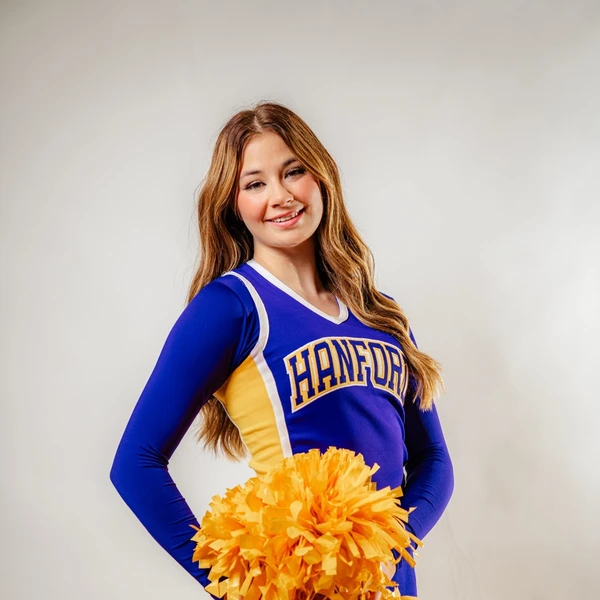
    Cheerleading

    Varsity
    2022 – Present4 years

    Awards

    • x3 State championships
    • 1st place
    • 4th and 12th in the nation

    Arts

    • Hanford High School

      Photography
      2022 – Present
    Craig Family Scholarship
    The thing that has inspired me the most is being a cheerleader. I had never enjoyed making myself vulnerable to others around me. I am, or was, typically very independent and a timid, quiet person. Through cheerleading, I've learned to develop an outgoing personality, where I'm more comfortable talking to people. I've learned to be more open and rely on people a little more when needed. Before I started cheerleading, I was completely unaware of the physical and mental demands on athletes who work day in and day out. The way an athlete's mind works physically is that if there is an "injury," they won't acknowledge it too much. That is, until the symptoms of the injury worsen, resulting in increased pain in the affected area. A lot less power than the injured part used to have, and once it's noticed, it becomes a massive part of an athlete's personality. That's where the mental aspects come into play. As soon as the injury is identified, athletes tend to overprotect the affected area. They also then complain a lot more, and they also want to sit out of their sport so they don't “"orsen”"the injury. With proper handling of the injury, it would make recovery ten times easier and quicker than for an athlete who is careless and continues to use the damaged part. I never minded getting hurt or injured because they would heal quickly, but I've grown older and had to deal with the struggle of longer-lasting injuries. I have noticed that the human body can't withstand so much physical damage. There's always a breaking point in the body where an injury can no longer sustain pressure/infliction. I realized that when I first rolled my ankle. It hurt horribly, and I wasn't sure what to do. That's when I met my school's athletic trainer. He helped me through my injury and taught me how to care for my ankle while it was healing correctly. Now that I know how to care for myself properly, I understand how to help others with a similar injury. As I know how to assist others and comprehend the needs and requirements of individuals, I aspire to become a sports physical therapist. I have looked into this occupation more and more every time I get the chance, and I feel it's in my best interest to pursue a career as a sports physiatrist.
    Robert F. Lawson Fund for Careers that Care
    In my first year of high school, I decided to join the high school cheerleading team. As the season went on, I sprained my ankle, and that's when it all hit me. I wasn’t so shocked about rolling my ankle, but the human anatomy of the healing process. We don’t have much money in my family, so I couldn’t get a Physical Therapist, but I managed to do all the right steps during the healing process. This is what fascinated me with the idea of becoming a Physical Therapist. As soon as I felt my ankle roll, I was disappointed that I would have to sit out to rest my ankle and allow it to heal properly. My coach and Sports medicine teacher helped me through it, telling me that I would be alright. I was instructed to alternate between ice and heat and elevate my ankle to aid in the healing process. I did everything I was told to, and it happened again. The more I babied my ankle, the worse it got, so I decided to stop babying it. As soon as I realized how much my coach and Sports Medicine teacher helped me, I knew I wanted to help other people, too. With sport-related injuries anyway. I have taken an interest in taking more High School classes focused on human anatomy. Some of these classes are Sports Medicine and Kinesiology. Sports Medicine focuses on prevention, treatment, diagnosis, and the rehabilitation of sport-related injuries. Kinesiology focuses on mobility, human development, and physiology. In these classes, I can learn how the body works, where different kinds of injuries can happen, and what steps to take to prevent and treat those injuries. Once I realized my passion for helping people in situations like mine, I immediately told everyone I knew. The reaction from many was more of just a shocked look on their faces, but I have stuck with wanting to be a Physical Therapist since the beginning of my Sophomore year. The more I learn about the human body and the various ligaments and muscles that can be torn, the more fascinating it all becomes. Being a Physical Therapist is also a way for me to be in the medical field without having to deal with more severe injuries. I’ve spoken to a Physical Therapist and asked about the types of patients they deal with. She told me that it’s a variety of people of all different ages, as well as those recovering from previous injuries.
    Maxwell Tuan Nguyen Memorial Scholarship
    Inspiration doesn’t always come from the loudest voices, but sometimes it's the whispers through the quiet acts of others and their resilience. The thing that has inspired me the most is being a cheerleader. I had never enjoyed making myself vulnerable to others around me. I am, or was, typically very independent and a timid and quiet being. With cheerleading, I’ve learned how to have an outgoing personality, I talk to people more, but not only have I learned to be outgoing, I’ve also learned how to be more open and depend on people a little more when needed. Before cheerleading, I was completely unaware of the physical and mental aspects of athletes who work day in and day out. The way an athlete's mind works physically is that if there is an “injury”, they won’t acknowledge it too much. That is, until it gets worse and the symptoms of the said injury get worse, meaning more pain in the injured area. A lot less power than the injured part used to have, and once it’s noticed, it becomes a huge part of an athlete’s personality. That’s where the mental aspects come into play. As soon as the injury is noticed, athletes tend to baby the injury a lot more. They also then complain a lot more, and they also want to sit out of their sport so they don’t “worsen” the injury. With the proper handling of the injury, it would make it ten times easier to recover quicker than an athlete who is careless and keeps using the damaged part. That’s where sports medicine physicians come into play. A sports medicine physician treats athletes and non-athletes alike. They're highly trained to treat injuries to your musculoskeletal system, which includes your bones, muscles, and joints. They don't perform surgery, but they can treat several conditions like sprains, strains, tears, and breaks. I also want to treat athletes and non-athletes alike. I’ve thought about other routes like being a Physical Therapist or maybe an Occupational Therapist, but neither of those is what I truly want to do or see doing in my future. I want to be hands-on with people and help them through the rehabilitation of their injury. As a kid, I never minded getting hurt or injured because it would heal quickly, but as I’ve gotten older, along with having to deal with the struggle of longer-lasting injuries, I have noticed that the human body can’t take so much physical damage. There’s always a breaking point to the body where an injury cannot sustain any more pressure/infliction. I had realized that when I first rolled my ankle for the first time. It hurt horribly, and I wasn’t sure what to do. That's when I met my school’s athletic trainer. He helped me through my injury and taught me how to properly care for my ankle while it was healing. Now that I know how to properly care for myself, I understand how to help others with a similar injury. Since I understand how to help others and I understand the needs and requirements of a person, I want to become a sports physical therapist. I have looked into this occupation more and more every time I get the chance to, and I feel it’s in my best interest to be a sports physician therapist.